Field of the invention
The present invention is related to methods and compositions for eliciting high immune responses. In particular, the present invention includes novel compositions and methods for yielding conformationally sensitive antibodies.
Background of the invention
The immune system is a complex response system of the body that involves many different kinds of cells that have differing activities. Activation of one portion of the immune system usually causes a variety of responses due to unwanted activation of other related portions of the system. Currently, there are no satisfactory methods or compositions for producing a specifically desired response by targeting the specific components of the immune system.
The immune system is a complex interactive system of the body that involves a wide variety of components, including cells, and cellular factors, which interact with stimuli from both inside the body and outside the body. Aside from its direct action, the immune system's response is also influenced by other systems of the body including the nervous, respiratory, circulatory, and digestive systems.
One of the better-known aspects of the immune system is its ability to respond to foreign antigens presented by invading organisms, cellular changes within the body, or from vaccination. Some of the first kinds of cells that respond to such activation of the immune system are phagocytes and natural killer cells. Phagocytes include among other cells, monocytes, macrophages, and polymorphonuclear neutrophils. These cells generally bind to the foreign antigen, internalize it and often times destroy it. They also produce soluble molecules that mediate other immune responses, such as inflammatory responses. Natural killer cells can recognize and destroy certain virally-infected embryonic and tumor cells. Other factors of the immune response include complement pathways, which are capable of responding independently to foreign antigens or acting in concert with cells or antibodies.
Generally, it is thought that the response to antigens involves both humoral responses and cellular responses. Humoral immune responses are mediated by non-cellular factors that are released by cells and which may or may not be found free in the plasma or intracellular fluids. A major component of a humoral response of the immune system is mediated by antibodies produced by B lymphocytes. Cell-mediated immune responses result from the interactions of cells, including antigen presenting cells and B lymphocytes (B cells) and T lymphocytes (T cells).
One of the most widely employed aspects of the immune response capabilities is the production of monoclonal antibodies. The advent of monoclonal antibody (Mab) technology in the mid 1970s provided a valuable new therapeutic and diagnostic tool. For the first time, researchers and clinicians had access to unlimited quantities of uniform antibodies capable of binding to a predetermined antigenic site and having various immunological effector functions. Currently, the techniques for production of monoclonal antibodies are well known in the art. However there remains a continuing need for specialized antibodies. In essence, what is desired is the ability to produce customized antibodies. The need is especially great in the area of combating infectious disease where pathogens have acquired resistance to commonly used antibiotics. In addition, there is a need for antibiotics, for addressing pathological conditions resulting from cause other than an infectious agent.
Alzheimer's Disease (AD) is a neurological disorder primarily thought to be caused by the build of amyloid plaques caused by abnormal deposit of proteins in the brain. Scientific evidence demonstrates that AD results from an increase in the production or accumulation of beta-amyloid protein in plaques that leads to nerve cell death. Loss of nerve cells in strategic brain areas, in turn, causes reduction in the neurotransmitters and impairment of memory. The proteins principally responsible for the plaque build up include amyloid precursor protein (APP) and two presenilins (presenilin I and presenilin II). The degradation of APPs likely increases their propensity to aggregate in plaques. There is a need for specific antibodies that can target and diffuse amyloid plaque formation.
The symptoms of AD manifest slowly and the first symptom may only be mild forgetfulness. In this stage, individuals may forget to recent events, activities, the names of familiar people or things and may not be able to solve simple math problems. As the disease progresses, symptoms are more easily noticed and become serious enough to cause people with AD or their family members to seek medical help. Mid-stage symptoms of AD include forgetting how to do simple tasks such as grooming, and problems develop with speaking, understanding, reading, or writing. Later stage AD patients may become anxious or aggressive, may wander away from home and ultimately need total care.
Presently, the only definite way to diagnose AD is to identify plaques and tangles in brain tissue in an autopsy after death of the individual. Therefore, doctors can only make a diagnosis of “possible” or “probable” AD while the person is still alive. Using current methods, physicians can diagnose AD correctly up to 90 percent of the time using several tools to diagnose “probable” AD. Physicians ask questions about the person's general health, past medical problems, and the history of any difficulties the person has carrying out daily activities. Behavioral tests of memory, problem solving, attention, counting, and language provide information on cognitive degeneration and medical tests-such as tests of blood, urine, or spinal fluid, and brain scans can provide some further information.
The management of AD consists of medication-based and non-medication based treatments. Treatments aimed at changing the underlying course of the disease (delaying or reversing the progression) have so far been largely unsuccessful. Medicines that restore the deficit (defect), or malfunctioning, in the chemical messengers of the nerve cells (neurotransmitters), such as the cholinesterase inhibitors (ChEIs), have been shown to improve symptoms. Medications are also available to address the psychiatric manifestations of AD.
Cholinesterase inhibitors, such as Tacrine and Rivastgmine, are currently the only class of agents that are approved by the FDA for the treatment of AD. These agents are medicines that restore the defect, or malfunctioning, in the chemical neurotransmission in the brain. ChEIs impede the enzymatic degradation of neurotransmitters thereby increasing the amount of chemical messengers available to transmit the nerve signals in the brain.
For some people in the early and middle stages of the disease, the drugs tacrine (COGNEX®, Morris Plains, N.J.), donepezil (ARICEPT®, Tokyo, JP), rivastigmine (EXELON®, East Hanover, N.J.), or galantamine (REMINYL®, New Brunswick, N.J.) may help prevent some symptoms from becoming worse for a limited time. Another drug, memantine (NAMENDA®, New York, N.Y.), has been approved for treatment of moderate to severe AD. Also, some medicines may help control behavioral symptoms of AD such as sleeplessness, agitation, wandering, anxiety, and depression. Treating these symptoms often makes patients more comfortable and makes their care easier for caregivers. Unfortunately, despite significant treatment advances showing that this class of agents is consistently better than a placebo, the disease continues to progress despite treatment, and the average effect on mental functioning has only been modest. ChEIs also have side effects that include gastrointestinal dysfunction, liver toxicity and weight loss.
Advances in the understanding of the brain abnormalities that occur in AD are hoped to provide the framework for new targets of treatment that are more focused on altering the course and development of the disease. Many compounds, including anti-inflammatory agents, are being actively investigated. Clinical trials using specific cyclooxygenase inhibitors (COX-2), such as rofecoxib and celecoxib, are also underway.
Another factor to consider when developing new drugs is the ease of use for the target patients. Oral drug delivery—specifically tablets, capsules and softgels—account for 70% of all dosage forms consumed because of patient convenience. Drug developers agree that patients prefer oral delivery rather than subjecting themselves to injections or other, more invasive forms of medicinal administration. Formulations resulting in low dosing intervals (i.e. once a day or sustained release) are also preferable. The ease of administering antibiotics in oral dosage forms results in an increase of patient compliance during treatment.
What is needed are effective methods and compositions for generation of highly specific and highly effective antibodies. Preferably such antibodies would recognize specific epitopes on various antigens such as amyloid protein, prion protein or P.sub.170 glycoprotein.
What is also needed therefore, are effective compositions and methods for addressing the complications associated with neurological disease associated with amyloid plaque formation such as Alzheimer's disease. In particular what is need are specialized antibodies capable of counteracting the physiological manifestations of the disease such as the formation plaques associated with aggregation of fibers of the amyloid peptide in its beta sheet conformation.
Summary of the invention
The present invention includes novel methods and compositions for eliciting highly specific and highly effective antibodies. Unlike currently available products the present invention provides unique methods and compositions resulting in antibodies having the ability to recognize specific epitopes from a range of antigens.
The present invention satisfies the long felt need for compositions that enable the generation of antibodies that specifically recognize epitopes such as those of amyloid protein, prion protein or P.sub.170 glycoprotein.
The present invention comprises unique antigen presentation that results in enhanced exposure and ultimately antibodies with a higher degree of conformational sensitivity. In one embodiment the invention includes compositions comprising supramolecular antigenic constructs comprising a peptide sequence, covalently attached to pegylated amino acid (such as pegylated lysine)—one at each terminus.
Accordingly, it is an object of the present invention to provide methods and compositions for eliciting specific and effective immune responses.
It is another object of the present invention to provide methods and compositions for treating and preventing the occurrence or spread of disease.
It is a further object of the present invention to provide methods and compositions for preventing, treating or reducing disease by eliciting an active cellular and humoral response in the host.
Yet another object of the present invention is to provide methods and compositions for reducing and preventing the occurrence of neurological disorders.
Another object of the present invention is to provide methods and compositions for reducing and preventing the occurrence of hyperproliferative disorders.
Yet another object of the present invention to provide methods and compositions for therapeutic immunological intervention in neurological disorders.
It is yet another object of the present invention to provide methods and compositions for vaccinating a human or animal against selected infectious organisms.
It is yet another object of the present invention to provide methods and compositions for passively immunizing a human or animal against selected infectious organisms.
Another object of the present invention is to provide supramolecular construct compositions that are antigenic and elicit an immune response against pathological manifestation in humans or animals.
Yet another object of the present invention is to provide supramolecular construct compositions that are antigenic and elicit an immune response against pathological manifestation in humans or animals, wherein such pathological manifestation comprises abnormalities such as amyloid plaques.
Another object of the present invention is to provide supramolecular construct compositions that are antigenic and elicit an immune response against infectious organisms in humans or animals.
Another object of the present invention is to provide vaccine compositions comprising supramolecular antigenic constructs that are non-immunogenic in a human or animal to be immunized with the composition; and carriers wherein the antigenic peptide is uniquely presented on the surface of the carrier such that resulting antibodies are highly specific and have a greater degree of conformational sensitivity when administered into the human or animal.
Yet another object of the present invention is to provide methods and compositions comprising modified antigenic moieties to increase an individual's response to disease and disorders.
Another object of the present invention is to provide vaccine compositions comprising supramolecular antigenic constructs wherein peptides are modified to enhance antigenic effect.
Yet another object of the present invention is to provide vaccine compositions comprising supramolecular antigenic constructs comprising peptides modified to enhance antigenic effect wherein such peptides are modified via pegylation (using polyethylene glycol or modified polyethylene glycol), or modified via other methods such by poly-amino acids (e.g. poly-glycine, poly-histidine), poly-saccharides (e.g. polygalacturonic acid, polylactic acid, polyglycolide, chitin, chitosan), synthetic polymers (polyamides, polyurethanes, polyesters) or co-polymers (poly(methacrylic acid) and N-(2-hydroxy) propyl methacrylamide) and the like.
It is yet another object of the present invention to provide immunogenic compositions wherein the carrier for the antigenic peptide comprises modified liposomes.
It is another object of the present invention to provide immunogenic compositions wherein the carrier for the antigenic peptide comprises a colloidal metal.
Another object of the present invention is to provide immunogenic compositions wherein the carrier for the antigenic peptide comprises a baculovirus-derived vesicle.
It is still another object of the present invention to provide immunogenic compositions in combination with pharmaceutically acceptable adjuvants to stimulate the immune response.
Yet another object of the present invention is to provide immunogenic compositions that may be administered intramuscularly, intravenously, transdermally, orally, or subcutaneously.
These and other objects, features and advantages of the present invention will become apparent after a review of the following detailed description of the disclosed embodiment and the appended claims.
Brief description of the figures
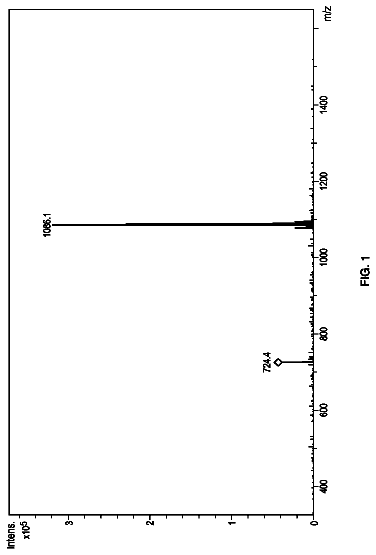
FIG. 1 provides a schematic showing chemically modified β-amyloid antigen.
FIG. 2 provides representative schematic showing liposome reconstituted with a chemically modified amyloid-antigen.
FIG. 3 provides a schematic showing a multiple P.sub.170 antigen.
FIG. 4 provides synthetic peptides, homologous to different segments of PrP.sup.c used to investigate their influence on the viability of primary rat hippocampal neurons. Letter “a” refers to PrP 57-64, WGQPHGGG (SEQ ID NO: 7); letter “b” refers to PrP 89-106, WGQGGGTHSQWNKPSKPK (SEQ ID NO: 8); letter “c” refers to PrP 106-140, KTNMKHMAG (SEQ ID NO: 9); letter “d” refers to PrP 106-126, KTNMKHMAGAAAAGAVVGGLG (SEQ ID NO: 6); letter “e” refers to PrP 127-135, GYMLGSAMS (SEQ ID NO: 10); letter “f” refers to PrP 127-147, GYMLGSAMSRPIIHFGSDYED (SEQ ID NO: 11); letter “g” refers to NGAKALMGGHGATKVMVGAAA (SEQ ID NO: 12). Letters a-f refer to amino-acid sequence of peptides homologous to different fragments of the amyloid protein purified from GSS brains (residues 58 to 150). Letter “g” refers to a scrambled version of PrP 106-126. The octapeptide “a” is repeated for 4 or 5 times in the PrP sequence.
FIG. 5 provides a schematic of the peptides derived from the Aβ sequences 4-11 (SEQ ID NO: 2), 1-16 (SEQ ID NO: 5), 22-35 (SEQ ID NO: 3) and 29-40 (SEQ ID NO: 4).
FIG. 6 provides a schematic showing the general synthetic approaches to antigens derived from peptides sequences with or without internal His or Lys residues.
FIG. 7 provides the results of ELISA conducted with 1:5000 diluted sera from pegylated amyloid/liposomes/lipid A immunized C57BL/6 mice. PEG-Aβ.sub.1-16 (- -black), PEG-Aβ.sub.1-16+ALUM (- -grey), PEG-Aβ.sub.4-11 (-grey). Means of the values of 10 mice per antigen; means of values from 2 mice are shown for Aβ.sub.1-16+ALUM. As a control mean values of 12 palmitoylated Aβ.sub.1-16 (- -bright grey) injected animals are shown (published 2002).
FIG. 8 provides the results of assays evaluating solubilization of Aβ.sub.1-42 fibers by sera of PEG-Aβ.sub.4-11 immunized C57BL/6 mice. Thioflavin fluorescence emission intensity correlates with the amount of fbrillar amyloid present in solution. Aβ.sub.1-42 fibers formation during 7 days at 37° C. in PBS, pH=7.1. Sera were added on day 7 and incubated for 24 hrs. Bars 1-9 represent solubilization experiments made with sera of vaccinated animals. Means of 4 samples+SD are shown.
FIG. 9 provides the results of solubilization assay of Aβ.sub.1-42 fibers by supernatants of hybridoma clones from palm. −Aβ.sub.1-16 immunized C57BL/6 mice. Aβ.sub.1-42 fibers formation during 7 days at 37° C. in PBS, pH=7.1. Supernatants were incubated for 24 hrs. sfr medium=medium without FCS. The hybridoma clones were grown in to serum free medium for 1 day. Means of 4 samples+SD are shown.
FIG. 10 provides .sup.13C-.sup.13C correlation spectrum of amyloid fibres made of the amyloid β-peptide labeled at .sup.10Tyr and .sup.12Val.
FIG. 11 provides projection of the .sup.13C-.sup.13C correlation spectrum of Aβ-peptide fibers (A) and after incubation with the antibody for 12 days (B).
FIG. 12 provides NMR spectra data for assessing the effect of monoclonal antibodies on amyloid beta fibers.
FIG. 13 provides a graph showing comparative data for pegylated and palmitoylated antigens.
FIG. 14 provides a graph showing comparative data for pegylated beta amyloid (1-16, 4-11, 22-35, 1-15) and palmitoylated beta amyloid (1-16).
Detailed description
The present invention may be understood more readily by reference to the following detailed description of specific embodiments included herein. Although the present invention has been described with reference to specific details of certain embodiments, thereof, it is not intended that such details should be regarded as limitations upon the scope of the invention. The text of the references mentioned herein are hereby incorporated by reference in their entirety, including U.S. Provisional Application Ser. No. 60/449,573, and U.S. patent application Ser. No. 10/783,975 filed Feb. 20, 2004.
We report here a method of eliciting high immune responses, of great specifity yielding conformationally sensitive antibodies. These antibodies recognize specific epitopes on a wide variety of antigens including but not limited to, amyloid protein, prion protein, P.sub.170 glycoprotein. More specifically, we report here the concept of modifying peptides, such as amyloid peptides, to elicit an improved immunogenic response. In certain embodiments, the peptides are modified via pegylation. Definitions
The terms “polypeptide”, “peptide”, and “protein”, as used herein, are interchangeable and are defined to mean a biomolecule composed of two or more amino acids linked by a peptide bond.
The term “peptides,” are chains of amino acids (typically L-amino acids) whose alpha carbons are linked through peptide bonds formed by a condensation reaction between the carboxyl group of the alpha carbon of one amino acid and the amino group of the alpha carbon of another amino acid. The terminal amino acid at one end of the chain (i.e., the amino terminal) has a free amino group, while the terminal amino acid at the other end of the chain (i.e., the carboxy terminal) has a free carboxyl group. As such, the term “amino terminus” (abbreviated N-terminus) refers to the free alpha-amino group on the amino acid at the amino terminal of the peptide, or to the alpha-amino group (imino group when participating in a peptide bond) of an amino acid at any other location within the peptide. Similarly, the term “carboxy terminus” (abbreviated C-terminus) refers to the free carboxyl group on the amino acid at the carboxy terminus of a peptide, or to the carboxyl group of an amino acid at any other location within the peptide.
Typically, the amino acids making up a peptide are numbered in order, starting at the amino terminal and increasing in the direction toward the carboxy terminal of the peptide. Thus, when one amino acid is said to “follow” another, that amino acid is positioned closer to the carboxy terminal of the peptide than the preceding amino acid.
The term “residue” is used herein to refer to an amino acid that is incorporated into a peptide by an amide bond. As such, the amino acid may be a naturally occurring amino acid or, unless otherwise limited, may encompass known analogs of natural amino acids that function in a manner similar to the naturally occurring amino acids (i.e., amino acid mimetics). Moreover, an amide bond mimetic includes peptide backbone modifications well known to those skilled in the art.
The phrase “consisting essentially of” is used herein to exclude any elements that would substantially alter the essential properties of the peptides to which the phrase refers. Thus, the description of a peptide “consisting essentially of . . . ” excludes any amino acid substitutions, additions, or deletions that would substantially alter the biological activity of that peptide.
Furthermore, one of skill will recognize that, as mentioned above, individual substitutions, deletions or additions which alter, add or delete a single amino acid or a small percentage of amino acids (typically less than 5%, more typically less than 1%) in an encoded sequence are conservatively modified variations where the alterations result in the substitution of an amino acid with a chemically similar amino acid. Conservative substitution tables providing functionally similar amino acids are well known in the art. The following six groups each contain amino acids that are conservative substitutions for one another:
1) Alanine (A), Serine (S), Threonine (T);
2) Aspartic acid (D), Glutamic acid (E);
3) Asparagine (N), Glutamine (Q);
4) Arginine (R), Lysine (K);
5) Isoleucine (I), Leucine (L), Methionine (M), Valine (V); and
6) Phenylalanine (F), Tyrosine (Y), Tryptophan (W).
The phrases “isolated” or “biologically pure” refer to material which is substantially or essentially free from components which normally accompany it as found in its native state. Thus, the peptides described herein do not contain materials normally associated with their in situ environment. Typically, the isolated, immunogenic peptides described herein are at least about 80% pure, usually at least about 90%, and preferably at least about 95% as measured by band intensity on a silver stained gel.
Protein purity or homogeneity may be indicated by a number of methods well known in the art, such as polyacrylamide gel electrophoresis of a protein sample, followed by visualization upon staining. For certain purposes high resolution will be needed and HPLC or a similar means for purification utilized.
When the immunogenic peptides are relatively short in length (i.e., less than about 50 amino acids), they are often synthesized using standard chemical peptide synthesis techniques.
Solid phase synthesis in which the C-terminal amino acid of the sequence is attached to an insoluble support followed by sequential addition of the remaining amino acids in the sequence is a preferred method for the chemical synthesis of the immunogenic peptides described herein. Techniques for solid phase synthesis are known to those skilled in the art.
Alternatively, the immunogenic peptides described herein are synthesized using recombinant nucleic acid methodology. Generally, this involves creating a nucleic acid sequence that encodes the peptide, placing the nucleic acid in an expression cassette under the control of a particular promoter, expressing the peptide in a host, isolating the expressed peptide or polypeptide and, if required, renaturing the peptide. Techniques sufficient to guide one of skill through such procedures are found in the literature.
Once expressed, recombinant peptides can be purified according to standard procedures, including ammonium sulfate precipitation, affinity columns, column chromatography, gel electrophoresis and the like. Substantially pure compositions of about 50 to 95% homogeneity are preferred, and 80 to 95% or greater homogeneity are most preferred for use as therapeutic agents.
One of skill in the art will recognize that after chemical synthesis, biological expression or purification, the immunogenic peptides may possess a conformation substantially different than the native conformations of the constituent peptides. In this case, it is often necessary to denature and reduce the antiproliferative peptide and then to cause the peptide to re-fold into the preferred conformation. Methods of reducing and denaturing proteins and inducing re-folding are well known to those of skill in the art.
Antigenicity of the purified protein may be confirmed, for example, by demonstrating reaction with immune serum, or with antisera produced against the protein itself.
The terms “a”, “an” and “the” as used herein are defined to mean “one or more” and include the plural unless the context is inappropriate.
The terms “detecting” or “detected” as used herein mean using known techniques for detection of biologic molecules such as to immunochemical or histological methods and refer to qualitatively or quantitatively determining the presence or concentration of the biomolecule under investigation.
By “isolated” is meant a biological molecule free from at least some of the components with which it naturally occurs.
The terms “antibody” or “antibodies” as used herein include monoclonal antibodies, polyclonal, chimeric, single chain, bispecific, simianized, and humanized antibodies as well as Fab fragments, including the products of an Fab immunoglobulin expression library.
The term “antigen” refers to an entity or fragment thereof which can induce an immune response in a mammal. The term includes immunogens and regions responsible for antigenicity or antigenic determinants.
As used herein, the term “soluble” means partially or completely dissolved in an aqueous solution.
Also as used herein, the term “immunogenic” refers to substances which elicit or enhance the production of antibodies, T-cells and other reactive immune cells directed against an immunogenic agent and contribute to an immune response in humans or animals.
An immune response occurs when an individual produces sufficient antibodies, T-cells and other reactive immune cells against administered immunogenic compositions of the present invention to moderate or alleviate the disorder to be treated.
The term “carrier” as used herein means a structure in which antigenic peptide or supramolecular construct can be incorporated into or can be associated with, thereby presenting or exposing antigenic peptides or part of the peptide to the immune system of a human or animal. The term “carrier” further comprises methods of delivery wherein supramolecular antigenic construct compositions comprising the antigenic peptide may be transported to desired sites by delivery mechanisms. One example of such a delivery system utilizes colloidal metals such as colloidal gold.
In addition, the term “carrier” further comprises delivery mechanisms known to those skilled in the art including, but not limited to, keyhole limpet hemocyanin (KLH), bovine serum albumin (BSA) and other adjuvants. It is also to be understood that the supramolecular antigenic construct compositions of the present invention can further comprise adjuvants, preservatives, diluents, emulsifiers, stabilizers, and other components that are known and used in vaccines of the prior art. Any adjuvant system known in the art can be used in the composition of the present invention. Such adjuvants include, but are not limited to, Freund's incomplete adjuvant, Freund's complete adjuvant, polydispersed ß-(1,4) linked acetylated mannan (“Acemannan”), TITERMAX® (polyoxyethylene-polyoxypropylene copolymer adjuvants from CytRx Corporation), modified lipid adjuvants from Chiron Corporation, saponin derivative adjuvants from Cambridge Biotech, killed Bordetella pertussis , the lipopolysaccharide (LPS) of gram-negative bacteria, large polymeric anions such as dextran sulfate, and inorganic gels such as alum, aluminum hydroxide, or aluminum phosphate.
Carrier proteins that can be used in the supramolecular antigenic construct compositions of the present invention include, but are not limited to, maltose binding protein “MBP”; bovine serum albumin “BSA”; keyhole lympet hemocyanin “KLH”; ovalbumin; flagellin; thyroglobulin; serum albumin of any species; gamma globulin of any species; syngeneic cells; syngeneic cells bearing Ia antigens; and polymers of D- and/or L-amino acids.
Further, the term “effective amount” refers to the amount of antigenic/immunogenic composition which, when administered to a human or animal, elicits an immune response. The effective amount is readily determined by one of skill in the art following routine procedures.
For example, supramolecular antigenic construct compositions may be administered parenterally or orally in a range of approximately 1.0 μg to 10.0 mg per patient, though this range is not intended to be limiting. The actual amount of the composition required to elicit an immune response will vary for each individual patient depending on the immunogenicity of the composition administered and on the immune response of the individual. Consequently, the specific amount to administered to an individual will be determined by routine experimentation and based upon the training and experience of one skilled in the art.
The compositions of the present invention are used to produce antibodies directed against antigenic peptides. Resulting antibodies are administered to individuals to passively immunize them against a variety of diseases or disorders, including but not limited to, Alzheimer's disease, multidrug resistant cancer or prion disease.
The immunogenic compositions of the present invention may comprise liposomes made by reconstituting liposomes in the presence of purified or partially purified or modified antigenic peptides. Additionally, peptide fragments may be reconstituted into liposomes. The present invention also includes antigenic peptide fragments modified so as to increase their antigenicity. For example, antigenic moieties and adjuvants may be attached to or admixed with the peptide. Examples of antigenic moieties and adjuvants include, but are not limited to, lipophilic muramyl dipeptide derivatives, nonionic block polymers, aluminum hydroxide or aluminum phosphate adjuvant, and mixtures thereof.
The present invention further encompasses antigenic peptides modified with hydrophobic moieties, such as palmitic acid, that facilitate insertion into the hydrophobic lipid bilayer of a carrier. Hydrophobic moieties of the present invention may be fatty acids, triglycerides and phospholipids wherein the fatty acid carbon back bones has at least 10 carbon atoms. Most preferable are lipophilic moieties having fatty acids with a carbon backbone of at least approximately 14 carbon atoms and up to approximately 24 carbon atoms. The most preferred hydrophobic moieties have a carbon backbone of at least 14 carbon atoms. Examples of hydrophobic moieties include, but are not limited to, palmitic acid, stearic acid, myristic acid, lauric acid, oleic acid, linoleic acid, and linolenic acid. The most preferred hydrophobic moiety is palmitic acid.
The supramolecular antigenic construct compositions of the present invention are administered to a human or animal to induce immunity to antigenic agents such as infectious organisms. The immunized human or animal develops circulating antibodies against the infectious organism, thereby reducing or inactivating its ability to stimulate disease.
The supramolecular antigenic construct compositions of the present invention are also used to produce a panel of monoclonal or polyclonal antibodies that are specific for various disorders, including for example, Alzheimer's disease. Antibodies are made by methods well known to those of ordinary skill in the art.
The compositions of the present invention are administered to a human or animal by any appropriate means, preferably by injection. For example, a modified antigenic peptide reconstituted in liposomes is administered by subcutaneous injection. Whether internally produced or provided from external sources, the circulating antibodies bind to antigen and reduce or inactivate its ability to stimulate disease.
Liposomes that can be used in the compositions of the present invention include those known to one skilled in the art. Any of the standard lipids useful for making liposomes may be used. Standard bilayer and multi-layer liposomes may be used to make compositions of the present invention. While any method of making liposomes known to one skilled in the art may be used, the most preferred liposomes are made according to the method of Alving et al., Infect. Immun. 60:2438-2444, 1992, hereby incorporated by reference. The liposome can optionally contain an adjuvant. A preferred adjuvant is detoxified lipid A, such as monophosphoryl or diphosphoryl lipid A.
When the vesicles are liposomes, the antigenic peptide generally has a hydrophobic tail that inserts into the liposome membrane as it is formed. Additionally, antigenic peptides can be modified to contain a hydrophobic tail so that it can be inserted into the liposome. For example, antigenic peptide may be exposed on the surface of previously formed liposomes by chemical attachment or electroinsertion.
The antibodies provided herein are monoclonal or polyclonal antibodies having binding specificity for infectious organisms or antigenic peptides representative of various disorders such as Alzheimer's disease, multi drug resistant cancer and prion diseases.
The monoclonal antibody is prepared by immunizing an animal, such as a mouse or rabbit, with supramolecular antigenic construct compositions of the present invention. Spleen cells are harvested from the immunized animals and hybridomas generated by fusing sensitized spleen cells with a myeloma cell line, such as murine SP2/O myeloma cells (ATCC, Manassas, Va.). The cells are induced to fuse by the addition of polyethylene glycol. Hybridomas are chemically selected by plating the cells in a selection medium containing hypoxanthine, aminopterin and thymidine (HAT).
Hybridomas are subsequently screened for the ability to produce monoclonal antibodies against specific diseases or disorders. Hybridomas producing antibodies of interest are cloned, expanded and stored frozen for future production. The preferred hybridoma produces a monoclonal antibody having the IgG isotype, more preferably the IgG1 isotype.
The polyclonal antibody is prepared by immunizing animals, such as mice or rabbits with supramolecular antigenic construct compositions of the present invention described above. Blood sera is subsequently collected from the animals, and antibodies in the sera screened for binding reactivity against target agents.
Either the monoclonal antibody or the polyclonal antibody, or both may be labeled directly with a detectable label for identification a target agent in a biological sample as described below. Labels for use in immunoassays are generally known to those skilled in the art and include enzymes, radioisotopes, and fluorescent, luminescent and chromogenic substances including colored particles, such as colloidal gold and latex beads. The antibodies may also be bound to a solid phase to facilitate separation of antibody-antigen complexes from non-reacted components in an immunoassay. Exemplary solid phase substances include, but are not limited to, microtiter plates, test tubes, magnetic, plastic or glass beads and slides. Methods for coupling antibodies to solid phases are well known to those skilled in the art.
Alternatively, the antibody may be labeled indirectly by reaction with labeled substances that have an affinity for immunoglobulin, such as protein A or G or second antibodies. The antibody may be conjugated with a second substance and detected with a labeled third to substance having an affinity for the second substance conjugated to the antibody. For example, the antibody may be conjugated to biotin and the antibody-biotin conjugate detected using labeled avidin or streptavidin. Similarly, the antibody may be conjugated to a hapten and the antibody-hapten conjugate detected using labeled anti-hapten antibody. These and other methods of labeling antibodies and assay conjugates are well known to those skilled in the art.
In a preferred embodiment, the antibody is labeled indirectly by reactivity with a second antibody that has been labeled with a detectable label. The second antibody is preferably one that binds to antibodies of the animal from which the monoclonal antibody is derived. In other words, if the monoclonal antibody is a mouse antibody, then the labeled, second antibody is an anti-mouse antibody. For the monoclonal antibody to be used in the assay described below, this label is preferably an antibody-coated bead, particularly a magnetic bead. For the polyclonal antibody to be employed in the immunoassay described herein, the label is preferably a detectable molecule such as a radioactive, fluorescent or an electrochemiluminescent substance.
Formulations
The naturally occurring or synthetic protein, peptide, or protein fragment, containing all or an active portion of an immunogenic protein or peptide can be prepared in a physiologically acceptable formulation, such as in a pharmaceutically acceptable carrier, using known techniques. For example, the protein, peptide or protein fragment is combined with a pharmaceutically acceptable excipient to form a therapeutic composition.
Alternatively, the gene for the protein, peptide, or protein fragment, containing all or an active portion of the immunogenic peptide, may be delivered in a vector for continuous administration using gene therapy techniques. The vector may be administered in a vehicle having specificity for a target site, such as a tumor.
The compositions of the present invention may be administered in the form of a solid, liquid or aerosol. Examples of solid compositions include pills, creams, and implantable dosage units. Pills may be administered orally. Therapeutic creams may be administered topically. Implantable dosage units may be administered locally, for example, at a tumor site, or may be implanted for systematic release of the therapeutic composition, for example, subcutaneously. Examples of liquid compositions include formulations adapted for injection intramuscularly, subcutaneously, intravenously, intra-arterially, and formulations for topical and intraocular administration. Examples of aerosol formulations include inhaler formulations for administration to the lungs.
The description continues in the full USPTO document.
 Lapsed, fee not paid11 drawings