Lapsed, fee not paid11 drawings
Biotech & Lab · US 9,975,953 B2
Anti-Axl antibodies
Antibodies which specifically bind to the Ax I protein are described.
US 9,975,983 B2 · Assignee: University of Connecticut · Inventors: Lu; Xiuling et al.
Sheet 1 of 13 from the published document. All sheets in the USPTO PDF
The disclosure provides biodegradable amphiphilic liquid crystalline copolymers that can readily self-assemble to nanoparticles in aqueous solutions and also allow for encapsulation of hydrophobic pharmaceutically active molecules.
Field of the Invention The disclosure provides biodegradable amphiphilic liquid crystalline copolymers that can readily self-assemble to nanoparticles in aqueous solutions and also allow for encapsulation of hydrophobic pharmaceutically active molecules. Description of the Related Art Clinical use of drugs (e.g., anticancer drugs) is limited due to their hydrophobicity and non-specific toxicity. For example, the majority of clinically used anticancer drugs are low molecular compounds that diffuse rapidly though the body in both healthy and diseased tissue causing serious side effects. There is a growing need to develop safe and effective delivery systems for anticancer drugs. Self-assembled nanoparticle structures allow encapsulation of the anticancer drugs in the core while the hydrophilic shell allows for increased water solubility and stability. Nanoparticles with appropriate size and
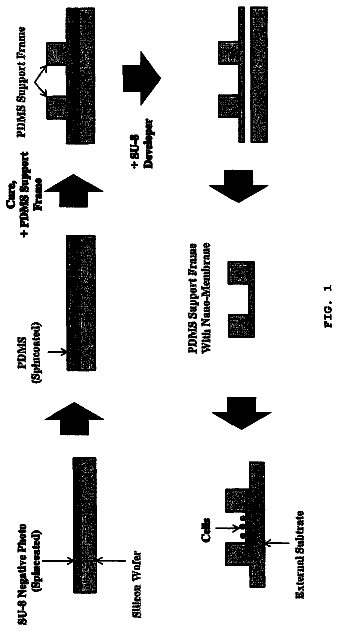
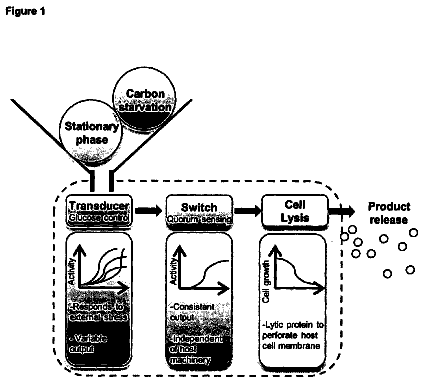
1 of 13 drawing sheets so far from the published document, cropped to the drawing. Every sheet is in the USPTO PDF.
What the patent claimed, word for word. All of it is now free to use.
Field of the Invention
The disclosure provides biodegradable amphiphilic liquid crystalline copolymers that can readily self-assemble to nanoparticles in aqueous solutions and also allow for encapsulation of hydrophobic pharmaceutically active molecules.
Description of the Related Art
Clinical use of drugs (e.g., anticancer drugs) is limited due to their hydrophobicity and non-specific toxicity. For example, the majority of clinically used anticancer drugs are low molecular compounds that diffuse rapidly though the body in both healthy and diseased tissue causing serious side effects. There is a growing need to develop safe and effective delivery systems for anticancer drugs. Self-assembled nanoparticle structures allow encapsulation of the anticancer drugs in the core while the hydrophilic shell allows for increased water solubility and stability. Nanoparticles with appropriate size and surface property may have opportunity to accumulate in tumor sites through the enhanced permeability and retention (EPR) effect, which results from abnormalities of tumor blood and lymphatic vasculature.
Various self-assembled nanoparticles have been developed for delivery of anticancer drugs. Unfortunately, most of these have not shown beneficial effects in clinical trials. The major obstacle for drug-delivery polymer systems is poor in vivo stability, low drug loading levels, reduced tumor targetability and slow drug release in tumor tissue and/or inside the tumor cells. Furthermore, many synthetic biodegradable copolymers upon erosion in vivo yield oligomers and monomers that adversely interact with the surrounding tissue.
Copolymers with cholesterol end-groups have also generated interest for various biomedical applications including serving as membranes for cell attachment and proliferation, forming the basis of polymeric scaffolds, and as materials with improved blood compatibility. But, reported amphiphilic polymer architectures that contain cholesterol are conjugates or linear copolymers with only one or a few cholesterol molecules. This results in low stability, limited drug loading capacity to 20% (w/w) with low encapsulation efficiency and fast drug release for these cholesterol-containing copolymers.
Redox-Sensitive nanocarriers containing disulfide bonds have received much attention for intracellular drug delivery due to the existence of a high glutathione (GSH) concentration in the tumor microenvironment and cancer cells. For instance, several groups have reported redox-sensitive polymer/DNA complexes, polyion complex micelles for siRNA delivery, crosslinked micelles, and degradable nanogels with good stability under the physiological conditions that, rapidly released encapsulated drugs in the intracellular reductive environment. However, limited information is available on the in vivo behavior of nanoparticles comprised of reductive-sensitive polymers and the interaction between the nanoparticles and tumor tissue.
Designing block copolymers with appropriate architecture and composition to increase drug loading capacity, but at the same time minimize the toxicity of the polymer carrier and its degradation products, still presents a challenge. Liquid crystalline polymers (LCPs) comprising cholesterol molecules have been applied in various fields such as bioactive materials and biotechnology, but only few researchers utilized LCPs for drug delivery systems. The present invention provides novel a biodegradable amphiphilic liquid crystalline copolymer (“copolymer” or “block copolymer”). The block copolymers of the disclosure readily formed self-assembled nanoparticles in aqueous solutions. These nanoparticles allowed for loading of hydrophobic drugs simply via self-assembly without sonication or homogenization procedure. The nanoparticles of the disclosure also showed excellent stability of the high steroid content hydrophobic core and demonstrated a high capacity for encapsulation of hydrophobic drugs. The hydrophilic surface also protected from reticuloendo-thelial system (RES) uptake and facilitated long circulation in body. The self-assembled block copolymer nanoparticles of the invention have good biocompatibility, high drug loading capacity, excellent stability, and can be easily manufactured in large scale, which make them suitable for drug delivery especially delivering anti-cancer drugs to tumors. Finally, the nanoparticles of the invention while being stable under physiological conditions rapidly release the encapsulated drug by cleavage of disulfide linkage under a cytosolic reducing environment following cellular entry, resulting in effective cytotoxicity to cancer cells ( FIG. 1 ).
Importantly, the nanoparticles are capable of rapidly releasing the drugs inside the cells to yield significantly enhanced drug efficacy as compared to the non-reductive nanoparticles due to the cleavage of disulfide bonds when exposed to an intracellular reductive environment. Furthermore, the nanoparticles significantly increased the duration of the drug in the circulation, improved tumor accumulation and antitumor efficacy, significantly reduced toxicity compared to the free anticancer drug, and decreased cardiac accumulation of the drug. These properties make the nanoparticles of the disclosure especially suitable for use in anti-cancer drug delivery.
Finally, the copolymers of the disclosure may be functionalized (for example, with thiol, phosphate, carboxylic acid groups, etc.), and such copolymers also self-assembled in aqueous media to form well-defined nanoparticles. For example, the thiol functionalized nanoparticles served as a multifunctional carrier for dual encapsulation of hydrophobic anticancer drug via physical entrapment and gold nanoparticles (Au NPs) via covalent bonding to the thiol groups. High drug loading and high encapsulation efficiency, along with uniform size distribution and good stability, allow the functionalized nanoparticles to be used for the delivery of anticancer drug and metal nanoparticles, for example in photothermal cancer therapy and biological sensing.
Thus, in a broad aspect, the disclosure provides a biodegradable amphiphilic liquid crystalline copolymer (“copolymer” or “block copolymer”) that can readily self-assemble to nanoparticles in aqueous solutions. Thus, in one aspect, the disclosure provides a copolymer comprising:
a first block, which is of formula:
and a second block, which is of formula:
wherein
m is an integer about 3 to about 500;
A is independently selected from polyacrylate, polymethacrylate, polynorbonene, polycyclopentene, polycyclooctene, polysiloxane, polyester, or polypeptide;
R.sup.1 is a steroid moiety optionally comprising a linker R.sup.11;
R.sup.2 is polyalkylene oxide, polyester, or polypeptide moiety; and
R.sup.3 is a disulfide linker moiety.
In another aspect, the disclosure provides the block copolymers of the disclosure in a core/shell nanoparticle form. In one embodiment, the core/shell nanoparticle form is wherein the block copolymers of the disclosure self-assembled in aqueous solutions.
In one aspect, the disclosure provides a nanoparticle comprising the block copolymer of the disclosure and a hydrophobic pharmaceutically active molecule. Another aspect provides a therapeutic delivery system comprising this nanoparticle. Yet another aspect provides a method of delivering a pharmaceutically active molecule, comprising administering to a subject this nanoparticle. Yet another aspect provides a method of treating a disease or disorder, comprising administering to a subject this nanoparticle. For example, if the hydrophobic pharmaceutically active molecule is an anti-cancer drug, then the disease or disorder is cancer.
Finally, the disclosure also provides a process for preparing a nanoparticle of the disclosure: comprising (a) dissolving a block copolymer of the disclosure in an organic solvent to obtain a copolymer solution; and (b) mixing the copolymer solution in an aqueous solution to form the nanoparticle.
FIG. 1 illustrates reduction-sensitive in aqueous media of PC5MA-SS-PEO NPs for intracellular drug release.
FIG. 2 shows TEM images of ( a ) blank thioester-NPs, ( b ) blank SS-NPs, ( c ) DOX-encapsulated thioester-NPs, and ( d ) DOX-encapsulated SS-NPs.
FIG. 3 shows the particle size distribution of PC5MA-SS-PEO NPs after incubation with or without 10 mM of DTT solution.
FIG. 4 ( a ) shows stability of DOX-encapsulated thioester-NPs and DOX-encapsulated SS-NPs in PBS/FBS (1:1) stored at 4° C., and FIG. 4 ( b ) shows release profiles of DOX-encapsulated thioester NPs and DOX-encapsulated SS-NPs with and without DTT in PBS buffer (pH 7.4, 10 mM) at 37° C.
FIG. 5 shows confocal laser scanning microscopy (CLSM) images of A549 and fibroblast (NIH3T3) cells incubated with free DOX, DOX-encapsulated thioester-NPs, and DOX-encapsulated SS-NPs for 30 min ( a ), 2 h ( b ) and 4 h ( c ) at 10 μg/mL DOX equivalence. Scale bars are 10 μm. Blue-nuclei stained with DAPI; red-DOX.
FIG. 6 shows viability of A549 cells incubated with blank thioester-NPs and blank SS-NPs for 24 h ( a ), with free DOX, DOX-encapsulated thioester-NPs, and DOX-encapsulated SS-NPs ( b ), and cell viability of NIH3T3 cells incubated with free DOX, DOX-encapsulated thioester-NPs, and DOX-encapsulated SS-NPs ( c ) at different concentrations of DOX for 24 h.
FIG. 7 shows CLSM images of HeLa cells incubated with free DOX, DOX-encapsulated thioester nanoparticles, and DOX-encapsulated SS nanoparticles for 2 h and 4 h at 10 μg/mL DOX equivalence.
FIG. 8 shows viability of Hela cells incubated with free DOX, DOX-encapsulated thioester-NPs, and DOX-encapsulated SS-NPs at different concentrations of DOX for 4 h.
FIG. 9 shows ( a ) in vivo fluorescence images of DiR-encapsulated SS-NPs in tumor-bearing SCID mice at 1 h, 3 h, 6 h, 24 h, 48 h, and 72 h-post intravenous injection; and ( b ) ex vivo images of tumors and organs at 72 h-post injection.
Before the disclosed methods and materials are described, it is to be understood that the aspects described herein are not limited to specific embodiments, methods, apparati, or configurations, and as such can, of course, vary. It is also to be understood that the terminology used herein is for the purpose of describing particular aspects only and, unless specifically defined herein, is not intended to be limiting.
In view of the present disclosure, the methods described herein can be configured by the person of ordinary skill in the art to meet the desired need. For example, in certain aspects, the copolymers of disclosure comprise of a steroid-containing block and a polyalkylene oxide-, polyester-, or polypeptide moiety-containing block. Such copolymers readily self-assemble as nanoparticles in aqueous solutions without sonication or homogenization, and have good biocompatibility, high drug loading capacity, long retention in the circulation, multimodality potential and can be easily manufactured in large scale. In another example, the nanostructures of the disclosure may be used to encapsulate a hydrophobic therapeutically active molecule, such as anti-cancer drugs. The nanoparticles encapsulating anticancer drug showed high tumor accumulation and antitumor efficacy with significantly reduced toxicity compared to the free anticancer drug. In another example, the block copolymers of the disclosure may be functionalized (for example, with thiol), and such copolymers also self-assembled in aqueous media to form well-defined nanoparticles with the functional group. The thiol functionalized nanoparticles served as a multifunctional carrier for dual encapsulation of hydrophobic anticancer drug via physical entrapment and gold nanoparticles (Au NPs) via covalent bonding to the thiol groups. These dual nanoparticles exhibited high drug loading, high encapsulation efficiency, uniform size distribution, and good stability. As a non-reducible control, a copolymer that doesn't contain disulfide bond was also synthesized and compared in vitro and in vivo. Both amphiphilic liquid crystalline polymers self-assembled in aqueous media to form bioreducible and non-reducible nanoparticles. The resulting disulfide-containing nanoparticles of the disclosure possessed enhanced stability under extracellular environment and exhibited rapid drug release under an intracellular reductive condition.
The block copolymers of the disclosure require that the first block comprises a steroid moiety optionally comprising a linker. Suitable steroids may be selected to meet the desired need. For example, the steroid moiety suitable in the materials of the disclosure comprises cholesterol, cholic acid, deoxycholic acid, taurocholic acid, lanosterol, estradiol, testosterone, bile acid, dexamethasone, secosteroid, phytosterol, or the like. In another embodiment, the steroid moiety is selected from cholesterol, cholic acid, deoxycholic acid, and taurocholic acid. In another embodiment, the steroid moiety comprises cholesterol.
The steroid-containing first block may be present from about 1% to about 80% of the total weight of the block copolymer (i.e., weight fraction of about 1% to about 80%.) For example, the weight fraction of the first block may be more that 50%, or less than 50%, or from about 5% to about 70%, or about 40% to about 70%, or about 40% to about 50%, or about 60% to about 70%, or about 2% to about 30%, or about 3% to about 30%, or about 5% to about 30%, or about 2% to about 20%, or about 3% to about 20%, or about 5% to about 20%, or about 7% to about 20%, based on the total weight of the block copolymer.
The steroid moiety may be connected to the polymer back bone via a suitable linker R.sup.11. Some examples of linker R.sup.11 include, but are not limited to:
##STR00003## polylactone, or an oligomer of siloxane. In one embodiment, the linker at R.sup.11 is
##STR00004## In another embodiment, the linker at R.sup.11 is:
##STR00005## In another embodiment, the linker at R.sup.11 is
##STR00006## In one embodiment, the linker at R.sup.11 is
The block copolymers of the disclosure require a backbone moiety A. The block copolymers described herein may contain, for example, polyacrylate, polymethacrylate, polynorbonene, polycyclopentene, polycyclooctene, polysiloxane, polyester, and polypeptide backbone A available to one skill in the art, and may be varied depending on the desired product. In one embodiment, the block copolymers of disclosure are those wherein each A is independently polyacrylate, polymethacrylate, or polyester. In another embodiment, each A is independently polyacrylate or polymethacrylate. In another embodiment, each A is independently polyacrylate. In another embodiment, each A is independently polymethacrylate. In another embodiment, each A is independently polyester.
In an exemplary embodiment, the first block is of formula:
The block copolymers of the disclosure require that the second block is
##STR00009## Thus, the second block comprises R.sup.2 moiety, which may be polyalkylene oxide, polyester, or polypeptide moiety.
In one embodiment, R.sup.2 is polyalkylene oxide moiety. Suitable polyalkylene oxides may be selected to meet the desired need. In some embodiments, the polyalkylene oxide moiety comprises polyethylene oxide, polyethylene oxide thiolate, polypropylene oxide, or polypropylene oxide thiolate. In another embodiment, the polyalkylene oxide moiety comprises polyethylene oxide or polyethylene oxide thiolate. In another embodiment, the polyalkylene oxide moiety comprises polyethylene oxide.
In one embodiment, R.sup.2 is polyester moiety. Suitable polyesters include polymers that contain the ester functional group in their main chain. Examples include, but are not limited to, polylactides, polyglycolides, polycaprolactones, and the like.
In one embodiment, R.sup.2 is polypeptide moiety. Suitable polypeptides include one or more chains of amino acid monomers linked together by peptide (amide) bonds, and may comprise L-amino acids, D-amino acids (which are resistant to L-amino acid-specific proteases in vivo), or a combination of D- and L-amino acids. Typically, polypeptides described herein refer to a chain less than about 100 amino acids in length. The polypeptides described herein may be chemically synthesized or recombinantly expressed.
The second block may be present from about 20% to about 99% of the total weight of the block copolymer (i.e., weight fraction of about 20% to about 99%.) For example, the weight fraction of the second block may be more that 50%, or less than 50%, or from about 30% to about 95%, or about 30% to about 60%, or about 50% to about 60%, or about 30% to about 40%, or about 70% to about 98%, or about 70% to about 97%, or about 70% to about 95%, or about 80% to about 98%, or about 8% to about 97%, or about 80% to about 95%, or about 80% to about 93%, based on the total weight of the block copolymer.
The second block also comprises R.sup.3 linker moiety comprising reducible disulfide bonds. In one embodiment, R.sup.3 is selected from the group consisting of:
##STR00010## In one embodiment, R.sup.3 is
##STR00011## In another embodiment, R.sup.3 is derived from
In certain embodiment, the copolymer of the disclosure may further comprise a chain terminus moiety X:
##STR00013## In one embodiment, X is a trithiocarbonate, dithiocarbamate, or dithioester. In another embodiment, X is —SC(S)S—(C.sub.1-C.sub.24 alkyl). In another embodiment, X is —SC(S)S—C.sub.12H.sub.25.
In one embodiment, the copolymer of the disclosure comprises polyacrylate or polymethacrylate bearing cholesterol block and polyalkylene oxide block with reducible disulfide bonds. In one embodiment, the copolymer of the disclosure comprises polyacrylate or polymethacrylate bearing cholesterol block and polyethylene glycol block with reducible disulfide bonds.
In one embodiment, the block copolymers of the disclosure comprise the structure:
##STR00014## ##STR00015## wherein m is an integer between about 5 and about 200; and n is an integer between about 5 and about 100.
The values of m and n may be selected by one of skill in the art and may be varied depending on the desired product. For example, m may be between about 10 and about 100; and/or n may be between about 15 and about 85. The molecular weight of the block copolymer of the disclosure may be between about 5,000 to about 200,000 Da. In one embodiment, the block copolymer of the disclosure is about 5,000 to about 150,000 Da, or about 5,000 to about 100,000 Da, about 5,000 to about 60,000 Da, or about 10,000 to about 150,000 Da, or about 10,000 to about 100,000 Da, or about 10,000 to about 60,000 Da, or about 20,000 to about 150,000 Da, or about 20,000 to about 100,000 Da, or about 20,000 to about 60,000 Da.
The block copolymers of the disclosure may be further comprise one or more additional functional groups. Examples of functional groups include, but are not limited to thiol, phosphate, carboxylic acid groups, etc. One of skill in the art would be able to select the desired functional group based on the particular application. For example, thiol-functionalized block copolymer may serve as a multifunctional carrier for dual encapsulation of hydrophobic anticancer drug (i.e., via physical entrapment) and gold nanoparticles (Au NPs) via covalent bonding to the thiol groups. Likewise, phosphate- or carboxylic acid-functionalized block copolymer may be used to encapsulate the quantum dots (e.g., CdSe or the like) or magnetic nanoparticles.
The block copolymers disclosed herein have a number of desirable qualities including for example, a relatively low polydispersity. Optionally in embodiments of the invention, the polymer chains exhibit a polydispersity index such that M.sub.w/M.sub.n is between about 1.0 and about 2.5. In some embodiments, the polydispersity index is between about 1.0 and about 2.0, or between about 1.0 and about 1.9, or between about 1.1 and about 1.9, or between about 1.0 and about 1.8, or between about 1.1 and about 1.8, or between about 1.0 and about 1.5, or between about 1.5 and about 1.5, or between about 1.0 and about 1.3, or between about 1.0 and about 1.2, or about 1.0, or about 1.1, or about 1.2, or about 1.3, or about 1.4, or about 1.5, or about 1.6, or about 1.7, or about 1.8, or about 1.9, or even about 2.0. In certain embodiments, the polymer exhibits a polydispersity of M.sub.w/M.sub.n between about 1.0 and about 1.5. In some other embodiments, the polymer exhibits a polydispersity of M.sub.w/M.sub.n between about 1.0 and about 1.2.
The copolymers of the disclosure, in one aspect, may be present in a nanoparticle form (e.g., core/shell nanoparticle form). In one embodiment, the core/shell nanoparticle form is wherein the block copolymers of the disclosure self-assembled in aqueous solutions. Such nanoparticles are able to encapsulate large amount of hydrophobic drug molecules into the nanoparticles during the self-assembling process. Thus, in one aspect, the disclosure provides a nanoparticulate system for drug delivery using the amphiphilic copolymers of the disclosure. In one aspect, the disclosure provides a nanoparticle comprising the block copolymer of the disclosure and a hydrophobic pharmaceutically active molecule. Any suitable hydrophobic pharmaceutically active molecule may be used depending on the desired therapeutic effect. Some examples include, but are not limited to doxorubicin, daunorubicin, vincristin, paclitaxel, docetaxel, cisplatin, camptothecin, irinotecan, 5-fluorouracil, methotrexate, or dexamethasone.
The nanoparticles of the disclosure may further comprise one or more of metal nanoparticles, such as gold nanoparticles and/or magnetic nanoparticles and/or quantum dots (for example, near infrared (NIR) quantum dot, CdSe and the like.).
The block copolymers disclosed herein have a number of desirable qualities including for example, well-defined with uniform size distribution. The nanoparticles of the disclosure may be anywhere from about 5 to about 900 nm in size. For example, the nanoparticles may be between about 5 and about 200 nm, or between about 10 and about 100 nm, or between about 10 and about 200 nm, or between about 50 and about 150 nm, or between about 100 and about 250 nm, or between about 100 and about 200 nm, or between about 120 and about 150 nm, or between about 110 and about 150 nm, or between about 120 and about 180 nm, or between about 150 and about 250 nm, or between about 150 and about 200 nm.
The disclosure also provides methods for preparing the nanoparticles of the disclosure, comprising: (a) dissolving the copolymer of any one of the claims in an organic solvent to obtain the copolymer solution; and (b) mixing the copolymer solution in an aqueous solution to form a nanoparticle. Organic solvent suitable in preparation of the nanoparticles include, but are not limited to, dimethylformamide, dimethyl sulfoxide, dioxane, tetrahydrofurane, or any combination thereof. Mixing the copolymer solution may be performed by dialysis in the aqueous solution.
Definitions
Throughout this specification, unless the context requires otherwise, the word “comprise” and “include” and variations (e.g., “comprises,” “comprising,” “includes,” “including”) will be understood to imply the inclusion of a stated component, feature, element, or step or group of components, features, elements or steps but not the exclusion of any other integer or step or group of integers or steps.
As used in the specification and the appended claims, the singular forms “a,” “an” and “the” include plural referents unless the context clearly dictates otherwise.
Ranges can be expressed herein as from “about” one particular value, and/or to “about” another particular value. When such a range is expressed, another aspect includes from the one particular value and/or to the other particular value. Similarly, when values are expressed as approximations, by use of the antecedent “about,” it will be understood that the particular value forms another aspect. It will be further understood that the endpoints of each of the ranges are significant both in relation to the other endpoint, and independently of the other endpoint. In some embodiments, the term “about” means±10% of the recited value. In another embodiment, term “about” means±5% of the recited value.
As used herein the term “combining” includes adding one or more items to a reaction mixture.
As used herein the term “dispersity,” “polydispersity,” “polydispersity index”, “PDI,” and “M.sub.w/M.sub.n” are used interchangeably and refer to measure of the polymer uniformity with respect to distribution of molecular mass. The dispersity may be calculated by dividing weight average molecular weight (M.sub.w) by the number average molecular weight (M.sub.n) (i.e., M.sub.w/M.sub.n). In certain embodiments, the dispersity may be calculated according to degree of polymerization, where the dispersity equals X.sub.w/X.sub.n, where X.sub.w is the weight-average degree of polymerization and X.sub.n is the number-average degree of polymerization.
All percentages, ratios and proportions herein are by weight, unless otherwise specified. A weight percent (weight %, also as wt %) of a component, unless specifically stated to the contrary, is based on the total weight of the composition in which the component is included (e.g., on the total amount of the reaction mixture).
The materials and methods of the disclosure are illustrated further by the following examples, which are not to be construed as limiting the disclosure in scope or spirit to the specific procedures and materials described in them.
Materials and Methods
Doxorubicin hydrochloride (DOX.HCl) was purchased from Biotang Inc (Waltham, Mass., USA). D,L-dithiothreitol (DTT), thioglycolic acid (98%), p-toluenesulfonic acid monohydrate (PTSA), N,N′-dicyclohexylcarbodiimide (DCC), 4-(dimethylamino)pyridine (DMAP), pyrene and other conventional reagents were obtained from Sigma-Aldrich Chemical Co. (St. Louis, Mo., USA). Triethylamine (TEA) and dimethyl formamide (DMF) were purchased from Fisher Scientific (Boston, Mass., USA). Penicillin-streptomycin, 0.25% (w/v) trypsine-0.03% (w/v) EDTA solution, RPMI 1640, and DMEM medium were purchased from American Type Culture Collection (Rockville, Md., USA). Mouse fibroblasts (NIH3T3) and human lung cancer cell lines (A549) were purchased from the National Cancer Institute (Frederick, Md., USA). Fetal bovine serum (FBS) was purchased from Atlanta Biologicals (Norcross, Ga., USA). 1,1′-Dioctadecyl-3,3,3′,3′-tetramethylindotricarbocyanine iodide (DiR) and in vitro toxicology assay kits (MTT based) were obtained from Invitrogen (Carlsbad, Calif., USA). Spectra/Pro membranes were purchased from Spectrum Laboratories, Inc. (Rancho Dominguez, Calif., USA). All chemicals were analytical grade and used without purification. The liquid crystalline monomer, cholesteryl 6-methacryloyloxyhexaneoate (C5MA), was prepared according to Hamley et al. ( Soft Matter. 2005; 1:355-363.) The RAFT agent S-1-dodecyl-S′— (α,α′-dimethyl-acetic acid) trithiocarbonate (CTA) was synthesized according to Lai et al. ( Macromolecules. 2002; 35:6754-6756).
Data is expressed as mean±standard deviation. The statistical significance of difference between experimental and control groups was determined using a student's t-test. A probability (p) of less than 0.05 was considered statistically significant. Example 1: Synthesis and Purification of Cholesterol-Based Block Copolymer with Disulfide Linkage PEO-SS-PC5MA
Raft Agent:
Hydroxy-mercaptopyridine (2.52 g, 13.46 mmol) was dissolved in 50 mL of dichloromethane and S-dodecyl-S′-2-(2,2-dimethylacetic acid) trithiocarbonate (3.62 g, 11.21 mmol) was added to this solution. DCC (2.78 g, 13.46 mmol) and DMAP (0.4 g, 3.36 mmol) were subsequently added to this mixture and the solution was stirred for 12 h at room temperature. After evaporating the solvent, the crude reaction mixture was purifiedby column chromatography using silica gel as the stationary phase and mixture of ethylacetate/hexane (4:1 v/v ratio) as eluent to yield 4.4 g (83%) of RAFT agent as a yellow liquid. .sup.1HNMR (CDCl.sub.3, ppm) δ: 8.41 (d, 1H), 7.70-7.62 (m, 2H), 7.03 (t, 1H), 4.32 (t, 2H), 3.22 (t, 2H), 3.00 (t, 2H) 1.67-1.60 (m, 8H), 1.33-1.21 (m, 18H), 0.84 (t, 3H); .sup.13C-NMR (CDCl3, ppm) δ: 172.7, 159.9, 149.6, 137.1, 120.8, 119.7, 63.3, 55.8, 37.2, 37.0, 31.9, 29.6, 29.5, 29.4, 29.3, 29.1, 28.9, 27.9, 25.3, 22.7, 14.2.
Methoxypolyethylene glycol 20000 (5.0 g, 0.25 mmol) and PTSA (17 mg, 0.01 mmol) were added to a round bottom flask in freshly distilled toluene. To this solution, thioglycolic acid (150 mg, 1.0 mmol) was then added slowly. The solution was then refluxed under Ar atmosphere overnight. The reaction mixture was cooled down and concentrated under vacuumn. The residue was partitioned using dicholoromethane/water, and the organic layer was dried over MgSO.sub.4. The organic layer was collected and concentrated. The crude product was then dissolved in 20 mL of methanol followed by adding DTT (303 mg, 2.0 mmol) to reduce the possibility of forming disulfide. The solution was stirred for 3 h at room temperature. The resulting solution was poured in diethylether to precipitate the product PEO-SH, which was washed 5 times with ether to remove DTT. 4.0 g of the pure product was obtained as white solid in 80% yield. GPC (THF) M.sub.n: 20250. PDI: 1.06, .sup.1H NMR (400 MHz, CDCl.sub.3) δ: 4.27 (t, 2H, —COOCH.sub.2—, in PEO end group), 3.79-3.44 (m, —CH.sub.2CH.sub.2O—, repeating units of PEO), 3.35 (s, —OCH.sub.3); .sup.13C NMR (CDCl.sub.3) δ: 170.9 (—COO), 70.3, 64.8, 59.7 (—CH.sub.2 repeat unit in PEO).
PEO Macro Chain Transfer Agent:
RAFT agent (3.0 g, 5.62 mmol), PEO-SH (4.5 g, 0.25 mmol), and 0.5 mL glacial acetic acid were dissolved in methanol (50 mL) and the reaction mixture was stirred at room temperature for 6 h under nitrogen atmosphere. The reaction was stopped and the solvent was evaporated. The crude PEO macro chain transfer agent product was purifiedby column chromatography using silica gel as stationary phase and mixture of ethylacetate/hexane (4:1 v/v ratio) and methylene chloride/methanol (4:1 v/v ratio) as eluents. 5.8 g of the pure was obtained as light yellow solid in 76% yield. GPC (THF) M.sub.n: 20 400. PDI: 1.12. .sup.1H NMR (400 MHz, CDCl.sub.3) δ: 4.26-4.19 (m, 4H, —COOCH.sub.2—, in PEO end group), 3.80-3.42 (m, —CH.sub.2CH.sub.2O—, repeating units of PEO). 3.35 (s, —OCH.sub.3), 3.22 (t, CH.sub.3C.sub.10H.sub.20CH.sub.2—S—), 1.67-1.60 (m, —S—C(CH.sub.3).sub.2COO—), 1.33-1.21 (m, CH.sub.3C.sub.10H.sub.20CH.sub.2S—), 0.84 (t, CH.sub.3C.sub.10H.sub.20CH.sub.2S—); .sup.13C NMR (CDCl.sub.3) δ: 172.6, 169.4, 70.8, 70.4, 68.8, 64.6, 63.4, 62.1, 58.9, 55.8, 53.4, 41.5, 36.9, 36.5, 31.8, 29.5, 29.3, 29.0, 27.8, 25.3, 22.6, 21.2, 14.1.
In a representative procedure, mixture of the PEO macro chain transfer agent (1.2 g, 0.2 mmol), C5MA (3.8 g, 28.0 mmol), and AIBN (6 mg, 0.04 mmol) were dissolved in 1,4-dioxane (3 mL) and degassed by performing three freeze-evacuate-thaw cycles. The reaction mixture was sealed and then placed in an oil bath maintained at 90° C. for 20 h. The resulting mixture was concentrated and precipitated in a large excess of methanol. The crude product was collected, Soxhlet extracted overnight using methanol to remove unreacted monomer, then extracted with THF and reprecipitated into methanol. The product, PEO-SS-PC5MA, was collected and dried under vacuum. .sup.1H NMR (CDCl.sub.3, δ ppm): 5.33 (d, 1H, —C═CH—, olefin group in cholesteryl moiety), 4.5 (m, 1H, —CH.sub.2—COO—CH), 3.9 (m, 2H, —COOCH.sub.2CH.sub.2), 3.64 (m, —CH.sub.2CH.sub.2O— repeating units of PEO), 3.45 (m, 2H, —CH.sub.2OCH—), 3.36 (s, —OCH.sub.3), 3.2 (t, 2H, CH.sub.3C.sub.10H.sub.20CH.sub.2—S—), 2.50-0.55 (m, —CH.sub.3, —CH.sub.2—, —CH—, —CH—(CH.sub.3)— in cholesteryl moiety, —CH.sub.2—C(CH.sub.3)COO—, —CH.sub.2CH.sub.2—CH.sub.2CH.sub.2CH.sub.2— in spacer). .sup.13C NMR (CDCl.sub.3, δ ppm): 170.9 (—COO), 140.9 (—C═CH—, olefin group in cholesterol), 121.9 (—C═CH—, olefin group in cholesterol), 133, 126.6 (—CH.sub.2, CH in vinyl group), 74.5 (—COOCH), 70.3 and 64.8 (—CH.sub.2 repeat unit in PEO), 51.3-11.2 (—CH.sub.2—C(CH3)COO—, -cholesterol).
The detailed chemical structure of as-synthesized PEO-SS-PC5MA was confirmed by .sup.1H-NMR. The .sup.1H-NMR allowed the determination of molar composition and molecular weight of the obtained block copolymer. The signals at 5.3, 3.9 and 2.5-0.55 ppm were attributed to the protons of cholesterol. Additionally, monomer olefin peaks at 6.42, 6.09 and 5.54 ppm were absent in PEO-SS-PC5MA. The signals of the PEO block corresponding to the PEO repeating unit and the methylene end groups of PEO were observed at 3.6 ppm and 4.25 ppm, respectively. By comparing the integration of peaks in the .sup.1H-NMR spectra at 5.33 ppm (olefin group in cholesteryl moiety) and 3.64 ppm (PEO) repeating unit), the weight fraction of the each block was determined. Gel permeation chromatography (GPC) was used to measure the number average molecular (M.sub.n) and the polydispersity indices (PDI) of PEO-SS-PC5MA (Table 1).
TABLE-US-00001 TABLE 1 Molecular characterization of as-synthesized polymers Weight Conver- M.sub.n (g/mol) fraction .sup.b (%) sion.sup.c Polymer GPC .sup.a PDI .sup.a PEO PC5MA (%) PEO-SH 20 250 1.05 100 — 85 PEO macro chain 20 500 1.12 100 — 92 transfer agent PEO-SS-PC5MA 38 250 1.13 60 40 90 PEO-PC5MA-thioester 37 600 1.16 60 40 88 .sup.a Determined by GPC calibrated at 40° C. with THF as the mobile phase with polystrene standards. .sup.b The ratio of the integrals of peaks by .sup.1H-NMR spectra at 5.33 ppm (olefin group in cholesteryl moiety) and 3.64 ppm (PEO repeating unit) is used to calculate the weight fraction of the brush-chol-BCPs. .sup.cConversion of monomer to polymerwas determined using .sup.1H NMR analysis Example 2: Synthesis and Purification of Cholesterol-Based Block Copolymer Without Disulfide Linkage PEO-PC5MA
PEO Macro Chain Transfer Agent:
Methoxypolyethylene glycol 20000 (5.0 g, 0.25 mmol), RAFT agent (3.0 g, 5.62 mmol) and dicyclohexylcarbodiimide (1.20 g, 6 mmol) were dissolved in 40 mL of dry CH.sub.2Cl.sub.2 at room temperature and the reaction mixture was stirred 10 min. After the additions of 4-di(methylamino)pyridine (73.2 mg, 0.6 mmol), the reaction mixture was further stirred 20 h at room temperature. The reaction was stopped and the solvent was evaporated. The resulting solution was poured in diethylether to precipitate the product. The crude product was purifiedby column chromatography using silica gel as stationary phase and methylene chloride/methanol (4:1 v/v ratio) as eluents. The pure PEO macro chain transfer agent was obtained as yellow solid in 82% yield. GPC (THF) M.sub.n: 20 800. PDI: 1.09. .sup.1H NMR (400 MHz, CDCl.sub.3) δ: 4.26-4.19 (m, 4H, —COOCH.sub.2—, in PEO end group), 3.80-3.42 (m, —CH.sub.2CH.sub.2—, repeating units of PEO), 3.35 (s, —OCH.sub.3), 3.22 (t, CH.sub.3C.sub.10H.sub.20CH.sub.2—S—), 1.67-1.60 (m, —S—C(CH.sub.3).sub.2COO—), 1.33-1.21 (m, CH.sub.3C.sub.10H.sub.20CH.sub.2S—), 0.84 (t, CH.sub.3C.sub.10H.sub.20CH.sub.2S—); .sup.13C NMR (CDCl.sub.3) δ: 172.6, 169.4, 70.8, 70.4, 68.8, 64.6, 63.4, 62.1, 58.9, 55.8, 53.4, 41.5, 3.69, 36.5, 31.8, 29.5, 29.3, 29.0, 27.8, 25.3, 22.6, 21.2, 14.1.
PC5MA-PEO-Thioester:
Mixture of the PEO macro chain transfer agent (1.2 g, 0.2 mmol), C5MA (3.8 g, 28.0 mmol), and AIBN (6 mg, 0.04 mmol) were dissolved in 1,4-dioxane (3 mL) and degassed by performing three freeze-evacuate-thaw cycles. The reaction mixture was sealed and then placed in an oil bath maintained at 90° C. for 20 h. The resulting mixture was concentrated and precipitated in a large excess of methanol. The crude product was collected, Soxhlet extracted overnight using methanol to remove unreacted monomer, then extracted with THF and reprecipitated into methanol. The product, PC5MA-PEO-thioester, was collected and dried under vacuum. The thioester peak was appeared at 310 nm, as measured by UV-visible spectroscopy. .sup.1H NMR (CDCl.sub.3, δ ppm): 5.33 (d, 1H, —C═CH—, olefin group in cholesteryl moiety), 4.5 (m, 1H, —CH.sub.2—COO—CH), 3.9 (m, 2H, —COOCH.sub.2CH.sub.2), 3.64 (m, —CH.sub.2CH.sub.2O— repeating units of PEO), 3.45 (m, 2H, —CH.sub.2OCH—), 3.36 (s, —OCH.sub.3), 3.2 (t, 2H, CH.sub.3C.sub.10H.sub.20CH.sub.2—S—), 2.50-0.55 (m, —CH.sub.3, —CH.sub.2—, —CH—, —CH—(CH.sub.3)— in cholesteryl moiety, —CH.sub.2—C(CH.sub.3)COO—, —CH.sub.2CH.sub.2—CH.sub.2CH.sub.2CH.sub.2— in spacer). .sup.13C NMR (CDCl.sub.3, δ ppm): 170.9 (—COO), 140.9 (—C═CH—, olefin group in cholesterol), 121.9 (—C═CH—, olefin group in cholesterol), 133, 126.6 (—CH.sub.2, CH in vinyl group), 74.5 (—COOCH), 70.3 and 64.8 (—CH.sub.2 repeat unit in PEO), 51.3-11.2 (—CH.sub.2—C(CH3)COO—, -cholesterol). GPC (40° C. THF mobile phase, polystyrene standards): M.sub.n═39 600 g/mol, PDI=1.17. Example 3: Preparation and Characterization of Self-Assembled Nanoparticles and Dox-Nps
Blank self-assembled NPs were prepared by a dialysis method. Briefly, PC5MA-SS-PEO or PC5MA-PEO-thioester was dissolved in DMF with the aid of sonication. The solution was then transferred to a dialysis bag (MWCO: 10,000 Da) and dialyzed against distilled water for 48 h. To prepare DOX-loaded SS-NPs and thioester-NPs, DOX.HCl was first dissolved in DMF containing 2 equivalents of triethylamine (TEA) and stirred overnight in the dark to form hydrophobic DOX and TEN.HCl. Each copolymer was added, and then the solution was stirred for another 1 h in the dark. The solution was then dialyzed against distilled water for 48 h to remove solvents. Since DOX is hydrophobic with limited solubility, un-encapsulated DOX beyond the solubility will precipate in water. The precipitated DOX was removed by centrifugation at 8000 rpm for 10 min, followed by filtration through 0.45 μm syringe to collect clear red solution of DOX-encapsulated nanoparticles. The final products were collected after lyophilization.
The average particle size, size distribution and zeta-potential of the DOX-loaded SS or thioester NPs (1 mg/mL) were measured using a dynamic light scattering (DLS) instrument (Malvern Zetasizer). The morphologies of DOX-loaded SS or thioester NPs were imaged by TEM (FEI Tecnai Biotwin, Eindhoven, Netherlands). Specimens were prepared by adding a suspension of the nanoparticles dropwise to a Formvar/carbon film grid followed by air-drying.
The Critical Aggregation Concentration (CAC) of PC5MA-SS-PEO or PC5MA-PEO-thioester copolymers was determined by fluorescence measurements using pyrene as a hydrophobic probe. Pyrene solutions (3×10.sup.−4 M) in acetone were added to glass tubes and were subsequently evaporated to remove the organic solvent. Various concentrations of copolymer solutions (10 mL) were added to the tubes and sonicated for 3 h at 60° C. to equilibrate the pyrene and the nanoparticles. The copolymer concentrations ranged from 0.005 to 0.5 mg/mL and the final concentration of pyrene was 6.0×10.sup.−7 M. The emission spectra of pyrene were recorded from 350-450 nm using a fluorescence spectrophotometer (Perkin Elmer LS-55B, USA) at an excitation wavelength of 336 nm. For the measurement of the intensity ratio of the first (374.5 nm) and the third highest energy bands (386 nm) in the pyrene emission spectra, the slit opening for the excitation and emission spectra was set at 5 nm.
The description continues in the full USPTO document.
About 5,830 words. The USPTO PDF has it with every drawing.
Fees are due 3.5, 7.5 and 11.5 years after grant. This patent expired on May 22, 2026, so the fee marked "not paid" was the one that went unpaid.
BIO-REDUCIBLE SELF-ASSEMBLED LIQUID CRYSTALLINE BLOCK COPOLYMER FOR DRUG DELIVERY
Filed Oct 2015 · published Aug 2017Bio-reducible self-assembled liquid crystalline block copolymer for drug delivery
Filed Oct 2015 · granted May 2018Earlier publications, parents and continuations. None of them can still be enforced, or this patent would not be listed.
Prior art cited by the examiner or applicant. Useful when you check your own idea for novelty.
Everything on this page comes from the documents linked above.