 Lapsed, fee not paid3 drawings
Biotech & Lab · US 9,970,022 B2
Gall wasp control agents
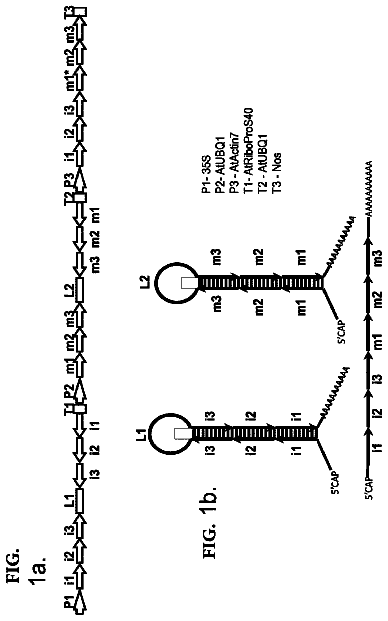
The present invention relates to the field of RNA-mediated gene silencing in insect species.
US 9,970,063 B2 · Assignee: ID Genomics, Inc. · Inventors: Chattopdhyay; Sujay
Sheet 1 of 18 from the published document. All sheets in the USPTO PDF
There is disclosed a PCR-based test kit and PCR process for identification of multiple clonal sub-species lineages of infectious bacteria, such as uropathogenic E. coli causing cystitis. pyelonephritis and urosepsis, for the purposes of predicting antibiotic resistance of the bacteria. More specifically, there is further disclosed a SNP (single nucleotide polymorphism) identification process that simultaneously detect compilations of the presence of absence of predictive SNPs within mutated loci of infectious bacterial clonal subspecies variants, such as the fumC/fimH loci of the E. coli bacterium. This disclosure provides a PCR detection kit incorporating a SNP compilation that forms a BFC (Binary Footprint Code) that allows for rapid identification of multiple infectious bacterial clonotypes based on their SNP footprint. More specifically there is disclosed a clonotyping method for clonal typing E. coli and predicting antibiotic susceptibility, comprising (a) providing forward primers and reverse primers for at least seven SNPs (single nucleotide polymorphisms) selected from the group consisting of fumC-63, fumC-248, fumC-380, fimH-162, fimH-233, fimH-483, and fimH-108, (b) measuring the presence or absence of each SNP, and (c) determining antibiotic susceptibility from Lookup Table 1.
The increasing prevalence of antimicrobial-resistant pathogens is one of the greatest challenges in clinical medicine today. Current culture-based approaches typically require 2-3 days to produce a susceptibility profile. Thus, the choice of empirical antimicrobial therapy is based on the most likely causative species and the species' most recent cumulative antibiogram for the region or hospital. Unfortunately, the empirical treatment now leads to potential ‘drug-bug’ mismatches in up to 25% of prescriptions and it is estimated that up to 50% of antibiotics are used inappropriately (Antibiotic Resistance Threats in the United States of America. CDC Report 2013; and Tchesnokova et al., J. Clin. Microbiol. 2013 September; 51(9):2991-2999.). Rapid molecular tools have been explored as a way to refine this process by targeting the genetic markers of resistance (Kalashnikov et al., Lab Chip 2
1 of 18 drawing sheets so far from the published document, cropped to the drawing. Every sheet is in the USPTO PDF.
What the patent claimed, word for word. All of it is now free to use.
The present disclosure provides a PCR-based test kit and nucleic acid amplification process for identification of multiple clonal sub-species lineages of infectious bacteria, such as uropathogenic E. coli causing cystitis, pyelonephritis and urosepsis, for the purposes of predicting antibiotic resistance of the bacteria. More specifically, the present disclosure provides a SNP (single nucleotide polymorphism) identification process that simultaneously detects compilations of the presence of absence of predictive SNPs within mutated loci of infectious bacterial clonal subspecies variants, such as the fumC/fimH loci of E. coli bacterium. The disclosure provides a nucleic acid amplification detection kit incorporating a SNP compilation that forms a BFC (Binary Footprint Code) that allows for rapid identification of multiple infectious bacterial clonotypes based on their SNP footprint. More specifically the present disclosure provides a clonotyping method for clonal typing E. coli and predicting antibiotic susceptibility, comprising (a) providing forward primers and reverse primers for at least seven SNPs (single nucleotide polymorphisms) selected from the group consisting of fumC-63, fumC-248, fumC-380, fimH-162, fimH-233, fimH-483, and fimH-108, (b) measuring the presence or absence of each SNP, and (c) determining antibiotic susceptibility from Lookup Table 1. The disclosed clonotyping test and kits provided herewith can rapidly identify clonal types of E. coli directly from urine specimens, demonstrating the ability to better predict antibiotic resistance using a clonal diagnostics approach in a point-of-care setting.
The increasing prevalence of antimicrobial-resistant pathogens is one of the greatest challenges in clinical medicine today. Current culture-based approaches typically require 2-3 days to produce a susceptibility profile. Thus, the choice of empirical antimicrobial therapy is based on the most likely causative species and the species' most recent cumulative antibiogram for the region or hospital. Unfortunately, the empirical treatment now leads to potential ‘drug-bug’ mismatches in up to 25% of prescriptions and it is estimated that up to 50% of antibiotics are used inappropriately (Antibiotic Resistance Threats in the United States of America. CDC Report 2013; and Tchesnokova et al., J. Clin. Microbiol. 2013 September; 51(9):2991-2999.). Rapid molecular tools have been explored as a way to refine this process by targeting the genetic markers of resistance (Kalashnikov et al., Lab Chip 2012; Romero-Gomez J. Infect. 2012; Koser et al., PLoS Pathog. 2012; 8:e1002824; and Schofield et al., J. Microbiol. Methods 2012; 90:80-82). However, resistance to the same drug within same species very often depends on presence (and proper expression) of a wide range of specific genes or mutant variants (Arias et al., N. Engl. J. Med. 2009; 360:439-443; and Chenia et al., J. Antimicrob. Chemother. 2006; 58:1274-1278). Thus, it still remains unfeasible to predict resistance and, especially, susceptibility to multiple clinically relevant antibiotics by a single test that is based on the gene markers approach. Therefore, there is an urgent need to introduce novel tests and approaches to improve near-patient empirical treatment decisions to lower the risks associated with inappropriate antimicrobial use.
The increasing prevalence of antimicrobial-resistant pathogens is one of the greatest challenges in clinical medicine today (Alanis, Arch. Med. Res. 36:697-705, 2005; and Spellberg et al., Clin. Infect. Dis. 46:155-164, 2008.). Since current culture-based approaches typically require 1.5-3 days to produce a susceptibility profile, the patient's treatment usually must begin before the provider knows whether the antibiotic is likely to work or the treatment will be optimal with respect to cost, duration, and/or antimicrobial spectrum. The choice of empirical antimicrobial therapy must be based on the type of infection, the most likely causative species, and the species' typical susceptibility profiles (Jenkins and Schuetz. Mayo Clin. Proc. 87:290-308, 2012; and Dellit et al., Clin. Infect. Dis. 44:159-177, 2007). However, preferred antibiotics now encounter potential ‘drug-bug’ mismatches in up to 25% of prescriptions (Tchesnokova et al., J. Clin. Microbiol. 51(9):2991-2999, September 2013) and it is estimated that up to 50% of antibiotics are used inappropriately. Thus, there is an urgent need to provide physicians with rapid antimicrobial assays that guide appropriate treatment decisions to minimize risks associated with inappropriate or ineffective antimicrobial use.
Urinary tract infections are the most common bacterial infections in women and are caused primarily by E. coli. E. coli is a leading bacterial pathogen that, in developed countries, causes mainly UTI and bloodstream infections, resulting in millions of infections and tens of thousands of deaths each year in the United States alone. Like most bacterial pathogens, E. coli is a clonal species, with the pathogenic strains belonging to a limited number of genetically related lineages (i.e., clonotypes). Although certain E. coli clonotypes are known to have distinctive antimicrobial susceptibility patterns, the use of clonotyping as a general predictive marker for antimicrobial susceptibility has not been introduced into clinical practice. The main reason for this is that the most-commonly used clonal typing methods, multilocus sequence typing (MLST) and pulsed-field gel electrophoresis (PFGE), are not suited for diagnostics purposes due to their high costs, slow turnaround, and low prognostic values.
Urinary tract infections are the most common bacterial infections in women and elders that are caused primarily by E. coli and, in USA, results in millions of infections and tens of thousands of deaths (mostly from urosepsis) each year (Foxman, Nat. Rev. Urol. 2010 Dec.; 7(12):653-60; and Russo and Johnson, 2003 Microbes Infect. 5:449-456.). Like most bacterial pathogens, E. coli is a clonal species, with the pathogenic strains belonging to a limited number of genetically related lineages (i.e., clonotypes) that have distinctive antimicrobial susceptibility patterns (Wright et al., 2013 . Am. J. Infect. Control 41:33-38; Peterson et al., 2012 . Infect Control Hosp. Epidemiol. 33:790-795; Wright et al., Infect. Control Hosp. Epidemiol. 32:635-640, 2011; Johnson et al., J. Infect. Dis. 207:919-928, 2013 ; Am. J. Infect. Control 38:350-353, 2010; and La Forgia Am. J. Infect. Control 38:259-263, 2010). However, the most-commonly used clonal typing methods, multilocus sequence typing (MLST) and pulsed-field gel electrophoresis (PFGE) are not suited for diagnostics purposes due to their high costs, slow turnaround, and low prognostic values.
Others have tried, without much success, to develop rapid molecular tools as a way to refine this process (Kalashnikov et al. Lab Chip 2012; Romero-Gomez et al., J. Infect. 2012; Koser et al., PLoS Pathog. 2012; 8:e1002824; and Schofield et al. J. Microbiol. Methods 90:80-82, 2012), but since a wide range of genes and point mutations can confer resistance to the same drug, even within same species (Arias and Murray, N. Engl. J. Med. 360:439-443, 2009; and Chenia et al. J. Antimicrob. Chemother. 2006; 58:1274-8, 2006), detection of the broad scope of resistance determinants in one test remains unfeasible for routine clinical diagnostics.
In any medical treatment center, such as a hospital emergency care facility, patients presenting with bacterial infections need urgent treatment so as to prevent and treat any infection before the patient becomes septic. However, the choice of treatment with an antibiotic will depend on whether the infecting bacterial organism is resistant or susceptible to a particular antibiotic. The answer to that question has historically been done by culturing the infecting organism on an agar plate and adding antibiotic-soaked paper to the surface of the agar. The information which antibiotic is resistant or not can be achieved in a few days. But the treating physician does not have a few days to wait to find the correct answer. Instead, the treating physician has to guess which antibiotic(s) will work and balance the likelihood of resistance with side effect profiles of each antibiotic. Therefore, there is a significant need in the art for a process and test kit that can rapidly (i.e., within an hour) provide a better prediction of treatment choice based on the specific clonal subspecies of bacteria causing a patient's infection. The present disclosure provides a test kit and process to address that need.
Multilocus sequence typing (MLST) is often based on sequencing 5-8 housekeeping loci in a bacterial chromosome to provide descriptions of the bacterial species present. However, even strains with identical MLST profiles (known as sequence types or STs) may possess distinct genotypes, which enable different eco- or pathotypic lifestyles. Multilocus sequence typing (MLST) is a method for characterizing relatedness of strains within bacterial species (Maiden et al., Proc. Natl. Acad. Sci. USA 95:3140-3145, 1998). Standardized MLST schemes have been established for human pathogens, including E. coli (Wirth et al., Mol. Microbiol. 60:1136-1151, 2006). Certain E. coli sequence types are epidemiologically associated with specific extra-intestinal syndromes, such as ST127 and ST73 with pyelonephritis (Johnson et al., J. Clin. Microbiol. 46:417-422, 2008; and Johnson et al. Microbes Infect. 8:1702-1713, 2006). Others have shown emerging antimicrobial resistance properties, such as ST69 with trimethoprim/sulfamethoxozole resistance (Manges et al., N. Engl. J. Med. 345:1007-1013, 2001) and ST131 with fluoroquinolone resistance and extended-spectrum beta-lactamase production (Nicolas-Chanione et al., J. Antimicrob. Chemother. 61, 273-281, 2008).
The present disclosure provides a PCR-based test kit and PCR process for identification of multiple clonal sub-species lineages of infectious bacteria, such as uropathogenic E. coli causing cystitis, pyelonephritis and urosepsis, for the purposes of predicting antibiotic resistance of the bacteria. More specifically, the present disclosure provides a SNP (single nucleotide polymorphism) identification process that simultaneously detects the presence of absence of predictive SNPs within mutated loci of infectious bacterial clonal subspecies variants, such as the fumC/fimH loci of the E. coli bacterium. This disclosure provides a PCR detection kit incorporating a seven SNP compilation that forms a BFC (Binary Footprint Code) that allows for rapid identification of multiple infectious bacterial clonotypes based on their SNP footprint.
The present disclosure provides a clonotyping (specifically called 7t, CLT or SNP-7 herein) method for clonal typing E. coli and predicting antibiotic susceptibility, comprising (a) providing forward primers and reverse primers for at least seven SNPs (single nucleotide polymorphisms) selected from the group consisting of fumC-63, fumC-248, fumC-380, fimH-162, fimH-233, fimH-483, and fimH-108, and (b) a Lookup Table. Preferably, the Lookup Table is Lookup Table 1.
The present disclosure provides a kit for clonotyping E. coli and predicting antibiotic susceptibility, comprising (a) forward primers and reverse primers for at least seven SNPs (single nucleotide polymorphisms) selected from the group consisting of fumC-63, fumC-248, fumC-380, fimH-162, fimH-233, fimH-483, and fimH-108, and (b) a Lookup Table. Preferably, the Lookup Table is Lookup Table 1.
The present disclosure provides a PCR-based test kit and PCR process for identification of multiple clonal sub-species lineages of uropathogenic E. coli causing cystitis, polynephritis and urosepsis for the purposes of predicting antibiotic resistance of the bacteria. More specifically, the present disclosure provides a SNP (single nucleotide polymorphism) identification process that are simultaneously detected within the fumC/fimH loci of the bacterium. The disclosure provides a PCR detection kit incorporating a SNP compilation that forms a BFC (Binary Footprint Code) that allows for rapid identification of multiple E. coli clonotypes based on their SNP footprint. Commercial implementation of clonal diagnostics will improve patient care by moving toward personalized medicine strategies, decreasing ‘drug-bug’ mismatches and exposure to last-line antibiotics, and limiting persistent and severe infections.
The present disclosure provides a binary typing scheme for specific SNP identifications for diagnostic clonotyping that can be adapted for various nucleic acid amplification protocols. Preferably, the nucleic acid amplification protocols are of an isothermal method. More preferably, the present disclosure provides a method for determining which drugs a particular infection will be susceptible to or resistant to, comprising: (a) obtaining a sample of infecting bacteria; (b) determining the clonal-type of the infecting bacteria by performing multiplex PCR reactions with SNP-specific primers from binary foot print codes (BFC)-covered clonotypes to determine which SNPs are present or absent; and (c) matching the results of which SNPs are present or absent to a lookup table for the bacterial species to determine the therapeutic agents the bacteria will be susceptible to or resistant to.
Preferably, the sample of infecting bacteria is taken from a bodily fluid source selected from the group consisting of urine, blood, saliva, tears and a skin swipe. More preferably, the bodily fluid sample is from urine from a patient suspected of a urinary tract infection. Most preferably, the urine sample is first fractionated to separate bacterial components from other nucleic acids, ureas and solids from a urine sample. Preferably, the fractionated bacteria are then lysed to obtain bacterial nucleic acid for further analysis.
Preferably, the multiplex PCR reactions investigate SNPs within a gene loci, wherein the gene is selected from the group consisting of fimbrial adhesin (fimH), fumC, adk, gryB, icd, mdh, purA, recA, and combinations of genes thereof. Preferably, the multiplex PCR reaction utilizes primers to find SNPs in the fimH gene comprising 3′-CACTCAGGGAACCATTCAGGCA-3′ (SEQ ID NO. 1) and 5′-CTTATTGATAAACAAAGTCAC-3′ (SEQ ID NO. 2). Preferably, the sample is a urine sample from a patient with a urinary tract infection.
The present disclosure further provides a process for typing a sample for clonotyping a clinical sample, comprising: (a) obtaining a sample of infecting bacteria; (b) determining the clonal-type of the infecting bacteria by performing multiplex PCR reactions with SNP-specific primers from binary foot print codes (BFC)-covered clonotypes to determine which SNPs are present or absent; and (c) matching the results of which SNPs are present or absent to a lookup table for the bacterial species to determine the therapeutic agents the bacteria will be susceptible to or resistant to.
The patent file contains at least one drawing executed in color. Copies of this patent with color drawings will be provided by the Office upon request and payment of the necessary fee.
FIG. 1 shows a comparison of diversity detected by the disclosed SNP clonotyping typing process (A) or conventional multi-locus sequence typing (MLST) (B). A reference set of 2,599 clinical E. coli was split into clonotypes using either 7-SNP typing or conventional MLST. The segments of the doughnuts represent individual clonotypes; their size reflects their prevalence within the population. Clonotypes are sorted in descending order of prevalence. All non-minor clonotypes (>0.5% of population) are labeled.
FIG. 2 shows a clonotype-specific antibacterial resistance profile. The reference set of 2,599 Escherichia coli isolates was split into septatypes by computer sequence analysis. The prevalence of resistance within individual non-minor septatypes (>0.5% of isolates each) to amoxicillin/clavulanate (A/C), trimethoprim/sulfamethoxazole (T/S), cefazolin (CZ), ciprofloxacin (CIP), nitrofurantoin (NIT), and ceftriaxone (CTR) is plotted as vertical columns. Columns are colored-coded to indicate whether, compared with the total population, the prevalence of resistance in this clonotype is significantly (P<0.05) higher (red) or lower (green), or is not significantly different (gray). The graph inserted to the lower right of the main graph shows the number of isolates in individual septatypes.
FIG. 3 shows a 7-SNP typing-based detection of taxa with divergent antimicrobial resistance phenotypes. The reference set of 2,599 Escherichia coli isolates was analyzed as shown in FIG. 2 , namely, 7-SNP typing was used to split the set into individual clonotypes, for which the level of resistance prevalence to a set of tested antibiotics was calculated. Each bar represents the whole reference set of isolates analyzed by 7-SNP typing. Each bar is split into three areas: isolates belonging to clonotypes which have significantly lower than average resistance prevalence to an antibiotic (green), to clonotypes with significantly higher resistance prevalence than the average (red), and to clonotypes with resistance prevalence not statistically different from the average (grey). Numbers in parentheses denote the level of antibiotic resistance prevalence within a respective fraction. Antibiotics are listed on the right side of the graph with the respective average resistance prevalence within the reference set (A/C, amoxicillin/clavulanate, T/S, trimethoprim/sulfamethoxazole, CZ, cefazolin, CIP, ciprofloxacin, NIT, nitrofurantoin, CTR, ceftriaxone).
FIG. 4 shows detection of E. coli in urine by the disclosed 7-SNP clonotyping versus culturing. A total of 77 urine samples that had positive E. coli growth are plotted, with the E. coli load determined by the disclosed 7-SNP test in qPCR on the Y-axis and culture-derived E. coli load on the Y-axis. The size of bubbles was directly proportional to the number of urine samples with each combination of determined cfu/ml. The regression line represents the linear least square fit, with β=0.97, R.sup.2=0.88 and P value <0.0001.
FIG. 5 shows examples of singleplex and multiplex PCR and qPCR profiles for the 7SNP test. (A) Seven singleplex PCR reactions detecting presence of SNPs; the eighth reaction is the uidA positive control of E. coli chromosomal DNA. (B) Seven qPCR profiles combining the uidA positive control (grey) with SNP-positive (thick black) and SNP-negative (thin black) reactions. (C) Two triplex and one duplex SNP-positive and uidA-positive PCR reactions. In panels (A) and (C) PCR products are loaded on 2% agarose gel, with left lane containing 100 bp DNA ladder. A random E. coli isolate with the 771 septatype from the reference collection was chosen to demonstrate the presence of all seven SNPs; the absence of individual SNPs in qPCR panel (B) was demonstrated using similarly random reference E. coli isolates with septatypes 510 (for SNPs 248, 108, 233 and 483) and 251 (for SNPs 63, 380 and 162).
FIG. 6 shows the time it took for a positive result in each case against the actual load of E. coli in urine determined by the disclosed SNP-7 test kit and process (N=177 urine samples analyzed here). Using this test we detected as low as 10.sup.2 DNA copies/mL, whereas the standard culturing technique in the same HMO urgent care lab (and other clinical labs as well) detected only 10.sup.3 cfu/ml. A clinically significant level is considered to be 10.sup.4 cfu/ml and higher. FIG. 6 shows a majority of clinically significant samples were well below a 22-minute PCR reaction time. When combined with an 8 min-long 1.sup.st sample preparation step, it would constitute about 30 minutes to run the whole test. There were few samples from the high-load group that required, surprisingly, longer time for a positive answer (circled in red on the Figure). Some of them were so-called “dirty” samples in that they contained additional substances that interfered with the PCR reaction, making the read-out difficult, thus requiring longer time to process.
FIG. 7 shows 327 samples positive for either CLT test or culturing or both. The size of the bubble represents the number of samples in each group. The straight line represents the fitted values for a simple linear regression on all samples with valid data (N=736). Red lines show the cutoff for clinically-significant levels of bacterial load. Grey line represents the least square fit for simple linear regression. From this fit we estimate that for every 1 log increase detected by the SNP-7 test the culturing will detect on average 0.97 log increase (95% confidence intervals from 0.92 to 1 log, P<0.0001, Pearson's correlation coefficient R.sup.2=0.85).
FIGS. 8A-8C show Lookup Table 1, indicating cumulative antibiotic susceptibility of 7-type E. coli clonotypes identified according to the present disclosure. Dark green indicates that 90-100% of bacteria of the indicated 7-type are sensitive to the antibiotic. Pale green indicates 80-90% sensitivity. Yellow indicates 75-80% sensitivity. Orange indicates 70-75% sensitivity. Red indicates that more than 30% of bacteria of the indicated 7-type are resistant to the antibiotic.
FIG. 9 shows nucleotide sequence of a 469 bp fragment of E. coli fumC (allele 4). Positions of preferred forward primers are indicated in bold letters, and SNP positions are highlighted green and indicated with a number in parentheses.
FIG. 10 shows nucleotide sequence of a 489 bp fragment of E. coli fimH (allele 27). Positions of preferred forward primers are indicated in bold letters, and SNP positions are highlighted green and indicated with a number in parentheses.
FIG. 11 shows Table 10, which is a Lookup Table according to the present disclosure that indicates antibiotic profiles of major septatypes from a reference E. coli collection.
FIG. 12 shows Table 11, which is a Lookup Table that indicates antibiotic resistance of reference set and field trial E. coli isolates.
FIG. 13 shows Table 12, providing prescription rates of, and resistance rates against, the indicated classes of antibiotics in patients diagnosed with E. coli infection.
FIG. 14 shows Table 13, which adds to Table 12 the rate of drug-bug mismatches (right hand-most column) in 236 patients treated for E. coli with the indicated classes of prescribed antibiotics.
FIG. 15 shows Table 14, which adds to Table 13 the allowance rate of the indicated classes of prescribed antibiotics (right hand-most column), for E. coli typed according to a clonotyping test of the present disclosure and based on an antibiotic resistance cutoff value of 15%.
FIG. 16 shows Table 15 which adds to Table 14 the percentage of drug-bug mismatch of E. coli isolates versus allowed antibiotics following a clonotyping test of the present disclosure.
The present disclosure is based on first creating a lookup table by correlating the clonal subtypes of various bacterial isolates, such as E. coli isolates with the susceptibility tests achieved for such isolates. There is an urgent need to provide physicians with rapid antimicrobial assays that guide appropriate treatment decisions to minimize the risks associated with inappropriate or ineffective antimicrobial use. In Tchesnokova et al., ( Journal of Clinical Microbiology, 2013), commercial implementation of clonal diagnostics will improve patient care by moving toward personalized medicine strategies, decreasing ‘drug-bug’ mismatches and exposure to last-line antibiotics, and limiting persistent and severe infections. However, earlier such studies have used difficult and expensive sequencing techniques to identify clonal subtypes. A clonal differentiation of E. coli study was performed by Sanger sequencing, pyrosequencing, or gene-specific real-time PCR, all of which are high-complexity, labor intensive and/or low clonotype-coverage protocols (Niemz et al., Trends Biotechnol. 29:240-250, 2011). Instead, the present disclosure provides a simple binary typing scheme that is adopted using established DNA amplification protocols that use simpler instruments (than sequencing) and are suitable for rapid point-of-care use.
Sequences of all primers used in the disclosed 7t method are listed in Table 2. The disclosed kit comprises a combination of Forward and Reverse primers allowed for identification of three SNP's in fumC gene—
SNP at position 63,
SNP at position 248,
SNP at position 380, and four SNP's in fimH gene—
SNP at position 108,
SNP at position 162,
SNP at position 233,
SNP at position 488.
A large set (around 2,000) of Escherichia coli isolated from independent patients' samples in the last 5 years was used to determine the combination of SNPs (single nucleotide polymorphisms) in two genes (fumC and fimH) that produced the greatest variability and diversity of resulting 7-types.
The same set of E. coli was again used to calculate the cumulative antibiotic susceptibility (CAS) of each 7-type to a set of 7 antibiotics representing all major groups of antimicrobials used to treat E. coli infections: ampicillin (AMP), amoxicillin/clavulanate (AMC), cefazolin (CZ), ceftriaxone (CTR), trimethoprim/sulfamethoxazole (T/S), ciprofloxacin (CIP) and nitrofurantoin (NIT). Further, each antibiotic for every 7-type was judged as either allowed or rejected for use based on the CAS for this 7-type, e.g., if particular 7-type had CAS<80% to ciprofloxacin, use of fluorquinolones is not recommended.
TABLE-US-00001 TABLE 1 Primer sequences and 5x primer mixes for typing reactions. Water to Forward Reverse add primer/s, primer, to 100 μM V, 100 μM V, 100 SNP stock μl stock ul μL 1 fumC- AGCATGACGAC 2.5 GTCGTCGTTAG 2.5 95 63 GAATTCCTGC GGTGAACTTT SEQ ID SEQ ID NO. 5 NO. 6 2 fumC- ACGGCGATGCA 2.5 AGTTCCGCTAC 2.5 95 248 CGTTGCGTCG GTGAGGCAGG SEQ ID SEQ ID NO. 7 NO. 8 3 fumC- CAGGACGCCAC 5 AGTTCCGCTAC 5 85 380 GCCGCTCACG GTGAGGCAGG SEQ ID SEQ ID NO. 9 NO. 10 CAGGACGCGAC 2.5 GCCGCTCACG SEQ ID NO. 11 CAGGATGCGAC 2.5 GCCGCTCACG SEQ ID NO. 12 4 fimH- GTGGAGCAAAA 5 AGGGAAAGGAT 5 90 108 CCTGGTCTTG AGCTACTGCC SEQ ID SEQ ID NO. 13 NO. 14 5 fimH- TATCCGGAAAC 2.5 TCAAATAAAGC 2.5 95 162 CATTACAGAC GCCACCGGCC SEQ ID SEQ ID NO. 15 NO. 16 6 fimH- TTCCGAGACCG 2.5 TCAAATAAAGC 2.5 95 233 TAAAATATAG GCCACCGGCC SEQ ID SEQ ID NO. 17 NO. 18 7 fimH- GTGGTGGCTAC 2.5 TCTGCGGTTGT 2.5 95 483 TGGCGGCAGC GCCGGATAGG SEQ ID SEQ ID NO. 19 NO. 20 8 uidA TCTTGCCGTTT 2.5 CACGCCGTATG 2.5 95 con- TCGTCGGTA TTATTGCCG trol SEQ ID SEQ ID NO. 21 NO. 22
An expanded fumC/fimH sequence database containing defined major clonotypes of interest, determines a Binary Footprint Codes BFCs, by using an algorithm designed specifically for clonotype calling based on unique combination of informative SNPs. The candidate barcode loci are provided for determining optimally predictive BBCs by using a proprietary script using the following general algorithm. To extract a BBC with high-resolution power, all candidate SNPs are considered as specific ‘features’. The goal is to select 6-10 features with a sufficiently large number of binary (presence/absence) combinations to distinguish all or, at least, the most resistant diagnostic clonotypes. This fits as a problem in statistical pattern recognition, with a goal to represent existing patterns in the reduced number of dimensions (i.e., features). The first step is feature selection using a filter method to produce loci with the highest variance (resolving ability) between all clonotypes (n), with 2/n the lowest and n/2 the highest value possible. The method employs principal component analysis, calculating variance of each feature in binary form (gene or SNP presence/absence). The second step follows the wrapper method where the learning algorithm is wrapped into the selection of the best candidate that is maximally unlinked to any other feature already chosen. If a selected feature has more than two possibilities (e.g., A/C/G in same nucleotide position), the one with the best resolving power will be considered.
Variable SNPs are based on CH clonotyping, such as on fumC/fimH sequence information. Thus, we select limited combinations of SNPs that allow a binary approach (that is, SNP presence/absence) used to identify different clonotypes based on their unique SNP combinations. To adapt the test for use with standard strip tubes, one can select as few as 8 informative SNPs to comprise BFCs, which contain enough unique SNP combinations (up to 256) to distinguish most or, at least, a good portion of clonotypes from each other. The BFC is adapted for 8 single-plex or, as few as 2 four-plex reactions (i.e. 8 or 2 tube strips). FIG. 3 shows BFCs for the 20 major clonotypes.
SNP-specific primers are designed to identify the selected SNPs at CH clonotyping gene regions, that are suitable for use in alternative isothermal amplification protocols (as well as RT-PCR). One preferred method is a loop-mediated isothermal amplification (LAMP) protocol that includes 2 or 3 layers (depending on the number of primer pairs used) of specificity control. It is also very robust and can use colorimetry (double-stranded DNA dyes) and/or simple turbidity (Mg.sub.2P.sub.2O.sub.7 precipitation) for the reaction read-out. Other isothermal amplification methods include recombinase polymerase amplification (RPA) and helicase-dependent amplification (HAD). Both methods utilize colorimetry for detection, using essentially the same instrumentation platforms as LAMP.
Lookup Table
Positive (+) or negative (−) amplification indicates at the presence or absence of specific SNP. Combination of presence/absence data for all 7 SNP's provides unique 7-type (first column on the left). Each 7-SNP type is assigned the probability of an isolate that belongs to it to be sensitive or resistant to different antibiotics on a scale from 0 to 100, with 0 being completely resistant and 100 being completely sensitive. If 90-100% bacteria that belong to this 7-SNP type are sensitive to particular antibiotic, the respective cell in the Lookup Table is colored green, and this antibiotic is recommended to be used for treatment; pale green indicates 80-90% sensitivity level, and treatment is allowed too. Yellow (75-80%) and orange (70-75%) indicate that treatment is still allowed but with caution, and switching to a different antibiotic is recommended. Red indicates that more than 30% of bacteria are resistant to this antibiotic, and the latter should be rejected as a choice for treatment. Six representatives of most widely used classes of antibiotics are listed in the Table: A/C, amoxicillin/clavulanate, CZ, cefazolin (1.sup.st generation cephalosporin), CTR, ceftriaxone (3.sup.rd generation cephalosporin, bacteria resistant to it tend to produce ESBL's), T/S, trimethoprim sulfamethoxazole, CIP, ciprofloxacin (fluorquinolones), and NIT, nitrofurantoin.
Primers are designed for both single-plex (8 tubes; suited for one-channel, no-probe platforms) and multiplex (<8 tubes; for multi-channel/-probes platforms) kit options. Specificity of the designed SNP-specific primers are evaluated first using selected representatives of clonotypes included in the assay (1-3 isolates each, up to 100 total) to ensure they prime as expected. Primers that pass these initial screens are validated more extensively by using a wide range of clinical isolates (up to 2,000), representing the BFC-covered clonotypes and more, to rigorously test primer specificity and sensitivity. Bacterial DNA isolation from urine was performed by using commercial methods, based on chelex beads, pore filters, or columns.
Although the primer testing results can be evaluated by naked eye (based on turbidity) or using UV-light (SYBR-Green dye), additional instruments are an ESE-Quant Tube Scanner (Qiagen, Inc). Additionally, a Genie II™ (Pro-Lab Diagnostics, Inc.) is a multi-functional, one-channel isothermal platform accommodates two 8-well strips for single-plex reactions, or a Rotor-Gene Q instrument for RT-PCR tests.
The disclosure provides a rapid molecular diagnostics test kit that allows high-resolution clonal (sub-species) typing of E. coli that cause urinary tract infection (UTI)—cystitis, pyelonephritis, and urosepsis. The clonotyping test is used for prediction of antibiotic resistance of the bacteria and will be based on a proprietary compilation of clonotyping markers—fumC and fimH gene loci, and a binary SNP-typing technology. In a preferred embodiment, PCR 8-12 tube strips are functionalized for simultaneous detection of the presence/absence of multiple single nucleotide polymorphisms (SNPs) within fumC/fimH loci. These specific SNPs set comprise Binary Barcode Combination (BBC) that allows identification of a large number of E. coli clonal lineages (clonotypes) based on their unique sequence footprints (see FIG. 1 ).
We have designed and validated (by PCR) BBC comprised of 7 SNPs that can be used in 8-tube strip single-plex configuration and allows separation of E. coli on 56 clonotypes. These are the E. coli fumC gene (SEQ ID NO. 3) at least at positions 63, 248, 380, and combinations thereof, and the fimH gene (SEQ ID NO. 4) at least at positions 108, 162, 233, 483, and combinations thereof. The BBCs are used in a rapid test based on Real-Time (RT-) PCR or isothermal (isoT) amplification instrumentation platforms in on-site clinical laboratories in/nearby emergency rooms, urgent care clinics and hospitals. The test is performed directly on the clinical specimen (patient urine), in a timely (<30 min) manner.
Preferably, the multiplex PCR reaction detects compilations of SNPs at the E. coli fumC gene (allele 4, 469 bp fragment; SEQ ID NO:3) ( FIG. 9 ) and the
fimH gene (allele 27, 489 bp fragment; SEQ ID NO. 4) ( FIG. 10 ). Example 1
This example shows a method for using the disclosed kit to test a sample for clonotyping an E. coli sample to determine antibiotic susceptibility. 1) Prepare 8 master mixes for qPCR (see Tables 1 and 2) 2) Add 1 μl of template DNA to 9 μl of master mix solution of each 8 reaction 3) Run qPCR reaction of Rotorgene® Q instrument as follows: 1. 3 min denaturation at 95° C. 2. 5 sec at 95° C. 3. 5 sec at 57° C. 4. 10 sec at 72° C. (acquisition at green channel) 5. Repeat steps 2-4 40 times 6. Perform HRM (high resolution melt) over 70-90° C. range 4) Analyze resulting curves and melting peaks to assign positive or negative result 5) Determine resulting 7-type and lookup the respective CAS in the Lookup Table.
TABLE-US-00002 TABLE 2 Master mix for 7-type qPCR Volume per Volume per Reagent 1 reaction, uL X reactions, uL 2x SYBR Green Reagent 5 buffer (Qiagen) Primer mix, 5x (per Table 2) 2 DNA (to add last) 1 Water, to add to 10 μl 2 Example 2
This example illustrates a high-resolution fumC/fimH (CH) clonotyping scheme for E. coli based on sequence variations within these highly-variable omnipresent genes for fumarase and fimbrial adhesin of E. coli , respectively. We correlated CH clonotypes with antibiotic susceptibility profiles among 1,600 urine E. coli isolates from clinical microbiology laboratories in Seattle (Group Health, UW, Harborview, and Children's Hospitals), Minneapolis (VA Medical Center), and Munster, Germany (University Clinic).
A total of 222 distinct CH clonotypes were identified, with the top 20 clonotypes comprising two-thirds of isolates ( FIG. 1 ). Importantly, within each of the major clonotypes the prevalence of resistance differed by 2-fold (higher or lower) from the overall population value for at least one antimicrobial ( FIG. 2 ). Additionally, clonotype resistance was similar (stable) across all laboratories.
We next determined how knowledge of cumulative clonotype vs. overall (species) antibiogram could reduce potential ‘drug-bug’ mismatches during empirical antibiotic selection. We used the IDSA-recommended 80% susceptibility cutoff level to allow the use of specific antibiotic for each clonotype. Among the top 4 antibiotics used against E. coli -fluoroquinolones (CIP), trimethoprim-sulfamethoxazole (T/S), cefazolin (CZ), and amoxicillin-clavulanate (A/K)—the drug allowance coverage is 48-79% and potential decrease in drug-bug mismatch 45% to 78%, if the empirical choice is guided by the clonotyping, not species identity alone (Table 3).
TABLE-US-00003 TABLE 3 Decrease in potential ‘drug-bug’ mismatch based on CH clonotyping of E. coli (as % resistant in ‘Allowed’ for treatment vs. total resistant). Clonotype-based treatment choice Total % Rejected/ % Allowed/ Antibiotic resistant % Resistant % Resistant Improvement T/S 26.9% 42.0/50.1 58.0/10.1 62.4% A/K 25.5% 51.9/36.5 48.1/13.5 46.8% CZ 19.7% 42.0/32.0 58.0/10.7 45.4% CIP 17.1% 20.6/68.7 79.4/3.7 78.1% Example 3
This example illustrates implementation of clonal testing in a healthcare community microbiology laboratory. We assessed the presence of E. coli sub-strains ST131 and ST69 (n=619) E. coli positive cultures. Antibiotic resistance of these two clonotypes is distinctive from E. coli in general with greater than 40% resistant to trimethoprim/sulfamethoxazone (TMS) (ST69 and ST131) and fluoroquinolonwa (FQ) for ST131. The tests were conducted to identify ST69 of ST131 genes specific to each clonotype on bacterial DNA isolated from patient urine specimens using RT-PCR instrumentation. The entire test protocol took 45-90 minutes to run and detected down to 10.sup.2 cfu/ml of urine, with specificity and sensitivity of greater than 95%. The overall prevalence of the two clonotypes was 15% of the total samples with ST131 at 10.2% (63/619) and ST69 at 5.0% (31/619). Table 4 shows the age and gender distribution of the study group by E. coli clonal status and the study group was primarily women. Patients with ST131 infection were generally older (75% were age 60 or older).
TABLE-US-00004 TABLE 4 Entire Cohort Age (n = 619) ST69 (n = 32) ST131 (n = 63) 18-30 13% 19.4% 9.5% 31-40 10.3% 13% 3% 41-50 9.5% 13% 6.3% 51-60 14.7% 3.2% 6.3% 61-70 18% 13% 20.6% 71-80 14.5% 9.7% 22% 81-90 16% 16.1% 25.4% 91-100 3.7% 12.9% 6.3% male 8.1% 6.5% 11% female 92% 93.5% 88.9%
In the study group, 36% were treated with TMS and 36% were treated with FQs. Resistance to TMS was 15% and resistance to FQs was 11% ( FIG. 3 ). Overall, 8% of patients were prescribed antibiotic therapy for which the isolate was resistant (a drug-bug mismatch). However, the treatment mismatch was significantly higher in patients infected with either ST69 of ST131, 17% and 22%, respectively. ST69 and ST131 together comprised 40% (19/48) of patients with drug-bug treatment mismatch. In 18% (113/619) patients, the initial antibiotic treatment course was changed (switched). Treatment switching occurred in 34% of patients infected with ST69 and 41% of patients of those infected with ST131. These two clonotypes together comprised 33% of all treatment switch cases.
Only 20% of patients who were treated with the correct antibiotic has a follow-up encounter. Almost 90% of patients with a drug-bug mismatch had a follow-up. Overall, drug-bug mismatches contributed to 28% of all follow-up encounters. These data show that a correction of the original antibiotic treatment based on fast diagnosis of ST69 of ST131 would potentially reduce overall drug-bug mismatches by 37%, resulting in 2.6 fewer follow-ups per 100 patients. Further, if the disclosed test kit and process were used for all major clonotypes, the reduction in drug-bug mismatch would be 63%, resulting in 4.4 fewer follow-up per 100 patients. Example 4
The description continues in the full USPTO document.
About 5,990 words. The USPTO PDF has it with every drawing.
Fees are due 3.5, 7.5 and 11.5 years after grant. This patent expired on May 15, 2026, so the fee marked "not paid" was the one that went unpaid.
Process and Kit for Predicting Antibiotic Resistance and Susceptibility of Bacteria
Filed Feb 2016 · published Sep 2016Compositions and methods for identifying bacterial clonotypes and detecting antibiotic susceptibility
Filed Feb 2016 · granted May 2018Earlier publications, parents and continuations. None of them can still be enforced, or this patent would not be listed.
Prior art cited by the examiner or applicant. Useful when you check your own idea for novelty.
Everything on this page comes from the documents linked above.