 Lapsed, fee not paid20 drawings
Biotech & Lab · US 9,951,312 B2
Method for preparation of cartilage cell
Chondrocytes are prepared from perichondrocytes.
US 9,951,335 B2 · Assignee: Georgia State University Research Foundation, Inc. · Inventors: Li; Jian-Dong
Sheet 1 of 7 from the published document. All sheets in the USPTO PDF
The present invention is based, in part, on our studies of molecular pathways that include the deubiquitinase CYLD. Accordingly, the present invention features, inter alia, nucleic acid constructs that express CYLD or a biologically active variant thereof (e.g., a variant including the catalytic domain), nucleic acids that inhibit the expression of a negative regulator of CYLD (e.g., PDE4B or LNK2), nucleic acids that modulate the expression of downstream CYLD targets (e.g., Akt, by inhibiting or promoting the expression of the downstream target), compositions including one or more of these types of constructs (e.g., pharmaceutical compositions), kits including one or more of the compositions described herein and instructions for use, screening methods to identify therapeutic agents {e.g., anti-inflammatory agents) that upregulate CYLD, downregulate a negative regulatory of CYLD, or modulate (e.g., inhibit) a downstream CYLD target (e.g., Akt), and various methods of treatment including the administration of the nucleic acids described above, protein biotherapeutics, and/or small molecules, alone or in combination, to address cancer, inflammation, and fibrosis. The compositions described herein can be used in the preparation of a medicament (e.g., used in the preparation of a medicament to treat cancer, inflammation, fibrosis, or one or more of the more specific conditions described herein).
Inflammation is the complex biological response of tissues to harmful stimuli, such as pathogens, damaged cells, or irritants, as well as to mechanical trauma, toxins, and neoplasia. Inflammation occurs as a defensive response to invasion of the host by foreign material and is classified as either acute or chronic. Acute inflammation is the initial response of the body to harmful stimuli and is achieved by the increased movement of plasma and leukocytes from the blood into the injured tissues. A cascade of biochemical events propagates and matures the inflammatory response, involving the local vascular system, the immune system, and various cells within the injured tissue. Chronic (prolonged) inflammation leads to a progressive shift in the type of cells that are present at the site of inflammation and is characterized by simultaneous destruction and healing of the tissue from the inflam
All 7 drawing sheets from the published document, cropped to the drawing.
What the patent claimed, word for word. All of it is now free to use.
The invention is generally directed to methods for treating or preventing a medical condition by modulating an inflammatory response in a subject, such as that caused in response to a pathogen or chemical irritant. More particularly, in one aspect, the invention is directed to compositions and methods for upregulating the expression of the gene encoding the deubiquitinase CYLD (cylindromatosis) or the activity of the encoded enzyme. In other aspects, the invention features compositions and methods of modulating other cellular components that affect or that are affected by CYLD. The compositions can include two active agents, as described further below.
Inflammation is the complex biological response of tissues to harmful stimuli, such as pathogens, damaged cells, or irritants, as well as to mechanical trauma, toxins, and neoplasia. Inflammation occurs as a defensive response to invasion of the host by foreign material and is classified as either acute or chronic. Acute inflammation is the initial response of the body to harmful stimuli and is achieved by the increased movement of plasma and leukocytes from the blood into the injured tissues. A cascade of biochemical events propagates and matures the inflammatory response, involving the local vascular system, the immune system, and various cells within the injured tissue. Chronic (prolonged) inflammation leads to a progressive shift in the type of cells that are present at the site of inflammation and is characterized by simultaneous destruction and healing of the tissue from the inflammatory process.
Excessive inflammation or prolongation of the inflammatory process may lead to local tissue damage, to post-infectious syndromes such as in fibrotic lesions and to rheumatic diseases such as systemic lupus erythematosus and rheumatoid arthritis, or even to inflammatory response-induced diseases as diverse as diabetes, arteriosclerosis, cataracts, reperfusion injury, and cancer.
The present invention is based, in part, on our studies of molecular pathways that include the deubiquitinase CYLD. Accordingly, the present invention features, inter alia, nucleic acid constructs that express CYLD or a biologically active variant thereof (e.g., a variant including the catalytic domain), nucleic acids that inhibit the expression of a negative regulator of CYLD (e.g., PDE4B or JNK2), nucleic acids that modulate the expression of downstream CYLD targets (e.g., Akt, by inhibiting or promoting the expression of the downstream target), compositions including one or more of these types of constructs (e.g., pharmaceutical compositions), kits including one or more of the compositions described herein and instructions for use, screening methods to identify therapeutic agents (e.g., anti-inflammatory agents) that upregulate CYLD, downregulate a negative regulator of CYLD, or modulate (e.g., inhibit) a downstream CYLD target (e.g., Akt), and various methods of treatment. Instead of, or in addition to, a nucleic acid as described above, the compositions can include, and the present methods of treatment can be carried out with, a protein biotherapeutic or small molecule that enhances the expression or activity of CYLD, inhibits the activity of a negative regulator of CYLD, or modulates (e.g., suppresses) the activity of a downstream CYLD target (e.g., Akt). Where the therapeutic agent is targeted to PDE4B, the therapeutic agent can be one that selectively inhibits the expression or activity of a PDE4B isoform (as opposed to non-selective inhibition of a PDE4B isoform relative to, for example, another phosophodiesterase such as PDE4A, PDE4C, or PDE4D isoform). We use the terms “therapeutic agent” and “pharmaceutical agent” interchangeably.
More specifically, the invention features compositions including a single active agent as well as compositions including two or more active agents. While suitable formulations are described further below, we note here that the compositions can be formulated as pharmaceutical compositions or stock solutions in which any active therapeutic agents are too concentrated or otherwise unsuitable for administration to a patient. For example, the invention features compositions including, as either a single active pharmaceutical agent or as the first of a plurality of active pharmaceutical agents, a nucleic acid construct of the invention (e.g., a nucleic acid construct from which CYLD is expressed; from which or by which PDE4B is inhibited; or from which or by which Akt is modulated (e.g., expressed or inhibited)). The field of molecular biology is now well advanced, and one of ordinary skill in the art will be familiar with a wide variety of expression vectors and systems that can be employed to achieve the outcomes described herein. The nucleic acid constructs from which CYLD can be expressed, for example, can be fashioned from any number of plasmids or viral vectors. Nucleic acid constructs for suppressing gene expression are also now well known, with such nucleic acids including antisense oligonucleotides, microRNAs, and nucleic acids that mediate RNAi (e.g., siRNAs and shRNAs). See, for example, U.S. Pat. No. 8,415,526, entitled “Down-regulation of gene expression using artificial microRNAs.” The compositions can also include, as either a single active pharmaceutical agent or as the first of a plurality of active pharmaceutical agents, a protein therapeutic, such as an antibody, that inhibits PDE4B or Akt, or a small molecule (a chemical compound) that promotes the activity of CYLD, inhibits PDE4B, or modulates Akt. The second active agent can be, for example, an anti-inflammatory agent that is also a nucleic acid, protein therapeutic, or a small molecule. The second agent can be, for example, a steroid (e.g., dexamethasone), a non-steroidal anti-inflammatory drug (e.g., aspirin, ibuprofen, or naproxen), an immune-selective anti-inflammatory derivative (e.g., the 7-mer SGP-T or the 3-mer FEG), vinpocetine, rolipram, roflumilast, cilomilast, Ro 20-1724, or a compound as described in WO 2007/142929. Other combination therapeutics include two or more of: a steroid (e.g., dexamethasone), a non-steroidal anti-inflammatory drug (e.g., aspirin, ibuprofen, or naproxen), an immune-selective anti-inflammatory derivative (e.g., the 7-mer SGP-T or the 3-mer FEG), vinpocetine, rolipram, roflumilast, cilomilast, Ro 20-1724, or a compound as described in WO 2007/142929. For example, in one embodiment, the invention features a composition (e.g., a pharmaceutical composition) including dexamethasone and vinpocetine.
The foregoing agents, whether administered alone, combined in a single formulation, or simply administered by way of separate formulations to the same patient, can be used in the methods described herein to treat patients suffering from a wide variety of conditions, including conditions in which inflammation is believed to play a causative role or in which inflammation is a common sign. Thus, the invention features methods including a step of administering, to a patient in need, a therapeutically effective amount of a pharmaceutical composition described herein. The sole or first active agent can be, as described above, a nucleic acid construct, a protein biotherapeutic, or a small molecule. When included, the second active agent can be, for example, an anti-inflammatory agent that is also a nucleic acid or that, in other embodiments, is a small molecule such as a steroid (e.g., dexamethasone), a non-steroidal anti-inflammatory drug (e.g., aspirin, ibuprofen, or naproxen), an immune-selective anti-inflammatory derivative (e.g., the 7-mer SGP-T or the 3-mer FEG), vinpocetine, rolipram, roflumilast, cilomilast, Ro 20-1724 or a compound as described in WO 2007/142929. Other combination therapeutics that can be administered to treat a condition as described herein include two or more of: a steroid (e.g., dexamethasone), a non-steroidal anti-inflammatory drug (e.g., aspirin, ibuprofen, or naproxen), an immune-selective anti-inflammatory derivative (e.g., the 7-mer SGP-T or the 3-mer FEG), vinpocetine, rolipram, roflumilast, cilomilast, Ro 20-1724, or a compound as described in WO 2007/142929.
The compositions described herein can be used in the preparation of a medicament (e.g., used in the preparation of a medicament to treat cancer, inflammation, fibrosis, or any one or more of the conditions described more specifically herein). Thus, another embodiment of the invention includes a use of a composition as described herein in the manufacture of a medicament for use in treating a condition described herein.
Treatable conditions include cancer, inflammation, and fibrosis, which may affect many different organs or organ systems. In particular embodiments, the condition treated with a composition as described herein can be associated with inflammation of, or mucus overproduction in, the ears (either or both), the nose, or the throat, and may also affect the nasal passages, another area or tissue within the respiratory system (e.g., the lungs or bronchial tree), or a sinus cavity or passage extending from such a cavity. For example, the condition can be an interstitial lung disease, human fibrotic lung disease (e.g., idiopathic pulmonary fibrosis (IPF), cystic fibrosis, respiratory distress syndrome (adult (ARDS) or infant), tumor stroma in lung disease, systemic sclerosis, Hermansky-Pudlak syndrome (HPS), coal worker's pneumoconiosis (CWP), chronic pulmonary hypertension, AIDS-associated pulmonary hypertension, and the like, asthma, chronic bronchitis, chronic obstructive pulmonary disease (COPD), cough (e.g., eosinophilic cough), pulmonary fibrosis, rhinitis (e.g., allergic rhinitis), sinusitis, or otitis media. In other embodiments, the condition treated with a composition as described herein can be a human kidney disease. For example, a patient may have nephrotic syndrome, Alport's syndrome, HIV-associated nephropathy, polycystic kidney disease, Fabry's disease, a diabetic or other nephropathy, glomerular nephritis (e.g., chronic glomerulonephritis) or nephritis associated with systemic lupus. As noted, the present compositions can be effective against fibrosis, including fibrotic conditions in the liver (liver fibrosis), heart (myocardial fibrosis), and reproductive system (endometrial fibrosis). Where the liver is concerned, treatable conditions also include hepatitis (whether caused by a viral agent, autoimmune disease, or substance abuse), hepatic steatosis, and hepatic cirrhosis. In other embodiments, the condition treated with a composition as described herein can be a cardiovascular disease, including arterial restenosis and atherosclerosis, or a reperfusion injury of the myocardium. In other embodiments, the condition treated with a composition as described herein can be a cancer, and the present compositions can be used to impede tumor growth and/or metastasis. Particular cancers amenable to treatment include scleroderma, glioblastoma in Li-Fraumeni syndrome, sporadic glioblastoma, myeloid leukemia, acute myelogenous leukemia, myelodysplastic syndrome, myeloproliferative syndrome, cancers such as breast cancer, lung cancer, colon cancer (e.g., Lynch syndrome), prostate cancer or a gynecological cancer (e.g., ovarian or uterine cancer), and skin cancer (e.g., a melanoma or Kaposi's sarcoma). In addition to skin cancers or malignant proliferative skin diseases, the compositions of the invention can be used to treat eosinophilic granulomas, other benign skin diseases such as atopic dermatitis (a type of eczema) and urticaria (commonly known as hives), and scarring. In another embodiment, the present compositions and methods can be applied to a patient exhibiting metaplasia, which is generally understood to be a benign change that occurs in response to changes in milieu or chronic irritation. For example, cells and tissue within a patient's airway can exhibit metaplasia in response to smoke (e.g., smoke that is inhaled from a tobacco product such as a cigar or cigarette). While the invention is not so limited, in this instance, the irritant can cause the mucus-secreting ciliated pseudostratified columnar respiratory epithelial cells that line the airways to be replaced by stratified squamous epithelium. As noted, the present compositions can be effective against inflammatory conditions, including those that affect the gastrointestinal tract. These include inflammatory bowel disease (e.g., ulcerative colitis or Crohn's disease), and the present compositions are also useful in treating hypersecretion of gastric acid. In other embodiments, the condition treated with a composition as described herein can be a neurological disorder or an injury to the nervous system (e.g., the peripheral or central nervous system). For example, the condition can be a reperfusion injury of the brain, depression, memory impairment, monopolar depression, Parkinson's disease, Alzheimer's disease, Huntingtin's disease, spinal cord trauma, head injury, neurogenic inflammation, or pain. There is increasing evidence that neurodegenerative disorders and injuries have important inflammatory components, and any such disorders or injuries can be treated with the compositions described herein. In other embodiments, the condition treated with a composition as described herein can be an autoimmune disorder such as multiple sclerosis, rheumatoid arthritis, Grave's ophthalmopathy, psoriasis, or diabetes insipidus. Transplant rejection and graft versus host disease can also be treated. In other embodiments, the condition treated with a composition as described herein can be an infectious disease associated with a bacterial or viral pathogen. For example, the condition can be an infectious disease caused by a bacterium of the genus Streptococcus (e.g., S. pneumoniae , sometimes called pneumococcus or S. pyogenes ), by nontypable Haemophilus influenzae (NTHi), or by Pseudomas aeruginosa . Other treatable infectious diseases are associated with a virus (e.g., a respiratory syncytial virus or an influenza virus). Hansen's disease, bacterial, fungal or viral induced sepsis or septic shock (endotoxic shock) can also be treated. In other embodiments, the condition treated with a composition as described herein can affect a reproductive or genitourinary tissue or organ. For example, the patient can be one who is suffering from a medical condition associated with inflammation of a reproductive organ (e.g., prostatitis, pelvic inflammatory disease, or an infectious disease that causes inflammation of a reproductive tissue or organ). In other embodiments, the condition treated with a composition as described herein can affect the skeletomuscular system. For example, a patient may be suffering from inflammatory arthritis, osteoarthritis, osteoporosis, inflammation and cytokine-mediated chronic tissue degeneration, muscle wasting, cachexia, or ankylosing spondylitis. In other embodiments, the condition treated with a composition as described herein can be drug induced ergotism, allergic conjunctivitis, vernal conjunctivitis, obesity, or pancreatitis.
Any of the methods of the invention that concern a therapeutic or prophylactic treatment can include a step of identifying a patient in need of treatment (e.g., by performing a diagnostic test or assay). For example, a physician or other healthcare provider can identify a patient showing signs of inflammation such as an increased temperature, redness, swelling, and loss of function (e.g., in a tissue, organ, or system as described herein). The patient may also complain of pain or stiffness. Where the condition involves abnormal cellular proliferation, a physician or other healthcare provider can similarly assess the patient with appropriate diagnostic tools (e.g., cancer biomarkers and imaging agents). As the invention encompasses veterinary applications, the patient can be a human or another mammal, such as a domesticated pet (e.g., a cat or dog), livestock, a horse, or animals kept in captivity (e.g., in a zoo). We may use the terms “patient” and “subject” interchangeably. The methods described herein are applicable to subjects of any age. For example, where the patient is a human, the human can be an infant or child.
In one embodiment, the invention features methods of treating a patient who is suffering from a medical condition associated with inflammation of, or mucus overproduction in, the ears (either or both (e.g., otitis media)), nose, nasal passages, another tissue or organ within the respiratory system (e.g., the lungs or bronchial tree) a sinus cavity or passage extending from such a cavity, the oral cavity and/or throat. Thus, the condition can be defined as one associated with either the lower and/or the upper respiratory tract. The methods can be carried out by administering to the patient a therapeutically effective amount of a pharmaceutical composition described herein. By “effective amount” we mean an amount of the therapeutic or pharmaceutical agent that elicits a clinically beneficial response. As described above, the methods encompass the treatment of a wide variety of subjects, including infants and children. The agent that downregulates the expression of the Akt gene can be a nucleic acid that inhibits the Akt gene (e.g., an antisense oligonucleotide, a microRNA, or a nucleic acid that mediates RNAi). In one embodiment, the agent that inhibits the activity of the encoded kinase can be a nucleic acid construct that expresses an enzyme that deubiquitinates Akt (e.g., the enzyme CYLD). In another embodiment, the agent that inhibits the activity of the encoded kinase can be VQD-002, perifosine, or miltefosine. As noted, the pharmaceutical composition can be formulated for ototopic or nasal administration.
The agent that upregulates the expression of CYLD can be an inhibitor of phosphodiesterase 4 (PDE4 (e.g., PDE4B)) or an inhibitor of c-jun N-terminal kinase 2 (JNK2). In any event (i.e., in any aspect or embodiment of the invention), the inhibitor of PDE4 can be specific for PDE4B. For example, the inhibitor can be one that inhibits PDE4B but does not significantly inhibit PDE4D. To selectively inhibit PDE4B, one can administer a nucleic acid (e.g., a nucleic acid construct) that inhibits PDE4B gene expression. Such nucleic acids are known in the art and include antisense oligonucleotides, microRNAs, and nucleic acids that mediate RNAi (e.g., siRNAs and shRNAs). Useful chemical inhibitors of PDE4 include rolipram, roflumilast, and cilomilast. Other useful inhibitors are those described in WO 2007/142929 (the entire content of which is incorporated by reference herein). These inhibitors include a substituted benzene or substituted six-membered heteroaryl rings comprising one or two ring nitrogens, the substitution comprising an ether, thioether, or amine group in which the alkyl group on the ether, thioether, or amine is a haloalkyl group. The haloalkyl group can be a fluoromethyl, difluoromethyl, or trifluoromethyl group.
The agent that upregulates the expression of CYLD is an inhibitor of JNK2. For example, the inhibitor of JNK2 can be a JNK interacting protein (JIP) or a peptide fragment thereof, optionally linked to the cell-penetrating peptide TAT (as described, for example, in Kaoud et al. ( ACS Chem. Biol. 6:658-666, 2011)) or a 2,4-diaminopyrimidine (as described, for example, in Song et al. ( Med. Chem. Commun 3:238-243, 2012)). The inhibitor of JNK2 can also be a nucleic acid that inhibits JNK2 gene expression. Wherever one wishes to inhibit a target with a nucleic acid construct, whether JNK2 or another target described herein, one can use antisense oligonucleotides, microRNAs, or nucleic acids that mediate RNAi (e.g., siRNAs and shRNAs).
In any of the methods requiring a pharmaceutical composition for treatment of a condition affecting the ears or nose, the composition can be formulated for ototopic or nasal administration.
In another embodiment, the invention features methods of treating a patient who is suffering from a medical condition associated with inflammation of a reproductive organ (e.g., prostatitis, pelvic inflammatory disease, or an infectious disease that causes inflammation of a reproductive tissue or organ). The methods can be carried out by administering to the patient a therapeutically effective amount of a pharmaceutical composition comprising an agent that upregulates the expression of the gene cylindromatosis (CYLD) or the activity of the encoded deubiquitinase. The agents can be those described above. Alternatively, or in addition, this patient population can also be treated with a therapeutically effective amount of a pharmaceutical composition comprising an agent that downregulates the expression of the Akt gene or inhibits the activity of the encoded kinase.
In another embodiment, the invention features methods of treating a patient who is suffering from an autoimmune disease, particularly psoriasis or rheumatoid arthritis. The methods comprise administering to the patient a therapeutically effective amount of a pharmaceutical composition comprising an agent that upregulates the expression of the gene cylindromatosis (CYLD) or the activity of the encoded deubiquitinase. In these methods, any of the agents described above or elsewhere herein can be formulated for administration. As psoriasis affects the skin, the formulations intended for treatment of that condition can be topical. Further, and as noted, these methods can be carried out using an inhibitor of PDE4 that inhibits PDE4B but does not significantly inhibit another PDE4-family member (e.g., PDE4D). These selective inhibitors can be nucleic acids (e.g., a nucleic acid construct) designed using methods known in the art to generate sequence-specific targeting molecules (e.g., antisense oligonucleotides, microRNAs, and nucleic acids that mediate RNAi (e.g., siRNAs and shRNAs)). In another embodiment, the agent that upregulates the expression of CYLD can be an inhibitor of JNK2.
In another embodiment, the invention features methods of treating a patient who is suffering from an autoimmune disease, particularly psoriasis or rheumatoid arthritis by administering to the patient a therapeutically effective amount of a pharmaceutical composition comprising an agent that downregulates the expression of the Akt gene or inhibits the activity of the encoded kinase.
In another embodiment, the invention features methods of treating a wide variety of conditions by administering a selective inhibitor of PDE4B (e.g., a nucleic acid that, through sequence-specific interaction, specifically inhibits the expression of PDE4B or a compound therapeutic). In some embodiments, a treatable condition as described herein can be present acutely, and the compositions and methods described herein can be acutely applied (e.g., over a period most conveniently measured in days or weeks). In other embodiments, the condition can be chronic, and the compositions and methods described herein can be applied chronically (e.g., over a period most conveniently measured in months or years).
In another embodiment, the invention features methods of identifying a therapeutic agent. The methods can be carried out by including the steps of: (a) providing a test agent; (b) exposing the agent to PDE4B and, concurrently or separately, to another PDE (e.g., PDE4D); and (c) assaying the level of expression of the genes encoding PDE4B and the other PDE (e.g., PDE4D) and/or the level of activity of the encoded phosphodiesterases. An agent that inhibits the expression or activity of PDE4B but does not significantly inhibit the expression or activity of the other PDE assayed (e.g., PDE4D) is a potential therapeutic agent for the treatment of cancer, inflammation, or fibrosis and, more particularly, for any of the patient populations referenced herein (e.g. patients with otitis media or other inflammatory-related conditions affecting the ear, nose, throat, or respiratory system).
We refer herein to biologically active variants of a given agent. For example, nucleic acid constructs of the invention (e.g., constructs encoding a CYLD) can include a sequence that is a biologically active variant of a naturally occurring gene. These variants can differ from their naturally occurring counterparts by virtue of a deletion, addition, or substitution of one or more nucleotides. Thus, the biologically active variant of the gene encoding CYLD can be a fragment thereof that encodes, for example, the catalytic domain, or can be a substitution mutant. Substitution mutants may vary at the third position within a codon, encoding the same amino acid residue as an unaltered sequence, and the sequences may be codon optimized. Similarly, where the agent is a polypeptide, the sequence of a biologically active variant may be shorter, longer, or otherwise different (e.g., by virtue of a substitution of one or more amino acid residues) from its naturally occurring counterpart. An agent is biologically active when it is useful in the present compositions and methods. It need not be identical in all, or even most, respects to a natural counterpart. For ease of reading, we do not repeat the phrase “or a biologically active variant thereof” at every opportunity. It is to be understood that where a naturally occurring agent is useful as described herein, a biologically active variant thereof is useful as well.
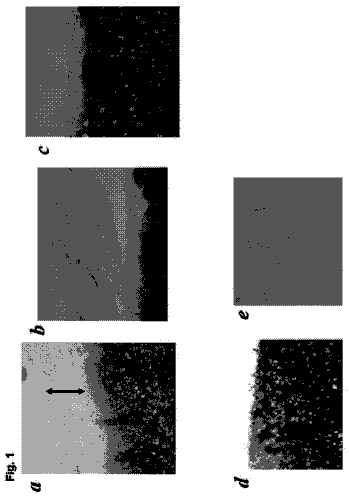
FIG. 1 illustrates CYLD as a negative regulator for lung fibrosis in the mouse and human.
FIG. 1 a is a panel of photomicrographs showing H&E and Masson's trichrome (Trichrome) staining of lung tissues from Cyld+/+ and Cyld−/− mice 2-weeks post S. pneumoniae infection (insert: ×400). Scale bars correspond to 200 μm. FIG. 1 b is a bar graph illustrating the relative quantity of mRNA expression of type I and type III collagens (COL1A2 and COL3A1), CTGF and type 1 plasminogen activator inhibitor (PAI-1) compared with an internal control. Glyceraldehyde 3-phosphate dehydrogenase was measured in the lung tissues of Cyld+/+ and Cyld−/− mice 2-weeks post S. pneumoniae infection. * P<0.05 values are the means±s.d. (n=3). Un-paired Student's t-test was used for comparison with Cyld+/+. FIG. 1 c is a panel of photomicrographs of H&E, Masson's trichrome, and anti-CYLD staining of control (Con) and lung fibrosis tissues of human patients (Fibrotic lung). Lung fibrosis tissues were obtained from the patients with pulmonary fibrosis, during pneumonectomy, and normal control tissues were obtained from the patient with pneumothorax during the surgery. Slides are representative of 5 (Con) and 10 (Fibrotic) human lung tissues. Scale bars, 200 μm.
FIG. 2 illustrates that CYLD prevents development of lung fibrosis via inhibition of TGF-β-signalling. In the immunoblots of FIG. 2 a , epithelial cells transfected with siRNA-Control (siCon) or siCYLD were analysed by immunoblotting with the indicated antibodies. FIG. 2 b is a bar graph in which NF-κB-promoter activity is shown in siCon- or siCYLD-transfected cells stimulated with TNF-α (10 ng ml.sup.−1). FIG. 2 c is a pair of bar graphs illustrating SBE-promoter and PAI-1-promoter activity in siRNA-control (siCon) or siCYLD-transfected cells stimulated with TGF-β. FIG. 2 d is a bar graph illustrating the relative quantity of PAI-1 mRNA expression compared with glyceraldehyde 3-phosphate dehydrogenase in siCon- or siCYLD-transfected cells stimulated with TGF-β. FIG. 2 e is a pair of bar graphs showing SBE-promoter activity in A549 cells transfected with various amount of siCYLD or WT-CYLD and stimulated with TGF-β. FIG. 2 f is a bar graph illustrating SBE-promoter activity in siCYLD or WT-CYLD-transfected human primary bronchial epithelial NHBE cells stimulated with TGF-β. FIG. 2 g is a bar graph illustrating SBE-promoter activity in mouse MEFs from Cyld+/+ and Cyld−/− mice stimulated with TGF-β. FIG. 2 h is a pair of bar graphs illustrating the relative quantity of mRNA expression of PAI-1 and CTGF compared with glyceraldehyde 3-phosphate dehydrogenase in the lung tissues of Cyld+/+ and Cyld−/− mice 6-h post-i.t. inoculation of TGF-β (25-100 ng per mouse). * P<0.05 values in (b-h) are the means±s.d. (n=3). Statistical data analysis was performed using Student's t-test. FIG. 2 i is a series of photomicrographs of H&E and Masson's trichrome staining of lung tissues from Cyld−/− mice 2-weeks post- S. pneumoniae -infection with or without intraperitoneal inoculation of SB431542 (10 mg per kg body weight). Scale bars, 200 μm.
FIG. 3 illustrates CYLD inhibition of TGF-β-signalling via decreased stability of Smad3 protein. FIG. 3 a is a bar graph illustrating SBE-promoter activity in siCon- or siCYLD-transfected TβII-deficient DR26 cells co-transfected with control vector or constitutively active (C/A)-TβRI. FIG. 3 b is a bar graph illustrating SBE-promoter activity in siCON- or siCYLD-transfected TβI-deficient R1B cells co-transfected with control vector or WT-Smad3. FIG. 3 c is a bar graph illustrating SBE-promoter activity in siCON- or siCYLD-transfected Smad3−/− MEF cells, co-transfected with control vector or WT-Smad3. FIG. 3 d is a pair of immunoblots illustrating cells transfected with siCYLD or WT-CYLD treated with TGF-β and analysed by immunoblotting with the indicated antibodies. In the immunoblots of FIGS. 3 e and 3 f , MEF cells and lung tissues from Cyld+/+ and Cyld−/− mice were analysed by immunoblotting with the indicated antibodies. In the panel of photomicrographs of FIG. 3 g , lung tissues from control (Con) and lung fibrosis patients (Fibrotic lung) were stained against Smad3 (Left panels, ×100; right panels, ×400). Scale bars, 200 μm. In the bar graph of FIG. 3 h , cells transfected with WT-CYLD with (right panel) or without Flag-WT-Smad3 (left panel) were analysed by immunoblotting with the indicated antibodies. FIG. 3 i is series of bar graphs illustrating the relative quantity of mRNA expression of PAI-1, CTGF, and Smad3 compared with glyceraldehyde 3-phosphate dehydrogenase in A549 cells transfected with siCON or siCYLD and stimulated with TGF-β. In the immunoblot of FIG. 3 j , cells transfected with control vector or WT-CYLD were treated with MG132 (20 μM) and analysed by immunoblotting with the indicated antibodies. In the bar graph of FIG. 3 k , cells transfected with WT-CYLD were pre-treated with MG-132, and relative quantity of PAI-1 mRNA expression, compared with glyceraldehyde 3-phosphate dehydrogenase, post-TGF-β-treatment. * P<0.05, # P>0.05 values in a, b, c, i, and k are the means±s.d. (n=3). Statistical data analysis was performed using Student's t-test.
FIG. 4 illustrates that CYLD decreases the stability of Smad3 protein in a GSK3β-CHIP-dependent manner possibly via Akt. FIG. 4 a is an immunoblot illustrating cells transfected with WT-CYLD or DUB-deficient mutants (H/N-CYLD or C/S-CYLD) with the indicated antibodies. FIG. 4 b is a bar graph showing SBE-promoter activity in cells transfected with WT-CYLD, H/N-CYLD or C/S-CYLD stimulated with TGF-β. FIG. 4 c is an immunoblot illustrating cells co-transfected with siCon or siCHIP with WT-CYLD or H/N-CYLD with the indicated antibodies. FIG. 4 d is a bar graph showing SBE-promoter activity in cells co-transfected with siCon or siCHIP with WT-CYLD stimulated with TGF-β. The bar graph of FIG. 4 e shows the relative quantity of PAI-1 mRNA expression compared with glyceraldehyde 3-phosphate dehydrogenase in cells co-transfected with siCon or siCHIP with WT-CYLD stimulated with TGF-β. In FIG. 4 f , cells transfected with control vector, WT-CYLD or DUB-deficient H/N-CYLD were treated with vehicle control or GSK3β-inhibitor SB216763 (5 μM) for 12 h and analysed by immunoblotting with the indicated antibodies. In FIG. 4 g cells transfected with control vector or WT-CYLD were pre-treated with GSK3β-inhibitor (5 μM) for 2 h, followed by TGF-β-stimulation, and SBE-promoter activity was then determined. In FIG. 4 h , recombinant GSK3β protein (His-GSK3β) was incubated either with GST or recombinant CHIP protein (GST-CHIP) in vitro. CHIP was pulled down with Sepharose 4B beads and immunoblotted against His to detect GSK3. In FIG. 4 i , HA-GSK3β in cells co-transfected with Myc-CHIP and HA-GSK3β was pulled down with HA probe and analysed by immunoblotting with anti-Myc antibody. In FIG. 4 j , A549 cells were treated with S. pneumoniae for various times as indicated in the figure, and cell lysates were analysed by immunoblotting with the indicated antibodies. In FIG. 4 k , MEF cells from Cyld+/+ and Cyld−/− mice were treated with S. pneumoniae for 30 minutes, and cell lysates were analysed by immunoblotting with the indicated antibodies. In FIG. 4 l , WT mice were i.t. inoculated with S. pneumoniae for various times as indicated in the figure, and proteins from lung tissues were analysed by immunoblotting with the indicated antibodies. In FIG. 4 m , A549 cells were treated with S. pneumoniae for various times as indicated, and cell lysates were analysed by immunoblotting with the indicated antibodies. * P<0.05 values in b, d, e, and g are the means±s.d. (n=3). Statistical data analysis was performed using Student's t-test. S.p., Streptococcus pneumonia.
FIG. 5 illustrates that CYLD decreases Smad3 stability by inhibiting Akt. (a) MEF cells from Cyld+/+ and Cyld−/− mice were transfected with siCon or siAkt1/2 and analysed by immunoblotting with the indicated antibodies. (b) SBE-promoter activity was determined in siCYLD-transfected A549 cells with or without siAkt co-transfection and stimulated with TGF-β. (c) SBE-promoter activity was determined in MEFs from Cyld+/+ and Cyld−/− mice pretreated with Akt inhibitor and stimulated with TGF-β. (d) MEF cells from Cyld+/+ and Cyld−/− mice were incubated with Akt inhibitor (20 μM), and cell lysates were analysed by immunoblotting with the indicated antibodies. (e) Cells were incubated with Akt inhibitor (20 μM) or LY294002 (20 μM), and cell lysates were analysed by immunoblotting with the indicated antibodies. (f) Lysates from cells transfected with HA-CYLD and Flag-Akt were immunoprecipitated with anti-CYLD antibody (upper panel) or anti-Akt antibody (lower panel), and interacting proteins were analysed by immunoblotting. (g) A549 cells were treated with S. pneumoniae for various times as indicated in the figure, stained with rabbit anti-CYLD antibody, and/or mouse anti-Akt antibody, and in vivo protein-protein interaction between CYLD, and Akt was detected with secondary proximity probes, anti-Rabbit MINUS and antimouse-PLUS, using Duolink in vivo protein-protein interaction detection kit (Olink). Scale bar, 10 μm. (h) Cells were treated with S. pneumoniae or vehicle control. Akt in cell lysates was pulled down with anti-Akt antibody and immunoblotted against CYLD and Akt. * P<0.05 values in b, c are the means±s.d. (n=3). Statistical data analysis was performed using Student's t-test. S.p., Streptococcus pneumonia.
FIG. 6 illustrates CYLD deubiquitinates K63-polyubiquitinated Akt to reduce Smad3. (a) Lysates from A549 cells co-transfected with HA-Ub WT, Flag-Akt WT, Flag-WT-CYLD or Flag-H/N-CYLD were immunoprecipitated with anti-Akt antibody and analysed by immunoblotting with the indicated antibodies. (b) Cells were co-transfected with Flag-Akt, HA-CYLD, or siCYLD and treated with S. pneumoniae . Akt was pulled down with Flag probe and immunoblotted against Ubiquitin (Ub), Akt, and CYLD. (c) Cells transfected with control vector or Flag-WT-CYLD were treated with S. pneumoniae , and cell lysates were immunoprecipitated with anti-Akt1 antibody and analysed by immunoblotting with the indicated antibodies. (d) CYLD-depleted cellsusing siCYLD were treated with S. pneumoniae , and Akt in cell lysates was pulled down with anti-Akt antibody and immunoblotted against Ub, Akt, and CYLD. (e) Lysates from A549 cells co-transfected with Flag-Akt WT, Flag-WT-CYLD, HA-Ub WT, HA-Ub K63, or HA-Ub K48 were immunoprecipitated with anti-Akt antibody, and analysed by immunoblotting with the indicated antibodies. (f) Recombinant Akt1 (His-rAkt1) was incubated with recombinant K63 ubiquitin (His-rUb-K63) with or without recombinant CYLD (GST-rCYLD) in in vitro ubiquitination assay buffer (BostonBiochem) and analysed by immunoblotting with the indicated antibodies. (g) MEF cells from Cyld+/+ and Cyld−/− mice were co-transfected with Flag-Akt and HA-Ub K63, and treated with S. pneumoniae . Akt in cell lysate was pulled down with Flag probe and immunoblotted against Ub and Akt. (h) Lysates from cells co-transfected with HA-Ub K63, Flag-Akt WT, or Flag-Akt KR mutants (K8R, K14R, K20R or K30R) were immunoprecipitated with anti-Flag probe and analysed by immunoblotting with the indicated antibodies. (i) SBE-promoter activity was determined in A549 cells co-transfected with WT-CYLD, Akt WT, Akt K14R or Akt K20R stimulated with TGF-β. * P<0.05, # P>0.05 values in i are the means±s.d. (n=3). Statistical data analysis was performed using Student's t-test. S.p., Streptococcus pneumonia.
FIG. 7 is a schematic model illustrating a critical role of CYLD in lung fibrosis. On the one hand, following lung injury after severe bacterial infection (e.g., S. pneumoniae infection), extracellular matrix production and tissue recovery process are initiated via both TβRII/I-mediated activation of Smad3 and Akt-dependent inhibition of GSK3β-CHIP-mediated Smad3 degradation. On the other hand, CYLD induced by S. pneumoniae inhibits Akt by deubiquitinating K63-polyubiquitinated Akt, which in turn leads to activation of GSK3β and promotes CHIP-mediated Smad3 degradation, thereby attenuating excessive fibrotic response and preventing lung fibrosis (a). Deficiency of Cyld results in enhanced activation of Akt, which in turn leads to inhibition of GSK3β and CHIP-mediated Smad3 degradation, thereby promoting excessive fibrotic response and tissue fibrosis (b). ECM, extracellular matrix; TβRII/I, TGF-β receptor II and I.
Enormous effort has been expended over the past several decades toward developing anti-inflammatory agents, with most strategies focusing on direct targeting of the positive pathways (e.g., those including IκB kinase (IKK) to suppress inflammation. While these agents often showed reasonable efficacy, they have also exhibited significant adverse effects such as increasing the patient's susceptibility to infection and inducing apoptosis. These effects hamper further clinical development. As there has been limited success in developing therapies for long-term treatment of inflammatory disorders without significant side effects, there remains a need for methods of treating inflammation and other immune-related disease.
We have now found that up-regulating expression of CYLD, a key negative regulator of inflammation, by various strategies, including pharmacological inhibition of its own negative regulator, provides new ways to treat unwanted inflammation in a number of pathological conditions. Moreover, it is our expectation that the strategies described herein will not cause the serious adverse effects often seen when positive regulators of inflammation are targeted. Thus, an advantage of the present methods may be in maintaining the patient's defense responses.
Targeting CYLD:
The description continues in the full USPTO document.
About 5,843 words. The USPTO PDF has it with every drawing.
Fees are due 3.5, 7.5 and 11.5 years after grant. This patent expired on April 24, 2026, so the fee marked "not paid" was the one that went unpaid.
COMPOSITIONS AND METHODS FOR TREATING OTITIS MEDIA AND OTHER CONDITIONS WITH INHIBITORS OF CYLD
Filed Apr 2013 · published Mar 2015Compositions and methods for treating otitis media and other conditions with inhibitors of CYLD
Filed Apr 2013 · granted Apr 2018Earlier publications, parents and continuations. None of them can still be enforced, or this patent would not be listed.
Prior art cited by the examiner or applicant. Useful when you check your own idea for novelty.
Everything on this page comes from the documents linked above.