 Lapsed, fee not paid6 drawings
Biotech & Lab · US 9,950,059 B2
Immunogenic composition
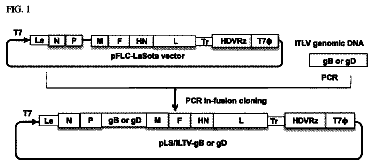
Recombinant chimeric viruses based on NDV LaSota strain and containing either ILTV gB or gD are produced.
US 9,950,091 B2 · Inventors: Mousa; Deena S. et al.
Sheet 1 of 15 from the published document. All sheets in the USPTO PDF
A composition and a method of applying the composition to a site on or within a body of a mammal. The composition includes a hydrogel matrix that includes at least one polymer cross linked, via ionic or covalent bonding, with both hyaluronic acid and alginic acid. The at least one polymer is chitosan, poly L-Lysine, or a combination thereof.
After a traumatic injury, hemorrhage is responsible for over 35% of pre-hospital deaths and over 40% of deaths within the first 24 hours (Kauvar, D. S., Lefering, R., and Wade, C. E. (2006), Impact of hemorrhage on trauma outcome: an overview of epidemiology, clinical presentations, and therapeutic considerations, J Trauma 60, 53-11), second only to the rates of death due to severe central nervous system injury. A cascade of medical problems (e.g., hemorrhage, impaired resuscitation, shock, inflammation and coagulopathy) may be life threatening, can begin with severe hemorrhage, and may occur simultaneously. The severity of each such problem is commonly associated with the extent of overall blood loss. Low blood pressure due to blood loss indicates immediate complications, including the incidence of multiple organ failure and life-threatening infections. See Heckbert, S. R., Vedder, N. B
8 of 15 drawing sheets so far from the published document, cropped to the drawing. Every sheet is in the USPTO PDF.
What the patent claimed, word for word. All of it is now free to use.
The present invention relates to a composition and associated method for use in surgery, bleeding, trauma, and treatment of burns, wounds and other injuries.
After a traumatic injury, hemorrhage is responsible for over 35% of pre-hospital deaths and over 40% of deaths within the first 24 hours (Kauvar, D. S., Lefering, R., and Wade, C. E. (2006), Impact of hemorrhage on trauma outcome: an overview of epidemiology, clinical presentations, and therapeutic considerations, J Trauma 60, 53-11), second only to the rates of death due to severe central nervous system injury. A cascade of medical problems (e.g., hemorrhage, impaired resuscitation, shock, inflammation and coagulopathy) may be life threatening, can begin with severe hemorrhage, and may occur simultaneously. The severity of each such problem is commonly associated with the extent of overall blood loss. Low blood pressure due to blood loss indicates immediate complications, including the incidence of multiple organ failure and life-threatening infections. See Heckbert, S. R., Vedder, N. B., Hoffman, W., Winn, R. K., Hudson, L. D., Jurkovich, G. J., Copass, M. K., Harlan, J. M., Rice, C. L., and Maier, R. V. (1998), Outcome after hemorrhagic shock in trauma patients. J Trauma 45, 545-549. See also, Franklin, G. A., Boaz, P. W., Spain, D. A., Lukan, J. K., Carrillo, E. H., and Richardson, J. D.
Prehospital hypotension as a valid indicator of trauma team activation. J Trauma 48, 1034-1037; discussion 1037-1039.
Early trauma care focuses on minimizing hemorrhage and restoring circulation effectively.
Mitigation of battlefield injury and hemorrhage is a high priority of U.S. military trauma surgeons and researchers. There is no debate about the importance of hemorrhage control as a first-line measure by medics or emergency medicine personnel. While extremity wounds are more amenable to compression to stop bleeding, 15% of Operation Iraqi Freedom (OIF) and Operation Enduring Freedom (OEF) battle injuries are to the torso (chest, abdomen, pelvis and back), where compression cannot be applied. See Eastridge, B.
Joint Theater Trauma Registry Data, September 2001-February 2008.
Non-compressible hemorrhage from truncal injury is the leading cause of potentially survivable deaths of American troops. See Kelly, J. F., Ritenour, A. E., McLaughlin D. F., Bagg, Apodaca, A. N., Mallak, C. T., Pearse, L., Lawnick, M. M., Champion, H. R., Wade, C. E., and Holcomb, J. B. (2008), Injury severity and causes of death from Operation Iraqi Freedom and Operation Enduring Freedom: 2003-2004 versus 2006 . J Trauma 64, S21-26; discussion S26-27.
Patients who have penetrating wounds to the trunk are at risk of severe injuries to major vessels, causing massive hemorrhage, and are most likely to die during the acute (emergency) phase of care. Control of bleeding and limitation of blood loss is the only way to avoid the problems associated with massive hemorrhage in trauma.
Hemorrhagic shock is a severe and life-threatening condition. Over 21% of military casualties are in shock upon admission, and over 25% require a blood transfusion (Eastridge, B.
Joint Theater Trauma Registry Data, June 2006-November 2009). Shock occurs when loss of blood leads to a lack of oxygen to the tissues, causing a systemic build-up of acids. In an attempt to reverse the acid build-up, the patient begins to hyperventilate and, along with other physiological changes, blood pressure increases and blood diverts from the renal system to the heart, lungs and brain. These symptoms occur due to the cellular response to the lack of oxygen, and lead to further breakdown and malfunction of cells, prompting various responses in the circulatory system.
If the problem is not treated or rectified, the cellular response will promote the dysfunction or complete failure of the vital organs, and the patient will die. Prevention of severe hemorrhage, or resuscitation with novel or advanced physiological resuscitation fluids, would diminish the onset of shock.
About 28% of patients with severe traumatic injury also have dysfunction in the process of coagulation (coagulopathy) when the patients arrive at the emergency department (MacLeod, J. B., Lynn, M., McKenney, M. G., Cohn, S. M., and Murtha, M. (2003), Early coagulopathy predicts mortality in trauma, J Trauma 55, 39-44). This dysfunction in the process of coagulation is often caused by dilution of the blood due to infusion of resuscitation products. Coagulopathy is associated with a 3.5- to 5-fold increase in mortality (MacLeod, J. B., Lynn, M., McKenney, M. G., Cohn, S. M., and Murtha, M. (2003), Early coagulopathy predicts mortality in trauma, J Trauma 55, 39-44); and Brohi, K., Cohen, M. J., and Davenport, R. A. (2007), Acute coagulopathy of trauma: mechanism, identification and effect, Curr Opin Crit Care 13, 680-685), and when combined with hypothermia and acidosis is known as the “lethal (or fatal) triad” because of the high likelihood of impending death.
Currently, there is no active intervention for non-compressible hemorrhage available to military or civilian medics and physicians; however, research of non-compressible hemorrhage control methods may offer solutions that could save lives.
Manufactured QuikClot® is an approved zeolite-based hemostatic agent for battlefield use. However, the exothermic reaction associated with QuikClot® as loose granules or as granules packaged in a mesh bag has potential burn effects at the site of application. Zeolites have hemostatic properties used to stop bleeding in severe hemorrhage. See Rhee P. Brown C, Martin M, Salim A. Plurad D, Green D, Chambers L, Demetriades D, Velmahos G, Alm H. (2008), QuikClot use in trauma for hemorrhage control: case series of 103 documented uses, J Trauma. 64(4):1093-9. See also, Arnaud F, Tomori T, Can W, McKeague A, Teranishi K, Prusaczyk K, McCarron R. (2008), Exothermic reaction in zeolite hemostatic dressings: QuikClot ACS and ACS+, Ann Biomed Eng. 36(10):1708-13.
It is widely accepted that severe bleeding is the leading cause of death from wounds on the battlefield, accounting for approximately over 50% of such deaths. It is estimated that one-third of these deaths could be prevented with enhanced hemorrhage control methods and devices. Such enhanced hemorrhage control would also prove very useful in non-military settings; e.g., hospitals and veterinary clinics, where hemorrhage is the second leading cause of death following trauma. No perfect solution currently exists for the effective treatment of excessive bleeding.
To date, application of continuous pressure with gauze bandage remains a primary intervention technique used to stem blood flow, especially flow from severely bleeding wounds. However, this continuous pressure with gauze bandage neither effectively nor safely stanches severe blood flow. This has been, and continues to be, a major survival problem in the case of severe life-threatening bleeding from a wound.
Furthermore, it is widely accepted that severe bleeding is the leading cause of death from wounds on the battlefield, accounting for approximately over 50 percent of such deaths. It is estimated that one-third of these deaths could be prevented with enhanced hemorrhage control methods and devices. Such enhanced hemorrhage control would also prove very useful in non-military settings; e.g., hospitals and veterinary clinics, where hemorrhage is the second leading cause of death following trauma.
Currently available hemostatic bandages such as collagen wound dressings or dry fibrin thrombin wound dressings are restricted to use in surgical applications, and are not sufficiently resistant to dissolution in high blood flow. These currently available hemostatic bandages also do not possess enough adhesive properties to serve any practical purpose. These currently available hemostatic bandages are also delicate and thus prone to failure should these hemostatic bandages be damaged by bending or loading with pressure. These hemostatic bandages are also susceptible to dissolution in hemorrhagic bleeding. Such dissolution and collapse of these hemostatic bandages can produce a loss of adhesion to the wound and allow bleeding to continue unabated.
It is generally accepted that hemostatic products for forward care in a battle zone must control bleeding quickly, be ready to use, be simple to apply, have a shelf life approaching two years, and prevent bacterial or viral transmission. The product's hemostatic action is time-critical in order to meet both military and civilian needs. Devices being investigated or used today as external methods of wound treatment range from absorbent pads containing clotting agents, pressure bandages, gauze, tourniquets for extremities, and trauma kits for wounds to the body.
A number of hemostatic products are available for treating wound trauma; for example, a bandage product using chitosan (deacetylated poly-N-acetyl glucosamine base, Hem Con Inc., Tigard, Oreg.), with limited shelf life and efficiency in stopping severe bleeding, Z-Medica Corporation, Wallingford, Conn., markets a pressure bandage product (QuikClot®) for use by U.S. troops. This product uses a granular, synthetic mineral zeolite to stop bleeding by adsorbing liquid and promoting clotting. However, QuikClot® generates heat that can cause burns if the bandage isn't applied correctly.
ActSys Medical Inc., Westlake Village, Calif., provides a hemostatic gauze product, ActCel®), which is a collagen-like natural substance created from chemically treated cellulose that expands 3-4 times its original size when in contact with blood, thus sealing off damaged vessels a d aiding clotting.
Medafor Inc., Minneapolis, Minn., sell a bio-inert, micro-porous polysaccharide macro-bead product that is synthesized from potatoes, called Trauma DEX®, which is a powdered micro-porous polymer product that stops bleeding by expanding at the wound site and dehydrating the blood, whereupon the body absorbs the material within 48 hours.
Another non-bandage approach employs a non-zeolite topical powder containing a hydrophilic polymer and potassium salt (Quick Relief, Sarasota, Fla.) which, after application, produces a flexible, protective scab to cover the wound site when the powder contacts the blood and slight pressure is applied.
No perfect solution currently exists for the effective treatment of excessive bleeding. Heat generation with respect to one type of agent is a major problem. The dressing's ability to adhere effectively when applied to deep wounds or wounds of irregular shape creates another major limitation. The ability to deal with excessive blood is another drawback, as is treatment and control of pressure bleeding from arterial bleeding.
Surgical and trauma wounds are the most common types of wounds addressed in the wound-care arena. Current bandages are made of gauze and are often applied in conjunction with an elastic bandage. The current bandages allow the wound to breath but are poor barriers to subsequent contamination. The current bandages cannot stop serious bleeding and require the application of pressure in the case of arterial bleeding. Conventional wound sealants fail to present an optimized combination of speed of clotting, effectiveness under pressure bleeding conditions, and clots that are dynamic over time in response to the needs of the trauma site. Typical wound sealants are usually used in conjunction with separate wound dressings. Clearly, surgical trauma caused by sharp objects occurs in a clean environment. However, trauma wounds not caused in a controlled environment are often intermediate sized, widespread, and dirty wounds with considerable tissue damage are found in road traffic accidents or on the battlefield.
Abrasions are generally caused by scraping of the skin's outer layer. Lacerations are jagged, irregular cuts or tears of the skin. Punctures are caused by an object piercing the skin layers, creating a small hole. Incisions are cuts commonly caused by knives or other sharp objects. Burns cause damage which may vary greatly in depth, size, and severity. Wounds due to firearms can be deep and with substantial tissue destruction. Dismemberment due to trauma requires immediate intervention to stop blood loss from the severed limb.
Liquid bandage formulations are available to the Over-the-Counter (OTC) consumer market. Liquid bandage preparations are often used for covering and protecting minor lacerations and abrasions, friction blisters and paper cuts. When applied to the skin, the solution in a liquid bandage evaporates to form a protective film over the application area and to promote healing. The polymerized film covering creates a moist wound healing environment to increase wound healing compared with conventional dressings. Most liquid bandage preparations claim to stop minor bleeding, create a protective seal over the wound, keep out water, dirt and germs, and generally act as a mechanical barrier to common microbial organisms and other forms of contamination. Liquid bandage produces are available from numerous commercial sources. Powder-based hemostats are also widely available OTC.
Cellulose products which are used include microcrystalline cellulose (Avicel range), methylcellulose, carboxymethyl cellulose, and other materials such as cross-linked polyvinyl pyrrolidone (PVP), used singly or in admixture. Also, suitable carriers include polyethylene glycol (PEG), in one embodiment having a molecular weight of about 1000; polyvinyl pyrrolidone (PVP), in one embodiment having an average molecular weight of about 50,000; Poly(acrylic acid), PVA, Poly (methyl vinyl ether co-maleic anhydride), Poly (ethylene oxide), and dextran, typically having an average molecular weight of about 40,000.
Shellfish derived chitosan was used in chitosan dressings. For example, U.S. Pat. No. 4,394,373 employs chitosan in liquid or powder form to agglutinate blood in microgram/mL quantities.
U.S. Pat. No. 4,452,785 is directed to a method of occluding blood vessels therapeutically by injecting chitosan directly into the vessels.
U.S. Pat. No. 4,532,134 relates to hemostasis, inhibiting fibroplasias, and promoting tissue regeneration by placing in contact with the tissue wound a chitosan solution or water-soluble chitosan. The chitosan forms a coagulum, which prevents bleeding.
U.S. Pat. No. 5,700,476 describes collagen based structurally inhomogeneous sponges for wound dressings and/or implant applications formed by freeze drying techniques employing at least one pharmacological agent and at least one substructure.
U.S. Pat. No. 2,610,625 relates to freeze dried sponge structures that are highly effective in stopping the flow of blood or other fluids and which will be absorbed after a time in the body.
U.S. Pat. No. 5,858,350, relates to a process to make diatom derived biomedical grade, high purity chitin and chitin derivatives.
The present invention provides a composition and a method of applying the composition to a site on or within a body of a mammal. The composition comprises a hydrogel matrix that includes at least one polymer cross linked, via ionic or covalent bonding, with both hyaluronic acid and alginic acid. The at least one polymer is chitosan, poly L-Lysine, or a combination thereof.
FIG. 1A depicts synthesis of a hydrogel matrix, said hydrogel matrix comprising chitosan ionically bonded to both hyaluronic acid and alginic acid, said hydrogel matrix encapsulating various compounds, in accordance with embodiments of the present invention.
FIG. 1B depicts synthesis of a hydrogel matrix, said hydrogel matrix comprising chitosan covalently bonded to both hyaluronic acid and alginic acid, said hydrogel matrix encapsulating various compounds, in accordance with embodiments of the present invention.
FIG. 2A depicts synthesis of a hydrogel matrix, said hydrogel matrix comprising poly L-Lysine ionically bonded to both hyaluronic acid and alginic acid, said hydrogel matrix encapsulating various compounds, in accordance with embodiments of the present invention.
FIG. 2B depicts synthesis of a hydrogel matrix, said hydrogel matrix comprising poly L-Lysine covalently bonded to both hyaluronic acid and alginic acid, said hydrogel matrix encapsulating various compounds, in accordance with embodiments of the present invention.
FIG. 3A depicts synthesis of a hydrogel matrix, said hydrogel matrix comprising chitosan and poly L-Lysine ionically bonded to both hyaluronic acid and alginic acid, said hydrogel matrix encapsulating various compounds, in accordance with embodiments of the present invention.
FIG. 3B depicts synthesis of a hydrogel matrix, said hydrogel matrix comprising chitosan and poly L-Lysine covalently bonded to both hyaluronic acid and alginic acid, said hydrogel matrix encapsulating various compounds, in accordance with embodiments of the present invention.
FIG. 4 depicts a representative tracing by a Thrombelastography (TEG) system used in the current study, in accordance with embodiments of the present invention.
FIG. 5 depicts representative clot kinetic parameters and tracings for blood obtained from the same subject, in accordance with embodiments of the present invention.
FIG. 6 depicts use of a simulation model system, in accordance with embodiments of the present invention.
FIG. 7 illustrates the effect of matrix composites on human blood coagulation kinetics, in accordance with embodiments of the present invention.
FIG. 8 depicts the effect of Hemostat and Hemostat V composition on clot initiation kinetic (R) and clot strength (MA), in accordance with embodiments of the present invention.
FIG. 9 depicts the effect of Hemostat V on reversing time to clot initiation, in accordance with embodiments of the present invention.
FIG. 10 depicts the effect of Hemostat V composition on time to clot for blood loss in severe hemorrhage simulation model with heparin as a control, in accordance with embodiments of the present invention.
FIG. 11 depicts the effect of Hemostat V composition on clots strength with heparin as a control, in accordance with embodiments of the present invention.
FIG. 12 depicts the effect of Hemostat V Seal on blood loss in simulation model, in accordance with embodiments of the present invention.
The preset invention is directed to hemorrhage control wound dressings, and methods of using and producing such dressings. The subject wound dressing is constructed from a non-mammalian material for the control of severe bleeding.
The present invention provides a nano-scale or micro-scale composition that includes a matrix (M) comprising a first polymer component cross linked with a second polymer component to form a hydrogel. A polymer component is defined as one or more polymers. The nano-scale or micro-scale of the composition is a linear size of the matrix. The first and second polymer components are cross linked via ionic bonding or covalent bonding. The first polymer component is polycatioinic chitosan or polycatioinic Poly L-Lysine. The second polymer component is hyaluronic acid and alginic acid. The nano-scale of the composition encompasses a range of 100 nm to less that 1000 nm. The micro-scale the composition encompasses a range of 1 μm to 10 μm. The hydrogel may comprise tranexamic acid, calcium salt (e.g., calcium chloride: CaCl.sub.2) with or without Kaolin, thrombin, epinephrine or norepinephrine (each functions as a vasoconstrictor), and sealant (Cyanoacrylate) for stopping hemorrhage, infections, pain relief, and accelerating wound healing in various types of bleeding episodes and burns. The nano or micro formulations can also be used as a slow-release device or drug-delivery vehicle for growth factors, antibiotics, and local anesthetics to improve wound healing, prevent or treat infection, and relieve pain. The hydrogel polycatioinic matrix composites contain combinations of intrinsic and extrinsic coagulation pathways activators along with platelet activator, vasoconstrictor, and anti-fibrinolytic for immediate stopping of hemorrhage or fatal bleeding.
The nano to micro-composites may be formulated as a dry powder, spray, gel, bandage, gauze mixed with honey along with 2-octyl cyanoacrylate, which provides skin adhesive as a sutureless surgery solution. This novel composition can be fitted to any size or shape wound, including penetrating or surgical wounds or burns for human or veterinary utilities along with 2-octyl cyanoacrylate. The wound dressing for controlling severe bleeding is formed of a biomaterial comprising chitosan/poly L-Lysine, a hydrophilic polymer, a polyacrylic polymer, or a combination thereof. The kind of severe, life-threatening bleeding contemplated by this invention is typically of the type capable of being stanched when a conventional gauze wound dressing is applied with conventional pressure to the subject wound. The wound dressing of the present invention is capable of stopping life-threatening bleeding from a wound by adhering to the wound site, sealing the wound, accelerating blood clot formation at the wound site, and preventing bleed out from the wound site.
In one embodiment, a method applies the nano-scale or micro-scale composition to a site on or within a body of a mammal. In one embodiment, the mammal is a human being. In one embodiment, the composition is applied to the site when the mammal is bleeding at the site, wherein the composition is configured to reduce a time to initiate formation of a clot formed at the site, and to increase a clot strength of the clot, relative to a control of nothing being administered at the site to stop the bleeding.
The present invention relates to a dry powder or liquid fibrin sealant, sponge, spray for use in surgery, trauma and other wounds or injuries. The present invention further relates to novel nano to micro composites comprising dry powder fibrin sealant for use in the treatment of wounds or injuries, in particular for use as a topical hemostatic composition as a device as well as a therapeutics for immediate stopping of bleeding, prevention of infection and acceleration of wound healing. The nano to micro composites can be formulated as a dry powder, spray, gel, bandage, gauze mixed with honey. This novel composition can be fitted to any size or shape wound, including penetrating or surgical wounds or burns.
Different hydrogel polycatioinic matrix (Chitosan and/or Poly L-Lysine micro-composites (containing intrinsic, extrinsic coagulation pathways, and platelet activators in accelerating blood platelet-fibrin clotting) have been evaluated using standard global coagulation assay, namely Thrombelastography, using human total of 5 ml blood from human volunteers. Additionally, the efficiency of the optimal hydrogel compositions that have the shortest Time to Clotting (R) and the strongest clot strength (MA) were evaluated in stopping severe bleeding in a hemorrhage simulation model.
Polycatioinic chitosan/Poly L-Lysine interacts directly, via a dual mechanism, with negatively charged platelets (thrombocytes and red blood cells (erythrocytes), and rapidly absorbs fluids. This dual mechanism forms a cross-linked pseudo-clot (pseudo-thrombus), which adheres to tissue and plugs the bleeding site. Chitosan/Poly L-Lysine do not initiate the normal clotting cascade and do not result in clots being formed at the bleeding site.
A wound dressing, prepared in accordance with the present invention, for control of severe, life-threatening bleeding may have some or all of the following properties: i) easily and quickly applied in one step after removal from package; ii) rapid and strong blood clotting; iii) rapid and strong tissue adhesion; iv) internal cohesive properties; v) rapid and strong wound sealing; vi) resistant to dissolution under strong blood flow; vii) good compliance with the injury; viii) good mechanical seating of bandage on tissue to stop slipping by controlled tissue contacting surface-texture; ix) ability to be treated roughly without compromising efficacy; (x) capability to close wound without the need for suture; (xi) capability to prevent wound infection; (xii) capability to accelerate wound healing; and (xiii) capability to provide relief of pain.
The nano to micro-composite of the present invention forms rapid blood clots after blast trauma such as experienced by soldiers exposed to severe bomb blasts or victims in car accidents. Nano-scale encompasses a range of 100 nm to less than 1000 nm, and micro-scale scale encompasses a range from 1 to 100 μm, via ionic or covalent bonding in hydrogel containing thrombin, tranexamic acid, calcium salt with or without zeolite or kaolin, epinephrine or norepinephrine (vasoconstrictor), and Extracellular Matrix Proteins (Hydrogel), for stopping bleeding, infections and accelerating wound healing in various types of bleeding episodes and burns.
Non-biologically active agents can also be incorporated into the hydrogel matrix. For example, polysaccharide thickeners such as hydroxyethyl cellulose, carboxymethyl cellulose, gum, gelling agents, locust bean gum, xanthan gum and the like, polymer thickeners such as polyacrylic acids and copolymers, polyacrylamides and copolymers, alcohols, maleic anhydride copolymers and the like can be added to produce a stiffer hydrogel.
Polysaccharide or honey thickeners may also be added to the aqueous solutions of the polymer components to ensure that the solutions are of suitable viscosity for application. For example, if the hydrogel is to be formed in situ on a target area such as a wound or tissue, the aqueous solutions of the polymer components should be sufficiently viscous along with 2-octyl cyanoacrylate, which provides skin adhesive as a sutureless surgery solution.
The ability of the hydrogels to reduce both bleeding and adhesions, makes the hydrogels a valuable tool in practically any surgical procedure. Examples of surgical procedures in which the hydrogels of the present invention can be used include, but are not limited to, abdominal procedures such as bowel surgery, thoracic procedures, orthopaedics procedures such as division of adhesions on flexor and extensor tendons, and burns procedures.
The present invention also provides wound dressings capable of releasing a hydrogel of the invention when moistened. The wound dressing can be any suitable dressing known in the art such as, inter aria, bandages, strips, pads, gauzes, films, spray, stockings and tape.
When the wound dressing is moistened, the first and second polymer components cross-link, via ionic or covalent bonding, and form a hydrogel in the aqueous component of the wound dressing. The wound dressing can be moistened either by external fluid containing fibrinogen to be applied immediately following the described composite containing alpha or gamma human or bovine thrombin. The rate at which the hydrogel forms can be altered by altering the component polymers. Different applications of the wound dressing may require different rates of hydrogel formation.
The present invention provides nano-scale to micro-scale hydrogel composites containing alpha or gamma human or bovine thrombin, tranexamic acid, calcium sulfate with or without Zeolite or Kaolin, epinephrine or norepinephrine vasoconstrictor, and Extracellular Matrix Proteins for stopping bleeding, antibiotics against infections and growth factors for acceleration of wound healing in various types of bleeding episodes and burns.
The wound dressing may contain additional agents such as antiseptics and other biologically active agents, as discussed above. These agents can be incorporated into the dressing materials using standard methods known in the art, or may be incorporated into the polymer solutions that are blended into the structure of the dressing along with 2-octyl cyanoacrylate which provides skin adhesive as a sutureless surgery solution.
The present invention provides new techniques, devices, and drugs for bleeding and/or hemorrhage control. Despite all of the technology currently available, bleeding and hemorrhage control is still a major unresolved problem in emergency medical care. Almost 50% of all deaths in the first 48 hours of hospitalization are related to an inability to adequately control bleeding. Failure to stop bleeding within the first hours is almost always fatal, especially when multiple trauma sites are involved.
Gums and gelling agents that can be used include, for example, tragacanth, karaya gum, soluble starch, gelatin, pectin, guar gum and gellan gum. A particularly useful additive is Emdex®; i.e., a hydrated form of dextrates (spray crystallized dextrose containing small amounts of starch oligosaccharides). The fibrin functions as a sealant that will appear as a stable foam once fully reacted and the clot has formed.
Another embodiment of the present invention provides a liquid hemostatic composition for topical delivery on minor abrasions, cuts, scrapes, scratches, burns, sunburns, ulcers, internal venous bleeding, external venous bleeding, and surgical trauma, with the composition comprising the fibrin sealant powder composition in a non-aqueous liquid carrier for forming a thin-film barrier over the site of injury. The formulation may be easily applied to the wound site in variable quantities and will quickly stop bleeding.
The present invention also comprises a process for preparing a viscous water soluble fibrin sealant paste, salve, and ointment or suspension composition, the process comprising the steps of: admixing the fibrin sealant powder composition of the present invention and polyethylene glycol. Such suspensions may optionally include a surfactant, or other suitable suspending agent, to prevent flocculation. In one embodiment, the nano to micro scale composition contains 50-60% chitosan/Poly L-Lysine, 10% alginic acid, 20-30% hyaluronic acid, with composition's molecular weight ranging from 4,000-8,000 Dalton. In one embodiment, the chitosan/Poly L-Lysine has a weight average molecular weight of at least about 60-150 kDa, with 25-40% acetylation. In one embodiment, the chitosan/Poly L-Lysine has a viscosity at 25° C. in a 1% solution of acetic acid of about 200-2000 centipoise. In one embodiment, the inventive composition includes chitosan/Poly L-Lysine nano (100 to less than 1000 nm) to micro (1-10 μm)-particles with zeta potential off 10 to +30 mV, thrombin, tranexamic acid, calcium salt with or without Zeolite or Kaolin, epinephrine or norepinephrine (vasoconstrictor), Extracellular Matrix Proteins (Matrigel®) for stopping bleeding, infections and accelerating wound healing in various types of bleeding episodes and burns and 2-octyl cyanoacrylate which provides skin adhesive as a sutureless surgery solution.
In one embodiment, the present invention provides a process for preparing a compressed composite sponge or spray for hemorrhage control. The process comprises: (a) degassing chitosan/Poly L-Lysine biomaterial solution by heating the chitosan/Poly L-Lysine biomaterial solution and applying a vacuum; (b) freezing the chitosan/Poly L-Lysine-Hyaluronic-alginic ionically or covalently bonded with SNACH biomaterial solution containing calcium salt with or without Zeolite or Kaolin, epinephrine or norepinephrine (vasoconstrictor), (c) adding Extracellular Matrix Proteins; (d) compressing the composition to obtain a compressed sponge; and (e) sterilizing the compressed sponge. In one embodiment, the compressed sponge is sterilized by gamma irradiation or an electron beam (i.e., E beam).
In one embodiment, a paste, salve, or ointment or suspension composition may also be used in conjunction with, for example, a gelatin sponge, gauze or collagen material by either coating such material as a substrate with the composition listed above and applying the coated material to the hemorrhaging site or first applying the composition to a hemorrhaging site and placing the gelatin sponge, gauze or collagen on top of the composition and applying pressure thereto. The paste, salve, or ointment of the present invention has a viscosity and potency which is high enough to permit a hemostatic effective use of the paste, salve, or ointment by a surgeon by dipping of a gloved finger into the paste, salve, or ointment and placing the paste salve, or ointment over the bleeding site. This paste salve, or ointment is water soluble, and sufficiently yielding to spread readily on tissue or skin.
The aerosol package of the present invention may be prepared and handled in such manner that the contents of the aerosol package will be sterile when sprayed. The use of bacterial filters and aseptic processing techniques results in a sterile product.
In another embodiment, a local anesthetic (e.g., Lidocaine) along with a neovascularization agent may be added into the above nano or micro composition.
The inventive composition may be applied locally for pain relief and promotion of neovascularization to enhance healing of nerve and tissue.
A drug comprising the inventive composition could elute over time after placement into the involved anatomic site, which would represent advancement over the present manner of drug delivery and take advantage of longer pain free episodes to allow for a more typical routine of activities as well as allow for an opportunity to build surrounding structural support.
The compressed sponge of the present invention may further comprise an active ingredient. The active ingredient may include, but is not limited to, calcium, thrombin, factor VIIa, factor XIIIa, penicillin, ampicillin, methicillin, amoxicillin, clavamox, clavulanic acid, aztreonam, imipenem, streptomycin, Kanamycin, Tobramycin, gentamicin, vancomycin, clindamycin, erythromycin, polymyxin, bacitracin, amphotericin, nystatin, rifampicin, tetracycline, doxycycline, chloramphenicol, or combinations thereof.
In one embodiment, the compressed composite sponge for hemorrhage control comprises a hydrophilic polymer sponge and a wettable polymer matrix or wettable polymer matrices inside the sponge and/or at the sponge surface. The hydrophilic polymer sponge may include alginate, a hydrophilic polyamine, a chitosan/Poly L-Lysine derivative, poly Lysine, polyethylene imine, xanthan, carrageenan, quaternary ammonium polymer, chondroitin sulfate, a starch, a modified cellulosic polymer, a dextran, hyaluronan or combinations thereof.
The wettable polymer may include non-woven mats, woven mats, molded polymer mesh and low density sponges. The wettable polymer may include, but is not limited to, a chitin, an alginate, a neutralized chitosan, a re-acetylated chitosan, poly(glycolic acid), a poly(lactic acid), a poly(e-caprolactone), a poly(β-hydroxybutyric acid), a poly(β-hydroxyvaleric acid), a polydioxanone, a poly(ethylene oxide), a poly(malic acid), a poly(tartronic acid), a polyphosphazene, a polyethylene, a polypropylene, a metallocene polymer, a polyurethane, a polyvinylchloride polymer, a polyester, a polyamide, or combinations thereof. In one embodiment, the hydrophilic polymer is chitosan and/or Poly L-Lysine.
In one embodiment, the chitosan/Poly L-Lysine has a weight average molecular weight of at least about 60-100 kDa. In one embodiment, the chitosan has a weight average molecular weight of at least about 110-150 kDa. In one embodiment, the chitosan has a viscosity, at 25° C. in a 1% solution of acetic acid, of about 100 centipoise to about 2000 centipoise. In one embodiment, the chitosan has a viscosity, at 25° C. in a 1% solution of acetic acid (AA), of about 125 centipoise a about 1000 centipoise.
The compressed sponge may comprise a textile thread impregnated with a hydrophilic polymer. The textile thread is impregnated with a hydrophilic polymer. In one embodiment, the hydrophilic polymer is chitosan. The hydrophilic polymer may also include, but is not limited to an alginate, a hydrophilic polyamine, a chitosan derivative, poly L-lysine, polyethylene imine, xanthan, carrageenan, quaternary ammonium polymer, chondroitin sulfate, a starch, a modified cellulosic polymer, a dextran, hyaluronic, or combinations thereof. The starch may include amylase, amylopectin, or a combination of both amylopectin and amylase.
The compressed composite sponge may further comprise a backing support layer. The backing support layer may be a layer of polymeric material. The polymeric material may be a synthetic non-biodegradable material or a naturally occurring biodegradable polymer. The synthetic biodegradable materials may include poly(glycolic acid), poly(lactic acid), poly(e-caprolactone), poly(.beta.-hydroxybutyric acid), poly-hydroxyvaleric acid), polydioxanone, poly(ethylene oxide), poly(malic acid), poly(tartronic acid), polyphosphazene, copolymers of polyethylene, copolymers of polypropylene, the copolymers of the monomers used to synthesize said polymers, or combinations thereof. The naturally occurring polymers may include chitin, algin, a starch, dextran, collagen, albumen, combinations thereof. The synthetic polymers may include polyethylene, polypropylene, a metallocene polymer, a polyurethane, a polyvinylchloride polymer, a polyester, a polyamide, or combinations thereof.
In one embodiment, the compressed composite sponge has a degree of adhesion to the wound site of about 40 kPa to about 500 kPa. In one embodiment, the compressed composite sponge has a degree of adhesion to the wound site of about 60 kPa to about 250 kPa. In one embodiment, the compressed composite sponge has a degree of adhesion to the wound site of about 100 kPa to about 200 kPa. The compressed composite sponge is capable of forming an adhesive material in combination with blood flowing from the wound at a wound dressing-blood interface. In one embodiment, the adhesive material is a chitosan adhesive material.
In one embodiment, the chitosan adhesive material has a pH of not more than about 6.3 when the wound is sealed. In one embodiment, the chitosan adhesive material has a pH of not more than about 4.5 when the wound is sealed. In one embodiment, the chitosan adhesive material has a pH of not more than about 4.0 when the wound is sealed.
The adhesive material may comprise an acid selected from the group consisting of acetic acid, formic acid, lactic acid, ascorbic acid, hydrochloric acid and citric acid. In one embodiment, the compressed composite sponge has a thickness that is not less than about 3.0 mm and not more than about 8 mm. In one embodiment, the compressed composite sponge has a thickness that is not less than about 3.5 mm and not more than about 7 mm. In one embodiment, the compressed composite sponge has a thickness that is not less than about 4.0 mm and not more than about 6 mm. In one embodiment, the compressed composite sponge has an ultimate tensile stress about 0.1 MPa to about 10 MPa. In one embodiment, the compressed composite sponge has an ultimate tensile stress of about 0.15 MPa to about 0.8 MPa. In one embodiment, the compressed composite sponge has an ultimate tensile stress of about 0.25 MPa to about 0.5 MPa. In one embodiment, the compressed composite sponge has an ultimate elongation of about 5%. In one embodiment, the compressed composite sponge has an ultimate elongation of about 10%. In one embodiment, the compressed composite sponge has an ultimate elongation of about 15% along with 2-octyl cyanoacrylate, which provides a skin adhesive as a sutureless surgery solution.
In one embodiment, a process for preparing a compressed sponge for hemorrhage control comprises: (a) freezing/freeze drying preparation of a low density sponge; and (b) compressing the low density sponge at a rate of about 10 mm per minute and at a controlled temperature of 80° C., thereby obtaining a compressed sponge with a density of about 0.1 to about 0.2 g/cm.sup.3.
The description continues in the full USPTO document.
About 5,962 words. The USPTO PDF has it with every drawing.
Fees are due 3.5, 7.5 and 11.5 years after grant. This patent expired on April 24, 2026, so the fee marked "not paid" was the one that went unpaid.
COMPOSITION AND METHOD FOR STOPPING HEMORRHAGE, INFECTION, AND ACCELERATING HEALING IN VARIOUS TYPES OF WOUND OR BURNS
Filed Jan 2016 · published Jul 2016Composition and method for stopping hemorrhage, infection, and accelerating healing in various types of wound or burns
Filed Jan 2016 · granted Apr 2018Earlier publications, parents and continuations. None of them can still be enforced, or this patent would not be listed.
Prior art cited by the examiner or applicant. Useful when you check your own idea for novelty.
Everything on this page comes from the documents linked above.


