Lapsed, fee not paid4 drawings
Agriculture & Food Tech · US 9,888,810 B2
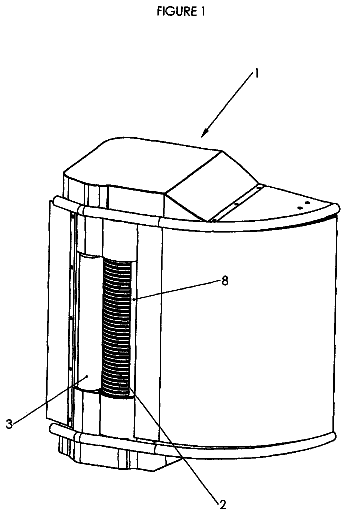
Toaster
A toaster for evenly toasting bread products is provided.
US 9,890,422 B2 · Assignee: Syngenta Participations AG · Inventors: Walsh; John Anthony et al.
Sheet 1 of 4 from the published document. All sheets in the USPTO PDF
The invention relates to plants, and in particular to virus-resistant plants, and to methods of generating such plants. The invention extends to eukaryotic translation initiation factor variants and isoforms thereof, and to nucleic acids involved in the splicing of such variant factors, and uses thereof in methods for producing plants that are resistant to viral infections.
All 4 drawing sheets from the published document, cropped to the drawing.
What the patent claimed, word for word. All of it is now free to use.
This application claims priority under 35 U.S.C. § 371 from PCT Application No. PCT/GB2011/051192, filed Jun. 24, 2011, which claims the benefit of Great Britain Application No. 1010740.7, filed Jun. 25, 2010, the disclosures of which are incorporated by reference herein in their entirety.
The invention relates to plants, and in particular to virus-resistant plants, and to methods of generating such plants. The invention extends to eukaryotic translation initiation factor variants and isoforms thereof, and to nucleic acids involved in the splicing of such variant factors, and uses thereof in methods for producing plants that are resistant to viral infections.
Viruses present a significant problem in agriculture. For example, plant viruses in the family Potyviridae (potyviruses) represent approximately 30% of plant viruses and are capable of infecting more than 30 different families of plants, leading to extensive crop damage and even death. In particular, the Solanaceae, Cucurbitaceae and Fabaceae plant families are especially sensitive to infection by potyviruses. Currently, in contrast to many bacterial or fungal infections, there are few ways to combat viral infections in plants. Due to the increasing size of the international market for plants and seeds, it is becoming more essential for plant breeders to develop plants that are resistant to infection from viruses, for example those from the Potyviridae family.
Upon infection of a plant host, plant viruses use some of the host's endogenous proteins to complete their own life cycle. For example, potyviruses, such as Turnip mosaic virus (TuMV), use plant eukaryotic translation initiation factors to bind plant ribosomes to the viral genomic RNA as a pre-requisite to translating their genomes into various viral proteins, including the viral RNA-dependent RNA polymerase that is essential to produce more copies of the virus. Therefore, defects in the plant eukaryotic translation initiation factors may confer viral resistance in plants. However, since the eukaryotic translation initiation factors are vital to the survival of plants, defects in the eukaryotic translation initiation factors are detrimental to plants, often resulting in plants that are non-viable.
It has been shown in a number of plant-potyvirus interactions that the potyvirus VPg (protein encoded by potyvirus RNA genome) is able to bind to the eIF4E protein and that mutations in members of the eIF4E gene family can confer resistance to potyviruses. Recessive resistance to infections by potyviruses is believed to arise from base changes in the coding region (i.e. the exons) of the genes encoding eIF4E and/or eIF(iso)4E, thereby resulting in eIF4E and/or eIF(iso)4E protein variants.
For example, Turnip mosaic virus (TuMV), which can normally infect Arabidopsis thaliana , can no longer infect A. thaliana plants that lack a functional eukaryotic translation initiation factor isoform (eIF(iso)4E) protein. Insertional mutagenesis of At.eIF(iso)4E using a defective maize transposon (dSpm) produced a plant line that was able to grow normally, and was resistant to TuMV infection. Additionally, chemically-induced point mutation of the A. thaliana eIF(iso)4E gene using ethylmethane sulphonate (EMS) named lsp1 also conferred resistance to TuMV infection.
Although various mechanisms of viral resistance have been found in certain plants, these are mostly specific to virus strains. Dominant plant R genes predominantly provide strain-specific resistance to plant viruses, for example TuRB01 provides resistance to pathotype 1 isolates of TuMV, but is overcome by TuMV isolates belonging to other pathotypes including, 3, 4 and 12. Most examples of recessive resistance associated with mutations in eIF4E and eIF(iso)4E are also strain-specific and mutations in viral VPg and occasionally other viral proteins result in strains able to overcome such resistance.
Therefore, there is a need to induce virus resistance in plants that is not specific to any strains, and thereby confer broad spectrum virus resistance. There are some examples of broad spectrum resistance for some viruses but for most viruses in most crop types, there are no sources of broad spectrum resistance. Additionally, viruses are constantly mutating and genotypes able to overcome strain-specific and broad spectrum resistance are generated in susceptible plants and selected for by the cultivation of resistant plants. Most plant viruses have RNA genomes and RNA is known to have a particularly high mutation rate due to infidelity in the proof-reading mechanism. Consequently, new sources of broad spectrum resistance are required, particularly based on new mechanisms, in order to improve the durability of such resistances.
All previously reported recessive resistance to infection by viruses (such as potyviruses) based on eIF4E or eIF(iso)4E has arisen through base changes in the exons. Such bases changes cause alterations in the sequence of the eIF4E or eIF(iso)4E protein, for example altered amino acid residues in the translated protein, or premature chain termination resulting in a truncated protein. Hence, previous efforts in developing virus-resistant plant species, have focused on generating plant varieties, which harbour mutations in only the exons of either eIF4E or eIF(iso)4E. Surprisingly, however, the inventor has now identified for the first time that plant resistance to viruses, such as potyviruses, may be conferred by plant eIF4E or eIF(iso)4E protein variants that are produced from mis-splicing processes compared to that of the wild-type or native protein.
Accordingly, in a first aspect of the invention, there is provided an isolated plant eukaryotic translation initiation factor 4E (eIF4E) variant, or an isoform thereof (eIF(iso)4E), which is non-functional for a virus, wherein nucleic acid encoding the eIF4E or eIF(iso)4E is mis-spliced.
Previous examples of eIF4E and eIF(iso)4E have all involved mutations in the coding region of the genes. The inventors have now provided the first example of variation in the DNA sequence of an intron inducing virus resistance. Most changes in intron DNA sequence would not be predicted to provide resistance as the introns are spliced from the genes prior to translation and hence do not affect the protein. Additionally, mis-splicing of genes usually results in non-functional proteins, and the lack of the functional protein can be lethal, can lead to reduced fitness, or can have other adverse affects.
The term “eIF4E” is also known as eukaryotic translation initiation factor 4E, which is a key component in the initiation of protein synthesis. As will be known to the skilled technician, in plants, eIF4E forms a complex eIF4F (consisting of eIF4E and eIF4G). The precise biochemical role of a plant eIF4E protein in virus infection has yet to be identified. However, not wishing to be bound to any theory, the plant eIF4E may be capable of binding to the 5′ cap structure (or a mimic) of the viral RNA, or the plant eIF4E may interact with the viral RNA directly. Alternatively, eIF4E may be involved in the cell-to-cell movement of the infecting virus in the host plant.
The term “eIF(iso)4E” refers to an isoform of eIF4E, and eIF(iso)4E has a similar function as eIF4E. eIF4E and eIF(iso)4E proteins from Arabidopsis thaliana are 44%-49% identical at the amino acid level. This is similar to values found for Brassica rapa line R-o-18 (47-50% identity) and Brassica rapa line Chiifu (43-50% identity).
The virus life cycle is totally dependent on using the host plant's translation machinery to turn viral nucleic acid into proteins. Without the viral proteins produced by the host translation machinery, no viral replicase protein is produced and so no more copies of the virus are made either. A number of viruses have been shown to be dependent on the host plant's translation complex and virus interactions with the plant eIF4E and/or eIF(iso)4E proteins have been demonstrated (the version used depends on the particular combination of virus species and plant species).
The skilled person will appreciate that mis-splicing can produce the eIF4E or eIF(iso)4E variant of the first aspect, which can therefore be described as being an alternatively spliced variant, compared to the wild-type or native eIF4E or eIF(iso)4E proteins. The genomic sequence of a gene, such as that encoding eIF4E or eIF(iso)4E, comprises coding regions (i.e. exons) and non-coding regions (i.e. introns). The introns and exons are transcribed into RNA termed “primary transcript, precursor to mRNA” (or “pre-mRNA”). The introns must be removed from the pre-mRNA so that the native protein encoded by the exons can be produced. The term “native protein” can mean the naturally occurring, wild-type or functional protein.
The removal of the introns from the pre-mRNA and subsequent ligation of the exons to each other is carried out in the splicing process. The splicing process usually consists of a series of reactions, mediated by splicing factors, which is carried out on the RNA after transcription, but before translation. Thus, a “pre-mRNA” is an RNA molecule which contains both exons and intron(s), and an “mRNA” is an RNA in which the intron(s) have been removed and the exons have been joined together sequentially so that the protein can then be translated therefrom by the ribosomes.
Introns are defined by a set of “splice elements” which are relatively short, conserved RNA segments which bind the various splicing factors that carry out the splicing reactions. Thus, each intron is defined by a 5′ splice site, a 3′ splice site, and a branch point situated there between.
The inventor has found that the protein variant of the first aspect may be caused by modifications in the splice element of the native DNA and/or pre-mRNA of eIF4E or eIF(iso)4E, which create a new, aberrant, splice element (compared to the wild-type). Therefore, in an embodiment of the invention, the mis-spliced gene encoding eIF4E or eIF(iso)4E may arise from a modification in a splice element, thereby producing an aberrant splice element. The aberrant splice element may cause altered splice patterns of the eIF4E or eIF(iso)4E pre-mRNA, giving rise to altered mRNA. Preferably, the resulting eIF4E protein variant or eIF(iso)4E protein variant of the first aspect is not functional for the virus in a plant, such that the plant is substantially resistant to viral infection.
The inventor has demonstrated that alterations in an intron of the gene encoding eIF4E or eIF(iso)4E (rather than in an exon) result in mis-splicing occurring, which results in a eIF4E variant or eIF(iso)4E variant protein being produced, which is non-functional for a virus, and thus confers virus resistance when present in a plant.
In one embodiment, the aberrant splice element may alter the native splice site at the 5′- or 3′-end of the intron (i.e. at the 5′ native splice site or at the 3′ native splice site of the intron), which creates a new, aberrant, splice site. It would be appreciated that the difference between the genomic DNA sequence and the sequence of mature message RNA defines the introns. The 5′ and 3′ ends of the introns define the native splice sites of a gene.
The aberrant splice site may be upstream or downstream of the native splice site. It would be appreciated by the skilled technician that the term “upstream” means towards the 5′ end of the DNA or pre-mRNA molecule and may be denoted by the symbol “−”. It would also be appreciated by the skilled technician that the term “downstream” means towards the 3′ end of the DNA or pre-mRNA molecule, and may be denoted by the symbol “+”. Hence, in an embodiment where the aberrant splice site may be 10 nucleotides upstream from the 5′ native splice site of intron 1, the aberrant splice site may also be referred to as “−10 bp relative to the 5′ splice site of intron 1”.
In embodiments where the aberrant splice site is upstream of the 5′ native splice site of an intron, some of the exon that is upstream of the intron may be excised during the splicing process. Therefore, the resulting mRNA may lack nucleotides of the excised exon. In embodiments where the aberrant splice site is downstream of the 5′ native splice site of an intron, some of the intron may be retained during the splice event. Therefore, the resulting mRNA may comprise nucleotides of the retained intron.
In embodiments where the aberrant splice site is downstream of the 3′ native splice site of an intron, some of the exon downstream of the intron may be excised during the splicing process. Therefore, the resulting mRNA may lack nucleotides of the excised exon. In embodiments where the aberrant splice site is upstream of the 3′ native splice site of an intron, some, or all of the intron may be retained during the splice event. Therefore, the resulting mRNA may contain the retained intron nucleotides.
In an alternative embodiment, the altered splice pattern may comprise retaining at least one intron. The resultant mRNA molecule (i.e. mRNA variant) may therefore contain RNA sequence that corresponds to the retained intron or introns, and may be larger than the native mRNA molecule.
The amino acid sequence translated from the retained at least one intron, or part thereof may comprise a stop codon. The resulting protein (i.e. protein variant) may not be translated beyond the first stop codon and, hence, the protein variant may be smaller in size compared to the native protein. The stop codon that is introduced by the retained intron may be referred to as a premature stop codon because it causes translation of the mRNA to cease prematurely (the first wild-type stop codon of the gene being located further downstream). Therefore, the protein variant may have lack of function or an altered function compared to the wild-type or the native protein. The protein variant may be non-functional for a virus.
The codon reading frame of the retained at least one intron, or part thereof, may be in-frame or out-of-frame with the coding reading frame of the neighbouring exon(s). The resulting mRNA may encode an altered amino acid sequence, and hence, produce a protein variant. The protein variant may have lack of function or an altered function compared to the wild type or the native protein. The protein variant may be non-functional for a virus.
In an embodiment where the codon reading frame of the retained at least one intron, or part thereof, is out-of-frame with that of the neighbouring exon(s), the resulting protein (i.e. protein variant) may contain altered amino acid sequences may be truncated due to a premature stop codon. The resultant protein variant may have lack of function or an altered function compared to the wild type or the native protein. The protein variant may be non-functional for a virus.
In an embodiment where at least one exon, or a part thereof, is excised, the resulting mRNA may encode an altered amino acid sequence, and hence, produce a protein variant. The altered amino acid sequence may contain a premature stop codon. The protein variant may have lack of function, or an altered function compared to the wild type or the native protein. The protein variant may be non-functional for a virus.
The altered function of the eIF4E variant or eIF(iso)4E variant may comprise a decrease in its activity for translation initiation. When the mis-splicing occurs in intron 1, this may result in extremely truncated versions of the protein, or versions where most of the protein is completely different to functional versions. Not bound by theory, this may have a number of consequences, as it is highly unlikely to bind to other components of the eukaryotic initiation complex, particularly eIF4G or eIF(iso)4G and also unlikely to bind to the viral protein VPg, or messenger RNA cap. This will result in lack of translation of messenger RNA and/or viral RNA.
The inventor has carried out his experiments using Brassica rapa as a plant model, and has surprisingly found that B. rapa contains three eIF(iso)4E loci, and thus, has three protein isoforms of eIF(iso)4E, the protein isoforms being denoted eIF(iso)4E.a, eIF(iso)4E.b and eIF(iso)4E.c. He therefore investigated eIF(iso)4E.a in two plant lines. The first plant line, referred to herein as “R-o-18”, is sensitive to infection with a virus (i.e. Turnip Mosaic virus, TuMV), and the second plant line, referred to herein as “RLR22”, is resistant to viral infection. The inventor has determined the genomic, mRNA and polypeptide sequences for the eIF(iso)4E.a isoform of B. rapa , as discussed below.
The genomic DNA sequence encoding the native or wild type Brassica rapa eIF(iso)4E.a isoform, BraA.eIF(iso)4E.a, in line R-o-18 (sensitive to viral infection), is provided herein as SEQ ID No. 1, as follows:
TABLE-US-00001 SEQ ID No: 1 ATGGCGACAGAGGATGTGAACGAAGCCCTTGCGGCGGCGGAAGTACCGGCAACAGAGACGACGGAGAAGC AGCCTGCTCACAAGCTCGAAAGAAAGTGGAGTTTCTGGTTCGATAACCAATCCAAACCAAAGCAAGGCGC CGCCTGGGGAGCCTCCCTTCGCAAAGCCTATACCTTCGACACCGTCCAAGACTTCTGGGG GTTTGTTTGT CTTCTCCTTTTATTTATTGTTAGCGATCTGTAAAGCTAGATCTTCTTTTGCAG TTTGCACGAGACTATAT TCATCCCTAGCAAACTGACGCCGAATGCTGAAATTCACATGTTCAAAGCTGGTGTTGAGCCTAAGTGGGA AGATCCTGAGTGTGCTAATGGGGGAAAGTGGACTTATGTTGTCACCTCCAACCGCAAGCCTGCTTTAGAC AAGGCTTGGCTTGAAACT GTACTCCTCTTCTACCTCTCCTCCTTTTTTCTTTTTTTTTGCATCTGGTAAT GACATGTTTTCTCTGCCAG TTGATGGCTCTTGTCGGAGAGCAATTTGATGAGGCTGATGAGATTTGTGGC GTGGTTGCTAGTGTGCGCCCAAAGCAGGACAAGCTCTCCTTGTGGACAAGGACCAAATCTAATGAAGCTG TTCTG GTATGATGCTTGTCTTCTCTCACTATGTACCTTTGGTGTTGTTTGATAACTGTTTTCTTCTACTT GTTATCCGTTGCGATGTCCCATTATTGTTTGATTATCCTGTTCCAATTTTTTTGTATTGCGTACTGGTGG TTTACGAAGAAGTGTTCTTGTACAATATGTTAGCGTTGTTGAATGTGTTAATTGCTTACTATAGTAAAAC AGTTTAAGCTGTTGACTATGTTAATATTCTCTTCGATACACACACTTAGAATGGATAACTACCTTGTTTC TTTATCCTTTGGAGTTTCACCAGCTTATTATCGATCGAGATACTCCTTCTGATTTGAATTACCATTCAAG ATTAATATTTATATATATTGAAAGTATATGTTTGTTTAACGATATATCTATTAGGCTTGCTTTTTTTAGT TCATTCGCAGTATAAACGTAGCTCTATTTATTAGAGGCTTCTCTTTAGAACTTGGCAGTAATGTAATATG TCGAAGTGTGGTTTATGAATCTGGTTGATGATATTACTAATTTTTTTGTTTGTTATTGTAAATCCAG ATG GGTATTGGGAAGAAGTGGAAGGAGATACTTGATGTCACCGACAAGATAACTTTCACTAACCAT GTAACTT AACTTTCTCCACATAGAGGCTAATTATCTTTTGTTCTTCTTACGTGGCTTACTAAAATGTGGTCTACTTA TATATATAG GATGATTCTAGAAGAACTAGGTTCACTGTCTGA
SEQ ID No: 1 shows exons 1 to 5, with the introns being represented in bold.
The mRNA sequence of the native or wild type BraA.eIF(iso)4E.a in line R-o-18 (sensitive to viral infection), is provided herein as SEQ ID No. 2, as follows:
TABLE-US-00002 SEQ ID No: 2 AUGGCGACAGAGGAUGUGAACGAAGCCCUUGCGGCGGCGGAAGUACCGGCAACAGAGACGACGGAGAAGC AGCCUGCUCACAAGCUCGAAAGAAAGUGGAGUUUCUGGUUCGAUAACCAAUCCAAACCAAAGCAAGGCGC CGCCUGGGGAGCCUCCCUUCGCAAAGCCUAUACCUUCGACACCGUCCAAGACUUCUGGGGUUUGCACGAG ACUAUAUUCAUCCCUAGCAAACUGACGCCGAAUGCUGAAAUUCACAUGUUCAAAGCUGGUGUUGAGCCUA AGUGGGAAGAUCCUGAGUGUGCUAAUGGGGGAAAGUGGACUUAUGUUGUCACCUCCAACCGCAAGCCUGC UUUAGACAAGGCUUGGCUUGAAACUUUGAUGGCUCUUGUCGGAGAGCAAUUUGAUGAGGCUGAUGAGAUU UGUGGCGUGGUUGCUAGUGUGCGCCCAAAGCAGGACAAGCUCUCCUUGUGGACAAGGACCAAAUCUAAUG AAGCUGUUCUGAUGGGUAUUGGGAAGAAGUGGAAGGAGAUACUUGAUGUCACCGACAAGAUAACUUUCAC UAACCAUGAUGAUUCUAGAAGAACUAGGUUCACUGUCUGA
FIG. 3 illustrates schematically that the exons of BraA.eIF(iso)4E.a are ligated together to form the mRNA of SEQ ID No: 2.
The polypeptide sequence of the native or wild type BraA.eIF(iso)4E.a in line R-o-18 (sensitive to viral infection), is provided herein as SEQ ID No. 3, as follows:
TABLE-US-00003 SEQ ID No: 3 MATEDVNEALAAAEVPATETTEKQPAHKLERKWSFWFDNQSKPKQGAAWGASLRKAYTFDTVQDFWGLHE TIFIPSKLTPNAEIHMFKAGVEPKWEDPECANGGKWTYVVTSNRKPALDKAWLETLMALVGEQFDEADEI CGVVASVRPKQDKLSLWTRTKSNEAVLMGIGKKWKEILDVTDKITFTNHDDSRRTRFTV.
The genomic DNA sequence encoding the Brassica raga eIF(iso)4E.a isoform, BraA.eIF(iso)4E.a variant, in line RLR22 (resistant to viral infection), is provided herein as SEQ ID No. 4, as follows:
TABLE-US-00004 SEQ ID No: 4 ATGGCGACAGAGGATGTGAACGAAGCCCTTGCGGCGGCGGAAGTACCGGCAACAGAGACGACGGAGAAGC AGCCTGCTGACAAGCTCGAAAGAAAGTGGAGTTTCTGGTTCGATAACCAATCCAAACCAAAGCAAGGCGC CGCCTGGGGAGCCTCCCTTCGCAAAGCCTATACCTTCGACACCGTCCAAGACTTCTGGGG G GTTTGTTTG TCTTCTCCTTTTACTTATTGTTAGCGATCTGTAAAGCTAGATCTTCTTTTGCAG TTTGCACGAGACTATA TTCATCCCTAGCAAACTGACGCCGAATGCTGAAATTCACATGTTCAAAGCTGGTGTTGAGCCTAAGTGGG AAGATCCTGAGTGTGCTAATGGCGGAAAGTGGACTTTTGTTGTTACCTCCAACCGCAAGCCTGCTTTAGA CAAGGCTTGGCTTGAAACT GTACTCATCTTCTACCTCTCCTCTTTTTTTTTTTAATAGTTTAGACAATTT TGCATCTGGTAATGACATGTTTTATCTGCCAG TTGATGGCTCTTGTCGGAGAGCAATTTGATGAGGCTGA TGAGATCTGTGGGGTGGTTGCTAGTGTGCGCCCAAAGCAGGACAAGCTCTCCTTGTGGACAAGGACCAAA TCTAATGAAGCTGTTCTG GTATGATGCTTCTCTTCTCTCACTATGTACCTTTGGTGTTGTTTTCTTCTAC TTGTTATCCGTTGCGATGTCCCATTATTGTTTGATTATCCTGTTCCAATTTTTCTGTTTTGCGTACTGGT GGTTTACGAAGAAGTATGCTTGTACAATATGTTAGCGTTGTTGAATGTGTTAATTGCTTACTATAGTAAA ACAGTTTAAGCTGTTGACTATGTTAATATTCTCTTCGATACACACACTTAGAATGGATAACTACCTTGTT TCTTTATCCTTTGGAGTTTCACCAGCTTAATATATATTGAAAGTATATGTTTGTTCAACGATATATCTAT TAGGCTTGCTTTTTTTAGTTCATTCGCAGTATAAACATAGCTCTATTTATTAGAGGCCATCTCTTTAGAA CTTGGCAGTACTGTAATATGTCGAAGTGTGGTTTATGAATCTGGCTGATGATATTACTACTTTGTTGTTT GTTATTGTAAATCCAG ATGGGTATTGGGAAGAAGTGGAAGGAGATACTTGATGTCACCGACAAGATAACT TTCACTAACCAT GTAACTTAACTTTCTCCACATAGAGGCTAATTATCTTTTGTTCTTCTTACGTGGCTTA CTAAAATGTGGTCTACTTATATATATAG GATGATTCTAGAAGAACTCGGTTCACTGTCTGA
SEQ ID No: 4 shows the introns being represented in bold, and a guanine insertion at position +1 of the 5′ splice site of intron 1 (underlined in the sequence above). This mutation is referred to herein as “insertion/deletion” mutation or “indel”. The inventor has surprisingly observed that the DNA sequence represented as SEQ ID No. 4, in some embodiments, can give rise to several different forms of mRNA sequence, each of which may produce the variant of the eIF4E or eIF(iso)4E protein of the first aspect. The inventor has named the allele (BraA.eIF(iso)4E.a) from the virus-resistant line (RLR22) “retr01”, which is believed to be recessive.
A first embodiment of an mRNA sequence of BraA.eIF(iso)4E.a variant in line RLR22 (resistant to viral infection), is provided herein as SEQ ID No. 5, as follows:
TABLE-US-00005 SEQ ID No: 5 AUGGCGACAGAGGAUGUGAACGAAGCCCUUGCGGCGGCGGAAGUACCGGCAACAGAGACGACGGAGAAGC AGCCUGCUGACAAGCUCGAAAGAAAGUGGAGUUUCUGGUUCGAUAACCAAUCCAAACCAAAGCAAGGCGC CGCCUGGGGAGCCUCCCUUCGCAAAGCCUAUACCUUCGACACCGUCCAAGACUUCUGGGG GGUUUGUUUG UCUUCUCCUUUUACUUAUUGUUAGCGAUCUGUAAAGCUAGAUCUUCUUUUGCAG UUUGCACGAGACUAUA UUCAUCCCUAGCAAACUGACGCCGAAUGCUGAAAUUCACAUGUUCAAAGCUGGUGUUGAGCCUAAGUGGG AAGAUCCUGAGUGUGCUAAUGGCGGAAAGUGGACUUUUGUUGUUACCUCCAACCGCAAGCCUGCUUUAGA CAAGGCUUGGCUUGAAACUUUGAUGGCUCUUGUCGGAGAGCAAUUUGAUGAGGCUGAUGAGAUCUGUGGG GUGGUUGCUAGUGUGCGCCCAAAGCAGGACAAGCUCUCCUUGUGGACAAGGACCAAAUCUAAUGAAGCUG UUCUGAUGGGUAUUGGGAAGAAGUGGAAGGAGAUACUUGAUGUCACCGACAAGAUAACUUUCACUAACCA UGAUGAUUCUAGAAGAACUCGGUUCACUGUCUGA
As can be seen, the effect of the nucleic acid modification in SEQ ID No. 4 (i.e. containing the guanine insertion at position +1 of the 5′ splice site of intron 1) is that the resultant mRNA shown in SEQ ID No: 5 contains RNA sequence that corresponds to intron 1 which is fully retained, and which is represented in bold. FIG. 4 illustrates schematically that an altered splice pattern of eIF4E DNA or pre-mRNA resulting in the mRNA of SEQ ID No: 5.
The polypeptide sequence corresponding to the first embodiment of mRNA (i.e. SEQ ID No. 5) of BraA.eIF(iso)4E.a variant in line RLR22, is provided herein as SEQ ID No. 6, as follows:
TABLE-US-00006 SEQ ID No: 6 MATEDVNEALAAAEVPATETTEKQPADKLERKWSFWFDNQSKPKQGAAWGASLRKAYTFDTVQDFWGVCL SSPFTYC.RSVKLDLLLQFARDYIHP.QTDAEC.NSHVQSWC.A.VGRS.VC.WRKVDFCCYLQPQACFR QGLA.NFDGSCRRAI..G..DLWGGC.CAPKAGQALLVDKDQI..SCSDGYWEEVEGDT.CHRQDNFH.P ..F.KNSVHCL
In SEQ ID No. 6, chain termination is indicated by a “.”. As can be seen, translation of the mRNA shown in SEQ ID No: 5, having the whole of intron 1 retained, results in a first premature stop codon at position 88, such that a truncated eIF(iso)4E protein is produced.
A second embodiment of an mRNA sequence of BraA.eIF(iso)4E.a variant in line RLR22 (resistant to viral infection), is provided herein as SEQ ID No. 7, as follows:
TABLE-US-00007 SEQ ID No: 7 AUGGCGACAGAGGAUGUGAACGAAGCCCUUGCGGCGGCGGAAGUACCGGCAACAGAGACGACGGAGAAGC AGCCUGCUGACAAGCUCGAAAGAAAGUGGAGUUUCUGGUUCGAUAACCAAUCCAAACCAAAGCAAGGCGC CGCCUGGGGAGCCUCCCUUCGCAAAGCCUAUACCUUCGACACCGUCCAAGACUUCUGGGG GAUCUUCUUU UGCAG UUUGCACGAGACUAUAUUCAUCCCUAGCAAACUGACGCCGAAUGCUGAAAUUCACAUGUUCAAAG CUGGUGUUGAGCCUAAGUGGGAAGAUCCUGAGUGUGCUAAUGGCGGAAAGUGGACUUUUGUUGUUACCUC CAACCGCAAGCCUGCUUUAGACAAGGCUUGGCUUGAAACUUUGAUGGCUCUUGUCGGAGAGCAAUUUGAU GAGGCUGAUGAGAUCUGUGGGGUGGUUGCUAGUGUGCGCCCAAAGCAGGACAAGCUCUCCUUGUGGACAA GGACCAAAUCUAAUGAAGCUGUUCUGAUGGGUAUUGGGAAGAAGUGGAAGGAGAUACUUGAUGUCACCGA CAAGAUAACUUUCACUAACCAUGAUGAUUCUAGAAGAACUAGGUUCACUGUCUGA
The mRNA variant shown in SEQ ID No: 7 results from an altered 3′ splice site of intron 1. The altered splice site is at position +48 relative to the 5′ end of intron 1 (i.e. 15 bp upstream of the native 3′ splice site of intron 1). The retained intron sequence (15 nucleotides) is represented in bold. FIG. 5 illustrates this splice event schematically.
The polypeptide sequence corresponding to the second embodiment of mRNA variant (i.e. SEQ ID No. 7) of BraA.eIF(iso)4E.a variant in line RLR22, is provided herein as SEQ ID No. 8, as follows:
TABLE-US-00008 SEQ ID No: 8 MATEDVNEALAAAEVPATETTEKQPADKLERKWSFWFDNQSKPKQGAAWGASLRKAYTFDTVQDFWG IFF CS LHETIFIPSKLTPNAEIHMFKAGVEPKWEDPECANGGKWTFVVTSNRKPALDKAWLETLMALVGEQFD EADEICGVVASVRPKQDKLSLWTRTKSNEAVLMGIGKKWKEILDVTDKITFTNHDDSRRTRFTV.
In SEQ ID No. 8, five new amino acid residues (i.e. IFFCS) are translated as a result of the nucleic modification and are shown in bold. As can be seen, translation of the mRNA shown in SEQ ID No: 7 having part of the intron retained does not result in a frameshift, but the elongated protein may be non-functional for the virus.
A third embodiment of an mRNA sequence of BraA.eIF(iso)4E.a variant in line RLR22 (resistant to viral infection), is provided herein as SEQ ID No. 9, as follows:
TABLE-US-00009 SEQ ID No: 9 AUGGCGACAGAGGAUGUGAACGAAGCCCUUGCGGCGGCGGAAGUACCGGCAACAGAGACGACGGAGAAGC AGCCUGCUGACAAGCUCGAAAGAAAGUGGAGUUUCUGGUUCGAUAACCAAUCCAAACCAAAGCAAGGCGC CGCCUGGGGAGCCUCCCUUCGCAAAGCCUAUACCUUCGACACCGUCCAAGACUUCUG Δ UUUGCACGAGAC UAUAUUCAUCCCUAGCAAACUGACGCCGAAUGCUGAAAUUCACAUGUUCAAAGCUGGUGUUGAGCCUAAG UGGGAAGAUCCUGAGUGUGCUAAUGGCGGAAAGUGGACUUUUGUUGUUACCUCCAACCGCAAGCCUGCUU UAGACAAGGCUUGGCUUGAAACUUUGAUGGCUCUUGUCGGAGAGCAAUUUGAUGAGGCUGAUGAGAUCUG UGGGGUGGUUGCUAGUGUGCGCCCAAAGCAGGACAAGCUCUCCUUGUGGACAAGGACCAAAUCUAAUGAA GCUGUUCUGAUGGGUAUUGGGAAGAAGUGGAAGGAGAUACUUGAUGUCACCGACAAGAUAACUUUCACUA ACCAUGAUGAUUCUAGAAGAACUCGGUUCACUGUCUGA
The mRNA variant shown in SEQ ID No: 9 results from an altered 5′ splice site of intron 1. The altered splice site is at position-3 (i.e. 3 bp upstream) relative to the 5′ native splice site of intron 1. The excised exon sequence (3 nucleotides) is represented by the symbol “Δ”. FIG. 6 illustrates this splice event schematically.
The polypeptide sequence corresponding to the third embodiment of mRNA (i.e. SEQ ID No. 9) of BraA.eIF(iso)4E.a variant in line RLR22, is provided herein as SEQ ID No. 10, as follows:
TABLE-US-00010 SEQ ID No: 10 MATEDVNEALAAAEVPATETTEKQPADKLERKWSFWFDNQSKPKQGAAWGASLRKAYTFDTVQDFCLHET IFIPSKLTPNAEIHMFKAGVEPKWEDPECANGGKWTFVVTSNRKPALDKAWLETLMALVGEQFDEADEIC GVVASVRPKQDKLSLWTRTKSNEAVLMGIGKKWKEILDVTDKITFTNHDDSRRTRFTV.
In SEQ ID No. 10, a new amino acid residue (i.e. C) is translated as a result of the nucleic modification and is shown in bold. As can be seen, translation of the mRNA shown in SEQ ID No: 9 having part of the intron retained did not result in a frameshift. Comparing SEQ ID No. 9 with SEQ ID No. 3, amino acids: phenylalanine(F)-tryptophan(W)-glycine(G) at positions 75-77 have been replaced by cysteine(C). Having lost one amino acid and had another substituted may result in a protein that is non-functional for the virus.
Accordingly, the eIF4E or eIF(iso)4E protein variant of the first aspect may comprise an amino acid sequence substantially as set out in SEQ ID No: 6, 8 or 10, or a variant or fragment thereof. The nucleic acid, which encodes the eIF4E or eIF(iso)4E protein, may comprise a sequence substantially as set out in SEQ ID No: 4, 5, 7 or 9, or a variant or fragment thereof.
In view of the above, it will be appreciated that the mis-splicing of the nucleic acid encoding the eIF4E or eIF(iso)4E protein variant of the first aspect may be caused by a modification in said nucleic acid sequence. It is preferred that the modification occurs in a non-coding region of the gene. The modification may be located in a splice element in the nucleic acid sequence encoding eIF4E or eIF(iso)4E protein to produce an aberrant splice element. The modification may be present upstream or downstream of the exon-intron junction or native splice site. Preferably, the modification is present between the position −10 and +10 of the native splice site. More preferably, the modification is present between the position −5 and +5 of the native splice site. Most preferably, the modification is present at position −1 to +1 of the native splice site. The native splice site may be at or towards the 5′- or 3′-end of an intron.
The splice element may comprise a 3′ splice site, a 5′ splice site and a branch site, all of which are required for accurate removal of the intron during production of mature message RNA. Modifications in one, or more of these components may result in failure to remove some, or all of the intron, or removal of exon sequence. This in turn results in truncated or elongated proteins which are highly unlikely to be functional or would be less functional than the native protein.
The modification may be located in an intron in the nucleic acid sequence encoding eIF4E or eIF(iso)4E protein. The modification may be in intron 1, 2, 3 or 4 of the nucleic acid sequence encoding eIF4E or eIF(iso)4E proteins. Intron 1 corresponds to bases 201 to 263 of SEQ ID No. 1, intron 2 corresponds to bases 439 to 509 of SEQ ID No. 1, intron 3 corresponds to bases 636 to 1187 of SEQ ID No. 1 and intron 4 corresponds to bases 1254 to 1339 of SEQ ID No. 1
Preferably, the modification is in intron 1 of the nucleic acid sequence encoding eIF4E or eIF(iso)4E protein.
The modification may comprise an insertion, deletion, substitution or any combination of these, of at least one nucleic acid base anywhere in the nucleic acid sequence encoding eIF4E or eIF(iso)4E protein, preferably in an intron, more preferably in intron 1. The insertion may be a purine (adenine or guanine) or a pyrimidine (cytosine or thymine). Preferably, the modification comprises a guanine insertion. The modification may result in a frameshift of the codon reading frame relative to that of the native protein. The modification may result in the formation of a premature stop codon. The modification may result in no frameshift, or no premature stop codon, but with the addition or deletion of amino acids.
Preferably, the modification comprises an insertion at position 201 of SEQ ID No. 1, which insertion is preferably a guanine.
The inventor believes that it may be possible to modify the plant genome to produce mutations that would result in mis-splicing of eIF4E and/or eIF(iso)4E, or other proteins essential for the completion of virus life-cycles by artificial means known in the art. The artificial means may include inducing/promoting recombination, site-directed mutagenesis through a number of means, Targeted Induced Local Lesions in Genomes (TILLING), or other means known in the art.
The inventor has found that the eIF4E or eIF(iso)4E variant protein of the first aspect is non-functional for Turnip mosaic virus (TuMV). However, the inventor believes that the eIF4E or eIF(iso)4E protein of the first aspect is non-functional for a wide variety of viruses, which can otherwise infect plants. Thus, the eIF4E or eIF(iso)4E may be non-functional for any plant viruses that are dependent on them for completion of their life cycle.
However, it is preferred that the variant eIF4E or eIF(iso)4E is non-functional for any plant virus, in the family Potyviridae. Examples of suitable potyviruses for which the eIF4E or eIF(iso)4E may be non-functional include Pepper veinal mottle virus (PVMP), Bean common mosaic virus (BCMV), Potato virus Y (PVY), or Azukinin mosaic virus (AzMV), or any other virus that is dependent on eIF4E and/or eIF(iso)4E.
As described herein, the eIF4E or eIF(iso)4E protein of the first aspect is non-functional for a range of viruses in Brassica rapa . However, the inventor believes that the eIF4E or eIF(iso)4E protein of the first aspect is non-functional for viruses in a wide range of different plant species. Thus, the eIF4E or eIF(iso)4E may be non-functional for a virus in a plant of the family Solanaceae, such as potato (all species), tomato, pepper or egg plant, Cucurbits, such as melons, squash and cucumbers, Cruciferous crops, particularly Brassica napus such as oilseed rape, Brassica rapa such as Chinese cabbage, and even more particularly Brassica oleracea such as broccoli, cauliflower, cabbage, savoy cabbage, Brussels sprouts, red cabbage, and the like etc., Fabaceae peas, beans, pulses etc. and also any monocotyledonous crops, including rice, maize, wheat, barley etc. In one preferred embodiment, the plant may be Brassica spp, preferably B. rapa and/or Brassica oleracea.
In a second aspect, there is provided an isolated nucleic acid sequence encoding an alternatively spliced variant of a plant eukaryotic translation initiation factor 4E (eIF4E), or an isoform thereof (eIF(iso)4E), wherein the nucleic acid sequence is mis-spliced such that the eIF4E or eIF(iso)4E is non-functional for a virus.
The isolated nucleic acid sequence of the second aspect may comprise DNA, cDNA, RNA or mRNA.
The nucleic acid sequence may comprise a nucleotide sequence substantially as set out in any one of SEQ ID No: 4, 5, 7 or 9, or a variant or fragment thereof. The eIF4E or eIF(iso)4E encoded by the nucleic acid sequence may comprise an amino acid sequence substantially as set out in any one of SEQ ID No: 6, 8 or 10, or a variant or fragment thereof.
In a third aspect, there is provided a recombinant vector comprising the nucleic acid sequence of the second aspect.
The recombinant vector may be a plasmid, cosmid or phage. Such recombinant vectors are highly useful for transforming host cells with the nucleic acid molecules of the second aspect. The skilled technician will appreciate that genetic constructs of the invention may be combined with many types of backbone vector for expression purposes. The backbone vector may be a binary vector, for example one which can replicate in both E. coli and Agrobacterium tumefaciens . For example, a suitable vector may be a pBIN plasmid, such as pBIN19.
Recombinant vectors may include a variety of other functional elements in addition to the nucleic acid sequence of the invention, including a promoter. For instance, the recombinant vector may be designed such that it autonomously replicates in the cytosol of a host cell, which may be a plant cell. In this case, elements which induce or regulate DNA replication may be required in the recombinant vector. Alternatively, the recombinant vector may be designed such that it integrates into the genome of a host cell. In this case, DNA sequences which favour targeted integration (e.g. by homologous recombination) are envisaged.
The recombinant vector may also comprise DNA coding for a gene that may be used as a selectable marker in the cloning process, i.e. to enable selection of cells that have been transfected or transformed, and to enable the selection of cells harbouring vectors incorporating heterologous DNA. Alternatively, the selectable marker gene may be in a different vector to be used simultaneously with vector containing the gene of interest. The vector may also comprise DNA involved with regulating expression of the coding sequence, or for targeting the expressed polypeptide to a certain part of the host cell, e.g. the chloroplast. Hence, the vector of the third aspect may comprise at least one additional element selected from a group consisting of: a selectable marker gene (e.g. an antibiotic resistance gene); a polypeptide termination signal; and a protein targeting sequence (e.g. a chloroplast transit peptide).
Examples of suitable marker genes include antibiotic resistance genes such as those conferring resistance to Kanamycin, Geneticin (G418) and Hygromycin (npt-II, hyg-B); herbicide resistance genes, such as those conferring resistance to phosphinothricin and sulphonamide based herbicides (bar and suI respectively; EP-A-242246, EP-A-0249637); and screenable markers such as beta-glucuronidase (GB2197653), luciferase and green fluorescent protein (GFP).
The marker gene may be controlled by a second promoter, which allows expression in cells, which may or may not be in the seed, thereby allowing the selection of cells or tissue containing the marker at any stage of development of the plant. Suitable second promoters are the promoter of nopaline synthase gene of Agrobacterium and the promoter derived from the gene which encodes the 35S cauliflower mosaic virus (CaMV) transcript. However, any other suitable second promoter may be used.
Various embodiments of the vector of the invention may be prepared using a suitable cloning procedure, and which may be summarised as follows.
In a fourth aspect, there is provided a host cell comprising the vector of the third aspect.
The host cell may be a plant cell. Alternatively, the host cell may be a bacterium or a virus. The vector may be transformed into the host cell using techniques known to the skilled technician.
It would be appreciated that molecular techniques required to introduce the vector of the third aspect into a plant are known in the art, and may be found in textbooks such as Sambrook et al.
The inventor has found that it is possible to detect plants, which are resistant to infection from viruses.
In a fifth aspect of the invention, there is provided a method for detecting, in a test plant, the presence of a plant eukaryotic translation initiation factor 4E (eIF4E) variant, or an isoform thereof (eIF(iso)4E), which is non-functional for a virus, wherein nucleic acid encoding the eIF4E or eIF(iso)4E is mis-spliced, the method comprising the steps of: (i) isolating RNA from a test plant; (ii) producing cDNA from the RNA isolated in step (i) using primers specific for eIF4E or eIF(iso)4E; (iii) determining the sequence of the cDNA produced in step (ii); and (iv) comparing the cDNA sequence determined in step (iii) with the cDNA sequence of wild-type eIF4E or eIF(iso)4E, wherein a variation in the sequence of step (iii) compared to the wild-type sequence indicates that the nucleic acid encoding the eIF4E or eIF(iso)4E in the test plant is mis-spliced and is a variant of eIF4E or eIF(iso)4E.
It will be appreciated that the detection steps of (i) to (iv) involve molecular techniques that are known in the art, such as in Sambrook et al. The method may comprise a step of obtaining a sample from the test plant, from the RNA may be isolated, preferably mRNA. The cDNA may be obtained by reverse transcription polymerase chain reaction (RT-PCR) of eIF4E and/or eIF(iso)4E RNA utilising primers complementary to these genes. It would be appreciated that the skilled technician would employ techniques known in the art to design the location of the RT-PCR primers. Preferably, the RT-PCR primers are designed such that the resulting amplified product encompasses the complete coding region of the eIF4E or eIF(iso)4E gene.
For example, the reverse transcription primer may be selected from a group consisting of:
TABLE-US-00011 (SEQ ID No. 13) AAAAAGCAGGCT CGAGGCGACAGAGGATG; (SEQ ID No. 14) AGAAAGCTGGGT TCAGACAGTGAACCTAGTTCTTC; and (SEQ ID No. 15) AGAAAGCTGGGT TCAGACAGTGAACCGAGTTCTTC.
The description continues in the full USPTO document.
About 5,616 words. The USPTO PDF has it with every drawing.
Fees are due 3.5, 7.5 and 11.5 years after grant. This patent expired on February 13, 2026, so the fee marked "not paid" was the one that went unpaid.
Plant Eukaryotic Translation Initiation Factor 4E
Filed Jun 2011 · published May 2013Plant eukaryotic translation initiation factor 4E
Filed Jun 2011 · granted Feb 2018Earlier publications, parents and continuations. None of them can still be enforced, or this patent would not be listed.
Prior art cited by the examiner or applicant. Useful when you check your own idea for novelty.
Everything on this page comes from the documents linked above.