Technical field
The present disclosure provides compositions and methods relating to or derived from anti-OprF and anti-OprI antibodies. More specifically, the present disclosure provides fully human antibodies that bind OprF and OprI, OprF and OprI-antibody binding fragments and derivatives of such antibodies, and OprF and OprI-binding polypeptides comprising such fragments. Further still, the present disclosure provides nucleic acids encoding such antibodies, antibody fragments and derivatives and polypeptides, cells comprising such polynucleotides, methods of making such antibodies, antibody fragments and derivatives and polypeptides, and methods of using such antibodies, antibody fragments and derivatives and polypeptides, including methods of treating or preventing spread of subjects having Pseudomonas aeruginosa infections. The present disclosure further provides a method for treating or preventing a disease caused by Pseudomonas aeruginosa infections, wherein the disease is selected from the group consisting of burns, surgical site infections, diabetic foot ulcers, infected wounds, and cystic fibrosis.
Background
Pseudomonas aeruginosa is a common environmental microorganism that has acquired the ability to take advantage of weaknesses in the host defenses to become an opportunistic pathogen in humans. It is the most common Gram-negative cause of hospital-acquired infections. In general, P. aeruginosa infections are especially troublesome due to the fact that this bacterium continues to acquire resistance to commonly-used antibiotics. P. aeruginosa is a part of the drug-resistant ESKAPE microbe group, which considered one of the biggest threats infectious diseases today. Notably, it is intrinsically resistant to a number of antibiotics due to its multidrug efflux pump systems, and a bacterial envelop that has low permeability. These attributes, plus a predilection towards hypermutation and efficient horizontal gene transfers of antibiotic resistance genes give rise to infections that become refractory to antibiotic therapy.
Pseudomonas aeruginosa Infections.
P. aeruginosa is the most common Gram-negative pathogen isolated from chronic wound infections. Infections of the dermis, including burns, surgical-site infections and non-healing diabetic foot ulcers affect over a million people, cause thousands of amputations and deaths and cost billions of dollars in direct medical costs in the United States annually. The microbial populations of these infections are biofilm-associated and display increased tolerance to antimicrobials.
In burn wound infections, P. aeruginosa is the most common Gram-negative isolated and is associated with very high mortality. The American Burn Association estimates that approximately 500,000 individuals in the United States are treated for thermal injury each year, resulting in over 4,000 deaths. Worldwide, the numbers are significantly larger, especially in areas of conflict. As thermal injury removes or impairs the body's natural barrier to microbes, the cause of death in over 75% of these burned individuals is infection. While not as dramatic, secondary sepsis, originating from infected wounds, affects trauma patients and those with surgical-site infections. Approximately 10% of burn patients become infected with P. aeruginosa and of those, up to 75% die of septicemia. Sepsis is the most common cause of death among ICU patients, and ranks 10th among all patients.
Most prominent is the role of P. aeruginosa in patients suffering from cystic fibrosis (CF). CF is the most common lethal inherited genetic disorder that follows an autosomal recessive inheritance pattern in Caucasian people. Approximately 30,000 people in the United States suffer from CF. Due to impaired lung defense functions, CF patients are vulnerable targets for P. aeruginosa . As a result, infections with P. aeruginosa , and the damage caused by the inflammatory infection process leads to death in more than 90% of CF patients.
OprF and OprI.
Both proteins are P. aeruginosa outer membrane proteins that are surface exposed and antigenically conserved in various strains of P. aeruginosa . Antibodies against OprF are associated with protection in animal models and are present following immunization in humans. It has also been reported that OprF function is required for full P. aeruginosa virulence as it is a modulator of quorum sensing. The binding of OprF to interferon-γ (IFN-γ) has been shown to up-regulate another adhesin, LecA, through quorum sensing. Activation of IFN-γ also increased expression of pyocyanin, which is another quorum-sensing-related virulence product. Activation of LecA and pyocyanin leads to the disruption of epithelial cell function. OprF is essential for microaerobic growth of P. aeruginosa , and expression is also imperative for the formation of anaerobic biofilms. OprF mutants are unable to adhere to animal cells and lack the ability to secrete ExoT and ExoS toxins via the type III secretion system. An OprF mutant was deficient in the production of signal molecules N-(3-oxododecanoyl)-1-homoserine lactone and N-butanoyl-1-homoserine lactone, both of which regulate the timing and production of pyocyanin, elastase, lectin PA-1L and exotoxin A. There, there is a need in the art for effective anti-infective agents.
Summary
The present disclosure provides a fully human antibody of an IgG class that binds to a OprF and OprI epitope with a binding affinity of at least 10.sup.−6M, which has a heavy chain variable domain sequence that is at least 95% identical to the amino acid sequences selected from the group consisting of SEQ ID NO. 1, SEQ ID NO. 3, SEQ ID NO. 5, SEQ ID NO. 6, SEQ ID NO. 7, SEQ ID NO. 9, SEQ ID NO. 11, SEQ ID NO. 13, SEQ ID NO. 15, SEQ ID NO. 17, SEQ ID NO. 19, SEQ ID NO. 21, SEQ ID NO. 23, SEQ ID NO. 25, SEQ ID NO. 27, SEQ ID NO. 29, SEQ ID NO. 31, SEQ ID NO. 33, SEQ ID NO. 35, SEQ ID NO. 37, SEQ ID NO. 39, SEQ ID NO. 41, SEQ ID NO. 43, SEQ ID NO. 45, SEQ ID NO. 47, SEQ ID NO. 49, SEQ ID NO. 51, SEQ ID NO. 53, SEQ ID NO. 55, SEQ ID NO. 57, SEQ ID NO. 59, SEQ ID NO. 61, SEQ ID NO. 63, SEQ ID NO. 65, SEQ ID NO. 67, SEQ ID NO. 69, SEQ ID NO. 71, SEQ ID NO. 73, SEQ ID NO. 75, SEQ ID NO. 77, SEQ ID NO. 79, SEQ ID NO. 81, SEQ ID NO. 83, SEQ ID NO. 85, SEQ ID NO. 87, SEQ ID NO. 89, SEQ ID NO. 91, SEQ ID NO. 93, SEQ ID NO. 95, SEQ ID NO. 97, SEQ ID NO. 99, SEQ ID NO. 101, SEQ ID NO. 103, SEQ ID NO. 105, SEQ ID NO. 107, SEQ ID NO. 109, SEQ ID NO. 111, SEQ ID NO. 113, SEQ ID NO. 115, SEQ ID NO. 117, SEQ ID NO. 119, SEQ ID NO. 121, SEQ ID NO. 123, SEQ ID NO. 125, SEQ ID NO. 127, SEQ ID NO. 129, SEQ ID NO. 131, SEQ ID NO. 133, SEQ ID NO. 135, SEQ ID NO. 137, SEQ ID NO. 139, SEQ ID NO. 141, and combinations thereof, and that has a light chain variable domain sequence that is at least 95% identical to the amino acid sequence consisting of SEQ ID NO. 2, SEQ ID NO. 4, SEQ ID NO. 6, SEQ ID NO. 8, SEQ ID NO. 10, SEQ ID NO. 12, SEQ ID NO. 14, SEQ ID NO. 16, SEQ ID NO. 18, SEQ ID NO. 20, SEQ ID NO. 22, SEQ ID NO. 24, SEQ ID NO. 26, SEQ ID NO. 28, SEQ ID NO. 30, SEQ ID NO. 32, SEQ ID NO. 34, SEQ ID NO. 36, SEQ ID NO. 38, SEQ ID NO. 40, SEQ ID NO. 42, SEQ ID NO. 44, SEQ ID NO. 46, SEQ ID NO. 48, SEQ ID NO. 50, SEQ ID NO. 52, SEQ ID NO. 54, SEQ ID NO. 56, SEQ ID NO. 58, SEQ ID NO. 60, SEQ ID NO. 62, SEQ ID NO. 64, SEQ ID NO. 66, SEQ ID NO. 68, SEQ ID NO. 70, SEQ ID NO. 72, SEQ ID NO. 74, SEQ ID NO. 76, SEQ ID NO. 78, SEQ ID NO. 80, SEQ ID NO. 82, SEQ ID NO. 84, SEQ ID NO. 86, SEQ ID NO. 88, SEQ ID NO. 90, SEQ ID NO. 92, SEQ ID NO. 94, SEQ ID NO. 96, SEQ ID NO. 98, SEQ ID NO. 100, SEQ ID NO. 102, SEQ ID NO. 104, SEQ ID NO. 106, SEQ ID NO. 108, SEQ ID NO. 110, SEQ ID NO. 112, SEQ ID NO. 114, SEQ ID NO. 116, SEQ ID NO. 118, SEQ ID NO. 120, SEQ ID NO. 122, SEQ ID NO. 124, SEQ ID NO. 126, SEQ ID NO. 128, SEQ ID NO. 130, SEQ ID NO. 132, SEQ ID NO. 134, SEQ ID NO. 136, SEQ ID NO. 138, SEQ ID NO. 140, SEQ ID NO. 142, and combinations thereof. Preferably, the fully human antibody has both a heavy chain and a light chain wherein the antibody has a heavy chain/light chain variable domain sequence selected from the group consisting of SEQ ID NO. 1/SEQ ID NO. 2 (called OFA1 herein), SEQ ID NO. 3/SEQ ID NO. 4 (called OFC7 herein), SEQ ID NO. 5/SEQ ID NO. 6 (called OFC10 herein), SEQ ID NO. 7/SEQ ID NO. 8 (called OFF7 herein), SEQ ID NO. 9/SEQ ID NO. 10 (called OFF8 herein), SEQ ID NO. 11/SEQ ID NO. 12 (called OFG5 herein), SEQ ID NO. 13/SEQ ID NO. 14 (called OFH10 herein), SEQ ID NO. 15/SEQ ID NO. 16 (called OIA1 herein), SEQ ID NO. 17/SEQ ID NO. 18 (called OIA10 herein), SEQ ID NO. 19/SEQ ID NO. 20 (called OIA2 herein), SEQ ID NO. 21/SEQ ID NO. 22 (called OIA4 herein), SEQ ID NO. 23/SEQ ID NO. 24 (called OIA5 herein), SEQ ID NO. 25/SEQ ID NO. 26 (called OIA6 herein), SEQ ID NO. 27/SEQ ID NO. 28 (called OIA7 herein), SEQ ID NO. 29/SEQ ID NO. 30 (called OIA8 herein), SEQ ID NO. 31/SEQ ID NO. 32 (called OIA9 herein), SEQ ID NO. 33/SEQ ID NO. 34 (called OIB1 herein), SEQ ID NO. 35/SEQ ID NO. 36 (called OIB11 herein), SEQ ID NO. 37/SEQ ID NO. 38 (called OIB12 herein), SEQ ID NO. 39/SEQ ID NO. 40 (called OIB2 herein), SEQ ID NO. 41/SEQ ID NO. 42 (called OIB3 herein), SEQ ID NO. 43/SEQ ID NO. 44 (called OIB8 herein), SEQ ID NO. 45/SEQ ID NO. 46 (called OIB9 herein), SEQ ID NO. 47/SEQ ID NO. 48 (called OIC1 herein), SEQ ID NO. 49/SEQ ID NO. 50 (called OIC3 herein), SEQ ID NO. 51/SEQ ID NO. 52 (called OIC6 herein), SEQ ID NO. 53/SEQ ID NO. 54 (called OIC9 herein), SEQ ID NO. 55/SEQ ID NO. 56 (called OID1 herein), SEQ ID NO. 57/SEQ ID NO. 58 (called OID10 herein), SEQ ID NO. 59/SEQ ID NO. 60 (called OID12 herein), SEQ ID NO. 61/SEQ ID NO. 62 (called OID3 herein), SEQ ID NO. 63/SEQ ID NO. 64 (called OID3 herein), SEQ ID NO. 65/SEQ ID NO. 66 (called OID5 herein), SEQ ID NO. 67/SEQ ID NO. 68 (called OID6 herein), SEQ ID NO. 69/SEQ ID NO. 70 (called OID8 herein), SEQ ID NO. 71/SEQ ID NO. 72 (called OIE12 herein), SEQ ID NO. 73/SEQ ID NO. 74 (called OIE3 herein), SEQ ID NO. 75/SEQ ID NO. 76 (called OIE9 herein), SEQ ID NO. 77/SEQ ID NO. 78 (called OIF10 herein), SEQ ID NO. 79/SEQ ID NO. 80 (called OIF4 herein), SEQ ID NO. 81/SEQ ID NO. 82 (called OIF6 herein), SEQ ID NO. 83/SEQ ID NO. 84 (called OIF9 herein), SEQ ID NO. 85/SEQ ID NO. 86 (called OIG1 herein), SEQ ID NO. 87/SEQ ID NO. 88 (called OIG11 herein), SEQ ID NO. 89/SEQ ID NO. 90 (called OIG12 herein), SEQ ID NO. 91/SEQ ID NO. 92 (called OIG2 herein), SEQ ID NO. 93/SEQ ID NO. 94 (called OIG5 herein), SEQ ID NO. 95/SEQ ID NO. 96 (called OIG7 herein), SEQ ID NO. 97/SEQ ID NO. 98 (called OIG8 herein), SEQ ID NO. 99/SEQ ID NO. 100 (called OIG9 herein), SEQ ID NO. 101/SEQ ID NO. 102 (called OIH10 herein), SEQ ID NO. 103/SEQ ID NO. 104 (called OIH11 herein), SEQ ID NO. 105/SEQ ID NO. 106 (called OIH12 herein), SEQ ID NO. 107/SEQ ID NO. 108 (called OIH3 herein), SEQ ID NO. 109/SEQ ID NO. 110 (called OIH5 herein), SEQ ID NO. 111/SEQ ID NO. 112 (called OIH6 herein), SEQ ID NO. 113/SEQ ID NO. 114 (called FEA2 herein), SEQ ID NO. 115/SEQ ID NO. 116 (called FEA3 herein), SEQ ID NO. 117/SEQ ID NO. 118 (called FEA4 herein), SEQ ID NO. 119/SEQ ID NO. 120 (called FEAT herein), SEQ ID NO. 121/SEQ ID NO. 122 (called FEA12 herein), SEQ ID NO. 123/SEQ ID NO. 124 (called FEC2 herein), SEQ ID NO. 125/SEQ ID NO. 126 (called FEC4 herein), SEQ ID NO. 127/SEQ ID NO. 128 (called FEC10 herein), SEQ ID NO. 129/SEQ ID NO. 130 (called FED2 herein), SEQ ID NO. 131/SEQ ID NO. 132 (called FED3 herein), SEQ ID NO. 133/SEQ ID NO. 134 (called FED8 herein), SEQ ID NO. 135/SEQ ID NO. 136 (called FEE10 herein), SEQ ID NO. 137/SEQ ID NO. 138 (called FEF8 herein), SEQ ID NO. 139/SEQ ID NO. 140 (called FEH2 herein), SEQ ID NO. 141/SEQ ID NO. 142 (called FEH7 herein), and combinations thereof.
The present disclosure provides a Fab fully human antibody fragment, having a variable domain region from a heavy chain and a variable domain region from a light chain, wherein the heavy chain variable domain sequence that is at least 95% identical to the amino acid sequences selected from the group consisting of SEQ ID NO. 1, SEQ ID NO. 3, SEQ ID NO. 5, SEQ ID NO. 6, SEQ ID NO. 7, SEQ ID NO. 9, SEQ ID NO. 11, SEQ ID NO. 13, SEQ ID NO. 15, SEQ ID NO. 17, SEQ ID NO. 19, SEQ ID NO. 21, SEQ ID NO. 23, SEQ ID NO. 25, SEQ ID NO. 27, SEQ ID NO. 29, SEQ ID NO. 31, SEQ ID NO. 33, SEQ ID NO. 35, SEQ ID NO. 37, SEQ ID NO. 39, SEQ ID NO. 41, SEQ ID NO. 43, SEQ ID NO. 45, SEQ ID NO. 47, SEQ ID NO. 49, SEQ ID NO. 51, SEQ ID NO. 53, SEQ ID NO. 55, SEQ ID NO. 57, SEQ ID NO. 59, SEQ ID NO. 61, SEQ ID NO. 63, SEQ ID NO. 65, SEQ ID NO. 67, SEQ ID NO. 69, SEQ ID NO. 71, SEQ ID NO. 73, SEQ ID NO. 75, SEQ ID NO. 77, SEQ ID NO. 79, SEQ ID NO. 81, SEQ ID NO. 83, SEQ ID NO. 85, SEQ ID NO. 87, SEQ ID NO. 89, SEQ ID NO. 91, SEQ ID NO. 93, SEQ ID NO. 95, SEQ ID NO. 97, SEQ ID NO. 99, SEQ ID NO. 101, SEQ ID NO. 103, SEQ ID NO. 105, SEQ ID NO. 107, SEQ ID NO. 109, SEQ ID NO. 111, SEQ ID NO. 113, SEQ ID NO. 115, SEQ ID NO. 117, SEQ ID NO. 119, SEQ ID NO. 121, SEQ ID NO. 123, SEQ ID NO. 125, SEQ ID NO. 127, SEQ ID NO. 129, SEQ ID NO. 131, SEQ ID NO. 133, SEQ ID NO. 135, SEQ ID NO. 137, SEQ ID NO. 139, SEQ ID NO. 141, and combinations thereof, and that has a light chain variable domain sequence that is at least 95% identical to the amino acid sequence consisting of SEQ ID NO. 2, SEQ ID NO. 4, SEQ ID NO. 6, SEQ ID NO. 8, SEQ ID NO. 10, SEQ ID NO. 12, SEQ ID NO. 14, SEQ ID NO. 16, SEQ ID NO. 18, SEQ ID NO. 20, SEQ ID NO. 22, SEQ ID NO. 24, SEQ ID NO. 26, SEQ ID NO. 28, SEQ ID NO. 30, SEQ ID NO. 32, SEQ ID NO. 34, SEQ ID NO. 36, SEQ ID NO. 38, SEQ ID NO. 40, SEQ ID NO. 42, SEQ ID NO. 44, SEQ ID NO. 46, SEQ ID NO. 48, SEQ ID NO. 50, SEQ ID NO. 52, SEQ ID NO. 54, SEQ ID NO. 56, SEQ ID NO. 58, SEQ ID NO. 60, SEQ ID NO. 62, SEQ ID NO. 64, SEQ ID NO. 66, SEQ ID NO. 68, SEQ ID NO. 70, SEQ ID NO. 72, SEQ ID NO. 74, SEQ ID NO. 76, SEQ ID NO. 78, SEQ ID NO. 80, SEQ ID NO. 82, SEQ ID NO. 84, SEQ ID NO. 86, SEQ ID NO. 88, SEQ ID NO. 90, SEQ ID NO. 92, SEQ ID NO. 94, SEQ ID NO. 96, SEQ ID NO. 98, SEQ ID NO. 100, SEQ ID NO. 102, SEQ ID NO. 104, SEQ ID NO. 106, SEQ ID NO. 108, SEQ ID NO. 110, SEQ ID NO. 112, SEQ ID NO. 114, SEQ ID NO. 116, SEQ ID NO. 118, SEQ ID NO. 120, SEQ ID NO. 122, SEQ ID NO. 124, SEQ ID NO. 126, SEQ ID NO. 128, SEQ ID NO. 130, SEQ ID NO. 132, SEQ ID NO. 134, SEQ ID NO. 136, SEQ ID NO. 138, SEQ ID NO. 140, SEQ ID NO. 142, and combinations thereof. Preferably, the fully human antibody Fab fragment has both a heavy chain variable domain region and a light chain variable domain region wherein the antibody has a heavy chain/light chain variable domain sequence selected from the group consisting SEQ ID NO. 1/SEQ ID NO. 2, SEQ ID NO. 3/SEQ ID NO. 4, SEQ ID NO. 5/SEQ ID NO. 6, SEQ ID NO. 7/SEQ ID NO. 8, SEQ ID NO. 9/SEQ ID NO. 10, SEQ ID NO. 11/SEQ ID NO. 12, SEQ ID NO. 13/SEQ ID NO. 14, SEQ ID NO. 15/SEQ ID NO. 16, SEQ ID NO. 17/SEQ ID NO. 18, SEQ ID NO. 19/SEQ ID NO. 20, SEQ ID NO. 21/SEQ ID NO. 22, SEQ ID NO. 23/SEQ ID NO. 24, SEQ ID NO. 25/SEQ ID NO. 26, SEQ ID NO. 27/SEQ ID NO. 28, SEQ ID NO. 29/SEQ ID NO. 30, SEQ ID NO. 31/SEQ ID NO. 32, SEQ ID NO. 33/SEQ ID NO. 34, SEQ ID NO. 35/SEQ ID NO. 36, SEQ ID NO. 37/SEQ ID NO. 38, SEQ ID NO. 39/SEQ ID NO. 40, SEQ ID NO. 41/SEQ ID NO. 42, SEQ ID NO. 43/SEQ ID NO. 44, SEQ ID NO. 45/SEQ ID NO. 46, SEQ ID NO. 47/SEQ ID NO. 48, SEQ ID NO. 49/SEQ ID NO. 50, SEQ ID NO. 51/SEQ ID NO. 52, SEQ ID NO. 53/SEQ ID NO. 54, SEQ ID NO. 55/SEQ ID NO. 56, SEQ ID NO. 57/SEQ ID NO. 58, SEQ ID NO. 59/SEQ ID NO. 60, SEQ ID NO. 61/SEQ ID NO. 62, SEQ ID NO. 63/SEQ ID NO. 64, SEQ ID NO. 65/SEQ ID NO. 66, SEQ ID NO. 67/SEQ ID NO. 68, SEQ ID NO. 69/SEQ ID NO. 70, SEQ ID NO. 71/SEQ ID NO. 72, SEQ ID NO. 73/SEQ ID NO. 74, SEQ ID NO. 75/SEQ ID NO. 76, SEQ ID NO. 77/SEQ ID NO. 78, SEQ ID NO. 79/SEQ ID NO. 80, SEQ ID NO. 81/SEQ ID NO. 82, SEQ ID NO. 83/SEQ ID NO. 84, SEQ ID NO. 85/SEQ ID NO. 86, SEQ ID NO. 87/SEQ ID NO. 88, SEQ ID NO. 89/SEQ ID NO. 90, SEQ ID NO. 91/SEQ ID NO. 92, SEQ ID NO. 93/SEQ ID NO. 94, SEQ ID NO. 95/SEQ ID NO. 96, SEQ ID NO. 97/SEQ ID NO. 98, SEQ ID NO. 99/SEQ ID NO. 100, SEQ ID NO. 101/SEQ ID NO. 102, SEQ ID NO. 103/SEQ ID NO. 104, SEQ ID NO. 105/SEQ ID NO. 106, SEQ ID NO. 107/SEQ ID NO. 108, SEQ ID NO. 109/SEQ ID NO. 110, SEQ ID NO. 111/SEQ ID NO. 112, SEQ ID NO. 113/SEQ ID NO. 114, SEQ ID NO. 115/SEQ ID NO. 116, SEQ ID NO. 117/SEQ ID NO. 118, SEQ ID NO. 119/SEQ ID NO. 120, SEQ ID NO. 121/SEQ ID NO. 122, SEQ ID NO. 123/SEQ ID NO. 124, SEQ ID NO. 125/SEQ ID NO. 126, SEQ ID NO. 127/SEQ ID NO. 128, SEQ ID NO. 129/SEQ ID NO. 130, SEQ ID NO. 131/SEQ ID NO. 132, SEQ ID NO. 133/SEQ ID NO. 134, SEQ ID NO. 135/SEQ ID NO. 136, SEQ ID NO. 137/SEQ ID NO. 138, SEQ ID NO. 139/SEQ ID NO. 140, SEQ ID NO. 141/SEQ ID NO. 142, and combinations thereof.
The present disclosure provides a single chain human antibody, having a variable domain region from a heavy chain and a variable domain region from a light chain and a peptide linker connection the heavy chain and light chain variable domain regions, wherein the heavy chain variable domain sequence that is at least 95% identical to the amino acid sequences selected from the group consisting of SEQ ID NO. 1, SEQ ID NO. 3, SEQ ID NO. 5, SEQ ID NO. 6, SEQ ID NO. 7, SEQ ID NO. 9, SEQ ID NO. 11, SEQ ID NO. 13, SEQ ID NO. 15, SEQ ID NO. 17, SEQ ID NO. 19, SEQ ID NO. 21, SEQ ID NO. 23, SEQ ID NO. 25, SEQ ID NO. 27, SEQ ID NO. 29, SEQ ID NO. 31, SEQ ID NO. 33, SEQ ID NO. 35, SEQ ID NO. 37, SEQ ID NO. 39, SEQ ID NO. 41, SEQ ID NO. 43, SEQ ID NO. 45, SEQ ID NO. 47, SEQ ID NO. 49, SEQ ID NO. 51, SEQ ID NO. 53, SEQ ID NO. 55, SEQ ID NO. 57, SEQ ID NO. 59, SEQ ID NO. 61, SEQ ID NO. 63, SEQ ID NO. 65, SEQ ID NO. 67, SEQ ID NO. 69, SEQ ID NO. 71, SEQ ID NO. 73, SEQ ID NO. 75, SEQ ID NO. 77, SEQ ID NO. 79, SEQ ID NO. 81, SEQ ID NO. 83, SEQ ID NO. 85, SEQ ID NO. 87, SEQ ID NO. 89, SEQ ID NO. 91, SEQ ID NO. 93, SEQ ID NO. 95, SEQ ID NO. 97, SEQ ID NO. 99, SEQ ID NO. 101, SEQ ID NO. 103, SEQ ID NO. 105, SEQ ID NO. 107, SEQ ID NO. 109, SEQ ID NO. 111, SEQ ID NO. 113, SEQ ID NO. 115, SEQ ID NO. 117, SEQ ID NO. 119, SEQ ID NO. 121, SEQ ID NO. 123, SEQ ID NO. 125, SEQ ID NO. 127, SEQ ID NO. 129, SEQ ID NO. 131, SEQ ID NO. 133, SEQ ID NO. 135, SEQ ID NO. 137, SEQ ID NO. 139, SEQ ID NO. 141, and that has a light chain variable domain sequence that is at least 95% identical to the amino acid sequence consisting of SEQ ID NO. 2, SEQ ID NO. 4, SEQ ID NO. 6, SEQ ID NO. 8, SEQ ID NO. 10, SEQ ID NO. 12, SEQ ID NO. 14, SEQ ID NO. 16, SEQ ID NO. 18, SEQ ID NO. 20, SEQ ID NO. 22, SEQ ID NO. 24, SEQ ID NO. 26, SEQ ID NO. 28, SEQ ID NO. 30, SEQ ID NO. 32, SEQ ID NO. 34, SEQ ID NO. 36, SEQ ID NO. 38, SEQ ID NO. 40, SEQ ID NO. 42, SEQ ID NO. 44, SEQ ID NO. 46, SEQ ID NO. 48, SEQ ID NO. 50, SEQ ID NO. 52, SEQ ID NO. 54, SEQ ID NO. 56, SEQ ID NO. 58, SEQ ID NO. 60, SEQ ID NO. 62, SEQ ID NO. 64, SEQ ID NO. 66, SEQ ID NO. 68, SEQ ID NO. 70, SEQ ID NO. 72, SEQ ID NO. 74, SEQ ID NO. 76, SEQ ID NO. 78, SEQ ID NO. 80, SEQ ID NO. 82, SEQ ID NO. 84, SEQ ID NO. 86, SEQ ID NO. 88, SEQ ID NO. 90, SEQ ID NO. 92, SEQ ID NO. 94, SEQ ID NO. 96, SEQ ID NO. 98, SEQ ID NO. 100, SEQ ID NO. 102, SEQ ID NO. 104, SEQ ID NO. 106, SEQ ID NO. 108, SEQ ID NO. 110, SEQ ID NO. 112, SEQ ID NO. 114, SEQ ID NO. 116, SEQ ID NO. 118, SEQ ID NO. 120, SEQ ID NO. 122, SEQ ID NO. 124, SEQ ID NO. 126, SEQ ID NO. 128, SEQ ID NO. 130, SEQ ID NO. 132, SEQ ID NO. 134, SEQ ID NO. 136, SEQ ID NO. 138, SEQ ID NO. 140, SEQ ID NO. 142, and combinations thereof. Preferably, the fully human single chain antibody has both a heavy chain variable domain region and a light chain variable domain region, wherein the single chain fully human antibody has a heavy chain/light chain variable domain sequence selected from the group consisting of SEQ ID NO. 1/SEQ ID NO. 2, SEQ ID NO. 3/SEQ ID NO. 4, SEQ ID NO. 5/SEQ ID NO. 6, SEQ ID NO. 7/SEQ ID NO. 8, SEQ ID NO. 9/SEQ ID NO. 10, SEQ ID NO. 11/SEQ ID NO. 12, SEQ ID NO. 13/SEQ ID NO. 14, SEQ ID NO. 15/SEQ ID NO. 16, SEQ ID NO. 17/SEQ ID NO. 18, SEQ ID NO. 19/SEQ ID NO. 20, SEQ ID NO. 21/SEQ ID NO. 22, SEQ ID NO. 23/SEQ ID NO. 24, SEQ ID NO. 25/SEQ ID NO. 26, SEQ ID NO. 27/SEQ ID NO. 28, SEQ ID NO. 29/SEQ ID NO. 30, SEQ ID NO. 31/SEQ ID NO. 32, SEQ ID NO. 33/SEQ ID NO. 34, SEQ ID NO. 35/SEQ ID NO. 36, SEQ ID NO. 37/SEQ ID NO. 38, SEQ ID NO. 39/SEQ ID NO. 40, SEQ ID NO. 41/SEQ ID NO. 42, SEQ ID NO. 43/SEQ ID NO. 44, SEQ ID NO. 45/SEQ ID NO. 46, SEQ ID NO. 47/SEQ ID NO. 48, SEQ ID NO. 49/SEQ ID NO. 50, SEQ ID NO. 51/SEQ ID NO. 52, SEQ ID NO. 53/SEQ ID NO. 54, SEQ ID NO. 55/SEQ ID NO. 56, SEQ ID NO. 57/SEQ ID NO. 58, SEQ ID NO. 59/SEQ ID NO. 60, SEQ ID NO. 61/SEQ ID NO. 62, SEQ ID NO. 63/SEQ ID NO. 64, SEQ ID NO. 65/SEQ ID NO. 66, SEQ ID NO. 67/SEQ ID NO. 68, SEQ ID NO. 69/SEQ ID NO. 70, SEQ ID NO. 71/SEQ ID NO. 72, SEQ ID NO. 73/SEQ ID NO. 74, SEQ ID NO. 75/SEQ ID NO. 76, SEQ ID NO. 77/SEQ ID NO. 78, SEQ ID NO. 79/SEQ ID NO. 80, SEQ ID NO. 81/SEQ ID NO. 82, SEQ ID NO. 83/SEQ ID NO. 84, SEQ ID NO. 85/SEQ ID NO. 86, SEQ ID NO. 87/SEQ ID NO. 88, SEQ ID NO. 89/SEQ ID NO. 90, SEQ ID NO. 91/SEQ ID NO. 92, SEQ ID NO. 93/SEQ ID NO. 94, SEQ ID NO. 95/SEQ ID NO. 96, SEQ ID NO. 97/SEQ ID NO. 98, SEQ ID NO. 99/SEQ ID NO. 100, SEQ ID NO. 101/SEQ ID NO. 102, SEQ ID NO. 103/SEQ ID NO. 104, SEQ ID NO. 105/SEQ ID NO. 106, SEQ ID NO. 107/SEQ ID NO. 108, SEQ ID NO. 109/SEQ ID NO. 110, SEQ ID NO. 111/SEQ ID NO. 112, SEQ ID NO. 113/SEQ ID NO. 114, SEQ ID NO. 115/SEQ ID NO. 116, SEQ ID NO. 117/SEQ ID NO. 118, SEQ ID NO. 119/SEQ ID NO. 120, SEQ ID NO. 121/SEQ ID NO. 122, SEQ ID NO. 123/SEQ ID NO. 124, SEQ ID NO. 125/SEQ ID NO. 126, SEQ ID NO. 127/SEQ ID NO. 128, SEQ ID NO. 129/SEQ ID NO. 130, SEQ ID NO. 131/SEQ ID NO. 132, SEQ ID NO. 133/SEQ ID NO. 134, SEQ ID NO. 135/SEQ ID NO. 136, SEQ ID NO. 137/SEQ ID NO. 138, SEQ ID NO. 139/SEQ ID NO. 140, SEQ ID NO. 141/SEQ ID NO. 142, and combinations thereof.
The present disclosure further provides a method for treating or preventing spread of infection for subjects having Pseudomonas aeruginosa infections. comprising administering an anti-OprF and anti-OprI polypeptide, wherein the fully human antibody has a heavy chain variable domain sequence that is at least 95% identical to the amino acid sequences selected from the group consisting of SEQ ID NO. 1, SEQ ID NO. 3, SEQ ID NO. 5, SEQ ID NO. 6, SEQ ID NO. 7, SEQ ID NO. 9, SEQ ID NO. 11, SEQ ID NO. 13, SEQ ID NO. 15, SEQ ID NO. 17, SEQ ID NO. 19, SEQ ID NO. 21, SEQ ID NO. 23, SEQ ID NO. 25, SEQ ID NO. 27, SEQ ID NO. 29, SEQ ID NO. 31, SEQ ID NO. 33, SEQ ID NO. 35, SEQ ID NO. 37, SEQ ID NO. 39, SEQ ID NO. 41, SEQ ID NO. 43, SEQ ID NO. 45, SEQ ID NO. 47, SEQ ID NO. 49, SEQ ID NO. 51, SEQ ID NO. 53, SEQ ID NO. 55, SEQ ID NO. 57, SEQ ID NO. 59, SEQ ID NO. 61, SEQ ID NO. 63, SEQ ID NO. 65, SEQ ID NO. 67, SEQ ID NO. 69, SEQ ID NO. 71, SEQ ID NO. 73, SEQ ID NO. 75, SEQ ID NO. 77, SEQ ID NO. 79, SEQ ID NO. 81, SEQ ID NO. 83, SEQ ID NO. 85, SEQ ID NO. 87, SEQ ID NO. 89, SEQ ID NO. 91, SEQ ID NO. 93, SEQ ID NO. 95, SEQ ID NO. 97, SEQ ID NO. 99, SEQ ID NO. 101, SEQ ID NO. 103, SEQ ID NO. 105, SEQ ID NO. 107, SEQ ID NO. 109, SEQ ID NO. 111, SEQ ID NO. 113, SEQ ID NO. 115, SEQ ID NO. 117, SEQ ID NO. 119, SEQ ID NO. 121, SEQ ID NO. 123, SEQ ID NO. 125, SEQ ID NO. 127, SEQ ID NO. 129, SEQ ID NO. 131, SEQ ID NO. 133, SEQ ID NO. 135, SEQ ID NO. 137, SEQ ID NO. 139, SEQ ID NO. 141, and combinations thereof, and that has a light chain variable domain sequence that is at least 95% identical to the amino acid consisting of SEQ ID NO. 2, SEQ ID NO. 4, SEQ ID NO. 6, SEQ ID NO. 8, SEQ ID NO. 10, SEQ ID NO. 12, SEQ ID NO. 14, SEQ ID NO. 16, SEQ ID NO. 18, SEQ ID NO. 20, SEQ ID NO. 22, SEQ ID NO. 24, SEQ ID NO. 26, SEQ ID NO. 28, SEQ ID NO. 30, SEQ ID NO. 32, SEQ ID NO. 34, SEQ ID NO. 36, SEQ ID NO. 38, SEQ ID NO. 40, SEQ ID NO. 42, SEQ ID NO. 44, SEQ ID NO. 46, SEQ ID NO. 48, SEQ ID NO. 50, SEQ ID NO. 52, SEQ ID NO. 54, SEQ ID NO. 56, SEQ ID NO. 58, SEQ ID NO. 60, SEQ ID NO. 62, SEQ ID NO. 64, SEQ ID NO. 66, SEQ ID NO. 68, SEQ ID NO. 70, SEQ ID NO. 72, SEQ ID NO. 74, SEQ ID NO. 76, SEQ ID NO. 78, SEQ ID NO. 80, SEQ ID NO. 82, SEQ ID NO. 84, SEQ ID NO. 86, SEQ ID NO. 88, SEQ ID NO. 90, SEQ ID NO. 92, SEQ ID NO. 94, SEQ ID NO. 96, SEQ ID NO. 98, SEQ ID NO. 100, SEQ ID NO. 102, SEQ ID NO. 104, SEQ ID NO. 106, SEQ ID NO. 108, SEQ ID NO. 110, SEQ ID NO. 112, SEQ ID NO. 114, SEQ ID NO. 116, SEQ ID NO. 118, SEQ ID NO. 120, SEQ ID NO. 122, SEQ ID NO. 124, SEQ ID NO. 126, SEQ ID NO. 128, SEQ ID NO. 130, SEQ ID NO. 132, SEQ ID NO. 134, SEQ ID NO. 136, SEQ ID NO. 138, SEQ ID NO. 140, SEQ ID NO. 142, and combinations thereof;
wherein the Fab fully human antibody fragment has the heavy chain variable domain sequence that is at least 95% identical to the amino acid sequences selected from the group consisting of SEQ ID NO. 1, SEQ ID NO. 3, SEQ ID NO. 5, SEQ ID NO. 6, SEQ ID NO. 7, SEQ ID NO. 9, SEQ ID NO. 11, SEQ ID NO. 13, SEQ ID NO. 15, SEQ ID NO. 17, SEQ ID NO. 19, SEQ ID NO. 21, SEQ ID NO. 23, SEQ ID NO. 25, SEQ ID NO. 27, SEQ ID NO. 29, SEQ ID NO. 31, SEQ ID NO. 33, SEQ ID NO. 35, SEQ ID NO. 37, SEQ ID NO. 39, SEQ ID NO. 41, SEQ ID NO. 43, SEQ ID NO. 45, SEQ ID NO. 47, SEQ ID NO. 49, SEQ ID NO. 51, SEQ ID NO. 53, SEQ ID NO. 55, SEQ ID NO. 57, SEQ ID NO. 59, SEQ ID NO. 61, SEQ ID NO. 63, SEQ ID NO. 65, SEQ ID NO. 67, SEQ ID NO. 69, SEQ ID NO. 71, SEQ ID NO. 73, SEQ ID NO. 75, SEQ ID NO. 77, SEQ ID NO. 79, SEQ ID NO. 81, SEQ ID NO. 83, SEQ ID NO. 85, SEQ ID NO. 87, SEQ ID NO. 89, SEQ ID NO. 91, SEQ ID NO. 93, SEQ ID NO. 95, SEQ ID NO. 97, SEQ ID NO. 99, SEQ ID NO. 101, SEQ ID NO. 103, SEQ ID NO. 105, SEQ ID NO. 107, SEQ ID NO. 109, SEQ ID NO. 111, SEQ ID NO. 113, SEQ ID NO. 115, SEQ ID NO. 117, SEQ ID NO. 119, SEQ ID NO. 121, SEQ ID NO. 123, SEQ ID NO. 125, SEQ ID NO. 127, SEQ ID NO. 129, SEQ ID NO. 131, SEQ ID NO. 133, SEQ ID NO. 135, SEQ ID NO. 137, SEQ ID NO. 139, SEQ ID NO. 141, and combinations thereof, and that has the light chain variable domain sequence that is at least 95% identical to the amino acid sequence consisting of SEQ ID NO. 2, SEQ ID NO. 4, SEQ ID NO. 6, SEQ ID NO. 8, SEQ ID NO. 10, SEQ ID NO. 12, SEQ ID NO. 14, SEQ ID NO. 16, SEQ ID NO. 18, SEQ ID NO. 20, SEQ ID NO. 22, SEQ ID NO. 24, SEQ ID NO. 26, SEQ ID NO. 28, SEQ ID NO. 30, SEQ ID NO. 32, SEQ ID NO. 34, SEQ ID NO. 36, SEQ ID NO. 38, SEQ ID NO. 40, SEQ ID NO. 42, SEQ ID NO. 44, SEQ ID NO. 46, SEQ ID NO. 48, SEQ ID NO. 50, SEQ ID NO. 52, SEQ ID NO. 54, SEQ ID NO. 56, SEQ ID NO. 58, SEQ ID NO. 60, SEQ ID NO. 62, SEQ ID NO. 64, SEQ ID NO. 66, SEQ ID NO. 68, SEQ ID NO. 70, SEQ ID NO. 72, SEQ ID NO. 74, SEQ ID NO. 76, SEQ ID NO. 78, SEQ ID NO. 80, SEQ ID NO. 82, SEQ ID NO. 84, SEQ ID NO. 86, SEQ ID NO. 88, SEQ ID NO. 90, SEQ ID NO. 92, SEQ ID NO. 94, SEQ ID NO. 96, SEQ ID NO. 98, SEQ ID NO. 100, SEQ ID NO. 102, SEQ ID NO. 104, SEQ ID NO. 106, SEQ ID NO. 108, SEQ ID NO. 110, SEQ ID NO. 112, SEQ ID NO. 114, SEQ ID NO. 116, SEQ ID NO. 118, SEQ ID NO. 120, SEQ ID NO. 122, SEQ ID NO. 124, SEQ ID NO. 126, SEQ ID NO. 128, SEQ ID NO. 130, SEQ ID NO. 132, SEQ ID NO. 134, SEQ ID NO. 136, SEQ ID NO. 138, SEQ ID NO. 140, SEQ ID NO. 142, and combinations thereof; and
wherein the single chain human antibody has the heavy chain variable domain sequence that is at least 95% identical to the amino acid sequences selected from the group consisting of SEQ ID NO. 1, SEQ ID NO. 3, SEQ ID NO. 5, SEQ ID NO. 6, SEQ ID NO. 7, SEQ ID NO. 9, SEQ ID NO. 11, SEQ ID NO. 13, SEQ ID NO. 15, SEQ ID NO. 17, SEQ ID NO. 19, SEQ ID NO. 21, SEQ ID NO. 23, SEQ ID NO. 25, SEQ ID NO. 27, SEQ ID NO. 29, SEQ ID NO. 31, SEQ ID NO. 33, SEQ ID NO. 35, SEQ ID NO. 37, SEQ ID NO. 39, SEQ ID NO. 41, SEQ ID NO. 43, SEQ ID NO. 45, SEQ ID NO. 47, SEQ ID NO. 49, SEQ ID NO. 51, SEQ ID NO. 53, SEQ ID NO. 55, SEQ ID NO. 57, SEQ ID NO. 59, SEQ ID NO. 61, SEQ ID NO. 63, SEQ ID NO. 65, SEQ ID NO. 67, SEQ ID NO. 69, SEQ ID NO. 71, SEQ ID NO. 73, SEQ ID NO. 75, SEQ ID NO. 77, SEQ ID NO. 79, SEQ ID NO. 81, SEQ ID NO. 83, SEQ ID NO. 85, SEQ ID NO. 87, SEQ ID NO. 89, SEQ ID NO. 91, SEQ ID NO. 93, SEQ ID NO. 95, SEQ ID NO. 97, SEQ ID NO. 99, SEQ ID NO. 101, SEQ ID NO. 103, SEQ ID NO. 105, SEQ ID NO. 107, SEQ ID NO. 109, SEQ ID NO. 111, SEQ ID NO. 113, SEQ ID NO. 115, SEQ ID NO. 117, SEQ ID NO. 119, SEQ ID NO. 121, SEQ ID NO. 123, SEQ ID NO. 125, SEQ ID NO. 127, SEQ ID NO. 129, SEQ ID NO. 131, SEQ ID NO. 133, SEQ ID NO. 135, SEQ ID NO. 137, SEQ ID NO. 139, SEQ ID NO. 141, and combinations thereof, and that has the light chain variable domain sequence that is at least 95% identical to the amino acid sequence consisting of SEQ ID NO. 2, SEQ ID NO. 4, SEQ ID NO. 6, SEQ ID NO. 8, SEQ ID NO. 10, SEQ ID NO. 12, SEQ ID NO. 14, SEQ ID NO. 16, SEQ ID NO. 18, SEQ ID NO. 20, SEQ ID NO. 22, SEQ ID NO. 24, SEQ ID NO. 26, SEQ ID NO. 28, SEQ ID NO. 30, SEQ ID NO. 32, SEQ ID NO. 34, SEQ ID NO. 36, SEQ ID NO. 38, SEQ ID NO. 40, SEQ ID NO. 42, SEQ ID NO. 44, SEQ ID NO. 46, SEQ ID NO. 48, SEQ ID NO. 50, SEQ ID NO. 52, SEQ ID NO. 54, SEQ ID NO. 56, SEQ ID NO. 58, SEQ ID NO. 60, SEQ ID NO. 62, SEQ ID NO. 64, SEQ ID NO. 66, SEQ ID NO. 68, SEQ ID NO. 70, SEQ ID NO. 72, SEQ ID NO. 74, SEQ ID NO. 76, SEQ ID NO. 78, SEQ ID NO. 80, SEQ ID NO. 82, SEQ ID NO. 84, SEQ ID NO. 86, SEQ ID NO. 88, SEQ ID NO. 90, SEQ ID NO. 92, SEQ ID NO. 94, SEQ ID NO. 96, SEQ ID NO. 98, SEQ ID NO. 100, SEQ ID NO. 102, SEQ ID NO. 104, SEQ ID NO. 106, SEQ ID NO. 108, SEQ ID NO. 110, SEQ ID NO. 112, SEQ ID NO. 114, SEQ ID NO. 116, SEQ ID NO. 118, SEQ ID NO. 120, SEQ ID NO. 122, SEQ ID NO. 124, SEQ ID NO. 126, SEQ ID NO. 128, SEQ ID NO. 130, SEQ ID NO. 132, SEQ ID NO. 134, SEQ ID NO. 136, SEQ ID NO. 138, SEQ ID NO. 140, SEQ ID NO. 142, and combinations thereof.
Preferably, the fully human antibody has both a heavy chain and a light chain wherein the antibody has a heavy chain/light chain variable domain sequence selected from the group consisting of SEQ ID NO. 1/SEQ ID NO. 2 (called OFA1 herein), SEQ ID NO. 3/SEQ ID NO. 4 (called OFC7 herein), SEQ ID NO. 5/SEQ ID NO. 6 (called OFC10 herein), SEQ ID NO. 7/SEQ ID NO. 8 (called OFF7 herein), SEQ ID NO. 9/SEQ ID NO. 10 (called OFF8 herein), SEQ ID NO. 11/SEQ ID NO. 12 (called OFG5 herein), SEQ ID NO. 13/SEQ ID NO. 14 (called OFH10 herein), SEQ ID NO. 15/SEQ ID NO. 16 (called OIA1 herein), SEQ ID NO. 17/SEQ ID NO. 18 (called OIA10 herein), SEQ ID NO. 19/SEQ ID NO. 20 (called OIA2 herein), SEQ ID NO. 21/SEQ ID NO. 22 (called OIA4 herein), SEQ ID NO. 23/SEQ ID NO. 24 (called OIA5 herein), SEQ ID NO. 25/SEQ ID NO. 26 (called OIA6 herein), SEQ ID NO. 27/SEQ ID NO. 28 (called OIA7 herein), SEQ ID NO. 29/SEQ ID NO. 30 (called OIA8 herein), SEQ ID NO. 31/SEQ ID NO. 32 (called OIA9 herein), SEQ ID NO. 33/SEQ ID NO. 34 (called OIB1 herein), SEQ ID NO. 35/SEQ ID NO. 36 (called OIB11 herein), SEQ ID NO. 37/SEQ ID NO. 38 (called OIB12 herein), SEQ ID NO. 39/SEQ ID NO. 40 (called OIB2 herein), SEQ ID NO. 41/SEQ ID NO. 42 (called OIB3 herein), SEQ ID NO. 43/SEQ ID NO. 44 (called OIB8 herein), SEQ ID NO. 45/SEQ ID NO. 46 (called OIB9 herein), SEQ ID NO. 47/SEQ ID NO. 48 (called OIC1 herein), SEQ ID NO. 49/SEQ ID NO. 50 (called OIC3 herein), SEQ ID NO. 51/SEQ ID NO. 52 (called OIC6 herein), SEQ ID NO. 53/SEQ ID NO. 54 (called OIC9 herein), SEQ ID NO. 55/SEQ ID NO. 56 (called OID1 herein), SEQ ID NO. 57/SEQ ID NO. 58 (called OID10 herein), SEQ ID NO. 59/SEQ ID NO. 60 (called OID12 herein), SEQ ID NO. 61/SEQ ID NO. 62 (called OID3 herein), SEQ ID NO. 63/SEQ ID NO. 64 (called OID3 herein), SEQ ID NO. 65/SEQ ID NO. 66 (called OID5 herein), SEQ ID NO. 67/SEQ ID NO. 68 (called OID6 herein), SEQ ID NO. 69/SEQ ID NO. 70 (called OID8 herein), SEQ ID NO. 71/SEQ ID NO. 72 (called OIE12 herein), SEQ ID NO. 73/SEQ ID NO. 74 (called OIE3 herein), SEQ ID NO. 75/SEQ ID NO. 76 (called OIE9 herein), SEQ ID NO. 77/SEQ ID NO. 78 (called OIF10 herein), SEQ ID NO. 79/SEQ ID NO. 80 (called OIF4 herein), SEQ ID NO. 81/SEQ ID NO. 82 (called OIF6 herein), SEQ ID NO. 83/SEQ ID NO. 84 (called OIF9 herein), SEQ ID NO. 85/SEQ ID NO. 86 (called OIG1 herein), SEQ ID NO. 87/SEQ ID NO. 88 (called OIG11 herein), SEQ ID NO. 89/SEQ ID NO. 90 (called OIG12 herein), SEQ ID NO. 91/SEQ ID NO. 92 (called OIG2 herein), SEQ ID NO. 93/SEQ ID NO. 94 (called OIG5 herein), SEQ ID NO. 95/SEQ ID NO. 96 (called OIG7 herein), SEQ ID NO. 97/SEQ ID NO. 98 (called OIG8 herein), SEQ ID NO. 99/SEQ ID NO. 100 (called OIG9 herein), SEQ ID NO. 101/SEQ ID NO. 102 (called OIH10 herein), SEQ ID NO. 103/SEQ ID NO. 104 (called OIH11 herein), SEQ ID NO. 105/SEQ ID NO. 106 (called OIH12 herein), SEQ ID NO. 107/SEQ ID NO. 108 (called OIH3 herein), SEQ ID NO. 109/SEQ ID NO. 110 (called OIH5 herein), SEQ ID NO. 111/SEQ ID NO. 112 (called OIH6 herein), SEQ ID NO. 113/SEQ ID NO. 114 (called FEA2 herein), SEQ ID NO. 115/SEQ ID NO. 116 (called FEA3 herein), SEQ ID NO. 117/SEQ ID NO. 118 (called FEA4 herein), SEQ ID NO. 119/SEQ ID NO. 120 (called FEAT herein), SEQ ID NO. 121/SEQ ID NO. 122 (called FEA12 herein), SEQ ID NO. 123/SEQ ID NO. 124 (called FEC2 herein), SEQ ID NO. 125/SEQ ID NO. 126 (called FEC4 herein), SEQ ID NO. 127/SEQ ID NO. 128 (called FEC10 herein), SEQ ID NO. 129/SEQ ID NO. 130 (called FED2 herein), SEQ ID NO. 131/SEQ ID NO. 132 (called FED5 herein), SEQ ID NO. 133/SEQ ID NO. 134 (called FED8 herein), SEQ ID NO. 135/SEQ ID NO. 136 (called FEE10 herein), SEQ ID NO. 137/SEQ ID NO. 138 (called FEF8 herein), SEQ ID NO. 139/SEQ ID NO. 140 (called FEH2 herein), SEQ ID NO. 141/SEQ ID NO. 142 (called FEH7 herein), and combinations thereof. Preferably, the fully human single chain antibody has both a heavy chain variable domain region and a light chain variable domain region, wherein the single chain fully human antibody has a heavy chain/light chain variable domain sequence selected from the group consisting of SEQ ID NO. 1/SEQ ID NO. 2, SEQ ID NO. 3/SEQ ID NO. 4, SEQ ID NO. 5/SEQ ID NO. 6, SEQ ID NO. 7/SEQ ID NO. 8, SEQ ID NO. 9/SEQ ID NO. 10, SEQ ID NO. 11/SEQ ID NO. 12, SEQ ID NO. 13/SEQ ID NO. 14, SEQ ID NO. 15/SEQ ID NO. 16, SEQ ID NO. 17/SEQ ID NO. 18, SEQ ID NO. 19/SEQ ID NO. 20, SEQ ID NO. 21/SEQ ID NO. 22, SEQ ID NO. 23/SEQ ID NO. 24, SEQ ID NO. 25/SEQ ID NO. 26, SEQ ID NO. 27/SEQ ID NO. 28, SEQ ID NO. 29/SEQ ID NO. 30, SEQ ID NO. 31/SEQ ID NO. 32, SEQ ID NO. 33/SEQ ID NO. 34, SEQ ID NO. 35/SEQ ID NO. 36, SEQ ID NO. 37/SEQ ID NO. 38, SEQ ID NO. 39/SEQ ID NO. 40, SEQ ID NO. 41/SEQ ID NO. 42, SEQ ID NO. 43/SEQ ID NO. 44, SEQ ID NO. 45/SEQ ID NO. 46, SEQ ID NO. 47/SEQ ID NO. 48, SEQ ID NO. 49/SEQ ID NO. 50, SEQ ID NO. 51/SEQ ID NO. 52, SEQ ID NO. 53/SEQ ID NO. 54, SEQ ID NO. 55/SEQ ID NO. 56, SEQ ID NO. 57/SEQ ID NO. 58, SEQ ID NO. 59/SEQ ID NO. 60, SEQ ID NO. 61/SEQ ID NO. 62, SEQ ID NO. 63/SEQ ID NO. 64, SEQ ID NO. 65/SEQ ID NO. 66, SEQ ID NO. 67/SEQ ID NO. 68, SEQ ID NO. 69/SEQ ID NO. 70, SEQ ID NO. 71/SEQ ID NO. 72, SEQ ID NO. 73/SEQ ID NO. 74, SEQ ID NO. 75/SEQ ID NO. 76, SEQ ID NO. 77/SEQ ID NO. 78, SEQ ID NO. 79/SEQ ID NO. 80, SEQ ID NO. 81/SEQ ID NO. 82, SEQ ID NO. 83/SEQ ID NO. 84, SEQ ID NO. 85/SEQ ID NO. 86, SEQ ID NO. 87/SEQ ID NO. 88, SEQ ID NO. 89/SEQ ID NO. 90, SEQ ID NO. 91/SEQ ID NO. 92, SEQ ID NO. 93/SEQ ID NO. 94, SEQ ID NO. 95/SEQ ID NO. 96, SEQ ID NO. 97/SEQ ID NO. 98, SEQ ID NO. 99/SEQ ID NO. 100, SEQ ID NO. 101/SEQ ID NO. 102, SEQ ID NO. 103/SEQ ID NO. 104, SEQ ID NO. 105/SEQ ID NO. 106, SEQ ID NO. 107/SEQ ID NO. 108, SEQ ID NO. 109/SEQ ID NO. 110, SEQ ID NO. 111/SEQ ID NO. 112, SEQ ID NO. 113/SEQ ID NO. 114, SEQ ID NO. 115/SEQ ID NO. 116, SEQ ID NO. 117/SEQ ID NO. 118, SEQ ID NO. 119/SEQ ID NO. 120, SEQ ID NO. 121/SEQ ID NO. 122, SEQ ID NO. 123/SEQ ID NO. 124, SEQ ID NO. 125/SEQ ID NO. 126, SEQ ID NO. 127/SEQ ID NO. 128, SEQ ID NO. 129/SEQ ID NO. 130, SEQ ID NO. 131/SEQ ID NO. 132, SEQ ID NO. 133/SEQ ID NO. 134, SEQ ID NO. 135/SEQ ID NO. 136, SEQ ID NO. 137/SEQ ID NO. 138, SEQ ID NO. 139/SEQ ID NO. 140, SEQ ID NO. 141/SEQ ID NO. 142, and combinations thereof.
Preferably, the method for treating or preventing a disease caused by Pseudomonas aeruginosa infections, wherein the disease is selected from the group consisting of burns, surgical site infections, diabetic foot ulcers, infected wounds, and cystic fibrosis.
Description of the drawings
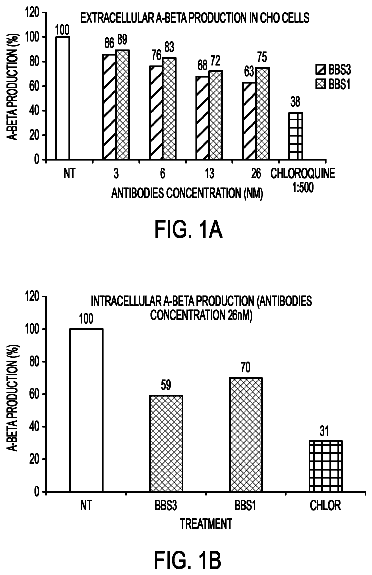
FIGS. 1-4 show a bar graph of various listed antibodies binding to their respective antigen Oprf or OprI based on a standard ELISA assay to measure antibody-target binding.
FIG. 1 shows OPrI antibodies. FIG. 2 shows OprF single chain antibodies. FIG. 3 shows OprF fully human IgG antibodies and FIG. 4 shows OprF epitope 8 single chain antibodies.
FIG. 5 shows a whole cell Pseudomonas ELISA to characterize binding specificity of anti-OprF antibodies. The blue bar should be larger than the green signal to indicate preferential binding to wild type Pseudomonas (OprF-positive cells).
FIG. 6 shows a Western blot analysis of anti-OprI antibody oprIA5. This blot shows that the mAb reacts with cell lysates from wildtype P. aeruginosa as well as OprF mutant cells but not with OprI-deficient cell lysate.
FIG. 7 shows a western blot analysis of anti-OprI antibody STI-oprFF7. This blot shows that the mAb reacts with cell lysates from wild type P. aeruginosa as well as OprI mutant cells but not with OprF-deficient cell lysate.
FIG. 8A shows attachment prevention assay's normalized to IgG1 treatment.
FIG. 8B shows biofilm disruption assays, normalized to IgG1 treatment.
Detailed description
The description continues in the full USPTO document.
 Lapsed, fee not paid5 drawings