Field of the invention
This invention relates to compounds and pharmaceutically acceptable salts thereof having c-Rel inhibitory activities, and their use in the treatment of cancer, inflammation, autoimmune diseases, diabetes, transplant rejection, graft versus host disease, allergy, asthma, and bone loss.
Background of the disclosure
(I) The Rel Family
c-Rel, cloned by Dr. Howard Temin's group in the 1980's, is the cellular homolog of the v-Rel oncogene encoded by the avian REV-T retrovirus. Subsequent cloning of NF-kB, p50 (NF-kB1) and p65 (RelA), in the early 1990's by Dr. David Baltimore's group identified the homology between NF-kB and c-Rel at the Rel Homologous Domain (RHD). Two other genes containing the RHD, p52 (NF-kB2) and RelB, were also identified by several groups. Hence, these five proteins are classified as the Rel transcription factor family. NF-kB and c-Rel are regulated by the “classical” pathway via the IKKα/β/γ kinase complex, whereas RelB and p52. (NF-kB2) are regulated by the “alternative” pathway via the IKKα/NIK. Despite the similarity, each Rel member is distinct with regard to tissue expression pattern, response to receptor signals, and target gene specificity. These differences are evident from the non-redundant phenotypes exhibited by individual Rel knockout mouse. Thus, therapeutics targeted to different Rel members have different biological effects and safety/toxicity profiles.
C-Rel is distinct from NF-kB (p50, p65). c-Rel is the cellular homolog of the v-Rel oncogene encoded by the avian REV-T retrovirus. Unlike the NF-kB p50 and p65 that are ubiquitously expressed in all of the cells of the body, c-Rel is exclusively expressed in cells of hematopoietic origin including T cells, B cells, macrophages, and dendritic cells. In addition, c-Rel and NF-kB regulate distinct sets of target genes in different cells. As a result, they have distinct biological functions. c-Rel is a key culprit in many of the inflammatory and autoimmune diseases.
Many receptors and stimuli can activate Rel, including TCR/BCR, TNF receptor superfamily (e.g. CD40, TNFR1, TNFR2, BAFF, APRIL, RANK), the IL-1/TLR receptors, and the Nod-like receptors, as well as activating oncogenes (e.g. Src, Ras, LMP-1, Tax, v-FLIP), reactive oxygen radicals, radiation, and chemotherapeutic agents. In response to these stimuli, Rel regulates the expression of cytokines, chemokines, adhesion molecules, costimulatory molecules, cell cycle molecules, anti-apoptotic proteins, and angiogenic factors. As such, Rel transcription factors are important therapeutic targets for many human disorders, including inflammation, autoimmune diseases, and cancer.
Many human diseases including inflammation, autoimmune disease, and cancer are attributed to aberrant activation of transcription factors, which leads to dysregulated target gene expression and evidence of new biological activities as well as survival or proliferative advantages. In the transcription factor field, NF-kB has attracted central attention as being a transcription factor that is involved in a myriad of biological functions and pathological conditions including the regulation of innate and adaptive immune response to infection, inflammation, cell survival, and tumorigenesis.
Anti-inflammatory and immunosuppressive therapies for inflammation, autoimmune disease, and transplantation have undergone revolutionary development in the past several decades. Early therapies for treating the symptoms of autoimmune/inflammatory disorders relied on glucocorticoids or corticosteroids, hormones from the adrenal medulla discovered in the 1950's. Glucocorticoids are known to be effective in dampening the signs and symptoms of inflammation and the resultant immunopathology in many inflammatory disorders, including rheumatoid arthritis, asthma, allergic dermatitis, inflammatory bowel disease, multiple sclerosis, transplant rejection, graft vs host (GvH) disease, and organ-specific autoimmune diseases, such as thyroiditis and diabetes. Unfortunately, corticosteroids cause severe systemic side effects that impact almost all organ systems, and which preclude their chronic administration.
Palliation of the symptoms of chronic inflammatory disorders such as rheumatoid arthritis is made possible by drugs classified as non-steroid anti-inflammatory drugs (NSAIDs). However, long-term use of many of these agents can cause gastrointestinal (GI) bleeding. In the 1990s, a new class of drugs known as selective inhibitors of Cox2 (Vioxx®, Celebrex®, Bextra®) was developed to treat pain and inflammation but circumventing the NSAID's side effects on the GI tract. Both NSAID and Cox2 inhibitors generally treat only symptoms and relieve pain for autoimmune patients; these drugs are generally unable to curb the progression of the disease. Moreover, the sale of Cox2 inhibitor drugs declined significantly as cardiovascular risks appeared to be common in this class of drugs.
In the 1990's, novel biologics that block tumor necrosis factor (TNF), an inflammatory cytokine, were developed. The three drugs in this class, Enbrel®, Remicade®, and Humira®, have had a major impact in slowing the joint damage caused by rheumatoid arthritis, and one of the drugs is also approved to treat psoriasis, Crohn's disease, and ankylosing spondylitis. While these new biologics drugs have fewer side effects than steroids, they are generally very expensive and may be associated with risk of infections and certain cancers. Moreover, 30-35% of patients tend to become refractory to anti-TNF therapy over time due to the production of neutralizing antibodies.
These facts make apparent the need for alternative safe and efficacious therapies that are also affordable for the treatment of inflammatory, autoimmune, and related diseases and conditions. As suggested by the success of the TNF-blocking class of drugs, a therapy that targets specific cellular proteins involved in the core disease mechanism of autoimmunity is most desirable since such a therapy will slow disease progression. Based on the fundamental function of c-Rel in immune cells, c-Rel blockade further finds use in the treatment of other pathological conditions including inflammation, autoimmune disease, bone loss, transplant rejection, lymphoma, and solid tumors.
Cancer remains an incurable disease. Most current cancer therapies such as chemotherapies have broad cellular targets and exhibit unbearable side effects on the patients. The success of Gleevec® in CML and other related cancers has proved the principle that targeted therapy can be achieved as long as the oncogenic target is identified. c-Rel was first characterized as a proto-oncogene in chicken. Subsequently, c-Rel gene amplification or constitutive activation has been documented in many human B cell leukemia, lymphoma, as well as tumors derived from solid tissues. Therefore, c-Rel is a novel therapeutic target for human cancers with over-reactive c-Rel or NF-kB activity.
(II) c-Rel Knockout Mouse Studies Validate c-Rel as a Drug Target for Inflammatory and Autoimmune Diseases
Evidence from knockout animal models and human genetic association studies support c-Rel as a potential therapeutic target for inflammatory and autoimmune diseases. Using c-Rel knockout mice, the Liou laboratory first showed that blocking c-Rel protected mice from developing experimental autoimmune encephalomyelitis (EAE) and Streptozocin-induced diabetes (Hilliard, B A et.al. 2002. J. Clin. Inv. 110, 843; Lamhamedi-Cherradi, S et. al. 2003. J. Immunol. 171,4886). Subsequent studies by us and others further demonstrated the role of c-Rel in collagen-induced arthritis, allergic asthma, Helicobacter hepaticus -induced colitis, CCl.sub.4-induced liver inflammation, and stress-induced atherosclerosis (Campbell, I et. al. 2000. J. Clin. Inv. 105, 1799; Finn P W et. al. 2001. J. Immunol. 167, 5994; Finn P W et. al. 2002, J. Leuk. Biol., 72, 1054; Yang H. et. al. Transplantation, 2002. 74, 291; Wang, I et. al. 2008. J. Immunol. 180, 8118).
At cellular and molecular levels, c-Rel contributes to multiple steps in autoimmune diseases. These include inducing the expression of inflammatory cytokines of the Th1 and Th17 immune responses (e.g. IL-2, IFN-γ, TNF, IL-12/IL23 members), costimulatory function of antigen presenting cells (e.g. IL-12/IL23 members, OCILRP2), activation of autoreactive lymphocytes (via cell cycle and cell survival proteins), and antibody production. These collective studies thus validated c-Rel as a potential novel therapeutic target for autoimmune diseases.
In addition, intriguing data from recent large-scale genome-wide association studies link several genes in the Rel pathways with increased risks in human autoimmune diseases. These include the association of CD40, c-Rel, Btk, Blk, PKCθ, A20, and TRAF1 genetic variants with rheumatoid arthritis (Criswell, L A et. al. 2010. Immunol. Rev. 233, 55). Previous genetic linkage studies have also identified IL-2/IL2Rα (CD25) and CTLA4 variants as risk markers for Type 1 diabetes, Grave's disease, and inflammatory bowel disease and also link CTLA4 and PTPN22 genetic variants with many autoimmune diseases (Marquez, A et. al. 2009. Am. J Gastroenterol. 104, 1968; Glas J et. al. 2009. Am. J Gastroenterol. 104, 1737). It is important to note that these risk factor genes functionally converge at the Rel transcription factors, including the receptors (CD40, CTLA4), signaling molecules (e.g. Btk, PKCθ, TRAF1), and its downstream targets (e.g. IL-2, CD25, A20), thus corroborating the fundamental role c-Rel in the pathogenesis of autoimmune diseases in general.
Autoimmune diseases arise from the host immune system attacking its own tissues. There are at least 80 autoimmune diseases afflicting various tissues such as joints (rheumatoid arthritis), the central nervous system (multiple sclerosis), intestines (Crohn's disease), or the skin (psoriasis). It is estimated that autoimmune diseases affect 5-8% of the American population, or approximately 23.5 million people. Since the underlying mechanisms of autoimmune diseases are similar, the Rel inhibitors described in this invention are applicable for the treatment of most of human autoimmune diseases, as listed in Table 2.
Anti-inflammatory and immunosuppressive therapies for inflammation, autoimmune disease, and transplantation have undergone revolutionary development in the past several decades. Since the 1950's, glucocorticoids have been widely used in dampening the signs and symptoms of inflammation and the resultant immunopathology in almost all inflammatory disorders, including rheumatoid arthritis, asthma, allergic dermatitis, inflammatory bowel disease, multiple sclerosis, transplant rejection, graft vs. host (GvH) disease, and organ-specific autoimmune diseases such as thyroiditis and diabetes. It has been shown that the primarily anti-inflammatory activity of glucocorticoids is through the inhibition of Rel activity. Unfortunately, corticosteroids have other cellular targets. Long-term use of corticosteroids can cause severe systemic side effects that impact almost all organ systems, and which preclude their chronic administration. Thus, the euphoria that corticosteroids might be “the cure” for chronic autoimmune and inflammatory diseases rapidly dissipated even before the 1960s. Subsequent development of non-steroid anti-inflammatory drugs (NSAIDs) and Cox2 inhibitors only treat symptoms and relieve pain for autoimmune patients. These drugs, however, are unable to curb the progression of the disease process. Long-term use of NSAIDs can cause gastrointestinal (GI) bleeding, whereas the Cox2 inhibitors were found to associate with increased cardiovascular risks.
Currently, there are several biologics based therapies for autoimmune diseases. The most successful agents are a new class of biologics that block TNF, e.g., Enbrel®, Remicade®, and Humira®. While these new biologic drugs are effective for the treatment of rheumatoid arthritis, psoriasis, and Crohn's diseases, 30-35% patients become refractory to anti-TNF therapies over time due to the production of neutralizing antibodies. Thus, there remains an unmet medical need for anti-TNF resistant patients.
Anti-TNF therapies, however, have not yet shown therapeutic effects on multiple sclerosis (MS). MS patients with relapsing remitting diseases are currently treated with a few disease-modifying drugs, including β-IFNs (Betaseron®, Avonex®, Rebif®), glatiramer acetate (Copaxone®), and Natalizumab (Tysabri®). These drugs are generally ineffective for primary progressive or secondary progressive MS patients. Unfortunately, most patients treated with these drugs eventually relapse and develop disease progression. In addition, Tysabri® has safety concerns as it may increase the risk of progressive multifocal leukoencephalopathy (PML) in small percentage of patients with MS, Crohn's disease, and psoriasis. In 2010, the FDA approved a new oral drug Fingolimod (Gilenya®) for the treatment of relapsing remitting MS patients. Fingolimod targets lysophospholipid S1P1 receptors and prevents lymphocyte migration into CNS. Post-marketing collection of data will help evaluate its safety profile and therapeutic superiority in larger patient pools.
Other therapies currently under clinical trials for autoimmune diseases, which also intercept the Rel pathway, include anti-CD20 (approved for rheumatoid arthritis; clinical trial for multiple sclerosis), anti-IL12/IL23 (approved for psoriasis; clinical trials for Crohn's disease, psoriatic arthritis), anti-IL17 (clinical trials for RA, Crohn's disease, psoriasis, psoriatic arthritis, uveitis), anti-IL-6 (approved for RA, juvenile RA, Crohn's disease, Castleman's disease; clinical trials for other autoimmune disorders, multiple myeloma, prostate cancer), and anti-IL1 (approved for RA, cryopyrin-associated periodic syndrome; clinical trials for RA, juvenile RA, COPD, gout, type 2 diabetes, coronary atherosclerosis).
In conclusion, many autoimmune diseases including multiple sclerosis, ankylosing spondylitis, and type 1 diabetes still have no effective treatments. Existing biologic drugs are very expensive and require administration by injection, thus reducing patient compliance. Therefore, there is a need for identifying new Rel inhibitors and validating their therapeutic potential in autoimmune diseases.
(III) Rel and Tumorigenesis
Many studies, including those from the inventor's lab, have reported the association of hyperactive Rel with human cancers. This may come as no surprise, as several molecules in the Rel pathways were initially identified as potential oncogenes. For example, c-Rel gene amplification and the p52 (p100, lyt10) gene truncation were frequently found in DLBCL. The Rel family has been shown to regulate the expression of cell cycle regulators, anti-apoptotic proteins, inflammatory mediators, cytokines, growth factors, chemokines, and adhesion molecules. As such, Rel could participate in various aspects of tumorigenesis including tumor growth, survival advantage, chemoresistance, angiogenesis, and metastasis. A review of the involvement of Rel in a variety of tumors and the potential mechanism involved in the tumorigenesis follows.
For many virus-induced tumors, it is well-established that some viral oncogenes can directly activate the Rel signaling pathways. For example, in HHV8 (or KSHV)-induced primary effusion lymphoma, it has been shown that the viral oncogene vFLIP associates with TRAFs signaling molecules, leading to constitutive activation of NF-kB (Guasparri I et. al. 2006. EMBO 7, 114). In Burkitt's lymphoma, EBV viral protein LMP-1 also works in a similar mechanism by associating with TRAFs, thus activating signaling pathways normally activated by the TNF receptor members such as CD40 and receptors for Baff and April. The Tax oncoprotein, expressed by HTLV-1 that induces adult T cell leukemia, is shown to activate the Rel pathway by binding to the IKK complex.
Rel activation has been reported in most B cell tumors, including multiple myeloma, diffuse large B cell lymphoma, CLL, primary mediastinal lymphoma, Burkitts' lymphoma, mantle cell lymphoma, MALT lymphoma, and Hodgkin's diseases (See Table 2). For many B cell tumors, the persistent activation of Rel family has been attributed to mutations in the Rel signaling pathways or overexpression of Rel activators. For example, it has been shown that some multiple myeloma (MM) cells have overexpression of the positive regulators of the NF-kB pathway (e.g. CD40, TACI, NIK, NFKB1, NFKB2), whereas others have deletions or mutations in the negative regulators of the Rel signaling components (e.g. TRAF3, CYLD, cIAP1/2) (Annunziata C M, et. al. 2007. Cancer Cell 12,115; Keats, J. et. al. 2007. Cancer Cell 12, 131).
Similar findings were also reported in DLBCL in that mutations in multiple Rel upstream regulators were detected (e.g. A20, CARD11, TRAF2, TRAF3, TAK1, RANK) (Compagno M et. al. 2009. Nature 459(7247):717; Bidère N et. al. 2009. Nature 458, 92).
In CLL however, the survival of tumor cells and its constitutive Rel activity is mostly attributed to persistent activation of the CD40 and the B cell antigen receptor (BCR) signaling pathways, rather than mutations in the signaling pathways (Furman, R R et. al. 2000. J. Immunol. 164, 2200; Bernal, A, et. al. 2001. Blood 98, 3050).
The Rel (NF-kB) has also been shown to be involved in epithelial derived solid tumors. Earlier studies in the late 90's have shown that NF-kB is required for Ras and Bcr-Abl mediated tumorigenesis. Subsequently, several studies point to the involvement of Rel activation in breast tumorigenesis. First, it was shown that EGF receptors such as Her2 can activate NF-kB. A transgenic mouse model demonstrated that overexpression of v-Rel in breast epithelial cells led to the development of breast tumors. IKKε was found to be amplified or overexpressed in breast cancer cell lines and patient-derived tumors. IKKε can activate c-Rel.
Perhaps the most important theme surrounding Rel mediated tumorigenesis is the production of inflammatory mediators. Initial activation of Rel by oncogenes in tumor cells leads to the production of inflammatory mediators (e.g. IL-6, chemokines) that increase tumor survival as well as recruiting bone marrow derived immune cells. The immune cells further produce cytokines and growth factors that amplify and promote tumor cell growth, angiogenesis, and metastasis, as well as conferring drug resistance. This theme has been demonstrated in numerous tumor models (Ammirante, M et. al. 2010. Nature 464, 302; Bromberg, J et. al. 2009 Cancer Cell 15, 79; Boehm, J S et. al. 2007. Cell 129, 1065; Grivennikov, S I and Karin, M 2010. Curr. Opin. Genet. Dev. 20, 65).
For example, in a prostate cancer mouse model, it was shown that B cells and bone marrow derived cells can produce IL-6 and LTβ, which are essential for promoting prostate cancer growth after androgen deprivation. In breast cancer, increased IL-6 expression is associated with metastasis and poor prognosis. It has been shown that Rel and Stat3 synergistically regulate IL-6 expression, thus establishing a positive feedback loop in breast tumorigenesis. In colitis-associated cancer and hepatocellular carcinoma models, both IL-6 and TNF produced by bone marrow derived myeloid cells were shown to promote tumor cell growth and survival. In head and neck squamous cell carcinomas, Rel activates the expression of pro-inflammatory and pro-angiogenic cytokines IL-1α, IL-6, IL-8, and GM-CSF, which promote tumor growth in vivo.
The theme also extends to B cell tumors and other cytokines besides IL-6 and TNF. For examples, in multiple myeloma, IL-17, Baff, and April have been shown to provide autocrine and paracrine growth and survival mediated by the interaction between tumor and stromal cells. IL-23 p19 was shown to be significantly upregulated in majority of carcinoma samples from various organ types, including colon, ovarian, head/neck, lung, breast, stomach, and melanoma. The above studies thus point to potential therapeutic benefits of blocking Rel and its downstream inflammatory mediators for the treatment of a wide variety of solid tumors and blood cancers.
Emerging studies have also demonstrated that radiation therapy and many clinically used chemotherapeutic agents (e.g. doxorubicin, vinca alkaloids, vincristine and vinblastine, camptothecin), can actually induce Rel activity. While some cancer therapies, such as Velcade® and thalidomide, presumably work through inhibiting Rel activity, recent studies have shown that resistance to these drugs is associated with increased Rel activation. Thus, it is conceivable that Rel inhibitors might provide therapeutic benefits to cancer patients either as monotherapy or combination therapy with other cancer drugs.
(IV) Other Diseases Associated with Rel Activation
Rel activation has also been implicated in a wide variety of diseases and pathological conditions, including AIDS, diabetes mellitus, cardiovascular diseases, atherosclerosis, septic shock syndrome, viral replication, osteoporosis, bone loss, organ transplant rejection, graft-versus-host diseases (GVHD), neurodegenerative disorders, ataxia telangiectasia, metabolic disorders, type 1 and type 2 diabetes, as well as aging. Specifically, the c-Rel knockout mice studies have clearly demonstrated the involvement of c-Rel activation in stress-induced atherosclerosis (A. Bierhaus et. al. 2010. JCI) and transplant rejection (Finn P W et. al. 2001, J I; Finn, P W et. al. 2002, J Leukoc. Biol; Yang H. et. al. Transplantation, 2002).
Brief summary of the disclosure
The present invention relates to compositions and methods for targeting c-Rel. In particular, the present invention provides compositions with c-Rel inhibitory (i.e., regulatory) activities, and their use in the treatment of cancer, autoimmune disease, inflammatory disease, diabetes, transplant rejection, graft versus host (GvH) diseases, allergy, asthma, and bone loss. The compositions may also be used for regulating or inhibiting c-Rel for research and drug screening applications. In some embodiments, the invention provides a method of decreasing c-Rel activity, comprising contacting a cell expressing a c-Rel gene with a c-Rel activity inhibitor.
In one set of embodiments, the compound having c-Rel inhibitory activity has the formula:
##str00002##
In Formula (1), R.sup.1 and R.sup.2 are each independently selected from hydrogen atom and hydrocarbon groups having at least one and up to thirty carbon atoms and optionally substituted with one or more heteroatoms selected from halogen, nitrogen, oxygen, and sulfur; R.sup.3 is selected from hydrocarbon groups having at least one and up to thirty carbon atoms and optionally substituted with one or more heteroatoms selected from halogen, nitrogen, oxygen, and sulfur; and X.sup.1, X.sup.2, and X.sup.3 are each independently selected from oxygen and sulfur atoms, provided that at least one of X.sup.1, X.sup.2, and X.sup.3 is a sulfur atom.
In another set of embodiments, the compound having c-Rel inhibitory activity has the formula:
##str00003##
In Formula (2), R.sup.1 and R.sup.2 are each independently selected from hydrogen atom and hydrocarbon groups having at least one and up to thirty carbon atoms and optionally substituted with one or more heteroatoms selected from halogen, nitrogen, oxygen, and sulfur; R.sup.5 is a fused ring system; and X.sup.1, X.sup.2, and X.sup.3 are each independently selected from oxygen and sulfur atoms.
The invention is also directed to pharmaceutical compositions containing any of the c-Rel inhibiting compounds described above and a pharmaceutically acceptable carrier. The pharmaceutical composition may also include any number of other auxiliary agents used in the art, e.g., buffering agents, stabilizing agents, emulsifying agents, pH adjusting agents, surfactants, and flavorants.
In another aspect, the invention is directed to a method of treating a patient afflicted with a disease or condition associated with c-Rel hyperactivity (overexpression) by administering to the patient an effective amount of any of the c-Rel activity inhibitors described above. The disease or condition being treated can be, for example, cancer, autoimmune disease, inflammation or inflammatory disease, diabetes, transplant rejection, graft versus host (GvH) diseases, allergy, asthma, or bone loss.
Generally, the c-Rel regulatory or inhibitor compound functions as a “direct” Rel inhibitor. A “direct” Rel inhibitor is a compound that binds Rel directly and inhibits its DNA binding and transcriptional function Inhibitors blocking an upstream signaling molecule, such as IKKβ that are currently under development in the pharmaceutical industry only block the “classical” Rel pathway activated by IKKβ. Therefore, IKKβ inhibitor-based therapy will have limited efficacy toward tumor cells that utilize other NF-kB activating pathways, including IKKα, NIK, AKT, and MEKK. In fact, this is how “drug resistant” tumors frequently develop in patients using monotherapy. This is because, even though the drug may have killed most tumor cells that feed on the pathway blocked by the drug, it has little or no effect on residual tumor cells that are dependent on different survival pathways. As a result of drug selection, resistant tumor cells propagate.
By contrast, a particular advantage of “direct” Rel inhibitors is that they can block Rel activation mediated by a wide range of receptor signaling pathways. Thus, a therapy based on a “direct” inhibitor will significantly lower the probability of developing drug resistance or relapse that usually arises from tumor cells utilizing other pathways not blocked by the drug.
Novel strategies are described herein to identify Rel inhibitors that bind Rel protein directly. Based on the Rel structure, this strategy can identify compounds that bind to different allosteric sites, resulting in changes in protein conformation and subsequently affecting target gene expression. The Rel inhibitors can be further developed as specific probes or drug candidates for any of the conditions or diseases described above, such as inflammation, autoimmune diseases, transplantation rejection, and cancers in humans. Therapies based on these direct Rel inhibitors also minimize toxicity and reduce the development of drug resistance and relapse.
Brief description of the figures
FIGS. 1A, 1B . Charts demonstrating the FP assay optimization of the fluorescent polarization assay used in some embodiments of the present invention. c-Rel
at 2-fold dilutions (2000 to 15.625 nM) were mixed with CD28RE-FITC (10, 3.3, 1.1, 0.33, 0.11 nM) in the FP buffer for 30 minutes. mP values were used to calculate signal/background ratio. Only the data for 10 nM and 0.33 nM are shown here.
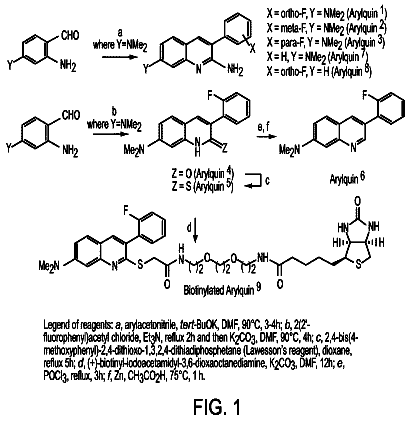
FIGS. 2A, 2B . Some structure-activity-relationships (SARs) strategy for the c-Rel inhibiting compounds ( FIG. 2A ), and exemplary synthetic method ( FIG. 2B ).
FIG. 3 . Electrophoretic mobility shift assay (EMSA) of Rel inhibitor analogs (BA009 and other compounds) to determine IC.sub.50 results.
FIG. 4 . Chart demonstrating the inhibitory effect of a representative compound (BA001) on the growth of three multiple myeloma cell lines (RPMI8226, MM144, and L363).
FIG. 5 . Chart demonstrating anti-tumor activity of a representative Rel inhibitor (BA030) on cytotoxicity of DLBCL tumor cell lines.
FIG. 6 . Chart showing anti-tumor activity of a representative Rel inhibitor (BA009) in xenograft tumor models.
FIG. 7 . Chart showing anti-tumor activity of a representative Rel inhibitor (BA001) in xenograft tumor models.
FIG. 8 . Chart comparing anti-tumor activity of a representative Rel inhibitor (BA001) with DHMEQ in xenograft tumor models.
FIGS. 9A, 9B . Charts shows the utilization of IL-2 inhibition to determine IC.sub.50 of Rel inhibitor compound BA001 ( FIG. 9A ) and Rel inhibitor compound BA030 ( FIG. 9B ).
Detailed description of the disclosure
For convenience, before further description of the present invention, certain terms employed in the specification, examples, and appended claims are described here. These definitions should be read in light of the entire disclosure and as would be understood by a person skilled in the art.
The terms “a” and “an” are used herein to refer to one or to more than one (i.e., to at least one) of the grammatical object of the article. By way of example, “an element” can mean one or more elements, unless otherwise specified.
The term “about” generally indicates within ±0.5%, 1%, 2%, 5%, or up to ±10% of the indicated value. For example, an amount of “about 10 wt %” generally indicates, in its broadest sense, 10 wt %±10%, which indicates 9.0-11.0 wt %. The term “about” may alternatively indicate a variation or average in a physical characteristic of a group.
The term “hydrocarbon group” or “hydrocarbon linker” (also identified as “R”), as used herein, designates, in a first embodiment, groups or linkers composed solely of carbon and hydrogen. In different embodiments, one or more of the hydrocarbon groups or linkers can contain precisely, or a minimum of, or a maximum of, for example, 1, 2, 3, 4, 5, 6, 7, 8, 9, 10, 11, 12, 13, 14, 15, 16, 17, 18, 20, 25, or 30 carbon atoms, or a number of carbon atoms within a particular range bounded by any two of the foregoing carbon numbers. Hydrocarbon groups or linkers in different compounds described herein, or in different positions of a compound, may possess the same or different number (or a preferred range thereof) of carbon atoms in order to independently adjust or optimize the activity or other characteristics of the compound.
The hydrocarbon groups or linkers (R) can be, for example, saturated and straight-chained (i.e., straight-chained alkyl groups or alkylene linkers). Some examples of straight-chained alkyl groups (or alkylene linkers) include methyl (or methylene linker, i.e., —CH.sub.2—, or methine linker), ethyl (or ethylene or dimethylene linker, i.e., —CH.sub.2CH.sub.2-linker), n-propyl, n-butyl, n-pentyl, n-hexyl, n-heptyl, n-octyl, n-nonyl, n-decyl, n-undecyl, n-dodecyl, n-tridecyl, n-tetradecyl, n-pentadecyl, n-hexadecyl, n-heptadecyl, n-octadecyl, and n-eicosyl groups (or their respective linker analogs).
The hydrocarbon groups or linkers (R) can alternatively be saturated and branched (i.e., branched alkyl groups or alkylene linkers). Some examples of branched alkyl groups include isopropyl (2-propyl), isobutyl (2-methylprop-1-yl), sec-butyl(2-butyl), t-butyl, 2-pentyl, 3-pentyl, 2-methylbut-1-yl, isopentyl (3-methylbut-1-yl), 1,2-dimethylprop-1-yl, 1,1-dimethylprop-1-yl, neopentyl (2,2-dimethylprop-1-yl), 2-hexyl, 3-hexyl, 2-methylpent-1-yl, 3-methylpent-1-yl, isohexyl (4-methylpent-1-yl), 1,1-dimethylbut-1-yl, 1,2-dimethylbut-1-yl, 2,2-dimethylbut-1-yl, 2,3-dimethylbut-1-yl, 3,3-dimethylbut-1-yl, 1,1,2-trimethylprop-1-yl, and 1,2,2-trimethylprop-1-yl groups, isoheptyl, isooctyl, and the numerous other branched alkyl groups having up to 30 carbon atoms, wherein the “1-yl” suffix represents the point of attachment of the group. Some examples of branched alkylene linkers are those derived by removal of a hydrogen atom from one of the foregoing exemplary branched alkyl groups (e.g., isopropylene, —CH(CH.sub.3)CH.sub.2—).
The hydrocarbon groups or linkers (R) can alternatively be saturated and cyclic (i.e., cycloalkyl groups or cycloalkylene linkers). Some examples of cycloalkyl groups include cyclopropyl, cyclobutyl, cyclopentyl, cyclohexyl, cycloheptyl, and cyclooctyl groups. The cycloalkyl group can also be a polycyclic (e.g., bicyclic) group by either possessing a bond between two ring groups (e.g., dicyclohexyl) or a shared (i.e., fused) side (e.g., decalin and norbornane). Some examples of cycloalkylene linkers are those derived by removal of a hydrogen atom from one of the foregoing exemplary cycloalkyl groups.
The hydrocarbon groups or linkers (R) can alternatively be unsaturated and straight-chained (i.e., straight-chained olefinic or alkenyl groups or linkers). The unsaturation occurs by the presence of one or more carbon-carbon double bonds and/or one or more carbon-carbon triple bonds. Some examples of straight-chained olefinic groups include vinyl, propen-1-yl 3-buten-1-yl (CH.sub.2═CH—CH.sub.2—CH.sub.2—), 2-buten-1-yl (CH.sub.2—CH═CH—CH.sub.2—), butadienyl, 4-penten-1-yl, 3-penten-1-yl, 2-penten-1-yl, 2,4-pentadien-1-yl, 5-hexen-1-yl, 4-hexen-1-yl, 3-hexen-1-yl, 3,5-hexadien-1-yl, 1,3,5-hexatrien-1-yl, 6-hepten-1-yl, ethynyl, propargyl (2-propynyl), and the numerous C.sub.7, C.sub.8, C.sub.9, C.sub.10, C.sub.11, C.sub.12, C.sub.13, C.sub.14, C.sub.15, C.sub.16, C.sub.17, C.sub.18, C.sub.19, C.sub.20, and higher unsaturated and straight-chained hydrocarbon groups. Some examples of straight-chained olefinic linkers are those derived by removal of a hydrogen atom from one of the foregoing exemplary straight-chained olefinic groups (e.g., vinylene, —CH═CH—, or vinylidene).
The hydrocarbon groups or linkers (R) can alternatively be unsaturated and branched (i.e., branched olefinic or alkenyl groups or linkers). Some examples of branched olefinic groups include propen-2-yl (CH.sub.2═C.—CH.sub.3), 1-buten-2-yl (CH.sub.2═C.—CH.sub.2—CH.sub.3), 1-buten-3-yl (CH.sub.2═CH—CH.—CH.sub.3), 1-propen-2-methyl-3-yl (CH.sub.2═C(CH.sub.3)—CH.sub.2.), 1-penten-4-yl, 1-penten-3-yl, 1-penten-2-yl, 2-penten-2-yl, 2-penten-3-yl, 2-penten-4-yl, and 1,4-pentadien-3-yl. Some examples of branched olefinic linkers are those derived by removal of a hydrogen atom from one of the foregoing exemplary branched olefinic groups.
The hydrocarbon groups or linkers (R) can alternatively be unsaturated and cyclic (i.e., cycloalkenyl groups or cycloalkenylene linkers). The unsaturated and cyclic group can be aromatic or aliphatic. Some examples of unsaturated and cyclic hydrocarbon groups include cyclopropenyl, cyclobutenyl, cyclopentenyl, cyclopentadienyl, cyclohexenyl, cyclohexadienyl, phenyl, benzyl, cycloheptenyl, cycloheptadienyl, cyclooctenyl, cyclooctadienyl, and cyclooctatetraenyl groups. The unsaturated cyclic hydrocarbon group can also be a polycyclic group (such as a bicyclic or tricyclic polyaromatic group) by either possessing a bond between two of the ring groups (e.g., biphenyl) or a shared (i.e., fused) side, as in naphthalene, anthracene, phenanthrene, phenalene, or indene fused ring systems. Some examples of cycloalkenylene linkers are those derived by removal of a hydrogen atom from one of the foregoing exemplary cycloalkenyl groups (e.g., phenylene and biphenylene).
One or more of the hydrocarbon groups or linkers (R) may (i.e., optionally) be substituted with (i.e., include) one or more heteroatoms, which are non-carbon non-hydrogen atoms. Some examples of heteroatoms include oxygen (O), nitrogen (N), sulfur (S), and halogen (halide) atoms. Some examples of halogen atoms include fluorine, chlorine, bromine, and iodine. In some embodiments, the heteroatom atom inserts between at least two carbon atoms (as in —C—O—C— ether, —C—S—C— thioether, —C—N(R)—C— tertiary amine, or —C(═NR)C— imine) or between at least one carbon atom and at least one hydrogen atom (as in —C—OH, —C—SH, —C—NH.sub.2, —C—NH—C—, or —C(═NH)C—), wherein the shown carbon atom in each case can be considered part of a hydrocarbon group R described above. In other embodiments, the heteroatom replaces one or more hydrogen atoms and/or one or more carbon atoms in the hydrocarbon group, as in halogen-substituted groups (e.g., a —CH.sub.2F, —CHF.sub.2, and —CF.sub.3) and carbonyl-substituted groups, such as ketone and aldehyde groups. In some embodiments, the hydrocarbon is substituted with multiple oxygen atoms to result in a dialkyleneoxide or polyalkyleneoxide group, such as a diethyleneoxide or polyethyleneoxide group. In the case of nitrogen or sulfur substitution, the nitrogen or sulfur atom may be bonded to a sufficient number of groups to make it positively charged, as in an ammonium group (e.g., —NR′.sub.3.sup.+) or sulfonium group (e.g., —SR′.sub.2.sup.+), in which case the positively charged moiety is necessarily associated with a counteranion (wherein R′ independently represents hydrogen atom or any of the hydrocarbon groups described above). Likewise, a heteroatom may bear a negative charge, as in a deprotonated alkoxide or thio group, in which case the negatively charged moiety is necessarily associated with a countercation.
When two or more same or different heteroatoms are bound to each other or located on the same carbon atom, the resulting group containing the heteroatoms is herein referred to as a “heteroatom-containing group”. Thus, substitution with one or more heteroatoms also includes heteroatom-containing groups, unless otherwise specified. Some examples of heteroatom-containing groups and linkers include carboxy (—C(O)OR′ or —OC(O)R′), thiocarboxy (—C(S)OR′ or —OC(S)R′), carboxamide (—C(O)NR′.sub.2, —C(O)NR′—, or —N(R′)C(O)—), urea (—NR′—C(O)—NR′.sub.2 or —NR′—C(O)—NR′—), thiourea (—NR′—C(S)—NR′.sub.2 or —NR′—C(S)—NR′—), carbamate (—NR′—C(O)—OR′, —OC(O)—NR′.sub.2, or —NR′—C(O)—O—), thiocarbamate (—NR′—C(S)—OR′, —OC(S)—NR′.sub.2, or —NR′—C(S)—O—), nitro (NO.sub.2), nitrile (CN), sulfonyl (—S(O).sub.2R′ or —S(O).sub.2—), sulfinyl (i.e., sulfoxide, —S(O)R′ or —S(O)—), disulfide (—C—S—S—C—), sulfonate (—S(O).sub.2R′), and amine oxide (as typically found in a nitrogen-containing ring), wherein R′ independently represents hydrogen atom or any of the hydrocarbon groups (R) described above or R″ described below. For example, —C(O)OR′ includes carboxylic acid (—C(O)OH) and carboxylic ester (—C(O)OR), where R is any of the hydrocarbon groups described above. The heteroatom-containing group may also either insert between carbon atoms or between a carbon atom and hydrogen atom, if applicable, or replace one or more hydrogen and/or carbon atoms.
In some embodiments, the hydrocarbon group or linker (R) is substituted with one or more halogen atoms to result in a partially halogenated or perhalogenated hydrocarbon group. Some examples of partially halogenated hydrocarbon groups include —CHY.sub.2, —CH.sub.2Y, —CH.sub.2CY.sub.3, —CH(CY.sub.3).sub.2, or a halo-, dihalo-, trihalo-, or tetrahalo-substituted phenyl group, wherein Y represents any of F, Cl, Br, or I, and more commonly F or Cl. Some examples of perhalogenated hydrocarbon groups include —CY.sub.3, —CY.sub.2CY.sub.3, —CY.sub.2CY.sub.2CY.sub.3, —CY(CY.sub.3).sub.2, or perhalophenyl, —C.sub.6Y.sub.5).
In particular embodiments, the hydrocarbon group (R) is, or includes, a cyclic or polycyclic (i.e., bicyclic, tricyclic, or higher cyclic) saturated or unsaturated (e.g., aliphatic or aromatic) hydrocarbon group that includes at least one ring heteroatom, such as one, two, three, four, or higher number of ring heteroatoms. Such heteroatom-substituted cyclic hydrocarbon groups are referred to herein as “heterocyclic groups”. As used herein, a “ring heteroatom” is an atom other than carbon and hydrogen (typically, selected from nitrogen, oxygen, and sulfur) that is inserted into or replaces a ring carbon atom in a hydrocarbon ring structure. In some embodiments, the heterocyclic group is saturated. In other embodiments, the heterocyclic group is unsaturated, i.e., aliphatic or aromatic heterocyclic groups, wherein the aromatic heterocyclic group is also referred to herein as a “heteroaromatic ring”, or a “heteroaromatic fused-ring system” in the case of at least two fused rings, at least one of which contains at least one ring heteroatom. The heterocyclic group may be bound via only one or more of its ring carbon atoms to the remainder of the c-Rel inhibiting compound, or bound by only one or more of its ring heteroatoms to the c-Rel inhibiting compound, or bound by both a ring carbon atom and a ring heteroatom.
The description continues in the full USPTO document.
 Lapsed, fee not paid8 drawings