This application is a 371 of Internationl Application No.PCT/SE2013/051312, filed nov.7, 2013, the discloure of which is fully incorporated herein by refence.
Technical field
The present disclosure relates to methods performed by network control nodes for routing a signaling request in a communication system comprising a home communication network and a visiting communication network. The present disclosure further relates to a method performed by a communication device for communicating in a communication system comprising a home communication network and a visiting communication network. It also relates to corresponding network control nodes and a communication device.
Background
The mobile communication system of the world comprises a plurality of mobile communication networks owned by different operators. A communication device is registered as a subscriber of a home communication network but can today, when moving to another communication network that the device is not subscribing to, acquire connectivity in this communication network. There are today two different general procedures for a communication device to acquire connectivity to another communication network, hereinafter called a visiting communication network: Roaming, and changing to a subscriber identity module, SIM, card from the operator of the visiting communication network.
In the roaming procedure, a global enterprise owning a number of communication devices all over the world, for example a machine-to-machine service provider, M2M SP, has a single business relationship and billing interface towards the home network operator. When in a visiting communication network owned by a roaming partner, a communication device will be roaming to get access through the roaming partner's access network while remaining being a subscriber of the home communication network. With a roaming solution, an enterprise can maintain single business relationship and billing interface towards its home communication network operator with roaming devices all over the world. However, roaming agreement is needed between each visiting communication network and the home communication network. A communication device will not be able to connect to the visiting communication network if the visiting communication network operator does not have a roaming agreement with the home communication network operator, or if roaming is not allowed in the visiting communication network, (e.g. due to operator determined barring of roaming by its home network operator).
In the changing of SIM card procedure, subscription is switched to the local network operator for the visiting communication network, (e.g. by changing to the new local network operator's SIM card in the device), so that the communication device can acquire the local connectivity and the visiting communication network becomes the new home communication network for the communication device. This means that the business relationship and billing relationship for the communication device subscription has also changed from its original home network operator to the new local network operator. A switch of subscription could give access to the communication device in VPLMN, but it does not allow the enterprise to maintain a single business relationship and billing interface for its devices towards its home network operator. The enterprise also cannot reuse the same functionality for its services and devices deployed all over the world because they are not serviced by single operator. Instead, the devices will get different functionalities and connectivity services by each different local network operator of each different visiting communication network.
Consequently, there is a need for a solution that enables a communication device subscribing to a home communication network to connect to a visiting communication network even without a roaming agreement between the home communication network operator and the visiting communication network operator, or without roaming signaling being established between the visiting communication network and the home communication network. This connection should preferably also be accomplished while the enterprise still keeps a single business relationship and billing interface towards the home communication network operator.
Summary
It is an object of the invention to address at least some of the problems and issues outlined above. It is possible to achieve these objects and others by using a method and an apparatus as defined in the attached independent claims.
According to one aspect, a method is provided performed by a first network control node for routing a signaling request in a communication system comprising a home communication network and a visiting communication network. The signaling request originates from a communication device subscribing to the home communication network and having a home subscriber identification, ID. The communication device is registered to the visiting communication network with a local subscriber ID different from the home subscriber ID, the local subscriber ID being associated with the home subscriber ID. The method comprises receiving the signaling request originating from the communication device, the signaling request comprising the local subscriber ID and detecting that the local subscriber ID is associated with the home subscriber ID. The method further comprises in the signaling request, replacing the local subscriber ID with the home subscriber ID and sending the signaling request comprising the home subscriber ID to a subscriber database of the home network.
According to another aspect, a method is provided performed by a visiting network control node for routing a signaling request in a communication system comprising a home communication network and a visiting communication network, the signaling request originating from a communication device subscribing to the home communication network and having a home subscriber identification, ID. The communication device is further registered to the visiting communication network with a local subscriber ID different from the home subscriber ID, the local subscriber ID being associated with the home subscriber ID. The method comprises receiving the signaling request from the communication device, the signaling request comprising the local subscriber ID and identifying that the received local subscriber ID is associated with a first network control node to which the home network is connected. The method further comprises sending the signaling request comprising the local subscriber ID to the first network control node.
According to yet another aspect, a method is provided performed by a communication device for communicating in a communication system comprising a home communication network and a visiting communication network, the communication device subscribing to the home communication network and having a home subscriber identification, ID, and contacting the visiting communication network using its home subscriber ID. The method comprises receiving a local subscriber ID from the visiting network, for communication in the visiting network, the local subscriber ID being associated with the home subscribed ID and changing from the home subscriber ID to the local subscriber ID. The method further comprises registering to the visiting network using the local subscriber ID, and sending a signaling request to the visiting network comprising the local subscriber ID.
According to yet another aspect, a first network control node is provided for routing a signaling request in a communication system comprising a home communication network and a visiting communication network, the signaling request originating from a communication device subscribing to the home communication network and having a home subscriber identification, ID. The communication device is registered to the visiting communication network with a local subscriber ID different from the home subscriber ID, the local subscriber ID being associated with the home subscriber ID. The first network control node comprises a processor and a memory, said memory containing instructions executable by said processor. By these instructions said first network control node is operative for receiving the signaling request originating from the communication device, the signaling request comprising the local subscriber ID and detecting that the local subscriber ID is associated with the home subscriber ID. By these instructions said first network control node is further operative for replacing, in the signaling request, the local subscriber ID with the home subscriber ID and sending the signaling request comprising the home subscriber ID to a subscriber database of the home network.
According to another aspect, a visiting network control node is provided for routing a signaling request in a communication system comprising a home communication network and a visiting communication network, the signaling request originating from a communication device subscribing to the home communication network and having a home subscriber identification, ID. The communication device is further registered to the visiting communication network with a local subscriber ID different from the home subscriber ID, the local subscriber ID being associated with the home subscriber ID. The visiting network control node comprises a processor and a memory, said memory containing instructions executable by said processor. By these instruction said visiting network control node is operative for receiving the signaling request from the communication device, the signaling request comprising the local subscriber ID and identifying that the received local subscriber ID is associated with a first network control node to which the home network is connected. By these instruction said visiting network control node is further operative for sending the signaling request comprising the local subscriber ID to the first network control node.
According to another aspect, a communication device is provided for communicating in a communication system comprising a home communication network and a visiting communication network, the communication device subscribing to the home communication network and having a home subscriber identification, ID, and arranged to contact the visiting communication network using its home subscriber ID. The communication device comprises a processor and a memory, said memory containing instructions executable by said processor. By these instructions said communication device is operative for receiving a local subscriber ID from the visiting network, for communication in the visiting network, the local subscriber ID being associated with the home subscribed ID and changing from the home subscriber ID to the local subscriber ID. By these instructions said communication device is further operative for registering to the visiting network using the local subscriber ID and sending a signaling request to the visiting network comprising the local subscriber ID.
According to other aspects, computer programs and computer program products are also provided, the details of which will be described in the claims and the detailed description.
The above described methods and apparatuses may be configured and implemented according to different optional embodiments. Further possible features and benefits of this solution will become apparent from the detailed description below.
Brief description of drawings
The solution will now be described in more detail by means of exemplary embodiments and with reference to the accompanying drawings, in which:
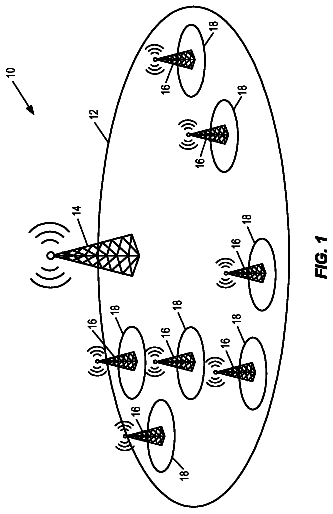
FIG. 1 is a schematic block diagram of an exemplary communication system in which the present invention may be used.
FIG. 2 is a signaling diagram of methods according to an embodiment.
FIGS. 3-6 are flow charts describing methods according to embodiments of the invention.
FIGS. 7-9 are schematic block diagrams of exemplary communication systems in which the present invention may be used.
FIGS. 10-18 are schematic block diagrams showing different embodiments of the invention.
Detailed description
Briefly described, a solution is provided to make it possible for a communication device subscribing to a home communication network using a home subscriber ID to connect to a visiting communication network using a local subscriber ID without standard roaming agreements and roaming fees and without completely changing subscription to the visiting communication network operator. The local subscriber ID is then associated with the home subscriber ID. The association is performed and stored in a first network control node, preferably after (or triggered by) the communication device has tried to connect to the visiting communication network using its home subscriber ID. By the communication device being able to receive the local subscriber ID associated with the home subscriber ID, change its stored home subscriber ID to the local subscriber ID and send a signaling request to the visiting communication network control node using the local subscriber ID, it is possible for the communication device to communicate with the visiting communication network using the local subscriber ID without having to change SIM card. Further, by identifying in the visiting communication network control node that the local subscriber ID is associated with the first network control node, it is possible for the visiting communication control node to route the signaling request to the first network control node. Further, by identifying that the local subscriber ID of the signaling request received from the visiting communication network is associated with the home subscriber ID it is possible for the first network control node to route the signaling request to the subscriber database of the home network. Thereby, the communication device can be billed by the home network even though a local subscriber ID is used. This makes it possible for e.g. a large enterprise having a large number of communication devices spread over the world to only get bills from one operator, i.e. the operator of the home network, or at least from a smaller amount of operators compared to today. The first network control node may be arranged in the visiting communication network, the home communication network or in a communication network separate from the visiting and the home communication network.
FIG. 1 shows an exemplary communication system in which embodiments of the present invention may be used. The communication system comprises a home communication network 110 comprising a subscriber database 115 realized as a home location register, HLR. The communication system further comprises a first network control node 130 comprising a control unit 132 with a look-up table 134 connected to it. The communication system further comprises a visiting communication network 120 comprising a control node 122 . The home communication network is also called the home network in the disclosure. The visiting communication network is also called the visiting network in the disclosure. The control node is connected to the home network HLR 115 and to the visiting network control node 122 . Observe that FIG. 1 only shows an alternative communication system architecture in which embodiments of the present invention may be used. Other communication system architectures may be used, for example, another communication system architecture will be presented later in connection with FIG. 7 , in which the home network HLR and a visiting network HLR will be implemented in the first network together with the first network control node. Anyhow, the different communication system architectures involve a first network control unit, a home network subscriber database and a visiting network control node.
FIG. 2 shows an exemplary embodiment of the signaling taking place between the different communication nodes of FIG. 1 . When a communication device 100 subscribing to the home communication network 110 arrives at the visiting communication network 120 , it tries to connect 1.1a to the visiting network with its home International Mobile Subscriber Identity, IMSI. The IMSI is an example of a subscriber identification. Another example of a home subscriber ID is a Mobile Station International Subscriber Directory Number, MSISDN. When the visiting network control node 122 receives the connection attempt it identifies the IMSI to be from another network and sends the connection attempt to the first network control node 130 . The first network control node 130 maps 1.1b the home IMSI to a local IMSI and stores the mapping in the look-up table 134 ( FIG. 1 ). The local IMSI is an IMSI for use in the visiting network. The local IMSI is taken from a range of IMSI numbers dedicated to communication devices from the home network visiting the visiting network. The first network control node then provides 1.2 the local IMSI to the communication device 100 via the visiting network control node 122 . The communication device then changes 1.3 the home IMSI that it has stored, e.g. on its SIM card, to the local IMSI, and registers to the visiting network 120 with the local IMSI. Thereafter, the communication device 100 sends a signal request 1.4 comprising the local IMSI to the visiting network control node 122 . The visiting network control node 122 identifies 1.5 that the IMSI is from the range of numbers dedicated to communication devices from other networks than the home network, and sends 1.6 the signaling request to the first network control node 130 . The visiting network control node 122 may have been pre-configured with the range of IMSI numbers for which signaling requests are to be sent to the first network control node or the visiting network control node may be instructed by the first network control node for an individual IMSI number, e.g. at provisioning 1.2 of the local IMSI from the first network control node to the visiting network control node.
When the signaling request comprising the local IMSI is received 1.6 at the first network control node 130 , the first network control node 130 detects that the local IMSI is associated with the home IMSI by checking its look-up table 134 , and then replaces 1.7 the local IMSI with the home IMSI in the signaling request and sends 1.8 the signaling request comprising the home IMSI to the home network subscriber database 115 . Thereafter, the home network subscriber database 115 sends 1.9 a signaling response to the first network control node 130 , which sends 1.10 the signaling response to the communication device 100 via the visiting network control node. Traffic (e.g. SMS or data) may now be routed to the home network and billing calculations will be performed by the home network, e.g. by a business support system of the home network so that the enterprise that owns the communication device only gets a bill from the home network.
FIG. 3 is a flow chart illustrating a method according to an embodiment performed in the first network control node 130 for routing a signaling request in a communication system comprising the home communication network 110 and the visiting communication network 120 . The signaling request originates from a communication device 100 subscribing to the home communication network 110 and having a home subscriber identification, ID. The communication device 100 is further registered to the visiting communication network 120 with a local subscriber ID different from the home subscriber ID, the local subscriber ID being associated with the home subscriber ID. The method comprises receiving 306 the signaling request originating from the communication device, the signaling request comprising the local subscriber ID, and detecting 308 that the local subscriber ID is associated with the home subscriber ID. Further, the method comprises in the signaling request, replacing 310 the local subscriber ID with the home subscriber ID and sending 312 the signaling request comprising the home subscriber ID to a subscriber database 115 of the home network.
The first network node may be a node of a first network that is different from both the home network and the visiting network. Alternatively, the first network node may be a node of any of the home network or the visiting network. A signaling request is any kind of request for a service in the communication network, such as an authentication request, location update request, a request for sending an SMS, setting up a voice call, etc. The home communication network is the network to which the communication device is registered as a subscriber. The home subscriber ID is a subscriber ID, e.g. IMSI, or MSISDN, etc, which the communication device normally uses, for example when communicating in the home communication network, and when roaming in other communication networks. The visiting communication network is the network that the communication device currently visits, i.e. is temporary connected to. The local subscriber ID is a subscriber ID, e.g. IMSI, or MSISDN, etc, which the communication device uses for communication in the visiting network, which makes it possible for the communication device to have a local connection in the visiting network without having to roam.
By replacing the temporary local subscriber ID with the home subscriber ID and sending the signaling request with the home subscriber ID to the subscriber database of the home communication network it is possible for the home communication network to e.g. bill the owner of the communication device for the service requested in the signaling request. Further, it is possible for a subscriber of the home network to have a local communication in the visiting communication network without having to perform standard roaming. This makes it possible for an enterprise to only have an agreement with the home communication network and not necessarily with the visiting communication network, and this without having to pay high roaming costs.
According to an embodiment, the method may further comprise, before the communication device is registered to the visiting communication network, receiving 302 a connection attempt from the device, the connection attempt comprising the home subscriber ID and, optionally, checking that the communication device is allowed to acquire the local subscriber ID. The method may further comprise, when the communication device is allowed to acquire the local subscriber ID, mapping 303 the home subscriber ID to the local subscriber ID, and providing 304 the local subscriber ID to the communication device. By such a mapping of home subscriber ID to local subscriber ID, it is possible to route the signaling request correctly to the home network when the signaling request is received at the first network control node. The mapping may advantageously be performed after the connection attempt is received. Thereby, it is possible to dynamically map local subscriber ID to the home subscriber ID. The local subscriber ID is selected according to which visiting network the signaling request is originating from. The checking of allowance may be performed by checking from a predefined policy that the device is allowed to acquire a local subscriber ID.
According to an embodiment, the method may further comprise storing 304 the link of the home subscriber ID to the local subscriber ID in a mapping table. Further, the detecting 308 that the local subscriber ID is associated with the home subscriber ID comprises checking the mapping table and finding the link. By linking the home subscriber ID to the local subscriber ID and then storing the link in a mapping table, the subsequent routing of the signaling request is performed by checking the mapping table, finding the link to the home network ID and routing the signaling request to the subscriber database of the home network.
According to another embodiment, the local subscriber ID is from a range of IDs that is predefined for devices subscribing to the home network, including the communication device 100 . By taking the local subscriber ID from a predefined range of IDs it is possible to dynamically map the device's home subscriber ID to a local subscriber ID, when the device tries to connect to the visiting network, i.e. when the need for a local subscriber ID arises. According to another embodiment, the local subscriber ID is selected according to which visiting network the signaling request is originated from.
According to another embodiment, the first network control node is positioned in a first network different from the home network and different from the visiting network, and wherein the subscriber database of the home network is positioned in the first network. Thereby, it is possible for an enterprise that controls the first network to control the communication between the home communication network and the visiting communication network such that e.g. the owner of the communication device can be billed from the home network. The first network may be called a device connection platform and hosts the first network control node and the subscriber database of the home network. See also FIG. 7 for more information of this embodiment.
FIG. 5 shows a method performed by a visiting network control node 122 for routing a signaling request in a communication system comprising a home communication network 110 and a visiting communication network 120 . The signaling request originates from a communication device 100 subscribing to the home communication network 110 and having a home subscriber identification, ID, and the communication device is further registered to the visiting communication network 120 with a local subscriber ID different from the home subscriber ID, the local subscriber ID being associated with the home subscriber ID. The method comprises receiving 322 the signaling request from the communication device, the signaling request comprising the local subscriber ID, identifying 324 that the received local subscriber ID is associated with a first network control node 130 to which the home network is connected, and sending 326 the signaling request comprising the local subscriber ID to the first network control node.
The visiting network control node is a control node of the visiting communication network. By such a method the visiting network control node will detect from the local subscriber ID that the request is to be routed to the first network control node. Then the first network control node will detect that the local subscriber ID is associated with the home subscriber ID, convert the local subscriber ID to home subscriber ID in the signaling request, and route the request to the home network and the subscriber database of the home network, as described in the method shown in FIG. 3 .
For identifying that the received local subscriber ID is associated with a first network control node, a link between the received local subscriber ID and the first network control node may be stored at the visiting network control node. The link may either be pre-stored or the link may be setup when the visiting network control node receives the local subscriber ID that the first network control node provides to the communication device via the visiting network control node in step 305 of FIG. 4 .
According to another embodiment, the identifying 324 comprises identifying that the local subscriber ID is from a range of IDs predefined for devices subscribing to other communication networks than the visiting communication network, the other communication networks being connected to the first network control node and the other communication networks including the home communication network.
FIG. 6 shows a method performed by a communication device 100 for communicating in a communication system comprising a home communication network 110 and a visiting communication network 120 . The communication device 100 subscribes to the home communication network 110 having a home subscriber identification, ID, and contacts the visiting communication network 120 using its home subscriber ID. The method comprises receiving 332 a local subscriber ID from the visiting network, for communication in the visiting network, the local subscriber ID being associated with the home subscribed ID, changing 334 from the home subscriber ID to the local subscriber ID, registering 336 to the visiting network using the local subscriber ID, and sending 338 a signaling request to the visiting network comprising the local subscriber ID. The changing from home to local subscriber ID may be performed at the subscriber identity module, SIM, of the communication device. Such a method makes it possible for the communication device 100 to connect to the visiting network control node using a received local subscriber ID, and to send a request to the visiting network using the local subscriber ID. The visiting network control node then identifies that the local subscriber ID is associated with a first network control node, as described in FIG. 3 , and sends the request further to the first network control node that treats the request as described in FIG. 5 .
FIG. 7 shows an embodiment of a communication system comprising a device connection platform, DCP 150 . The device connection platform works like a hosted core network as a service for multiple operators. In this embodiment, the home network HLR 115 and a visiting network HLR 125 are both placed in the DCP 150 . The DCP may be seen as a communication network, e.g. the first communication network, as mentioned earlier. The DCP with its control node 130 and including the visiting network HLR 125 and the home network HLR 115 may be hosted and owned by the DCP network owner. The home network HLR 115 and the visiting network HLR 125 may be situated in one common DCP HLR. The actual subscriber may be hosted and managed by the home network, not by the visiting network. The visiting network may only provide the local network access and local IMSI for the home network subscriber to get local access.
In the following, the visiting network is called MNO 2 , and the home network is called MNO 1 . Further the control nodes of this embodiment are Signaling Transfer Points, STPs, which are arranged for routing SS7 messages. Further, a Global Title, GT is used which is an example of a subscriber ID. The GT could be based on e.g. IMSI (E.212), MSISDN (E.164), or combined IMSI+MSISDN (Mobile Global Title, MGT, E.214). A purpose of this embodiment is to enable the communication device belonging to a subscriber, for example an enterprise, subscribing to the home network to connect to MNO 2 even without roaming agreement between MNO 2 operator and MNO 1 operator while at the same time the enterprise still keeps the single business relationship and billing interface towards the MNO 1 operator. The enterprise can also reuse the same functionality for its services and connectivity all over the world with its single service provider MNO 1 .
The communication device will be provisioned with MNO 2 GT when located in the MNO 2 . MNO 2 GT is from a special GT range which may be predefined and stored in DCP STP 130 . All signaling requests containing such MNO 2 GT will be routed via MNO 2 STP 122 to DCP STP 130 , and in DCP STP 130 the MNO 2 GT will be replaced by MNO 1 GT and then redirected to MNO 1 HLR. MNO 1 HLR will then respond to the node which initiated the original request via STP. Basically the MNO 2 GT will be replaced by MNO 1 GT in a Signaling Connection Control Point. SCCP, message, and then the SCCP message will use the GT to route the message to the MNO 1 HLR. When changing from MNO 2 GT to MNO 1 GT in the message, the Mobile Country Code/Mobile Network Code, MCC/MNC, is also changed from MNO 2 to MNO 1 so that the message will be routed to MNO 1 . The signaling redirect (MNO 2 GT.fwdarw.MNO 1 GT) is done in the DCP STP 130 , so that the signaling will route on MNO 2 GT before reaching the DCP STP 130 and then will route on the MNO 1 GT after processed by the DCP STP 130 , and then DCP STP routes the message to the MNO 1 HLR.
According to another embodiment shown in FIG. 8 , MNO 1 is fully on-boarded to the DCP network 150 , i.e. the DCP STP, the DCP HLR, the DCP General Packet Radio Service, GPRS, Gateway Support Node, GGSN, the DCP Short Message Service Center, SMS-C, are all used for MNO 1 and also shared with other operators fully on-boarded to the DCP network 150 . Further, MNO 2 120 is partly on-boarded to DCP Network, i.e. MNO 2 STP is connected to DCP STP. Signaling from the Serving GPRS Support Node, SGSN, in MNO 2 is routed by the MNO 2 STP recognizing the special IMSI range allocated for this service through a private connection to the DCP-STP in the central DCP system.
FIG. 9 shows signaling between blocks of a communication network according to an embodiment, A signal originates from a subscription manager, which maybe for example a SIM provisioning by over-the-air server, SIMOTA server or an embedded Universal integrated Circuit Card, eUICC, subscription manager The subscription manager triggers 2.1 changing of IMSI to local MNO 2 IMSI at the SIM of the communication device for enabling local access to MNO 2 for the communication device belonging to MNO 1 . The subscription manager acquires MNO 2 IMSI from a special IMSI range from DCP HLR via BSS. Only MNO 2 IMSI may be provisioned. Other credentials e.g. KI (a unique number for each subscriber), algorithms, is still kept for MNO 1 . The authentication should be done by MNO 1 HLR or Authentication Center, AuC, by using MNO 1 KI and MNO 1 algorithms. All signaling with MNO 2 IMSI will be replaced with MNO 1 IMSI once arrived at DCP STP, and then will be redirected to MNO 1 HLR (via DCP STP). Thereafter, all signaling, all traffic and all billing information will go to home MNO (MNO 1 ).
The device changes to MNO 2 IMSI and connects 2.2 to the MNO 2 network (Radio access and Core network) with MNO 2 IMSI. Signaling from the SGSN in MNO 2 , e.g. MAP signaling, is routed by the MNO 2 STP recognizing the special IMSI range allocated for this service through a private connection to the DCP-STP in the central DCP system. At 2.3, the DCP STP receives the signaling request and checks that the MNO 2 IMSI is in a special IMSI range and mapped to MNO 1 IMSI/GT that is hosted by MNO 1 HLR. DCP STP then replaces the MNO 2 IMSI/GT with the MNO 1 IMSI/GT in the SCCP message and redirects 2.4 the signaling request to the MNO 1 HLR. The signaling request will be routed from DCP STP to MNO 1 HLR by replacing the MNO 2 IMSI/GT with MNO 1 IMSI/GT in the signaling request. There is a mapping table in the DCP STP for replacing MNO 2 IMSI/GT with MNO 1 IMSI/GT. The signaling redirect 2.4 (MNO 2 IMSI/GT.fwdarw.MNO 1 IMSI/GT) is done in the DCP STP in the signaling network, so that the signaling will route on MNO 2 IMSI/GT before reaching the DCP STP and then will route on the MNO 1 IMSI/GT after processed by the DCP STP. Then the DCP STP routes the message to the MNO 1 HLR.
MNO 1 HLR will then send 2.5 a signaling response to the DCP STP which will route the signaling response to the original MNO 2 nodes. The MNO 1 SMS-C and MNO 1 APN will be kept in the device SIM profile, MNO 1 SIM, as part of MNO 1 subscription profile, so that all SMS traffic and data traffic will still be routed to MNO 1 SMS-C and MNO 1 GGSN. MNO 2 DNS receives APN lookup request from the SGSN and will forward 2.6 the APN lookup request to DCP DNS, which will then return MNO 1 GGSN address to the MNO 2 SGSN for setting up the GTP tunnel.
MNO 1 SMS-C and MNO 1 GGSN will receive all UL/DL traffic for the device and generate traffic Call Data Records, CDR, and send 2.7 to MNO 1 BSS for billing and invoicing to MNO 1 Enterprise (i.e. the enterprise owning the communication device). The MNO 1 BSS may also include an enterprise self service portal, so that the enterprise can reuse the same service functionalities from all over the world for managing its globally deployed devices and services.
In the following, a possible exemplary implementation of the signaling redirect step procedure is described. As mentioned, only the MNO 2 IMSI is provisioned into the MNO 1 SIM card when moving to the new country. All other parameters in the SIM card are still using the same as MNO 1 , e.g. KI, algorithm, etc. MNO 2 STP configures a special MNO 2 IMSI range (or ranges) in an IR 21 (International Roaming 21 ) roaming routing table to route signaling with MNO 2 IMSI/GT to DCP STP. Further, the DCP STP configures an IMSI/GT mapping/converting table. All the signaling coming to DCP STP with a MNO 2 IMSI/GT within the special range will be replaced by MNO 1 IMSI/GT according to the mapping table. Then the DCP STP will forward the signaling to a MNO 1 HLR front end, FE, of the MNO 1 HLR based on the MNO 1 IMSI/GT. Such signaling request could be e.g. any of the following examples: An authentication request from MNO 2 IMSI (MNO 1 operator keys, algorithm and KI will be used to generate authentication vector); an attach request from MNO 2 IMSI; a Location update request from MNO 2 MSC/VLR or MNO 2 SGSN; Mobile Terminated, MT, signaling request towards the MNO 2 IMSI, e.g. Send Routing Information, SRI, request from other network, MT SMS request from MNO 1 SMSC, Cancel Location request from MNO 1 HLR, MT Call request from GMSC; SMSC and APN from the MNO 1 SIM card will still be using MNO 1 so that all the traffic will go via MNO 1 network and CDR will be generated and sent to MNO 1 BSS with MNO 2 IMSI. Further, MNO 1 BSS has an IMSI mapping table to store the mapping between MNO 2 IMSI and MNO 1 IMSI so that all the CDR with MNO 2 IMSI will be replaced with MNO 1 IMSI and sent to a revenue management function in the MNO 1 BSS for rating and billing purpose. MNO 2 IMSI will be visible from BSS frond end management but on the backend it is mapped and replaced with MNO 1 IMSI for provisioning MNO 1 IMSI subscription data into a MNO 1 Centralized User Database, CUDB, (not shown) placed in the DCP network.
As mentioned, MNO 1 subscription uses MNO 2 IMSI from special MNO 2 IMSI ranges, other information in a subscription profile, e.g. APN, SMS-C, price profile, roaming profile, PDP context profile, bearer services, etc are from MNO 1 . KI and algorithms are also from MNO 1 .
The description continues in the full USPTO document.
 Lapsed, fee not paid14 drawings

