The present invention relates to novel active compound combinations comprising firstly known carboxamides and secondly further known fungicidally active compounds, which novel active compound combinations are highly suitable for controlling unwanted phytopathogenic fungi.
It is already known that certain carboxamides have fungicidal properties. Thus, for example, N-(3′,4′-dichloro-5-fluoro-1,1′-biphenyl-2-yl)-3-(difluoromethyl)-1-methyl-1H-pyrazole-4-carboxamide is known from DE-A 102 15 292, 3-(trifluoromethyl)-N-{3′-fluoro-4′-[(E)-(methoxyimino)methyl]-1,1′-biphenyl-2-yl}-1-methyl-1H-pyrazole-4-carboxamide is known from WO 02/08197 and N-(3′,4′-dichloro-1,1′-biphenyl-2-yl)-5-fluoro-1,3-dimethyl-1H-pyrazole-4-carboxamide is known WO 00/14701. The activity of these compounds is good; however, at low application rates it is sometimes unsatisfactory. Furthermore, it is already known that numerous triazole derivatives, aniline derivatives, dicarboximides and other heterocycles can be used for controlling fungi (cf. EP-A 0 040 345, DE-A 22 01 063, DE-A 23 24 010, Pesticide Manual, 9th Edition (1991), pages 249 and 827, EP-A 0 382 375 and EP-A 0 515 901). However, the action of these compounds is likewise not always sufficient at low application rates. Furthermore, it is already known that 1-(3,5-dimethylisoxazole-4-sulphonyl)-2-chloro-6,6-difluoro-[1,3]-dioxolo-[4,5f]-benzimidazole has fungicidal properties (cf. WO 97/06171). Finally, it is also known that substituted halopyrimidines have fungicidal properties (cf. DE-A1-196 46 407, EP-B 0 712 396).
The present invention now provides novel active compound combinations having very good fungicidal properties and comprising a carboxamide of the general formula (I) (group 1)
##STR00002## in which R.sup.1 represents hydrogen or fluorine, R.sup.2 represents halogen, C.sub.1-C.sub.3-alkyl, C.sub.1-C.sub.3-haloalkyl having 1 to 7 fluorine, chlorine and/or bromine atoms, C.sub.1-C.sub.3-alkoxy, C.sub.1-C.sub.3-haloalkoxy having 1 to 7 fluorine, chlorine and/or bromine atoms or represents —C(R.sup.4)═N—OR.sup.5, R.sup.3 represents hydrogen, halogen, C.sub.1-C.sub.3-alkyl or C.sub.1-C.sub.3-haloalkyl having 1 to 7 fluorine, chlorine and/or bromine atoms, R.sup.4 represents hydrogen or methyl, R.sup.5 represents C.sub.1-C.sub.5-alkyl, C.sub.1-C.sub.5-alkenyl or C.sub.1-C.sub.5-alkynyl, A represents one of the radicals A1 to A7 below:
##STR00003## R.sup.6 represents C.sub.1-C.sub.3-alkyl, R.sup.7 represents hydrogen, halogen, C.sub.1-C.sub.3-alkyl or C.sub.1-C.sub.3-haloalkyl having 1 to 7 fluorine, chlorine and/or bromine atoms, R.sup.8 represents hydrogen, halogen or C.sub.1-C.sub.3-alkyl, R.sup.9 represents hydrogen, halogen, C.sub.1-C.sub.3-alkyl, amino, mono- or di(C.sub.1-C.sub.3-alkyl)amino, R.sup.10 represents hydrogen, halogen, C.sub.1-C.sub.3-alkyl or C.sub.1-C.sub.3-haloalkyl having 1 to 7 fluorine, chlorine and/or bromine atoms, R.sup.11 represents halogen, C.sub.1-C.sub.3-alkyl or C.sub.1-C.sub.3-haloalkyl having 1 to 7 fluorine, chlorine and/or bromine atoms, R.sup.12 represents halogen, C.sub.1-C.sub.3-alkyl or C.sub.1-C.sub.3-haloalkyl having 1 to 7 fluorine, chlorine and/or bromine atoms, R.sup.13 represents hydrogen, halogen, C.sub.1-C.sub.3-alkyl or C.sub.1-C.sub.3-haloalkyl having 1 to 7 fluorine, chlorine and/or bromine atoms, and at least one active compound selected from groups
to
below: Group
Strobilurins of the General Formula (II)
##STR00004## in which A.sup.1 represents one of the groups
##STR00005## A.sup.2 represents NH or O, A.sup.3 represents N or CH, L represents one of the groups
##STR00006## where the bond marked with an asterisk (*) is attached to the phenyl ring, R.sup.14 represents phenyl, phenoxy or pyridinyl, each of which is optionally mono- or disubstituted by identical or different substituents from the group consisting of chlorine, cyano, methyl and trifluoromethyl, or represents 1-(4-chlorophenyl)-pyrazol-3-yl or represents 1,2-propane-dione-bis(O-methyloxime)-1-yl, R.sup.15 represents hydrogen or fluorine; Group
Triazoles of the General Formula (III)
##STR00007## in which Q represents hydrogen or SH, m represents 0 or 1, R.sup.16 represents hydrogen, fluorine, chlorine, phenyl or 4-chlorophenoxy, R.sup.17 represents hydrogen or chlorine, A.sup.4 represents a direct bond, —CH.sub.2—, —(CH.sub.2).sub.2— or —O—, A.sup.4 furthermore represents *—CH.sub.2—CHR.sup.20— or *—CH═CR.sup.20— where the bond marked with * is attached to the phenyl ring, and R.sup.18 and R.sup.20 furthermore together represent —CH.sub.2—CH.sub.2—CH[CH(CH.sub.3).sub.2]— or —CH.sub.2—CH.sub.2—C(CH.sub.3).sub.2—, A.sup.5 represents C or Si (silicon), A.sup.4 further represents —N(R.sup.20)— and A.sup.5 furthermore together with R.sup.18 and R.sup.19 represents the group C═N—R.sup.21, in which case R.sup.20 and R.sup.21 together represent the group
##STR00008## where the bond marked with * is attached to R.sup.20, R.sup.18 represents hydrogen, hydroxyl or cyano, R.sup.19 represents 1-cyclopropylethyl, 1-chlorocyclopropyl, C.sub.1-C.sub.4-alkyl, C.sub.1-C.sub.6-hydroxyalkyl, C.sub.1-C.sub.4-alkylcarbonyl, C.sub.1-C.sub.2-haloalkoxy-C.sub.1-C.sub.2-alkyl, trimethylsilyl-C.sub.1-C.sub.2-alkyl, monofluorophenyl or phenyl, R.sup.18 and R.sup.19 furthermore together represent —O—CH.sub.2—CH(R.sup.21)—O—, —O—CH.sub.2—CH(R.sup.21)—CH.sub.2—, or —O—CH(2-chlorophenyl)-, R.sup.21 represents hydrogen, C.sub.1-C.sub.4-alkyl or bromine; Group
Sulphenamides of the General Formula (IV)
##STR00009## in which R.sup.22 represents hydrogen or methyl; Group
Valinamides Selected from (5-1) iprovalicarb (5-2) N-[2-(4-{[3-(4-chlorophenyl)-2-propynyl]oxy}-3-methoxyphenyl)ethyl]-N.sup.2-(methylsulphonyl)-D-valinamide (5-3) benthiavalicarb Group
Carboxamides of the General Formula
##STR00010## in which X represents 2-chloro-3-pyridinyl, represents 1-methylpyrazol-4-yl which is substituted in the 3-position by methyl or trifluoromethyl and in the 5-position by hydrogen or chlorine, represents 4-ethyl-2-ethylamino-1,3-thiazol-5-yl, represents 1-methylcyclohexyl, represents 2,2-dichloro-1-ethyl-3-methylcyclopropyl, represents 2-fluoro-2-propyl or represents phenyl which is mono- to trisubstituted by identical or different substituents from the group consisting of chlorine and methyl, X furthermore represents 3,4-dichloroisothiazol-5-yl, 5,6-dihydro-2-methyl-1,4-oxathiin-3-yl, 4-methyl-1,2,3-thiadiazol-5-yl, 4,5-dimethyl-2-trimethylsilylthiophen-3-yl, 1-methylpyrrol-3-yl which is substituted in the 4-position by methyl or trifluoromethyl and in the 5-position by hydrogen or chlorine, Y represents a direct bond, C.sub.1-C.sub.6-alkanediyl (alkylene) which is optionally substituted by chlorine, cyano or oxo or represents thiophenediyl, Y furthermore represents C.sub.2-C.sub.6-alkenediyl (alkenylene), Z represents hydrogen or the group
##STR00011## Z furthermore represents C.sub.1-C.sub.6-alkyl, A.sup.6 represents CH or N, R.sup.23 represents hydrogen, chlorine, phenyl which is optionally mono- or disubstituted by identical or different substituents from the group consisting of chlorine and di(C.sub.1-C.sub.3-alkyl)aminocarbonyl, R.sup.23 furthermore represents cyano or C.sub.1-C.sub.6-alkyl, R.sup.24 represents hydrogen or chlorine, R.sup.25 represents hydrogen, chlorine, hydroxyl, methyl or trifluoromethyl, R.sup.25 furthermore represents di(C.sub.1-C.sub.3-alkyl)aminocarbonyl, R.sup.23 and R.sup.24 furthermore together represent *—CH(CH.sub.3)—CH.sub.2—C(CH.sub.3).sub.2— or *—CH(CH.sub.3)—O—C(CH.sub.3).sub.2— where the bond marked with * is attached to R.sup.23; Group
Dithiocarbamates Selected from (7-1) mancozeb (7-2) maneb (7-3) metiram (7-4) propineb (7-5) thiram (7-6) zineb (7-7) ziram Group
Acylalanines of the General Formula (VI)
##STR00012## in which * marks a carbon atom in the R or the S configuration, preferably in the S configuration, R.sup.26 represents benzyl, furyl or methoxymethyl; Group (9): Anilinopyrimidines of the General Formula (VII)
##STR00013## in which R.sup.27 represents methyl, cyclopropyl or 1-propynyl; Group (10): Benzimidazoles of the General Formula (VIII)
##STR00014## in which R.sup.28 and R.sup.29 each represent hydrogen or together represent —O—CF.sub.2—O—, R.sup.30 represents hydrogen, C.sub.1-C.sub.4-alkylaminocarbonyl or represents 3,5-dimethylisoxazol-4-ylsulphonyl, R.sup.31 represents chlorine, methoxycarbonylamino, chlorophenyl, furyl or thiazolyl; Group (11): Carbamates of the General Formula (IX)
##STR00015## in which R.sup.32 represents n- or isopropyl, R.sup.33 represents di(C.sub.1-C.sub.2-alkyl)amino-C.sub.2-C.sub.4-alkyl or diethoxyphenyl, salts of these compounds also being included; Group (12): Dicarboximides Selected from (12-1) captafol (12-2) captan (12-3) folpet (12-4) iprodione (12-5) procymidone (12-6) vinclozolin Group (13): Guanidines Selected from (13-1) dodine (13-2) guazatine (13-3) iminoctadine triacetate (13-4) iminoctadine tris(albesilate) Group (14): Imidazoles Selected from (14-1) cyazofamid (14-2) prochloraz (14-3) triazoxide (14-4) pefurazoate Group (15): Morpholines of the General Formula (X)
##STR00016## in which R.sup.34 and R.sup.35 independently of one another represent hydrogen or methyl, R.sup.36 represents C.sub.1-C.sub.14-alkyl (preferably C.sub.12-C.sub.14-alkyl), C.sub.5-C.sub.12-cycloalkyl (preferably C.sub.10-C.sub.12-cycloalkyl), phenyl-C.sub.1-C.sub.4-alkyl, which may be substituted in the phenyl moiety by halogen or C.sub.1-C.sub.4-alkyl or represents acrylyl which is substituted by chlorophenyl and dimethoxyphenyl; Group (16): Pyrroles of the General Formula (XI)
##STR00017## in which R.sup.37 represents chlorine or cyano, R.sup.38 represents chlorine or nitro, R.sup.39 represents chlorine, R.sup.38 and R.sup.39 furthermore together represent —O—CF.sub.2—O—; Group (17): Phosphonates Selected from (17-1) fosetyl-Al (17-2) phosphonic acid; Group (18): Phenylethanamides of the General Formula (XII)
##STR00018## in which R.sup.40 represents unsubstituted or fluorine-, chlorine-, bromine-, methyl- or ethyl-substituted phenyl, 2-naphthyl, 1,2,3,4-tetrahydronaphthyl or indanyl; Group (19): Fungicides Selected from (19-1) acibenzolar-S-methyl (19-2) chlorothalonil (19-3) cymoxanil (19-4) edifenphos (19-5) famoxadone (19-6) fluazinam (19-7) copper oxychloride (19-8) copper hydroxide (19-9) oxadixyl (19-10) spiroxamine (19-11) dithianon (19-12) metrafenone (19-13) fenamidone (19-14) 2,3-dibutyl-6-chlorothieno[2,3-d]pyrimidin-4(3H)-one (19-15) probenazole (19-16) isoprothiolane (19-17) kasugamycin (19-18) phthalide (19-19) ferimzone (19-20) tricyclazole (19-21) N-({4-[(cyclopropylamino)carbonyl]phenyl}sulphonyl)-2-methoxybenzamide (19-22) 2-(4-chlorophenyl)-N-{2-[3-methoxy-4-(prop-2-yn-1-yloxy)phenyl]ethyl}-2-(prop-2-yn-1-yloxy)acetamide Group (20): (Thio)Urea Derivatives Selected from (20-1) pencycuron (20-2) thiophanate-methyl (20-3) thiophanate-ethyl Group (21): Amides of the General Formula (XIII)
##STR00019## in which A.sup.7 represents a direct bond or —O—, A.sup.8 represents —C(═O)NH— or —NHC(═O)—, R.sup.41 represents hydrogen or C.sub.1-C.sub.4-alkyl, R.sup.42 represents C.sub.1-C.sub.6-alkyl; Group (22): Triazolopyrimidines of the General Formula (XIV)
##STR00020## in which R.sup.43 represents C.sub.1-C.sub.6-alkyl or C.sub.2-C.sub.6-alkenyl, R.sup.44 represents C.sub.1-C.sub.6-alkyl, R.sup.43 and R.sup.44 furthermore together represent C.sub.4-C.sub.5-alkanediyl (alkylene) which is mono- or disubstituted by C.sub.1-C.sub.6-alkyl, R.sup.45 represents bromine or chlorine, R.sup.46 and R.sup.50 independently of one another represent hydrogen, fluorine, chlorine or methyl, R.sup.47 and R.sup.49 independently of one another represent hydrogen or fluorine, R.sup.48 represents hydrogen, fluorine or methyl, Group (23): Iodochromones of the General Formula (XV)
##STR00021## in which R.sup.51 represents C.sub.1-C.sub.6-alkyl, R.sup.52 represents C.sub.1-C.sub.6-alkyl, C.sub.2-C.sub.6-alkenyl or C.sub.2-C.sub.6-alkynyl.
Surprisingly, the fungicidal action of the active compound combinations according to the invention is considerably better than the sum of the activities of the individual active compounds. Thus, an unforeseeable true synergistic effect is present, and not just an addition of actions.
The formula (I) provides a general definition of the compounds of group (1). Preference is given to carboxamides of the formula (I) in which R.sup.1 represents hydrogen or fluorine, R.sup.2 represents fluorine, chlorine, bromine, iodine, methyl, trifluoromethyl, trifluoromethoxy or represents —C(R.sup.4)═N—OR.sup.5, R.sup.3 represents hydrogen, fluorine, chlorine, bromine, methyl or trifluoromethyl, R.sup.4 represents hydrogen or methyl, R.sup.5 represents C.sub.1-C.sub.5-alkyl, A represents one of the radicals A1 to A7 below:
##STR00022## R.sup.6 represents methyl, R.sup.7 represents iodine, methyl, difluoromethyl or trifluoromethyl, R.sup.8 represents hydrogen, fluorine, chlorine or methyl, R.sup.9 represents hydrogen, chlorine, methyl, amino or dimethylamino, R.sup.10 represents methyl, difluoromethyl or trifluoromethyl, R.sup.11 represents chlorine, bromine, iodine, methyl, difluoromethyl or trifluoromethyl, R.sup.12 represents bromine or methyl, R.sup.13 represents methyl or trifluoromethyl.
Particular preference is given to carboxamides of the formula (I) in which R.sup.1 represents hydrogen or fluorine, R.sup.2 represents fluorine, chlorine, bromine, trifluoromethyl or represents —CH═N—OCH.sub.3, R.sup.3 represents hydrogen, fluorine or chlorine, A represents one of the radicals A1 to A5 below:
##STR00023## R.sup.6 represents methyl, R.sup.7 represents methyl, difluoromethyl or trifluoromethyl, R.sup.8 represents hydrogen or fluorine, R.sup.9 represents methyl, R.sup.10 represents methyl, difluoromethyl or trifluoromethyl, R.sup.11 represents iodine, difluoromethyl or trifluoromethyl, R.sup.12 represents methyl, R.sup.13 represents methyl or trifluoromethyl.
Very particular preference is given to carboxamides of the formula (I) in which R.sup.1 represents hydrogen or fluorine, R.sup.2 represents fluorine, chlorine, bromine, trifluoromethyl or represents —CH═N—OCH.sub.3, R.sup.3 represents hydrogen, fluorine or chlorine, A represents one of the radicals A1 or A2 below:
##STR00024## R.sup.6 represents methyl, R.sup.7 represents methyl, difluoromethyl or trifluoromethyl, R.sup.8 represents hydrogen or fluorine, R.sup.9 represents methyl, R.sup.10 represents methyl, difluoromethyl or trifluoromethyl.
Very particular preference is given to using, in mixtures, compounds of the formula (Ia)
##STR00025## in which R.sup.1, R.sup.2, R.sup.3, R.sup.6, R.sup.7 and R.sup.8 are as defined above.
Very particular preference is given to using, in mixtures, compounds of the formula (Ib)
##STR00026## in which R.sup.1, R.sup.2, R.sup.3, R.sup.9 and R.sup.10 are as defined above.
The formula (I) embraces in particular the following preferred mixing partners of group (1): (1-1) N-(3′,4′-dichloro-5-fluoro-1,1′-biphenyl-2-yl)-3-(difluoromethyl)-1-methyl-1H-pyrazole-4-carboxamide (known from WO 03/070705) (1-2) 3-(difluoromethyl)-N-{3′-fluoro-4′-[(E)-(methoxyimino)methyl]-1,1′-biphenyl-2-yl}-1-methyl-1H-pyrazole-4-carboxamide (known from WO 02/08197) (1-3) 3-(trifluoromethyl)-N-{3′-fluoro-4′-[(E)-(methoxyimino)methyl]-1,1′-biphenyl-2-yl}-1-methyl-1H-pyrazole-4-carboxamide (known from WO 02/08197) (1-4) N-(3′,4′-dichloro-1,1′-biphenyl-2-yl)-5-fluoro-1,3-dimethyl-1H-pyrazole-4-carboxamide (known from WO 00/14701) (1-5) N-(4′-chloro-3′-fluoro-1,1′-biphenyl-2-yl)-2-methyl-4-(trifluoromethyl)-1,3-thiazole-5-carboxamide (known from WO 03/066609) (1-6) N-(4′-chloro-1,1′-biphenyl-2-yl)-4-(difluoromethyl)-2-methyl-1,3-thiazole-5-carboxamide (known from WO 03/066610) (1-7) N-(4′-bromo-1,1′-biphenyl-2-yl)-4-(difluoromethyl)-2-methyl-1,3-thiazole-5-carboxamide (known from WO 03/066610) (1-8) 4-(difluoromethyl)-2-methyl-N-[4′-(trifluoromethyl)-1,1′-biphenyl-2-yl]-1,3-thiazole-5-carboxamide (known from WO 03/066610) (1-9) N-(4′-chloro-3′-fluoro-1,1′-biphenyl-2-yl)-4-(difluoromethyl)-2-methyl-1,3-thiazole-5-carboxamide (known from WO 03/066610)
Emphasis is given to active compound combinations according to the invention which, in addition to carboxamide (1-1) N-(3′,4′-dichloro-5-fluoro-1,1′-biphenyl-2-yl)-3-(difluoromethyl)-1-methyl-1H-pyrazole-4-carboxamide (group 1) comprise one or more, preferably one, mixing partner of groups
to (23).
Emphasis is given to active compound combinations according to the invention which, in addition to carboxamide (1-7) N-(4′-bromo-1,1′-biphenyl-2-yl)-4-(difluoromethyl)-2-methyl-1,3-thiazole-5-carboxamide (group 1) comprise one or more, preferably one, mixing partner of groups
to (23).
Emphasis is given to active compound combinations according to the invention which, in addition to carboxamide (1-8) 4-(difluoromethyl)-2-methyl-N-[4′-(trifluoromethyl)-1,1′-biphenyl-2-yl]-1,3-thiazole-5-carboxamide (group 1) comprise one or more, preferably one, mixing partner of groups
to (23).
Emphasis is given to active compound combinations according to the invention which, in addition to carboxamide (1-9) N-(4′-chloro-3′-fluoro-1,1′-biphenyl-2-yl)-4-(difluoromethyl)-2-methyl-1,3-thiazole-5-carboxamide (group 1) comprise one or more, preferably one, mixing partner of groups
to (23).
The formula (II) embraces the following preferred mixing partners of group (2): (2-1) azoxystrobin (known from EP-A 0 382 375) of the formula
##STR00027## (2-2) fluoxastrobin (known from DE-A 196 02 095) of the formula
##STR00028## (2-3) (2E)-2-(2-{[6-(3-chloro-2-methylphenoxy)-5-fluoro-4-pyrimidinyl]oxy}phenyl)-2-(methoxy-imino)-N-methylethanamide (known from DE-A 196 46 407, EP-B 0 712 396) of the formula
##STR00029## (2-4) trifloxystrobin (known from EP-A 0 460 575) of the formula
##STR00030## (2-5) (2E)-2-(methoxyimino)-N-methyl-2-(2-{[({(1E)-1-[3-(trifluoromethyl)phenyl]ethylidene}-amino)oxy]methyl}phenyl)ethanamide (known from EP-A 0 569 384) of the formula
##STR00031## (2-6) (2E)-2-(methoxyimino)-N-methyl-2-{2-[(E)-({1-[3-(trifluoromethyl)phenyl)ethoxy}imino)-methyl]phenyl}ethanamide (known from EP-A 0 596 254) of the formula
##STR00032## (2-7) orysastrobin (known from DE-A 195 39 324) of the formula
##STR00033## (2-8) 5-methoxy-2-methyl-4-(2-{[({(1E)-1-[3-(trifluoromethyl)phenyl]ethylidene}amino)oxy]-methyl}phenyl)-2,4-dihydro-3H-1,2,4-triazol-3-one (known from WO 98/23155) of the formula
##STR00034## (2-9) kresoxim-methyl (known from EP-A 0 253 213) of the formula
##STR00035## (2-10) dimoxystrobin (known from EP-A 0 398 692) of the formula
##STR00036## (2-11) picoxystrobin (known from EP-A 0 278 595) of the formula
##STR00037## (2-12) pyraclostrobin (known from DE-A 44 23 612) of the formula
##STR00038## (2-13) metominostrobin (known from EP-A 0 398 692) of the formula
##str00039##
The formula (III) embraces the following preferred mixing partners of group (3): (3-1) azaconazole (known from DE-A 25 51 560) of the formula
##STR00040## (3-2) etaconazole (known from DE-A 25 51 560) of the formula
##STR00041## (3-3) propiconazole (known from DE-A 25 51 560) of the formula
##STR00042## (3-4) difenoconazole (known from EP-A 0 112 284) of the formula
##STR00043## (3-5) bromuconazole (known from EP-A 0 258 161) of the formula
##STR00044## (3-6) cyproconazole (known from DE-A 34 06 993) of the formula
##STR00045## (3-7) hexaconazole (known from DE-A 30 42 303) of the formula
##STR00046## (3-8) penconazole (known from DE-A 27 35 872) of the formula
##STR00047## (3-9) myclobutanil (known from EP-A 0 145 294) of the formula
##STR00048## (3-10) tetraconazole (known from EP-A 0 234 242) of the formula
##STR00049## (3-11) flutriafol (known from EP-A 0 015 756) of the formula
##STR00050## (3-12) epoxiconazole (known from EP-A 0 196 038) of the formula
##STR00051## (3-13) flusilazole (known from EP-A 0 068 813) of the formula
##STR00052## (3-14) simeconazole (known from EP-A 0 537 957) of the formula
##STR00053## (3-15) prothioconazole (known from WO 96/16048) of the formula
##STR00054## (3-16) fenbuconazole (known from DE-A 37 21 786) of the formula
##STR00055## (3-17) tebuconazole (known from EP-A 0 040 345) of the formula
##STR00056## (3-18) ipconazole (known from EP-A 0 329 397) of the formula
##STR00057## (3-19) metconazole (known from EP-A 0 329 397) of the formula
##STR00058## (3-20) triticonazole (known from EP-A 0 378 953) of the formula
##STR00059## (3-21) bitertanol (known from DE-A 23 24 010) of the formula
##STR00060## (3-22) triadimenol (known from DE-A 23 24 010) of the formula
##STR00061## (3-23) triadimefon (known from DE-A 22 01 063) of the formula
##STR00062## (3-24) fluquinconazole (known from EP-A 0 183 458) of the formula
##STR00063## (3-25) quinconazole (known from EP-A 0 183 458) of the formula
##str00064##
The formula (IV) embraces the following preferred mixing partners of group (4): (4-1) dichlofluanid (known from DE-A 11 93 498) of the formula
##STR00065## (4-2) tolylfluanid (known from DE-A 11 93 498) of the formula
##str00066##
Preferred mixing partners of group
are (5-1) iprovalicarb (known from DE-A 40 26 966) of the formula
##STR00067## (5-3) benthiavalicarb (known from WO 96/04252) of the formula
##str00068##
The formula (V) embraces the following preferred mixing partners of group (6): (6-1) 2-chloro-N-(1,1,3-trimethylindan-4-yl)nicotinamide (known from EP-A 0 256 503) of the formula
##STR00069## (6-2) boscalid (known from DE-A 195 31 813) of the formula
##STR00070## (6-3) furametpyr (known from EP-A 0 315 502) of the formula
##STR00071## (6-4) N-(3-p-tolylthiophen-2-yl)-1-methyl-3-trifluoromethyl-1H-pyrazole-4-carboxamide (known from EP-A 0 737 682) of the formula
##STR00072## (6-5) ethaboxam (known from EP-A 0 639 574) of the formula
##STR00073## (6-6) fenhexamid (known from EP-A 0 339 418) of the formula
##STR00074## (6-7) carpropamid (known from EP-A 0 341 475) of the formula
##STR00075## (6-8) 2-chloro-4-(2-fluoro-2-methylpropionylamino)-N,N-dimethylbenzamide (known from EP-A 0 600 629) of the formula
##STR00076## (6-9) picobenzamid (known from WO 99/42447) of the formula
##STR00077## (6-10) zoxamide (known from EP-A 0 604 019) of the formula
##STR00078## (6-11) 3,4-dichloro-N-(2-cyanophenyl)isothiazole-5-carboxamide (known from WO 99/24413) of the formula
##STR00079## (6-12) carboxin (known from U.S. Pat. No. 3,249,499) of the formula
##STR00080## (6-13) tiadinil (known from U.S. Pat. No. 6,616,054) of the formula
##STR00081## (6-14) penthiopyrad (known from EP-A 0 737 682) of the formula
##STR00082## (6-15) silthiofam (known from WO 96/18631) of the formula
##STR00083## (6-16) N-[2-(1,3-dimethylbutyl)phenyl]-1-methyl-4-(trifluoromethyl)-1H-pyrrole-3-carboxamide (known from WO 02/38542) of the formula
##str00084##
Preferred mixing partners of group
are (7-1) mancozeb (known from DE-A 12 34 704) having the IUPAC name manganese ethylenebis(dithiocarbamate) (polymeric) complex with zinc salt (7-2) maneb (known from U.S. Pat. No. 2,504,404) of the formula
##STR00085## (7-3) metiram (known from DE-A 10 76 434) having the IUPAC name zinc ammoniate ethylenebis(dithiocarbamate)-poly(ethylenethiuram disulphide) (7-4) propineb (known from GB 935 981) of the formula
##STR00086## (7-5) thiram (known from U.S. Pat. No. 1,972,961) of the formula
##STR00087## (7-6) zineb (known from DE-A 10 81 446) of the formula
##STR00088## (7-7) ziram (known from U.S. Pat. No. 2,588,428) of the formula
##str00089##
The formula (VI) embraces the following preferred mixing partners of group (8): (8-1) benalaxyl (known from DE-A 29 03 612) of the formula
##STR00090## (8-2) furalaxyl (known from DE-A 25 13 732) of the formula
##STR00091## (8-3) metalaxyl (known from DE-A 25 15 091) of the formula
##STR00092## (8-4) metalaxyl-M (known from WO 96/01559) of the formula
##STR00093## (8-5) benalaxyl-M of the formula
##str00094##
The formula (VII) embraces the following preferred mixing partners of group (9): (9-1) cyprodinil (known from EP-A 0 310 550) of the formula
##STR00095## (9-2) mepanipyrim (known from EP-A 0 270 111) of the formula
##STR00096## (9-3) pyrimethanil (known from DD 151 404) of the formula
##str00097##
The formula (VIII) embraces the following preferred mixing partners of group (10): (10-1) 6-chloro-5-[(3,5-dimethylisoxazol-4-yl)sulphonyl]-2,2-difluoro-5H-[1,3]dioxolo[4,5-f]-benzimidazole (known from WO 97/06171) of the formula
##STR00098## (10-2) benomyl (known from U.S. Pat. No. 3,631,176) of the formula
##STR00099## (10-3) carbendazim (known from U.S. Pat. No. 3,010,968) of the formula
##STR00100## (10-4) chlorfenazole of the formula
##STR00101## (10-5 fuberidazole (known from DE-A 12 09 799) of the formula
##STR00102## (10-6) thiabendazole (known from U.S. Pat. No. 3,206,468) of the formula
##str00103##
The formula (IX) embraces the following preferred mixing partners of group (11): (11-1) diethofencarb (known from EP-A 0 078 663) of the formula
##STR00104## (11-2) propamocarb (known from U.S. Pat. No. 3,513,241) of the formula
##STR00105## (11-3) propamocarb-hydrochloride (known from U.S. Pat. No. 3,513,241) of the formula
##STR00106## (11-4) propamocarb-fosetyl of the formula
##str00107##
Preferred mixing partners of group
are (12-1) captafol (known from U.S. Pat. No. 3,178,447) of the formula
##STR00108## (12-2) captan (known from U.S. Pat. No. 2,553,770) of the formula
##STR00109## (12-3) folpet (known from U.S. Pat. No. 2,553,770) of the formula
##STR00110## (12-4) iprodione (known from DE-A 21 49 923) of the formula
##STR00111## (12-5) procymidone (known from DE-A 20 12 656) of the formula
##STR00112## (12-6) vinclozolin (known from DE-A 22 07 576) of the formula
##str00113##
Preferred mixing partners of group
are (13-1) dodine (known from GB 11 03 989) of the formula
##STR00114## (13-2) guazatine (known from GB 11 14 155) (13-3) iminoctadine triacetate (known from EP-A 0 155 509) of the formula
##str00115##
Preferred mixing partners of the group
are (14-1) cyazofamid (known from EP-A 0 298 196) of the formula
##STR00116## (14-2) prochloraz (known from DE-A 24 29 523) of the formula
##STR00117## (14-3) triazoxide (known from DE-A 28 02 488) of the formula
##STR00118## (14-4) pefurazoate (known from EP-A 0 248 086) of the formula
##str00119##
The formula (X) embraces the following preferred mixing partners of group (15): (15-1) aldimorph (known from DD 140 041) of the formula
##STR00120## (15-2) tridemorph (known from GB 988 630) of the formula
##STR00121## (15-3) dodemorph (known from DE-A 25 432 79) of the formula
##STR00122## (15-4) fenpropimorph (known from DE-A 26 56 747) of the formula
##STR00123## (15-5) dimethomorph (known from EP-A 0 219 756) of the formula
##str00124##
The formula (XI) embraces the following preferred mixing partners of group (16): (16-1) fenpiclonil (known from EP-A 0 236 272) of the formula
##STR00125## (16-2) fludioxonil (known from EP-A 0 206 999) of the formula
##STR00126## (16-3) pyrrolnitrin (known from JP 65-25876) of the formula
##str00127##
Preferred mixing partners of group
are (17-1) fosetyl-Al (known from DE-A 24 56 627) of the formula
##STR00128## (17-2) phosphonic acid (known chemical) of the formula
##str00129##
The formula (XII) embraces the following preferred mixing partners of group
which are known from WO 96/23793 and can in each case be present as E or Z isomers. Accordingly, compounds of the formula (XII) can be present as a mixture of different isomers or else in the form of a single isomer. Preference is given to compounds of the formula (XII) in the form of their E isomers: (18-1) 2-(2,3-dihydro-1H-inden-5-yl)-N-[2-(3,4-dimethoxyphenyl)ethyl]-2-(methoxy-imino)acetamide of the formula
##STR00130## (18-2) N-[2-(3,4-dimethoxyphenyl)ethyl]-2-(methoxyimino)-2-(5,6,7,8-tetrahydronaphthalen-2-yl)acetamide of the formula
##STR00131## (18-3) 2-(4-chlorophenyl)-N-[2-(3,4-dimethoxyphenyl)ethyl]-2-(methoxyimino)acetamide of the formula
##STR00132## (18-4) 2-(4-bromophenyl)-N-[2-(3,4-dimethoxyphenyl)ethyl]-2-(methoxyimino)acetamide of the formula
##STR00133## (18-5) 2-(4-methylphenyl)-N-[2-(3,4-dimethoxyphenyl)ethyl]-2-(methoxyimino)acetamide of the formula
##STR00134## (18-6) 2-(4-ethylphenyl)-N-[2-(3,4-dimethoxyphenyl)ethyl]-2-(methoxyimino)acetamide of the formula
##str00135##
Preferred mixing partners of group
are (19-1) acibenzolar-S-methyl (known from EP-A 0 313 512) of the formula
##STR00136## (19-2) chlorothalonil (known from U.S. Pat. No. 3,290,353) of the formula
##STR00137## (19-3) cymoxanil (known from DE-A 23 12 956) of the formula
##STR00138## (19-4) edifenphos (known from DE-A 14 93 736) of the formula
##STR00139## (19-5) famoxadone (known from EP-A 0 393 911) of the formula
##STR00140## (19-6) fluazinam (known from EP-A 0 031 257) of the formula
##STR00141## (19-7) copper oxychloride (19-9) oxadixyl (known from DE-A 30 30 026) of the formula
##STR00142## (19-10) spiroxamine (known from DE-A 37 35 555) of the formula
##STR00143## (19-11) dithianon (known from JP-A 44-29464) of the formula
##STR00144## (19-12) metrafenone (known from EP-A 0 897 904) of the formula
##STR00145## (19-13) fenamidone (known from EP-A 0 629 616) of the formula
##STR00146## (19-14) 2,3-dibutyl-6-chlorothieno[2,3-d]pyrimidin-4(3H)one (known from WO 99/14202) of the formula
##STR00147## (19-15) probenazole (known from U.S. Pat. No. 3,629,428) of the formula
##STR00148## (19-16) isoprothiolane (known from U.S. Pat. No. 3,856,814) of the formula
##STR00149## (19-17) kasugamycin (known from GB 1 094 567) of the formula
##STR00150## (19-18) phthalide (known from JP-A 57-55844) of the formula
##STR00151## (19-19) ferimzone (known from EP-A 0 019 450) of the formula
##STR00152## (19-20) tricyclazole (known from DE-A 22 50 077) of the formula
##STR00153## (19-21) N-({4-[(cyclopropylamino)carbonyl]phenyl}sulphonyl)-2-methoxybenzamide of the formula
##STR00154## (19-22) 2-(4-chlorophenyl)-N-{2-[3-methoxy-4-(prop-2-yn-1-yloxy)phenyl]ethyl}-2-(prop-2-yn-1-yloxy)acetamide (known from WO 01/87822) of the formula
##str00155##
Preferred mixing partners of group
are (20-1) pencycuron (known from DE-A 27 32 257) of the formula
##STR00156## (20-2) thiophanate-methyl (known from DE-A 18 06 123) of the formula
##STR00157## (20-3) thiophanate-ethyl (known from DE-A 18 06 123) of the formula
##str00158##
Preferred mixing partners of group
are (21-1) fenoxanil (known from EP-A 0 262 393) of the formula
##STR00159## (21-2) diclocymet (known from JP-A 7-206608) of the formula
##str00160##
Preferred mixing partners of group
are (22-1) 5-chloro-N-[(1S)-2,2,2-trifluoro-1-methylethyl]-6-(2,4,6-trifluorophenyl)[1,2,4]triazolo-[1,5-a]pyrimidine-7-amine (known from U.S. Pat. No. 5,986,135) of the formula
##STR00161## (22-2) 5-chloro-N-[(1R)-1,2-dimethylpropyl]-6-(2,4,6-trifluorophenyl)[1,2,4]triazolo[1,5-a]-pyrimidine-7-amine (known from WO 02/38565) of the formula
##STR00162## (22-3) 5-chloro-6-(2-chloro-6-fluorophenyl)-7-(4-methylpiperidin-1-yl)[1,2,4]triazolo[1,5-a]-pyrimidine (known from U.S. Pat. No. 5,593,996) of the formula
##STR00163## (22-4) 5-chloro-6-(2,4,6-trifluorophenyl)-7-(4-methylpiperidin-1-yl)[1,2,4]triazolo[1,5-a]pyrimidine (known from DE-A 101 24 208) of the formula
##str00164##
Preferred mixing partners of group
are (23-1) 2-butoxy-6-iodo-3-propylbenzopyran-4-one (known from WO 03/014103) of the formula
##STR00165## (23-2) 2-ethoxy-6-iodo-3-propylbenzopyran-4-one (known from WO 03/014103) of the formula
##STR00166## (23-3) 6-iodo-2-propoxy-3-propylbenzopyran-4-one (known from WO 03/014103) of the formula
##STR00167## (23-4) 2-but-2-ynyloxy-6-iodo-3-propylbenzopyran-4-one (known from WO 03/014103) of the formula
##STR00168## (23-5) 6-iodo-2-(1-methylbutoxy)-3-propylbenzopyran-4-one (known from WO 03/014103) of the formula
##STR00169## (23-6) 2-but-3-enyloxy-6-iodobenzopyran-4-one (known from WO 03/014103) of the formula
##STR00170## (23-7) 3-butyl-6-iodo-2-isopropoxybenzopyran-4-one (known from WO 03/014103) of the formula
##str00171##
Compound (6-7), carpropamid, has three asymmetrically substituted carbon atoms. Accordingly, compound (6-7) can be present as a mixture of different isomers or else in the form of a single component. Particular preference is given to the compounds (1S,3R)-2,2-dichloro-N-[(1R)-1-(4-chlorophenyl)ethyl]-1-ethyl-3-methylcyclopropanecarboxamide of the formula
##STR00172## (1R,3S)-2,2-dichloro-N-[(1R)-1-(4-chlorophenyl)ethyl]-1-ethyl-3-methylcyclopropanecarboxamide of the formula
##str00173##
Particularly preferred mixing partners are the following active compounds: (2-1) azoxystrobin (2-2) fluoxastrobin (2-3) (2E)-2-(2-{[6-(3-chloro-2-methylphenoxy)-5-fluoro-4-pyrimidinyl]oxy}phenyl)-2-(methoxyimino)-N-methylethanamide (2-4) trifloxystrobin (2-5) (2E)-2-(methoxyimino)-N-methyl-2-(2-{[({(1E)-1-[3-(trifluoromethyl)-phenyl]ethylidene}amino)oxy]methyl}phenyl)ethanamide (2-6) (2E)-2-(methoxyimino)-N-methyl-2-{2-[(E)-({1-[3-(trifluoromethyl)phenyl]-ethoxy}imino)methyl]phenyl}ethanamide (2-8) 5-methoxy-2-methyl-4-(2-{[({(1E)-1-[3-(trifluoromethyl)phenyl]ethylidene}-amino)oxy]methyl}phenyl)-2,4-dihydro-3H-1,2,4-triazol-3-one (2-11) picoxystrobin (2-9) kresoxim-methyl (2-10) dimoxystrobin (2-12) pyraclostrobin (2-13) metominostrobin (3-3) propiconazole (3-4) difenoconazole (3-6) cyproconazole (3-7) hexaconazole (3-8) penconazole (3-9) myclobutanil (3-10) tetraconazole (3-13) flusilazole (3-15) prothioconazole (3-16) fenbuconazole (3-17) tebuconazole (3-21) bitertanol (3-22) triadimenol (3-23) triadimefon (3-12) epoxiconazole (3-19) metconazole (3-24) fluquinconazole (4-1) dichlofluanid (4-2) tolylfluanid (5-1) iprovalicarb (5-3) benthiavalicarb (6-2) boscalid (6-5) ethaboxam (6-6) fenhexamid (6-7) carpropamid (6-8) 2-chloro-4-[(2-fluoro-2-methylpropanoyl)amino]-N,N-dimethylbenzamide (6-9) picobenzamid (6-10) zoxamide (6-11) 3,4-dichloro-N-(2-cyanophenyl)isothiazole-5-carboxamide (6-14) penthiopyrad (6-16) N-[2-(1,3-dimethylbutyl)phenyl]-1-methyl-4-(trifluoromethyl)-1H-pyrrole-3-carboxamide (7-1) mancozeb (7-2) maneb (7-4) propineb (7-5) thiram (7-6) zineb (8-1) benalaxyl (8-2) furalaxyl (8-3) metalaxyl (8-4) metalaxyl-M (8-5) benalaxyl-M (9-1) cyprodinil (9-2) mepanipyrim (9-3) pyrimethanil (10-1) 6-chloro-5-[(3,5-dimethylisoxazol-4-yl)sulphonyl]-2,2-difluoro-5H-[1,3]dioxolo[4,5-f]-benzimidazole (10-3) carbendazim (11-1) diethofencarb (11-2) propamocarb (11-3) propamocarb-hydrochloride (11-4) propamocarb-fosetyl (12-2) captan (12-3) folpet (12-4) iprodione (12-5) procymidone (13-1) dodine (13-2) guazatine (13-3) iminoctadine triacetate (14-1) cyazofamid (14-2) prochloraz (14-3) triazoxide (15-5) dimethomorph (15-4) fenpropimorph (16-2) fludioxonil (17-1) fosetyl-Al (17-2) phosphonic acid (19-1) acibenzolar-S-methyl (19-2) chlorothalonil (19-3) cymoxanil (19-5) famoxadone (19-7) copper oxychloride (19-6) fluazinam (19-9) oxadixyl (19-10) spiroxamine (19-13) fenamidone (19-22) 2-(4-chlorophenyl)-N-{2-[3-methoxy-4-(prop-2-yn-1-yloxy)phenyl]ethyl}-2-(prop-2-yn-1-yloxy)acetamide (20-1) pencycuron (20-2) thiophanate-methyl (22-1) 5-chloro-N-[(1S)-2,2,2-trifluoro-1-methylethyl]-6-(2,4,6-trifluorophenyl)[1,2,4]-triazolo[1,5-a]pyrimidine-7-amine (22-2) 5-chloro-N-[(1R)-1,2-dimethylpropyl]-6-(2,4,6-trifluorophenyl)[1,2,4]triazolo[1,5-a]-pyrimidine-7-amine (22-4) 5-chloro-6-(2,4,6-trifluorophenyl)-7-(4-methylpiperidin-1-yl)[1,2,4]triazolo[1,5-a]pyrimidine (23-1) 2-butoxy-6-iodo-3-propylbenzopyran-4-one (23-2) 2-ethoxy-6-iodo-3-propylbenzopyran-4-one (23-3) 6-iodo-2-propoxy-3-propylbenzopyran-4-one
Very particularly preferred mixing partners are the following active compounds: (2-2) fluoxastrobin (2-3) (2E)-2-(2-{[6-(3-chloro-2-methylphenoxy)-5-fluoro-4-pyrimidinyl]oxy}phenyl)-2-(methoxyimino)-N-methylethanamide (2-4) trifloxystrobin (3-15) prothioconazole (3-17) tebuconazole (3-21) bitertanol (3-22) triadimenol (3-24) fluquinconazole (4-1) dichlofluanid (4-2) tolylfluanid (5-1) iprovalicarb (6-6) fenhexamid (6-7) carpropamid (6-9) picobenzamid (6-14) penthiopyrad (7-4) propineb (8-4) metalaxyl-M (8-5) benalaxyl-M (9-3) pyrimethanil (10-3) carbendazim (11-4) propamocarb-fosetyl (12-4) iprodione (14-2) prochloraz (14-3) triazoxide (16-2) fludioxonil (19-10) spiroxamine (19-22) 2-(4-chlorophenyl)-N-{2-[3-methoxy-4-(prop-2-yn-1-yloxy)phenyl]ethyl}-2-(prop-2-yn-1-yloxy)acetamide (22-4) 5-chloro-6-(2,4,6-trifluorophenyl)-7-(4-methylpiperidin-1-yl)[1,2,4]triazolo[1,5-a]pyrimidine
Preferred active compound combinations consisting of two groups of active compounds and comprising in each case at least one carboxamide of the formula (I) (group 1) and at least one active compound from the stated group
to
are described below. These combinations are the active compound combinations A to T.
Among the preferred active compound combinations A to T, emphasis is given to those comprising a carboxamide of the formula (I) (group 1)
##STR00174## in which R.sup.1, R.sup.2, R.sup.3 and A are as defined above.
Particular preference is given to active compound combinations A to T comprising a carboxamide of the formula (I) (group 1)
##STR00175## in which R.sup.1 represents hydrogen or fluorine, R.sup.2 represents fluorine, chlorine, bromine, trifluoromethyl or represents —CH═N—OCH.sub.3, R.sup.3 represents hydrogen, fluorine or chlorine, A represents one of the radicals A1 or A2 below:
##STR00176## R.sup.6 represents methyl, R.sup.7 represents methyl, difluoromethyl or trifluoromethyl, R.sup.8 represents hydrogen or fluorine, R.sup.9 represents methyl, R.sup.10 represents methyl, difluoromethyl or trifluoromethyl.
Very particular preference is given to active compound combinations A to T in which the carboxamide of the formula (I) (group 1) is selected from the list below: (1-1) N-(3′,4′-dichloro-5-fluoro-1,1′-biphenyl-2-yl)-3-(difluoromethyl)-1-methyl-1H-pyrazole-4-carboxamide (1-2) 3-(difluoromethyl)-N-{3′-fluoro-4′-[(E)-(methoxyimino)methyl]-1,1′-biphenyl-2-yl}-1-methyl-1H-pyrazole-4-carboxamide (1-3) 3-(trifluoromethyl)-N-{3′-fluoro-4′-[(E)-(methoxyimino)methyl]-1,1′-biphenyl-2-yl}-1-methyl-1H-pyrazole-4-carboxamide (1-4) N-(3′,4′-dichloro-1,1′-biphenyl-2-yl)-5-fluoro-1,3-dimethyl-1H-pyrazole-4-carboxamide (1-5) N-(4′-chloro-3′-fluoro-1,1′-biphenyl-2-yl)-2-methyl-4-(trifluoromethyl)-1,3-thiazole-5-carboxamide (1-6) N-(4′-chloro-1,1′-biphenyl-2-yl)-4-(difluoromethyl)-2-methyl-1,3-thiazole-5-carboxamide (1-7) N-(4′-bromo-1,1′-biphenyl-2-yl)-4-(difluoromethyl)-2-methyl-1,3-thiazole-5-carboxamide (1-8) 4-(difluoromethyl)-2-methyl-N-[4′-(trifluoromethyl)-1,1′-biphenyl-2-yl]-1,3-thiazole-5-carboxamide (1-9) N-(4′-chloro-3′-fluoro-1,1′-biphenyl-2-yl)-4-(difluoromethyl)-2-methyl-1,3-thiazole-5-carboxamide
Especially preferred are active compound combinations A to T in which the carboxamide of the formula (I) (group 1) is selected from the list below: (1-1) N-(3′,4′-dichloro-5-fluoro-1,1′-biphenyl-2-yl)-3-(difluoromethyl)-1-methyl-1H-pyrazole-4-carboxamide (1-7) N-(4′-bromo-1,1′-biphenyl-2-yl)-4-(difluoromethyl)-2-methyl-1,3-thiazole-5-carboxamide (1-8) 4-(difluoromethyl)-2-methyl-N-[4′-(trifluoromethyl)-1,1′-biphenyl-2-yl]-1,3-thiazole-5-carboxamide (1-9) N-(4′-chloro-3′-fluoro-1,1′-biphenyl-2-yl)-4-(difluoromethyl)-2-methyl-1,3-thiazole-5-carboxamide.
In addition to a carboxamide of the formula (I) (group 1), the active compound combinations A also comprise a strobilurin of the formula (II) (group 2)
##STR00177## in which A.sup.1, L and R.sup.14 are as defined above.
The description continues in the full USPTO document.
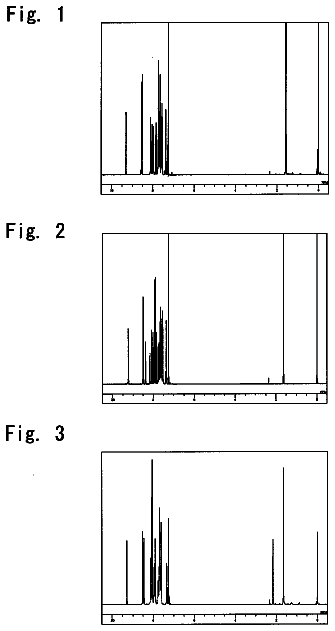 Lapsed, fee not paid3 drawings