Patent Yard Sign in
Lapsed, fee not paidSolo inventor

Systems and methods for mobile application, wearable application, transactional messaging, calling, digital multimedia capture, payment transactions, and one touch payment, one tap payment, and one touch service

US 9,830,589 B2 · Inventors: Xing; Zhou Tian

USPTO PDF

Overview

Sheet 1 of 12 from the published document. All sheets in the USPTO PDF

Abstract From the patent

A method for facilitating mobile device payments, multimedia capture, calling, and messaging may include providing a payment, multimedia capture, calling, and messaging interface on a display of a mobile and wearable device and sensing a haptic input of the user via the haptic control associated with one touch payment, one tap payment, and one touch service. In response to the haptic input, a cloud-based application associated with the mobile and wearable device may be activated. The haptic input may be analyzed to determine a duration of the haptic input. Based on the duration of the haptic input, an operation may be selected from the list of predetermined operations to be performed by the cloud-based application. The predetermined operations include at least a payment operation, a multimedia capture operation, a calling operation, and a messaging operation. The method may include operably connecting the mobile and wearable device to a cloud storage.

Why it's free to use

  • The USPTO Official Gazette of January 27, 2026 lists it as expired on November 28, 2025 for an unpaid maintenance fee.
  • It isn't on any reinstatement notice published since.
  • Its 1 US relative has also lapsed, expired or never issued.
  • We check US rights only. Check foreign counterparts before selling abroad.
FiledMay 8, 2017
GrantedNovember 28, 2017
Expired (fee)November 28, 2025
Application number15/589001
Classification (CPC)G06Q20/3274 +7 more
Length20 claims · 34 pages

Background From the patent

Personal digital communication devices, such mobile and wearable devices, e.g., smartphones, are evolving rapidly and more and more people prefer using the mobile and wearable devices for a numerous purposes. When customers buy product items from various merchants in these merchants' retails environments, such as retail outlets, shopping centers, stores, etc., only a handful of payment methods is available to the customers. Typical examples include credit cards, debit cards, gift cards, checks, cash, and so forth. Each one of these payment methods has some drawbacks from cost and/or convenience perspectives. For example, credit cards bear substantial processing fees, while debit cards require availability of funds and sometimes involve surcharges as well. Checks and cash transactions are slow and require additional processing and/or handling. All these drawbacks interfere with retail tra

Drawings 12

1 of 12 drawing sheets so far from the published document, cropped to the drawing. Every sheet is in the USPTO PDF.

Figures as described

  • FIG. 2 is a block diagram showing a system for facilitating mobile device payments, multimedia capture, calling, and messaging in accordance with an example embodiment
  • FIG. 7 illustrates a schematic diagram of providing payment details by a user, in accordance with an example embodiment
  • FIG. 8 illustrates a schematic diagram of an interaction of a mobile and wearable device and a merchant device during a payment operation, in accordance with an example embodiment

Claims 20 total, 3 independent

What the patent claimed, word for word. All of it is now free to use.

  1. 1
    Independent claimA method for facilitating mobile device payments, multimedia capture, calling, and messaging via a mobile and wearable device, the method steps comprising: providing, by a processor of the mobile and wearable device, a payment, multimedia capture, calling, and messaging interface on a display of the mobile and wearable device, wherein the payment, multimedia capture, calling, and messaging interface includes a haptic control associated with one touch payment, one tap payment, and one touch service to pay with a single touch and check out with the single touch, the haptic control being configured to sense a haptic input of a user, wherein the payment, multimedia capture, calling, and messaging interface is further configured to receive a selection from a list of predetermined operations; sensing, by a sensing unit of the mobile and wearable device, the haptic input via the haptic control associated with the one touch payment, one tap payment, and one touch service to pay with the single touch and check out with the single touch, wherein the haptic input includes a touch of the user to the haptic control associated with the one touch payment, one tap payment, and one touch service to pay with the single touch and check out with the single touch; analyzing, by the processor, the haptic input to determine a duration of the haptic input; based on the duration of the haptic input, selecting, by the processor, an operation from the list of predetermined operations to be performed by a cloud-based application associated with the mobile and wearable device, wherein the predetermined operations include at least a payment operation, a multimedia capture operation, a calling operation, and a messaging operation, wherein the mobile and wearable device is operable to perform each of the payment operation, the multimedia capture operation, the calling operation, and the messaging operation, wherein the selecting of the payment operation is associated with making a payment request by the user; in response to the haptic input, activating, by the processor, the cloud-based application, the cloud-based application running on the mobile and wearable device and being associated with a cloud storage, wherein the cloud-based application is related to one or more dedicated folders provided on one or more client devices associated with the user, the one or more dedicated folders synchronizing across the one or more client devices, and contents of the one or more dedicated folders being accessible via a web resource and the cloud-based application, the cloud-based application including a payment, multimedia capture, calling, and messaging application, wherein the payment, multimedia capture, calling, and messaging application is associated with an application protocol, the application protocol being integrated into a communication platform associated with the mobile and wearable device; operably connecting, by the processor, the mobile and wearable device to the cloud storage, wherein the cloud storage is configured to store payment details of the user, the payment details being provided by the user during a first launch of the cloud-based application on the mobile and wearable device; in response to the payment operation being selected: receiving, by the processor, the payment details associated with the user from the cloud storage, the payment details being used to perform a payment via the mobile and wearable device based on the payment request; receiving, by the processor, an indication that the user brings the mobile and wearable device in proximity to a merchant device associated with a merchant to make the payment to the merchant, wherein the indication is received based on sensing an interaction of the mobile and wearable device with the merchant device, wherein the interaction includes at least a near field communication (NFC), wherein the NFC is used to pair the mobile and wearable device and the merchant device upon bringing the mobile and wearable device into proximity to the merchant device, wherein the mobile and wearable device and the merchant device are connected to a cloud network, wherein the payment details and authorizing data associated with the user are stored in the cloud storage associated with the cloud network, wherein upon pairing the mobile and wearable device with the merchant device at least a Bluetooth wireless short range connection between the mobile and wearable device and the merchant device is established; based on the interaction, receiving, by the processor, product data and merchant data, the product data and the merchant data being provided by the merchant device, the product data including at least a price of a product associated with the payment; prompting, by the processor, the user to provide an authentication information, the prompting includes at least displaying an authentication button on the display of the mobile and wearable device; authenticating, by the processor, an identity of the user, the authenticating including at least a biometric authentication, wherein the biometric authentication includes a fingerprint authentication, an iris pattern authentication, a heartbeat authentication, and a vein pattern identification; wherein the vein pattern identification is performed using scanning of one or more of the following: a palm vein pattern, a wrist vein pattern, a hand vein pattern, a leg vein pattern, a foot vein pattern, a neck vein pattern, and a head vein pattern; wherein the fingerprint authentication includes: scanning fingerprints of at least one finger of the user when the user touches one or more or the following: the display of the mobile and wearable device, a button of the mobile and wearable device, and a rear panel of the mobile and wearable device; and matching the fingerprints to one or more approved fingerprints, the one or more approved fingerprints being stored in the cloud storage; upon the matching, encrypting, by the processor, the payment request associated with the payment operation to obtain an encrypted payment request, wherein the encrypting of the payment request includes generating, by the processor, a one-time code, the one-time code encoding at least the payment details of the user, the product data, and the merchant data; transmitting, by the processor, the encrypted payment request to a financial organization; receiving, by the processor, from the financial organization, a confirmation of the payment from the user to the merchant performed by the financial organization; and storing, by the processor, information associated with the payment to a database of the mobile and wearable device associated with the user; wherein the payment operation is authorized in part when a geographic location determined by the mobile and wearable device matches a geographic location of the merchant at a time of the selecting of the payment operation; wherein the selecting the payment operation via the haptic control includes activating, via the cloud-based application associated with the processor of the mobile and wearable device, one or more applications providing one or more of the following services: an import and export service for international trade and trade assurance (ITTA) services; a service providing customs clearance preparation and assistance in foreign exchange collections; an online platform providing professional import and export business process outsourcing (IEBPO) services to cross border trade enterprises and bringing business process operations online for the trade enterprises; an online platform for consolidating scattered service resources for cross border trade partners and providing professional services including customs clearance, logistics, trade insurance, financing services and freight forwarding services; an e-commerce service providing consumer-to-consumer, business-to-consumer, and business-to-business sales services via web portals; a third-party online escrow (TPOE) service, in which buyers verify whether goods they have bought before releasing money to a seller; a third-party service providing microcredit very small loans (microloans) to impoverished borrowers who lack collateral, steady employment and a verifiable credit history, wherein designed not only to support entrepreneurship and alleviate; in response to the multimedia capture operation being selected: capturing multimedia by one or more sensors of the mobile and wearable device to obtain captured multimedia, the captured multimedia being stored to the database the mobile and wearable device, wherein the multimedia includes one of more of the following: a text, a photo, a sound, a video, an animation, the geographic location of the mobile and wearable device, and an object being captured by grabbing screenshots of the mobile and wearable device, the screenshots including links including one or more of the following: a Shop Now link, a Book Now link, a Download link, a Learn More link, a Buy Now link, a Pay Now link, and a Sign Up link; based on the duration of the of the haptic input associated with the multimedia capture operation, selecting one or more multimedia types for recording from the captured multimedia based on predetermined rules associated with a predetermined time of the providing the haptic control associated with the one touch payment, one tap payment, and one touch service by the user to pay with the single touch and check out with the single touch; and storing the one or more multimedia types into the database of the mobile and wearable device and the cloud storage; in response to the calling operation being selected: providing, by the processor, a calling interface on the display of the mobile and wearable device, to enable the user to provide, via the calling interface, a call recipient; and upon receipt of the call recipient, performing, by the processor, a call with the call recipient via a data network; in response to the messaging operation being selected: providing, by the processor, a messaging interface on the display of the mobile and wearable device to enable the user to provide, via the messaging interface, a message and a selection of a message recipient; and upon receipt of the message and the selection of the message recipient, sending, by the processor, the message to the message recipient via the data network; wherein the cloud-based application is executed by the processor of the mobile and wearable device and is connected to the cloud network and is provided on the mobile and wearable device via one or more of the following: a web browser, a projector, and a hologram; wherein the cloud-based application is provided for purchasing in one or more applications stores, the one or more applications stores being associated with an operating system, the operating system including one of the following: Microsoft Windows, Linux, Android, Blackberry, iOS, and Windows Phone; wherein the cloud-based application is provided free of charge or at a predetermined price; wherein the cloud-based application includes at least a physical card emulation (PCE) client, the PCE client is configured to provide emulation of a physical card to combine physical payment cards with cloud computing and provide an emulated payment card, wherein the physical payment card is emulated based on metadata associated with the user, a phone number associated with the user, and data associated with a point of sale (POS) terminal of the merchant, wherein the PCE client is configured to provide a virtual representation of emulated payment card; wherein the processor of the mobile and wearable device is configured to run the PCE client, provide two communication paths for NFC commands from the POS terminal based on an application identifier (AID) associated with the PCE client; wherein the processor is configured to use the AID to route the NFC commands to the cloud-based application managing the emulation of the physical card; and wherein when the user presents the emulated payment card for transaction, an NFC command is routed to the PCE client for verification and authorization using the cloud-based application, wherein the cloud-based application is configured to connect to a backend associated with an issuer of the physical payment card to complete the transaction; wherein the cloud-based application is associated with a trusted tokenization node, the trusted tokenization node being a shared resource used to generate and de-tokenize tokens representing data associated with the physical payment card at the backend associated with the issuer; wherein the PCE client provides multi-level security by providing limited use keys, tokenization, device fingerprinting, and dynamic risk analysis, wherein the limited use keys are derived from a master domain key shared by the issuer, wherein a use of the limited use keys is associated with time to live of the limited use keys and a number of transactions to be performed using the limited use keys, wherein the device fingerprints are profiles accosted with the mobile and wearable device and are used to determine that transactions are initiated only by an authorized mobile and wearable device at recognized locations of the POS terminal; receiving, by the processor of the mobile and wearable device, a digital artifact associated with the payment performed using the payment operation, wherein the digital artifact includes one or more of an advertisement, a receipt, a ticket, a media, and a content associated with the confirmation of the payment, wherein the digital artifact includes metadata; and wherein receiving the metadata by the processor triggers an action, wherein the action includes prompting the user to perform one or more of the following: enter an email address, accept a coupon, accept a reward, opt-in for alerts, and opt-in for notifications.
  2. 2
    The method of claim 1, further comprising: receiving, from the user, a registration request to register the user in a mobile payment service associated with the cloud-based application, wherein the user sends the registration request via the cloud-based application associated with the mobile and wearable device, the registration request being provided by positioning at least one payment card in proximity to a camera of the mobile and wearable device, capturing, by the camera of the mobile and wearable device, the payment details associated with at least one payment card associated with the user, and parsing the captured payment details, the payment card being selected from one or more of the following: a smart card, a proximity card, an integrated circuit card, a magnetic strip card, a Europay, MasterCard, and Visa (EMV) smart payment card, the payment card storing card data of one or more of debit cards, credit cards, gift cards, loyalty cards, prepaid cards, bank cards, identity cards, and membership cards; and wherein a service provider associated with the mobile payment service and the cloud-based application provides the user with a compensation for future purchases made via the cloud-based application, the compensation being equal to an amount of the payment.
  3. 3
    The method of claim 1, wherein the cloud-based application includes one or more of the following: a media player, a multimedia library, an online radio broadcaster, an online store selling software applications for the mobile and wearable device, and a mobile and wearable device management application to play, download, purchase, organize multimedia, send multimedia gift cards, and synchronize the multimedia with a portable device and one or more internet-connected devices, wherein the cloud-based application is configured to prompt the user to purchase and download one or more or the following: music, music videos, television shows, audio books, movies, and movie rentals.
  4. 4
    The method of claim 1, further comprising: securing the mobile and wearable device via a band to a part of a human body, the part of the human body including one or more of the following: a wrist, an arm, a neck, a bead, a leg, a waist, an ear, and a finger, securing, via the band, the mobile and wearable device being secured under, within or on clothing.
  5. 5
    The method of claim 1, wherein the payment details include a data related to one or more of the following: a banking account associated with the user, a credit card associated with the user, a debit card associated with the user, a gift card associated with the user, a prepaid card associated with the user, an insurance account associated with the user, mobile currency associated with the user, and a virtual money account of the user, wherein the payment details of the user are linked to a mobile and wearable device number.
  6. 6
    The method of claim 1, wherein the payment includes an internet payment, a NFC payment, a scan code payment, a person-to-person payment, a buyer-to-merchant payment, a peer-to-peer payment, an in-application payment, a point-of-sale payment, a mobile payment, a wearable payment, and a digital wallet payment; wherein the selecting the payment operation via the haptic control includes activating, via the cloud-based application, one or more applications providing one or more of the following services: electronic payment services, a shopping search engine and data-centric cloud computing services; a third-party online payment platform operating worldwide online payments that supports online money transfers; a payment service for online vendors, auction sites and commercial users, for which it charges a fee.
  7. 7
    The method of claim 6, wherein the payment is associated with a joint account of the user, the joint account being associated with banks and retailers; wherein the retailers include one or more of the following organizations: Wal-Mart, Costco, The Kroger Company, Home Depot, Walgreens Boots Alliance Inc, Target, and ETC; and wherein the banks include one or more of the following: Fargo bank, Citibank bank, Industrial and Commercial Bank of China, China Construction Bank, Agricultural Bank of China, Bank of China, Mitsubishi UFJ, HSBC Holdings, JPMorgan Chase, BNP Paribas, Bank of America, and Credit Agricole.
  8. 8
    The method of claim 7, wherein the joint account is associated with one or more of the following: providing cash rewards for net purchases, wherein the cash rewards remain unexpired until the joint account remains open, a zero percent annual percentage rate for purchases and balance transfers, providing cash rewards for mobile wallet net purchases after opening of the joint account, providing cash back redemption options at automated teller machines, providing deposits into a mobile account and a savings account, providing protection of the joint account, wherein the protection includes fraud monitoring, sending alerts, and zero liability protection, providing a zero annual fee, providing bonuses for the purchases, wherein the bonuses include a predetermined number of flying miles, the flying miles being associated with one or more airlines, booking rooms in one or more hotels.
  9. 9
    The method of claim 1, further comprising: prompting the user to log into the cloud-based application and provide a consent to initiate payments on behalf of the user, wherein upon the consent the payments are initiated automatically without requesting the consent of the user, wherein an access to the cloud-based application is performed via initiating one or more of the following: an NFC payment, a Wi-Fi payment, a beacon payment, a mobile payment, and a digital wallet payment.
  10. 10
    The method of claim 1, wherein the cloud storage is further configured to: receive an access request and provide access to the multimedia; provide an access to downloading, uploading, buying, and paying for the multimedia; store the multimedia, a record of an access made to the multimedia, and content use terms and rules for controlling the access to the multimedia; and provide payment validation data to the mobile and wearable device and one or more internet-connected devices.
  11. 11
    The method of claim 10, wherein the access is performed via a Wi-Fi network, 3G network, 4G network, 5G network, or 6G network; and wherein the haptic control is integrated with at least one mobile application associated with the mobile and wearable device, wherein the at least one mobile application is integrated into a software development kit and an operating system of the mobile and wearable device, wherein, upon launching of the at least one mobile application by the user, the user is prompted to log in and asked to provide a consent that the at least one mobile application initiates future payments on behalf of the user, wherein during further purchases the at least one mobile application is launched by default without a need for a further action from the user to initiate launching of the at least one mobile application, the further action including entering a login and a password by the user, wherein the at least one mobile application is associated with performing payments and buying products or services in the Internet.
  12. 12
    The method of claim 1, further comprising: receiving, by the processor of the mobile and wearable device, a digital artifact associated with the payment performed using the payment operation, wherein the digital artifact includes one or more of an advertisement, a receipt, a ticket, a media, and a content associated with the confirmation of the payment, wherein the digital artifact includes metadata, wherein receiving the metadata by the processor triggers an action, wherein the action includes prompting the user to perform one or more of the following: enter an email address, accept a coupon, accept a reward, opt-in for alerts, and opt-in for notifications.
  13. 13
    The method of claim 12, wherein the receiving the digital artifact is based on targeting parameters associated with the mobile and wearable device, wherein the targeting parameters include one of more of the following: the geographic location of the mobile and wearable device, the geographic location of the merchant, the time of the selecting of the payment operation, the identity of the user, and personal information associated with the user.
  14. 14
    The method of claim 12, further comprising: upon the triggering the action, changing a status of the digital artifact, wherein the status includes one of the following: accepted, activated, saved, redeemed, and deleted.
  15. 15
    The method of claim 1, further comprising: capturing, by a camera of the mobile and wearable device, one or more product codes associated with one or more products, the one or more product codes including at least a product data associated with the one or more products and a list of the one or more products, the product data being encoded into the one-time code transmitted to the financial organization, wherein the one or more product codes are selected from the following: a barcode, a linear dimensional code, a two-dimensional code, a snap tag code, and a QR code.
  16. 16
    The method of claim 15, further comprising receiving merchant data based on the one or more product codes, wherein the merchant data is used to determine a loyalty program data of the user, the loyalty program data being associated with a loyalty program of the merchant, the loyalty program data being encoded into the one-time code transmitted to the financial organization.
  17. 17
    Independent claimA system for facilitating mobile device payments, multimedia capture, calling, and messaging via a mobile and wearable device, the system steps comprising: a processor of the mobile and wearable device configured to: provide a payment, multimedia capture, calling, and messaging interface on a display of the mobile and wearable device, wherein the payment, multimedia capture, calling, and messaging interface includes a haptic control associated with one touch payment, one tap payment, and one touch service to pay with a single touch and check out with the single touch, the haptic control being configured to sense a haptic input of a user, wherein the payment, multimedia capture, calling, and messaging interface is further configured to receive a selection from a list of predetermined operations; analyze the haptic input to determine a duration of the haptic input; based on the duration of the haptic input, select an operation from the list of predetermined operations to be performed by a cloud-based application associated with the mobile and wearable device, wherein the predetermined operations include at least a payment operation, a multimedia capture operation, a calling operation, and a messaging operation, wherein the mobile and wearable device is operable to perform each of the payment operation, the multimedia capture operation, the calling operation, and the messaging operation, wherein the selecting of the payment operation is associated with making a payment request by the user; in response to the haptic input, activate the cloud-based application, the cloud-based application running on the mobile and wearable device and being associated with a cloud storage, wherein the cloud-based application is related to one or more dedicated folders provided on one or more client devices associated with the user, the one or more dedicated folders synchronizing across the one or more client devices, and contents of the one or more dedicated folders being accessible via a web resource and the cloud-based application, the cloud-based application including a payment, multimedia capture, calling, and messaging application, wherein the payment, multimedia capture, calling, and messaging application is associated with an application protocol, the application protocol being integrated into a communication platform associated with the mobile and wearable device; operably connect the mobile and wearable device to the cloud storage, wherein the cloud storage is configured to store payment details of the user, the payment details being provided by the user during a first launch of the cloud-based application on the mobile and wearable device; in response to the payment operation being selected: receive the payment details associated with the user from the cloud storage, the payment details being used to perform a payment via the mobile and wearable device based on the payment request; receive an indication that the user brings the mobile and wearable device in proximity to a merchant device associated with a merchant to make the payment to the merchant, wherein the indication is received based on sensing an interaction of the mobile and wearable device with the merchant device, wherein the interaction includes at least a near field communication (NFC), wherein the NFC is used to pair the mobile and wearable device and the merchant device upon bringing the mobile and wearable device into proximity to the merchant device, wherein the mobile and wearable device and the merchant device are connected to a cloud network, wherein the payment details and authorizing data associated with the user are stored in the cloud storage associated with the cloud network, wherein upon pairing the mobile and wearable device with the merchant device at least a Bluetooth wireless short range connection between the mobile and wearable device and the merchant device is established; based on the interaction, receive product data and merchant data, the product data and the merchant data being provided by the merchant device, the product data including at least a price of a product associated with the payment; prompt the user to provide an authentication information, the prompting includes at least displaying an authentication button on the display of the mobile and wearable device; authenticate an identity of the user, the authenticating including at least a biometric authentication, wherein the biometric authentication includes a fingerprint authentication, an iris pattern authentication, a heartbeat authentication, and a vein pattern identification; wherein the vein pattern identification is performed using scanning of one or more of the following: a palm vein pattern, a wrist vein pattern, a hand vein pattern, a leg vein pattern, a foot vein pattern, a neck vein pattern, and a head vein pattern; wherein the fingerprint authentication includes: scanning fingerprints of at least one finger of the user when the user touches one or more or the following: the display of the mobile and wearable device, a button of the mobile and wearable device, and a rear panel of the mobile and wearable device; and matching the fingerprints to one or more approved fingerprints, the one or more approved fingerprints being stored in the cloud storage; upon the matching, encrypt the payment request associated with the payment operation to obtain an encrypted payment request, wherein the encrypting of the payment request includes generating, by the processor, a onetime code, the one-time code encoding at least the payment details of the user, the product data, and the merchant data; transmit the encrypted payment request to a financial organization; receive from the financial organization, a confirmation of the payment from the user to the merchant performed by the financial organization; wherein the payment operation is authorized in part when a geographic location determined by the mobile and wearable device matches a geographic location of the merchant at a time of the selecting of the payment operation; wherein the selecting the payment operation via the haptic control includes activating, via the cloud-based application associated with the processor of the mobile and wearable device, one or more applications providing one or more of the following services: an import and export service for international trade and trade assurance (ITTA) services; a service providing customs clearance preparation and assistance in foreign exchange collections; an online platform providing professional import and export business process outsourcing (IEBPO) services to cross border trade enterprises and bringing business process operations online; an online platform for consolidating scattered service resources for cross border trade partners and providing professional services including customs clearance, logistics, trade insurance, financing services and freight forwarding services; an e-commerce service providing consumer-to-consumer, business-to-consumer, and business-to-business sales services via web portals; a third-party online escrow (TPOE) service, in which buyers verify whether goods they have bought before releasing money to a seller; a third-party service providing microcredit very small loans (microloans) to impoverished borrowers who lack collateral, steady employment and a verifiable credit history, wherein designed not only to support entrepreneurship and alleviate; response to the multimedia capture operation being selected: capture multimedia by one or more sensors of the mobile and wearable device to obtain captured multimedia, the captured multimedia being stored to a database the mobile and wearable device, wherein the multimedia includes one of more of the following: a text, a photo, a sound, a video, an animation, a geographic location, and an object being captured by grabbing screenshots of the mobile and wearable device, the screenshots including links including one or more of the following: a Shop Now link, a Book Now link, a Download link, a Learn More link, a Buy Now link, a Pay Now link, and a Sign Up link; based on the duration of the of the haptic input associated with the multimedia capture operation, select one or more multimedia types for recording from the captured multimedia based on predetermined rules associated with a predetermined time of the providing the haptic control associated with the one touch payment, one tap payment, and one touch service by the user to pay with the single touch and check out with the single touch; store the one or more multimedia types into the database of the mobile and wearable device and the cloud storage; in response to the calling operation being selected: provide a calling interface on the display of the mobile and wearable device, to enable the user to provide, via the calling interface, a call recipient; and upon receipt of the call recipient, perform a call with the call recipient via a data network; in response to the messaging operation being selected: provide a messaging interface on the display of the mobile and wearable device to enable the user to provide, via the messaging interface, a message and a selection of a message recipient; and upon receipt of the message and the selection of the message recipient, send the message to the message recipient via the data network; a sensing unit in communication with the processor being configured to sense the haptic input via the haptic control associated with the one touch payment, one tap payment, and one touch service to pay with the single touch and check out with the single touch, wherein the haptic input includes a touch of the user to the haptic control associated with the one touch payment, one tap payment, and one touch service to pay with the single touch and check out with the single touch; and a database in communication with the processor, the database being configured to store at least the captured multimedia and the one or more multimedia types; wherein the cloud-based application is executed by the processor of the mobile and wearable device and is connected to the cloud network and is provided on the mobile and wearable device via one or more of the following: a web browser, a projector, and a hologram; wherein the cloud-based application is provided for purchasing in one or more applications stores, the one or more applications stores being associated with an operating system, the operating system including one of the following: Microsoft Windows, Linux, Android, Blackberry, iOS, and Windows Phone; wherein the cloud-based application is provided free of charge or at a predetermined price; wherein the cloud-based application includes at least a physical card emulation (PCE) client, the PCE client is configured to provide emulation of a physical card to combine physical payment cards with cloud computing and provide an emulated payment card, wherein the physical payment card is emulated based on metadata associated with the user, a phone number associated with the user, and data associated with a point of sale (POS) terminal of the merchant, wherein the PCE client is configured to provide a virtual representation of emulated payment card; wherein the processor of the mobile and wearable device is configured to run the PCE client, provide two communication paths for NFC commands from the POS terminal based on an application identifier (AID) associated with the PCE client; wherein the processor is configured to use the AID to route the NFC commands to the cloud-based application managing the emulation of the physical card; and wherein when the user presents the emulated payment card for transaction, an NFC command is routed to the PCE client for verification and authorization using the cloud-based application, wherein the cloud-based application is configured to connect to a backend associated with an issuer of the physical payment card to complete the transaction; wherein the cloud-based application is associated with a trusted tokenization node, the trusted tokenization node being a shared resource used to generate and de-tokenize tokens representing data associated with the physical payment card at the backend associated with the issuer; wherein the PCE client provides multi-level security by providing limited use keys, tokenization, device fingerprinting, and dynamic risk analysis, wherein the limited use keys are derived from a master domain key shared by the issuer, wherein a use of the limited use keys is associated with time to live of the limited use keys and a number of transactions to be performed using the limited use keys, wherein the device fingerprints are profiles accosted with the mobile and wearable device and are used to determine that transactions are initiated only by an authorized mobile and wearable device at recognized locations of the POS terminal; wherein the processor of the mobile and wearable device receives a digital artifact associated with the payment performed using the payment operation, wherein the digital artifact includes one or more of an advertisement a receipt, a ticket, a media, and a content associated with the confirmation of the payment, wherein the digital artifact includes metadata; and wherein the processor receiving the metadata triggers an action, wherein the action includes prompting the user to perform one or more of the following: enter an email address, accept a coupon, accept a reward, opt-in for alerts, and opt-in for notifications.
  18. 18
    The system of claim 17, wherein the processor is further configured to receive, from the user, a registration request to register the user in a mobile payment service associated with the cloud-based application, wherein the user sends the registration request via the cloud-based application associated with the mobile and wearable device, the registration request being provided by capturing, by a camera of the mobile and wearable device, the payment details associated with at least one payment card associated with the user, the payment card being selected from one or more of the following: a smart card, a proximity card, an integrated circuit card, a magnetic strip card, a Europay, MasterCard, and Visa (EMV) smart payment card, the payment card storing card data of one or more of debit cards, credit cards, gift cards, loyalty cards, prepaid cards, bank cards, identity cards, and membership cards; and wherein a service provider associated with the mobile payment service and the cloud-based application provides the user with a compensation for future purchases made via the cloud-based application, the compensation being equal to an amount of the payment.
  19. 19
    The system of claim 17, wherein the processor is further configured to: capture, by a camera of the mobile and wearable device, one or more product codes associated with one or more products, the one or more product codes including at least a product data associated with the one or more products and a list of the one or more products, the product data being encoded into the one-time code transmitted to the financial organization, wherein the one or more product codes are selected from the following: a barcode, a linear dimensional code, a two-dimensional code, a snap tag code, and a QR code; and receive merchant data based on the one or more product codes, wherein the merchant data is used to determine a loyalty program data of the user, the loyalty program data being associated with a loyalty program of the merchant, the loyalty program data being encoded into the one-time code transmitted to the financial organization.
  20. 20
    Independent claimA non-transitory computer-readable medium comprising instructions, which when executed by one or more processors of a mobile and wearable device, perform the following operations: provide a payment, multimedia capture, calling, and messaging interface on a display of a mobile and wearable device, wherein the payment, multimedia capture, calling, and messaging interface includes a haptic control associated with one touch payment, one tap payment, and one touch service to pay with a single touch and check out with the single touch, the haptic control being configured to sense a haptic input of a user, wherein the payment, multimedia capture, calling, and messaging interface is further configured to receive a selection from a list of predetermined operations; sense the haptic input via the haptic control associated with the one touch payment, one tap payment, and one touch service to pay with the single touch and check out with the single touch, wherein the haptic input includes a touch of the user to the haptic control associated with the one touch payment, one tap payment, and one touch service to pay with the single touch and check out with the single touch; analyze the haptic input to determine a duration of the haptic input; based on the duration of the haptic input, select an operation from the list of predetermined operations to be performed by a cloud-based application associated with the mobile and wearable device, wherein the predetermined operations include at least a payment operation, a multimedia capture operation, a calling operation, and a messaging operation, wherein the mobile and wearable device is operable to perform each of the payment operation, the multimedia capture operation, the calling operation, and the messaging operation, wherein the selecting of the payment operation is associated with making a payment request by the user; in response to the haptic input, activate the cloud-based application, the cloud-based application running on the mobile and wearable device and being associated with a cloud storage, wherein the cloud-based application is related to one or more dedicated folders provided on one or more client devices associated with the user, the one or more dedicated folders synchronizing across the one or more client devices, and contents of the one or more dedicated folders being accessible via a web resource and the cloud-based application, the cloud-based application including a payment, multimedia capture, calling, and messaging application, wherein the payment, multimedia capture, calling, and messaging application is associated with an application protocol, the application protocol being integrated into a communication platform associated with the mobile and wearable device; operably connect the mobile and wearable device to the cloud storage, wherein the cloud storage is configured to store payment details of the user, the payment details being provided by the user during a first launch of the cloud-based application on the mobile and wearable device; in response to the payment operation being selected: receive the payment details associated with the user from the cloud storage, the payment details being used to perform a payment via the mobile and wearable device based on the payment request; receive an indication that the user brings the mobile and wearable device in proximity to a merchant device associated with a merchant to make the payment to the merchant, wherein the indication is received based on sensing an interaction of the mobile and wearable device with the merchant device, wherein the interaction includes at least a near field communication (NFC), wherein the NFC is used to pair the mobile and wearable device and the merchant device upon bringing the mobile and wearable device into proximity to the merchant device, wherein the mobile and wearable device and the merchant device are connected to a cloud network, wherein the payment details and authorizing data associated with the user are stored in the cloud storage associated with the cloud network, wherein upon pairing the mobile and wearable device with the merchant device at least a Bluetooth wireless short range connection between the mobile and wearable device and the merchant device is established; based on the interaction, receive product data and merchant data, the product data and the merchant data being provided by the merchant device, the product data including at least a price of a product associated with the payment; prompt the user to provide an authentication information, the prompting includes at least displaying an authentication button on a display of the mobile and wearable device; authenticate an identity of the user, the authenticating including at least a biometric authentication, wherein the biometric authentication includes a fingerprint authentication, an iris pattern authentication, a heartbeat authentication, and a vein pattern identification; wherein the vein pattern identification is performed using scanning of one or more of the following: a palm vein pattern, a wrist vein pattern, a hand vein pattern, a leg vein pattern, a foot vein pattern, a neck vein pattern, and a head vein pattern; wherein the fingerprint authentication includes: scan fingerprints of at least one finger of the user when the user touches one or more or the following: the display of the mobile and wearable device, a button of the mobile and wearable device, and a rear panel of the mobile and wearable device; and match the fingerprints to one or more approved fingerprints, the one or more approved fingerprints being stored in the cloud storage; upon the matching, encrypt the payment request associated with the payment operation to obtain an encrypted payment request, wherein the encrypting of the payment request includes generating, by the processor, a onetime code, the one-time code encoding at least the payment details of the user, the product data, and the merchant data; transmit the encrypted payment request to a financial organization; receive from the financial organization, a confirmation of the payment from the user to the merchant performed by the financial organization; and store information associated with the payment to a database of the mobile and wearable device associated with the user; wherein the payment operation is authorized in part when a geographic location determined by the mobile and wearable device matches a geographic location of the merchant at a time of the selecting of the payment operation; wherein the selecting the payment operation via the haptic control includes activating, via the cloud-based application associated with the processor of the mobile and wearable device, one or more applications providing one or more of the following services: an import and export service for international trade and trade assurance (ITTA) services; a service providing customs clearance preparation and assistance in foreign exchange collections; an online platform providing professional import and export business process outsourcing (IEBPO) services to cross border trade enterprises and bringing business process operations online; an online platform for consolidating scattered service resources for cross border trade partners and providing professional services including customs clearance, logistics, trade insurance, financing services and freight forwarding services; an e-commerce service providing consumer-to-consumer, business-to-consumer, and business-to-business sales services via web portals; a third-party online escrow (TPOE) service, in which buyers verify whether goods they have bought before releasing money to a seller; a third-party service providing microcredit very small loans (microloans) to impoverished borrowers who lack collateral, steady employment and a verifiable credit history, wherein designed not only to support entrepreneurship and alleviate; in response to the multimedia capture operation being selected: capture by one or more sensors of the mobile and wearable device to obtain captured multimedia, the captured multimedia being stored to the database the mobile and wearable device, wherein the multimedia includes one of more of the following: a text, a photo, a sound, a video, an animation, the geographic location of the mobile and wearable device, and an object being captured by grabbing screenshots of the mobile and wearable device, the screenshots including links including one or more of the following: a Shop Now link, a Book Now link, a Download link, a Learn More link, a Buy Now link, a Pay Now link, and a Sign Up link; based on the duration of the of the haptic input associated with the multimedia capture operation, select one or more multimedia types for recording from the captured multimedia based on predetermined rules associated with a predetermined time of the providing the haptic control associated with the one touch payment, one tap payment, and one touch service by the user to pay with the single touch and check out with the single touch; and store the one or more multimedia types into the database of the mobile and wearable device and the cloud storage; in response to the calling operation being selected: provide a calling interface on the display of the mobile and wearable device, to enable the user to provide, via the calling interface, a call recipient; and upon receipt of the call recipient, perform a call with the call recipient via a data network; in response to the messaging operation being selected: provide a messaging interface on the display of the mobile and wearable device to enable the user to provide, via the messaging interface, a message and a selection of a message recipient; and upon receipt of the message and the selection of the message recipient, send the message to the message recipient via the data network; wherein the cloud-based application is executed by the processor of the mobile and wearable device and is connected to the cloud network and is provided on the mobile and wearable device via one or more of the following: a web browser, a projector, and a hologram; wherein the cloud-based application is provided for purchasing in one or more applications stores, the one or more applications stores being associated with an operating system, the operating system including one of the following: Microsoft Windows, Linux, Android, Blackberry, iOS, and Windows Phone; wherein the cloud-based application is provided free of charge or at a predetermined price; wherein the cloud-based application includes at least a physical card emulation (PCE) client, the PCE client is configured to provide emulation of a physical card to combine physical payment cards with cloud computing and provide an emulated payment card, wherein the physical payment card is emulated based on metadata associated with the user, a phone number associated with the user, and data associated with a point of sale (POS) terminal of the merchant, wherein the PCE client is configured to provide a virtual representation of emulated payment card; wherein the processor of the mobile and wearable device is configured to run the PCE client, provide two communication paths for NFC commands from the POS terminal based on an application identifier (AID) associated with the PCE client; wherein the processor is configured to use the AID to route the NFC commands to the cloud-based application managing the emulation of the physical card; and wherein when the user presents the emulated payment card for transaction, an NFC command is routed to the PCE client for verification and authorization using the cloud-based application, wherein the cloud-based application is configured to connect to a backend associated with an issuer of the physical payment card to complete the transaction; wherein the cloud-based application is associated with a trusted tokenization node, the trusted tokenization node being a shared resource used to generate and de-tokenize tokens representing data associated with the physical payment card at the backend associated with the issuer; wherein the PCE client provides multi-level security by providing limited use keys, tokenization, device fingerprinting, and dynamic risk analysis, wherein the limited use keys are derived from a master domain key shared by the issuer, wherein a use of the limited use keys is associated with time to live of the limited use keys and a number of transactions to be performed using the limited use keys, wherein the device fingerprints are profiles accosted with the mobile and wearable device and are used to determine that transactions are initiated only by an authorized mobile and wearable device at recognized locations of the POS terminal; wherein the processor of the mobile and wearable device receives a digital artifact associated with the payment performed using the payment operation, wherein the digital artifact includes one or more of an advertisement, a receipt, a ticket, a media, and a content associated with the confirmation of the payment, wherein the digital artifact includes metadata; and wherein the processor receiving the metadata triggers an action, wherein the action includes prompting the user to perform one or more of the following: enter an email address, accept a coupon, accept a reward, opt-in for alerts, and opt-in for notifications.

Claim map

Independent claims stand on their own. The others add detail to the claim they name.

Claim 115 claims build on it
Claim 172 claims build on it
Claim 20No claims build on it

Description

Field

This application relates generally to data processing, and more specifically, to systems and methods for facilitating mobile device payments, multimedia capture, calling, and messaging via mobile and wearable devices.

Background

Personal digital communication devices, such mobile and wearable devices, e.g., smartphones, are evolving rapidly and more and more people prefer using the mobile and wearable devices for a numerous purposes. When customers buy product items from various merchants in these merchants' retails environments, such as retail outlets, shopping centers, stores, etc., only a handful of payment methods is available to the customers. Typical examples include credit cards, debit cards, gift cards, checks, cash, and so forth. Each one of these payment methods has some drawbacks from cost and/or convenience perspectives. For example, credit cards bear substantial processing fees, while debit cards require availability of funds and sometimes involve surcharges as well. Checks and cash transactions are slow and require additional processing and/or handling. All these drawbacks interfere with retail transactions and add some level of dissatisfaction. To avoid these drawbacks, customers may perform payments using the mobile and wearable devices. The operations performed via mobile and wearable devices may include electronic commerce transactions, retail purchasing, micropayments, and other daily payments. Mobile payments may utilize credit cards, debit cards, gift cards, virtual currencies, and so forth. While mobile payments facilitate and stimulate the trade, the procedure of providing financial details and authenticating of identity may be tedious and time-consuming. Therefore, the convenience of mobile payments for daily micropayments is hindered.

One of the other purposes of the mobile and wearable devices is to capture details of everyday life, such as to record a photo, video, audio, and the like multimedia content. Typically, before capturing the multimedia content, a user has to select a particular type of the multimedia content to be captured. Such selection may take additional time, and a particular moment that the user intended to capture may be missed. Furthermore, switching between different modes of the personal digital communication devices any time when the user wants to capture another type of multimedia content may be annoying for the user.

Additionally, the mobile and wearable device may be used for many other purposes. However, a selection of a specific operation to be performed by the mobile and wearable device is conventionally made by opening, by the user, a menu interface of the mobile and wearable device and searching for an application responsible for performing the specific operation. Such selection may be time-consuming and may make the user to look through a list or a table of all available applications, most of which may be not currently needed for the user.

Summary

This summary is provided to introduce a selection of concepts in a simplified form that are further described below in the Detailed Description. This summary is not intended to identify key features or essential features of the claimed subject matter, nor is it intended to be used as an aid in determining the scope of the claimed subject matter.

The present disclosure is related to systems and methods for facilitating mobile device payments, multimedia capture, calling, and messaging via a mobile and wearable device. According to one embodiment of the disclosure, a system for facilitating mobile device payments, multimedia capture, calling, and messaging via a mobile and wearable device may include a processor, a sensing unit, and a database. The processor may be configured to provide a payment, multimedia capture, calling, and messaging interface on a display of the mobile and wearable device. The payment, multimedia capture, calling, and messaging interface may further be configured to receive a selection from a list of predetermined operations. The sensing unit in communication with the processor may be configured to sense a haptic input via a haptic control and one touch payment, one tap payment, and one touch service. More specifically, the payment, multimedia capture, calling, and messaging interface may include the haptic control associated with the one touch payment, one tap payment, and one touch service so that the sensing unit may sense a haptic input of a user. The haptic input may include a touch of the user to the haptic control associated with the one touch payment, one tap payment, and one touch service. The processor may be configured to analyze the haptic input to determine a duration of the haptic input. The processor may be further configured to select an operation from the list of predetermined operations to be performed by a cloud-based application associated with the mobile and wearable device. The selection may be based on the duration of the haptic input. The predetermined operations may include at least a payment operation, a multimedia capture operation, a calling operation, and a messaging operation. The mobile and wearable device may be operable to perform each of the payment operation, the multimedia capture operation, the calling operation, and the messaging operation. The selecting of the payment operation may be associated with making a payment request by the user. In response to the haptic input, the processor may be configured to activate the cloud-based application. The cloud-based application may be running on the mobile and wearable device and may be associated with a cloud storage. The cloud-based application may be related to one or more dedicated folders provided on one or more client devices associated with the user, the one or more dedicated folders synchronizing across the one or more client devices, and contents of the one or more dedicated folders being accessible via a web resource and the cloud-based application. The cloud-based application may include a payment, multimedia capture, calling, and messaging application. The payment, multimedia capture, calling, and messaging application may be associated with an application protocol. The application protocol may be integrated into a communication platform associated with the mobile and wearable device. The processor may be further configured to operably connect the mobile and wearable device to the cloud storage. The cloud storage may be configured to store payment details of the user. The payment details may be provided by the user during a first launch of the cloud-based application on the mobile and wearable device. In response to the payment operation being selected, the processor may be configured to receive the payment details associated with the user from the cloud storage. The payment details may be used to perform a payment via the mobile and wearable device based on the payment request. The processor may be further configured to receive an indication that the user brings the mobile and wearable device in proximity to a merchant device associated with a merchant to make the payment to the merchant. The indication may be received based on sensing an interaction of the mobile and wearable device with the merchant device. The interaction may include at least a near field communication (NFC). The NFC may be used to pair the mobile and wearable device and the merchant device upon bringing the mobile and wearable device into proximity to the merchant device. The mobile and wearable device and the merchant device may be connected to a cloud network. The payment details and authorizing data associated with the user may be stored in the cloud storage associated with the cloud network. The processor may be configured to receive product data and merchant data. The product data and the merchant data may be provided by the merchant device based on the interaction. The product data may include at least a price of a product associated with the payment. The processor may be further configured to prompt the user to provide an authentication information. The prompting may include at least displaying an authentication button on the display of the mobile and wearable device. The processor may be configured to authenticate an identity of the user. The authentication may include at least a biometric authentication. The biometric authentication may include one or more of a fingerprint authentication, an iris pattern authentication, a heartbeat authentication, and a vein pattern identification. The vein pattern identification may be performed using scanning of one or more of the following: a palm vein pattern, a wrist vein pattern, a hand vein pattern, a leg vein pattern, a foot vein pattern, a neck vein pattern, and a head vein pattern. The fingerprint authentication may include scanning fingerprints of at least one finger of the user when the user touches one or more or the following: the display of the mobile and wearable device, a button of the mobile and wearable device, a rear panel of the mobile and wearable device, and the like. The fingerprint authentication may further include matching the fingerprints to one or more approved fingerprints. The one or more approved fingerprints may be stored in the cloud storage. The processor may be further configured to encrypt, upon the matching, the payment request associated with the payment operation to obtain an encrypted payment request. The encrypting of the payment request may include generating a one-time code. The one-time code may encode at least the payment details of the user, the product data, and the merchant data. The processor may further be configured to transmit the encrypted payment request to a financial organization. The processor may be further configured to receive, from the financial organization, a confirmation of the payment from the user to the merchant performed by the financial organization. The processor may be configured to store information associated with the payment to a database of the mobile and wearable device associated with the user. The payment operation may be authorized in part when a geographic location determined by the mobile and wearable device matches a geographic location of the merchant at a time of the selecting of the payment operation.

In response to the multimedia capture operation being selected, the processor may be further configured to capture multimedia by one or more sensors of the mobile and wearable device to obtain captured multimedia. The captured multimedia may be stored to the database the mobile and wearable device. The multimedia may include one of more of the following: a text, a photo, a sound, a video, an animation, a geographic location, and an object being captured by grabbing screenshots of the mobile and wearable device. The screenshots including links may include one or more of the following: a Shop Now link, a Book Now link, a Download link, a Learn More link, a Buy Now link, a Pay Now link, and a Sign Up link. The processor may be configured to select one or more multimedia types for recording from the captured multimedia based on predetermined rules associated with a predetermined time of the providing the haptic control associated with the one touch payment, one tap payment, and one touch service by the user. The selection may be based on the duration of the haptic input associated with the multimedia capture operation. The processor may be further configured to store the one or more multimedia types into the database of the mobile and wearable device and the cloud storage.

In response to the calling operation being selected, the processor may provide a calling interface on the display of the mobile and wearable device to enable the user to provide, via the calling interface, a call recipient. Upon receipt of the call recipient, the processor may be further configured to perform a call with the call recipient via a data network.

In response to the messaging operation being selected, the processor may be configured to provide a messaging interface on the display of the mobile and wearable device to enable the user to provide, via the messaging interface, a message and a selection of a message recipient. Upon receipt of the message and the selection of the message recipient, the processor may send the message to the message recipient via the data network.

In another embodiment of the disclosure, a method for facilitating mobile device payments, multimedia capture, calling, and messaging via a mobile and wearable device is provided. The method may commence with providing a payment, multimedia capture, calling, and messaging interface on a display of the mobile and wearable device. The payment, multimedia capture, calling, and messaging interface may include a haptic control associated with the one touch payment, one tap payment, and one touch service to sense a haptic input of a user. The payment, multimedia capture, calling, and messaging interface may be further configured to receive a selection from a list of predetermined operations. The method may include sensing the haptic input via the haptic control associated with the one touch payment, one tap payment, and one touch service. The haptic input may include a touch of the user to the haptic control. Furthermore, the method may include analyzing the haptic input to determine a duration of the haptic input. The method may continue with selecting an operation from the list of predetermined operations to be performed by a cloud-based application associated with the mobile and wearable device. The selection may be based on the duration of the haptic input associated with the multimedia capture operation. The predetermined operations may include at least a payment operation, a multimedia capture operation, a calling operation, and a messaging operation. The mobile and wearable device may be operable to perform each of the payment operation, the multimedia capture operation, the calling operation, and the messaging operation. The selecting of the payment operation may be associated with making a payment request by the user. In response to the haptic input, the method may include activating the cloud-based application. The cloud-based application may be running on the mobile and wearable device and may be associated with a cloud storage. The cloud-based application may be related to one or more dedicated folders provided on one or more client devices associated with the user. The one or more dedicated folders may synchronize across the one or more client devices, and contents of the one or more dedicated folders being accessible via a web resource and the cloud-based application. The cloud-based application may include a payment, multimedia capture, calling, and messaging application. The payment, multimedia capture, calling, and messaging application may be associated with an application protocol. The application protocol may be integrated into a communication platform associated with the mobile and wearable device. The method may continue with operably connecting the mobile and wearable device to the cloud storage. The cloud storage may be configured to store payment details of the user. The payment details may be provided by the user during a first launch of the cloud-based application on the mobile and wearable device. In response to the payment operation being selected, the method including receiving the payment details associated with the user from the cloud storage. The payment details may be used to perform a payment via the mobile and wearable device based on the payment request. Furthermore, the method may include receiving an indication that the user brings the mobile and wearable device in proximity to a merchant device associated with a merchant to make the payment to the merchant. The indication may be received based on sensing an interaction of the mobile and wearable device with the merchant device. The interaction may include at least an NFC. The NFC may be used to pair the mobile and wearable device and the merchant device upon bringing the mobile and wearable device into proximity to the merchant device. The mobile and wearable device and the merchant device may be connected to a cloud network. The payment details and authorizing data associated with the user may be stored in the cloud storage associated with the cloud network. The method may continue with receiving product data and merchant data. The product data and the merchant data may be provided by the merchant device based on the interaction. The product data may include at least a price of a product associated with the payment. The method may include prompting the user to provide an authentication information. The prompting may include at least displaying an authentication button on the display of the mobile and wearable device. Furthermore, the method may include authenticating an identity of the user. The authentication may include at least a biometric authentication. The biometric authentication may include one or more of a fingerprint authentication, an iris pattern authentication, a heartbeat authentication, and a vein pattern identification. The vein pattern identification may be performed using scanning of one or more of the following: a palm vein pattern, a wrist vein pattern, a hand vein pattern, a leg vein pattern, a foot vein pattern, a neck vein pattern, and a head vein pattern. The fingerprint authentication may include scanning fingerprints of at least one finger of the user when the user touches one or more or the following: the display of the mobile and wearable device, a button of the mobile and wearable device, a rear panel of the mobile and wearable device, and the like. The fingerprint authentication may further include matching the fingerprints to one or more approved fingerprints. The one or more approved fingerprints may be stored in the cloud storage. The method may continue with encrypting, upon the matching, the payment request associated with the payment operation to obtain an encrypted payment request. The encrypting of the payment request may include generating a one-time code. The one-time code may encode at least the payment details of the user, the product data, and the merchant data. Furthermore, the method may include transmitting the encrypted payment request to a financial organization. The method may continue with receiving, from the financial organization, a confirmation of the payment from the user to the merchant performed by the financial organization. The method may include storing information associated with the payment to a database of the mobile and wearable device associated with the user. The payment operation may be authorized in part when a geographic location determined by the mobile and wearable device matches a geographic location of the merchant at a time of the selecting of the payment operation.

In response to the multimedia capture operation being selected, the method may include capturing multimedia by one or more sensors of the mobile and wearable device to obtain captured multimedia. The captured multimedia may be stored to the database the mobile and wearable device. The multimedia may include one of more of the following: a text, a photo, a sound, a video, an animation, a geographic location, and an object being captured by grabbing screenshots of the mobile and wearable device. The screenshots including links may include one or more of the following: a Shop Now link, a Book Now link, a Download link, a Learn More link, a Buy Now link, a Pay Now link, and a Sign Up link. The method may continue with selecting one or more multimedia types for recording from the captured multimedia based on predetermined rules associated with a predetermined time of the providing the haptic control by the user. The selection may be based on the duration of the haptic input associated with the multimedia capture operation. The method may include storing the one or more multimedia types into the database of the mobile and wearable device and the cloud storage.

In response to the calling operation being selected, the method may include providing a calling interface on the display of the mobile and wearable device, to enable the user to provide, via the calling interface, a call recipient. Upon receipt of the call recipient, the method may continue with performing a call with the call recipient via a data network.

In response to the messaging operation being selected, the method may include providing a messaging interface on the display of the mobile and wearable device to enable the user to provide, via the messaging interface, a message and a selection of a message recipient. Upon receipt of the message and the selection of the message recipient, the method may continue with sending the message to the recipient via the data network.

In further exemplary embodiments, modules, subsystems, or devices can be adapted to perform the recited steps. Other features and exemplary embodiments are described below.

Brief description of drawings

Embodiments are illustrated by way of example and not limitation in the figures of the accompanying drawings, in which like references indicate similar elements and in which:

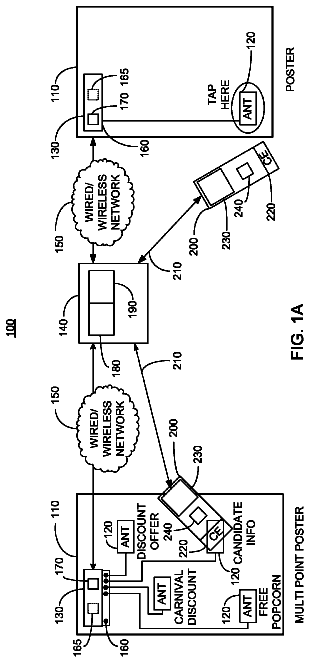
FIG. 1 is a block diagram showing an environment within which methods and systems for facilitating mobile device payments, multimedia capture, calling, and messaging via a mobile and wearable device can be implemented, in accordance with an example embodiment.

FIG. 2 is a block diagram showing a system for facilitating mobile device payments, multimedia capture, calling, and messaging in accordance with an example embodiment.

FIG. 3 is a flow chart illustrating a method for facilitating mobile device payments, multimedia capture, calling, and messaging system in accordance with an example embodiment.

FIG. 4 is a block diagram illustrating a haptic control associated with one touch payment, one tap payment, and one touch service, in accordance with an example embodiment.

FIG. 5 is a block diagram illustrating a haptic input via a haptic control associated with one touch payment, one tap payment, and one touch service, in accordance with an example embodiment.

FIG. 6 is a schematic representation of interfaces for selection of a messaging mode, a calling mode, a multimedia capture mode, and a payment mode, in accordance with an example embodiment.

FIG. 7 illustrates a schematic diagram of providing payment details by a user, in accordance with an example embodiment.

FIG. 8 illustrates a schematic diagram of an interaction of a mobile and wearable device and a merchant device during a payment operation, in accordance with an example embodiment.

FIG. 9 is a block diagram illustrating a multimedia capturing operation using a system for facilitating mobile device payments, multimedia capture, calling, and messaging via a mobile and wearable device, in accordance with an example embodiment.

FIG. 10 is a block diagram illustrating a calling operation using a system for facilitating mobile device payments, multimedia capture, calling, and messaging via a mobile and wearable device, in accordance with an example embodiment.

FIG. 11 is a block diagram illustrating a messaging operation using a system for facilitating mobile device payments, multimedia capture, calling, and messaging via a mobile and wearable device, in accordance with an example embodiment.

FIG. 12 is a diagrammatic representation of a computing device for a machine in the exemplary electronic form of a computer system, within which a set of instructions for causing the machine to perform any one or more of the methodologies discussed herein can be executed.

Detailed description

In the following description, numerous specific details are set forth in order to provide a thorough understanding of the presented concepts. The presented concepts may be practiced without some or all of these specific details. In other instances, well known process operations have not been described in detail so as to not unnecessarily obscure the described concepts. While some concepts will be described in conjunction with the specific embodiments, it will be understood that these embodiments are not intended to be limiting.

Various computer implemented methods and systems for facilitating mobile device payments, multimedia capture, calling, and messaging are described herein. The described system enables a user to select an operation from a list of predetermined operations by varying time of interaction of the user with a display of the mobile and wearable device, such as a smart phone, a smart watch, augmented reality glasses, and the like. More specifically, the user may touch the display for a certain time. Based on the duration of the touching, the operation may be automatically selected from the list of predetermined operations and the selected operation may be initiated. The list of predetermined operations may include a payment operation, a multimedia capture operation, a calling operation, a messaging operation, and any other operation to be performed by the mobile and wearable device.

When the duration of the touch is determined to correspond to the payment operation, the payment operation may be initiated. Upon the initial initiation of the payment operation, the user may be prompted to provide payment details of a payment card of the user. To provide the payment details, the user may capture payment details of the payment card by a camera of the mobile and wearable device, read the payment details from the payment card using a wireless communication, such as an NFC, input the payment details of the payment card manually, download the payment details of the payment card from a cloud storage, and so forth.

When the payment operation is initiated, the user may be prompted to bring the mobile and wearable device into proximity to a payment a merchant device associated with a merchant. The mobile and wearable device and the merchant device may communicate via the NFC. When the NFC is established, the user may be prompt to provide an authentication information, for example, by placing a finger on the display of the mobile and wearable device so that a fingerprint of the user can be scanned. If the scanned fingerprint matches predetermined fingerprints, a one-time code may be generated based on the payment details to encrypt the payment details. The one-time code may be transmitted to the financial organization to perform the payment.

When the duration of the touch is determined to correspond to the multimedia capture operation, the multimedia capture operation may be initiated. Upon initiation of the multimedia capture operation, multimedia may be captured. The duration of the touch may be further analyzed to determine a specific type of the multimedia to be recorded. For example, the duration of 4 to 6 seconds may correspond to the multimedia capture operation, where the duration of 4 seconds may correspond to an image capture operation, the duration of 4.5 seconds may correspond to a video capture operation, the duration of 5 seconds may correspond to an audio capture operation, and the like. Based on the analysis, the specific type of the multimedia may be recorded to a database.

In an example embodiment, upon the initiation of the multimedia capture operation, the video may be captured. The types of the multimedia may be recorded based on processing of the captured video, such as storing a frame of the video as an image, isolating an audio from the captured video, making an animation by storing several frames as images and cycling the images to be shown one after another, reading a text from frames of the video, e.g., by using an optical character recognition, and so forth. Upon storing of the selected multimedia types to the mobile and wearable device or the cloud storage, the video may be deleted from the mobile and wearable device.

In another example embodiment, upon the initiation of the multimedia capture operation, all predetermined types of the multimedia, such as a text, a photo, a sound, a video, an animation, and the like, may be simultaneously captured. One or more captured multimedia types may be stored based on the analysis of the duration of the touch, and non-selected types of multimedia may be deleted from the mobile and wearable device.

When the duration of the touch is determined to correspond to the calling operation, a calling interface may be displayed to the user. Upon selection of a call recipient by the user from a list of call recipients, the call with the selected call recipient may be initiated.

When the duration of the touch is determined to correspond to the messaging operation, a messaging interface may be displayed to the user. Upon selection of a message recipient and typing of a message by the user, the message may be sent to the selected message recipient.

Referring now to the drawings, FIG. 1 illustrates an environment 100 within which a system and a method for facilitating mobile device payments, multimedia capture, calling, and messaging via a mobile and wearable device can be implemented. The environment 100 may include a network 110 , a user 120 , a mobile and wearable device 130 , a merchant 140 , a merchant device 150 , and a system 200 for facilitating mobile device payments, multimedia capture, calling, and messaging. The system 200 may have a distributed architecture including a cloud-based application 160 , and a cloud storage 170 associated with the mobile and wearable device 130 of the user 120 . The mobile and wearable device 130 may include a smartphone, a wearable device (e.g., augmented reality glasses, a smart watch), a tablet computer, a lap top, and so forth.

The merchant device 150 may include a payment terminal, such as a point of sale terminal, a credit card terminal, and any other device that interfaces with payment cards to make electronic funds transfers. The merchant device 150 may be located at a point of sale associated with the merchant 140 .

The user 120 may activate the cloud-based application 160 on the mobile and wearable device 130 using the haptic input. Upon activation of the cloud-based application 160 , the user 120 may put the mobile and wearable device 130 in a proximity to the merchant device 150 to enable connection between the mobile and wearable device 130 and the merchant device 150 . The connection the mobile and wearable device 130 and the merchant device 150 may be established through radio waves, contacts for direct electrical connection, data-strip reading, and so forth. The mobile and wearable device 130 and the merchant device 150 may include one or more of a radio frequency identification chip, an NFC chip, one or more contacts for direct electrical connection, a magnetic data strip, a holographic data strip, and so forth.

Upon establishment of the connection between the mobile and wearable device 130 and the merchant device 150 , a payment request may be sent to a financial organization 190 via the network 110 .

The cloud-based application 160 may be provided on a display of the mobile and wearable device 130 , or may be projected or otherwise displayed by the mobile and wearable device 130 via a web browser or through another way. The cloud-based application 160 may provide to the user 120 a payment, multimedia capture, calling, and messaging interface 180 . The cloud-based application 160 may include a file hosting service, which may offer cloud storage, file synchronization, personal cloud, and client software. The cloud-based application 160 may allow users to create a dedicated folder on their client devices, which synchronize with each other so that it appears to be the same folder (with the same contents) regardless of which client device is used to view it. Files placed in the dedicated folder may be also accessible via a website and mobile applications. A freemium business model may be used for access, where users are offered a free account with a set storage size and paid subscriptions for accounts with more capacity. Additionally, the cloud-based application 160 may provide file sharing, collaborating, and other tools for working with files that are uploaded to its servers. Users can determine how their content can be shared with other users, invite others to view and/or edit an account's shared files, upload documents and photos to a shared files folder, and give other users rights to view shared files.

In some embodiments, the cloud-based application 160 includes a media player, multimedia library, online radio broadcaster, and mobile device management application all in one. Thus, the cloud-based application 160 allows users to play, download, and organize digital audio and video as well as other types of multimedia on client devices via computer, internet-connected device, mobile and wearable devices. Additionally, users may send friends and family multimedia content gift cards from client devices. The gift cards can be provided in a range of denominations, and recipients can choose a desired gift, including music membership or another gift from the cloud store. Through the cloud store, users can purchase and download music, music videos, television shows, audio books, podcasts, movies, and movie rentals, and ring-tones via the cloud-based application 160 . Further, the cloud-based application 160 may be configured to add to, organize and play digital media collection on the client device, as well as synchronize the digital media collection to a portable device.

The payment, multimedia capture, calling, and messaging interface 180 may include a haptic control 402 associated with one touch payment, one tap payment, and one touch service and configured to sense a haptic input of the user 120 . As used herein, the term “one touch payment, one tap payment, and one touch service”, also referred to herein as “one touch service” includes a service provided using the haptic control 402 according which the user may perform any of a payment operation, a multimedia capture operation, a calling operation, and a messaging operation using a single touch or tap of the user on the haptic control 402 , i.e. the user may pay with the single touch and check out with the single touch using the haptic control 402 . The haptic control and the one touch service 402 may include, for example, a one-touch button. The haptic input may include a touch of the user 120 to a specific area of the payment, multimedia capture, calling, and messaging interface 180 associated with the haptic control 402 . In response to user interaction with the haptic control 402 , the cloud-based application 160 may perform an operation, e.g., a payment operation or a multimedia capture operation. When the payment operation is performed, payment details of the user 120 may be accessed in the cloud storage 170 . The payment details may include data of a credit card, debit card, payment card, banking account, virtual currency account, web purse, or another payment facility of the user. The payment details may be encrypted by generating a one-time code to be sent to the financial organization 190 . The payment may include an Internet payment, a scan code payment, a person-to-person payment, a buyer-to-merchant payment, a peer-to-peer payment, an in-application payment, a point-of-sale payment, a mobile payment, a wearable payment, a one-touch buying, and a digital wallet payment, and so forth. The payment details are not stored in the mobile and wearable device 130 . The payment details may be stored in the cloud storage 170 and provided via the cloud-based application 160 in a form of the one-time code only to perform the payment. Thus, the payment details of the user 120 may be protected from a theft or fraud.

Communication between the mobile and wearable device 130 and the cloud storage 170 may be performed via a network 110 . The network 110 may include the Internet or any other network capable of communicating data between devices. Suitable networks may include or interface with any one or more of, for instance, a local intranet, a Personal Area Network, a Local Area Network, a Wide Area Network, a Metropolitan Area Network, a virtual private network, a storage area network, a frame relay connection, an Advanced Intelligent Network connection, a synchronous optical network connection, a digital T1, T3, E1 or E3 line, Digital Data Service connection, Digital Subscriber Line connection, an Ethernet connection, an Integrated Services Digital Network line, a dial-up port such as a V.90, V.34 or V.34bis analog modem connection, a cable modem, an Asynchronous Transfer Mode connection, or an Fiber Distributed Data Interface or Copper Distributed Data Interface connection. Furthermore, communications may also include links to any of a variety of wireless networks, including Wireless Application Protocol, General Packet Radio Service, Global System for Mobile Communication, Code Division Multiple Access or Time Division Multiple Access, cellular phone networks, Global Positioning System, cellular digital packet data, Research in Motion, Limited duplex paging network, Bluetooth radio, or an IEEE 802.11-based radio frequency network. The network 110 can further include or interface with any one or more of an RS-232 serial connection, an IEEE-1394 (Firewire) connection, a Fiber Channel connection, an IrDA (infrared) port, a Small Computer Systems Interface connection, a Universal Serial Bus connection or other wired or wireless, digital or analog interface or connection, mesh or Digi® networking. The network 110 may be a network of data processing nodes that are interconnected for the purpose of data communication.

The systems and methods describe herein may also be practiced in a wide variety of network environments (represented by the network 110 ) including, for example, Transmission Control Protocol/Internet Protocol (TCP/IP)-based networks, telecommunications networks, wireless networks, etc. In addition, the computer program instructions may be stored in any type of computer-readable media. The program may be executed according to a variety of computing models including a client/server model, a peer-to-peer model, on a stand-alone computing device, or according to a distributed computing model in which various functionalities described herein may be effected or employed at different locations.

FIG. 2 is a block diagram showing various modules of a system 200 for facilitating mobile device payments, multimedia capture, calling, and messaging via a mobile and wearable device, in accordance with certain embodiments. Specifically, the system 200 may include a processor 210 , a sensing unit 220 , and a database 230 . Operations performed by each of the processor 210 , the sensing unit 220 , and the database 230 are described below with reference to FIG. 3 .

The description continues in the full USPTO document.

In this description

About 6,222 words. The USPTO PDF has it with every drawing.

Timeline & family

Timeline From USPTO dates

20032006200920122015201820212024Earliest priority dateOct 1, 2002Application filedMay 8, 2017Application publishedAug 24, 2017Patent grantedNov 28, 20173.5-year fee paidMay 28, 20217.5-year fee not paidMay 28, 2025Patent expiredNov 28, 2025

Maintenance fees

Fees are due 3.5, 7.5 and 11.5 years after grant. This patent expired on November 28, 2025, so the fee marked "not paid" was the one that went unpaid.

3.5-year feeDue May 28, 2021Paid
7.5-year feeDue May 28, 2025Not paid
11.5-year feeDue May 28, 2029Never came due

US family 2 documents, by filing date

Published applicationUS 2017/0243195 A1

SYSTEMS AND METHODS FOR MOBILE APPLICATION, WEARABLE APPLICATION, TRANSACTIONAL MESSAGING, CALLING, DIGITAL MULTIMEDIA CAPTURE, PAYMENT TRANSACTIONS, AND ONE TOUCH PAYMENT, ONE TAP PAYMENT, AND ONE TOUCH SERVICE

Filed May 2017 · published Aug 2017
Published application
This documentUS 9,830,589 B2

Systems and methods for mobile application, wearable application, transactional messaging, calling, digital multimedia capture, payment transactions, and one touch payment, one tap payment, and one touch service

Filed May 2017 · granted Nov 2017
Lapsed, fee not paid

Earlier publications, parents and continuations. None of them can still be enforced, or this patent would not be listed.

Sources & verification

Verification

  • The USPTO Official Gazette of January 27, 2026 lists it as expired on November 28, 2025 for an unpaid maintenance fee.
  • It isn't on any reinstatement notice published since.
  • Its 1 US relative has also lapsed, expired or never issued.
  • Rechecked against USPTO records every day.
  • We check US rights only. Check foreign counterparts before selling abroad.

Confirm it yourself

  1. Open the file history on Patent Center.
  2. The status should read "Patent Expired Due to NonPayment of Maintenance Fees Under 37 CFR 1.362".
  3. Check the documents for any later petition to revive or reinstate.

Everything on this page comes from the documents linked above.

More in Software & Apps

All Software & Apps
Drawing from US 9,830,566 B1Lapsed, fee not paid18 drawings
Software & Apps · US 9,830,566 B1

Managing resources in computer systems using action permits

Methods, systems, and apparatus, including computer program products, for regulating access of consumers (e.g., applications, containers, or VMs) to resources and services (e.g., storage).

Filed2014
LapsedNov 2025
OwnerTURBONOMIC, INC.
Drawing from US 9,830,594 B2Lapsed, fee not paid11 drawings
Software & Apps · US 9,830,594 B2

System and method for performing a secure transaction

A secure transaction system constituted of: a two dimensional platform arranged for variable display; at least one antenna arranged to receive a signal from a contactless element, each of the at least one antenna…

Filed2011
LapsedNov 2025
OwnerPing Identity Corporation