 Lapsed, fee not paid1 drawing
Biotech & Lab · US 9,795,655 B2
Modified MT-SP1 proteases that inhibit complement activation
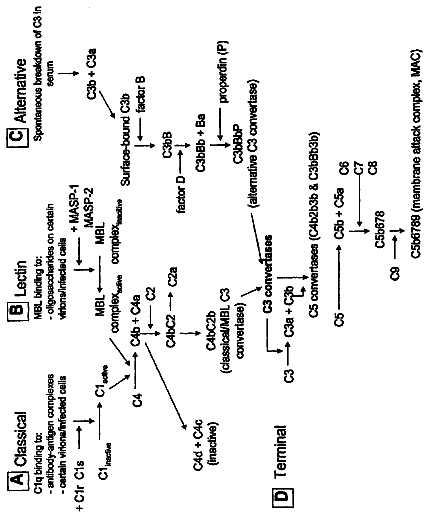
Provided are methods for and compounds for modulating the complement system.
US 9,795,657 B2 · Assignee: CAPTOZYME, LLC · Inventors: Cowley; Aaron et al.
Sheet 1 of 3 from the published document. All sheets in the USPTO PDF
The subject invention relates in one aspect to an oxalate degrading composition, which includes at least one oxalate degrading enzyme. The composition includes an enriched insoluble component of fungal bio sample, and the composition is effective to degrade oxalate at a pH of 1.9 or higher. The composition is protected from protease degradation such as pepsin, trypsin and chymotrypsin. The composition is capable of withstanding the conditions of the stomach, small intestines, and/or large intestines of a subject.
Approximately 3 million people visit health care providers each year for kidney stones. Of those 3 million patients, in the United States more than one half million suffer from kidney stone-related conditions. Kidney stones are a very common and painful urinary tract disorder. The most common type of stone contains calcium in combination with either oxalate or phosphate, in which approximately 70% is calcium oxalate. (Tsujihata, M. Mechanism of calcium oxalate renal stone formation and renal tubular cell injury, Int J Urol 15, 115-120; Daudon, M., Dore, J. C., Jungers, P., and Lacour, B. Changes in stone composition according to age and gender of patients: a multivariate epidemiological approach, Urol Res 32, 241-247.) Many disease states are associated with an excess quantity of oxalate in the body including: primary hyperoxaluria, secondary hyperoxaluria, autism, vulvodynia, oxalosis a
All 3 drawing sheets from the published document, cropped to the drawing.
What the patent claimed, word for word. All of it is now free to use.
Approximately 3 million people visit health care providers each year for kidney stones. Of those 3 million patients, in the United States more than one half million suffer from kidney stone-related conditions. Kidney stones are a very common and painful urinary tract disorder. The most common type of stone contains calcium in combination with either oxalate or phosphate, in which approximately 70% is calcium oxalate. (Tsujihata, M.
Mechanism of calcium oxalate renal stone formation and renal tubular cell injury, Int J Urol 15, 115-120; Daudon, M., Dore, J. C., Jungers, P., and Lacour, B.
Changes in stone composition according to age and gender of patients: a multivariate epidemiological approach, Urol Res 32, 241-247.) Many disease states are associated with an excess quantity of oxalate in the body including: primary hyperoxaluria, secondary hyperoxaluria, autism, vulvodynia, oxalosis associated with end-stage renal disease, cardiac conductance disorders, Crohn's disease, inflammatory bowel disease, colitis, urolithiasis, oxalosis associated with end-stage renal disease, sarcoidosis, asthma, COPD, fibromyalgia, Zellweger syndrome, bariatric surgery and other enteric disease states.
Oxalate is normally produced in plants, and is primarily found in leaves, nuts, fruits and barks. In food products, oxalate is found in high levels particularly in plant foods including: vegetables, cereal grains, nuts, beans and beverages. A typical daily intake of oxalate is between 80-120 mg/day, but can range from 44-350 mg/day. Dietary oxalate may form sodium, potassium or calcium salts in food.
Oxalate may be absorbed throughout the entire gastrointestinal tract (GI tract) including the stomach, and the small and large intestines. Therefore, removal of dietary oxalate in these organs is effective in preventing oxalate absorption. Absorption of dietary oxalate contributes to 10-70% of urinary oxalate secretion, likely a crucial contribution to urinary calcium oxalate supersaturation. (Holmes, R. P., Goodman, H. O., and Assimos, D. G.
Contribution of dietary oxalate to urinary oxalate excretion, Kidney Int 59, 270-276.) It is believed that calcium oxalate supersaturation is the determining driving force of calcium oxalate stone formation. Therefore, by reducing calcium oxalate supersaturation, the risk of stone formation will likely be significantly decreased.
There are very few, if any, treatment strategies known to significantly decrease the risk of stone formation by reducing or eliminating the absorption of dietary oxalate in the system. One way to limit dietary oxalate absorption would be to orally administer oxalate degrading enzymes which come into contact with the stomach and the small and large intestines. The challenge in providing such treatment is the harsh acidic stomach environment, making it difficult for an enzyme to survive and function at a low pH and in a high pepsin activity environment. The small and large intestines also provide a challenging environment for the survival of an enzyme due to the high levels of trypsin and chymotrypsin activity. The pH in the stomach is affected by several factors including individual stomach health-related conditions, and quantity and substance of meals. These factors may result in a broad stomach pH range between 1.9-5.5. The pH in the human stomach is non-homogenous due to the presence of acid pockets. Hence, it is critical to find an oxalate-degrading enzyme that is stable and potent within this acidic pH range to be an effective treatment for humans. Additionally, the oxalate degrading enzyme must be stable within a pH range of 5.5-8.0 that can withstand the conditions of the intestinal tract. The oxalate degrading enzyme must be protected from pepsin digestion in the stomach as well as from trypsin and chymotrypsin in the small and large intestines.
The subject invention provides in one embodiment, an oxalate degrading composition including at least one oxalate degrading enzyme. The composition includes an enriched insoluble component of fungal biosample, and is effective to degrade oxalate at a pH of 1.9 or higher. The term “biosample” as used herein refers to a plurality of cells or cell-containing tissue(s) from a species of interest. In a typical embodiment, a biosample is homogenized or otherwise disrupted so as to break apart or lyse cells in the biosample. OxDC and OxOx are generally found in the insoluble component of cells, i.e. the proteins and other structures (cell wall/membranes) in cells that are not water-soluble. The insoluble component of a biosample can be enriched by removing at least a portion of the water and water-soluble cellular components from the water-insoluble components. Enrichment of the insoluble component can occur by means conventional in the art such as filtration, centrifugation, lyophilization and/or simple drying. In another embodiment, there is provided a method for reducing the amount of oxalate in a subject. The method includes administering a therapeutically effective amount of a composition including at least one oxalate degrading enzyme to the subject. The at least one oxalate degrading enzyme includes an enzyme that is active at a pH level of 1.9-6.3, such that the enzyme degrades soluble oxalate in the digestive tract of the subject.
In another embodiment, there is provided a method for preventing/treating an oxalate-related medical condition in a subject. The method includes administering a therapeutically effective amount of at least one oxalate degrading enzyme containing composition to a subject in need. The oxalate-related medical condition includes one of: primary hyperoxaluria, autism, secondary hyperoxaluria, Crohn's Disease, inflammatory bowel disease, colitis, cardiac conductance disorder, urolithiasis, vulvodynia, bariatric surgery, sarcoidosis, asthma, COPD, fibromyalgia, Zellweger syndrome, oxalosis associated with end-stage renal disease, and other enteric disease states.
In a further embodiment, an article of manufacture including packaging material and an effective amount of oxalate degrading enzyme is provided. The packaging material includes at least one of: pills, candy, sachet, tablet, in bulk, bar, and/or a food additive.
In yet a further embodiment, a method for treating an oxalate-related medical condition is provided. The method includes coadministering to a subject in need of such treatment a therapeutically effective amount of a first composition, wherein the first composition releases enzymes in the stomach of the subject and a second composition, wherein the second composition releases enzymes in the intestinal tract of the subject. The method provides that when the enzymes are released, the first composition degrades oxalate in the stomach, and second composition degrades oxalate in the intestinal tract.
In still a further embodiment, an oxalate degrading composition derived from a fungal source is provided. The composition includes at least a first composition and a second composition. The first composition includes at least one oxalate degrading enzyme, wherein the first composition releases the at least one oxalate degrading enzyme at a pH within a pH range of 1.9-6.3. The second composition includes at least one oxalate degrading enzyme, wherein said second composition releases the at least one oxalate degrading enzyme at a pH within a pH range of 5.5-8.0.
In another embodiment, an article of manufacture comprising packaging material and an effective amount of oxalate degrading enzyme is provided. The article of manufacture includes a first composition, wherein the first composition is operable at a pH within a first pH range. The article of manufacture also includes a second composition, wherein the second composition is operable at a pH within a second pH range. The article of manufacture includes at least a first oxalate degrading enzyme and a second oxalate degrading enzyme.
FIG. 1 shows a graph illustrating the pH activity profile of OxDC from three fungi species at pH 1.9-6.3.
FIG. 2 shows thermal stability of OxDc from three fungi species
FIG. 3 shows a graph illustrating the pH activity profile of OxOx from Bougainvillea buganvilla at pH 5.0-8.5
FIG. 4 pH activity profile for OxDC from Boletus flaviporus, Coprinus cometus , and formulated OxDC from Coprinus cometus
FIG. 5 Soluble oxalate degradation with OxDC from Agrocybe aegerita in 3 food mixture samples with pH values of 2.3, 3.4 and 5.2.
The invention is based on the inventors' pursuit of developing new compositions for degrading oxalate in a subject. OxDC activity has been evaluated in over one-hundred twenty different mushroom species entailed by this invention as provided in Example 2. Many of them are edible or medicinally used mushrooms. OxDC activity from many of these mushroom fungi are stable and active from pH 1.9-2.5, 2.5-3.0, 3.0-3.5, 3.5-4.0, 4.0-4.5, 4.5-5.0, 5.0-5.5, 5.5-6.0 and 6.0-6.3, and protected from pepsin digestion. Furthermore, some strains of fungi are stable and show OxDC activity at temperatures exceeding 70° C. This property is very helpful at predicting stability. Therefore, this present invention comprises these pH and thermally stable oxalate degrading enzymes.
Accordingly, in one embodiment of the subject invention, there is provided an oxalate degrading composition including at least one oxalate degrading enzyme. The composition includes an enriched insoluble component of fungal biosample, and is effective to degrade oxalate at a pH of 1.9 or higher. Another aspect of the subject invention provides a composition in which at least one oxalate degrading enzyme includes an enzyme that is formulated and active at a pH within a pH range of 1.9-5.5, and/or a second enzyme that is active at a pH within a pH range of 5.0-8.0 or a combination of the first and second enzymes. In a more specific embodiment of the subject invention, a composition is included in which the enzyme comprises at least one of: oxalate-oxidase (OxOx), and/or oxalate decarboxylase (OxDC).
Oxalate decarboxylase (OxDC) is an enzyme that degrades oxalate. OxDC compositions disclosed herein typically come from edible or non-poisonous fungi has ideal properties to be a potential therapeutic or medical food or dietary supplement or other treatment strategy as they are stable and active at exemplary pH levels of 1.9-2.5, 2.5-3.0, 3.0-3.5, 3.5-4.0, 4.0-4.5, 4.5-5.0, 5.0-5.5, 5.5-6.0. OxDC compositions of the invention can be intracellular or it may be membrane-bound or otherwise associated with the cell wall. The state of OxDC compositions from pepsin digestion, and is capable of degrading the majority of ingested oxalate in the stomach, the small intestines and the large intestines. OxDC can be prepared from mycelia of fungi grown by fermentation, or from fruit bodies or mushrooms formed by these fungi. These fungal mycelia or cleaned mushrooms or fruit bodies containing OxDC can be made into a solution, powder, or other formulation by means of grinding, mashing, suspending, mixing or other appropriate treatment as known by those skilled in the art. The mycelia, mushroom, or fruit body preparation can then be dried and formulated into tablets or capsules or packaged into sachets or made into bars or made into candy or incorporated into food compositions or other means of appropriate distribution as known by those skilled in the art. In one aspect, the oxalate degrading composition of the subject invention can be taken with meals and oxalate containing snacks. Such a product has a wide application within the calcium oxalate stone-forming population or other conditions related to oxalate in humans and non-humans. Such composition is in one particular aspect designed to degrade non-systemic oxalate, oxalate in the GI tract, notably in the stomach, and prevent exogenous oxalate (e.g. from food) from entering the systemic circulation. In a more specific embodiment, the enzyme is active and stable from pH 1.9-6
According to an alternative embodiment, an oxalate degrading enzyme is active at pH of 3.0-6.5 when found associated to the cell wall but that is active from ph 3.0-7.0 when purified and formulated into particles. According to another alternative embodiment, oxalate degrading enzyme containing composition includes a first enzyme stable and active in the stomach and a second enzyme stable in the stomach but only active in the intestinal tract.
Another class of oxalate degrading enzymes, oxalate-oxidase (OxOx), is expressed in higher plants and fungi and catalyzes the oxygen dependent oxidation of oxalate to CO.sub.2 with concomitant formation of H.sub.2O.sub.2. An aspect of the present invention relates to the many oxalate oxidase (OxOx) enzymes found in plants and fungi that are stable and as described above active at exemplary pH levels of 1.9-2.5, 2.5-3.0, 3.0-3.5, 3.5-4.0, 4.0-4.5, 4.5-5.0 and 5.0-5.5. A particular OxOx enzyme from Bouganvillea buganvillea has been shown to be active from pH 5.5-8.0.
These OxOx and OxDC enzymes can be prepared directly from these plants or fungi or from the genes encoding OxOx and OxDC, respectively, by cloning of these genes, sub-cloning into a recombinant expression system including, but not limited to, E. coli , bacteria, yeast, fungi and mammalian cells by using appropriate procedures commonly accepted.
After purified, the expressed OxOx enzyme can be formulated to resist pepsin digestion in the stomach and trypsin and chymotrypsin in the small and large intestines by various methods including, but not limited to, microencapsulation, attaching to large molecules such as PEG, or by modifying the molecular surface of the OxOx enzyme. The formulated enzyme can be made into, but are not limited to, a tablet, capsule, sachets, candy, bar, or incorporated into other food compositions or other formulations for various modes of distribution. Thus, the present invention relates to a composition, wherein these oxalate-degrading enzymes are embedded in a polymeric material, which protects the enzymes from degradation under gastric conditions. The fungal mycelia or cleaned mushrooms or fruit bodies or plant materials containing OxOx are made into a solution, powder, or other physical appearance by means of grinding, mashing, suspending, mixing or other appropriate treatment as known by those skilled in the art. The mycelia, mushroom, or fruit body preparation, or plant material is then dried and formulated into tablets or capsules or packaged into sachets or or made into bars or made into candy or incorporated into other food compositions or other means of appropriate distribution as known by those skilled in the art.
In another embodiment, an article of manufacture is provided, which includes packaging material and an effective amount of oxalate degrading enzyme. The packaging material comprises at least one of: pills, candy, sachet, tablet, in bulk, bars, and/or a food additive.
In yet a further embodiment, an article of manufacture comprising packaging material and an effective amount of oxalate degrading enzyme is provided. The article of manufacture includes a first composition, wherein the first composition is operable at a pH within a first pH range, and a second composition, wherein the second composition is operable at a pH within a second pH range. The article of manufacture includes at least a first oxalate degrading enzyme and a second oxalate degrading enzyme. The first oxalate degrading enzyme may include a first component of an oral unit, and the second oxalate degrading enzyme may include a second component of an oral unit. The first component of the oral unit may surround the second component of the oral unit, or vice versa. The first pH range includes a pH of 1.9-5.5 and the second pH range includes a pH of 5.5-8.0. In a specific embodiment, the article of manufacture relates to a two-component pill or tablet, wherein a first component is contained within a second component. The term “oral unit” as used herein refers to an individual, predetermined dosage amount in a solid, semi-solid, and/or liquid form of a size and shape suitable for oral administration. Examples of oral units include, but are not limited to, capsules, tablets, pills, liquid suspensions, powders, lozenge, etc. Also, an oral unit can refer to a predetermined amount of a composition provided in an ampoule or packet, or other container that is opened to release its contents for oral administration.
As used herein, the terms “subject” and “patient” are used interchangeably. As used herein, the term “subject” refers to an animal, preferably a mammal such as a non-primate (e.g., cows, pigs, horses, cats, dogs, rats etc.) and a primate (e.g., monkey and human), and most preferably a human.
In alternative embodiments, the present invention relates to OxDC that can be produced by recombinant expression. An aspect of the present invention relates to the many oxalate decarboxylase (OxDC) enzymes found in plants and fungi that are active at exemplary pH levels of 5.0-5.5, 5.5-6.0, and 6.0-6.5. Genes encoding OxDC from these fungi can be cloned and heterogeneously expressed in, but not limited to, E. coli , bacteria, yeast, fungi, or mammalian cells using appropriate procedures commonly accepted by people skilled in the art. Recombinant OxDC that is cloned, subcloned, and expressed by, but not limited to, E. coli , bacteria, yeast, fungi, or mammalian cells can be purified by chromatography methods and many other available methods that are well known by people in the field. The purified OxDC can be further formulated into a product to be protected from pepsin, trypsin and chymotrypsin digestion and achieve other beneficial properties including long shelf lifetime and a broader pH activity profile. Formulation can result in the OxDC enzyme being active from pH levels of 5.0-5.5, 5.5-6.0, 6.0-6.5, and 6.5-7.0.
In another embodiment, the present invention relates to the second class of oxalate degrading enzymes, oxalate oxidase (E.C.1.2.3.4, OxOx), which is expressed in higher order plants. This enzyme catalyzes the oxygen dependent oxidation of oxalate to CO2 and produces H.sub.2O.sub.2 during seed germination or during defense from parasite invasions. Some fungi have been reported to produce this enzyme as well. Indeed, several fungi tested under this invention show OxOx activity. OxOx from several plants and fungi tested under this invention, are stable and active at pH 1.9-5.5, and suitable to degrade dietary oxalate in the human stomach. Other OxOx enzymes from several plants and fungi tested under this invention, are active from pH 5.0-8.5, and suitable to degrade dietary oxalate in the non-human stomach, and small and large intestines.
The present invention relates to the OxOx enzyme from plants and fungi that can be directly prepared from these organisms. Plants or fungi can be grown under conditions to achieve high OxOx content. The manufacturing process can be similar to other food production processes including, but not limited to, cleaning, sanitation, milling, drying and packaging.
In an alternative embodiment, the present invention relates to the OxOx enzyme that can be produced through recombinant expression. Genes encoding OxOx from these plants or fungi can be cloned and heterogeneously expressed in, but not limited to, E. coli , bacteria, fungi or yeast and other kinds of plants. Plants equipped with recombinant OxOx can be used as raw materials in the similar manner as using plants, which express OxOx naturally. Recombinant OxOx expressed by, but not limited to, E. coli , bacteria, fungi or yeast or other appropriate system of expression can be purified with commonly accepted procedures and further formulated into a final product.
In yet another embodiment, the present invention relates to the OxOx or OxDC enzyme dry powder or solution or other physical appearance that can be manufactured into various means of distribution including, but not limited to, tablets, capsules, various kinds of candy or bars, sachets, or directly as a powder.
In another embodiment, a composition is provided in which the at least one oxalate degrading enzyme are derived from cell samples of the following: Dentinum reparandum, Russula virescens, Armillaria tabescens, Cantharellur cinnabarinur, Boletur rubellus var fraternus, Collybia acervata, Crepidotus mollis, Boletur subglabnpes, Boletus ornatipes, Polyporus elegans, Pluteus cervinus, Sderoderma citrinum, Pleurotus ostreatus, Xerula radicata, Telephoro vlalis, Clitocybe, Cortinarius cedretorun, Lactarius indigo, Russula densifolia, Amanita rhopalopus, Clitocybe hydrograma, Amanita gemmata, Cortinarius lewisii, Pleurotus eryngii, Inocybe rimosa, Lactarius atrorividus, Russula cyanoxhanth, Sderoderma polyrhizum, Lentinula edodes, Hypsizygus tessellates, Flammulina velutipes, Leucangia carthusiana, Tuber oregonese, Grifola frondosa, Boletus rubricitrinus, Boletus fraternus, Gyroporus subalbellus, Leucoagaricus americanus, Omphalotus olearius, Coprinus disseminates, Amanita brunnescens, Russula helerophylla, Mycorrhaphium adustum, Armillaria tabescense, Boletus flawporus, Russula pectintoides, Lentinula boryana, Amanita mutabilis, Gyroporus subalbellus 2nd, Collybia peronata, Lactarius corrugis, Rhodocybe, Macrocybe titaus, Collybia, Pluteus, Lactarius yazooensis, Leccinum insigne, Coprinus comatus, Polyporus tuberaster, Agrocybe aegerita, Trametes versicolor, Ganoderma lucidum, Hypsizygus ulmarius, Lentinula edodes (warm), Lentinula edodes (cold), Lentinula edodes (wide range), Russula amoenolens, Lactarius tomentosu , and/or Agaricus blazei . Optimum pH ranges of OxDC and/or OxOx from these select fungi were found between 1.9-6.3. Active pH ranges of OxDC and/or OxOx from these select fungi were found between 1.9-6.3, as noted in Table 1.
TABLE-US-00001 TABLE 1 Optimum and Active pH Ranges of OxDC or OxOx from Select Fungi Names Optimum pH range Active pH range Dentinum repandum 1.9-3.2 1.9-4.3 Russula virescens 1.9-2.7 1.9-4.3 Boletur rubellus var fraternus 1.9-3.2 1.9-4.3 Crepidotus mollis 3.2-4.3 1.9-5.3 Polyporus elegans 1.9-2.7 1.9-3.2 Scleroderma citrinum 1.9-3.2 1.9-5.3 Xerula radicata 2.7-3.2 1.9-5.3 Thelephora vlalis 1.9-2.7 1.9-4.8 Lactarius indigo 1.9-3.2 1.9-4.3 Russula densifolia 1.9-3.2 1.9-4.3 Pleurotus eryngii 3.5-4.5 3.2-5.3 Inocybe rimosa 2.7-3.2 1.9-4.8 Lactarius atrorividus 1.9-3.2 1.9-4.3 Scleroderma polyrhizum 1.9-3.2 1.9-4.3 Lentinula edodes 2.5-3.0 1.9-5.5 Hypsizygus tessellatus 3.5-4.0 2.5-5.5 Hypsizygus tessellatus 3.5-4.0 2.5-5.5 Flammulina velutipes 2.7-4.0 1.9-5.5 Leucangia carthusiana 2.7-4.0 1.9-5.5 Tuber oregonense 2.7-4.0 1.9-5.5 Grifola frondosa 2.7-3.2 1.9-3.2 Boletus rubricitrinus 1.9-2.7 1.9-3.2 Boletus fraternus 1.9-3.2 1.9-5.3 Gyroporus subalbellus 1.9-3.2 1.9-5.3 Leucoagaricus americanus 1.9-3.2 1.9-4.3 Omphalotus olearius 1.9-4.3 1.9-5.3 Coprinus disseminates 2.7-3.2 1.9-4.3 Amanita brunnescens 2.7-3.2 1.9-4.3 Mycorrhaphium adustum 1.9-2.7 1.9-4.3 Armillaria tabescense 2.7-3.2 1.9-4.3 Boletus flaviporus 2.7-5.3 1.9-6.3 Russula pectintoides 1.9-4.3 1.9-5.3 Amanita mutabilis 2.7-3.2 1.9-5.3 Gyroporus subalbellus 2.sup.nd 1.9-3.2 1.9-5.3 Collybia peronata 1.9-3.2 1.9-4.3 Rhodocybe 1.9-3.2 1.9-4.3 Macrocybe titaus 2.7-3.2 1.9-4.3 Lactarius yazooensis 2.7-4.3 1.9-5.3 Leccinum insigne 2.7-3.2 1.9-4.8 Coprinus comatus 3.2-6.0 1.9-6.3 Polyporus tuberaster 1.9-3.2 1.9-4.8 Agrocybe aegerita 2.7-3.7 1.9-6.3 Trametes versicolor 1.9-2.3 1.9-4.3 Ganoderma lucidum 1.9-2.7 1.9-4.5 Hypsizygus ulmarius 3.0-4.0 1.9-6.3 Lentinula edodes (warm) 2.5-3.0 1.9-5.5 Lentinula edodes (cold) 2.5-3.0 1.9-5.5 Lentinula edodes (wide range) 2.5-3.0 1.9-5.5 Agaricus blazei (OxOx) 2.5-3.0 1.9-4.8 Lactarius tomentosu (OxOx) 2.5-3.0 1.9-4.3
In a more specific embodiment, the invention relates to OxDC and/or OxOx from these fungi that can be directly made from mycelia. Mycelia can be produced by fermentation technology. Fermentation processes for growing fungi is well developed and known by people skilled in the art. The fermentation process development includes medium optimization and fermentation process control parameters, optimization to achieve optimum fungal growth, and an induction method optimization to achieve maximum OxDC and/or OxOx production. The medium optimization, fermentation process optimization, and induction process optimization may vary with specific fungal species. It is well known by people in the field, that different fungi may require different medium compositions, temperature, and pH to grow, and require different induction conditions to produce OxDC and/or OxOx, such as pH range. OxDC and/or OxOx produced from these mycelia can be presented as, but not limited to, dry powder, solutions or other physical appearance by means of grinding, mashing, suspending, mixing or other appropriate treatment. After harvesting, these mycelia can be dried and milled into powder or other physical appearance.
In a more particular embodiment, a composition is provided where the at least one oxalate degrading enzyme is obtained from two or more of: Flammulina velutipes, Agrocybe aegerita , and Coprinus comatus , or any combination thereof, wherein the composition is active at a pH of 1.9-6.3.
In an alternative embodiment, a method for reducing the amount of oxalate in a subject is provided. The method includes administering a therapeutically effective amount of a composition including at least one oxalate degrading enzyme to the subject. The at least one oxalate degrading enzyme includes an composition that is active at a pH level of 1.9-6.3, wherein the enzyme degrades soluble oxalate in the digestive tract of the subject. In a more particular embodiment, the therapeutically effective amount of the composition is orally administered to the subject. In a further embodiment, the at least one oxalate degrading enzyme comprises at least one of: oxalate-oxidase (OxOx), and/or oxalate decarboxylase (OxDC).
According to other embodiments, the present invention comprises methods to administer compositions comprising oxalate degrading enzymes to the stomach and later the small and large intestines, and such compositions are useful for degrading dietary oxalate as well as systemic oxalate and aiding in preventing the uptake of oxalate from the stomach and intestinal tract, which provides methods for treatment and prevention of oxalate-related diseases and disorders, such as, e.g., hyperoxaluria, primary hyperoxaluria, idiopathic calcium oxalate kidney stone disease (urothiliasis), and absorptive and enteric hyperoxaluria. The compositions comprise polymeric or copolymeric materials so that the administered enzymes are protected from the protein degradation and/or pH or acidic dependent degradation occurring under gastric conditions of the stomach, i.e. low pH and the presence and activity of pepsin as well as trypsin and chymotrypsin within the small and large intestines.
In specific embodiments, the present invention comprises compositions, wherein the oxalate reducing enzymes are combined in a polymeric material, which protects the enzymes from degradation under gastric conditions and/or also under intestinal conditions. It can be envisaged that this composition may comprise any enzymes or cofactors, and the present invention contemplates compositions that comprise oxalate degrading enzymes, such as, oxalate decarboxylase, oxalate oxidase, or a combination of oxalyl-CoA decarboxylase and formyl CoA transferase, or a combination of any of these.
Since there is evidence indicating that absorption of dietary oxalate has a significant contribution to urinary calcium oxalate supersaturation, any treatment strategy that significantly reduces the absorption of dietary oxalate in stone formers is likely to decrease the risk of stone formation. Clinical trials with calcium supplemented diets, to bind oxalate and thus limit oxalate absorption, have showed a reduction in the absorption of dietary oxalate. However, this likely results in more calcium absorption from the diet and thus an increased risk of stone formation in certain individuals. The inventors have discovered that embodiments of the invention possess the ability to avoid modifying urinary chemistry parameters such as pH or calcium concentration; thereby, reducing risks of uric acid or phosphate stone formation.
O. formigenes , an anaerobic organism that colonizes the large intestine of animals and humans and uses oxalate as its sole energy source, has been evaluated as a therapeutic to treat primary hyperoxaluria. However, the mode of action of O. formigenes prevents it from acting as a dietary oxalate intercept. Therefore, OxDC from Bacillus subtilis was evaluated to reduce dietary oxalate. Reduction of dietary oxalate absorption by using this enzyme has been tested in mice, rats and healthy human volunteers. Urinary oxalate from both mice and rats was significantly lower (˜50%) than controls, but there was no significant urinary oxalate reduction in a double-blind placebo-controlled healthy human volunteer dose escalation study. A likely explanation, is that the enzyme is inactivated in the human stomach due to the acidic environment of the stomach. This argument is supported by the fact that the fasted rat stomach is ˜pH 4.0, while the fasted human stomach is ˜pH 1.5.
After meal consumption, the human stomach pH increases to a broad pH range of 2.0-5.5, which varies with meal contents and amounts, individual stomach conditions, and the amounts of stomach juice in the stomach. Further, its widely regarded that the pH is non-homogenous due to acid pockets, meaning the pH in places close to acid pockets may be far lower than the average pH of the stomach. OxDC from Bacillus subtilis loses its activity in less than one minute when exposed to a pH 3.0 or lower.
Therefore, to be an effective treatment for humans or non-humans it is crucial for oxalate-degrading enzymes to be stable, pepsin resistant, trypsin resistant, and/or chymotrypsin resistant and active, degrade most available (5-10, 10-20, 20-30, 30-40, 40-50, 50-60, 60-70, 70-80, 80-90, or 90-100%) ingested oxalate in the stomach within the gastric emptying time, at this acidic pH range of 1.9-2.5, 2.5-3.0, 3.0-3.5, 3.5-4.0, 4.0-4.5, 4.5-5.0, 5.0-5.5, 5.5-6.0 and 6.0-6.3 to cover the majority of situations that are likely to occur in the human or non-human stomach and duodenum to be an effective treatment for humans and non-humans. Furthermore, at low pH, more oxalate is soluble and available for absorption. Thus, an enzyme, which is stable, protease (pepsin, trypsin, chymotrypsin etc) resistant, and active at low pH is crucial to be able to reduce soluble oxalate in the stomach and duodenum acidic environments of humans and non-humans and hence decrease oxalate absorption.
According to other embodiments, the present invention comprises compositions of the two classes of oxalate-degrading enzymes that may be stable and active from pH 2.0-5.5 and/or pH 5.0-8.5, oxalate decarboxylase and oxalate oxidase. Oxalate decarboxylase (EC 4.1.1.2), requires a catalytic amount of oxygen to convert oxalate to formate and carbon dioxide and is widely distributed in bacteria and fungi. OxDC from B. subtilis is the most studied bacterial OxDC. The enzyme is encoded by the YvrK gene in B. subtilis . The gene was cloned and expressed in E. coli , and was demonstrated to be potent at degrading oxalate. Recombinant OxDC has been well characterized by biophysical and biochemical analysis as well as x-ray crystallography. However, this specific OxDC is unstable at pH below 3.2, making it difficult to remain folded and capable to degrade dietary oxalate within the human stomach. Studies of bacterial oxalate decarboxylase at enzymology level are largely limited to the YvrK gene product, but a search of Pubmed with the term “oxalate decarboxylase” revealed 490 entities from bacteria and 172 entries from fungi as of Nov. 8, 2010, indicating an abundance of genes encoding OxDC or putative OxDC throughout bacteria. OxDC is widely distributed in the fungal kingdom as well. From the hundred and twenty or more fungal species tested in this invention, the majority were found to contain oxalate-degrading activity (specifically OxDC activity). Even for those, which did not show OxDC activity as evaluated under the tests outlined in this invention, they may contain oxalate-degrading activity as well, if considering that their oxalate-degrading activity might be lost during the material production or storage, or if the oxalate-degrading enzymes are only expressed under certain phases of its life cycle. This observation is further supported by literature that a search of Pubmed with the term “oxalate decarboxylase” revealed 172 entities from fungi as of Nov. 8, 2010, further indicating that OxDC is a common enzyme in the fungal kingdom. Some of the OxDC enzymes and the products of these genes may be stable and active in the pH range of 1.9-2.5, 2.5-3.0, 3.0-3.5, 3.5-4.0, 4.0-4.5, 4.5-5.0 and 5.0-5.5, or be stable and active in the pH range of 5.0-5.5, 5.5-6.0, 6.0-6.5, 6.5-7.0, 7.0-7.5, and 7.5-8.0. Therefore, this present invention comprises compositions containing such stable oxalate degrading enzymes.
Determination of a Therapeutically Effective Dose
An oxalate-degrading composition embodiment of the invention is administered in a desired amount, such as an amount that is sufficient to degrade substantially all oxalate normally present in a standard meal. Depending on the food choices, an average Western diet can contain 100 to 300 mg of oxalate/day.
A therapeutically effective amount may comprise an amount of activity units of oxalate-reducing enzyme activity that will reduce a portion of the oxalate present, or a level of activity units of oxalate-reducing enzyme activity that will initiate a reduction in the amount of oxalate or maintain a lowered amount of oxalate in the individual, compared to the amount of oxalate present before administration of the composition. The number of activity units of oxalate-reducing enzyme activity that can be used in a single dose composition can range from about 0.0001 units to about 10,000 units, from about 5 units to 100 units, from 0.05 to 50 units, to 0.5 to 500, from about 0.01 units to about 50 units, from about 0.01 units to about 5 units, from about 1 units to about 100 units, from about 25 units to about 50 units, from about 30 units to about 100 units, from about 40 units to about 120 units, from about 60 units to about 15, from about 50 units to about 100 units, from about 100 units to about 500 units, from about 100 units to about 300 units, from about 100 units to about 400 units, from about 100 units to about 10,000 units, from about 1,000 units to about 5,000 units, from about 2,500 units to about 10,000 units, from about 0.001 units to about 2,000 units and all ranges encompassed therein. A unit of the enzyme is the amount of enzyme that will degrade one micromole of oxalate per minute at 37° C. Also, the unit ranges above relate to the number of units per gram of composition.
Additionally, a composition according to the present invention may comprise enzymes that comprises modifications or mutations, including, but not limited to, chimeras formed using domains comprising the oxalate degrading active site of an oxalate reducing enzyme, or peptide fragments notably those comprising of the active sites; modifications or mutations, including but not limited to, deletions, insertions, replacements, reversions, mutations for increased activity, substitution of naturally occurring amino acids with non-natural amino acids, or other modifications known to those skilled in the art.
Compositions which exhibit large therapeutic indices are generally desired. The data obtained from cell culture assays and animal studies are used in formulating a range of dosage for human use. The dosage contained in such compositions is preferably within a range of circulating concentrations that include the ED.sub.50 with little or no toxicity. The dosage varies within this range depending upon the dosage form employed, sensitivity of the patient, and the route of administration.
The exact dosages used in method embodiments can be adjusted, in light of factors related to the subject that requires treatment, to provide sufficient levels of the active ingredient or to maintain the desired effect. Factors which can be taken into account include the severity of the disease state, general health of the subject, age, weight, and gender of the subject, diet, time and frequency of administration, drug combination(s), reaction sensitivities, and tolerance/response to therapy. Long-acting pharmaceutical compositions can be administered every 3 to 4 days, every week, or once every two weeks depending on the half-life and clearance rate of the particular formulation.
In certain embodiments, normal dosage amounts can vary from 0.1 to 100,000 micrograms, up to a total dose of about 50 g, depending upon the route of administration. Guidance as to particular dosages and methods of delivery is provided in the literature and generally available to practitioners in the art. Those skilled in the art will employ different formulations for nucleotides than for proteins or their inhibitors. Similarly, delivery of polynucleotides or polypeptides will be specific to particular cells, conditions, locations, etc.
Compositions and Administration
The invention provides compositions which can be administered to a patient to achieve a therapeutic effect. Compositions of the invention can comprise, for example, oxalate-oxidase (OxOx), and/or oxalate decarboxylase (OxDC). The compositions can be administered alone or in combination with at least one other agent, such as stabilizing compound, which can be administered in any sterile, biocompatible pharmaceutical carrier, including, but not limited to, saline, buffered saline, dextrose, and water. The compositions can be administered to a patient alone, or in combination with other agents, drugs or hormones. As noted above, composition embodiments may comprise polymeric or copolymeric materials so that the administered enzymes are further protected from the protein degradation and/or pH or acidic dependent degradation occurring under gastric conditions of the stomach, i.e. low pH and the presence and activity of pepsin.
In addition to the active ingredients, these pharmaceutical compositions can contain suitable pharmaceutically acceptable carriers comprising excipients and auxiliaries which facilitate processing of the active compounds into preparations which can be used pharmaceutically. Compositions of the invention are typically administered via oral administration, but it is conceived that other routes of administration might be developed as well, including, but not limited to, intravenous, intramuscular, intra-arterial, intramedullary, intrathecal, intraventricular, transdermal, subcutaneous, intraperitoneal, intranasal, parenteral, topical, sublingual, or rectal means. Compositions designed for oral administration can be formulated using pharmaceutically acceptable carriers well known in the art in dosages suitable for oral administration. Such carriers enable the pharmaceutical compositions to be formulated as tablets, pills, dragees, capsules, liquids, gels, syrups, slurries, suspensions, and the like, for ingestion by the patient.
The description continues in the full USPTO document.
About 5,925 words. The USPTO PDF has it with every drawing.
Fees are due 3.5, 7.5 and 11.5 years after grant. This patent expired on October 24, 2025, so the fee marked "not paid" was the one that went unpaid.
Methods and Compositions for Treating Oxalate-Related Conditions
Filed Nov 2010 · published May 2013Methods and compositions for treating oxalate-related conditions
Filed Nov 2010 · granted Oct 2017Earlier publications, parents and continuations. None of them can still be enforced, or this patent would not be listed.
Prior art cited by the examiner or applicant. Useful when you check your own idea for novelty.
Everything on this page comes from the documents linked above.