 Lapsed, fee not paid3 drawings
Medical Devices · US 9,795,512 B2
Measuring module including an interface for coupling to a laser device
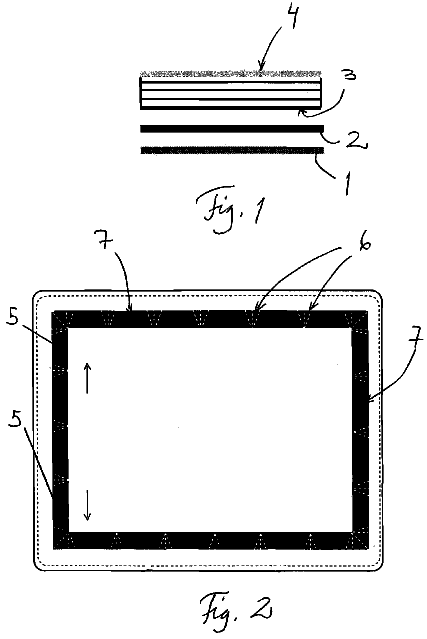
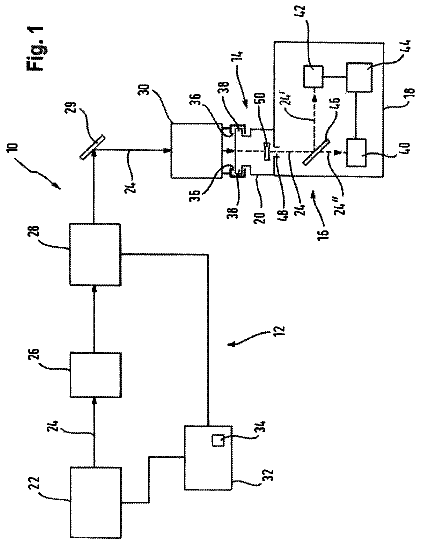
An apparatus for laser-assisted eye treatment comprises a laser device and first and second accessory modules.
US 9,795,642 B2 · Assignee: TEMPLE UNIVERSITY—Of The Commonwealth System of Higher Education · Inventors: Stevens; Roy H. et al.
Sheet 1 of 15 from the published document. All sheets in the USPTO PDF
Bacteriophages are provided that infect strains of Enterococcus faecalis , an opportunistic bacterial pathogen that causes human disease. Also provided are methods of treating Enterococcus faecalis by therapeutic administration of such bacteriophages.
E. faecalis , and closely related species, such as E. faecium , have emerged as significant human pathogens, being major etiologic agents of infectious endocarditis, nosocomial infections, burn infections, urinary tract infections, meningitis, and surgical wound infections (Lerwis & Zervos, Eur J. Clin Microbiol Infect Dis 9(2): 111-117, 1990; Moellering Jr., Clin. Infect. Dis. 14(6): 1173-1176, 1992; Megran, Clinical Infect. Dis. 15: 63-71, 1992; Emori & Gaynes, Clin. Microbiol. Rev. 6(4): 428-442, 1993; Jett et al., 1994; Edgeworth et al., Crit. Care Med. 28(8): 1421-1428, 1999; Richards et al., Infection Control Hosp. Epidemiol. 21(8): 510-515, 2000; NNIA System, Am J Infect Control, 32: 470-485, 2004; Biedenbach et al., Diagn. Microbiol. Infect. Dis. 50: 59-69 2004; Linden, Semin. Respir. Crit. Care Med. 28: 632-645, 2007). In terms of oral disease, E. faecalis is the most commonly i
1 of 15 drawing sheets so far from the published document, cropped to the drawing. Every sheet is in the USPTO PDF.
What the patent claimed, word for word. All of it is now free to use.
The instant application contains a Sequence Listing which has been submitted in ASCII format via EFS-Web and is hereby incorporated by reference in its entirety. Said ASCII copy, created on Mar. 21, 2014, is named 035926_0479_00_WO_SL.txt and is 256,052 bytes in size.
The invention relates to bacteriophages that infect strains of Enterococcus faecalis , an opportunistic bacterial pathogen that causes human disease, and therapeutic uses thereof.
E. faecalis , and closely related species, such as E. faecium , have emerged as significant human pathogens, being major etiologic agents of infectious endocarditis, nosocomial infections, burn infections, urinary tract infections, meningitis, and surgical wound infections (Lerwis & Zervos, Eur J. Clin Microbiol Infect Dis 9(2): 111-117, 1990; Moellering Jr., Clin. Infect. Dis. 14(6): 1173-1176, 1992; Megran, Clinical Infect. Dis. 15: 63-71, 1992; Emori & Gaynes, Clin. Microbiol. Rev. 6(4): 428-442, 1993; Jett et al., 1994; Edgeworth et al., Crit. Care Med. 28(8): 1421-1428, 1999; Richards et al., Infection Control Hosp. Epidemiol. 21(8): 510-515, 2000; NNIA System, Am J Infect Control, 32: 470-485, 2004; Biedenbach et al., Diagn. Microbiol. Infect. Dis. 50: 59-69 2004; Linden, Semin. Respir. Crit. Care Med. 28: 632-645, 2007). In terms of oral disease, E. faecalis is the most commonly isolated species from infected root canals of teeth that fail to heal following root canal therapy (Sundqvist et al., Oral Surg. Oral Med. Oral Pathol. Oral Radiol. And Endod. 85(1): 86-93, 1998; Peciuliene et al., J. Endod. 26(10): 593-595, 2000; Pinheiro et al., Int. Endod. J. 36: 1-11, 2003; Siqueira Jr. & Rôças, Oral Surg. Oral Med. Oral Pathol. Oral Radiol. Endod. 97: 85-94, 2004; Stuart et al., J. Endod. 32(2): 93-98 2006; Zoletti et al., J Endod. 32(8): 722-726 2006).
The existing standard treatment for infections, including those due to enterococci, continues to involve the use of antibiotics. In the case of severe enterococcal infections, the regimen typically includes a cell wall active antibiotic, such as a penicillin or cephalosporin plus an aminoglycoside such as streptomycin (Megran, CID 15:63-71, 1992; Noskin, J Lab Clin Med 130:14-20, 1997). As resistance to these drugs became more common, vancomycin replaced these antibiotics as the drug of choice for treating these infections.
Complicating management of these infections is the development of resistance among many Enterococcal strains against many of the available, previously effective antibiotics, including vancomycin (Harvard et al., Br. Med. J. 1: 688-689, 1959; Murray & Mederski-Samaroj, J. Clin. Invest., 72: 1168-1171, 1983; Uttley et al., Lancet , i: 57-58, 1988; Grayson et al., Antimicrob. Agents Chemother., 35: 2180-2184, 1991; Bonten et al., Lancet Infect. Dis. 1: 314-325, 2001; Tenover & McDonald, Curr. Opin. Infect. Dis. 18: 300-305, 2005). With the appearance of vancomycin resistant enterococci (VREs) that were also resistant to the previously used antibiotics, combinations of vancomycin and quinolone type antibiotics, such as ciprofloxacin, were used, however, quinolone-resistant enterococcal strains also appeared. Although a modest number of new antibiotics, such as linezolid and daptomycin, have been developed to provide treatment alternatives in cases of infection by organisms that are resistant to all previously available antibiotics, there have been numerous reports of resistance by E. faecalis and E. faecium strains to these antibiotics as well (Eliopoulos et al., Antimicrob. Agents Chemother., 45(5): 1088-1092, 1998; Prystowsky et al., Antimicrob. Agents Chemother., 45(7): 2154-2156, 2001; Gonzales et al., Lancet 357(9263): 1179, 2002; Herrero et al., N Eng J Med 346: 867-860, 2002; Johnson et al., Int. J. Antimicrob. Agents 24: 315-319, 2004; Munoz-Price et al., Clin. Infect. Dis., 41: 565-566, 2005; Kanafani et al., Scand. J. Infect. Dis., 39(1): 75-77, 2007; Hidron et al., J Antimicrob. Chemother., 61(6): 1394-1396, 2008; Marshall et al., Microbe, 4(5): 231-238, 2009; Kelesidis et al., Clin. Infect. Dis., 52: 228-234, 2011; Ross et al., J. Chemother., 23(2): 71-76, 2011; Ntokou et al., Antimicrob. Chemother. 67(8): 1819-1823, 2012). Therefore, alternative approaches to manage these infections are desired.
Bacteriophages are bacterial viruses that infect bacterial cells. During their infectious cycle within a host cell, the bacterial virus produces enzymes that will lead to the lysis of the cell and release of progeny virus particles. Harnessing this capacity of the bacteriophage to lyse and kill the host cell may provide a means of controlling antibiotic resistant bacterial infections. This approach, of using bacteriophages to treat and control bacterial infections has several advantages. Bacteriophages are highly specific in that they are only infectious for bacterial cells, and have no capacity for infecting cells of higher life forms such as mammals. In fact, they are so specific that the host range of any one bacteriophage is typically a single bacterial species, or at most, a few closely related bacterial species. Therefore, the effect of any one bacteriophage is limited to a very narrow portion of a mixed bacterial population. This provides an impact on the pathogenic bacteria while leaving the normal bacterial population unaffected. Both antibiotic sensitive and antibiotic resistant bacterial strains can be vulnerable to bacteriophage infection. In addition, in contrast to conventional antibiotics which decrease in concentration in the body after administration, bacteriophage titer can increase after administration, due to proliferation of the virus in the targeted host cell.
The therapeutic potential of bacteriophages was tested in 1919 by d'Herelle, who showed that bacteriophage preparations could be used to successfully treat cases of dysentery (described in Chanishvili, Advances in Virus Res. 83: 3-40, 2012). Further work continued, particularly in eastern Europe, on the use of bacteriophages (“phages”) to treat infectious diseases (Barrow, J Chem Technol Biotechnol 76: 677-682, 2001; Duckworth and Gulig Biodrugs, 16(1): 57-62, 2002, Petty et al. TRENDS in Biotechnol., 25(1): 7-15, 2006; Chanishvili, supra). With the advent of antibiotics in the 1940s, this line of research (phage therapy) fell by the wayside in the west since antibiotics were remarkably effective in combating many bacterial infections. However, in eastern Europe, where availability of antibiotics was limited, research into phage therapy continued, particularly in the Soviet Union, Georgia, and Poland. Here, the therapeutic use of phages became an accepted modality for treating a wide variety of bacterial infections.
Since the 1980s, as antibiotic resistance in pathogenic bacteria began to develop, and become more common in the West, there has been a resurgence in interest in using phages to treat human and animal infections (Summers, Annu. Rev. Microbiol. 55: 437-451, 2001, Alisky et al., J. of Infec. 36: 5-15, 1998, Pirisi, Lancet. 356: 1418, 2000; Ho, Perspectives in Biology and Medicine, 44(1): 1-16, 2001; Merril et al., Naure Revs. Drug Disc. 2: 489-497, 2003; Bradbury, Lancet. 363: 624-625, 2004; Dixon, Lancet Infect Dis. 4: 186, 2004; Schoolnik et al., Nature 22(5): 505-506, 2004; Thiel, Nature 22(1): 31-36, 2004; Skurnik and Strauch, Int. J. Med. Microbiol. 296: 5-14, 2005).
Several recent studies report successful implementation of phage therapy (using either infectious bacteriophages or phage products) in modifying bacterial infections in animals by Acinetobacter baumanii, Escherichia coli , group A streptococci, Enterococcus faecium, Bacillus anthracis , and Pseudomonas aeruginosa (Soothill, J. Med. Microbiol. 37: 258-261, 1992; Merril et al., Proc. Natl. Acad. Sci. USA. 93: 3188-3192, 1996; Nelson et al., Proc. Nat. Acad. Sci. 98(7): 4107-4112, 2001; Biswas et al., Infect. Immun. 70(1): 204-210, 2002; Schuch et al., Nature 418: 884-889, 2002; Watanabe et al., Antimicrob. Agents Chemother. 51: 446-452, 2007). In this regard, it is significant to note that in a study reported by Smith and Huggins, J Gen Microbiol 128: 307-318 (1982), a single intramuscular (IM) dose of phage was more effective in protecting mice from normally lethal IM or intracerebral injections of Escherichia coli or Salmonella enterica , than multiple IM injections of antibiotics such as tetracycline, ampicillin, chloramphenicol, or trimethoprim plus sulfisoxazole. In addition, in the first controlled trial of phage therapy in humans, it was shown that a cocktail of six Pseudomonas aeruginosa bacteriophages effectively treated antibiotic-resistant chronic otitis (Wright et al, Clin. Otolaryngol. 34: 349-357, 2009).
In terms of phage therapy to treat E. faecalis infections, there has been relatively little reported. In 2004, Paisano et al., Oral Microbiol Immunol, 19: 327-330 reported that they could reduce the level of infection of a single E. faecalis strain in an infected dental root canal (in vitro), to an undetectable level, using a bacteriophage preparation. However, the bacteriophage used in this study was not characterized in any way (no morphological description, no genomic analysis).
Isolation of a bacterial virus (phage φEF24C) that could protect mice from otherwise lethal doses of E. faecalis has been reported (Uchiyama et al., FEMS Microbiol Lett. 278: 200-206, 2008; Uchiyama et al., Appl Environ Microbiol. 74(13): 4149-4163, 2008). This bacteriophage was reported to have a broad range of activity against many strains of E. faecalis , and have no untoward effects on the mice. This phage was well characterized and could be described as follows: φEF24C has a contractile tail, giving it the morphology of a Myovirdae type bacteriophage. Its genome consisted of a linear, double stranded DNA, 142,072 by in length, with an estimated 221 ORFs and 5 tRNA genes.
Other strategies for exploiting bacteriophages for controlling E. faecalis infections involve the use of lytic enzymes produced by the viruses to lyse and kill the bacterial cells. The cell lysis produced by these enzymes is needed by the virus in order to allow the release of progeny viral particles from the infected cells. The strategy for exploiting these bacteriophage-specified lytic enzymes involves the cloning and expression of the genes for these enzymes, followed by the purification of the expressed proteins. One such lytic enzyme, active against strains of E. faecalis (as well as strains of E. faecium , and several Streptococcus species), has reportedly been isolated from E. faecalis bacteriophage φ1 (Yoong et al., J Bacteria 186(145): 4808-4812, 2004). The bacteriophage source of this enzyme, phage φ1, was described as a Myoviridae morphotype; that is, a bacteriophage with a contractile tail. A second report of a bacteriophage lytic enzyme active against strains of E. faecalis came from Son et al., Appl. Microbiol. 108: 1769-1779 (2010). Here, the gene for a putative lytic enzyme specified by E. faecalis bacteriophage EFAP-1 was cloned, and expressed, and the gene product was purified. The purified phage protein was found to have lytic activity against numerous strains of E. faecalis and E. faecium . Bacteriophage EFAP-1, the source of the lytic enzyme described by Son et al., had the non-contractile tail structure of a Siphovirdae morphotype. EFAP-1 had a 21,115 bp genome containing 24 ORFs.
Several other bacterial viruses that infect strains of E. faecalis have been reported. These include: Bacteriophages φFC1 (Yang et al., J. Bacteriol. 184: 1859-1864, 2002), F4 (Nigutova et al., Folio Microbiol. 53(3): 234-236, 2008), phages 31, 42, 54, and 70 (Mazaheri Nezhad Fard et al., Curr Microbiol. 60: 400-406, 2010), VD13 (Ackermann et al., Can. J. Microbiol., 21: 571-574, 1975), phages 1 and 2 (Rogers and Sarles, J. Bacteriol. 85: 1378-1385, 1963), SAP6 (Lee and Park, J. Virol. 86(17): 9538-9539, 2012), BC-611 (Horiuchi et al., J. Virol. 86(17): 9538-9539, 2012), and phages φFL1A, φFL1B, φFL1C, φFL2A, φFL2B, φFL3A, φFL3B and φFL4A (Yasmin et al., J. Bacteriol. 192(4): 1122-1130, 2010). In addition several unnamed E. faecalis bacteriophages have been reported (Natkin, Arch Oral Biol. 12(5): 669-680, 1967, Timperley et al., J. Pathol. Bacteriol. 9: 631-634, 1966, Follett et al., J. Gen. Virol. 1: 281-284, 1967, Letkiewicz et al., Folio Microbiol. 54: 457-461, 2009, and Bachrach et al., Lett. Appl. Microbiol. 36: 50-53, 2003). However, none of these have been proposed for use in phage therapy.
φEf11 is a temperate bacteriophage that was induced from a lysogenic root canal isolate of Enterococcus faecalis (Stevens et al., Oral Microbiol. Immunobiol., 24: 278-284, 2009). φEf11 prophage is widely disseminated among strains of E. faecalis . It is a member of the Siphoviridae family, with a long (130 nm) non-contractile tail and a small (41 nm diameter) spherical/icosahedral head. The phage produces small, turbid plaques in lawns of E. faecalis JH2-2. The φEf11 DNA has been sequenced and annotated, disclosing a genome of 42,822 base pairs encoding 65 Open Reading Frames (Stevens et al., FEMS Microbiol. Lett., 317: 9-26, 2011, incorporated herein by reference; GenbankGQ452243.1, incorporated herein by reference).
The φEf11 genome is shown in FIG. 10 . The numbered arrows indicate ORFs. The ORF numbering scheme in FIG. 10 corresponds to the numbering system contained in Stevens et al., 2011, supra. ORFs 25-29 are involved in host cell lysis.
φEf11 possesses several characteristics making it a favorable candidate virus to be used in phage therapy: There are no toxin-related genes detected in the φEf11 genome, and it encodes several (4-6) genes encoding proteins with lysis-associated functions (Stevens et al., 2011, supra). However, as a temperate virus that has a very limited host range, and is difficult to propagate, wild-type φEf11 would not be suitable as a potential therapeutic agent.
Moreover, since φEf11 is a temperate bacteriophage, it possesses a module of genes that allows it to integrate its DNA into the host cell chromosome rather than initiating a productive infection and lysing the infected cell. The bacteriophage DNA can remain in this integrated state indefinitely, and the infected cell (a lysogen) will survive and continue to multiply. Furthermore, regulatory elements in the φEf11 genome whose activation is required for the development of a productive/lytic infection within the cell, are inactivated by a protein (repressor) produced by one of the lysogeny-related genes. Therefore, lysogenic cells producing this repressor are immune to super infection by φEf11, and would consequently survive exposure to this virus. This further limits the utility of φEf11 as therapeutic agent SUMMARY OF THE INVENTION
Provided is a bacteriophage capable of infecting and lysing an Enterococcus faecalis bacterium, said bacteriophage having a genome comprising:
(A) the following ORFs with the corresponding Protein ID Numbers from Genbank Accession Number GQ452243.1 , or having the following nucleic acid sequence:
(a) ORF 2, encoding the amino acid sequence of SEQ ID NO: 28, corresponding to Protein ID Number YP 003358792.1;
(b) ORF 3, encoding the amino acid sequence of SEQ ID NO: 29, corresponding to Protein ID Number YP 003358793.1;
(c) ORF 4, encoding the amino acid sequence of SEQ ID NO: 30, corresponding to Protein ID Number YP 003358794.1;
(d) ORF 5, encoding the amino acid sequence of SEQ ID NO: 31, corresponding to Protein ID Number YP 003358795.1;
(e) ORF 6, encoding the amino acid sequence of SEQ ID NO: 32, corresponding to Protein ID Number YP 003358796.1;
(f) ORF 7, encoding the amino acid sequence of SEQ ID NO: 33, corresponding to Protein ID Number YP 003358797.1;
(g) ORF 8, encoding the amino acid sequence of SEQ ID NO: 34, corresponding to Protein ID Number YP 003358798.1;
(h) ORF 9, encoding the amino acid sequence of SEQ ID NO: 35, corresponding to Protein ID Number YP 003358799.1;
(i) ORF 10, encoding the amino acid sequence of SEQ ID NO: 36, corresponding to Protein ID Number YP 003358800.1;
(j) ORF 11, encoding the amino acid sequence of SEQ ID NO: 37, corresponding to Protein ID Number YP 003358801.1;
(k) ORF 12, encoding the amino acid sequence of SEQ ID NO: 38, corresponding to Protein ID Number YP 003358802.1;
(l) ORF 13, encoding the amino acid sequence of SEQ ID NO: 39, corresponding to Protein ID Number YP 003358803.1;
(m) ORF 14, encoding the amino acid sequence of SEQ ID NO: 40, corresponding to Protein ID Number YP 003358804.1;
(n) ORF 15, encoding the amino acid sequence of SEQ ID NO: 41, corresponding to Protein ID Number YP 003358805.1;
(o) ORF 16, encoding the amino acid sequence of SEQ ID NO: 42, corresponding to Protein ID Number YP 003358806.1;
(p) ORF 17, encoding the amino acid sequence of SEQ ID NO: 43, corresponding to Protein ID Number YP 003358807.1;
(q) ORF 18, encoding the amino acid sequence of SEQ ID NO: 44, corresponding to Protein ID Number YP 003358808.1;
(r) ORF 19, encoding the amino acid sequence of SEQ ID NO: 45, corresponding to Protein ID Number YP 003358809.1;
(s) ORF 20, encoding the amino acid sequence of SEQ ID NO: 46, corresponding to Protein ID Number YP 003358810.1;
(t) ORF 21, encoding the amino acid sequence of SEQ ID NO: 47, corresponding to Protein ID Number YP 003358811.1;
(u) ORF 22, encoding the amino acid sequence of SEQ ID NO: 48, corresponding to Protein ID Number YP 003358812.1;
(v) ORF 23, encoding the amino acid sequence of SEQ ID NO: 49, corresponding to Protein ID Number YP 003358813.1;
(w) ORF 24, encoding the amino acid sequence of SEQ ID NO: 50, corresponding to Protein ID Number YP 003358814.1;
(x) ORF 25, encoding the amino acid sequence of SEQ ID NO: 51, corresponding to Protein ID Number YP 003358815.1;
(y) ORF 26, encoding the amino acid sequence of SEQ ID NO: 52, corresponding to Protein ID Number YP 003358816.1;
(z) ORF 27, encoding the amino acid sequence of SEQ ID NO: 53, corresponding to Protein ID Number YP 003358817.1;
(aa) ORF 28, encoding the amino acid sequence of SEQ ID NO: 54, corresponding to Protein ID Number YP 003358818.1;
(bb) ORF 29, encoding the amino acid sequence of SEQ ID NO: 55, corresponding to Protein ID Number YP 003358819.1;
(cc) ORF 30, encoding the amino acid sequence of SEQ ID NO: 56, corresponding to Protein ID Number YP 003358820.1;
(dd) ORF 37, encoding the amino acid sequence of SEQ ID NO: 63, corresponding to Protein ID Number YP 003358827.1;
(ee) ORF 38, encoding the amino acid sequence of SEQ ID NO: 64, corresponding to Protein ID Number YP 003358828.1;
(ff) ORF 39, encoding the amino acid sequence of SEQ ID NO: 65, corresponding to Protein ID Number YP 003358829.1;
(gg) ORF 40, encoding the amino acid sequence of SEQ ID NO: 66, corresponding to Protein ID Number YP 003358830.1;
(hh) ORF 41, encoding the amino acid sequence of SEQ ID NO: 67, corresponding to Protein ID Number YP 003358831.1;
(ii) ORF 42, encoding the amino acid sequence of SEQ ID NO: 68, corresponding to Protein ID Number YP 003358832.1;
(jj) ORF 43, encoding the amino acid sequence of SEQ ID NO: 69, corresponding to Protein ID Number YP 003358833.1;
(kk) ORF 44, encoding the amino acid sequence of SEQ ID NO: 70, corresponding to Protein ID Number YP 003358834.1;
(ll) ORF 45, encoding the amino acid sequence of SEQ ID NO: 71, corresponding to Protein ID Number YP 003358835.1;
(mm) ORF 46, encoding the amino acid sequence of SEQ ID NO: 72, corresponding to Protein ID Number YP 003358836.1;
(nn) ORF 47, encoding the amino acid sequence of SEQ ID NO: 73, corresponding to Protein ID Number YP 003358837.1;
(oo) ORF 48, encoding the amino acid sequence of SEQ ID NO: 74, corresponding to Protein ID Number YP 003358838.1;
(pp) ORF 49, encoding the amino acid sequence of SEQ ID NO: 75, corresponding to Protein ID Number YP 003358839.1;
(qq) ORF 50, encoding the amino acid sequence of SEQ ID NO: 76, corresponding to Protein ID Number YP 003358840.1;
(rr) ORF 51, encoding the amino acid sequence of SEQ ID NO: 77, corresponding to Protein ID Number YP 003358841.1;
(ss) ORF 52, encoding the amino acid sequence of SEQ ID NO: 78, corresponding to Protein ID Number YP 003358842.1;
(tt) ORF 53, encoding the amino acid sequence of SEQ ID NO: 79, corresponding to Protein ID Number YP 003358843.1;
(uu) ORF 54, encoding the amino acid sequence of SEQ ID NO: 80, corresponding to Protein ID Number YP 003358844.1;
(vv) ORF 55, encoding the amino acid sequence of SEQ ID NO: 81, corresponding to Protein ID Number YP 003358845.1;
(ww) ORF 56, encoding the amino acid sequence of SEQ ID NO: 82, corresponding to Protein ID Number YP 003358846.1;
(xx) ORF 57, encoding the amino acid sequence of SEQ ID NO: 83, corresponding to Protein ID Number YP 003358847.1;
(yy) ORF 58, encoding the amino acid sequence of SEQ ID NO: 84 corresponding to Protein ID Number YP 003358848.1; and
(zz) ORF 59, encoding the amino acid sequence of SEQ ID NO: 85, corresponding to Protein ID Number YP 003358849.1;
(aaa) ORF 60, encoding the amino acid sequence of SEQ ID NO: 86, corresponding to Protein ID Number YP 003358850.1;
(bbb) a portion of ORF 1, having the nucleic acid sequence of SEQ ID NO: 170;
(B) an inducible or constitutive promoter immediately upstream of ORF 37; and
(C) the following ORFs from bacteriophage ΦFL1C:
(a) ORF 40 encoding the amino acid sequence of SEQ ID NO: 158;
(b) ORF 41 encoding the amino acid sequence of SEQ ID NO: 159;
(c) ORF 42 encoding the amino acid sequence of SEQ ID NO: 160;
(d) ORF 43 encoding the amino acid sequence of SEQ ID NO: 161;
(e) ORF 44 encoding the amino acid sequence of SEQ ID NO: 162.
In some embodiments, the bacteriophage has a genome comprising:
(A) the following ORFs having the corresponding Gene ID Numbers from Genbank Accession Number GQ452243.1, or having the following nucleic acid sequence:
(a) ORF 2, the nucleic acid sequence of SEQ ID NO: 94, corresponding to Gene ID Number 8683900;
(b) ORF 3, the nucleic acid sequence of SEQ ID NO: 95, corresponding to Gene ID Number 8683888;
(c) ORF 4, the nucleic acid sequence of SEQ ID NO: 96, corresponding to Gene ID Number 8683893;
(d) ORF 5, the nucleic acid sequence of SEQ ID NO: 97, corresponding to Gene ID Number 8683933;
(e) ORF 6, the nucleic acid sequence of SEQ ID NO: 98, corresponding to Gene ID Number 8683946;
(f) ORF 7, the nucleic acid sequence of SEQ ID NO: 99, corresponding to Gene ID Number 8683941;
(g) ORF 8, the nucleic acid sequence of SEQ ID NO: 100, corresponding to Gene ID Number 8683932;
(h) ORF 9, the nucleic acid sequence of SEQ ID NO: 101, corresponding to Gene ID Number 8683887;
(i) ORF 10, the nucleic acid sequence of SEQ ID NO: 102, corresponding to Gene ID Number 8683904;
(j) ORF 11, the nucleic acid sequence of SEQ ID NO: 103, corresponding to Gene ID Number 8683926;
(k) ORF 12, the nucleic acid sequence of SEQ ID NO: 104, corresponding to Gene ID Number 8683911;
(l) ORF 13, the nucleic acid sequence of SEQ ID NO: 105, corresponding to Gene ID Number 8683923;
(m) ORF 14, the nucleic acid sequence of SEQ ID NO: 106, corresponding to Gene ID Number 8683914;
(n) ORF 15, the nucleic acid sequence of SEQ ID NO: 107, corresponding to Gene ID Number 8683916;
(o) ORF 16, the nucleic acid sequence of SEQ ID NO: 108, corresponding to Gene ID Number 8683884;
(p) ORF 17, the nucleic acid sequence of SEQ ID NO: 109, corresponding to Gene ID Number 8683912;
(q) ORF 18, the nucleic acid sequence of SEQ ID NO: 110, corresponding to Gene ID Number 8683919;
(r) ORF 19, the nucleic acid sequence of SEQ ID NO: 111, corresponding to Gene ID Number 8683929;
(s) ORF 20, the nucleic acid sequence of SEQ ID NO: 112, corresponding to Gene ID Number 8683927;
(t) ORF 21, the nucleic acid sequence of SEQ ID NO: 113, corresponding to Gene ID Number 8683928;
(u) ORF 22, the nucleic acid sequence of SEQ ID NO: 114, corresponding to Gene ID Number 8683935;
(v) ORF 23, the nucleic acid sequence of SEQ ID NO: 115, corresponding to Gene ID Number 8683908;
(w) ORF 24, the nucleic acid sequence of SEQ ID NO: 116, corresponding to Gene ID Number 8683924;
(x) ORF 25, the nucleic acid sequence of SEQ ID NO: 117, corresponding to Gene ID Number 8683907;
(y) ORF 26, the nucleic acid sequence of SEQ ID NO: 118, corresponding to Gene ID Number 8683925;
(z) ORF 27, the nucleic acid sequence of SEQ ID NO: 119, corresponding to Gene ID Number 8683889;
(aa) ORF 28, the nucleic acid sequence of SEQ ID NO: 120, corresponding to Gene ID Number 8683944;
(bb) ORF 29, the nucleic acid sequence of SEQ ID NO: 121, corresponding to Gene ID Number 8683920;
(cc) ORF 30, the nucleic acid sequence of SEQ ID NO: 122, corresponding to Gene ID Number 8683896;
(dd) ORF 37, the nucleic acid sequence of SEQ ID NO: 129, corresponding to Gene ID Number 8683921;
(ee) ORF 38, the nucleic acid sequence of SEQ ID NO: 130, corresponding to Gene ID Number 8683898;
(ff) ORF 39, the nucleic acid sequence of SEQ ID NO: 131, corresponding to Gene ID Number 8683895;
(gg) ORF 40, the nucleic acid sequence of SEQ ID NO: 132, corresponding to Gene ID Number 8683940;
(hh) ORF 41, the nucleic acid sequence of SEQ ID NO: 133, corresponding to Gene ID Number 8683917;
(ii) ORF 42, the nucleic acid sequence of SEQ ID NO: 134, corresponding to Gene ID Number 8683897;
(jj) ORF 43 the nucleic acid sequence of SEQ ID NO: 135, corresponding to Gene ID Number 8683894;
(kk) ORF 44, the nucleic acid sequence of SEQ ID NO: 136, corresponding to Gene ID Number 8683883;
(ll) ORF 45, the nucleic acid sequence of SEQ ID NO: 137, corresponding to Gene ID Number 8683903;
(mm) ORF 46, the nucleic acid sequence of SEQ ID NO: 138, corresponding to Gene ID Number 8683943;
(nn) ORF 47, the nucleic acid sequence of SEQ ID NO: 139, corresponding to Gene ID Number 8683913;
(oo) ORF 48, the nucleic acid sequence of SEQ ID NO: 140, corresponding to Gene ID Number 8683910;
(pp) ORF 49, the nucleic acid sequence of SEQ ID NO: 141, corresponding to Gene ID Number 8683937;
(qq) ORF 50, the nucleic acid sequence of SEQ ID NO: 142, corresponding to Gene ID Number 8683915;
(rr) ORF 51, the nucleic acid sequence of SEQ ID NO: 143, corresponding to Gene ID Number 8683885;
(ss) ORF 52, the nucleic acid sequence of SEQ ID NO: 144, corresponding to Gene ID Number 8683890;
(tt) ORF 53, the nucleic acid sequence of SEQ ID NO: 145, corresponding to Gene ID Number 8683886;
(uu) ORF 54, the nucleic acid sequence of SEQ ID NO: 146, corresponding to Gene ID Number 8683909;
(vv) ORF 55, the nucleic acid sequence of SEQ ID NO: 147, corresponding to Gene ID Number 8683902;
(ww) ORF 56, the nucleic acid sequence of SEQ ID NO: 148, corresponding to Gene ID Number 8683931;
(xx) ORF 57, the nucleic acid sequence of SEQ ID NO: 149, corresponding to Gene ID Number 8683930;
(yy) ORF 58, the nucleic acid sequence of SEQ ID NO: 150 corresponding to Gene ID Number 8683899; and
(zz) ORF 59, the nucleic acid sequence of SEQ ID NO: 151, corresponding to Gene ID Number 8683936;
(aaa) ORF 60, the nucleic acid sequence of SEQ ID NO: 152, corresponding to Gene ID Number 8683942;
(bbb) a portion of ORF 1, having the nucleic acid sequence of SEQ ID NO: 170;
(B) an inducible or constitutive promoter immediately upstream of ORF 37; and
(C) the following ORFs from bacteriophage ΦFL1C:
(a) ORF 40 having the nucleic acid sequence of SEQ ID NO: 163;
(b) ORF 41 having the nucleic acid sequence of SEQ ID NO: 164;
(c) ORF 42 having the nucleic acid sequence of SEQ ID NO: 165;
(d) ORF 43 having the nucleic acid sequence of SEQ ID NO: 166;
(e) ORF 44 having the nucleic acid sequence of SEQ ID NO: 167.
In some embodiments the bacteriophage has the genome of the bacteriophage ΦEf11 from Genbank Accession Number GQ452243.1, corresponding to SEQ ID NO: 92:
(A) wherein the following ORFs have been deleted:
(a) a portion of ORF 1 having the nucleic acid sequence of SEQ ID NO: 169;
(b) ORF 31, encoding the amino acid sequence of SEQ ID NO: 57, corresponding to Protein ID Number YP 003358821.1;
(c) ORF 32, encoding the amino acid sequence of SEQ ID NO: 58, corresponding to Protein ID Number YP 003358822.1;
(d) ORF 33, encoding the amino acid sequence of SEQ ID NO: 59, corresponding to Protein ID Number YP 003358823.1;
(e) ORF 34, encoding the amino acid sequence of SEQ ID NO: 60, corresponding to Protein ID Number YP 003358824.1;
(f) ORF 35, encoding the amino acid sequence of SEQ ID NO: 61, corresponding to Protein ID Number YP 003358825.1;
(g) ORF 36, encoding the amino acid sequence of SEQ ID NO: 62, corresponding to Protein ID Number YP 003358826.1;
(h) ORF 61, encoding the amino acid sequence of SEQ ID NO: 87, corresponding to Protein ID Number YP 003358851.1;
(i) ORF 62, encoding the amino acid sequence of SEQ ID NO: 88, corresponding to Protein ID Number YP 003358852.1;
(j) ORF 63, encoding the amino acid sequence of SEQ ID NO: 89, corresponding to Protein ID Number YP 003358853.1;
(k) ORF 64, encoding the amino acid sequence of SEQ ID NO: 90, corresponding to Protein ID Number YP 003358854.1;
(l) ORF 65, encoding the amino acid sequence of SEQ ID NO: 91 corresponding to Protein ID Number YP 003358855.1; (B) wherein the P.sup.CRO promoter between ORFs 36 and 37 has been replaced with an inducible promoter or a constitutive promoter; and (C) comprising the following ORFs from bacteriophage ΦFL1C:
(a) ORF 40 encoding the amino acid sequence of SEQ ID NO: 158;
(b) ORF 41 encoding the amino acid sequence of SEQ ID NO: 159;
(c) ORF 42 encoding the amino acid sequence of SEQ ID NO: 160;
(d) ORF 43 encoding the amino acid sequence of SEQ ID NO: 161;
(e) ORF 44encoding the amino acid sequence of SEQ ID NO: 162.
In yet further embodiments the bacteriophage has the genome of the ΦEf11bacteriophage that is comprised by Enterococcus faecalis NRRL Deposit Number NRRL B-50832, deposited on March 22, 2013: (A) wherein the following ORFs have been deleted, which have the following nucleic acid sequence, or the following amino acid sequences, corresponding to the following Protein ID Numbers from Genbank Accession Number GQ452243.1:
(a) a portion of ORF 1 having the nucleic acid sequence of SEQ ID NO: 169;
(b) ORF 31, encoding the amino acid sequence of SEQ ID NO: 57, corresponding to Protein ID Number YP 003358821.1;
(c) ORF 32, encoding the amino acid sequence of SEQ ID NO: 58, corresponding to Protein ID Number YP 003358822.1;
(d) ORF 33, encoding the amino acid sequence of SEQ ID NO: 59, corresponding to Protein ID Number YP 003358823.1;
(e) ORF 34, encoding the amino acid sequence of SEQ ID NO: 60, corresponding to Protein ID Number YP 003358824.1;
(f) ORF 35, encoding the amino acid sequence of SEQ ID NO: 61, corresponding to Protein ID Number YP 003358825.1;
(g) ORF 36, encoding the amino acid sequence of SEQ ID NO: 62, corresponding to Protein ID Number YP 003358826.1;
(h) ORF 61, encoding the amino acid sequence of SEQ ID NO: 87, corresponding to Protein ID Number YP 003358851.1;
(i) ORF 62, encoding the amino acid sequence of SEQ ID NO: 88, corresponding to Protein ID Number YP 003358852.1;
(j) ORF 63, encoding the amino acid sequence of SEQ ID NO: 89, corresponding to Protein ID Number YP 003358853.1;
(k) ORF 64, encoding the amino acid sequence of SEQ ID NO: 90, corresponding to Protein ID Number YP 003358854.1;
(l) ORF 65, encoding the amino acid sequence of SEQ ID NO: 91, corresponding to Protein ID Number YP 003358855.1; (B) wherein the P.sup.CRO promoter between ORFs 36 and 37 has been replaced with an inducible promoter or a constitutive promoter; and (C) comprising the following ORFs from bacteriophage ΦFL1C:
(a) ORF 40 encoding the amino acid sequence of SEQ ID NO: 158;
(b) ORF 41 encoding the amino acid sequence of SEQ ID NO: 159;
(c) ORF 42 encoding the amino acid sequence of SEQ ID NO: 160;
(d) ORF 43 encoding the amino acid sequence of SEQ ID NO: 161;
(e) ORF 44 encoding the amino acid sequence of SEQ ID NO: 162.
In some embodiments of the previous embodiment, for the following ORFs from bacteriophage ΦFL1C:
(a) ORF 40 has the nucleic acid sequence of SEQ ID NO: 163;
(b) ORF 41 has the nucleic acid sequence of SEQ ID NO: 164;
(c) ORF 42 has the nucleic acid sequence of SEQ ID NO: 165;
(d) ORF 43 has the nucleic acid sequence of SEQ ID NO: 166;
(e) ORF 44 has the nucleic acid sequence of SEQ ID NO: 167.
In further embodiments the bacteriophage comprises the genome of the bacteriophage ΦEf11 from Genbank Accession Number GQ452243.1 corresponding to SEQ ID NO: 92: (A) wherein nucleotides 39671-42813 and nucleotides 1-336 have been deleted and replaced by nucleotides 14600-17836 from bacteriophage ΦFL1C; and (B) wherein the P.sup.CRO promoter between ORFs 36 and 37 of the genome of bacteriophage ΦEf11 have been replaced with an inducible promoter or a constitutive promoter.
In further embodiments the bacteriophage is φEf11 (vir).sup.PnisA and is comprised by Enterococcus faecalis NRRL Deposit Number NRRL B-50833.
In further embodiments, the bacteriophage is a variant of the bacteriophage φEf11(vir).sup.PnisA comprised by Enterococcus faecalis NRRL Deposit Number NRRL B-50833, wherein the nisin promoter present in said deposited bacteriophage is replaced by a constitutive promoter, and wherein the erythromycin resistance gene present in said deposited bacteriophage is deleted.
In some embodiments the promoter is a constitutive promoter. In further embodiments the constitutive promoter is the Tu promoter having the nucleic acid sequence of SEQ ID NO: 168.
In some embodiments the inducible promoter is the nisin promoter.
Also provided is a bacteria comprising the bacteriophage of any one of the preceding bacteriophage embodiments. In some bacteria embodiments, the bacteria is a strain of Enterococcus faecalis.
Provided is a composition for prevention and treatment of Enterococcus faecalis or Enterococcus faecium infection comprising the bacteriophage of any one of the preceding embodiments, provided that the inducible promoter is not a promoter that utilizes a toxic inducer (e.g., the promoter is not the nisin promoter); and a pharmaceutically acceptable carrier.
Also provided is a method for prevention or treatment of Enterococcus faecalis or Enterococcus faecium infection comprising administering to a subject in need of such treatment or prevention the composition of the preceding embodiment. In some embodiments the composition is administered orally, optically, subcutaneously, peritoneally, intravenously, topically, intradentally or parenterally. In further embodiments the composition is administered to a root canal. In yet further embodiments the infection is resistant to at least one antibiotic. In yet further embodiments the infection is in an immunocompromised patient.
As envisioned in the present invention with respect to the disclosed compositions of matter and methods, in one aspect the embodiments of the invention comprise the components and/or steps disclosed herein. In another aspect, the embodiments of the invention consist essentially of the components and/or steps disclosed herein. In yet another aspect, the embodiments of the invention consist of the components and/or steps disclosed herein.
AGE means agarose gel electrophoresis.
ORF means open reading frame.
FIG. 1 is a schematic representation of the construction of plasmid pΔ31-36PnisA, the vector used to delete ORFs 31-36, and replace P.sup.cro with P.sup.nisA in the φEf11(Δ61-1, φFL1C40-44) prophage. The sequence comprising the two component nisin sensor system (nisR/nisK) is marked “A”. The fragment representing the nisin promoter (P.sup.nisA) is marked “B”. The segment representing an erythromycin resistance marker (erm) is marked “C”. Fragments immediately upstream (pre31) and downstream (post 36) of the φEf11 genomic region targeted for allelic exchange are marked “D”.
FIGS. 2A-2F show the results of a plaque assay of φEf11 wild type (WT), spontaneous recombinant [(φEf11(φ61-1, φFL1C40-44)], and virulent mutant [φEf11(vir).sup.PnisA]: ( 2 A) WT after incubation for 1 day, ( 2 B) WT after incubation for 2 days, ( 2 C) spontaneous recombinant after incubation for 1 day, ( 2 D) spontaneous recombinant after incubation for 4 days, ( 2 E) virulent mutant after incubation for 1 day, ( 2 F) virulent mutant after incubation for 4 days.
FIGS. 3A-3B show the results of an agarose gel electrophoresis analysis of ethidium bromide-stained NdeI restriction fragments of φEf11 and φEf11(φ61-1, φFL1C 40-44) DNA. ( 3 A) Lanes 1 and 2: DNA molecular length standards (values on left are DNA lengths in kilobase pairs); 3: intact (undigested) φEf11 DNA; 4: NdeI-digested φEf11 DNA. ( 3 B) Lane 1: DNA molecular length standards (values on left are DNA lengths in kilobase pairs); 2: NdeI-digested φEf11(φ61-1, φFL1C 40-44) DNA. Note that fragment 6, seen in gel containing Ndel fragments of φEf11 DNA, is missing in the gel containing the NdeI-digested φEf11(φ61-1, φFL1C
FIG. 4 shows a Ndel restriction site analysis of the φEf11 DNA. The φEf11 DNA is 42,822 in length and is oriented as described in Stevens et al., 2011. supra), with the genes arranged with ORF 1 at the extreme left end and ORF 65 at the extreme right end. Ndel restriction sites (bp coordinates) are indicated the boxes. The Ndel restriction fragments, as visualized in agarose gel electrophoresis analysis AGE, are labeled 1-12. The first Ndel site is located 1.036 kbp from the left terminus of the DNA (coordinate 1036), and the Ndel site is located 1.754 kbp from the right terminus of the DNA (coordinate 41,068). The combined length of these two fragments (2,7980 kbp) is equal to the size estimated from Ndel fragment 6 observed in AGE analysis.
FIG. 5 presents an overview of the regions of φEf11 (top) and φFL1C (bottom) that recombined to yield recombinant φEf11(Δ61-1, φFL1C 40-44) (middle). Non-bolded line portions indicate φEf11 sequences, bolded lines indicate φFL1C sequences.
FIG. 6 shows the PCR detection of φFL1C genes in E. faecalis JH2-2. Template DNA, lanes: 1-3: φEf11(Δ61-1, φFL1C40-44); 4-6: E. faecalis JH2-2; 7-9: φEf11 wildtype. Primers, lanes: 1, 4, 7: φFL1C gp40 internal primers (FL1A35F/FL1A35R); 2, 5, 8: φFL1C gp44 internal primers (FL1A37F/FL1A38R); 3, 6, 9: φEf11 ORF44 internal primers (EF44F/EF44R); M: DNA marker.
FIG. 7 shows a one-step growth curve for phage φEf11 (wild type), φEf11(Δ61-1, φFL1C40-44) (spontaneous recombinant), and φEf11(vir)P.sup.nisA (virulent variant). Log phase broth cultures of E. faecalis JH2-2 were infected with a phage stock. After adsorption for 30 minutes, the cells were collected by centrifugation, washed, and incubated at 37° C. At various time points aliquots of the suspension were centrifuged to remove the cells, and the supernatants were plaque assayed for phage titer (pfu/ml) using JH2-2 indicator cells. (-.circle-solid.- φEf11 titer (pfu/ml); -.square-solid.- φEf11(Δ61-1, φFL1C40-44) titer (pfu/ml); -.box-tangle-solidup.- φEf11 (vir)P.sup.nisA titer (pfu/ml).
FIG. 8 represents a φEf11 (wild type) and φEf11(vir).sup.PnisA sequence comparison. The virulent mutant, φEf11(vir).sup.PnisA, genes ORF30-ORF36 as well as the cro promoter were allelically exchanged for the Nisin promoter cassette, and OR61-ORF1 were allelically exchanged with gp40-gp44 of φFL1C.
The description continues in the full USPTO document.
About 6,417 words. The USPTO PDF has it with every drawing.
Fees are due 3.5, 7.5 and 11.5 years after grant. This patent expired on October 24, 2025, so the fee marked "not paid" was the one that went unpaid.
ENTEROCOCCUS FAECALIS BACTERIOPHAGE AND USES THEREOF
Filed Mar 2014 · published Mar 2016Enterococcus faecalis bacteriophage and uses thereof
Filed Mar 2014 · granted Oct 2017Earlier publications, parents and continuations. None of them can still be enforced, or this patent would not be listed.
Prior art cited by the examiner or applicant. Useful when you check your own idea for novelty.
Everything on this page comes from the documents linked above.