Background of the invention
Field of the Invention
The present invention relates to compounds for use in the treatment or prevention, suppression or amelioration of a disease mediated by the ROR gamma receptor in a subject in need thereof, in particular diabetes and diabetes-related disorders, specifically type II diabetes, methods of production of such compounds, as well as methods of treatment or prevention of such diseases.
Discussion of Related Art
Worldwide, there are about 250 million people that suffer from diabetes (type I and type II) and the number is projected to double in next two decades. Type 1 diabetes is based on lack of insulin production by the pancreas. Although the causes are not entirely known, type 1 diabetes is a multi-factorial autoimmune disease that results from the specific and progressive destruction of insulin producing beta-cells in the pancreas. Typical treatment of type 1 diabetes includes (multiple) administration of insulin, which however does not cure diabetes or prevent its eventual effects such as kidney failure, blindness, nerve damage, amputations, heart attack and stroke. Even with insulin treatment, type 1 diabetes usually results in a drastic reduction in quality of life and shortens the average life span by 15 years. Type 2 diabetes, also called non-insulin dependent diabetes mellitus, is a heterogeneous disease characterized by abnormalities in carbohydrate and fat metabolism. The causes of type 2 diabetes are multi-factorial and include both genetic and environmental elements that affect beta-cell function and insulin sensitivity in tissues such as muscle, liver, pancreas and adipose tissue. As a consequence impaired insulin secretion is observed and paralleled by a progressive decline in beta-cell function and chronic insulin resistance. The inability of the endocrine pancreas to compensate for peripheral insulin resistance leads to hyperglycaemia and onset of clinical type 2 diabetes characterized by hyperglycemia, insulin resistance, absolute or relative insulin deficiency, hyperglucagonemia, and increased hepatic glucose production. However, there is still no definitive treatment for the disease.
Applicants have now surprisingly found that the retinoid-receptor related orphan receptors (ROR) may act as a central regulator of adipogenesis. The retinoid-receptor related orphan receptors consist of three family members, namely ROR alpha (Becker-Andree, Biochem. Biophys. Res. Commun. 1993, 194:1371), ROR beta (Andre et al., Gene 1998, 516:277) and ROR gamma (He et al, Immunity 1998, 9:797) and constitute the NR1F (ROR/RZR) subgroup of the nuclear receptor superfamily (Mangelsdorf et al., Cell 1995, 83:835). Applicants have shown that in particular the ROR gamma receptor, which has been linked exclusively to immunological functions, may inhibit adipogenesis and may allow protection from diet or genetically induced insulin resistance.
Thus the present invention provides compounds of the invention, in particular compounds based on a polyhydroxylated cholane skeleton, that are able to act as ROR (gamma) receptor modulators or ligands, thereby influencing the biological pathways in adipogenesis controlled by ROR (gamma), and thus may be useful for the prevention, treatment and amelioration of diabetes and diabetes-related disorders, in particular type II diabetes.
Summary of the invention
The present invention relates in a first aspect to compounds based on a polyhydroxylated cholane skeleton and pharmaceutically acceptable salts or stereoisomers thereof for use as modulators of the ROR receptor, in particular, as selective ROR gamma receptor ligands (also hereinafter called compounds of the invention or ROR gamma receptor ligands or modulators of the present invention) having the general formula I
##str00002##
wherein
R.sub.1, R.sub.2, R.sub.2′ are independently of each other H, hal, —OR.sub.a, —SR.sub.a, —NR.sub.aR.sub.b, —COOR.sub.a, —CONR.sub.aR.sub.b, wherein R.sub.a and R.sub.b are independently of each other H or (C1-6)alkyl, or R.sub.1, R.sub.2 form together with the C-atoms to which they are linked an epoxy group;
R.sub.3, R.sub.4, R.sub.5, R.sub.6, are independently of each other H, hal, —OR.sub.a, —SR.sub.a, —NR.sub.aR.sub.b, —COOR.sub.a, —CONR.sub.aR.sub.b, oxo, thio wherein R.sub.a and R.sub.b are independently of each other H or (C1-6)alkyl;
R.sub.7, R.sub.8, R.sub.9 are independently of each other H, (C1-10)alkyl, wherein one or more non neighbouring CH.sub.2 groups may be replaced with —O—, —S—, —CO—, —CO—O—, —O—CO—, —NR.sub.a—, —CO—NR.sub.a—, —NR.sub.a—CO—, —C═C—, or —C≡C—; wherein R.sub.a is FT or (C1-6)alkyl;
L is a linking group, such as straight-chain or branched C(1-12)alkyl, which is unsubstituted or substituted by at least one CN, hal, OFT, NR.sub.aR.sub.b, COOR.sub.a, NO.sub.2, and wherein one or more of the non-adjacent CH.sub.2 groups may independently be replaced by a group selected from —O—, —CO—, —CO—O—, —O—CO—, —NR.sub.a—, —NR.sub.a—CO—, —CO—NR.sub.a—, —CH═CH—, —C≡C—, wherein R.sub.a and R.sub.b are independently of each other H or C(1-6)alkyl,
X is H, —OR.sub.a, —SR.sub.a, —NR.sub.aR.sub.b, —COOR.sub.c, —CONR.sub.aR.sub.c; wherein R.sub.a and R.sub.b are independently of each other H or (C1-6)alkyl and R.sub.c is —H, —(C1-6)alkyl, —NH—(CH.sub.2).sub.n—CO.sub.2R.sub.a or —NH—(CH.sub.2).sub.p—SO.sub.3R.sub.a, wherein n, p is 1, 2, or 3 and R.sub.a is —H or —(C1-6)alkyl;
m is 0 to 5.
In specific embodiments, the compounds of the invention are based on a polyhydroxylated cholane skeleton having a -L-X— substituent at C17, and wherein the hydroxyl (or oxo-) substituents are preferably in one or more positions selected from C1, C3, C6, C7, C12, more preferably wherein the hydroxyl (or oxo-) substituents are at a total of three or four positions selected from C1, C3, C6, C7, C12, most preferably wherein the hydroxyl (or oxo-) substituents are at a total of three or four positions selected from C1, C3, C6, C7, C12 of which one hydroxyl (or oxo-substituent) is in position C1 or C6.
Preferred compounds of the invention have three hydroxyl (or oxo-substituents) at positions C1, C3 and C7; C1, C3 and C12; C1, C7 and C12; C3, C6 and C7; C3, C6 and C12; C6, C7 and C12; C1, C3 and C6; C1, C6 and C7; and C1, C6, and C12.
Other preferred compounds of the invention have four hydroxyl (or oxo-substituents) at positions C1, C3, C7 and C12; C3, C6, C7 and C12; C1, C3, C6 and C7; C1, C3, C6 and C12; and C1, C6, C7 and C12.
In some embodiments, the invention includes compounds of formula II and pharmaceutically acceptable salts or stereoisomers thereof, preferably its stereoisomeric form IIa,
##str00003##
wherein
R.sub.1, R.sub.2 are independently of each other H, hal, —OR.sub.a, —SR.sub.a, —NR.sub.aR.sub.b, COOR.sub.a, —CONR.sub.aR.sub.b, wherein R.sub.a and R.sub.b are independently of each other H or (C1-6)alkyl, or R.sub.1, R.sub.2 form together with the C-atoms to which they are linked an epoxy group;
R.sub.3, R.sub.4, R.sub.5, R.sub.6, are independently of each other H, hal, —OR.sub.a, —SR.sub.a, —NR.sub.aR.sub.b, —COOR.sub.a, —CONR.sub.aR.sub.b, oxo, thio wherein R.sub.a and R.sub.b are independently of each other H or (C1-6)alkyl;
R.sub.2′ is H or hal,
L is a linking group, such as straight-chain or branched C(1-12)alkyl, which is unsubstituted or substituted by at least one CN, hal, OH, NR.sub.aR.sub.b, COOR.sub.a, NO.sub.2, and wherein one or more of the non-adjacent CH.sub.2 groups may independently be replaced by a group selected from —O—, —CO—, —CO—O—, —O—CO—, —NR.sub.a—, —NR.sub.a—CO—, —CO—NR.sub.a—, —CH═CH—, —C≡C—; wherein R.sub.a and R.sub.b are independently of each other H or C(1-6)alkyl,
X is H, —OR.sub.a, —SR.sub.a, —NR.sub.aR.sub.b, —COOR.sub.c, —CONR.sub.aR.sub.c; wherein R.sub.a and R.sub.b are independently of each other H or (C1-6)alkyl and R.sub.c is —H, —(C1-6)alkyl, —NH—(CH.sub.2).sub.n—CO.sub.2R.sub.a or —NH—(CH.sub.2).sub.p—SO.sub.3R.sub.a, wherein n, p is 1, 2, or 3 and R.sub.a is —H or —(C1-6)alkyl;
m is 0 to 5.
In one preferred embodiment, at least three, preferably three or four, groups selected from R.sub.1, R.sub.3, R.sub.4, R.sub.5 and R.sub.6 are —OR.sub.a or oxo, wherein R.sub.a is H or C(1-6)alkyl.
In another preferred embodiment, R.sub.1 and/or R.sub.4 are —OR.sub.a or oxo.
More specifically, the compounds of the invention are characterized by formula I, II or IIa, wherein either (i) R.sub.4 and R.sub.6 are —OR.sub.a, or (ii) R.sub.1 and R.sub.6 are —OR.sub.a, or (iii) R.sub.3 is either —OR.sub.a or oxo and R.sub.6 is —OR.sub.a, or (iv) R.sub.5 and R.sub.6 are —OR, and the remaining groups in each of the compounds have the following meaning (where applicable):
R.sub.1 is H, hal, —OR.sub.a, —SR.sub.a, —NR.sub.aR.sub.b, —COOR.sub.a, —CONR.sub.aR.sub.b, preferably H, —OR.sub.a, —NR.sub.aR.sub.b, wherein R.sub.a and R.sub.b are independently of each other H or (C1-6)alkyl, or R.sub.1 forms together with R.sub.2 and the C-atoms to which R.sub.1, R.sub.2 are linked to an epoxy group;
R.sub.2 is H, hal, —OR.sub.a, —SR.sub.a, —NR.sub.aR.sub.b, —COOR.sub.a, —CONR.sub.aR.sub.b, preferably H or hal, wherein R.sub.a and R.sub.b are independently of each other H or (C1-6)alkyl, or R.sub.2 forms together with R.sub.1 and the C-atoms to which R.sub.1, R.sub.2 are linked to an epoxy group;
R.sub.3, R.sub.4, R.sub.5 are independently of each other H, hal, —OR.sub.a, —SR.sub.a, —NR.sub.aR.sub.b, —COOR.sub.a, —CONR.sub.aR.sub.b, oxo, thio, preferably H, oxo, —OR.sub.a, —NR.sub.aR.sub.b, wherein R.sub.a and R.sub.b are independently of each other H or (C1-6)alkyl;
R.sub.2′ is H or hal,
L is a straight-chain or branched C(1-12)alkyl, which is unsubstituted and wherein one or more of the non-adjacent CH.sub.2 groups may independently be replaced by a group selected from —O—, —CO—, —CO—O;
X is H, —OR.sub.a, —SR.sub.a, —NR.sub.aR.sub.b, —COOR.sub.c, —CONR.sub.aR.sub.c; wherein R.sub.a and R.sub.b are independently of each other H or (C1-6)alkyl and R.sub.c is —H, —(C1-6)alkyl, —NH—(CH.sub.2).sub.n—CO.sub.2R.sub.a or —NH—(CH.sub.2).sub.p—SO.sub.3R.sub.a, wherein n, p is 1, 2, or 3 and R.sub.a is —H or —(C1-6)alkyl;
m is 0 to 5.
In preferred embodiments the invention includes compounds of formula IV and V (with R.sub.3 being —OR.sub.a or oxo) and pharmaceutically acceptable salts or stereoisomers thereof,
##str00004##
wherein
R.sub.1 is H, hal, —OR.sub.a, —SR.sub.a, —NR.sub.aR.sub.b, —COOR.sub.a, —CONR.sub.aR.sub.b, preferably H, —OR.sub.a, —NR.sub.aR.sub.b, wherein R.sub.a and R.sub.b are independently of each other H or (C1-6)alkyl, or R.sub.1 forms together with R.sub.2 and the C-atoms to which R.sub.1, R.sub.2 are linked to an epoxy group;
R.sub.2 is H or hal, or R.sub.2 forms together with R.sub.1 and the C-atoms to which R.sub.1, R.sub.2 are linked to an epoxy group;
R.sub.2′ is H or hal,
R.sub.4 is H, hal, —OR.sub.a, —SR.sub.a, —NR.sub.aR.sub.b, —COOR.sub.a, —CONR.sub.aR.sub.b, oxo, thio, preferably H, oxo, —OR.sub.a, —NR.sub.aR.sub.b, wherein R.sub.a and R.sub.b are independently of each other H or (C1-6)alkyl,
L is a straight-chain or branched C(1-2)alkyl;
X is H, —OR.sub.a, —COOR.sub.c, —CONR.sub.aR.sub.c, wherein R.sub.a is H or (C1-6)alkyl and R.sub.c is —H, —(C1-6)alkyl, —NH—(CH.sub.2).sub.n—CO.sub.2R.sub.a or —NH—(CH.sub.2).sub.p—SO.sub.3R.sub.a, wherein n, p is 1, 2, or 3 and R.sub.a is —H or —(C1-6)alkyl,
R.sub.a is H or C(1-6)alkyl, and
m is 0 to 5.
In a further aspect, the methods of invention also relates to convenient and efficient methods of synthesis of the compounds of the invention.
The present invention also relates in yet a further aspect to pharmaceutical compositions comprising at least one compound of the present invention and a pharmaceutically acceptable carrier, and optionally at least one further therapeutically active agent.
In yet another aspect, the present invention relates to methods for the treatment or prevention of disorders, diseases, or conditions responsive to the modulation of the ROR gamma receptor in a mammal in need thereof, in particular diabetes and diabetes-related disorders, specifically type II diabetes, by administering at least one compound (or a pharmaceutical composition thereof) of the present invention.
In yet a further aspect, the present invention relates to the kits comprising at least one compound of the present invention (or a pharmaceutical composition thereof).
Brief description of the drawings
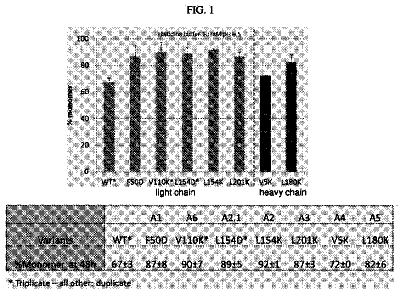
FIG. 1 . Schematic of the luciferase activity assay
FIG. 2 : Inhibition of RORgamma activity (RI=relative inhibition; Conc=concentration of 1β,3α,7α,12α-tetrahydroxy-5β-cholan-24-oate (tetraol) in nM).
FIG. 3 : Effect on insulin sensitivity in mice that were fed a high fat diet in combination with different supplements at different concentrations. The y-axis represents relative glucose levels, the x-axis represents time after insulin injection in min. The high fat diet was given as such (E) or supplemented with tetraol 0.1% (A) or tetraol 0.01% (B) or cholic acid 0.1% (C) or cholic acid 0.01% (D).
FIG. 4 : Effect of tetraol compound and cholic acid as control compound on glucose levels in obese/insulin resistant mice over time (x-axis represents mM glucose, y-axis represents time points of 6 and 12 weeks, striped bars represent fasted mice, filled bars represent fed mice).
FIG. 5 : Effect of tetraol compound and cholic acid as control compound on insulin levels in obese/insulin resistant mice over time (x-axis represents pg/ml Insulin, y-axis represents time points of 6 and 12 weeks, striped bars represent fasted mice, filled bars represent fed mice).
Detailed description of the invention
Unless specified otherwise, the following terms have the indicated meanings:
The term “subject” means a mammal, such as a human or an animal, being either male or female, preferably a human.
The term “ligand” or “modulator” refers to a natural or synthetic compound which binds a receptor molecule to form a receptor-ligand complex. The term ligand may include agonists, antagonists, and compounds with partial agonist/antagonist action. An “agonist” is a natural or synthetic compound which binds the receptor to form a receptor-agonist complex thereby activating said receptor, initiating a pathway signaling and further biological processes. By “antagonist” is meant a natural or synthetic compound that has a biological effect opposite to that of an agonist. An antagonist binds the receptor and blocks the action of a receptor agonist. The term “ligand” or “modulator”, when used according to the present invention in combination with e.g. a ROR (gamma) receptor, refers to a(n) (endogenous) compound that can interact with a ROR (gamma) receptor and initiate a pharmacological or biochemical response.
The term “binding affinity” refers to the ability of a compound to bind to its biological target. For the present invention, it refers to the ability of a compound of the invention, to bind to the ROR (gamma) receptor.
The term “efficacy” describes the relative intensity of response induced by a compound when binding to its receptor. Maximal response depends on the efficiency of coupling to the receptor.
The term “diabetes” as used herein includes both insulin-dependent diabetes mellitus (i.e., IDDM, also known as type I diabetes) and non-insulin-dependent diabetes mellitus (i.e., NIDDM, also known as type II diabetes). Type I diabetes, or insulin-dependent diabetes, is the result of an absolute deficiency of insulin, the hormone which regulates glucose utilization. Type II diabetes, or insulin-independent diabetes (i.e., non-insulin-dependent diabetes mellitus), often occurs in the face of normal, or even elevated levels of insulin and appears to be the result of the inability of tissues to respond appropriately to insulin. The compounds and compositions of the present invention may be useful for treating both type I and type II diabetes, but may be especially effective for treating type II diabetes (as shown hereinafter).
The term “diabetes related disorders” as used herein includes diseases, disorders and conditions that are related to type 1 and type 2 diabetes, in particular diseases, disorders and conditions that are related to type 2 diabetes, and therefore may be treated, controlled or in some cases prevented, by administration of the compounds and compositions of this invention. Diabetes related disorders include e.g. hyperglycemia, low glucose tolerance, insulin resistance, obesity, lipid disorders, dyslipidemia, hyperlipidemia, hypertriglyceridemia, hypercholesterolemia, low HDL levels, high LDL levels, atherosclerosis, vascular restenosis, irritable bowel syndrome, inflammatory bowel disease, including Crohn's disease and ulcerative colitis, other inflammatory conditions, pancreatitis, abdominal obesity, neurodegenerative disease, retinopathy, nephropathy, neuropathy, Syndrome X, ovarian hyperandrogenism (polycystic ovarian syndrome), and other disorders where insulin resistance is a contributive component.
“Treatment” of diabetes according to the invention refers to the administration of at least one compound of the present invention to treat diabetes and diabetes-related disorders as defined herein, e.g. in a subject in need thereof, e.g. a diabetic subject. Possible outcomes of such treatment may be decreasing the glucose level in a subject with elevated glucose levels and/or improving glycemic control and/or decreasing insulin levels in a subject with elevated insulin levels and/or to reduce an increased plasma glucose concentration and/or to reduce an increased insulin concentration and/or to reduce an increased blood triglyceride concentration and/or to increase insulin sensitivity and/or enhancing glucose tolerance in a subject with glucose intolerance and/or to reduce insulin resistance and/or to lower plasma insulin levels and/or an improvement in glycemic control, particularly in type 2 diabetes.
“Prevention” (or “prophylaxis”) of diabetes according to the invention refers to the administration of at least one compound of the present invention to prevent or treat the onset of diabetes and diabetes-related disorders as defined herein in a subject in need thereof, e.g. a prediabetic subject.
The term “subject” as used herein refers to an animal, preferably a mammal, most preferably a human.
The term “polyhydroxylated cholane skeleton” includes in particular polyhydroxylated cholestanes and more specifically polyhydroxylated bile acids. A polyhydroxylated cholane or bile acid compound according to the invention includes, but is not limited to, from trihydroxylated, tetrahydroxylated, pentahydroxylated, hexahydroxylated bile acids, etc., up to the maximal hydroxylation level, but preferably (at least) trihydroxylated and (at least) tetrahydroxylated bile acids. The term “bile acid” encompasses all naturally occurring (chemically synthesized) bile acids (whether from man or from another animal) including conjugates thereof (e.g. in particular conjugates with glycine, taurine and possibly other amino acids), as well as synthetic or semi-synthetic analogs. Most naturally occurring bile acids are characterized by hydroxyl groups in the A, B, and C ring of the cholane skeleton, predominantly at one or more of positions C3, C7, C12, possibly (but more unusual) at positions C1, C6 and others. The junction of rings A and B in the cholane skeleton (and in bile acids) exists in two isomeric forms, i.e. the C5- and C8-substituents are cis (5-beta-cholane) or trans (5-alpha-cholane) configured. For the compounds of the present invention, if not specified differently, both the alpha- and beta-isomer of the A/B-ring junction are contemplated, preferably the beta-isomer.
The present invention relates in a first aspect to compounds for use as modulators of the ROR receptor, in particular, as selective ROR gamma receptor ligands, having the general formula I or pharmaceutically acceptable salts or stereoisomers thereof (numbering according to IUPAC nomenclature rules is indicated)
##str00005##
wherein
R.sub.1, R.sub.2, R.sub.2′ are independently of each other hal, —OR.sub.a, —SR.sub.a, —NR.sub.aR.sub.b, —COOR.sub.a, —CONR.sub.aR.sub.b, wherein R.sub.a and R.sub.b are independently of each other H or (C1-6)alkyl, or R.sub.1, R.sub.2 form together with the C-atoms to which they are linked an epoxy group;
R.sub.3, R.sub.4, R.sub.5, R.sub.6, are independently of each other H, hal, —OR.sub.a, —SR.sub.a, —NR.sub.aR.sub.b, —COOR.sub.a, —CONR.sub.aR.sub.b, oxo, thio wherein R.sub.a and R.sub.b are independently of each other H or (C1-6)alkyl;
R.sub.7, R.sub.8, R.sub.9 are independently of each other H, (C1-10)alkyl, wherein one or more non neighbouring CH.sub.2 groups may be replaced with —O—, —S—, —CO—, —CO—O—, —O—CO—, —NR.sub.a—, —CO—NR.sub.a—, —NR.sub.a—CO—, —C═C—, or —C≡C—; wherein R.sub.a is H or (C1-6)alkyl;
L is a linking group, such as straight-chain or branched C(1-12)alkyl, which is unsubstituted or substituted by at least one CN, hal, OH, NR.sub.aR.sub.b, COOR.sub.a, NO.sub.2, and wherein one or more of the non-adjacent CH.sub.2 groups may independently be replaced by a group selected from —O—, —CO—, —CO—O—, —O—CO—, —NR.sub.a—, —NR.sub.a—CO—, —CO—NR.sub.a—, —CH═CH—, —C≡C—, wherein R.sub.a and R.sub.b are independently of each other H or C(1-6)alkyl,
X is H, —OR.sub.a, —SR.sub.a, —NR.sub.aR.sub.b, —COOR.sub.c, —CONR.sub.aR.sub.c; wherein R.sub.a and R.sub.b are independently of each other H or (C1-6)alkyl and R.sub.c is —H, —(C1-6)alkyl, —NH—(CH.sub.2).sub.n—CO.sub.2R.sub.a or —NH—(CH.sub.2).sub.p—SO.sub.3R.sub.a, wherein n, p is 1, 2, or 3 and R.sub.a is —H or —(C1-6)alkyl;
m is 0 to 5.
It is understood, that (H).sub.m represents all hydrogen substituents on the indicated A-ring (i.e. on C1, C2, C3, C4, C5 and C10). The skilled person will know how many H-substituents are present for a specific substitution pattern of groups R.sub.1, R.sub.2, R.sub.2′, R.sub.3 on ring A. For example, m=5 may represent a fully saturated ring having no double bonds, m=3 may represent e.g. a ring having one double bond (between e.g. C1-C2 or between C4-C5), m=2 may represent e.g. a ring having one double bond (between e.g. C1-C2 or between C4-C5) and R.sub.3 being oxo, and m=0 may represent e.g. a fully unsaturated ring having double bonds between C1-C2 and between C4-C5 and R.sub.3 being oxo. Thus the degree of unsaturation and nature of substituents determines the number of H-atoms present or vice versa, the number of H-atoms is a way to indicate the degree of unsaturation of ring A.
In specific embodiments, the compounds of the invention according to formula I are based on a polyhydroxylated cholane skeleton having a -L-X-substituent at C17, and wherein the hydroxyl (or oxo-) substituents are preferably in two or more, preferably at least three, positions selected from C1, C3, C6, C7, C12 (represented by groups R.sub.1, R.sub.3, R.sub.4, R.sub.5, R.sub.6, respectively), more preferably wherein the hydroxyl (or oxo-) substituents are at a total of three or four positions selected from C1, C3, C6, C7, C12, most preferably wherein the hydroxyl (or oxo-) substituents are at a total of three or four positions selected from C1, C3, C6, C7, C12 of which one hydroxyl (or oxo-) substituent is in position C1 or C6.
Thus, in some embodiments, the compounds of the invention have three hydroxyl (or oxo-substituents) and the hydroxylation patterns include (i) a hydroxyl (or oxo-) substituent at C1 in combination with following combinations of two further hydroxyl (or oxo-) substituents at positions C3 and C7, C3 and C12, C7 and C12, and (ii) a hydroxyl (or oxo-) substituent at C6 in combination with following combinations of two further hydroxyl (or oxo-) substituents at positions C3 and C7, C3 and C12, and C7 and C12, and (iii) a hydroxyl (or oxo-) substituent at both C1 and C6 in combination with a further hydroxyl (or oxo-) substituent at position C3 or C7 or C12.
In other embodiments, the compounds of the invention have four hydroxyl (or oxo-) substituents and the hydroxylation patterns include (i) a hydroxyl (or oxo-) substituent at C1 in combination with three further hydroxyl (or oxo-) substituents at positions C3, C7 and C12; (ii) a hydroxyl (or oxo-) substituent at C6 in combination with three further hydroxyl (or oxo-) substituents at positions C3, C7 and C12 and (iii) a hydroxyl (or oxo-) substituent at positions C1 and C6 in combination with following combinations of two further hydroxyl (or oxo-) substituents at positions C3 and C7; C3 and C12; C7 and C12.
In a preferred embodiment, R.sub.7, R.sub.8, R.sub.9 are independently of each other H, (C1-10)alkyl, more preferably methyl, ethyl, propyl, butyl, most preferably methyl.
In some embodiments, R.sub.1, R.sub.2 are independently of each other H, hal, —OR.sub.a, —COOR.sub.a, wherein R.sub.a is H or (C1-6)alkyl, or form together with the C-atoms to which they are linked an epoxy group.
Preferably, R.sub.2 is H or hal, or forms together with R.sub.1 and the C-atoms to which R.sub.1 and R.sub.2 are linked an epoxy group.
Preferably R.sub.2′ is H or hal, more preferably H or Cl, Br, I.
Preferably, R.sub.3, R.sub.4, R.sub.5, R.sub.6 are independently of each other H, —OR.sub.a, —NR.sub.aR.sub.b, —COOR.sub.a, —CONR.sub.aR.sub.b or oxo, wherein R.sub.a and R.sub.b are independently of each other H or (C1-6)alkyl.
More preferably R.sub.3, is H, —OR.sub.a, —NR.sub.aR.sub.b or oxo, wherein R.sub.a and R.sub.b are independently of each other H or (C1-6)alkyl; R.sub.4, R.sub.5, R.sub.6 are independently of each other II, —OR.sub.a or —NR.sub.aR.sub.b, wherein R.sub.a and R.sub.b are independently of each other H or (C1-6)alkyl; and R.sub.7, R.sub.8, R.sub.9 are independently of each other H, (C1-10)alkyl, more preferably methyl, ethyl, propyl, butyl, most preferably methyl.
Thus, preferably, the invention includes compounds of formula II and pharmaceutically acceptable salts or stereoisomers thereof, preferably its stereoisomeric form IIa,
##str00006##
wherein
R.sub.1, R.sub.2 are independently of each other H, hal, —OR.sub.a, —SR.sub.a, —NR.sub.aR.sub.b, —COOR.sub.a, —CONR.sub.aR.sub.b, wherein R.sub.a and R.sub.b are independently of each other H or (C1-6)alkyl, or R.sub.1, R.sub.2 form together with the C-atoms to which they are linked an epoxy group;
R.sub.3, R.sub.4, R.sub.5, R.sub.6, are independently of each other H, hal, —OR.sub.a, —SR.sub.a, —NR.sub.aR.sub.b, —COOR.sub.a, —CONR.sub.aR.sub.b, oxo, thio wherein R.sub.a and R.sub.b are independently of each other H or (C1-6)alkyl;
R.sub.2′ is H or hal,
L is a linking group, such as straight-chain or branched C(1-12)alkyl, which is unsubstituted or substituted by at least one CN, hal, OH, NR.sub.aR.sub.b, COOR.sub.a, NO.sub.2, and wherein one or more of the non-adjacent CH.sub.2 groups may independently be replaced by a group selected from —O—, —CO—, —CO—O—, —O—CO—, —NR.sub.a—, —NR.sub.a—CO—, —CO—NR.sub.a—, —CH═CH—, —C≡C—, wherein R.sub.a and R.sub.b are independently of each other H or C(1-6)alkyl,
X is H, —OR.sub.a, —SR.sub.a, —NR.sub.aR.sub.b, —COOR.sub.c, —CONR.sub.aR.sub.c; wherein R.sub.a and R.sub.b are independently of each other H or (C1-6)alkyl and R.sub.c is —H, —(C1-6)alkyl, —NH—(CH.sub.2).sub.n—CO.sub.2R.sub.a or —NH—(CH.sub.2).sub.p—SO.sub.3R.sub.a, wherein n, p is 1, 2, or 3 and R.sub.a is —H or —(C1-6)alkyl;
m is 0 to 5.
In a preferred embodiment, at least three groups, preferably three or four groups, selected from R.sub.1, R.sub.3, R.sub.4, R.sub.5 and R.sub.6 are —OR.sub.a or oxo, wherein R.sub.a is H or C(1-6)alkyl.
In another preferred embodiment, R.sub.1 and/or R.sub.4 are —OR.sub.a or oxo.
More preferably, at least three groups, preferably three or four groups, selected from R.sub.1, R.sub.3, R.sub.4, R.sub.5 and R.sub.6 are —OR.sub.a or oxo, with the proviso that R.sub.1 and/or R.sub.4 are —OR.sub.a or oxo, wherein R.sub.a is H or C(1-6)alkyl.
In specific embodiments L (in all of the formulas disclosed herein) is a straight-chain or branched C(1-12)alkyl, which is unsubstituted and wherein one or more of the non-adjacent CH.sub.2 groups may independently be replaced by a group selected from —O—, —CO—, —CO—O—. Preferably L is straight-chain or branched C(1-12)alkyl, more preferably a straight-chain or branched C(1-6)alkyl as defined herein.
Preferably, X (in all of the formulas disclosed herein) is H, —OR.sub.a, —COOR.sub.c, —CONR.sub.aR.sub.c, wherein R.sub.a is H or (C1-6)alkyl and R.sub.c is —H, —(C1-6)alkyl, —NH—(CH.sub.2).sub.n—CO.sub.2R.sub.a or —NH—(CH.sub.2).sub.p—SO.sub.3R.sub.a, wherein n, p is 1, 2, or 3 and R.sub.a is —H or —(C1-6)alkyl. Preferably, R.sub.c is —H, —(C1-6)alkyl, —NH—CH.sub.2—CO.sub.2R.sub.a or —NH—(CH.sub.2).sub.2—SO.sub.3R.sub.a, wherein R.sub.a is —H or —(C1-6)alkyl.
In preferred embodiments, group -L-X (in all of the formulas disclosed herein) is —(C1-6)alkyl-COOR.sub.a, more preferably —(CH.sub.2).sub.2—COOR.sub.a, wherein R.sub.a is —H or —(C1-6)alkyl.
Preferably, R.sub.2 is H or hal, or forms together with R.sub.1 and the C-atoms to which R.sub.1 and R.sub.2 are linked an epoxy group.
In specific embodiments, R.sub.4, R.sub.6, are —OR.sub.a, thus the invention specifically includes compounds of formula IIIa, and all pharmaceutically acceptable salts or stereoisomers thereof, preferably its stereoisomeric form IIIb
##str00007##
wherein
R.sub.1 is H, hal, —OR.sub.a, —SR.sub.a, —NR.sub.aR.sub.b, —COOR.sub.a, —CONR.sub.aR.sub.b, preferably H, —OR.sub.a, —NR.sub.aR.sub.b, wherein R.sub.a and R.sub.b are independently of each other H or (C1-6)alkyl, or R.sub.1 forms together with R.sub.2 and the C-atoms to which R.sub.1, R.sub.2 are linked to an epoxy group;
R.sub.2 is H, hal, —OR.sub.a, —SR.sub.a, —NR.sub.aR.sub.b, —COOR.sub.a, —CONR.sub.aR.sub.b, preferably H or hal, wherein R.sub.a and R.sub.b are independently of each other H or (C1-6)alkyl, or R.sub.2 forms together with R.sub.1 and the C-atoms to which R.sub.1, R.sub.2 are linked to an epoxy group;
R.sub.3, R.sub.5 are independently of each other H, hal, —OR.sub.a, —SR.sub.a, —NR.sub.aR.sub.b, —COOR.sub.a, —CONR.sub.aR.sub.b, oxo, thio, preferably H, oxo, —OR.sub.a, —NR.sub.aR.sub.b, wherein R.sub.a and R.sub.b are independently of each other H or (C1-6)alkyl;
R.sub.2′ is H or hal,
L is a straight-chain or branched C(1-12)alkyl, which is unsubstituted and wherein one or more of the non-adjacent CH.sub.2 groups may independently be replaced by a group selected from —O—, —CO—, —CO—O;
X is H, —OR.sub.a, —SR.sub.a, —NR.sub.aR.sub.b, —COOR.sub.c, —CONR.sub.aR.sub.c; wherein R.sub.a and R.sub.b are independently of each other H or (C1-6)alkyl and R.sub.c is —H, —(C1-6)alkyl, —NH—(CH.sub.2).sub.n—CO.sub.2R.sub.a or —NH—(CH.sub.2).sub.p—SO.sub.3R.sub.a, wherein n, p is 1, 2, or 3 and R.sub.a is —H or —(C1-6)alkyl;
R.sub.a is H or C(1-6)alkyl;
m is 0 to 5.
In other specific embodiments, R.sub.6 is —OR.sub.a and R.sub.1 is either —OR.sub.a or forms with R.sub.2 an epoxide, and thus the invention specifically includes compounds of formula IIIc and IIId, and all pharmaceutically acceptable salts or stereoisomers thereof, preferably its stereoisomeric forms IIIe.sub.1/IIIe.sub.2 and IIIf.sub.1/IIIf.sub.2
##str00008##
wherein
R.sub.2 is H, hal, —OR.sub.a, —SR.sub.a, —NR.sub.aR.sub.b, —COOR.sub.a, —CONR.sub.aR.sub.b, preferably H or hal, wherein R.sub.a and R.sub.b are independently of each other H or (C1-6)alkyl;
R.sub.3, R.sub.4, R.sub.5 are independently of each other H, hal, —OR.sub.a, —SR.sub.a, —NR.sub.aR.sub.b, —COOR.sub.a, —CONR.sub.aR.sub.b, oxo, thio, preferably H, oxo, —OR.sub.a, —NR.sub.aR.sub.b, wherein R.sub.a and R.sub.b are independently of each other H or (C1-6)alkyl;
R.sub.2′ is H or hal,
L is a straight-chain or branched C(1-12)alkyl, which is unsubstituted and wherein one or more of the non-adjacent CH.sub.2 groups may independently be replaced by a group selected from —O—, —CO—, —CO—O;
X is H, —OR.sub.a, —SR.sub.a, —NR.sub.aR.sub.b, —COOR.sub.c, —CONR.sub.aR.sub.c; wherein R.sub.a and R.sub.b are independently of each other H or (C1-6)alkyl and R.sub.c is —H, —(C1-6)alkyl, —NH—(CH.sub.2).sub.n—CO.sub.2R.sub.a or —NH—(CH.sub.2).sub.p—SO.sub.3R.sub.a, wherein n, p is 1, 2, or 3 and R.sub.a is —H or —(C1-6)alkyl;
R.sub.a is H or C(1-6)alkyl,
m is 0 to 5.
In specific embodiments, R.sub.3 is —OR.sub.a and R.sub.6 is either —OR.sub.a or oxo, and thus the invention specifically includes compounds of formula IIIg and IIIh, and all pharmaceutically acceptable salts or stereoisomers thereof, preferably its stereoisomeric forms IIIi.sub.1, IIIi.sub.2
##str00009##
wherein
R.sub.1 is H, hal, —OR.sub.a, —SR.sub.a, —NR.sub.aR.sub.b, —COOR.sub.a, —CONR.sub.aR.sub.b, preferably H, —OR.sub.a, —NR.sub.aR.sub.b, wherein R.sub.a and R.sub.b are independently of each other H or (C1-6)alkyl, or R.sub.1 forms together with R.sub.2 and the C-atoms to which R.sub.1, R.sub.2 are linked to an epoxy group;
R.sub.2 is H, hal, —OR.sub.a, —SR.sub.a, —NR.sub.aR.sub.b, —COOR.sub.a, —CONR.sub.aR.sub.b, preferably H or hal, wherein R.sub.a and R.sub.b are independently of each other H or (C1-6)alkyl, or R.sub.2 forms together with R.sub.1 and the C-atoms to which R.sub.1, R.sub.2 are linked to an epoxy group;
R.sub.4, R.sub.5 are independently of each other H, hal, —OR.sub.a, —SR.sub.a, —NR.sub.aR.sub.b, —COOR.sub.a, —CONR.sub.aR.sub.b, oxo, thio, preferably H, oxo, —OR.sub.a, —NR.sub.aR.sub.b, wherein R.sub.a and R.sub.b are independently of each other H or (C1-6)alkyl;
R.sub.2′ is H or hal,
L is a straight-chain or branched C(1-12)alkyl, which is unsubstituted and wherein one or more of the non-adjacent CH.sub.2 groups may independently be replaced by a group selected from —O—, —CO—, —CO—O;
X is H, —OR.sub.a, —SR.sub.a, —NR.sub.aR.sub.b, —COOR.sub.c, —CONR.sub.aR.sub.c; wherein R.sub.a and R.sub.b are independently of each other H or (C1-6)alkyl and R.sub.c is —H, —(C1-6)alkyl, —NH—(CH.sub.2).sub.n—CO.sub.2R.sub.a or —NH—(CH.sub.2).sub.p—SO.sub.3R.sub.a, wherein n, p is 1, 2, or 3 and R.sub.a is —H or —(C1-6)alkyl;
R.sub.a is H or C(1-6)alkyl,
m is 0 to 5.
In specific embodiments, R.sub.5, R.sub.6 are —OR.sub.a, thus the invention specifically includes compounds of formula IIIj, and all pharmaceutically acceptable salts or stereoisomers thereof, preferably its stereoisomeric form IIIk
##str00010##
wherein
R.sub.1 is H, hal, —OR.sub.a, —SR.sub.a, —NR.sub.aR.sub.b, —COOR.sub.a, —CONR.sub.aR.sub.b, preferably H, —OR.sub.a, —NR.sub.aR.sub.b, wherein R.sub.a and R.sub.b are independently of each other H or (C1-6)alkyl, or R.sub.1 forms together with R.sub.2 and the C-atoms to which R.sub.1, R.sub.2 are linked to an epoxy group;
R.sub.2 is H, hal, —OR.sub.a, —SR.sub.a, —NR.sub.aR.sub.b, —COOR.sub.a, —CONR.sub.aR.sub.b, preferably H or hal, wherein R.sub.a and R.sub.b are independently of each other H or (C1-6)alkyl, or R.sub.2 forms together with R.sub.1 and the C-atoms to which R.sub.1, R.sub.2 are linked to an epoxy group;
R.sub.3, R.sub.4, are independently of each other H, hal, —OR.sub.a, —SR.sub.a, —NR.sub.aR.sub.b, —COOR.sub.a, —CONR.sub.aR.sub.b, oxo, thio, preferably H, oxo, —OR.sub.a, —NR.sub.aR.sub.b, wherein R.sub.a and R.sub.b are independently of each other H or (C1-6)alkyl;
R.sub.2′ is H or hal,
L is a straight-chain or branched C(1-12)alkyl, which is unsubstituted and wherein one or more of the non-adjacent CH.sub.2 groups may independently be replaced by a group selected from —O—, —CO—, —CO—O;
X is H, —OR.sub.a, —SR.sub.a, —NR.sub.aR.sub.b, —COOR.sub.c, —CONR.sub.aR.sub.c; wherein R.sub.a and R.sub.b are independently of each other H or (C1-6)alkyl and R.sub.c is —H, —(C1-6)alkyl, —NH—(CH.sub.2).sub.n—CO.sub.2R.sub.a or —NH—(CH.sub.2).sub.p—SO.sub.3R.sub.a, wherein n, p is 1, 2, or 3 and R.sub.a is —H or —(C1-6)alkyl;
R.sub.a is H or C(1-6)alkyl,
m is 0 to 5.
In specific embodiments, R.sub.1 is —OR.sub.a, in compound of formula IIIa (and stereoisomeric forms thereof), or R.sub.4 is —OR.sub.a in compounds of formula IIIc and IIId (and stereoisomeric forms thereof), or both R.sub.1 and R.sub.4, are —OR.sub.a in compounds of formula IIIg, IIIh, and IIIk (and stereoisomeric forms thereof), wherein R.sub.a is H or (C1-6)alkyl.
In preferred embodiments the invention includes compounds of formula IV (wherein R.sub.3 is oxo) and all pharmaceutically acceptable salts or stereoisomers thereof,
##str00011##
wherein
R.sub.1 is H, hal, —OR.sub.a, —SR.sub.a, —NR.sub.aR.sub.b, —COOR.sub.a, —CONR.sub.aR.sub.b, preferably H, —OR.sub.a, —NR.sub.aR.sub.b, wherein R.sub.a and R.sub.b are independently of each other H or (C1-6)alkyl, or R.sub.1 forms together with R.sub.2 and the C-atoms to which R.sub.1, R.sub.2 are linked to an epoxy group;
R.sub.2 is H or hal, or R.sub.2 forms together with R.sub.1 and the C-atoms to which R.sub.1, R.sub.2 are linked to an epoxy group;
R.sub.2′ is H or hal,
R.sub.4 is H, hal, —OR.sub.a, —SR.sub.a, —NR.sub.aR.sub.b, —COOR.sub.a, —CONR.sub.aR.sub.b, oxo, thio, preferably H, oxo, —OR.sub.a, —NR.sub.aR.sub.b, wherein R.sub.a and R.sub.b are independently of each other H or (C1-6)alkyl,
L is a straight-chain or branched C(1-12)alkyl;
X is H, —OR.sub.a, —COOR.sub.c, —CONR.sub.aR.sub.c, wherein R.sub.a is H or (C1-6)alkyl and R.sub.c is —H, —(C1-6)alkyl, —NH—(CH.sub.2).sub.n—CO.sub.2R.sub.a or —NH—(CH.sub.2).sub.p—SO.sub.3R.sub.a, wherein n, p is 1, 2, or 3 and R.sub.a is —H or —(C1-6)alkyl,
R.sub.a is H or C(1-6)alkyl, and
m is 1, 2, 3 or 4.
Preferably, m is 4, if ring A is fully saturated, and m is 0 or 2, if ring A is partially (one double bond) or fully (two double bonds) unsaturated.
In a preferred embodiment, R.sub.1 or R.sub.4 or both R.sub.1 and R.sub.4 in compound IV are —OR.sub.a, wherein R.sub.a is H or (C1-6)alkyl.
In other preferred embodiments the invention includes compounds of formula V (wherein R.sub.3 is —OR.sub.a) and all pharmaceutically acceptable salts or stereoisomers thereof, preferably its stereoisomeric forms Va and Vb
##str00012##
wherein
R.sub.1 is H, hal, —OR.sub.a, —SR.sub.a, —NR.sub.aR.sub.b, —COOR.sub.a, —CONR.sub.aR.sub.b, preferably H, —OR.sub.a, —NR.sub.aR.sub.b, wherein R.sub.a and R.sub.b are independently of each other H or (C1-6)alkyl, or R.sub.1 forms together with R.sub.2 and the C-atoms to which R.sub.1, R.sub.2 are linked to an epoxy group;
R.sub.2 is H or hal, or R.sub.2 forms together with R.sub.1 and the C-atoms to which R.sub.1, R.sub.2 are linked to an epoxy group;
R.sub.2′ is H or hal,
R.sub.4 is H, hal, —OR.sub.a, —SR.sub.a, —NR.sub.aR.sub.b, —COOR.sub.a, —CONR.sub.aR.sub.b, oxo, thio, preferably H, oxo, —OR.sub.a, —NR.sub.aR.sub.b, wherein R.sub.a and R.sub.b are independently of each other H or (C1-6)alkyl,
L is a straight-chain or branched C(1-12)alkyl;
X is H, —OR.sub.a, —COOR.sub.c, —CONR.sub.aR.sub.c, wherein R.sub.a is H or (C1-6)alkyl and R.sub.c is —H, —(C1-6)alkyl, —NH—(CH.sub.2).sub.n—CO.sub.2R.sub.a or —NH—(CH.sub.2).sub.p—SO.sub.3R.sub.a, wherein n, p is 1, 2, or 3 and R.sub.a is —H or —(C1-6)alkyl,
R.sub.a is H or C(1-6)alkyl, and
m is 1, 2, 3, 4 or 5.
Preferably, m is 5, if ring A is fully saturated, and m is 1 or 3, if ring A is partially (one double bond) or fully (two double bonds) unsaturated.
In a preferred embodiment, R.sub.1 or R.sub.4 or both R.sub.1 and R.sub.4 in any of compounds of formula V, Va, and Vb are —OR.sub.a, wherein R.sub.a is H or (C1-6)alkyl.
Some preferred examples include e.g. compounds with R.sub.3═—OR.sub.a, R.sub.1═R.sub.2═R.sub.2′═H, and R.sub.4 is —OR.sub.a of formula VIa, and all pharmaceutically acceptable salts or stereoisomers thereof, which includes the C3α- and C3β-stereoisomer (VIa.sub.1, VIa.sub.2); or
compounds with R.sub.3 being —OR.sub.a, R.sub.4═R.sub.2′═R.sub.2′═H, and R.sub.1 is —OR.sub.a, of formula VIb, and all pharmaceutically acceptable salts or stereoisomers thereof, which includes the C1α/C3α-, C1α/C3α-, C1β/C3α-, C1β/C3β-stereoisomer (VIb.sub.1, VIb.sub.2, VIb.sub.3, VIb.sub.4); or
The description continues in the full USPTO document.
 Lapsed, fee not paid15 drawings