Technical field
The present invention relates to pyranodipyridine compounds having α-amino-3-hydroxy-5-methyl-4-isoxazolepropionic acid (AMPA) receptor inhibitory action and pharmaceutically acceptable salts thereof.
Background
It is known that glutamic acid released from the presynaptic region plays an important role in excitatory signaling in the central nervous system. This action is brought about when glutamic acid binds to glutamate receptors present in the postsynaptic region, and the glutamate receptors are classified into ionotropic receptors and G-protein-coupled receptors, with the former being further classified into α-amino-3-hydroxy-5-methyl-4-isoxazolepropionic acid (AMPA) receptor, N-methyl-D-aspartic acid (NMDA) receptor, kainate receptor, and the like. Among the above, the AMPA receptor is a receptor that is widely expressed in the brain, and plays a key role in the regulation of fast excitatory synaptic transmission or synaptic plasticity.
Since the AMPA receptor thus plays a physiologically important role, its dysfunction is known to be involved in various diseases, for example, by causing abnormal excitability of neurons where the AMPA receptor is present. Examples of such diseases include epilepsy, various pains (peripheral nerve pain, central nerve pain, and nociceptive pain (each including chronic, acute, or intermittent pain)), various demyelinating diseases such as multiple sclerosis, various neurodegenerative diseases such as Parkinson's disease, Alzheimer's disease, amyotrophic lateral sclerosis (ALS), Huntington's chorea, and AIDS neuropathy, various psychiatric diseases such as anxiety, depression, bipolar mood disorder, dependency, drug abuse, and schizophrenia, motor dysfunction such as cerebral ischemia, head trauma, cerebrospinal injury, tremor, dystonia, and dyskinesia, and a developmental disorder such as autism. Inhibitors of the AMPA receptor (AMPA inhibitors) are therefore expected to lead to the treatment of these diseases, and are particularly known to be useful in treating epilepsy (Non Patent Literature 1).
Epilepsy is one of the most frequent central nerve diseases, and there are about 50 million or more epileptic patients worldwide. According to the World Health Organization, epilepsy is defined as “a chronic disorder of the brain caused by various causes; it is mainly characterized by recurrent seizures (epileptic seizures) derived from excessive electrical discharges in cerebral neurons, and the seizures involve manifestations of clinical and examination findings that vary greatly”.
Examples of known epileptic seizures include partial seizures such as simple partial seizure, complex partial seizure, and secondary generalized seizure, absence seizure, myoclonic seizure, clonic seizure, tonic seizure, tonic-clonic seizure, atonic seizure, tuberous sclerosis complex, Dravet syndrome, progressive myoclonic epilepsy, Lafora disease, Unverricht-Lundborg disease, dentatorubral-pallidoluysian atrophy, fragile X syndrome, West syndrome, and Lennox-Gastaut syndrome. Epilepsy treatment is based on pharmacotherapy with anti-epileptic drugs. The goal of epilepsy treatment is to eliminate epileptic seizures, and avoid the development of side effects caused by the treatment. Treatment with anti-epileptic drugs begins with a single drug in principle. Generally, single-drug treatment is carried out by sequentially using two or three different drugs, and if this is not successful, multiple drug treatment is attempted. Amelioration of seizures through the treatment with anti-epileptic drugs can be expected in about 70% of patients with new onset of epilepsy. It is known, however, that in the remaining about 30% of patients, epileptic seizures are difficult to suppress even with drug treatment including multiple drug therapy.
An epileptic seizure is believed to be caused when abnormal excitability of some neurons develops into abnormal synchronization of firing in an entire population of neurons, and there have been many reports that glutamate neurons, in particular, the AMPA receptor, play a key role in the occurrence and propagation of an epileptic seizure. For example, it has been reported that AMPA inhibitors suppress the occurrence and propagation of convulsions in rat bicuculline-induced convulsion models (Non Patent Literatures 2 and 3); additionally, it is well known that AMPA inhibitors exhibit potent anticonvulsant action in a wide range of convulsion models (Non Patent Literatures 4 and 5). Further, it is known that AMPA inhibitors also have seizure-stopping action in status epilepticus models that experience extremely serious and continuous seizures, and thus, AMPA inhibitors are also expected to be applied to status epilepticus (Non Patent Literature 6).
It has been reported that similarly in humans, the expression of the AMPA receptor was increased in hippocampal neurons containing an epileptic focus, which were sampled from epileptic patients (Non Patent Literature 7). Further, because AMPA receptor inhibitors have been reported to have anticonvulsant action in humans, they are expected to have efficacy particularly as agents for treating epilepsy (Non Patent Literature 5).
As described above, AMPA inhibitors are expected to become therapeutic drugs for various central nerve diseases such as epilepsy; however, they are known to cause central nervous system depressant action such as sedation or loss of coordination, at a dose substantially equivalent to or lower than that showing main effect (Non Patent Literature 8). It has been reported that in humans, the central nervous system depressant action is reduced if the dose is gradually increased (Non Patent Literature 9); however, central nervous system depressant action is observed at a middle to high dose, which has become a problem that lowers the quality of life of epileptic patients in need of long-term administration, and also leads to the restriction of the dose.
The following compound is known as a compound having AMPA receptor inhibitory action (Patent Literature 1):
##str00006##
wherein A.sup.1, A.sup.2, and A.sup.3 may each independently be a C.sub.6-14 aromatic hydrocarbon cyclic group or 5- to 14-membered aromatic heterocyclic group; X.sup.1, X.sup.2, and X.sup.3 may each independently be a single bond; Q may be an oxygen atom; Z may be a carbon atom; R.sup.1 and R.sup.2 may be attached to each other such that CR.sup.2—ZR.sup.1 forms a carbon-carbon double bond represented by C═C; and R.sup.3 may be attached to any atom on A.sup.3, and together with the atom, may form an optionally substituted 5- to 8-membered heterocyclic ring.
In particular, Patent Literature 1 discloses as Example 9 a compound having a tricyclic skeleton represented by the formula:
##STR00007## CITATION LIST Patent Literature
[Patent Literature 1] WO02/22587 Non Patent Literature
[Non Patent Literature 1] Daniela Catarzi et al. Medicinal Research Reviews , vol. 27, No. 2, pp. 239-278, 2007 [Non Patent Literature 2] Rogawski M A et al. Acta Neurol Scand Suppl. 2013; (197): 9-18 [Non Patent Literature 3] Alfonso Tortorella et al. JPET 280: 1401-1405, 1997 [Non Patent Literature 4] De Sarro et al. Curr Top Med Chem. 2005; 5 (1): 31-42 [Non Patent Literature 5] Russo E et al. Expert Opin Investig Drugs. September 2012; 21(9): 1371-89. [Non Patent Literature 6] Brita Fritsch et al. Epilepsia, 51 (1): 108-117, 2010 [Non Patent Literature 7] Hosford D A et al. J Neurosci 1991; 11: 428-434 [Non Patent Literature 8] Shun-ichi Yamaguchi et al. Epilepsy Research, 15
179-184 [Non Patent Literature 9] Hanada T. Expert Opin Drug Discov. 2014 Feb. 24, 9(4): 449-458 SUMMARY
An object of the present invention is to provide a novel compound having potential use for treating epilepsy, which has AMPA receptor inhibitory action, and reduced central nervous system depressant action, or a pharmaceutically acceptable salt thereof.
The present inventors have continued vigorous research to achieve the above-described object, and consequently have found novel pyranodipyridine compounds having AMPA receptor inhibitory action and reduced central nervous system depressant action, or pharmaceutically acceptable salts thereof.
In summary, the present invention relates to <1> to <19> set forth below.
<1> A compound selected from the group consisting of: 9-(2-chlorophenyl)-7-(pyridin-3-yl)-6H-pyrano[3,2-b:5,4-b′]dipyridin-8(7H)-one:
##STR00008## 2-fluoro-6-(7-(5-methoxypyridin-3-yl)-8-oxo-7,8-dihydro-6H-pyrano[3,2-b:5,4-b′]dipyridin-9-yl)benzonitrile:
##STR00009## 2-fluoro-6-(7-(6-methylpyridin-3-yl)-8-oxo-7,8-dihydro-6H-pyrano[3,2-b:5,4-b′]dipyridin-9-yl)benzonitrile:
##STR00010## 9-(2-chloro-3-fluorophenyl)-7-(6-methylpyridin-3-yl)-6H-pyrano[3,2-b:5,4-b′]dipyridin-8(7H)-one:
##STR00011## 2-fluoro-6-(7-(2-methoxypyrimidin-5-yl)-8-oxo-7,8-dihydro-6H-pyrano[3,2-b:5,4-b′]dipyridin-9-yl)benzonitrile:
##STR00012## 7-(pyridin-3-yl)-9-(2,3,5,6-tetrafluorophenyl)-6H-pyrano[3,2-b:5,4-b′]dipyridin-8(7H)-one:
##STR00013## 3-(8-oxo-7-(thiophen-3-yl)-7,8-dihydro-6H-pyrano[3,2-b:5,4-b′]dipyridin-9-yl)picolinonitrile:
##STR00014## 3-(8-oxo-7-(thiophen-3-yl)-7,8-dihydro-6H-pyrano[3,2-b:5,4-b′]dipyridin-9-yl)pyrazine-2-carbonitrile:
##STR00015## 9-(2-fluorophenyl)-7-phenyl-6H-pyrano[3,2-b:5,4-b′]dipyridin-8(7H)-one:
##STR00016## 2-(7-(4-fluorophenyl)-8-oxo-7,8-dihydro-6H-pyrano[3,2-b:5,4-b′]dipyridin-9-yl)benzonitrile:
##STR00017## 3-(7-(4-fluorophenyl)-8-oxo-7,8-dihydro-6H-pyrano[3,2-b:5,4-b′]dipyridin-9-yl)picolinonitrile:
##STR00018## 3-(7-(2-fluorophenyl)-8-oxo-7,8-dihydro-6H-pyrano[3,2-b:5,4-b′]dipyridin-9-yl)picolinonitrile:
##STR00019## 3-(3-fluoro-8-oxo-7-phenyl-7,8-dihydro-6H-pyrano[3,2-b:5,4-b′]dipyridin-9-yl)picolinonitrile:
##STR00020## 2-fluoro-6-(3-fluoro-8-oxo-7-(pyridin-3-yl)-7,8-dihydro-6H-pyrano[3,2-b:5,4-b′]dipyridin-9-yl)benzonitrile:
##STR00021## 2-fluoro-6-(7-(5-fluoropyridin-3-yl)-8-oxo-7,8-dihydro-6H-pyrano[3,2-b:5,4-b′]dipyridin-9-yl)benzonitrile:
##STR00022## 2-fluoro-6-(10-fluoro-3-oxo-4-(pyridin-3-yl)-4,5-dihydro-3H-chromeno[3,4-b]pyridin-2-yl)benzonitrile:
##STR00023## 9-(2-chloro-3-fluorophenyl)-7-(5-fluoropyridin-3-yl)-6H-pyrano[3,2-b′]dipyridin-8(7H)-one:
##STR00024## 2-fluoro-6-(8-oxo-7-(pyrimidin-5-yl)-7,8-dihydro-6H-pyrano[3,2-b:5,4-b′]dipyridin-9-yl)benzonitrile:
##STR00025## 3,6-difluoro-2-(8-oxo-7-(pyridin-3-yl)-7,8-dihydro-6H-pyrano[3,2-b:5,4-b′]dipyridin-9-yl)benzonitrile:
##STR00026## 2-(7-(5-chloropyridin-3-yl)-8-oxo-7,8-dihydro-6H-pyrano[3,2-b:5,4-b′]dipyridin-9-yl)-6-fluorobenzonitrile:
##STR00027## 2-fluoro-6-(7-(2-methylpyrimidin-5-yl)-8-oxo-7,8-dihydro-6H-pyrano[3,2-b:5,4-b′]dipyridin-9-yl)benzonitrile:
##STR00028## and 9-(3-fluoro-2-methylphenyl)-7-(pyridin-3-yl)-6H-pyrano[3,2-b:5,4-b′]dipyridin-8(7H)-one:
##STR00029## or a pharmaceutically acceptable salt thereof.
<2> A compound selected from the group consisting of: 9-(2-chlorophenyl)-7-(pyridin-3-yl)-6H-pyrano[3,2-b:5,4-b′]dipyridin-8(7H)-one:
##STR00030## 2-fluoro-6-(7-(5-methoxypyridin-3-yl)-8-oxo-7,8-dihydro-6H-pyrano[3,2-b:5,4-b′]dipyridin-9-yl)benzonitrile:
##STR00031## 2-fluoro-6-(7-(6-methylpyridin-3-yl)-8-oxo-7,8-dihydro-6H-pyrano[3,2-b′]dipyridin-9-yl)benzonitrile:
##STR00032## 9-(2-chloro-3-fluorophenyl)-7-(6-methylpyridin-3-yl)-6H-pyrano[3,2-b:5,4-b′]dipyridin-8(7H)-one:
##STR00033## 2-fluoro-6-(7-(2-methoxypyrimidin-5-yl)-8-oxo-7,8-dihydro-6H-pyrano[3,2-b′]dipyridin-9-yl)benzonitrile:
##STR00034## 7-(pyridin-3-yl)-9-(2,3,5,6-tetrafluorophenyl)-6H-pyrano[3,2-b:5,4-b′]dipyridin-8(7H)-one:
##STR00035## 3-(8-oxo-7-(thiophen-3-yl)-7,8-dihydro-6H-pyrano[3,2-b:5,4-b′]dipyridin-9-yl)picolinonitrile:
##STR00036## 3-(8-oxo-7-(thiophen-3-yl)-7,8-dihydro-6H-pyrano[3,2-b:5,4-b′]dipyridin-9-yl)pyrazine-2-carbonitrile:
##STR00037## 9-(2-fluorophenyl)-7-phenyl-6H-pyrano[3,2-b:5,4-b′]dipyridin-8(7H)-one:
##STR00038## 2-(7-(4-fluorophenyl)-8-oxo-7,8-dihydro-6H-pyrano[3,2-b:5,4-b′]dipyridin-9-yl)benzonitrile:
##STR00039## 3-(7-(4-fluorophenyl)-8-oxo-7,8-dihydro-6H-pyrano[3,2-b:5,4-b′]dipyridin-9-yl)picolinonitrile:
##STR00040## 3-(7-(2-fluorophenyl)-8-oxo-7,8-dihydro-6H-pyrano[3,2-b:5,4-b′]dipyridin-9-yl)picolinonitrile:
##STR00041## 3-(3-fluoro-8-oxo-7-phenyl-7,8-dihydro-6H-pyrano[3,2-b:5,4-b′]dipyridin-9-yl)picolinonitrile:
##STR00042## 2-fluoro-6-(3-fluoro-8-oxo-7-(pyridin-3-yl)-7,8-dihydro-6H-pyrano[3,2-b:5,4-b′]dipyridin-9-yl)benzonitrile:
##STR00043## 2-fluoro-6-(7-(5-fluoropyridin-3-yl)-8-oxo-7,8-dihydro-6H-pyrano[3,2-b:5,4-b′]dipyridin-9-yl)benzonitrile:
##STR00044## 2-fluoro-6-(10-fluoro-3-oxo-4-(pyridin-3-yl)-4,5-dihydro-3H-chromeno[3,4-b]pyridin-2-yl)benzonitrile:
##STR00045## 9-(2-chloro-3-fluorophenyl)-7-(5-fluoropyridin-3-yl)-6H-pyrano[3,2-b:5,4-b′]dipyridin-8(7H)-one:
##STR00046## 2-fluoro-6-(8-oxo-7-(pyrimidin-5-yl)-7,8-dihydro-6H-pyrano[3,2-b:5,4-b′]dipyridin-9-yl)benzonitrile:
##STR00047## 3,6-difluoro-2-(8-oxo-7-(pyridin-3-yl)-7,8-dihydro-6H-pyrano[3,2-b:5,4-b′]dipyridin-9-yl)benzonitrile:
##STR00048## 2-(7-(5-chloropyridin-3-yl)-8-oxo-7,8-dihydro-6H-pyrano[3,2-b:5,4-b′]dipyridin-9-yl)-6-fluorobenzonitrile:
##STR00049## and 2-fluoro-6-(7-(2-methylpyrimidin-5-yl)-8-oxo-7,8-dihydro-6H-pyrano[3,2-b:5,4-b′]dipyridin-9-yl)benzonitrile:
##STR00050## or a pharmaceutically acceptable salt thereof.
<3> 9-(2-Chlorophenyl)-7-(pyridin-3-yl)-6H-pyrano[3,2-b:5,4-b′]dipyridin-8(7H)-one:
##str00051##
or a pharmaceutically acceptable salt thereof. <4> 2-Fluoro-6-(7-(6-methylpyridin-3-yl)-8-oxo-7,8-dihydro-6H-pyrano[3,2-b:5,4-b′]dipyridin-9-yl)benzonitrile:
##STR00052## or a pharmaceutically acceptable salt thereof.
<5> 9-(2-Chloro-3-fluorophenyl)-7-(6-methylpyridin-3-yl)-6H-pyrano[3,2-b:5,4-b′]dipyridin-8(7H)-one:
##str00053##
or a pharmaceutically acceptable salt thereof.
<6> 2-Fluoro-6-(7-(2-methoxypyrimidin-5-yl)-8-oxo-7,8-dihydro-6H-pyrano[3,2-b:5,4-b′]dipyridin-9-yl)benzonitrile:
##str00054##
or a pharmaceutically acceptable salt thereof.
<7> 3-(7-(4-Fluorophenyl)-8-oxo-7,8-dihydro-6H-pyrano[3,2-b:5,4-b′]dipyridin-9-yl)picolinonitrile:
##str00055##
or a pharmaceutically acceptable salt thereof.
<8> 3-(3-Fluoro-8-oxo-7-phenyl-7,8-dihydro-6H-pyrano[3,2-b:5,4-b′]dipyridin-9-yl)picolinonitrile:
##str00056##
or a pharmaceutically acceptable salt thereof.
<9> 2-Fluoro-6-(3-fluoro-8-oxo-7-(pyridin-3-yl)-7,8-dihydro-6H-pyrano[3,2-b:5,4-b′]dipyridin-9-yl)benzonitrile:
##str00057##
or a pharmaceutically acceptable salt thereof.
<10> 2-Fluoro-6-(8-oxo-7-(pyrimidin-5-yl)-7,8-dihydro-6H-pyrano[3,2-b:5,4-b′]dipyridin-9-yl)benzonitrile:
##str00058##
or a pharmaceutically acceptable salt thereof.
<11> 3,6-Difluoro-2-(8-oxo-7-(pyridin-3-yl)-7,8-dihydro-6H-pyrano[3,2-b:5,4-b′]dipyridin-9-yl)benzonitrile:
##str00059##
or a pharmaceutically acceptable salt thereof.
<12> 2-Fluoro-6-(7-(2-methylpyrimidin-5-yl)-8-oxo-7,8-dihydro-6H-pyrano[3,2-b:5,4-b′]dipyridin-9-yl)benzonitrile:
##str00060##
or a pharmaceutically acceptable salt thereof.
<13> A pharmaceutical composition comprising, as an active ingredient, the compound according to any one of <1> to <12> or a pharmaceutically acceptable salt thereof.
<14> The pharmaceutical composition according to <13>, which is an AMPA receptor inhibitor.
<15> The pharmaceutical composition according to <13> for treating epilepsy.
<16> The pharmaceutical composition according to <15> wherein epilepsy is partial epilepsy.
<17> An agent for treating epilepsy, comprising the compound according to any one of <1> to <12> or a pharmaceutically acceptable salt thereof.
<18> The agent according to <17> wherein epilepsy is partial epilepsy.
<19> A method for treating epilepsy, comprising administering to a patient the compound according to any one of <1> to <12> or a pharmaceutically acceptable salt thereof.
<20> The method according to <19> wherein epilepsy is partial epilepsy,
<21> The compound according to any one of <1> to <12> or a pharmaceutically acceptable salt thereof, used for treating epilepsy.
<22> The compound according to <21> wherein epilepsy is partial epilepsy.
<23> Use of the compound according to any one of <1> to <12> or a pharmaceutically acceptable salt thereof for producing an agent for treating epilepsy.
<24> Use of the compound according to <23> wherein epilepsy is partial epilepsy.
The pyranodipyridine compounds represented by formulae (I) to (XXII) according to the present invention (hereinafter referred to as compounds (I) to (XXII)) or pharmaceutically acceptable salts thereof have AMPA receptor inhibitory action, as shown in activity data in the Pharmacological Test Example described below, and convulsion-suppressing action and central nervous system depressant action are separated from each other. The compounds (I) to (XXII) of the present invention have AMPA receptor inhibitory action, and hence, can be expected to suppress abnormal excitability caused by glutamic acid in the brain, which leads to suppression of epileptic seizures, and moreover, the compounds (I) to (XXII) of the present invention have safety margins with respect to the central nervous system depressant action, and hence, have applicability as agents for treating epilepsy.
Brief description of the drawings
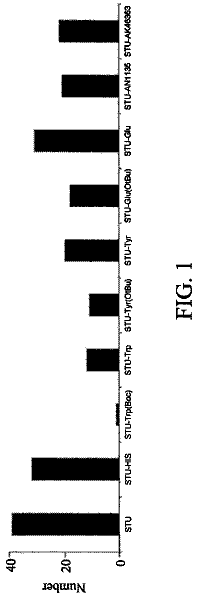
FIG. 1 is a diagram showing the results of rotarod performance tests on compounds of Examples 1 to 4 and 6 to 13 and a control compound.
FIG. 2 is a diagram showing the results of rotarod performance tests on compounds of Examples 5 and 14 to 22 and a control compound.
Detailed description
The present invention will be hereinafter described in detail.
In the compounds of the present specification, the structural formula may represent a certain isomer for convenience sake; however, the compound is not limited to the formula shown for convenience sake, and includes all the structurally possible isomers and isomeric mixtures of the compound, such as geometrical isomers, optical isomers, rotamers, stereoisomers and tautomers, and may be either one of the isomers, or a mixture containing each of the isomers at a given ratio. Thus, optical isomers and a racemate, for example, may be present for the compound in the present specification; however, it is not limited to any of them in the present specification, and the compound in the present specification may be a racemate, any of the optically active substances, or a mixture containing each of the optically active substances at a given ratio.
Further, crystalline polymorphs may also be present, although the present invention is similarly not limited to any of them, and the compound of the present invention may be in a single form of any of the crystal forms, or a mixture thereof, and the present invention also includes amorphous forms. The compound of the present invention also encompasses anhydrides and solvates (in particular, a hydrate).
The present invention also includes compounds obtained by isotopic labeling of compounds (I) to (XXII). Such isotopically labeled compounds are identical to the compounds (I) to (XXII) except that one or more atoms have been replaced with atoms having an atomic mass or mass number different from those generally found in nature. Examples of isotopes that can be incorporated into the compounds of the present invention include isotopes of hydrogen, carbon, nitrogen, oxygen, fluorine, phosphorus, sulfur, iodine, and chlorine, such as .sup.2H, .sup.3H, .sup.11C, .sup.14C, .sup.15N, .sup.18O, .sup.18F, and .sup.35S.
The above-described isotopically labeled compounds, for example, compounds into which radioactive isotopes such as .sup.3H and/or .sup.14C have been incorporated, are useful in a topographic assay of pharmaceuticals and/or substrates. .sup.3H and .sup.14C are considered to be useful because they are readily prepared and detected. Isotopes .sup.11C and .sup.18F are considered to be useful for PET (positron emission tomography), and all of these isotopes are useful for brain imaging. Substitution with a heavier isotope such as .sup.2H provides certain therapeutic benefits such as an increase in the in vivo half-life or a reduction in the required dose because of its higher metabolic stability, and hence, is considered to be useful under certain circumstances. The above-described isotopically labeled compounds can be uniformly prepared by performing the procedures disclosed in the Examples below, using readily available isotopically labeled reagents instead of reagents that are not isotopically labeled.
As used herein, the “pharmaceutically acceptable salt” is not particularly limited as long as it is a salt formed with any of the compounds of the present invention, and may specifically be, for example, an acid addition salt such as an inorganic acid salt, an organic acid salt, or an acidic amino acid salt.
With regard to the “pharmaceutically acceptable salt” herein, unless otherwise indicated, the number of molecules of the acid relative to one molecule of the compound in the formed salt is not particularly limited as long as a salt with an appropriate ratio is formed; however, the number of molecules of the acid relative to one molecule of the compound is preferably about 0.1 to about 5, more preferably about 0.5 to about 2, and still more preferably about 0.5, about 1, or about 2.
Preferable examples of inorganic acid salts include hydrochloride, hydrobromide, sulfate, nitrate, and phosphate, and preferable examples of organic acid salts include acetate, succinate, fumarate, maleate, tartrate, citrate, lactate, stearate, benzoate, methanesulfonate, p-toluenesulfonate, and benzenesulfonate.
Preferable examples of acidic amino acid salts include aspartate and glutamate.
When the compounds (I) to (XXII) according to the present invention are obtained in the free form, they can be converted to salts that may be formed by the compounds (I) to (XXII) described above or hydrates thereof, in accordance with a conventional method.
When the compounds (I) to (XXII) according to the present invention are obtained as salts or hydrates of the compounds (I) to (XXII), they can be converted to the free form of the compounds (I) to (XXII) described above, in accordance with a conventional method.
Moreover, various isomers obtained for the compounds in the present specification (for example, geometrical isomers, optical isomers, rotamers, stereoisomers, and tautomers) can be purified and isolated using common separation means, for example, recrystallization, a diastereomeric salt formation method, an enzymatic resolution method, and various types of chromatography (for example, thin layer chromatography, column chromatography, and gas chromatography).
[Preparation]
A pharmaceutical composition of the invention could be prepared by mixing pharmaceutically acceptable additives with a compound selected from the group of compounds (I) to (XXII) or a pharmaceutically acceptable salt thereof. A pharmaceutical composition of the invention could be prepared according to the known method such as a method described in the General Rules for Preparations of the Japanese Pharmacopoeia 16th Edition.
A pharmaceutical composition of the invention could be administered to patients appropriately depending on the dosage form.
The dose of each of the compounds (I) to (XXII) according to the present invention or a pharmaceutically acceptable salt thereof will vary depending on the severity of the condition, age, sex, body weight, type of the dosage form or salt, specific type of the disease, and the like; generally, however, for an adult, in the case of oral administration, the daily dose is about 30 μg to 10 g, preferably 100 μg to 5 g, and more preferably 100 μg to 1 g, and in the case of administration by injection, the daily dose is about 30 μg to 1 g, preferably 100 μg to 500 mg, and more preferably 100 μg to 300 mg, each administered in single or several divided doses.
The compounds of the present invention can be used as chemical probes for capturing target proteins of bioactive low-molecular-weight compounds. Specifically, the compounds of the present invention can be converted to affinity chromatography probes, photoaffinity probes, or the like, by introducing labeling groups, linkers, or the like into portions of the compounds different from their structural portions essential for the expression of activities, using a technique described in J. Mass Spectrum. Soc. Jpn . Vol. 51, No. 5 2003, p 492-498 or WO 2007/139149, for example.
Examples of labeling groups, linkers, and the like used for chemical probes include groups shown in the group consisting of
to
below:
protein labeling groups such as photoaffinity labeling groups (for example, a benzoyl group, a benzophenone group, an azido group, a carbonylazido group, a diaziridine group, an enone group, a diazo group, and a nitro group) and chemical affinity groups (for example, a ketone group in which the alpha-carbon atom has been substituted with a halogen atom, a carbamoyl group, an ester group, an alkylthio group, an α,β-unsaturated ketone, an ester, or other Michael receptors, and an oxirane group);
cleavable linkers such as —S—S—, —O—Si—O—, monosaccharides (such as a glucose group and a galactose group) or disaccharides (such as lactose), and oligopeptide linkers cleavable by enzymatic reactions;
fishing tag groups such as biotin and a 3-(4,4-difluoro-5,7-dimethyl-4H-3a,4a-diaza-4-bora-s-indacen-3-yl)propionyl group;
detectable markers, for example, radiolabeling groups such as .sup.125I, .sup.32P, .sup.3H and .sup.14C; fluorescent labeling groups such as fluorescein, rhodmine, dansyl, umbelliferone, 7-nitrofurazanyl, and a 3-(4,4-difluoro-5,7-dimethyl-4H-3a,4a-diaza-4-bora-s-indacen-3-yl)propionyl group; chemiluminescent groups such as luciferin and luminol; and heavy metal ions such as lanthanoid metal ions and radium ions; or
groups bound to solid phase carriers such as glass beads, glass beds, microtiter plates, agarose beads, agarose beds, polystyrene beads, polystyrene beds, nylon beads, and nylon beds.
Probes prepared by introducing labeling groups or the like selected from the group consisting of
to
above into the compounds of the present invention in accordance with a method described in the above-mentioned documents or the like can be used as chemical probes for identification of labeled proteins useful for searching for novel drug targets, etc.
Examples
The compounds (I) to (XXII) of the present invention can be produced, for example, using the methods described in the following Examples, and the effects of the compounds can be confirmed using the methods described in the following Test Example. It should be noted, however, that these examples are illustrative, and the present invention is in any case not limited to the following specific examples, and modifications may be made thereto without departing from the scope of the present invention.
Compounds for which document names or the like are noted were produced in accordance with the document or the like.
The abbreviations used herein are conventional abbreviations well known to those skilled in the art. The following abbreviations will be used herein:
AIBN: 2,2′-azobis(isobutyronitrile)
(Ataphos).sub.2PdCl.sub.2: bis(di-t-butyl(4-dimethylaminophenyl)phosphine)dichloropalladium(II)
DCM: dichloromethane
DIAD: diisopropyl azodicarboxylate
diglyme: 1-methoxy-2-(2-methoxyethoxy)ethane
DME: 1,2-dimethoxyethane
DMEAD: di-2-methoxyethyl azodicarboxylate
DMF: N,N-dimethylformamide
DMSO: dimethylsulfoxide
EDC: 1-ethyl-3-(3-dimethylaminopropyl)carbodiimide hydrochloride
IPA: isopropyl alcohol
mCPBA: 3-chloroperbenzoic acid
MTBE: 2-methoxy-2-methylpropane
n-: normal
NBS: N-bromosuccinimide
NMP: N-methyl-2-pyrrolidinone
Pd(PPh.sub.3).sub.4: tetrakis(triphenylphosphine) palladium
Pd(dppf)Cl.sub.2: (1,1′-bis(diphenylphosphino)ferrocene)dichloropalladium(II)
t-: tertiary
TBAF: tetrabutylammonium fluoride
TFA: trifluoroacetic acid
THF: tetrahydrofuran
.sup.1H-NMR: proton nuclear magnetic resonance spectrometry
MS: mass spectrometry
In the following examples, referential examples, and production examples, the “room temperature” generally refers to about 10° C. to about 35° C. “%” refers to percent by weight, unless otherwise specified.
Chemical shifts in proton nuclear magnetic resonance spectra are recorded in δ units (ppm) relative to tetramethylsilane, and coupling constants are recorded in hertz (Hz). Abbreviations for splitting patterns are as follows:
s: singlet, d: doublet, t: triplet, q: quartet, in: multiplet, br.s: broad singlet.
For reactions using a microwave reactor in the production examples, referential examples, and examples, Initiator™ or Initiator+™ from Biotage Corporation was used.
For chromatography, as the silica gel, Silica Gel60 (70-230 mesh ASTM) from Merck Corporation or PSQ60B from Fuji Silysia Chemical Ltd. was used, or a pre-packed column {column: Hi-Flash™ Column (Silicagel) from Yamazen Corporation, size: any of S (16×60 mm), M (20×75 mm), L (26×100 mm), 2 L (26×150 mm), and 3 L (46×130 mm); or Biotage™ SNAP Ultra Silica Cartridge from Biotage Corporation, size: any of 10 g, 25 g, and 50 g} was used.
As the NH silica gel, CHROMATOREX NH-DM2035 from Fuji Silysia Chemical Ltd. was used, or a pre-packed column (column: Hi-Flash™ Column (Amino) from Yamazen Corporation, size: any of S (16×60 mm), M (20×75 mm), L (26×100 mm), 2 L (26×150 mm), and 3 L (46×130 mm); or Presep™ (Luer Lock) NH2 (HC) from Wako Pure Chemical Industries, Ltd., size: any of type M (14 g/25 mL), type L (34 g/70 mL), type 2L (50 g/100 mL), and type 3L (110 g/200 mL)} was used.
As neutral alumina, Aluminium oxide 90 active neutral, 70-230 mesh, Merck, E6NXX was used.
As the names of the compounds shown below, those displayed on the “E-Notebook” Version 12 (PerkinElmer Co., Ltd.) were used, except for commonly used reagents. Production Example 1 Synthesis of 6H-pyrano[3,2-b:5,4-b′]dipyridin-8(7H)-one
##str00061##
Synthesis of (3-bromo-6-methoxypyridin-2-yl)methyl acetate
3-Bromo-6-methoxy-2-methylpyridine (CAS No. 126717-59-7) (4.87 kg, 24.1 mol, 1 equivalent) was dissolved in chloroform (25 L) and cooled to 0-10° C. To the solution was added 65% mCPBA (8.32 kg, 31.3 mol, 1.3 equivalents), and the resulting suspension was heated at 40-50° C. for 10 hours. The reaction mixture was cooled to 10° C. and stirred for 15 minutes. This suspension was filtered, and the residue was washed with chloroform (20 L). The combined filtrates were dried over anhydrous sodium sulfate, and filtered. To the resulting filtrate was added acetic anhydride (12.2 L, 129 mol, 5.4 equivalents) at room temperature, and the mixture was heated and stirred at 65-70° C. for 12 hours. After completion of the reaction, the reaction mixture was cooled to room temperature. To the reaction mixture was added methanol (35 L), and the mixture was stirred for 2 hours. This reaction mixture was concentrated under reduced pressure. To the residue were added n-hexane (40 L) and water (30 L), and the mixture was stirred for 30 minutes. It was filtered, and the residue was washed with n-hexane (15 L). All the filtrates were combined, and the aqueous layer was separated. The organic layer was washed sequentially with water (2×30 L) and a 10% aqueous sodium hydrogen carbonate solution (25 L). The organic layer was dried over anhydrous sodium sulfate, and the filtered solution was concentrated under reduced pressure. The residue was purified with silica gel column chromatography (10% ethyl acetatein-hexane) to afford the title compound (2.34 kg).
Synthesis of (6-methoxy-3-(4,4,5,5-tetramethyl-1,3,2-dioxaborolan-2-yl)pyridin-2-yl)methyl acetate
A mixed solution of (3-bromo-6-methoxypyridin-2-yl)methyl acetate (1.0 kg, 3.85 mol, 1 equivalent), bis(pinacolato)diborane (1.47 kg, 5.79 mol, 1.5 equivalents) and potassium acetate (1.14 kg, 11.6 mol, 3 equivalents) in DMSO (200 mL) and 1,4-dioxane (10 L) was bubbled with argon for 20 minutes. To the solution was added Pd(dppf)Cl.sub.2 (141 g, 193 mmol, 0.05 equivalents), and argon was bubbled through the solution for another 10 minutes. The reaction mixture was heated to reflux for 16 hours before being cooled down to room temperature. The reaction mixture was concentrated under reduced pressure. To the residue were added water and n-hexane, and the mixture was filtered through Celite™. The organic and aqueous layers of the filtrate were separated, and the aqueous layer was extracted again with n-hexane. The combined organic layers were dried over anhydrous sodium sulfate, and the filtered solution was concentrated under reduced pressure to afford the title compound (1.80 kg) as a crude product. This crude product was used for the next reaction without further purification.
Synthesis of (3-(benzyloxy)-6′-methoxy-[2,3′-bipyridin]-2′-yl)methanol
A mixture of 3-(benzyloxy)-2-bromopyridine (CAS No. 132330-98-4) (900 g, 3410 mmol), (6-methoxy-3-(4,4,5,5-tetramethyl-1,3,2-dioxaborolan-2-yl)pyridin-2-yl)methyl acetate (1.80 kg), cesium carbonate (2.22 kg, 6.81 mol), DME (18 L) and water (1.8 L) was bubbled with argon for 20 minutes. To the solution was added Pd(PPh.sub.3).sub.4 (80 g, 69.2 mmol), and argon was bubbled through the solution for another 10 minutes. The reaction mixture was heated to reflux for 18 hours before being cooled down to 60° C., and water (5 L) and a 6 N aqueous sodium hydroxide solution (5 L) were added. This solution was stirred at 50-60° C. for 2 hours and cooled down to room temperature. To the reaction mixture was added ethyl acetate (10 L), and the organic and aqueous layers were separated. The organic layer was extracted with 2 M hydrochloric acid (2×5 L). This aqueous layer was basified with a 6 N aqueous sodium hydroxide solution (5 L), and extracted with ethyl acetate (3×5 L). The organic layer was dried over anhydrous sodium sulfate and filtered, before the resulting solution was concentrated under reduced pressure to about one half of the original solution volume. To this solution was added activated carbon, and the mixture was heated to reflux for 30 minutes and cooled down to room temperature before being filtered through Celite™. The filtrate was concentrated under reduced pressure. The resulting residue was stirred in a solution of 2% MTBE in n-hexane overnight, and the resulting solids were collected by filtration to afford the title compound (760 g).
Synthesis of 2′-(hydroxymethyl)-6′-methoxy-[2,3′-bipyridin]-3-ol
A 5 L stainless steel pressure reactor was charged with a suspension of 10% palladium on carbon (water content, 50%) (33.0 g) in ethanol (3.3 L) under a nitrogen atmosphere. To the suspension was slowly added (3-(benzyloxy)-6′-methoxy-[2,3′-bipyridin]-2′-yl)methanol (330 g, 1020 mmol). The reaction mixture was hydrogenated at room temperature under a pressure of 150 psi for 20 hours. After completion of the reaction, the reaction vessel was purged with nitrogen. The reaction mixture was filtered through Celite™, and the residue was washed with methanol (2.5 L). The combined filtrates were concentrated under reduced pressure, and the resulting residue was suspended in n-hexane, and the resultant was filtered and dried to afford the title compound (225 g).
Synthesis of 6H-pyrano[3,2-b:5,4-b′]dipyridin-8(7H)-one
To a solution of 2′-(hydroxymethyl)-6′-methoxy-[2,3′-bipyridin]-3-ol (225 g, 969 mmol, 1 equivalent) and triphenylphosphine (308 g, 1170 mmol, 1.2 equivalents) in DCM (4.5 L) was added dropwise DIAD (230 mL, 1180 mmol, 1.2 equivalents) at 0-10° C. The reaction mixture was stirred at room temperature overnight before DCM and water were added, and the organic layer was separated. The aqueous layer was extracted again with DCM. The combined organic layers were dried over sodium sulfate, filtered, and the filtrate was concentrated under reduced pressure. To the residue were added 1,4-dioxane (2.25 L) and concentrated hydrochloric acid (1.13 L). The reaction mixture was heated to reflux overnight before being stirred at room temperature for 30 minutes, and the precipitate was collected by filtration. To the resulting solid were added water (2.5 L) and an aqueous ammonia solution (250 mL), and the mixture was stirred at room temperature for 30 minutes, and the precipitate was collected by filtration. The resulting solid was stirred in acetone (1 L) at room temperature for 30 minutes, and the precipitate was collected by filtration. The resulting solid was dried to afford the title compound (160 g).
.sup.1H-NMR (400 MHz, DMSO-d.sub.6) δ (ppm): 5.15 (s, 2H), 6.35-6.55 (m, 1H), 7.12-7.18 (m, 1H), 7.25-7.32 (m, 1H), 8.03-8.13 (m, 1H), 8.13-8.21 (m, 1H), 11.82 (br, s, 1H). Production Example 2 Synthesis of 9-bromo-7-(pyridin-3-yl)-6H-pyrano[3,2-b:5,4-b′]dipyridin-8(7H)-one
##str00062##
Synthesis of 7-(pyridin-3-yl)-6H-pyrano[3,2-b:5,4-b′]dipyridin-8(7H)-one
To a mixture of 6H-pyrano[3,2-b:5,4-b′]dipyridin-8(7H)-one obtained in Production Example 1 (4 g, 20.0 mmol, 1 equivalent), silver carbonate (6.61 g, 24.0 mmol, 1.2 equivalents), copper(I) iodide (2.28 g, 12.0 mmol, 0.6 equivalents), pyridine (9.7 mL, 120 mmol, 6 equivalents) and DMF (100 mL) was slowly added a suspension of pyridine-3-boronic acid 1,3-propanediol cyclic ester (CAS No. 131534-65-1) (9.77 g, 59.9 mmol, 3 equivalents) in DMF (100 mL) at 65° C. under an oxygen atmosphere. The reaction mixture was stirred at 65° C. overnight. The reaction solution was cooled down to room temperature, and NH silica gel was added. The mixture was filtered through Celite™, and the residue was washed with chloroform. The resulting filtrate was concentrated under reduced pressure. The resulting residue was purified with silica gel column chromatography (NH silica gel on silica gel, 10%-100% ethyl acetate/n-heptane, 5% methanol/ethyl acetate) to afford the title compound (610 mg).
.sup.1H-NMR (400 MHz, CDCl.sub.3) δ (ppm): 4.65 (d, J=15.4 Hz, 1H), 4.79 (d, J=15.4 Hz, 1H), 6.74-6.81 (m, 1H), 7.06-7.18 (m, 2H), 7.49-7.59 (m, 1H), 7.64-7.74 (m, 1H), 8.21-8.30 (m, 1H), 8.32-8.38 (m, 1H), 8.51-8.56 (m, 1H), 8.75-8.82 (m, 1H),
Synthesis of 9-bromo-7-(pyridin-3-yl)-6H-pyrano[3,2-b:5,4-b′]dipyridin-8(7H)-one
A mixture of 7-(pyridin-3-yl)-6H-pyrano[3,2-b:5,4-b′]dipyridin-8(7H)-one (300 mg, 1.08 mmol, 1 equivalent), NBS (231 mg, 1.30 mmol, 1.2 equivalents) and DMF (9 mL) was stirred at room temperature for 4 hours. To the reaction mixture was added water, and the mixture was extracted with ethyl acetate. The organic layer was washed with a saturated aqueous sodium chloride solution, and concentrated under reduced pressure. The residue was purified with silica gel column chromatography (silica gel, 5%-100% ethyl acetate/n-heptane) to afford the title compound (277 mg).
.sup.1H-NMR (400 MHz, CDCl.sub.3) δ (ppm): 4.59-4.66 (m, 1H), 4.72-4.79 (m, 1H), 7.10-7.14 (m, 1H), 7.15-7.19 (m, 1H), 7.53-7.58 (m, 1H), 7.66-7.71 (m, 1H), 8.26 (dd, J=4.6, 1.7 Hz, 1H), 8.52-8.55 (m, 1H), 8.78 (s, 1H), 8.80 (dd, J=4.8, 1.7 Hz, 1H). Production Example 3 Synthesis of 9-bromo-7-(thiophen-3-yl)-6H-pyrano[3,2-b:5,4-b′]dipyridin-8(7H)-one
##str00063##
Synthesis of 7-(thiophen-3-yl)-6H-pyrano[3,2-b:5,4-b′]dipyridin-8(7H)-one
A mixture of 6H-pyrano[3,2-b:5,4-b′]dipyridin-8(7H)-one obtained in Production Example 1 (1 g, 5.00 mmol, 1 equivalent), thiophene-3-boronic acid (CAS No. 6165-69-1) (1.28 g, 9.99 mmol, 2 equivalents), silver carbonate (1.65 g, 5.99 mmol, 1.2 equivalents), copper(I) iodide (571 mg, 3.00 mmol, 0.6 equivalents), pyridine (2.42 mL, 30.0 mmol, 6 equivalents) and DMF (40 mL) was stirred at 70° C. for 3 days. The reaction mixture was allowed to return to room temperature before being applied to silica gel pad (NH silica gel and silica gel) and elated with ethyl acetate. The resulting solution was concentrated under reduced pressure, and the residue was purified with silica gel column chromatography (NH silica gel on silica gel, 10%400% ethyl acetate/n-heptane) to afford the title compound (129 mg).
.sup.1H-NMR (400 MHz, CDCl.sub.3) δ (ppm): 4.79 (br. s, 2H), 6.71-6.77 (m, 1H), 7.04-7.07 (m, 1H), 7.07-7.10 (m, 1H), 7.11-7.17 (m, 1H), 7.28-7.32 (m, 1H), 7.50-7.56 (m, 1H), 8.21-8.25 (m, 1H), 8.26-8.31 (m, 1H).
MS [M+H].sup.+=283
The description continues in the full USPTO document.