Field of the invention
This invention relates to novel indazole compounds of general formula 1 and a process for the preparation thereof. The invention specifically relates to novel indazole compounds, derivatives thereof and process for synthesizing the same. Further the invention relates to of use of novel indazole of general formula 1 for the treatment of diabetes, diabetic complications, metabolic disorders, cardiovascular dysfunction including hypertension, auto-immune and inflammation related disorders or diseases where impaired glucose disposal and imbalance energy expenditure between fatty acid and glucose pathway is present and also to pharmaceutical compositions comprising them.
Background and prior art of the invention
Type 2 diabetes mellitus (T2DM) is one of the most common, chronic, and life threatening diseases. Every year, the prevalence of T2DM is increasing worldwide and recently, World Health Organization (WHO) predicted that by 2030, the number of patients diagnosed with T2DM will be more than 366 millions. Clinically T2DM is characterized by increased blood glucose levels, either because of defect in insulin secretion, insulin resistance or both.
US 2004/0009976 A1 discloses a compound of Formula (A1):
##STR00002## and their use for the treatment of Type II diabetes and stimulating insulin secretion in mammals. US 2003/0109550 A1 discloses a compound of formula A2,
##STR00003## wherein, B is a 5 or 6 saturated or unsaturated heterocyclic wherein said heterocyclic is optionally substituted with R.sup.1, R.sup.2, and R12; X is selected from the group consisting of: N and C; Y and Z are independently selected from the group consisting of: N, CH, CR.sup.3, S, and O; R.sup.3 is selected from the group consisting of: substituted or unsubstituted amidine, alkylamino, aminoalkyl, CONHR.sup.7, NH.sub.2, NHCOR.sup.6, and CH.sub.2NHCOR.sup.6.
EP 0418845 B1 discloses novel Pyrazole derivatives, processes for preparation thereof and pharmaceutical composition comprising the same. It provides a compound of the formula A3:
##str00004##
Wherein, R1 is aryl which may be substituted with substituent(s) selected from the group consisting of 40 lower alkyl, halogen, lower alkoxy, lower alkylthio, lower alkylsulfinyl, lower alkylsulfonyl, hydroxy, lower alkylsulfonyloxy, nitro, amino, lower alkylamino, acylamino and lower alkyl-(acyl)amino; or a heterocyclic group; R2 is hydrogen; methyl substituted with amino, lower alkylamino, halogen or acyloxy; acyl; 45 acylamino; cyano; halogen; lower alkylthio; lower alkylsulfinyl; or a heterocyclic group; and R3 is aryl substituted with lower alkyl, lower alkylthio, lower alkylsulfinyl, halogen, amino, lower alkylamino, acylamino, lower alkyl(acyl)amino, lower alkoxy, cyano, hydroxy or acyl; or a heterocyclic group which may be substituted with lower alkylthio, lower alkylsulfinyl or 50 lower alkylsulfonyl.
U.S. Pat. No. 4,436,913 discloses 1H- and 2H-indazole derivatives and pharmaceuticals containing these blood-pressure lowering 1H- and 2H indazole derivatives of the formula A4,
##STR00005## and their acid addition salts, wherein R1 may be in position 1 or position 2 on the nitrogen atoms in formula 1. The groups R1, R2 and R3 represent hydrogen or the usual lower molecular groups. The R group is a 2 imidazolinylamino group or a 3,4,5,6-tetryhydropyrimidinylamino group, wherein these groups may also be present in their tautomeric forms. These groups may also be in an aryl group in the R1 group, in which case the R group may also be a halogen atom. R may only represent one of the heterocyclic secondary or tertiary amino groups in the 4 or 7th position for the 1H indazole derivatives when the R1 group is simultaneously an aryl or an aralkyl group. U.S. Pat. No. 6,878,735 B2 discloses an imidazoline of the formula A5,
##str00006##
Wherein R1 is aryl, optionally substituted, R2 is selected from the group consisting of alkyl, acyl, aryl, aralkyl, heteroaryl containing 5 to 14 ring members, and heterocyclic containing 5 to 12 ring members; R3 is aryl, optionally substituted, R4 is aralkyl, optionally substituted, and R5 is selected from the group consisting of hydrogen and an alkyl group, all of Which are optionally substituted.
U.S. Pat. No. 7,541,376 B2 provides a novel 1H-indazole compound having an excellent JNK inhibitory action. More specifically, it provides a compound represented by the formula A6,
##str00007##
Wherein R.sup.1 is a C.sub.6-C.sub.14 aromatic cyclic hydrocarbon group etc.; R.sup.2, Wand R.sup.5 each independently represent a hydrogen atom, a halogen atom, a cyano group etc.; L is a single bond, or a C.sub.1-C.sub.6 alkylene group etc.; X is a single bond, or a group represented by —CO—NH— or —NH—, CO—, etc.; and Y is a C.sub.3-C.sub.8 cycloalkyl group, a C.sub.6-C.sub.14 aromatic cyclic hydrocarbon group or a 5- to 14-membered aromatic heterocyclic group etc., a salt thereof or a hydrate of them.
US 2011/0034441 A1 discloses a compound of formula A7,
##STR00008## wherein R.sup.1, R.sup.2, R.sup.4, R.sup.5, R.sup.6, Wand R.sup.8 are independently selected from the group consisting of H, C.sub.1-9 alkyl, halide, —CF.sub.3, —(C.sub.1-9 alkyl).sub.ncarbocyclylR.sup.12, —(C.sub.1-9 alkyl).sub.nheterocyclylR.sup.12, —(C.sub.1-9 alkyl).sub.narylR.sup.12, —(C.sub.1-9 alkyl).sub.nheteroarylR.sup.12, —(C.sub.1-9 alkyl).sub.nOR.sup.9, —(C.sub.1-9 alkyl).sub.nSR.sup.9, —(C.sub.1-9 alkyl).sub.nS(═O)R.sup.10, —(C.sub.1-9 alkyl).sub.nSO.sub.2R.sup.9, —(C.sub.1-9 alkyl).sub.nN(R.sup.9)S(═O)R.sup.10, —(C.sub.1-9 alkyl).sub.nN(R.sup.9)SO.sub.2R.sup.9, —(C.sub.1-9 alkyl).sub.nSO.sub.2N(R.sup.9).sub.2, —(C.sub.1-9 alkyl).sub.nN(R.sup.9).sub.2, —(C.sub.1-9 alkyl).sub.nN(R.sup.9)C(=A)N(R.sup.9).sub.2, —(C.sub.1-9 alkyl).sub.nNR.sup.9C(═O)OR.sup.9, —(C.sub.1-9 alkyl).sub.nC(=A)N(R.sup.9).sub.2, —(C.sub.1-9 alkyl).sub.nN(R.sup.9)C(=A)R.sup.9, —(C.sub.1-9 alkyl).sub.nOC(═O)N(R.sup.9).sub.2, —NO.sub.2, —CN, —(C.sub.1-9 alkyl).sub.nCO.sub.2R.sup.9 and —(C.sub.1-9 alkyl).sub.nC(=A)R.sup.9.
US 2002/0161022 A1 discloses a compound of formula A8,
##str00009##
Wherein R1 is a substituted or unsubstituted alkyl, aryl, heteroaryl, carbocycle, heterocycle etc.; R2 is a substituted or unsubstituted alkyl, aryl, heteroaryl, carbocycle, heterocycle etc.
WO2011057959 discloses a compound of formula A9,
##STR00010## wherein, R1, R2, R3, independently of each other; is hydrogen, halogen, lower alkyl or alkoxy; R4 is hydrogen, unsubstituted lower alkyl, or lower alkyl substituted with one to four substituents independently selected from the group consisting of methyl, (=0) and —COOH; X is CH or N; and Y is hydrogen or —NH.sub.2, or a pharmaceutically acceptable salt thereof. Further, it relates to the use of compound A9, or a pharmaceutically acceptable salt thereof, for the treatment or prophylaxis of metabolic diseases and disorders.
Article titled, “2-(4,5-Dihydro-1H-imidazol-2-yl)indazole (indazim) derivatives as selective 12 imidazoline receptor ligands” by F. Saczewski et al. in European Journal of Pharmaceutical Sciences 20
201-208 reports the synthesis of a series of variously substituted 2-(4,5-dihydro-1H-imidazol-2-yl)indazoles and 2-(4,5-dihydro-1H-imidazol-2-yl)-4,5,6,7-tetrahydroindazole. Further, it reports that 4-Chloro-2-(4,5-dihydro-1H-imidazol-2-yl)indazole (3f, 4-Cl-indazim) which shows good affinity at imidazoline I2 receptor and unprecedented among this type of imidazoline ligands low affinity at alpha-2-adrenoceptor.
Article titled, “Click” synthesis of small molecule-peptide conjugates for organelle-specific delivery and inhibition of lysosomal cysteine proteases” By YuhuiLoh in ChemCommun (Camb). 2010 Nov. 28; 46 (44):8407-9 reports a click chemistry approach for the synthesis of small molecule inhibitor-peptide conjugates to achieve organelle-specific delivery. It further provides a process where COOH group was converted to —CONNH2ME using N-methylmorpholine (NMM) isobutyl chloroformate (ISCF) and Methylhydrazine salt.
Article, “Carboxylic Compounds, Nitriles, and Their Interconversion” in Organic Mechanisms, 2010, pp 321-338 reports Trifluoroacetic acid anhydride-mediated dehydration of pivalic acid amide (A) to pivalic acid nitrile (B) with the reagent forming trifluoroacetic acid F.sub.3C—CO.sub.2H.
Article titled, “Synthesis and antidiabetic activity of 2,5-disubstituted-3-imidazol-2-yl-pyrrolo[2,3-b]pyridines and thieno[2,3-b]pyridines” by Rajesh H. Bahekar, Mukul R. Jain, Pradip A. Jadav, Vijay M. Prajapati, Dipam N. Patel, Arun A. Gupta, Ajay Sharma, Robby Tom, Debdutta Bandyopadhya, Honey Modi and Pankaj. R. Patel in Bioorganic & Medicinal Chemistry 15
6782-6795 reports the conversion of nitriles to imidazoline using ethylene diamine, P.sub.2S.sub.5 at 120° C. and 5 hrs.
The drugs used in the diabetes therapy belong to the following therapeutic classes, defined on the basis of the pathogenetic role of the insulin resistance (Trends in Pharm. Sci. 21, 259-265 2000): insulin, sulphonylureas, metformin, inhibitors of alpha-glycosidase (acarbose) and thiazolidinediones (troglitazone). Insulin is the most known drug and it is considered the reference drug in diabetes treatment. But, insulin therapy suffers from the following drawbacks: the drug is administrable only by parenteral route, it is necessary to constantly control the glycaemia levels, local allergic reactions can arise, insulin resistance compels to meaningfully increase the drug dosage during the time, the local tolerability is poor.
Also the other therapeutical approaches are not without drawbacks, sometimes even remarkable. For example sulphonylureas, which are administered alone or in combination with insulin or with other oral hypoglycemizing drugs, can cause hypoglycemia. Metformin, which is used alone or in combination with sulphonylurea, is contraindicated in the presence of renal and hepatic diseases, and can induce a state of lactic acidosis. Acarbose is used alone or in combination with sulphonylurea for reducing the postprandial glycemic levels, but it often induces side effects at the gastrointestinal system level. Troglitazone, which is only used in combination with insulin, can induce hepatotoxic effects.
Thus, there is an urgent need to develop some novel therapeutic approaches for glycemic control that can attempt to preserve normal physiological response to meal intake. One such approach is based on the development of insulin secretagogues, which do not cause glucose secretion under basal blood glucose levels but show only glucose-dependent insulin release.
Considering the standing problems in the prior art and long felt need of a new drug which shows glucose dependent insulin release, overcoming side-effects for treatment of diabetes or diabetes related complications inventors have come up with the current invention. The current invention discloses novel indazole compounds, derivatives thereof and method to synthesize the same. The compounds show anti diabetic activity against both type 1 and type 2 diabetes and related complications like diabetic neuropathy, diabetic retinopathy and a variety of vascular diseases which are results of continued fluctuating glucose blood levels.
Objectives of the invention
The main object of the invention is to provide novel indazole compounds of general formula 1.
Another objective of the invention is to provide a process to synthesize the compounds of Formula 1.
Yet another objective of the invention is to provide pharmaceutical compositions of the compounds for treating diabetes, diabetes related complications and hypertension.
Yet another objective of the invention is to provide use of novel indazole of general formula 1 for the treatment of diabetes, diabetic complications, metabolic disorders, cardiovascular dysfunction including hypertension, auto-immune and inflammation related disorders or diseases where impaired glucose disposal and imbalance energy expenditure between fatty acid and glucose pathway and associated triglyceride level is present.
Summary of the invention
Accordingly, the present invention provides Indazole compounds of formula 1,
##STR00011## Wherein: R.sup.1 are hydrogen or alkyl oraryl or heteroaryl; R.sup.2 are H or halogen R.sup.3, R.sup.4, R.sup.5, and R.sup.6 are independently hydrogen or alkyl, aryl, hetero aryl; any two adjacent groups selected from R.sub.3, R.sub.4, R.sub.5, and R.sub.6 may form a 3-8 membered cycle which may additionally contain hetero atoms; and their analogues, positional isomers, stereoisomers, derivatives, and pharmaceutically acceptable salt thereof.
In one embodiment of the present invention Indazole compounds of formula 1 are represented by following compounds a. 5-Chloro-3-(4,5-dihydro-1H-imidazol-2-yl)-1H-indazole; b. 5-Chloro-3-(4,5-dihydro-1H-imidazol-2-yl)-1-methyl-3a,7a-dihydro-1H-indazole; c. 5-chloro-3-(3a,4,5,6,7,7a-hexahydro-1H-benzo[d]imidazol-2-yl)-1H-indazole; d. 5-Chloro-3-(4,5-dihydro-1H-imidazol-2-yl)-1-ethyl-1H-indazole; e. 1-Benzyl-5-chloro-3-(4,5-dihydro-1H-imidazol-2-yl)-1H-indazole; f. 3-(4,5-dihydro-1H-imidazol-2-yl)-1H-indazole; g. 3-(4,5-dihydro-1H-imidazol-2-yl)-1-methyl-1H-indazole; h. 3-(3a,4,5,6,7,7a-hexahydro-1H-benzo[d]imidazol-2-yl)-1H-indazole.
In an embodiment of the present invention a process for the preparation of Indazole compounds of formula, wherein the said process comprising the steps of; i. converting 5-Chloro isatin
into 5-chloro indazole 3-carboxylic acid (2); ii. treating the compound 5-chloro indazole 3-carboxylic acid
with isobutyl chloroformate and N-methylmorpholine under argon followed by reaction with aq. ammonia to obtain 5-chloro-1H-indazole-3-carboxamide (3); iii. treating the compound 5-chloro-1H-indazole-3-carboxamide
with pyridine and trifluroacetic anhydride to obtain cyano compound (4); iv. reacting cyano compound
with potassium carbonate and alkyl halide in a solvent selected from acetone to obtain substituted indazole carbonitrile; v. reacting substituted indazole carbonitrile with diamine in presence of P.sub.2S.sub.5 to obtain compounds of general formula 1
In another embodiment of the present invention alkyl halide used in step (iv) is selected from the group consisting of ethyl bromide, methyl iodide, benzyl bromide.
In another embodiment of the present invention diamine used in step (v) is selected from the group consisting of 1,2-Cyclohexanediamine, ethylene diamine.
In another embodiment of the present invention a pharmaceutical formulation comprising compound of Formula 1 as an active ingredient, or their analogues, positional isomers, stereoisomers, derivatives, and pharmaceutically acceptable salt thereof, together with one or more pharmaceutically acceptable carriers, diluents or excipients.
In another embodiment of the present invention Indazole compounds of formula 1 are useful for treatment of diabetes, diabetic complications, metabolic disorders, cardiovascular dysfunctions or related diseases where impaired glucose disposal, altered triglyceride levels or reduced beta-cell functions is present.
In another, embodiment of the present invention Indazole compounds of formula 1, wherein it administered to mammal a therapeutically effective amount of a compound of Formula 1, or their analogues, positional isomers, stereoisomers, derivatives, and pharmaceutically acceptable salt.
Brief description of the drawings
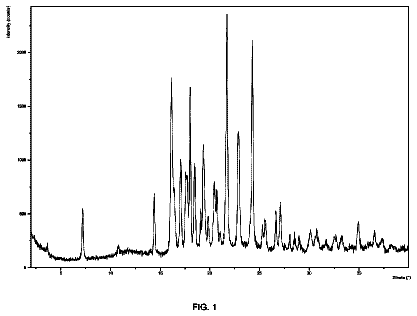
FIG. 1 : depicts Insulin secretion ability of NDS100178 and NDS100179 on three different days.
FIG. 2 : depicts Glucose Dependent activity of NDS100178 and NDS100179,
FIG. 3 : depicts Insulinotropic Activity of NDS100178 and NDS100179 at Low Concentrations.
FIG. 4 : depicts a) Oral Glucose Tolerance Test: Reduction of plasma glucose in presence of NDS100179 in C57BL Mice b) Oral Glucose Tolerance Test: NDS100179 Dose′ dependent % Change in Total AUC (Glucose) in C57BL Mice.
FIG. 5 : depicts a) GSIS enhancement in human Islets; b) GSIS enhancement in C57BL Mice; c) GSIS enhancement in MIN6 cells.
FIG. 6 : depicts a) Glycaemic Control in NDS100179 Treated db/db Mice; b) Glucose Tolerance in NDS100179 Treated db/db Mice; c) Body Weight Measurements of Control or NDS100179 Treated db/db Mice.
FIG. 7 : depicts a) Triglyceride Measurements in Control or NDS100179 Treated db/db Mice; b) Beta-cell Function Measurements in Control or NDS100179 Treated db/db Mice.
FIG. 8 : depicts Glucose uptake in HepG2 cells.
FIG. 9 : depicts PK of NDS100179 in C57BL/6JRccHsd Mice.
FIG. 10 : depicts Oral Glucose Tolerance Test in C57BL/6JRccHsd Mice.
Detailed description of the invention
This invention relates novel indazole compounds of general formula 1 and a process for the preparation thereof. The present invention provides novel compounds and its analogues, positional isomers, stereoisomers, derivatives and pharmaceutically acceptable salt thereof of Indazole compounds of general formula 1
##STR00012## Wherein: R.sup.1 are hydrogen or alkyl oraryl or heteroaryl; R.sup.2 are H or halogen R.sup.3, R.sup.4, R.sup.5 and R.sup.6 are independently hydrogen or alkyl, aryl, hetero aryl; Any two adjacent groups selected from R.sup.3, R.sup.4, R.sup.5 and R.sup.6 may form a 3-8 membered cycle which may additionally contain hetero atoms; and their analogues, positional isomers, stereoisomers, derivatives, and pharmaceutically acceptable salt thereof.
In a preferred embodiment, the present invention provides a compound of formula 1 selected from the group of: 5-Chloro-3-(4,5-dihydro-1H-imidazol-2-yl)-1H-indazole (NDS100178); 5-Chloro-3-(4,5-dihydro-1H-imidazol-2-yl)-1-methyl-3a,7a-dihydro-1H-indazole (7, NDS100179); 5-chloro-3-(3a,4,5,6,7,7a-hexahydro-1H-benzo[d]imidazol-2-yl)-1H-indazole (8, NDS100281); 5-Chloro-3-(4,5-dihydro-1H-imidazol-2-yl)-1-ethyl-1H-indazole (10, NDS100282); 1-Benzyl-5-chloro-3-(4,5-dihydro-1H-imidazol-2-yl)-1H-indazole 12 (NDS100283); 3-(4,5-dihydro-1H-imidazol-2-yl)-1H-indazole (16, NDS100277); 3-(4,5-dihydro-1H-imidazol-2-yl)-1-methyl-1H-indazole 18 (NDS100278); 3-(3a,4,5,6,7,7a-hexahydro-1H-benzo[d]imidazol-2-yl)-1H-indazole (19, NDS100279).
In another embodiment, the present invention provides a process for preparation of novel compounds of general formula 1 from isatin compound of formula II,
##str00013##
Wherein R.sup.2 are H or halogen;
Comprising the steps of:
Converting isatin compound of formula (II) into carboxylic acid;
Treating the carboxylic acid compound step (a) with isobutyl chloroformate and N-methylmorpholine followed by reaction with aq. ammonia to obtain amide;
Treating the amide compound of step (b) with pyridine and trifluroacetic anhydride to furnish cyano compound;
Reacting cyano compound of step (c) with diamine in presence of P.sub.2S.sub.5 to give desired compound of formula (1).
In a preferred embodiment, the present invention provides a process for preparation of novel compounds of formula 5, comprising:
Converting 5-Chloro isatin
into 5-chloro indazole 3-carboxylic acid (2);
Converting the compound
of step (a) into amide (3);
Treating amide 3 of step (b) with pyridine and trifluroacetic anhydride to furnish cyano compound (4);
Reacting compound
of step (c) with ethylene diamine in presence of P.sub.2S.sub.5 to give compound (5).
The process for the preparation of compound 5 is depicted in scheme 1.
##str00014##
In another preferred embodiment, the present invention provides a process for preparation of novel compounds of formula 7, said process comprising:
Converting 5-Chloro isatin
into 5-chloro indazole 3-carboxylic acid (2);
Converting the compound
of step (a) into amide (3);
Treatingamide 3 of step (b) with pyridine and trifluroacetic anhydride to furnish cyano compound (4);
Methylating compound
of step (c) to obtain compound (6),
Reacting compound
of step (c) with ethylene diamine in presence of P.sub.2S.sub.5 to give compound (7).
The process for the preparation of compound 7 is depicted in scheme 2:
##str00015##
The process disclosed in the invention has high yield and selectivity and is commercially feasible.
In an aspect of the invention, the compound of formula 1 may possess antidiabetic activity against both type 1 and type 2 diabetes and related complications like diabetic neuropathy, diabetic retinopathy and a variety of cardiovascular diseases which are the results of continued fluctuating blood glucose and triglyceride levels.
In an aspect of the invention, the compounds of Formula 1 were studied for their insulinotropic activity. The compounds of formula 1 exhibited insulinotropic activities across a range from 0.1 to 10 μg/ml. The compounds of Formula 1 exhibited concentration dependent insulinotropic activity
In another aspect, the insulinotropic activity of the compounds of Formula 1 was compared to the activity of prior compounds of US 20040009976 and the results are as listed in Table 1. The compounds of formula 1 exhibit enhanced insulinotropic activity compared to those disclosed in prior arts.
In yet another aspect, the inventors studied the glucose concentration dependent insulin secretion or glucose stimulated insulin secretion (GSIS) in several models. The study was conducted in human islets, C57BL Mice and MIN 6 cells. The compounds of formula 1 induce GSIS and this is evident by referring to FIG. 5 . The test further confirms that the GSIS effect of the compounds of the invention are independent of the biological system and their make-up.
Further in the studies compound of Formula 1 provided excellent control on increasing fasted blood glucose levels and improved glucose tolerance in OGTT tests in animal model of diabetes (db/db mice) when animals were treated for 30 days with the compound. This provides a direct indication of the anti-diabetic properties of compound of Formula 1 ( FIGS. 6 a and 6 b ). Also beta cell functions were better preserved/restored in compound treated animal confirms additional benefit of the compound ( FIG. 6 c )
In yet another finding compound of Formula 1 decreased triglyceride levels in animal model of diabetes (db/db mice) when animals were treated for 30 days with the compound ( FIG. 7 ). Low triglyceride levels are linked with improved cardiac health and compound provided significant therapeutic cardio-vascular benefits.
Referring to FIG. 8 , the glucose uptake by HepG2 cells was in presence of the compound was studied. Glucose uptake by HepG2 cells represents a model of studying glucose uptake by the liver cells. Increased glucose uptake is characterized as improved insulin sensitivity and compounds that can stimulate glucose uptake and improve insulin sensitivity are useful in management of type 2 diabetes as they eventually help in maintaining glucose homeostasis by decreasing glucose from the circulating system. As evident compound increases glucose uptake in HepG2 cells and hence represent a compound that can help in maintaining glucose homeostasis and managing type 2 diabetes.
In yet another aspect, the mechanism of action of the compounds of formula 1 is proposed by the inventors. Working through imidazoline receptor compound increases Diacylglycerol and downstream Arachidonic Acids in the cell. Arachidonic Acid metabolites are involved in insulin exocytosis. A novel finding that inhibiting LTA4H, an enzyme that can maintain the pool of Arachidonic Acid in the cell, can enhance insulin secretion has been established by the inventors. NDS100178 inhibits LTA4H (1050<500 nM) while the IC50 against LTA4H target of example 6 from patent US20040009976 Compound: 5-Chloro-2-methyl-3-(4,5-dihydro-1-H-imidazol-2-yl)-1H-indole) is above 10 uM.
In yet another embodiment, a pharmaceutical composition is provided comprising a compound of formula (I), or a stereoisomer, or ester or pharmaceutically acceptable salt thereof, and a pharmaceutically acceptable carrier, diluent or excipient.
The pharmaceutical compositions of the invention can be prepared by combining a compound of the invention with an appropriate pharmaceutically acceptable carrier, diluent or excipient, and may be formulated into preparations in solid, semi-solid, liquid or gaseous forms, such as tablets, capsules, powders, granules, ointments, solutions, injections, gels and microspheres,
In still another embodiment, the present invention relates to administering ‘an effective amount’ of the ‘composition of invention’ to a subject suffering from said disease. Accordingly, compound of formula 1, pharmaceutical compositions containing them may be administered using any amount, any form of pharmaceutical composition via any route of administration effective for treating the disease. Typical routes of administering such pharmaceutical compositions include, without limitation, oral, topical, transdermal, inhalation, parenteral, sublingual, buccal, rectal, vaginal, and intranasal.
Pharmaceutical compositions of the invention are formulated so as to allow the active ingredients contained therein to be bioavailable upon administration of the composition to a patient. Compositions that will be administered to a subject or patient may take the form of one or more dosage units. The dosage forms can also be prepared as sustained, controlled, modified and immediate dosage forms.
In conclusion it may be stated that, the compounds of formula 1 provide a novel alternative to diabetics and subjects suffering from its complications thereof by inducing GSIS, managing blood glucose concentrations proportionate to subject's body weight and concentration administered, improving cardiovascular safety profile with decrease in triglycerides and restoring/preserving beta-cell functions.
The following examples are given by way of illustration of the working of the invention in actual practice and should not be construed to limit the scope of the present invention in any way. EXAMPLES Example: 1 5-Chloro-3-(4,5-dihydro-1H-imidazol-2-yl)-1H-indazole (NDS100178) 5-chloro-1H-indazole-3-carboxamide
##str00016##
To a solution of 5-chloro indazole 3-carboxylic acid.sup.1 2 (0.8 g, 4.0 mmol) in anhydrous THF (20 mL) was added isobutyl chloroformate (0.64 mL, 4.9 mmol) and N-methylmorpholine (0.7 mL, 6.1 mmol) under argon at 0° C. and the mixture was stirred for 2 h. Then to this mixture 10 mL of aqueous NH.sub.3 was added and mixture was stirred at 25° C. for 1 h. THF was removed under reduced pressure solid was obtained filtered through buchner funnel, solid was washed with diethyl ether and dried under vacuum to afford title compound 3 (0.5 g, 63%) as a pale yellow solid. IR ν.sub.max(film): cm.sup.−1 2925, 2854, 1463; .sup.1H NMR (200 MHz, DMSO-d.sub.6): δ 8.14 (d, J=1.6 Hz, 1H), 7.80 (b s, 1H), 7.66 (d, J=8.9 Hz, 1H), 7.45-7.39 (m, 2H); MS: 218 (M+Na).sup.+. 5-chloro-1H-indazole-3-carbonitrile
##str00017##
5-chloro-1H-indazole-3-carboxamide 3 (0.60 g, 3.0 mmol) was dissolved in pyridine (6 mL) and dry dichloromethane (6 mL). Trifluoroacetic acid anyhydride (1.0 mL, 7.7 mmol) was added and the reaction stirred at 25° C. for 10 minutes. The reaction mixture was concentrated in vacuo and the residue taken up in ethyl acetate, then washed with water, saturated sodium bicarbonate and brine. The organic phase was dried over sodium sulphate, filtered and concentrated to give the title compound 5-chloro-1H-indazole-3-carbonitrile 4 (0.5 g, 92%) as a pale yellow solid. IR ν.sub.max(film): cm.sup.−1 2233; .sup.1H NMR (200 MHz, CDCl.sub.3): δ 8.03 (d, J=9.1 Hz, I H), 7.96 (d, J=1.8 Hz, 1H), 7.75 (dd, J=9.1, 1.8 Hz, 1H). 5-Chloro-3-(4,5-dihydro-1H-imidazol-2-yl)-1H-indazole (5, NDS100178)
##str00018##
A mixture of 5-chloro-1H-indazole-3-carbonitrile 4 (0.2 g, 1.1 mmol), ethylene diamine (EDA, 4 mL), and P.sub.2S.sub.5 (0.1 g, 0.4 mmol) was heated at 120° C. for 5 h. The reaction mixture was poured into ice solid was obtained, filtered through Buchner funnel washed with diethyl ether and dried under vacuum to afford 5-Chloro-3-(4,5-dihydro-1H-imidazol-2-yl)-1H-indazole compound 5 NDS100178 (0.12 g, 49%) as off white solid. Mp=248-249° C.; .sup.1H NMR (200 MHz, DMSO-d.sub.6): δ 8.19 (s, 1H), 7.63 (d, J=8.9 Hz, 1H), 7.36 (d, J=8.9 Hz, 1H), 3.66 (bs, 4H); MS: 221 (M+H).sup.+. Example: 2 5-Chloro-3-(4,5-dihydro-1H-imidazol-2-yl)-2-methyl-2H-indazole (NDS100179) 5-Chloro-1-methyl-1H-indazole-3-carbonitrile
##str00019##
Potassium carbonate (0.23 g; 1.6 mmol) and methyl iodide (0.1 mL; 1.6 mmol) were added to a suspension of 5-chloro-1H-indazole-3-carbonitrile 4 (0.1 g; 0.5 mmol) in acetone (10 mL). The reaction mixture was heated at 65° C. for 4 h, cooled and filtered. The filtrate was concentrated under reduced pressure and purified by column chromatography (silica gel 100-200 mesh, 3:7 Ethyl acetate: Pet ether) to afford 5-Chloro-1-methyl-1H-indazole-3-carbonitrile 6(0.8 g, 75%) as a white solid. Mp=154-155° C.; .sup.1H NMR (200 MHz, DMSO-d.sub.6): δ 8.03 (d, J=1.9 Hz, 1H), 7.96 (d, J=8.9 Hz, 1H), 7.63 (dd, J=8.9, 1.9 Hz, 1H), 4.20 (s, 3H). 5-Chloro-3-(4,5-dihydro-1H-imidazol-2-yl)-1-methyl-3a,7a-dihydro-1H-indazole (7, NDS100179)
A mixture of 5-Chloro-1-methyl-1H-indazole-3-carbonitrile 6 (0.1 g, 1.0 mmol), EDA (4 mL), and P.sub.2S.sub.5 (0.046 g, 0.4 mmol) was heated at 120° C. for 5 h. The reaction mixture was poured into ice solid was obtained, filtered through Buchner funnel washed with diethyl ether and dried under vacuum to afford compound 7 (NDS100179) (0.060 g, 50%) as a white solid. Mp=174-175° C.; .sup.1H NMR (200 MHz, DMSO-d.sub.6): δ 8.21 (d, J=2.0 Hz, 1H), 7.77 (d, J=8.8 Hz, 1H), 7.47 (dd, J=8.8, 2.0 Hz, 1H), 6.84 (bs, 1H), 4.11 (s, 3H), 3.62 (bs, 4H). .sup.13C NMR (100 MHz, DMSO-d.sub.6) δ=160.1, 139.6, 132.0, 128.2, 127.2, 122.4, 120.1, 111.2, 35.2; MS; 235 (M+H)+. Example: 3 5-chloro-3-(3a,4,5,6,7,7a-hexahydro-1H-benzo[d]imidazol-2-yl)-1H-indazole (NDS100281)
##str00020##
A mixture of 5-chloro-1H-indazole-3-carbonitrile 4 (0.1 g, 0.5 mmol), 1,2-Cyclohexanediamine (2 mL), and P.sub.2S.sub.5 (0.05 g, 0.2 mmol) was heated at 120° C. for 5 h. The reaction mixture was poured into ice solid was obtained, filtered through Buchner funnel washed with diethyl ether and dried under vacuum to afford 5-chloro-3-(3a,4,5,6,7,7a-hexahydro-1H-benzo[d]imidazol-2-yl)-1H-indazole NDS100281 (60 mg, 40%) as pale yellow solid. .sup.1H NMR (200 MHz, CD.sub.3OD) δ=8.08 (d, J=1.6 Hz, 1H), 7.51 (d, J=8.8 Hz, 1H), 7.23 (dd, J=2.0, 8.9 Hz, 1H), 3.89 (t, J=3.6 Hz, 2H), 1.88-1.29 (m, 2H); MS; 275 (M+H).sup.+. Example: 4 5-Chloro-1-ethyl-3a,7a-dihydro-1H-indazole-3-carbonitrile
##str00021##
Potassium carbonate (0.28 g; 1.8 mmol) and ethyl bromide (0.2 mL; 1.8 mmol) were added to a suspension of 5-chloro-1H-indazole-3-carbonitrile 4 (0.12 g; 0.6 mmol) in acetone (10 mL). The reaction mixture was heated at 65° C. for 4 h, cooled and filtered. The filtrate was concentrated under reduced pressure and purified by column chromatography (silica gel 100-200 mesh, 2:8 Ethyl acetate: Pet ether) to afford 9 (0.13 g, 94%) as a pale yellow solid. .sup.1H NMR (200 MHz, CDCl.sub.3): δ=7.82 (t, J=1.1 Hz, 1H), 7.47 (s, 2H), 4.49 (d, J=7.2 Hz, 2H), 1.57 (t, J=7.3 Hz, 4H); MS; 206 (M+H).sup.+. 5-Chloro-3-(4,5-dihydro-1H-imidazol-2-yl)-1-ethyl-1H-indazole
Nds100282
##str00022##
A mixture of 9 (150 mg, 0.7 mmol), EDA (4 mL), and P.sub.2S.sub.5 (0.065 g, 0.3 mmol) was heated at 120° C. for 5 h. The reaction mixture was poured into ice solid was obtained, filtered through Buchner funnel washed with diethyl ether and dried under vacuum to afford
NDS100282 (0.11 g, 60%) as off white solid. .sup.1H NMR (400 MHz, CD.sub.3OD) δ=8.12 (s, 1H), 7.68 (d, J=9.0 Hz, 1H), 7.44 (dd, J=2.0, 9.0 Hz, 1H), 4.53 (q, J=7.3 Hz, 2H), 3.95 (s, 4H), 1.58-1.46 (m, 31-1); .sup.13C NMR (100 MHz, CD.sub.3OD) δ=159.9, 138.8, 130.4, 128.7, 127.4, 122.4, 119.7, 111.5, 44.5, 13.6; MS; 249 (M+H).sup.+. Example: 5 1-Benzyl-5-chloro-3a,7a-dihydro-1H-indazole-3-carbonitrile
##str00023##
Potassium carbonate (0.35 g; 2.5 mmol) and benzyl bromide (0.3 mL; 2.5 mmol) were added to a suspension of 5-chloro-1H-indazole-3-carbonitrile 4 (0.15 g; 0.8 mmol) in acetone (10 mL). The reaction mixture was heated at 65° C. for 4 h, cooled and filtered. The filtrate was concentrated under reduced pressure and purified by column chromatography (silica gel 100-200 mesh, 2:8 Ethyl acetate: Pet ether) to afford
(0.18 g, 80%) as a pale yellow solid. .sup.1H NMR (200 MHz, CDCl.sub.3): δ=7.83 (t, J=1.2 Hz, 1H), 7.41-7.29 (m, 5H), 7.25-7.19 (m, 2H), 5.64 (s, 2H); MS; 268 (M+H).sup.+. 1-Benzyl-5-chloro-3-(4,5-dihydro-1H-imidazol-2-yl)-1H-indazole 12 (NDS100283)
##str00024##
1-Benzyl-5-chloro-3a,7a-dihydro-1H-indazole-3-carbonitrile 11 (160 mg, 0.6 mmol), EDA (4 mL), and P.sub.2S.sub.5 (0.053 g, 0.2 mmol) was heated at 120° C. for 5 h. The reaction mixture was poured into ice solid was obtained, filtered through Buchner funnel washed with diethyl ether and dried under vacuum to afford 12 (NDS100283) (0.100 g, 54%) as off white solid. .sup.1H NMR (400 MHz, CD.sub.3OD) δ=8.26-8.11 (m, 1H), 7.50 (d, J=8.8 Hz, 1H), 7.34 (dd, J=1.8, 8.9 Hz, 1H), 7.29-7.17 (m, 5H), 4.91 (s, 2H), 3.78 (s, 4H); .sup.13C NMR (100 MHz, CD.sub.3OD) δ=160.3, 139.1, 136.3, 134.2, 128.4, 127.9, 127.6, 127.2, 127.0, 122.9, 120.8, 111.2, 52.9, 48.9; MS 311 (M+H).sup.+. Example: 6 3-(4,5-dihydro-1H-imidazol-2-yl)-1H-indazole
Nds100277
##str00025##
Following the same procedure used for the synthesis of 5 (NDS100178). Yield: 51%; .sup.1H NMR (200 MHz, DMSO-d.sub.6) δ=8.25 (d, J=8.1 Hz, 1H), 7.67-7.55 (m, 1H), 7.48-7.35 (m, 1H), 7.23 (d, J=7.3 Hz, 1H), 3.66 (s, 4H); .sup.13C NMR (50 MHz, DMSO-d.sub.6) δ=159.8, 141.1, 135.8, 126.2, 122.0, 121.4, 121.1, 110.5, 49.4; MS 187 (M+H).sup.+. 1-Methyl-1H-indazole-3-carbonitrile 17
##str00026##
Following the procedure for the synthesis of 6. Yield: 97%; .sup.1H NMR (200 MHz, CDCl.sub.3) δ=7.84 (td, J=0.9, 8.2 Hz, 1H), 7.57-7.47 (m, 2H), 7.37 (dd, J=4.0, 8.0 Hz, 1H), 4.17 (s, 3H); MS 158 (M+H).sup.+. Example: 7 3-(4,5-dihydro-1H-imidazol-2-yl)-1-methyl-1H-indazole 18 (NDS100278)
##str00027##
Following the same procedure for the synthesis of 7 (NDS100179). Yield: 42%; .sup.1H NMR (200 MHz, CD.sub.3OD) δ=8.16 (td, J=1.0, 8.2 Hz, 1H), 7.57 (td, J=0.9, 8.5 Hz, 1H), 7.44 (ddd, J=1.0, 6.9, 8.4 Hz, 1H), 7.37-7.20 (m, 1H), 4.22-4.06 (m, 3H), 3.78 (s, 4H); .sup.13C NMR (100 MHz, CD.sub.3OD) S=161.0, 141.1, 134.1, 126.6, 121.9, 121.8, 121.5, 109.3, 49.0, 34.8; MS 201 (M+H).sup.+. Example: 8 3-(3a,4,5,6,7,7a-hexahydro-1H-benzo[d]imidazol-2-yl)-1H-indazole
Nds100281
##str00028##
Following the same procedure for the synthesis of 8. Yield: 30%; .sup.1H NMR (200 MHz, CD.sub.3OD) δ=8.09 (d, J=8.1 Hz, 1H), 7.56-7.43 (m, 1H), 7.31 (s, 1H), 7.16 (d, J=7.8 Hz, 1H), 3.84 (t, J=3.6 Hz, 2H), 1.84-1.24 (m, 8H); .sup.13C NMR (50 MHz, CD.sub.3OD) δ=162.1, 143.7, 135.9, 127.7, 123.3, 122.5, 122.2, 112.0, 60.5, 28.9, 21.8; MS 241 (M+H).sup.+. Example 9 Measurement of Insulinotropic Activity of NDS100178 and NDS100179
Material and Methods
Insulinotropic activity of the NDS100178 and NDS100179 was measured by a well-optimized ELISA based Assay (Shantani Protocol #5205) described below.
Materials MIN6Cell (source: National Center for Cell Sciences, Pune) Mouse Insulin ELISA kit (Mercodia, 10-1247-01) Plate Shaker (MixMatefromEppendorf) HEPES Balanced Krebs-Ringer bicarbonate buffer (components as follows)
TABLE-US-00001 amount (1X) Volume of the stock require to Stock required to HEPES prepare working soln (ml) Conc. prepare 50 KR-Buffer for 50 ml with for 50 ml Components (mM) mol wt. ml stock (mM) 0.1% BSA without BSA NaCl 5000 58.44 14.61 119 1.19 1.19 KCl 100 74.55 0.37 4.74 2.37 2.37 CaCl2 100 110.98 0.55 2.54 1.27 1.27 MgCl2 100 203.31 1.02 1.19 0.595 0.595 KH2PO4 100 136.08 0.68 1.19 0.595 0.595 NaHCO3 200 84.01 0.84 25 6.25 6.25 HEPES 1000 1M stock 0.00 10 0.5 0.5 Distilled 37.23 37.23 Water BSA 0.10% 50 mg No BSA *HEPES is 2-[4-(2-hydroxyethyl)piperazin-l-yl]ethanesulfonic acid
Method i. Seed proliferating culture of MIN-6 cells into a 6 well plate with almost half the confluency two days before the experiment. ii. One the day of Insulin induction experiment, the cells should become almost confluent and are in good condition. iii. On the day of experiment, first prepare 1×KRB-HEPES buffer with 0.1% BSA (for rinse) and without BSA (for equilibration and insulin induction) as described in the materials. iv. Prepare equilibration buffer: 1×KRB-HEPES buffer without BSA containing 3.3 mM glucose (to bring down the glucose level of all cells to the same level). For example, add 66 ul 1 M glucose stock solution to 20 ml KRB-HEPES buffer without BSA. v. Prepare the stimulating buffer (insulin induction): 1×KRB-HEPES buffer without BSA containing the defined glucose level (in most cases, it will be 16.7 mM glucose) and the desired concentration of molecule. vi. Pre warm all the buffers to 37° C. in the water bath (at 15 minutes). vii. Remove media from all wells, rinse each well twice with 2 ml KRB-HEPES buffer containing 0.1% BSA. viii. Add 2 ml of equilibration buffer in each well and incubate at 37° C. for half an hour. ix. After the incubation add 2 ml of stimulating buffer in respective wells (properly labelled) and incubate 37° C. for 1 hour. x. In the meanwhile, turn on the refrigerated centrifuge and set the temperature to 4° C. Take out enzyme conjugate, diluent buffer, Calibrator 0 and stripes needed (for example, two stripes for 8 samples to be run in duplicate) from Mercodia ELISA kit box (store at 4° C.) and warm up them to RT. xi. After the 1 hour incubation is over take out the plates form the incubator, do not disturb the cells and take out 1 ml of stimulating buffer in properly labelled precooled tubes. xii. Centrifuge the tubes at 600 g for 5 min. xiii. Take out 500 ul in fresh properly labelled precooled tubes. xiv. Now dilute the samples 1:30 in calibrator 0 i.e. add 3 ul of each sample to 87 ul of Calibrator 0 in 8 different properly labelled 0.5 ml tubes. Mix them well. xv. Prepare 1× enzyme conjugate buffer, i.e. mix 180 ul enzyme (11×) with 1800 ul diluent buffer for ELISA of two stripes. xvi. Add 10 ul of each sample (diluted, in duplicate) in the two adjacent wells. Be careful not to touch the bottom. xvii. Carefully add 100 ul of Enzyme Conjugate buffer (1×) to each well and incubate on a plate shaker (eppendorf MixMate) at 800 rpm for 2 hours at 25° C. xviii. 45 min before the incubation is over take out wash buffer, substrate TMB and Stop solution. Keep them at RT. xix. 5 min before the incubation is over prepare 1× wash buffer (21×), i.e. 40 ml distilled water+2 ml (21×) wash buffer in a reservoir. xx. After the incubation is over, wash each well 7 times with 350 ul wash buffer. Use a multichannel (175 ul). xxi. After the washing add 200 uL substrate TMB solution in each well. Maintain a proper pace. xxii. Allow to incubate for 15 min. Set the program on the plate reader, to take absorbance read at 450 nm. Add a 5 sec shake step to allow proper mixing. xxiii. After incubation immediately add 50 ul Stop solution in each well at same pace and take absorbance read at 450 nm.
Assay conditions were kept same in all the assays. The difference in absorption-value for control experiment (no treatment with molecule) over different days is attributed to cell culture conditions. Other varying conditions are specified in the respective graphs. Results obtained are compiled below.
[Note: If not mentioned specifically, HG=High Glucose (16.7 mM), LG=Low Glucose (3.3 mM)]
Results
NDS100178 and NDS100179 Enhances Glucose Stimulated Insulin Secretion
Insulin secretion ability of NDS100178 and NDS100179 was measured in three different days as in FIG. 1 . As represented below significant increase in the insulin secretion from MIN6 cells in high glucose conditions was observed when the cells were treated with either NDS100178 or NDS100179, both at 33 uM concentration, for 1 hour.
Insulinotropic Activity of the NDS100178 and NDS100179 is Glucose Dependent
The description continues in the full USPTO document.
 Lapsed, fee not paid5 drawings