Lapsed, fee not paid2 drawings
Biotech & Lab · US 9,725,514 B2
Chronic rejection inhibitor
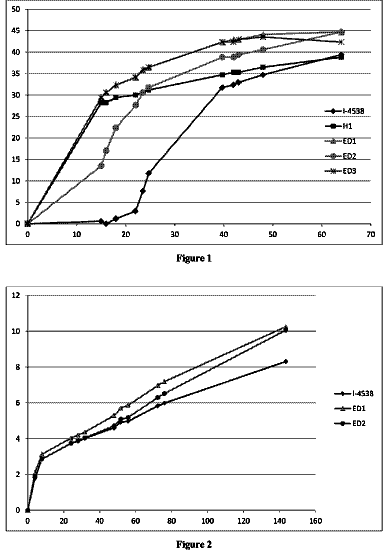
The present inventors assessed the effect of anti-IL-6 receptor antibodies in suppressing chronic rejection reaction.
US 9,725,522 B2 · Assignee: Ablynx N.V. · Inventors: Bouche; Marie-Paule Lucienne Armanda et al.
Sheet 1 of 44 from the published document. All sheets in the USPTO PDF
In one aspect, the invention relates to a method suitable for administering protein therapeutic molecules orally, sublingually, topically, intravenously, subcutaneously, nasally, vaginally, rectally or by inhalation so as to avoid inactivation, by using VHH polypeptides derived from Camelidae antibodies. The invention further relates to the said therapeutic molecules. The invention further a method for delivering therapeutic molecules to the interior of cells. The invention further relates to anti-IgE therapeutic molecules. In one aspect, the present invention relates to a method wherein an immunoglobulin single variable domain (such as a Nanobody) and/or construct thereof are absorbed in pulmonary tissue. More particularly, the invention provides systemic delivery of an immunoglobulin single variable domain and/or construct thereof via the pulmonary route.
Polypeptide therapeutics and in particular antibody-based therapeutics have significant potential as drugs because they have exquisite specificity to their target and a low inherent toxicity. However, they have one important drawback: these are complex, large molecules and therefore relatively unstable, and they are sensitive to breakdown by proteases. Because the degradation they undergo during passage through, for instance, the gastrointestinal tract, administration of conventional antibodies and their derived fragments or single-chain formats (e.g. scFv's) is not very effective. This means that conventional antibody drugs cannot be administered orally, sublingually, topically, nasally, vaginally, rectally or by inhalation because they are not resistant to the low pH at these sites, the action of proteases at these sites and in the blood and/or because of their large size. They have to
1 of 44 drawing sheets so far from the published document, cropped to the drawing. Every sheet is in the USPTO PDF.
What the patent claimed, word for word. All of it is now free to use.
The present invention relates to a method wherein an immunoglobulin single variable domain (such as a Nanobody) and/or construct thereof are absorbed in pulmonary tissue. More particularly, the invention provides systemic delivery of an immunoglobulin single variable domain and/or construct thereof via the pulmonary route.
Polypeptide therapeutics and in particular antibody-based therapeutics have significant potential as drugs because they have exquisite specificity to their target and a low inherent toxicity. However, they have one important drawback: these are complex, large molecules and therefore relatively unstable, and they are sensitive to breakdown by proteases. Because the degradation they undergo during passage through, for instance, the gastrointestinal tract, administration of conventional antibodies and their derived fragments or single-chain formats (e.g. scFv's) is not very effective. This means that conventional antibody drugs cannot be administered orally, sublingually, topically, nasally, vaginally, rectally or by inhalation because they are not resistant to the low pH at these sites, the action of proteases at these sites and in the blood and/or because of their large size. They have to be administered by injection (intravenously, subcutaneously, etc.) to overcome some of these problems. Administration by injection is therefore the most frequently used method of administration although the method has many disadvantages, for example: (a) poor tolerance by patients, especially when treating chronic disorder; (b) a consequent risk of poor compliance with the dosage when the drug is not a ‘life saver’; (c) difficulty of carrying out self-administration by the patient; (d) possible non-availability of suitable surroundings for carrying out the procedure in an aseptic manner; (e) requires specialist training in order to use a hypodermic syringe or needle correctly and safely. A method for the delivery of therapeutic polypeptides which avoids the need for injection has not only cost/time savings, but would also be more convenient and more comfortable for the subject.
In most animal cells, a specialised pathway is present for uptake of specific macromolecules from the extracellular fluid. The macromolecules that bind to specific cell-surface receptors are internalized, a process called receptor-mediated endocytosis. Receptor internalization is based on the principle of regulation of signal transduction by a process called sequestration, whereby bound agonistic (i.e. receptor activation) ligands are recovered from the cell surface in complex with the receptor. For many applications it is necessary to deliver effector molecules across the cell membrane and into the cytosol. This can be achieved by taking advantage of such internalizing receptors. Antibodies have been described that internalize upon binding to internalizing receptors. However, they have important drawbacks: these antibodies are complex, large molecules and therefore relatively unstable, and they are sensitive to breakdown by proteases. Moreover, the domains of such antibodies are held together by disulphide bonds that dissociate in the reducing environment of the cytoplasm leading to a substantial loss of binding activity. Therefore, they cannot be used to target intracellular proteins.
Another process that relies on internalisation is the efficient induction of an immune response. In particular, a T-cell response depends heavily on efficient presentation of certain epitopes to the T cells by antigen presenting cells (APCs). In the case of a protein antigen this means that the APC has to take up the protein, internally process it (this is cleaving it) and express certain peptide fragments on its surface in association with MHC (major histocompatibility complex) or HLA molecules. One major and critical event in this process is the efficient uptake of the protein antigen by its APC. Techniques which can enhance antigen uptake by APCs enables an immune response to be elicited against antigens which naturally elicit a weak or no immune response. Therefore, a technique which can boost an immune response against antigenic antigens, naturally weak or non-immunogenic antigens has important implications for vaccination programs.
IgE plays a major role in allergic disease by causing the release of histamine and other inflammatory mediatord from mast cells. A mainstay of treatment of allergic disease, including asthma, is allergen avoidance and treatment of symptoms. Presently, the most effective treatments of allergic diseases are directed towards a regulation of the inflammatory process with corticosteroids. A more direct approach without the negative effects of corticosteroids consists in regulating the allergic process at the level of the initiator of the allergic inflammation, IgE, via an anti-IgE.
The concept of using anti-IgE antibodies as a treatment for allergy has been widely disclosed in the scientific literature. A few representative examples are as follows. Baniyash and Eshhar (European Journal of Immunology 14:799-807 (1984)) demonstrated that an anti-IgE monoclonal antibody could specifically block passive cutaneous anaphylaxis reaction when injected intradermally before challenging with the antigen; U.S. Pat. No. 4,714,759 discloses a product and process for treating allergy, using an antibody specific for IgE; and Rup and Kahn (International Archives Allergy and Applied Immunology, 89:387-393
discuss the prevention of the development of allergic responses with monoclonal antibodies which block mast cell-IgE sensitization.
Anti-IgE antibodies which block the binding of IgE to its receptor on basophils and which fail to bind to IgE bound to the receptor, thereby avoiding histamine release are disclosed, for example, by Rup and Kahn (supra), by Baniyash et al. (Molecular Immunology 25:705-711, 1988), and by Hook et al. (Federation of American Societies for Experimental Biology, 71st Annual Meeting, Abstract #6008, 1987).
Antagonists of IgE in the form of receptors, anti-IgE antibodies, binding factors, or fragments thereof have been disclosed in the art. For example, U.S. Pat. No. 4,962,035 discloses DNA encoding the alpha-subunit of the mast cell IgE receptor or an IgE binding fragment thereof. Hook et al. (Federation Proceedings Vol. 40, No. 3, Abstract #4177) disclose monoclonal antibodies, of which one type is anti-idiotypic, a second type binds to common IgE determinants, and a third type is directed towards determinants hidden when IgE is on the basophil surface.
U.S. Pat. No. 4,940,782 discloses monoclonal antibodies which react with free IgE and thereby inhibit IgE binding to mast cells, and react with IgE when it is bound to the B-cell FcE receptor, but do not bind with IgE when it is bound to the mast cell FcE receptor, nor block the binding of IgE to the B-cell receptor.
U.S. Pat. No. 4,946,788 discloses a purified IgE binding factor and fragments thereof, and monoclonal antibodies which react with IgE binding factor and lymphocyte cellular receptors for IgE, and derivatives thereof.
U.S. Pat. No. 5,091,313 discloses antigenic epitopes associated with the extracellular segment of the domain which anchors immunoglobulins to the B cell membrane. The epitopes recognized are present on IgE-bearing B cells but not basophils or in the secreted, soluble form of IgE. U.S. Pat. No. 5,252,467 discloses a method for producing antibodies specific for such antigenic epitopes. U.S. Pat. No. 5,231,026 discloses DNA encoding murine-human antibodies specific for such antigenic epitopes.
U.S. Pat. No. 4,714,759 discloses an immunotoxin in the form of an antibody or an antibody fragment coupled to a toxin to treat allergy.
Presta et al. (J. Immunol. 151:2623-2632 (1993)) disclose a humanized anti-IgE antibody that prevents the binding of free IgE to FceRI but does not bind to FcεRI-bound IgE. Copending WO93/04173 discloses polypeptides which bind differentially to the high- and low-affinity IgE receptors.
U.S. Pat. No. 5,428,133 discloses anti-IgE antibodies as a therapy for allergy, especially antibodies which bind to IgE on B cells, but not IgE on basophils. This publication mentions the possibility of treating asthma with such antibodies. U.S. Pat. No. 5,422,258 discloses a method for making such antibodies.
EP0841946 discloses methods for treating allergic asthma using IgE antagonists.
Inhalation is an attractive delivery route to administer pulmonary local-acting agents in respiratory diseases (i.e. asthma, infections). Its use is also being adopted for the delivery of systemic-acting therapeutics whether they are small molecules or macromolecules (A. J. Bitonti and J. A. Dumont. Pulmonary administration of therapeutic proteins using an immunoglobulin transport pathway. Adv. Drug Deliv. Rev. 58:1106-1118 (2006).). As a hallmark of success, the first inhaled insulin powder, Exubera®, has recently been approved in Europe and US for the treatment of adult patients with type 1 or type 2 diabetes (L. Fabbri. Pulmonary safety of inhaled insulins: a review of the current data. Curr. Med. Res. Opin. 22 (Suppl 3) 21-28 (2006).).
For example, the systemic delivery of a conventional antibody, Cetuximab, a chimeric conventional antibody targeting the epidermal growth factor receptor (EGFR), is described in Maillet et al. (Maillet et al. Pharmaceutical Research, Vol. 25, No. 6, June 2008). Cetuximab was nebulized using three types of delivery devices and the immunological and pharmacological properties of cetuximab were evaluated. It was found that the conventional antibody aggregates and although they conclude that the antibody resists to physical constraints of nebulization as it remains biologically active, it is thought that the aggregated IgG will be lost for systemic uptake.
Furthermore, inhaled immunoglobulin single variable domain for local pulmonary delivery has been suggested for therapeutic use in lung diseases (see e.g. WO2007049017). However, the lung as a portal of entry for systemic drug delivery of immunoglobulin single variable domain and in particular Nanobodies and construct thereof has never been described in any details. Most immunoglobulin single variable domains for use as a biotherapeutic are still only developed as an intravenous injection delivery form. The use of these intravenous injection delivery forms is associated often with low patient compliance and high costs (application of injection often only by medical staff) in clinical practice. To improve compliance and a cost effect application, the development of non-invasive, easy to use delivery strategies such as pulmonary absorption of pharmaceuticals in particular biopharmaceuticals, e.g. such as immunoglobulin single variable domain, is clearly a medical need.
The aim of the invention is to provide a method of administering protein therapeutic molecules orally, sublingually, topically, nasally, vaginally, rectally, intravenously, subcutaneously or by inhalation which overcomes the problems of the prior art. It is a further aim to provide said therapeutic molecules.
Another aim of the invention is to provide a method for delivering therapeutic substances to the interior of cells via internalizing receptors without receptor activation.
It is further aim of the invention to provide a therapeutic agent for the treatment of allergies.
It is a further aim of the invention to provide therapeutic nanobodies.
One embodiment of the present invention is a polypeptide construct comprising at least one single domain antibody directed against IgE.
Another embodiment of the present invention is a polypeptide construct as described above wherein at least one single domain antibody is a Camelidae VHH.
Another embodiment of the present invention is a polypeptide construct as described above wherein at least one single domain antibody corresponds to a sequence represented by any of SEQ ID NOs: 1 to 11.
Another embodiment of the present invention is a polypeptide construct as described above, wherein the number of anti-IgE single domain antibodies is at least two.
Another embodiment of the present invention is a polypeptide construct as described above, wherein at least one single domain antibody is a humanized Camelidae VHH.
Another embodiment of the present invention is a polypeptide construct as described above, wherein a single domain antibody is an homologous sequence, a functional portion, or a functional portion of an homologous sequence of the full length single domain antibody.
Another embodiment of the present invention is a polypeptide construct as described above, wherein the polypeptide construct is an homologous sequence, a functional portion, or a functional portion of an homologous sequence of the full length polypeptide construct.
Another embodiment of the present invention is a nucleic acid encoding a polypeptide construct as described above.
Another embodiment of the present invention is a polypeptide construct as described above for treating and/or preventing and/or alleviating disorders relating to inflammatory processes.
Another embodiment of the present invention is a use of a polypeptide construct as described above for the preparation of a medicament for treating and/or preventing and/or alleviating disorders relating to inflammatory reactions.
Another embodiment of the present invention is a method for delivering an anti-target compound to a subject for the treatment of a disorder without being inactivated by administering thereto a polypeptide construct comprising one or more single domain antibodies directed against said target.
Another embodiment of the present invention is a method as described above wherein said target is located in the gut system, and said a polypeptide construct is delivered orally.
Another embodiment of the present invention is a method as described above wherein said target is located in vaginal and/or rectal tract, and said a polypeptide construct is delivered to the vaginal and/or rectal tract.
Another embodiment of the present invention is a method as described above wherein said target is located in nose, upper respiratory tract and/or lung, and said a polypeptide construct is delivered to nose, upper respiratory tract and/or lung.
Another embodiment of the present invention is a method as described above wherein said target is located in intestinal mucosa, and said a polypeptide construct is delivered orally.
Another embodiment of the present invention is a method as described above wherein said target is located in the tissues beneath the tongue, and said a polypeptide construct is delivered to the tissues beneath the tongue.
Another embodiment of the present invention is a method as described above wherein said target is located in the skin, and said a polypeptide construct is delivered topically.
Another embodiment of the present invention is a method as described above wherein said target is in, or accessible via the blood, and said a polypeptide construct is delivered orally, to the vaginal and/or rectal tract, nasally, by inhalation though the mouth or nose, to the tissues beneath the tongue, or topically.
Another embodiment of the present invention is a polypeptide construct comprising at least one single domain antibody directed against a target, for use in treating, preventing and/or alleviating the symptoms of disorders which are susceptible to modulation by an anti-target therapeutic compound that is able pass through the gastric environment without being inactivated.
Another embodiment of the present invention is a polypeptide construct comprising at least one single domain antibody directed against a target for use in treating, preventing and/or alleviating the symptoms of disorders which are susceptible to modulation by an anti-target therapeutic compound that is able pass through the wall of the intestinal mucosa without being inactivated
Another embodiment of the present invention is a polypeptide construct comprising at least one single domain antibody directed against a target for use in treating, preventing and/or alleviating the symptoms of disorders which are susceptible to modulation by an anti-target therapeutic compound that is able pass through the wall of the nose, upper respiratory tract and/or lung without being inactivated
Another embodiment of the present invention is a polypeptide construct comprising at least one single domain antibody directed against a target for use in treating, preventing and/or alleviating the symptoms of disorders which are susceptible to modulation by an anti-target therapeutic compound that is able pass through the wall of virginal and/or rectal tract without being inactivated
Another embodiment of the present invention is a polypeptide construct comprising at least one single domain antibody directed against a target for use in treating, preventing and/or alleviating the symptoms of disorders which are susceptible to modulation by a therapeutic compound that is able pass through the tissues beneath the tongue without being inactivated
Another embodiment of the present invention is a polypeptide construct comprising at least one single domain antibody directed against a target for use in treating, preventing and/or alleviating the symptoms of disorders which are susceptible to modulation by a therapeutic compound that is able pass through the skin without being inactivated
Another embodiment of the present invention is a method as described above or polypeptide construct as described above, wherein said target is TNF-alpha and the disorder is inflammation.
Another embodiment of the present invention is a method or polypeptide as described above, wherein a single domain antibody corresponds to a sequence represented by any of SEQ ID NOs: 12 to 14.
Another embodiment of the present invention is a method as described above or polypeptide construct as described above, wherein said target is CEA and the disorder colon cancer.
Another embodiment of the present invention is a method as described above or polypeptide construct as described above, wherein said target is EGFR and the disorder is any of head, neck, lung and colon cancer.
Another embodiment of the present invention is a method or polypeptide construct as described above, wherein a single domain antibody corresponds to a sequence represented by any of SEQ ID NOs: 23 to 44
Another embodiment of the present invention is a method as described above or polypeptide construct as described above, wherein said target is antigen of Helicobacter pylori and the disorder is any of indigestion, gastritis.
Another embodiment of the present invention is a method as described above or polypeptide construct as described above, wherein said target is antigen of Mycobacterium tuberculosis and the disorder is tuberculosis.
Another embodiment of the present invention is a method as described above or polypeptide construct as described above, wherein said target is antigen of influenza virus and the disorder is flu.
Another embodiment of the present invention is a method as described above or polypeptide construct as described above, wherein said target is antigen of IgE and the disorder is allergic response.
Another embodiment of the present invention is a method or polypeptide construct as described above, wherein a single domain antibody corresponds to a sequence represented by any of SEQ ID NOs: 1 to 11
Another embodiment of the present invention is a method as described above or polypeptide construct as described above, wherein said target is antigen of MMP and the disorder is cancer.
Another embodiment of the present invention is a method or polypeptide construct as described above, wherein a single domain antibody corresponds to a sequence represented by any of SEQ ID NOs: 15 to 22
Another embodiment of the present invention is a method as described above or polypeptide construct as described above, wherein said target is antigen of IFN-gamma and the disorder is any of cancer, transplant rejection, auto immune disorder.
Another embodiment of the present invention is a method or polypeptide construct as described above, wherein a single domain antibody corresponds to a sequence represented by any of SEQ ID NOs: 45 to 70
Another embodiment of the present invention is a method as described above or polypeptide construct as described above wherein said target is any of antigen of Helicobacter pylori , antigen of Mycobacterium tuberculosis , antigen of influenza virus.
Another embodiment of the present invention is a polypeptide construct comprising at least one single domain antibody directed against an internalising cellular receptor, and at least one single domain antibody directed against a therapeutic target.
Another embodiment of the present invention is a polypeptide construct comprising at least one single domain antibody directed against an internalising cellular receptor, and at least one therapeutic polypeptide or agent.
Another embodiment of the present invention is a polypeptide construct as described above wherein said internalising cellular receptor is Epidermal Growth Factor receptor.
Another embodiment of the present invention is a polypeptide as described above wherein a single domain antibody directed against an internalising cellular receptor corresponds to a sequence represented by SEQ ID NO: 23 to 44.
Another embodiment of the present invention is a polypeptide construct as described above wherein said internalising cellular receptor is any of LDL receptor, FGF2r, ErbB2r, transferring receptor, PDGr, VEGr, or PsmAr.
Another embodiment of the present invention is a polypeptide construct as described above wherein a single domain antibody directed against a therapeutic target, is directed against PDK1.
Another embodiment of the present invention is a polypeptide construct as described above use in treating cancer
Another embodiment of the present invention is a polypeptide construct as described above wherein a single domain antibody directed against a therapeutic target is directed against any of GSK1, Bad, caspase and Forkhead.
Another embodiment of the present invention is a polypeptide construct as described above use in treating cancer.
Another embodiment of the present invention is a method for delivering an anti-target therapeutic compound to the interior of a cell comprising administering to a subject a polypeptide construct as described above.
Another embodiment of the present invention is a method for delivering an anti-target therapeutic compound to the interior of a cell without being inactivated comprising administering to a subject a polypeptide construct as described above.
Another embodiment of the present invention is a method as described above wherein said cell is located in the gut system, and said a polypeptide construct is delivered orally.
Another embodiment of the present invention is a method as described above wherein said cell is located in vaginal and/or rectal tract, and said a polypeptide construct is delivered to the vaginal and/or rectal tract.
Another embodiment of the present invention is a method as described above wherein said cell is located in nose, upper respiratory tract and/or lung, and said a polypeptide construct is delivered to nose, upper respiratory tract and/or lung.
Another embodiment of the present invention is a method as described above wherein said cell is located in intestinal mucosa, and said a polypeptide construct is delivered orally.
Another embodiment of the present invention is a method as described above wherein said cell is located in the tissues beneath the tongue, and said a polypeptide construct is delivered to the tissues beneath the tongue.
Another embodiment of the present invention is a method as described above wherein said cell is located in the skin, and said a polypeptide construct is delivered topically.
Another embodiment of the present invention is a method as described above wherein said cell is in, or accessible via the blood, and said a polypeptide construct is delivered orally, to the vaginal and/or rectal tract, nasally, by inhalation though the mouth or nose, to the tissues beneath the tongue, or topically.
Another embodiment of the present invention is a polypeptide construct as described above, or a method as described above, wherein the single domain antibodies are humanized Camelidae VHHs.
Another embodiment of the present invention is a polypeptide construct as described above, or a method as described above, wherein said single domain antibody is an homologous sequence, a functional portion, or a functional portion of an homologous sequence of the full length single domain antibody.
Another embodiment of the present invention is a polypeptide construct as described above or a method as described above, wherein the polypeptide construct is an homologous sequence, a functional portion, or a functional portion of an homologous sequence of the full length polypeptide construct.
Another embodiment of the present invention is a polypeptide construct as described above or a method as described above wherein said single domain antibodies are Camelidae VHHs.
Another embodiment of the present invention is a nucleic acid capable of encoding a polypeptide construct as described above.
Another embodiment of the present invention is a composition comprising a polypeptide construct as defined above, together with a pharmaceutical carrier.
The systemic exposure of immunoglobulin single variable domains such as a Nanobody and/or constructs thereof is often short as they are cleared from the systemic circulation rapidly. For example the in vivo half-life of a monovalent Nanobody is about 45 minutes in mouse (Expert Opinion on Biological Therapy, Volume 5, Number 1, 1 Jan. 2005, pp. 111-124(14). EP 1′517′921 proposes a strategy to prolong systemic exposure by making a construct that comprises an immunoglobulin variable domain against an antigen and an immunoglobulin variable domain against a serum protein with increased half-life. However, there is a clear need for alternative and/or improved strategies to prolong the half-life of immunoglobulin single variable domains.
The generation of immunoglobulin variable domains, such as Nanobodies, has been described extensively in various publications, among which WO 94/04678, Hamers-Casterman et al. Nature. 1993 Jun. 3; 363(6428):446-8 and S. Muyldermans (J Biotechnol. 2001 June; 74(4):277-302 Review) can be exemplified. In these methods, camelids such as lamas are immunized with the target antigen in order to induce an immune response against said target antigen. The repertoire of Nanobodies obtained from said immunization is further screened for Nanobodies that bind the target antigen.
Currently, the art provides no method to systemically deliver immunoglobulin single variable domains and/or constructs thereof (e.g. such as Nanobodies and/or constructs thereof) via pulmonary tissue absorption in an effective amount. WO2007049017 describes an immunoglobulin single variable domain that was administered to the lungs but not delivered systemically in substantial amounts.
It is the objective of the present invention to overcome these shortcomings of the art. In particular it is an objective of the present invention to provide a method for delivering immunoglobulin single variable domains and/or constructs thereof to a mammal, e.g. a human. Furthermore, the methods described herein provide a sustained delivery of said immunoglobulin single variable domains.
The herein mentioned problems are overcome by the present invention. It has been found that administration of immunoglobulin single variable domains and/or constructs thereof can result in a sustained release of said immunoglobulin single variable domains and/or constructs thereof to the systemic circulation in an effective amount i.e. an amount that can have a prophylactic and/or therapeutic effect.
The present invention relates to the following.
A method for providing to the systemic circulation of a mammal an effective amount of an immunoglobulin single variable domain and/or construct thereof that can bind to and/or have affinity for at least one antigen; wherein the method comprises the step of: a) administering the immunoglobulin single variable domain and/or construct thereof to the pulmonary tissue of said mammal.
In a preferred method, the administration in said above mentioned method is performed by inhaling said immunoglobulin single variable domain and/or construct thereof in an aerosol cloud.
In one embodiment of the invention, the immunoglobulin single variable domain is a light chain variable domain sequence (e.g. a V.sub.L-sequence), or heavy chain variable domain sequence (e.g. a V.sub.H-sequence); more specifically, the immunoglobulin single variable domain can be a heavy chain variable domain sequence that is derived from a conventional four-chain antibody or heavy chain variable domain sequence that is derived from a heavy chain antibody.
According to the invention, the immunoglobulin single variable domain can be a domain antibody, or an amino acid sequence that is suitable for use as a domain antibody, a single domain antibody, or an amino acid sequence that is suitable for use as single domain antibody, a “dAb”, or an amino acid sequence that is suitable for use as a dAb, or a Nanobody, including but not limited to a V.sub.HH sequence, and preferably is a Nanobody.
According to the invention, the construct comprising at least one immunoglobulin single variable domain can be a construct or polypeptide designed from the above mentioned sequences.
In a preferred method the immunoglobulin single variable domain and/or construct thereof of above mentioned method is a Nanobody and/or a construct thereof. In a further similar preferred method, i.e. when using a Nanobody and/or a construct thereof, the method includes effective local pulmonary delivery of said Nanobody and/or a construct thereof.
According to the invention, inhaling of the aerosol cloud can be performed by an inhaler device. The device should generate from a formulation comprising the immunoglobulin single variable domain and/or construct thereof an aerosol cloud of the desired particle size (distribution) at the appropriate moment of the mammal's inhalation cycle, containing the right dose of the immunoglobulin single variable domain and/or construct thereof (“Pulmonary Drug Delivery”, Edited by Karoline Bechtold-Peters, Henrik Luessen, 2007, ISBN 978-3-87193-322-6, page 125).
The invention also relates to uses, formulations and devices suitable in the performance of the methods of the invention.
FIG. 1 : Schematic illustrating the regions of IgE
FIG. 2 : ELISA of reference and pepsin-treated TNF3E at pH2.2, pH3.2 and pH4.2 (100% is the signal measured at a 1/100 dilution)
FIG. 3 : Experimental setting
FIG. 4 : Capacity of VHH clones to inhibit the proteolytic activity of human catalytic domain of MMP12
FIG. 5 : ELISA to detect A431 specific antibody titers in llama serum.
FIG. 6 : Detection of EGFR specific antibody titers in llama serum.
FIG. 7 : Detection of EGFR specific antibody titers in serum of llama 024 and 025 and of llama 026 and 027.
FIG. 8 : Phage response to EGFR
FIG. 9 : Amino acid alignment of 31 clones identified by the epitope specific elution selection procedure
FIGS. 10A and 10B : Phage ELISA on cells ( FIG. 10A ) or on solid-phase immobilized EGFR ( FIG. 10B ) of the 20 unique EGFR specific clones identified via the epitope specific elution selection procedure
FIGS. 11A-11C : Effect of nanobody EGFR-IIIa42 on receptor internalization and signalling. Fluorescence microscopy visualization of EGFR-IIIa42 under conditions that allow internalization, with Her-14 ( FIG. 11A ) or 3T3 ( FIG. 11B ). A Western blot that shows the effect of EGFR-IIIa42 on receptor tyrosin kinase activity is represented in FIG. 11C .
FIG. 12 : Schematic illustrating a use of VHHs directed towards internalising receptors to deliver therapeutic protein, toxic compound, drug or polynucleotide.
FIG. 13 : Individual (i.v.) and mean (i.t.) observed plasma concentration-time plot of ALX-0081 (i.v. 5 mg/kg; i.t. 3.1 mg/kg).
FIG. 14 : Individual (i.v.) and mean (i.t.) observed plasma concentration-time plot of RANKL008A (i.v. 5 mg/kg; i.t. 3.2 mg/kg).
FIG. 15 : Individual (i.v.) and mean (i.t.) observed plasma concentration-time plot of RSV NB2 (i.v. 4 mg/kg; i.t. 3.6 mg/kg).
FIG. 16 : Individual observed plasma concentration-time plot of RSV NB2, ALX-0081, and RANKL008A after a single i.v. bolus dose of RSV NB2 (4 mg/kg), ALX-0081 (5 mg/kg) and RANKL008A (5 mg/kg), respectively to male Wistar rats.
FIG. 17 : Mean (+SD) observed BALF concentration-time profiles of RSV NB2, ALX-0081, and RANKL008A after a single intratracheal administration of RSV NB2 (3.6 mg/kg), ALX-0081 (3.1 mg/kg) and RANKL008A (3.2 mg/kg) to male rats.
FIG. 18 : Pulmonary delivered Nanobodies are stable in the lung for at least 24 hrs post-administration.
FIG. 19 : Bioavailability in plasma of pulmonary administered vs i.v. administered Nanobodies.
FIG. 20 : Intranasal inoculation of bivalent Nanobody 191-D3 (RSV101) prevents in vivo infection and replication of RSV A2 strain. Titers of infectious RSV in the lung homogenates (pfu/lung) prepared three and five days post infection (detection limit below 100 pFU).
FIG. 21 : Functional Nanobody RSV101 remains detectable for at least 3 days following intranasal inoculation in mice.
FIG. 22 : Virus neutralizing titers of llama serum after immunization with hemagglutinin.
FIG. 23 : Binding assay with a dilution series of purified anti-H5 HA Nanobodies.
FIG. 24 : Competition of periplasmic fractions of the invention with fetuin for binding to the hemagglutinin.
FIG. 25 : Competition of purified nanobodies with fetuin for binding to the hemagglutinin
FIG. 26 : Identification of the neutralizing Nanobody 202-C8.
FIG. 27 : Identification of the neutralizing Nanobodies 203-B12 and 203-H9.
FIG. 28 : Combinations of Nanobodies 202-C8, 203-H9 and 203-B12 do not result in increased neutralization.
FIG. 29 : Intranasal delivery of Nanobody 202-C8 protects against infection and replication of mouse-adapted NIBRG-14 virus.
FIG. 30 : Nanobody (202-c8)2 reduces viral replication when administered up to 72 hours after viral infection. Infectious titers (TCID50/ml) and viral RNA in the lungs were determined 96 hours after viral infection. % reduction was calculated by comparing with infectious titers and RNA levels from mice treated with the control Nanobody (191 D3)2.
FIG. 31 : Nanobody (202-C8)2 prevents viral-induced reduction in body weight when administered up to 48 hours after viral challenge. A comparison of body weights at 96 hours p.i. is shown as % of initial body weight
FIG. 32 : Setup of the acute in vivo mouse splenocyte model.
FIG. 33 : Graph showing the results obtained in Example 7 for the inhibition of the mIL-22 synthesis in a mouse splenocyte assay upon administration of P23IL0075 via different routes of administration, i.e. i.t. and s.c., (A) basal level, i.e. no induction mIL-22; (B) S.c. administration of PBT; (C) S.c. administration of P23IL0075; (D) I.t. administration of PBT; (E) I.t. administration of P23IL0075 (low dose); (F) I.t. administration of P23IL0075 (high dose); (G) I.t. administration of P23IL0075 (high dose, other buffer)
FIGS. 34A-34C : I.t. and i.p. administration of nanobody construct 4.10-Alb1 in mice. ( FIG. 34A ) Nanobody construct 4.10-Alb1 in circulation after i.p. and i.t. administration; ( FIG. 34B ) leptin levels before and after i.t. Nanobody construct 4.10-Alb1 administration; ( FIG. 34C ) leptin levels before and after i.p. Nanobody construct 4.10-Alb1 administration
FIGS. 35A-35C : Dose dependent increase of circulating leptin levels following i.t. administration of 4 increasing amounts of 4.10-Alb1 Nanobody constructs. ( FIG. 35A ) Nanobody constructs 4.10-Alb1 and IL6R202 were detected in blood following each i.t. or i.p. inoculation; ( FIG. 35B ) Leptin levels after injection of 4.10-Alb1 and IL6R202 control; ( FIG. 35C ) Leptin levels after i.t. administration of 4.10-Alb1 and IL6R202 control.
FIGS. 36A-36G : Increase in body weight following i.t. administration of 4 increasing amounts of 4.10 Nanobodies. ( FIG. 36A ) increase in body weight with 4.10-Alb1 (also referred to as “4.10”) via i.p. injections; ( FIG. 36B ) no increase in body weight with IL6R202 via i.p. injection; ( FIG. 36C ) increase in body weight with 4.10-Alb1 (also referred to as “4.10”) via i.t. administration; ( FIG. 36D ) no increase in body weight with IL6R202 via i.t. administration; ( FIG. 36E ) mixed model is a good model for the bodyweight levels; ( FIG. 36F ) & ( FIG. 36G ) bodyweight model with corresponding confidence bands (4.10-HLE intratrach=4.10-Alb1 i.t. administration; contr intratrach=IL6R202 i.t. administration; 4.10-HLE ip=4.10-Alb1 i.p. injection; contr. Ip=IL6R202 i.p. injection).
The present invention relates to a polypeptide construct comprising one or more single domain antibodies directed to one or more target molecule(s), each in a suitable dosage form either directly or as part of a composition containing an ingredient which facilitates delivery.
The invention further relates to polypeptide constructs comprising one or more single domain antibodies, for administration to a subject by non-invasive methods, such as orally, sublingually, topically, nasally, vaginally, rectally or by inhalation. Such non-invasive routes of delivery unexpectedly provide an effective means to conveniently deliver therapeutic compounds
The present invention also relates to constructs comprising one or more single domain antibodies, for administration to a subject by normal invasive methods such as intravenously and subcutaneously.
The invention further relates to a method for delivering therapeutic peptides comprises the steps of administering a polypeptide construct comprising one or more single domain antibodies orally, sublingually, topically, intravenously, subcutaneously, nasally, vaginally, rectally or by inhalation to a subject.
The invention further relates to polypeptide constructs comprising anti-IgE single domain antibodies.
Single domain antibodies are antibodies whose complementary determining regions are part of a single domain polypeptide. Examples include, but are not limited to, heavy chain antibodies, antibodies naturally devoid of light chains, single domain antibodies derived from conventional 4-chain antibodies, engineered antibodies and single domain scaffolds other than those derived from antibodies. Single domain antibodies may be any of the art, or any future single domain antibodies. Single domain antibodies may be derived from any species including, but not limited to mouse, human, camel, llama, goat, rabbit, bovine. According to one aspect of the invention, a single domain antibody as used herein is a naturally occurring single domain antibody known as heavy chain antibody devoid of light chains. Such single domain antibodies are disclosed in WO 9404678 for example. For clarity reasons, this variable domain derived from a heavy chain antibody naturally devoid of light chain is known herein as a VHH or nanobody to distinguish it from the conventional VH of four chain immunoglobulins. Such a VHH molecule can be derived from antibodies raised in Camelidae species, for example in camel, llama, dromedary, alpaca and guanaco. Other species besides Camelidae may produce heavy chain antibodies naturally devoid of light chain; such VHHs are within the scope of the invention.
The description continues in the full USPTO document.
About 6,012 words. The USPTO PDF has it with every drawing.
Fees are due 3.5, 7.5 and 11.5 years after grant. This patent expired on August 8, 2025, so the fee marked "not paid" was the one that went unpaid.
PULMONARY ADMINISTRATION OF IMMUNOGLOBULIN SINGLE VARIABLE DOMAINS AND CONSTRUCTS THEREOF
Filed Feb 2013 · published May 2013Pulmonary administration of immunoglobulin single variable domains and constructs thereof
Filed Feb 2013 · granted Apr 2016PULMONARY ADMINISTRATION OF IMMUNOGLOBULIN SINGLE VARIABLE DOMAINS AND CONSTRUCTS THEREOF
Filed Mar 2016 · published Sep 2016Pulmonary administration of immunoglobulin single variable domains and constructs thereof
Filed Mar 2016 · granted Aug 2017Earlier publications, parents and continuations. None of them can still be enforced, or this patent would not be listed.
Prior art cited by the examiner or applicant. Useful when you check your own idea for novelty.
Everything on this page comes from the documents linked above.