Field of the invention
Aspects of the invention relate generally to healthcare transactions, and more particularly, to providing notifications of availability of generic drugs or products responsive to healthcare transactions.
Background of the invention
Generic versions of brand drugs can become available once the exclusivity periods expire for the branded drugs. However, retail pharmacies or patients may not be aware that these generic versions will soon be released. As such, there may be a delay after the generic release before the pharmacy realizes that the generic version is available, thereby resulting in profit loss to the pharmacy and higher costs to the patient. Therefore, a need exists for systems and methods for providing notifications of availability of generic drugs or products.
Brief description of the invention
Some or all of the above needs and/or problems may be addressed by certain embodiments of the invention. Embodiments of the invention may include systems and methods for providing notifications of availability of generic drugs or products. In one embodiment, a computer-implemented method for providing notifications of availability of generic drugs or products. The method may include receiving, from a healthcare provider computer, a healthcare claim transaction request that identifies a product for a patient; determining that the product identified by the healthcare claim transaction request is a non-generic product or a branded product; determining that a generic equivalent for the product identified by the healthcare claim transaction request will become available on a future date; generating a generic notification message indicating the availability of a generic equivalent for the product on the future date; and delivering or directing a delivery of the generic notification message. It is appreciated that the above operations can be performed by one or more computers associated with a service provider.
In accordance with another embodiment of the invention, a system for providing notifications of availability of generic drugs or products. The system may include at least one memory operable to store computer-executable instructions, and at least one processor configured to access the at least one memory. The at least one processor may be further configured to execute the computer-executable instructions to: receive, from a healthcare provider computer, a healthcare claim transaction request that identifies a product for a patient; determine that the product identified by the healthcare claim transaction request is a non-generic product or a branded product; determine that a generic equivalent for the product identified by the healthcare claim transaction request will become available on a future date; generate a generic notification message indicating the availability of generic equivalent for the product on the future date; and deliver or direct a delivery of the generic notification message.
Additional systems, methods, apparatus, features, and aspects may be realized though the techniques of various embodiments of the invention. Other embodiments and aspects of the invention are described in detail herein with reference to the description and to the drawings and are considered a part of the claimed invention.
Brief description of the drawings
Reference will now be made to the accompanying drawings, which are not necessarily drawn to scale, and wherein:
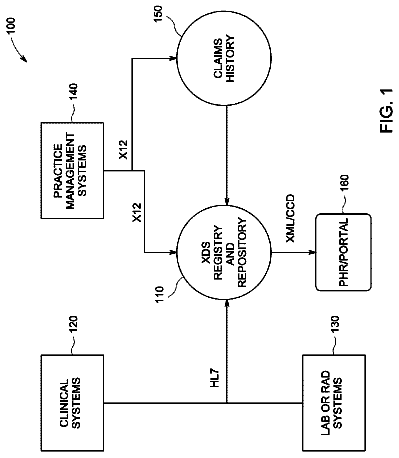
FIG. 1 illustrates an example overview of a system for providing notifications of availability of generic drugs or products, according to an example embodiment of the invention.
FIG. 2 illustrates a high-level overview of an example process for providing notifications of availability of generic drugs or products, according to an example embodiment of the invention.
FIGS. 3A and 3B illustrate example block diagrams for providing notifications of availability of generic drugs or products in accordance for a healthcare claim transaction, according to illustrative embodiments of the invention.
FIG. 4 is a flow chart of an example method for providing notifications of availability of generic drugs or products in accordance with a healthcare claim transaction, according to an illustrative embodiment of the invention.
Detailed description
Embodiments of the invention now will be described more fully hereinafter with reference to the accompanying drawings, in which embodiments of the invention are shown. This invention may, however, be embodied in many different forms and should not be construed as limited to the embodiments set forth herein; rather, these embodiments are provided so that this disclosure will be thorough and complete, and will fully convey the scope of the invention to those skilled in the art. Like numbers refer to like elements throughout.
Embodiments of the invention may include systems and methods for providing notifications of availability of generic drugs or products. In this regard, the notifications may be delivered to a pharmacy, a healthcare provider, a patient, or any other recipient. In certain embodiments, a healthcare transaction request, such as a healthcare claim transaction request or an electronic prescription order may be received from a healthcare provider computer. The healthcare transaction request may be associated with one or more drugs or other products that are being prescribed or provided to a customer or patient by a healthcare provider such as a physician or a pharmacy. A drug or product associated with the healthcare transaction request may be identified, for example, by identifying and/or analyzing a National Drug Code (NDC), Universal Product Code (UPC), or a SKU number included in the healthcare transaction request. A determination may then be made as to whether the drug or product identified by the healthcare transaction request is a generic drug or product or a non-generic/branded drug or product. If a non-generic/branded drug or product is identified, then a determination can be made as to whether a generic equivalent will become available on a future date, perhaps within a predetermined time period from a current date of the healthcare transaction request. If the generic equivalent will become available, perhaps within the predetermined time period from the current date of the healthcare transaction request, then a generic notification message may be generated. The generic notification message may indicate the upcoming availability of the generic equivalent. The generic notification message can also optionally include additional information about the generic equivalent, including an expected date of availability and/or pricing information. The generic notification message may be delivered to a pharmacy (e.g., to the pharmacy as one response to the new healthcare transaction, fax, email, printer, voice message, paper mailing, etc.), a healthcare provider (e.g., fax, email, printer, voice message, paper mailing, etc.), a patient (e.g., email or other Internet message, cellular text message, fax, voice message, paper mailing, etc.).
System Overview
An example system 100 for providing notifications of availability of generic drugs or products will now be described illustratively with respect to FIG. 1. As shown in FIG. 1, the system 100 may include at least one healthcare provider computer 104, at least one service provider computer 106, and at least one claims processor computer 108. As desired, each of the healthcare provider computer 104, service provider computer 106, and/or claims processor computer 108 may include one or more processing devices that may be configured for accessing and reading associated computer-readable media having stored thereon data and/or computer-executable instructions for implementing the various methods of the invention.
Additionally, in certain embodiments, the service provider computer 106 may include or otherwise be in communication with a generic notification module 180 or generic notification application, which may access and/or be in communication with one or more suitable data storage devices, 182. The generic notification module 180 may receive information associated with a healthcare claim transaction, and the generic notification module 180 may identify a drug or other product associated with the received healthcare claim transaction. The generic notification module 180 may then determine whether the product is a generic product or a branded/non-generic product. If it is determined that the product is a branded/non-generic product, then the generic notification module 180 may determine whether a generic equivalent will become available on a future date, perhaps within an acceptable amount of time from a current date of the healthcare transaction request. If a generic equivalent will become available on the future date, perhaps within the acceptable amount of time from the current date of the healthcare transaction request, then the generic notification module 180 may generate a notification of availability of the generic drug or product for delivery to a pharmacy, a healthcare provider, and/or a patient. Additionally, as desired, the generic notification module 180 may facilitate reporting and/or billing for the processing and/or evaluation conducted by the generic notification module 180.
Generally, network devices and systems, including one or more of the healthcare provider computer 104, service provider computer 106, and claims processor computer 108 may include or otherwise be associated with suitable hardware and/or software for transmitting and receiving data and/or computer-executable instructions over one or more communications links or networks. These network devices and systems may also include any number of processors for processing data and executing computer-executable instructions, as well as other internal and peripheral components that are well known in the art. Further, these network devices and systems may include or be in communication with any number of suitable memory devices operable to store data and/or computer-executable instructions. By executing computer-executable instructions, each of the network devices may form a special purpose computer or particular machine. As used herein, the term "computer-readable medium" describes any form of suitable memory or memory device.
As shown in FIG. 1, the healthcare provider computer 104, service provider computer 106, and claims processor computer 108 may be in communication with each other via one or more networks, such as network 110, which as described below can include one or more separate or shared private and public networks, including the Internet or a publicly switched telephone network. Each of these components--the healthcare provider computer 104, service provider computer 106, and claims processor computer 108, and the network 110--will now be discussed in further detail.
The healthcare provider computer 104 may be associated with a healthcare provider, for example, a pharmacy, physician's office, hospital, etc. In certain embodiments, the healthcare provider may be associated with a group of healthcare providers, such as a pharmacy chain. The healthcare provider computer 104 may be any suitable processor-driven device that facilitates the processing of healthcare requests made by patients or consumers and the communication of information associated with healthcare transactions (e.g., claim requests and/or electronic prescription orders) to the service provider computer 106, such as a server computer, a mainframe computer, one or more networked computers, a desktop computer, a personal computer, a digital assistant, a personal digital assistant, a digital tablet, an Internet appliance, an application specific circuit, microcontroller, minicomputer, or any other processor-based device. In certain embodiments, the healthcare provider computer 104 may be a suitable point of sale device associated with a healthcare provider. The execution of the computer-implemented instructions by the healthcare provider computer 104 may form a special purpose computer or other particular machine that is operable to facilitate the processing of healthcare requests made by patients and the communication of information associated with healthcare transaction requests to a service provider computer 106. Additionally, in certain embodiments of the invention, the operations and/or control of the healthcare provider computer 104 may be distributed amongst several processing components.
In addition to having one or more processors 124, the healthcare provider computer 104 may include one or more memory devices 126, one or more input/output ("I/O") interface(s) 128, and one or more network interface(s) 130. The memory devices 126 may be any suitable memory devices, for example, caches, read only memory devices, random access memory devices, magnetic storage devices, removable storage devices, etc. The memory devices 126 may store data, executable instructions, and/or various program modules utilized by the healthcare provider computer 104, for example, data files 132, an operating system 134, and/or a client module 138. The data files 132 may include any suitable data that facilitates the receipt and/or processing of healthcare requests by the healthcare provider computer 104 and the generation and/or processing of healthcare transactions that are communicated to the service provider computer 106. For example, the data files 132 may include, but are not limited to, healthcare information and/or contact information associated with one or more patients, information associated with the service provider computer 106, information associated with one or more claims processors, and/or information associated with one or more healthcare claim transactions. The operating system (OS) 134 may be a suitable software module that controls the general operation of the healthcare provider computer 104. The OS 134 may also facilitate the execution of other software modules by the one or more processors 124, for example, the client module 138. The OS 134 may be, but is not limited to, Microsoft Windows.RTM., Apple OSX.TM., Linux, Unix, or a mainframe operating system. The client module 138 may be an Internet browser or other software, including a dedicated program, for interacting with the service provider computer 106. For example, a user 120 such as a pharmacist or other pharmacy employee, may utilize the client module 138 in preparing and providing a prescription claim request to the service processor computer 106 for delivery to the appropriate claims processor computer 108 for adjudication or other coverage/benefits determination. As another example, a user 120, such as a physician, may utilize the client module 138 in preparing and providing an electronic prescription order to the service provider computer 106 for delivery to another healthcare provider computer 104 (e.g., pharmacy computer) for receipt by a pharmacy management system. The healthcare provider computer 104 may also utilize the client module 138 to retrieve or otherwise receive data, messages, or responses from the service provider computer 106 and/or other components of the system 100.
In operation, the healthcare provider computer 104 may receive information associated with a healthcare request for a patient. As one example, the healthcare provider computer 104 may receive a healthcare request (e.g., a prescription order) for a patient at a point of sale, such as in a pharmacy during a prescription fulfillment or at a physician's office during the provision of a healthcare service. As another example, the healthcare provider computer 104 may electronically receive a healthcare request (e.g., an electronic prescription order) from a physician computer, a patient computer, or other patient device. The healthcare provider computer 104 may generate a healthcare claim transaction request for the request and information associated with the healthcare claim transaction request may be communicated to the service provider computer 106.
The one or more I/O interfaces 128 may facilitate communication between the healthcare provider computer 104 and one or more input/output devices, for example, one or more user interface devices, such as, a display, keypad, control panel, touch screen display, remote control, microphone, etc. that facilitate user interaction with the healthcare provider computer 104. For example, the one or more I/O interfaces 128 may facilitate entry of information associated with a healthcare transaction or healthcare claim request by an employee 120 of a healthcare provider, such as a pharmacy employee. The one or more network interfaces 130 may facilitate connection of the healthcare provider computer 104 to one or more suitable networks, for example, the network 110 illustrated in FIG. 1. In this regard, the healthcare provider computer 104 may receive and/or communicate information to other network components of the system 100, such as the service provider computer 106.
According to one embodiment, the healthcare provider computer 104 can further include a facsimile/printing device 190 operative to receive and print one or more generic notification messages associated with the upcoming availability of a generic drug or product. For example, as described further below, the service provider computer 106 may, on occasion, transmit a facsimile or other printing command to the healthcare provider computer 104 and/or the facsimile/printing device 190 containing one or more generic notification messages. The transmission from the service provider computer 106 may be directly to the facsimile/printing device 190, such as may be accomplished via a network 110 (e.g., Internet, cellular network, wireless network, or any other similar network, etc.). In another embodiment, the transmission may be to the healthcare provider computer 104, which, in turn, communicates with and commands the facsimile/printing device 190 to provide the generic notification message. Although the term facsimile/printing device is used throughout this description, it is appreciated that any other device operable to receive and print or generate a display of the notification message may be included within the scope of a facsimile/printing device 190. Examples of other devices include, but are not limited to, a mobile device (e.g., cellular telephone, personal digital assistant, personal information device, etc.), a personal computer, a computer kiosk, or any other handheld or mobile devices.
With continued reference to FIG. 1, the service provider computer 106 may include, but is not limited to, any suitable processor-driven device that is configured for receiving, processing, and fulfilling requests from the healthcare provider computer 104 and/or claims processor computer 108 relating to prescription, pharmacy, benefits, and/or healthcare transactions and/or other activities. In certain embodiments, the service provider computer 106 may be a switch/router that routes healthcare claim transactions and/or other healthcare requests. For example, the service provider computer 106 may route billing requests and/or prescription claim requests (also referred to as "healthcare claim requests") communicated from the healthcare provider computer 104 to a claims processor computer 108, such as a pharmacy benefits manager (PBM), an insurer, a government payor, or a claims clearinghouse. Likewise, the service provider computer 106 may also route electronic prescription orders communicated from a healthcare provider computer 104 (e.g., physician computer) to another healthcare provider computer 104 (e.g., a pharmacy computer) for receipt into a pharmacy management system. In certain embodiments, the service provider computer 106 may include a suitable host server, host module, or other software that facilitates the receipt of a healthcare transaction request from a healthcare provider computer 104 and/or the routing of the received healthcare transaction request to a claims processor computer 108. Any number of healthcare provider computers and/or claims processor computers may be in communication with the service provider computer 106 as desired in various embodiments of the invention.
The service provider computer 106 may include any number of special purpose computers or other particular machines, application specific circuits, microcontrollers, personal computers, minicomputers, mainframe computers, servers, networked computers, and/or other processor driven devices. In certain embodiments, the operations of the service provider computer 106 may be controlled by computer-executed or computer-implemented instructions that are executed by one or more processors associated with the service provider computer 106 to form a special purpose computer or other particular machine that is operable to facilitate the receipt, routing, and/or processing of healthcare transaction requests. The one or more processors that control the operations of the service provider computer 106 may be incorporated into the service provider computer 106 and/or in communication with the service provider computer 106 via one or more suitable networks. In certain embodiments of the invention, the operations and/or control of the service provider computer 106 may be distributed amongst several processing components.
Similar to the healthcare provider computer 104, the service provider computer 106 may include one or more processors 140, one or more memory devices 142, one or more input/output ("I/O") interface(s) 144, and one or more network interfaces 146. The one or more memory devices 142 may be any suitable memory devices, for example, caches, read only memory devices, random access memory devices, magnetic storage devices, removable memory devices, etc. The one or more memory devices 142 may store data, executable instructions, and/or various program modules utilized by the service provider 106, for example, data files 148, an operating system ("OS") 150, the host module 154, a pre- and post-edit (PPE) module 156, and a database management system ("DBMS") 152 to facilitate management of data files 148 and other data stored in the memory devices 142 and/or one or more databases 182. The OS 150 may be, but is not limited to, Microsoft Windows.RTM., Apple OSX.TM., Linux, Unix, or a mainframe operating system.
The PPE module 156 may be operable to perform one or more pre-edits on a received healthcare transaction request prior to routing or otherwise communicating the received healthcare transaction request to a suitable claims processor computer 108 (for a claim request) or healthcare provider computer 104 (for an electronic prescription order). Additionally, the PPE module 156 may be operable to perform one or more post-edits on an adjudicated reply or response that is received from a claims processor computer 108 (or alternatively, a healthcare provider computer 104) for a healthcare claim transaction prior to routing the adjudicated reply to the healthcare provider computer 104. A wide variety of different pre-edits and/or post-edits may be performed as desired in various embodiments of the invention. In certain embodiments, the generic notification module 180 may be incorporated into the PPE module 156 and/or in communication with the PPE module 156.
According to an embodiment of the invention, the data files 148 may store healthcare transaction records associated with communications received from various healthcare provider computers 104 and/or various claims processor computers 108. The data files 148 may also store any number of suitable routing tables that facilitate determining the destination of communications received from a healthcare provider computer 104 or claims processor computer 108. The host module 154 may receive, process, and respond to requests from the client module 138 of the healthcare provider computer 104, and may further receive, process, and respond to requests of the host module 172 of the claims processor computer 108. The service provider computer 106 may include additional program modules for performing other processing methods described herein. Those of ordinary skill in the art will appreciate that the service provider computer 106 may include alternate and/or additional components, hardware or software without departing from example embodiments of the invention.
A generic notification module 180 or generic notification application may also be operative with the service provider computer 106. The generic notification module 180 may include computer-executable instructions for processing healthcare claim transactions in order to determine whether a generic notification message is to be generated for delivery to a pharmacy, healthcare provider, and/or patient. In certain embodiments, the generic notification module 180 may be a pre-edit service that is performed for a healthcare transaction request. If the generic notification service is enabled for a healthcare provider associated with the healthcare provider computer 104, then the generic notification module 180 may process a received healthcare transaction request in order to determine whether a generic notification message is to be generated for delivery.
In operation, the generic notification module 180 may receive information associated with a healthcare transaction request. The generic notification module 180 may identify one or more drugs or other products associated with or included in the received healthcare transaction request. A product may be identified, based at least in part, on product information included in the healthcare transaction request, such as NDC, UPC, or SKU information. For an identified product, the generic notification module 180 may determine whether the product is a branded/non-generic product, for example, by comparing a product identifier to one or more pre-stored identifiers for branded/non-generic products. If a product is determined to be a branded/non-generic product, then the generic notification module 180 may determine whether a generic equivalent will become available on a future date, perhaps within an acceptable amount of time from a current date of the healthcare claim transaction. For example, the generic notification module 180 may determine whether the generic equivalent will be available within 30 days, 90 days, or another predetermined amount of time from a current date of the healthcare transaction in order to ensure that any generated generic notification message will be reasonably timely to the recipient. If a generic equivalent will become available on the future date, perhaps within the acceptable amount of time from the current date of the healthcare transaction request, then the generic notification module 180 may trigger or generate a rejection for the healthcare transaction request. The rejection response can include a notification of availability of the generic drug or product for delivery to a pharmacy, a healthcare provider, and/or a patient. In an alternative embodiment, the generic notification message can be delivered without requiring a rejection for the healthcare transaction request. For example, the generic notification message can be delivered to a pharmacy, a healthcare provider, and/or a patient via a variety of electronic and non-electronic communication means as described herein.
In certain embodiments, the generic notification module 180 may identify one or more rules or parameters that are applicable for processing a healthcare transaction request. For example, the generic notification module 180 may identify one or more applicable rules or parameters based upon an identity of the healthcare provider that submitted the transaction request or a group of healthcare providers (e.g., a pharmacy chain) in which the healthcare provider is included. The identified rules may include rules associated with which products are being targeted for the generic notification service, as well as rules regarding the format (e.g., template, etc.), protocol (e.g., type of communication medium, etc.), or parameters (e.g., timing, etc.) for generic notification message delivery. Additionally, as desired, the identified rules may include rules associated with various edits and/or processing steps to be performed on a healthcare transaction request by the generic notification module 180. A wide variety of different edits may be performed as desired in various embodiments of the invention.
Additionally, as desired, the generic notification module 180 may store information associated with the healthcare transaction request in the data storage devices 182. For example, the generic notification module 180 may store the healthcare transaction request, information extracted from the healthcare transaction request, information associated with the rules applied to the healthcare transaction request, information associated with the results of the processing or evaluation of the healthcare transaction request, and/or information associated with identified or triggered rejections. In certain embodiments, the stored information may be utilized for billing and/or reporting purposes.
The data storage devices 182 may be operable to store information associated with various rules and/or edits that may be utilized by the generic notification module 180 to process healthcare claim transactions. For example, rules may be received from one or more other components of the system 100, such as the healthcare provider computer 104, and/or the claims processor computer 108, and at least a portion of the received rules may be stored. Additionally, the data storage devices 182 may be operable to store information associated with healthcare transaction requests and/or processing performed by the generic notification module 180. In certain embodiments, the data storage devices 182 may additionally store billing information associated with the healthcare transaction requests and/or reports associated with the healthcare transaction requests and/or processing of the healthcare transaction requests. The data storage devices 182 may be accessible by the generic notification module 180 and/or the service provider computer 106.
In certain embodiments, the generic notification module 180 and/or the service provider computer 106 may be operable to generate one or more reports associated with processed healthcare transaction requests. A wide variety of different types of reports may be generated as desired in various embodiments of the invention. Additionally, a wide variety of different information may be incorporated into generated reports, including but not limited to, a number of times the generic notification module 180 was invoked for a healthcare provider or group of healthcare providers (e.g., a pharmacy chain), information associated with the results of various processing performed by the generic notification module 180, date information and/or date range information associated with the processed healthcare transaction requests, any financial information associated with the healthcare transaction requests (e.g., claim request), and/or billing information associated with the invocation of the generic notification module 180 for the healthcare transaction requests. Reports may be sorted or formatted utilizing a wide variety of different criteria, parameters, and/or techniques. Additionally, the generic notification module 180 may communicate or direct the communication of generated reports to one or more other components of the system, for example, the healthcare provider computer 104 associated with a group of healthcare providers.
A wide variety of different techniques and/or software programs may be utilized to format a generated report. For example, a report may be formatted as a comma-separated-value (csv) file, as a spreadsheet file, as a word processor file, as a text file, etc. Additionally, a wide variety of different communication techniques may be utilized to communicate a report to the recipient, including but not limited to, email, short message service (SMS) messaging, other electronic communications, snail mail, etc. A report may be pushed to a recipient by the generic notification module 180 or other reporting module, or, alternatively pulled from the generic notification module 180 by a recipient submitting a request for one or more reports. Additionally, in certain embodiments, a report may be made available for download from an appropriate web site or server, such as a web site hosted by the service provider computer 106.
The operations of the generic notification module 180 and/or the data storage devices 182 are described in greater detail below with reference to FIGS. 2-4.
With continued reference to the service provider computer 106, the one or more I/O interfaces 144 may facilitate communication between the service provider computer 106 and one or more input/output devices, for example, one or more user interface devices, such as, a display, keypad, control panel, touch screen display, remote control, microphone, etc. that facilitate user interaction with the service provider computer 106. The one or more network interfaces 146 may facilitate connection of the service provider computer 106 to one or more suitable networks, for example, the network 110 illustrated in FIG. 1. In this regard, the service provider computer 106 may communicate with other components of the system 100.
With continued reference to FIG. 1, the claims processor computer 108 may be any suitable processor-driven device that facilitates receiving, processing, and/or fulfilling healthcare claim transactions and/or healthcare claim requests received from the service provider computer 106. For example, the claims processor computer 108 may be a processor-driven device associated with a pharmacy benefits manager (PBM), an insurer, a government payor, or a claims clearinghouse. As desired, the claims processor computer 108 may include any number of special purpose computers or other particular machines, application specific circuits, microcontrollers, personal computers, minicomputers, mainframe computers, servers, and the like. In certain embodiments, the operations of the claims processor computer 108 may be controlled by computer-executed or computer-implemented instructions that are executed by one or more processors associated with the claims processor computer 108 to form a special purpose computer or other particular machine that is operable to facilitate the receipt, processing, and/or fulfillment of healthcare claim transaction requests received from the service provider computer 106. The one or more processors that control the operations of the claims processor computer 108 may be incorporated into the claims processor computer 108 and/or in communication with the claims processor computer 108 via one or more suitable networks. In certain embodiments of the invention, the operations and/or control of the claims processor computer 108 may be distributed amongst several processing components.
Similar to other components of the system 100, the claims processor computer 108 may include one or more processors 158, one or more memory devices 160, one or more input/output ("I/O") interface(s) 162, and one or more network interfaces 164. The one or more memory devices 160 may be any suitable memory devices, for example, caches, read only memory devices, random access memory devices, magnetic storage devices, removable memory devices, etc. The one or more memory devices 160 may store data, executable instructions, and/or various program modules utilized by the claims processor computer 108, for example, data files 166, an operating system ("OS") 168, a database management system ("DBMS") 170, and a host module 172. The data files 166 may include any suitable information that is utilized by the claims processor computer 108 to process healthcare claim transactions, for example, patient profiles, patient insurance information, other information associated with a patient, information associated with a healthcare provider, etc. The operating system (OS) 168 may be a suitable software module that controls the general operation of the claims processor computer 108. The OS 168 may also facilitate the execution of other software modules by the one or more processors 158, for example, the DBMS 170 and/or the host module 172. The OS 150 may be, but is not limited to, Microsoft Windows.RTM., Apple OSX.TM., Linux, Unix, or a mainframe operating system. The DBMS 170 may be a suitable software module that facilitates access and management of one or more databases that are utilized to store information that is utilized by the claims processor computer 108 in various embodiments of the invention. The host module 172 may initiate, receive, process, and/or respond to requests, such as healthcare claim transactions or claim requests, from the host module 154 of the service provider 106. The claims processor computer 108 may include additional program modules for performing other pre-processing or post-processing methods described herein. Those of ordinary skill in the art will appreciate that the claims processor 108 computer may include alternate and/or additional components, hardware or software without departing from example embodiments of the invention.
The one or more I/O interfaces 162 may facilitate communication between the claims processor computer 108 and one or more input/output devices, for example, one or more user interface devices, such as, a display, keypad, control panel, touch screen display, remote control, microphone, etc. that facilitate user interaction with the claims processor computer 108. The one or more network interfaces 164 may facilitate connection of the claims processor computer 108 to one or more suitable networks, for example, the network 110 illustrated in FIG. 1. In this regard, the claims processor computer 108 may receive healthcare claim transactions and/or other communications from the service provider computer 106, and the claims processor computer 108 may communicate information associated with processing claim transactions to the service provider.
The network 110 may include any telecommunication and/or data network, whether public, private, or a combination thereof, including a local area network, a wide area network, an intranet, the Internet, intermediate hand-held data transfer devices, and/or any combination thereof and may be wired and/or wireless. The network 110 may also allow for real-time, off-line, and/or batch transactions to be transmitted between or among the healthcare provider computer 104, the service provider computer 106, and the claims processor computer 108. Due to network connectivity, various methodologies as described herein may be practiced in the context of distributed computing environments. Although the service provider computer 106 is shown for simplicity as being in communication with the healthcare provider computer 104 or the claims processor computer 108 via one intervening network 110, it is to be understood that any other network configuration is possible. For example, intervening network 110 may include a plurality of networks, each with devices such as gateways and routers for providing connectivity between or among networks 110. Instead of or in addition to a network 110, dedicated communication links may be used to connect the various devices in accordance with an example embodiment of the invention. For example, the service provider computer 106 may form the basis of network 110 that interconnects the healthcare provider computer 104 and the claims processor computer 108.
The description continues in the full USPTO document.
 Lapsed, fee not paid14 drawings

