Field of the invention
The present invention is related generally to the field of wood preservatives and more particularly to a wood preservative composition comprising micronized metal biocides and fungicides.
Background of the invention
Wood-preserving compositions are well known for preserving wood and other cellulose-based materials, such as paper, particleboard, textiles, rope, etc., against organisms responsible for the destruction of wood, including fungi and insects. Many conventional wood-preserving compositions contain copper-amine complexes. Copper-amine complexes have been used to solubilize copper in aqueous solutions. The copper in such copper-amine complexes is obtained from a variety of copper bearing materials, such as copper scrap, cuprous oxide, copper carbonate, copper hydroxide, a variety of cuprous and cupric salts, and copper bearing ores. The amine in such copper-amine complexes is normally obtained from an aqueous solution of ammonia and ammonium salts, such as ammonium carbonate, and ammonium sulfate, ethanolamines, and the like. For example, U.S. Pat. No. 4,622,248 describes forming copper-amine complexes by dissolving copper (II) oxide [CuO] (also known as cupric oxide) in ammonia in the presence of ammonium bicarbonate.
The disadvantage of using ammonia as a copper solubilizing agent lies in the strong odor of ammonia. Additionally, copper-ammonia preservatives can affect the appearance of the treated wood giving surface residues and undesirable color. In recent years, many amine-containing compounds, such as alkanolamines and aliphatic polyamines, have been used to replace ammonia to formulate water-soluble copper solutions. These compounds were chosen because of their strong complexing ability with copper and because they are essentially odorless. U.S. Pat. No. 4,622,248 discloses a method of preparing copper-amine complexes by dissolving a mixture of copper (II) carbonate [CuCO.sub.3] and copper (II) hydroxide [Cu(OH).sub.2] in ethanolamine and water. The complexing amine (i.e., the ligand) and copper (II) ion combine stoichiometrically and thus the weight ratio of reagents will be different for each complexing amine. However, copper-amine based preservatives have higher copper loss due to leaching as compared to traditional copper-based preservatives such as chromated copper arsenate (CCA).
In addition to metal biocides, existing wood preservatives can also contain organic biocides. However, many organic biocides currently in use are not water soluble. Therefore, solubilizing agents, surfactants and wetting agents are often added to either solubilize or form emulsions of the organic biocide to formulate a product that is suitable for the treatment of wood or other cellulose substrates.
However, the solubilizing agents, surfactants, and wetting agents are costly and the use of these products may result in enhanced leaching of the biocides when the treated material comes into contact with moisture. Such enhanced leaching is considered to be the result of the solubilizing agents, surfactants and wetting agents which remain in the wood after treatment. Because these compounds continue to cause leaching of the metal and/or biocide from the treated wood, field performance problems or environmental issues can result.
Despite many efforts to address these deficiencies in existing wood preservatives, there has been an unmet need to produce aqueous metal-based preservatives that are suitable for treating wood and other cellulose-based materials while minimizing the undesirable leaching of metal ions and/or biocide from treated materials when exposed to water. This need is met by the invention disclosed herein.
Summary of the invention
The present invention provides micronized compositions for preservation of wood. In one embodiment, the compositions comprise metal or metal compounds as micronized particles.
In another embodiment, the compositions comprise metal or metal compounds and organic biocides. The metal is in an insoluble (micronized form). The metal compounds may be in a soluble form or in a water-insoluble (micronized) form. The organic biocides may be soluble or water insoluble (micronized or emulsified). In the compositions of this embodiment, at least one component (either a metal/metal compound or a biocide) is micronized. Accordingly, in one embodiment, the wood-preservative compositions of the present invention comprise a micronized metal, metal compounds or combinations thereof. In another embodiment, the wood-preservative compositions of the present invention comprise a micronized metal or metal compound and a soluble organic biocide. In another embodiment, the wood-preservative compositions of the present invention comprise a micronized metal or metal compound and a organic biocide emulsion. In another embodiment, the wood-preservative compositions of the present invention comprise micronized metal/metal compounds and micronized organic biocides. In yet another embodiment, the wood-preservative compositions of the present invention comprise a soluble metal compound and micronized organic biocides.
Also provided is a method for using the compositions of the present invention. The method comprises the step of contacting a cellulosic material, such as wood, with a composition of the present invention. When the compositions of the present invention are used for preservation of wood, there is minimal leaching of the metal or metal and the biocide from wood.
The present invention also provides cellulosic materials, including wood, paper, particleboard, textiles, rope, and the like, treated with the compositions of the present invention.
In one embodiment, the preferred metal for wood preserving type applications is copper in the form of a copper compound having a particle size 0.001 microns to 25.0 microns. The copper compound can optionally be mixed with a variety of water soluble and/or water insoluble biocides and then vacuum impregnated, vacuum/pressure or dip impregnated into cellulosic material by standard methods to effectively preserve the material from agents that degrade cellulosic material such as fungi, insects, bacteria etc.
The present invention provides an aqueous wood preservative composition comprising: (a) a micronized inorganic biocide and (b) one or more dispersants. In a preferred embodiment, the micronized inorganic biocide is at least one metal, at least one metal compound or combinations thereof. Preferably, the at least one metal is selected from the group consisting of copper, cobalt, cadmium, nickel, tin, silver, and zinc. More preferably, the at least one metal is copper.
In a preferred embodiment, the at least one metal compound is selected from the group consisting of a compound of copper, cobalt, cadmium, nickel, tin, silver, and zinc. More preferably, the at least one metal compound or complex is a copper compound or complex. Preferably, the copper compound or copper complex is copper hydroxide, copper oxide, copper carbonate, basic copper carbonate, copper oxychloride, copper 8-hydroxyquinolate, copper dimethyldithiocarbamate, copper omadine or copper borate. Most preferably, the copper compound is copper carbonate.
The wood preservative compositions of the present invention preferably comprise a micronized inorganic biocide with a particle size of between 0.001 microns and 25 microns. In another embodiment, the micronized inorganic biocide with a particle size of between 0.001 microns and 10 microns; between 0.05 to 10.0 microns; and between 0.05 to 1.0 microns.
The wood preservative compositions of the present invention preferably comprise a micronized inorganic biocide wherein the micronized inorganic biocide particles have a diameter less than 10 microns. In another embodiment, at least 98, 95, 90, 85, 80, 75, 70, 65, 60, 55, or 50% of the inorganic biocide particles (by weight) have a diameter less than 10 microns. In the compositions of the present invention, at least 3, 5, 10, 15, 20, 25, 30, 35, 40, 45, or 50% of the inorganic biocide particles (by weight) have a diameter of 0.5 microns or greater. In another embodiment, preferably 3 to 25% by weight, more preferably 3 to 10% by weight and still more preferably 3 to 5% by weight of the particles have a diameter of 0.5 microns or greater.
The present invention also provides micronized inorganic biocide compositions in concentrated form comprising between about 1 to 80% of the inorganic biocide by weight of the concentrated composition. In another embodiment, the inorganic biocide comprises 5 to 70% by weight of the concentrated composition. In yet another embodiment, the inorganic biocide comprises 30 to 65% by weight. In yet another embodiment, the compositions of the present invention comprise about 1, 2, 3, 4, 5, 6, 7, 8, 9, 10, 15, 20, 25, 30, 35, 40, 45, 50, 55, 60, 65, 70, 75 or 80% of the inorganic biocide by weight.
The present invention also provides micronized inorganic biocide compositions in concentrated form comprising an inorganic biocide and a dispersant, wherein the dispersant comprises between about 0.1 to 300% by weight of the inorganic biocide. In another embodiment, the dispersant comprises 5 to 150% by weight of the inorganic biocide. In another embodiment, the dispersant comprises 5 to 60%; 10 to 30%; 1 to 80%; 5 to 70%; or 30 to 65% by weight of the inorganic biocide.
In one embodiment, the dispersants used in the wood-preservative compositions of the present invention include, but are not limited to cationic, non-ionic or anionic dispersants, acrylic copolymers, an aqueous solution of copolymers with pigment affinity groups, polycarboxylate ethers, modified polyacrylates, acrylic polymer emulsions, modified acrylic polymers, poly carboxylic acid polymers and their salts, modified poly carboxylic acid polymers and their salts, fatty acid modified polyesters, aliphatic polyethers or modified aliphatic polyethers, polyetherphosphates, solution of polycarboxylate ethers, sodium polyacrylates, sodium polymethacrylates, modified polyether or polyester with pigment affinity groups, fatty acid derivatives, urethane copolymers or modified urethane copolymers, acrylic acid/maleic acid copolymers, polyvinyl pyrrolidones or modified polyvinyl pyrrolidones, modified maleic anhydride/styrene copolymers, lignins and the like.
Preferably, the dispersants used in the wood-preservative compositions of the present invention are polymeric dispersants. In one embodiment, the polymeric dispersants contain at least one pigment affinity group capable of binding to a solid particle. In another embodiment, the polymeric dispersants stabilize a solid particle. Preferably, the polymeric dispersants used in the wood-preservative compositions of the present invention are modified polycarboxylate ethers, modified poly carboxylic acid polymers and their salts, solutions of polycarboxylate ethers and modified polyethers or polyesters with pigment affinity groups.
The present invention provides wood-preservative compositions comprising dispersants that function as a wetting agent/dispersing agent. In another embodiment, the dispersants of the present invention disperse the micronized particles of the wood-preservative compositions by reducing the size of particle aggregates. In one embodiment, the dispersants of the present invention disperse the micronized particles of the wood-preservative compositions by binding to the particle surface. In yet another embodiment, the dispersants of the present invention stabilize the micronized particles of the wood-preservative compositions during storage. In yet another embodiment, the dispersants of the present invention prevent flocculation. In one embodiment, the polymeric dispersants are capable of binding a solid particle at least one site on a solid particle surface. The affinity groups of the dispersants of the wood-preservative compositions of the present invention preferably bind a solid particle with high affinity and the polymeric chains of said dispersants preferably extend throughout a solvent system.
The dispersants of the present invention stabilize the micronized particles of the wood-preservative compositions during storage and during repetitive treatments. During repetitive treatment processes, pH change, wood extractives, wood sugars and contaminants from wood surfaces and dirt from air can each affect the function of dispersants and hence dispersed-particle stability.
The present invention also provides wood preservative compositions comprising an inorganic biocide, a dispersant, and further comprising a defoaming agent. Preferably, the defoaming agent is a silicon-containing defoaming agent or a silicon-free defoaming agent. In another embodiment, the defoaming agent is present in an amount between about 0.01 and 10% defoaming agent by weight.
The present invention also provides wood preservative compositions comprising an inorganic biocide, an organic biocide and one or more dispersants. Preferably, the organic biocide is an azole fungicide. In one embodiment, the azole fungicides comprise at least one imidazole or at least one triazole, or both. The present invention also provides wood preservative compositions comprising an inorganic biocide, an organic biocide and one or more dispersants. Preferably, the organic biocide is an azole fungicide. Typical examples of azole compounds include: 1-[[2-(2,4-dichlorophenyl)-1,3-dioxolan-2-yl]methyl]-1H-1,2,4-triazole (azaconazole), 1-[(2RS,4RS:2RS,4SR)-4-bromo-2-(2,4-dichlorophenyl)tetrahydrofurfuryl]-1H- -1,2,4-triazole (bromuconazole), (2RS,3RS;2RS,3SR)-2-(4-chlorophenyl)-3-cyclopropyl-1-(1H-1,2,4-triazol-1-- yl)butan-2-ol (Cyproconazole), (2RS,3RS)-1-(2,4-dichlorophenyl)-4,4-dimethyl-2-(1H-1,2,4-triazol-1-yl)pe- ntan-3-ol (diclobutrazol), cis-trans-3-chloro-4-[4-methyl-2-(1H-1,2,4-triazol-1-ylmethyl)-1,3-dioxol- an-2-yl]phenyl 4-chlorophenyl ether (difenoconazole), (E)-(RS)-1-(2,4-dichlorophenyl)-4,4-dimethyl-2-(1H-1,2,4-triazol-1-yl)pen- t-1-en-3-ol (diniconazole), (E)-(R)-1-(2,4-dichlorophenyl)-4,4-dimethyl-2-(1H-1,2,4-triazol-1-yl)pent- -1-en-3-ol (diniconazole-M), (2RS,3SR)-1-[3-(2-chlorophenyl)-2,3-epoxy-2-(4-fluorophenyl)propyl]-1H-1,- 2,4-triazole (epoxiconazole), (RS)-1-[2-(2,4-dichlorophenyl)-4-ethyl-1,3-dioxolan-2-ylmethyl]-1H-1,2,4-- triazole (etaconazole), (RS)-4-(4-chlorophenyl)-2-phenyl-2-(1H-1,2,4-triazol-1-ylmethyl)butyronit- rile (fenbuconazole), 3-(2,4-dichlorophenyl)-6-fluoro-2-(1H-1,2,4-triazol-1-yl)quinazolin-4(3H)- -one (fluquinconazole), bis(4-fluorophenyl)(methyl)(1H-1,2,4-triazol-1-ylmethyl)silane (flusilazole), (RS)-2,4'-difluoro-.alpha.-(1H-1,2,4-triazol-1-ylmethyl)benzhydryl alcohol (flutriafol), (2RS,5RS;2RS,5SR)-5-(2,4-dichlorophenyl)tetrahydro-5-(1H-1,2,4-triazol-1-- ylmethyl)-2-furyl 2,2,2-trifluoroethyl ether (furconazole), (2RS,5RS)-5-(2,4-dichlorophenyl)tetrahydro-5-(1H-1,2,4-triazol-1-ylmethyl- )-2-furyl 2,2,2-trifluoroethyl ether(furconazole-cis), (RS)-2-(2,4-dichlorophenyl)-1-(1H-1,2,4-triazol-1-yl)hexan-2-ol (hexaconazole), 4-chlorobenzyl (EZ)-N-(2,4-dichlorophenyl)-2-(1H-1,2,4-triazol-1-yl)thioacetamidate (imibenconazole), (1RS,2SR,5RS; 1RS,2SR,5SR)-2-(4-chlorobenzyl)-5-isopropyl-1-(1H-1,2,4-triazol-1-ylmethy- l)cyclopentanol (ipconazole), (1RS,5RS; 1RS,5SR)-5-(4-chlorobenzyl)-2,2-dimethyl-1-(1H-1,2,4-triazol-1-ylmethyl)c- yclopentanol (metconazole), (RS)-2-(4-chlorophenyl)-2-(1H-1,2,4-triazol-1-ylmethyl)hexanenitrile (myclobutanil), (RS)-1-(2,4-dichloro-.beta.-propylphenethyl)-1H-1,2,4-triazole(penconazol- e), cis-trans-1-[2-(2,4-dichlorophenyl)-4-propyl-1,3-dioxolan-2-ylmethyl]-- 1H-1,2,4-triazole (propiconazole), (RS)-2-[2-(1-chlorocyclopropyl)-3-(2-chlorophenyl)-2-hydroxypropyl]-2,4-d- ihydro-1,2,4-triazole-3-thione (prothioconazole), 3-(2,4-dichlorophenyl)-2-(1H-1,2,4-triazol-1-yl)-quinazolin-4(3H)-one (quinconazole), (RS)-2-(4-fluorophenyl)-1-(1H-1,2,4-triazol-1-yl)-3-(trimethylsilyl)propa- n-2-ol (simeconazole), (RS)-1-p-chlorophenyl-4,4-dimethyl-3-(1H-1,2,4-triazol-1-ylmethyl)pentan-- 3-ol (tebuconazole), propiconazole, (RS)-2-(2,4-dichlorophenyl)-3-(1H-1,2,4-triazol-1-yl)propyl 1,1,2,2-tetrafluoroethyl ether (tetraconazole), (RS)-1-(4-chlorophenoxy)-3,3-dimethyl-1-(1H-1,2,4-triazol-1-yl)butan-2-on- e (triadimefon), (1RS,2RS; 1RS,2SR)-1-(4-chlorophenoxy)-3,3-dimethyl-1-(1H-1,2,4-triazol-1-yl)butan-- 2-ol (triadimenol), (RS)-(E)-5-(4-chlorobenzylidene)-2,2-dimethyl-1-(1H-1,2,4-triazol-1-ylmet- hyl)cyclopentanol (triticonazole), (E)-(RS)-1-(4-chlorophenyl)-4,4-dimethyl-2-(1H-1,2,4-triazol-1-yl)pent-1-- en-3-ol (uniconazole), (E)-(S)-1-(4-chlorophenyl)-4,4-dimethyl-2-(1H-1,2,4-triazol-1-yl)pent-1-e- n-3-ol (uniconazole-P), and 2-(2,4-difluorophenyl)-1-(1H-1,2,4-triazole-1-yl)-3-trimethylsilyl-2-prop- anol. Other azole compounds include: amisulbrom, bitertanol, fluotrimazole, triazbutil, climbazole, clotrimazole, imazalil, oxpoconazole, prochloraz, triflumizole, azaconazole, simeconazole, and hexaconazole. Preferably, the azole fungicide is tebuconazole, propiconazole, simeconazole, cyproconazole or 2-(2,4-difluorophenyl)-1-(1H-1,2,4-triazole-1-yl)-3-trimethylsilyl-2-prop- anol. More preferably, the azole fungicide is tebuconazole. In one embodiment, the azole fungicide is solubilized, the azole fungicide is emulsified, or the azole fungicide is micronized. In another embodiment, the tebuconazole is solubilized; the tebuconazole is emulsified or the tebuconazole is micronized.
Preferably, the azole fungicide is a triazole compound such as tebuconazole, propiconazole, cyproconazole or 2-(2,4-difluorophenyl)-1-(1H-1,2,4-triazole-1-yl)-3-trimethylsilyl-2-prop- anol. More preferably, the azole fungicide is tebuconazole. In one embodiment, the azole fungicide is solubilized, the azole fungicide is emulsified, or the azole fungicide is micronized. In another embodiment, the tebuconazole is solubilized; the tebuconazole is emulsified or the tebuconazole is micronized.
The present invention also provides wood preservative compositions comprising an inorganic biocide, an organic biocide and one or more dispersants, wherein the weight ratio of the inorganic biocide to the organic biocide is from about 1000:1 to about 1:100. In another embodiment, the weight ratio of the inorganic biocide to the organic biocide is from about 500:1 to about 1:50. In another embodiment, the weight ratio of the inorganic biocide to the organic biocide is from about 100:1 to about 1:10. In a preferred embodiment, the weight ratio of the inorganic biocide to the organic biocide is from about 50:1 to about 1:1. In a more preferred embodiment, the weight ratio of the inorganic biocide to the organic biocide is from about 25:1 to about 5:1. In another embodiment, the weight ratio of the inorganic biocide to the organic biocide is about 10 to 1 or about 5 to 1.
The present invention also provides wood preservative compositions comprising a micronized copper carbonate, tebuconazole and one or more dispersants, wherein the weight ratio of the copper carbonate to the tebuconazole is about 100 to 1, about 50 to 1 and preferably about 25 to 1. In another embodiment, the weight ratio of the copper carbonate to tebuconazole is about 10 to 1 or about 5 to 1.
The present invention also provides methods for preserving a wood product comprising the step of contacting the wood product with the wood preservative compositions of the present invention. In one embodiment, the treatment of wood is carried out by a process selected from the group consisting of pressure treatment, spraying, dipping and brushing. Preferably, the treatment of wood is carried out by pressure treatment.
The present invention also provides a method of preparing a wood preservative composition comprising the step of mixing a micronized inorganic biocide and an organic biocide. In one embodiment, the micronized inorganic biocide is dispersed in water. In another embodiment, the water further comprises a dispersant. In another embodiment, the organic biocide is dissolved in an organic solvent or emulsified in water.
The present invention also provides a method of preparing a wood preservative composition comprising the step of mixing a micronized inorganic biocide and dispersant. In one embodiment, the methods of the present invention comprise the additional step of mixing an organic biocide with the micronized inorganic biocide and dispersant. In another embodiment, the method of preparing a wood preservative composition comprises the step of milling the composition. In a preferred embodiment, the milling produces a micronized inorganic biocide with a particle size of between about 0.001 microns and 25 microns; between about 0.001 to 10.0 microns between about 0.05 to 10.0 microns; or between 0.05 to 1.0 microns. In another embodiment, at least 98, 95, 90, 85, 80, 75, 70, 65, 60, 55, or 50% of the inorganic biocide particles (by weight) have a diameter less than 10 microns. In the compositions of the present invention, at least 3, 5, 10, 15, 20, 25, 30, 35, 40, 45, or 50% of the inorganic biocide particles (by weight) have a diameter of 0.5 microns or greater. In another embodiment, preferably 3 to 25% by weight, more preferably 3 to 10% by weight and still more preferably 3 to 5% by weight of the particles have a diameter of 0.5 microns or greater.
The present invention also provides wood comprising the wood preservative composition of the present invention, wherein a scanning electron microscopy image of a section of the wood identifies the existence of said micronized particles.
In another embodiment, the wood comprising the wood preservative composition of the present invention is resistant to decay and insect attack as determined by American Wood Preservers' Association Standard (AWPA) Standard E7-01 or AWPA Standard E1 0-01.
In yet another embodiment, the leaching of copper from the wood of the present invention is less than 50, 20, 10, 5, or, most preferably, 2% of the leaching of copper from wood containing more than 0.001 pcf of non-micronized copper, wherein leaching is measured according to modified American Wood Preservers' Association Standard E11-97.
Brief description of the drawings
The patent or application filed contains at least one drawing executed in color. Copies of this patent or patent application publication with color drawing(s) will be provided by the Office upon request and payment of the necessary fee.
FIG. 1A depicts a comparison of copper leaching from wood treated with copper monoethanolamine (copper mea) vs. micronized copper hydroxide at copper retentions of 0.1 pounds per cubic foot (pcf) and 0.2 pcf according to American Wood Preservers' Association (AWPA) Standard E11-97 "Standard Method of Determining the Leachability of Wood Preservatives".
FIG. 1B depicts a comparison of copper leaching from wood treated with a commercial copper based formulation ACQ-Type D and micronized copper carbonate plus dimethyldidecylammonium carbonate/bicarbonate (quat) at preservative retentions of 0.25 pcf and 0.40 pcf. The leaching test was conducted following the procedure described in AWPA Standard E11-97 "Standard Method of Determining the Leachability of Wood Preservatives".
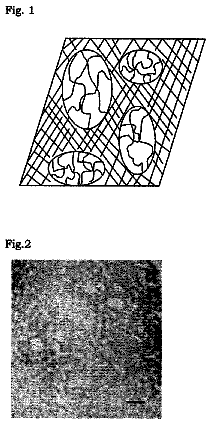
FIG. 2 depicts the anatomy of coniferous wood.
FIG. 3 depicts the border pit structure for coniferous wood.
FIG. 4A depicts the uniform copper penetration in wood treated with micronized copper hydroxide according to AWPA Standard A3-00 "Standard Method for Determining Penetration of Preservatives and Fire Retardants".
FIG. 4B depicts the uniform copper penetration in wood treated with micronized copper carbonate plus quat. The determination of copper penetration was conducted following the procedures described in AWPA Standard A3-00 "Standard Method for Determining Penetration of Preservatives and Fire Retardants".
FIG. 5 depicts the uniform particle distribution of cupric oxide through the cells of the wood treated with micronized CuO.
Detailed description of the invention
Unless stated otherwise, such as in the examples, all amounts and numbers used in this specification are intended to be interpreted as modified by the term "about". Likewise, all elements or compounds identified in this specification, unless stated otherwise, are intended to be non-limiting and representative of other elements or compounds generally considered by those skilled in the art as being within the same family of elements or compounds. The term "micronized" as used herein means a particle size in the range of 0.001 to 25 microns. Furthermore, it should be understood that "micronized" does not refer only to particles which have been produced by the finely dividing, such as by mechanical grinding, of materials which are in bulk or other form. Micronized particles can also be formed by other mechanical, chemical or physical methods, such as, for example, formation in solution, with or without a seeding agent, grinding or impinging jet. The term "preservative" as used herein means a composition that renders the material to which it is applied more resistant to insect, fungal and microbial attack than the same material without having the composition applied. The term "particle size" refers to the largest axis of the particle, and in the case of a generally spherical particle, the largest axis is the diameter.
The wood-preservative compositions of the present invention comprise an inorganic biocide comprising a metal, metal compound or combinations thereof and optionally one or more organic biocides. Accordingly, the present invention provides micronized wood preservatives comprising one or more metal or metal compounds with or without one or more organic biocides. When the composition comprises both the metal/metal compounds and the organic biocides, the metal or metal compounds or the organic biocides are present as water insoluble micronized particles. In one embodiment, both the inorganic biocide and the organic biocide are present as micronized particles.
These compositions are used for treatment of cellulosic material, such as wood. The leaching of metal from the treated wood is less for the present compositions than that observed from wood treated with non-micronized compositions.
A preferred metal is copper. Accordingly, in one embodiment, copper or copper compounds are used. The copper or copper compounds such as cuprous oxide (a source of copper (I) ions), cupric oxide (a source of copper (II) ions), copper hydroxide, copper carbonate, basic copper carbonate, copper oxychloride, copper 8-hydroxyquinolate, copper dimethyldithiocarbamate, copper omadine, copper borate, copper residues (copper metal byproducts) or any suitable copper source can be used as micronized particles having a particle size between 0.001 microns to 25 microns. These particles exhibit a relatively low solubility in water.
The copper source can be mixed with water with or without addition of a commercially available rheological additive such as a cellulosic derivative to form a finely dispersed suspension which can be mixed with a biocide to form a preservative system which is suitable to treat and protect wood from agents causing degradation. Other metals or metal compounds as well as transition metals or transition metal compounds (including the lanthanide and actinide series elements) such as tin, zinc, cadmium, silver, nickel, etc. and compounds thereof can be used in place of copper and copper compounds. The resulting metal dispersion or the metal biocide fluid dispersion are suitable for the preservation of wood and other cellulose-based materials.
The organic biocides useful in the present invention can be water soluble as well as water insoluble. Such organic biocides including fungicides, insecticides, moldicides, bactericides, algaecides etc. are well known to those skilled in the art and include azoles, quaternary ammonium compounds, borate compounds, fluoride compounds and combinations thereof. Some non-limiting examples of water-soluble biocides are quaternary ammonium compounds, such as alkyldimethylbenzylammonium chloride, dimethyldidecylammonium chloride, dimethyldidecylammonium carbonate/bicarbonate and the like. Water insoluble organic biocides are also well known.
Other biocides such as insecticides, mold inhibitors, algaecides, bactericides and the like, may also be added to the compositions of the present invention.
The insoluble biocides can be micronized into particles of submicron size ranging from 0.001 micrometers to 25 micrometers using a grinding mill. The particles are dispersed in standard dispersants such as acrylic copolymers, aqueous solution of copolymers with pigment affinity groups, modified polyacrylate, acrylic polymer emulsions, modified lignin and the like.
The compositions of the present invention can be adjusted to the desired pH. For example, the pH can be adjusted to between 2 to 13 by the addition of acids or alkaline components. The acid or alkaline components can be added before, during or after preparation of the micronized particles.
In the compositions of the present invention, at least 98, 95, 90, 85, 80, 75, 70, 65, 60, 55, or 50% of the particles (by weight) have a diameter less than 10 microns. In the compositions of the present invention, at least 3, 5, 10, 15, 20, 25, 30, 35, 40, 45, or 50% by weight have a diameter of 0.5 microns or greater. In another embodiment, preferably 3 to 25% by weight, more preferably 3 to 10% by weight and still more preferably 3 to 5% by weight of the particles have a diameter of 0.5 microns or greater.
In one embodiment, micronized metal or metal compounds such as a copper compound is mixed with an insoluble micronized organic biocide. The metal or metal compound and the insoluble biocide may be micronized separately and then mixed or may be mixed first and then micronized.
In another embodiment, the metal compound is water soluble. Examples of preferred water-soluble metal compounds are copper sulfate, copper acetate and copper nitrate. In this embodiment, an aqueous solution of the copper compound is prepared and then a micronized dispersion of an organic biocide is added to it.
Non-biocidal products such as water repellants (such as wax emulsions), colorants, emulsifying agents, dispersants, stabilizers, UV inhibitors, enhancing agents (such as trialkylamine oxides and alkoxylated diamines) and the like may also be added to the composition disclosed herein to further enhance the performance of the system or the appearance and performance of the resulting treated products. Those skilled in the art will recognize that some of these agents may also have some biocidal properties.
The wood preservative compositions of the present invention may be formulated by several methods. In one embodiment, the wood preservative compositions may be prepared by diluting or mixing a concentrate of a micronized inorganic biocide and an organic biocide with water or another component. In another embodiment, a micronized inorganic biocide is mixed with an organic biocide.
The organic biocides of the wood preservative compositions of the present invention may be provided as a solution in one or more organic solvents, an emulsion in water by emulsifying the compounds with the aid of one or more emulsifiers, or as a dispersion of micronized particles of organic biocide in water.
Non-limiting examples of solvents used for dissolving the organic biocides of the present invention, include dichloromethane, hexane, toluene, alcohols such as methanol, ethanol, and 2-propanol, glycols such as ethylene glycol and propylene glycol, ethers, esters, poly-glycols, poly-ethers, amides, methylene chloride, acetone, chloroform, N,N-dimethyl octanamide, N,N-dimethyl decanamide, N-methyl 2-pyrrolidone, n-(n-octyl)-2-pyrrolidone, and combinations of the above.
In on embodiment, the micronized particles are dispersed by homogenization or high speed agitation or by milling or grinding the organic biocide or by any other chemical or physical means. The micronized particles may be dispersed using dispersants known in the art. Suitable dispersants for use in the wood preservative compositions of the present invention, include cationic, non-ionic or anionic dispersants, acrylic copolymers, an aqueous solution of copolymers with pigment affinity groups, polycarboxylate ethers, modified polyacrylates, acrylic polymer emulsions, modified acrylic polymers, poly carboxylic acid polymers and their salts, modified poly carboxylic acid polymers and their salts, fatty acid modified polyesters, aliphatic polyethers or modified aliphatic polyethers, polyetherphosphates, modified maleic anhydride/styrene copolymers, lignins and the like.
The organic biocides of the wood preservative compositions of the present invention may be provided as an emulsion in water by emulsifying the compounds with the aid of one or more emulsifiers. Emulsifers may be anionic, cationic, or nonionic or combinations thereof. Examples of emulsifers include, but are not limited to, ethoxylated alkylphenols, amines, amides, aryl phenols, fatty esters, fatty acids and derivatives, ethoxylated alcohols and derivatives, sulfonated amines, carboxylated alcohols, alkylphenol ethoxylates, glycol ethers or glycol esters. Additional examples of emulsifers may be found in McCutcheon's Emulsifiers and Detergents, 2005, which is incorporated herein by reference, in its entirety.
For metal or metal compound biocides, the level of dispersant is in the range of from about 0.1 to 180% of the weight of the biocide compounds, with a preferred range of 1 to 80%, a more preferred range of 5 to 60%, and a most preferred range of 10 to 30%. For organic biocides, such as, for example, tebuconazole, cyproconazole, imidacloprid, chlorothalonil, etc, the level of dispersant is in the range of from about 1 to 200% of the weight of the biocide compounds, with a preferred range of 5 to 100%, a more preferred range of 10 to 80%, and a most preferred range of 30 to 70%.
In another embodiment, for metal or metal compound biocides, the level of dispersant is in the range of about 1, 2, 3, 4, 5, 6, 7, 8, 9, 10, 20, 30, 40, 50, 60, 70, 80, 90, 100, 110, 120, 130, 140, 150, 160, 170, 180, 190, or 200% of the weight of the biocide compounds
In the present invention, the concentrates of inorganic biocide(s) and organic biocide(s) can be prepared separately and then mix together with water to make a preservative treating composition in wood preservative treating plants. Optionally, a blended concentrate containing inorganic biocide(s) and organic biocide(s) can be prepared and then dilute with water to make a preservative treating composition. The total active ingredients of the preservative treating compositions can vary from 0.001% to 50.0% depending upon the preservative systems, preferably 0.01% to 10.0%, and more preferably from about 0.1% to 3.0%. The compositions of the present invention can be a concentrate or a preparation which is ready to apply to wood. In general, when preparing a biocide concentrate, the total biocide content of the concentrate is in the range of from 1 wt % to 80 wt %, based on weight of composition, and preferably in the range of from 5 to 70 wt %, and more preferably in the range of from 30 to 65 wt %.
In a preferred embodiment, the micronized particles of the present invention are produced by grinding. For example, a slurry comprising a dispersant, a carrier, and a powdered biocide may be ground in the methods of the present invention to a particle size in the range of from 1 micron to 500 microns. In one embodiment, the methods of the present invention optionally contain a defoamer. In one method, the slurry is transferred to a grinding mill that is pre-filled with a grinding media having a size from 0.05 mm to 5 mm, and preferably between 0.1 and 1 mm. The media can be one or more of many commercially-available types, including but not limited to steel shot, carbon-steel shot, stannous-steel shot, chrome-steel shot, ceramic shot (for example, alumina-containing); zirconium-based shot, such as zirconia, zirconium silicate, zirconium oxide; stabilized zirconia such as stabilized ytz-stabilized zirconia, ceria-stabilized zirconia, stabilized magnesium oxide, stabilized aluminum oxide, etc. The grinding medium preferably occupies 50% to 99% of the grinding chamber volume, with 75 to 95% preferred, and 80 to 90% even more preferred. The bulk density of the grinding media is preferably in the range of from 0.5 kg/1 to 10 kg/l, and more preferably in the range of from 2 to 5 kg/l. Agitation speed, which can vary with the size of the grinder, is generally in the range of from 1 to 5000 rpm, but can be higher or lower. A set up which involves a transfer pump which repeatedly cycles the slurry between the mill and a storage tank during grinding is preferred. The transfer pump speed may vary from 1 to 500 rpm. During grinding, defoamer may be added if foaming is observed. During grinding, particle size distribution may be analyzed, and once particle size is within the desired specification, grinding may be stopped.
When wood is treated with micronized wood preservatives formulations disclosed herein, metal leaching is reduced. For example, as shown in FIG. 1A, when wood is treated with Cu-MEA composition the leaching of copper is about 12% and 24% respectively for 0.1 pcf (pounds per cubic feet) copper and 0.2 pcf copper. In contrast when the wood is treated with a micronized composition of the present invention the leaching was only about 2% and 1% respectively for the 0.1 pcf copper and 0.2 pcf copper. Copper leaching was evaluated following the procedures described in American Wood Preservers' Association Standard E11-97.
Wood treated with the micronized preservatives of the present invention exhibits reduced leaching. Accordingly, if wood is treated with micronized copper, copper 30 compounds, copper complexes or combinations thereof such that copper or copper ions are present at a concentration of greater than 0.001 pcf, the leaching of copper from the wood is less that 50% of leaching observed with non-micronized formulations. In another embodiment, at concentrations of copper or copper ions in treated wood greater than 0.001 pcf, the leaching of copper is less than 20% of leaching observed with non-micronized formulations. In yet another embodiment, at concentrations of copper or copper ions in treated wood between 0.001 and 0.05 pcf, the leaching of copper is less than 20% of leaching observed from wood containing greater than 0.001 pcf of non-micronized copper. Preferably, the leaching of copper is less 10%, and more preferably less than 5%, of leaching observed with non-micronized copper formulations when the concentration of copper or copper ions is between 0.001 to 0.5 pcf.
The present invention is not limited to applications which involve micronized particles which have been applied to wood as such. For example, the wood preservative effect of micronized particles can be realized by the formation of such particles in situ. By in situ, it is meant that particle formation takes place on or within the wood. Thus, the benefits of the present invention can be realized if particle formation takes place, for example, within the tracheids of the wood to be preserved. Additionally or instead, particle formation can take place outside of the tracheids, with the subsequent movement of at least some of the particles into the tracheids. Such a movement can be caused by, for example, pressure cycling, such as described in the examples. The micronized particles generally have an average size which is small enough to enable at least partial penetration of wood by particle migration through tracheids and border pits.
The description continues in the full USPTO document.
 Lapsed, fee not paid8 drawings