 Lapsed, fee not paid15 drawings
Biotech & Lab · US 8,765,934 B2
Methods for conjugating nucleic acids with small molecules
A method for conjugating a nucleic acid with a molecule is provided.
US 8,765,947 B2 · Assignee: Changzhou Pharmaceutical Factory · Inventors: Chen; Benshun et al.
Sheet 1 of 3 from the published document. All sheets in the USPTO PDF
A preparation method of rosuvastatin calcium (Formula 1), which can be used for the production of medicament lowering the levels of LDL-cholesterol and triglycerides in vivo, is provided. Such preparation method is suitable for industrial production. Furthermore, the intermediate crystallines used in the preparation method are provided. ##STR00001##
The formation of coronary artery disease that blocks blood circulation is closely related to the high levels of low density lipoprotein (LDL) in the blood (Goodman and Gilman, the Pharmacological Basis of Therapeutics, Page 879 (9.sup.th Edition, 1996)). At present, statins are the most effective drugs to reduce the concentration of LDL particles in the blood for patients having the risk for cardiovascular disease, and therefore they are used for the treatment of hypercholesterolemia, hyperlipoproteinemia and atherosclerosis, etc. Statins inhibit the biosynthesis of cholesterol by their competitive inhibition to 3-hydroxyl-3-methyl-glutaryl coenzyme A ("HMG-CoA") reductase, which results in reduction in the concentration of LDL particles in the blood, and therefore reduces the possibility of suffering from coronary artery disease (J. A. M. A. 1984, 251, 351-74). At present, there is a nu
All 3 drawing sheets from the published document, cropped to the drawing.
What the patent claimed, word for word. All of it is now free to use.
The present invention belongs to the field of pharmaceutical chemistry, in particular, it relates to a preparation method of industrialized Rosuvastatin calcium (Formula 1), wherein this calcium salt is used for the production of medicines that lowering LDL-cholesterol and triglyceride in vivo. Furthermore, the present invention relates to the intermediate crystal of this preparation method.
The formation of coronary artery disease that blocks blood circulation is closely related to the high levels of low density lipoprotein (LDL) in the blood (Goodman and Gilman, the Pharmacological Basis of Therapeutics, Page 879 (9.sup.th Edition, 1996)). At present, statins are the most effective drugs to reduce the concentration of LDL particles in the blood for patients having the risk for cardiovascular disease, and therefore they are used for the treatment of hypercholesterolemia, hyperlipoproteinemia and atherosclerosis, etc. Statins inhibit the biosynthesis of cholesterol by their competitive inhibition to 3-hydroxyl-3-methyl-glutaryl coenzyme A ("HMG-CoA") reductase, which results in reduction in the concentration of LDL particles in the blood, and therefore reduces the possibility of suffering from coronary artery disease (J. A. M. A. 1984, 251, 351-74).
At present, there is a number of statins with different structures available in the market, including Lovastatin, Simvastatin, Pravastatin, Fluvastatin, Cerivastatin, Atorvastatin, Rosuvastatin and Pitavastatin, etc. As a HMG-CoA reductase inhibitor, Rosuvastatin calcium (that is, (E)-7-[4-(4-fluorophenyl)-6-isopropyl]-2-[methyl(methyl sulfonyl)amino]pyrimidyl-5-(3R,5S)-3,5-dihydroxy-6-heptenoic calcium) is a so-called super statin, and compared with the first generation statins, Rosuvastatin calcium is more effective in reducing the concentration of LDL-cholesterol and triglyceride in vivo.
The commercial name of Rosuvastatin is CRESTOR, and it should be taken orally once per day for the treatment of hyperlipoidemia (Ann Rep, Shionogi, 1996; Direct communications, Shionogi, Feb. 8, 1999 and Feb. 25, 2000). The daily dosage can be about 5 mg to about 40 mg. As for patients who do not require a considerable reduction of LDL-C or patients who have predisposing factors of myonosus, the recommended dosage is 5 mg, as for common patients, the recommended dosage is 10 mg, as for patients who have hyper cholesterolemia and require a relatively high lipid target (>190 mg/dL), the recommended dosage is 20 mg, while for patients who do not show response at low dosage, the recommended dosage is 40 mg. Rosuvastatin Calcium could also be used for the treatment of hypercholesterolemia, hyperproteinemia and atherosclerosis.
Synthesis and preparation of Rosuvastatin calcium was first disclosed in EP 0521471, wherein 4-(4-fluorophenyl)-6-isopropyl-2-(N-methyl-N-methyl sulfonyl amino)-5-pyrimidinecarbaldehyde and Methyl (3R)-3-(tert-butyldimethylsilyloxy)-5-oxo-6-triphenylphosphoranylidene hexanate reacted and refluxed in the presence of acetonitrile, subsequently, silyl group underwent pyrolysis under the action of HF, the obtained compound was reduced by NaBH.sub.4, as a result, Rosuvastatin methyl ester was formed. Said ester was hydrolyzed by NaOH at room temperature in the presence of ethanol, at the end of the reaction, ethanol was removed, ether was added and Rosuvastatin sodium was obtained. The obtained Rosuvastatin sodium was dissolved in water under a nitrogen atmosphere. CaCl.sub.2 was added to said water solution, and precipitate of Rosuvastatin calcium was obtained. Wherein, the method disclosed by said patent required column chromatography to be carried out, which leads to increase in the complexity of process and production cost, and therefore it is not conducive to the goal that reducing the medical cost to benefit more patients. Bioorganic & Medicinal Chemistry, Vol. 5, NO. 2, pp 437-444, 1997 also reported a synthetic method of Rosuvastatin calcium, and said method was similar to that disclosed in EP0521471.
In EP0521471, even after column chromatography, the obtained Rosuvastatin methyl ester was still syrupy, this syrupy Rosuvastatin methyl ester was difficult to be purified by recrystallization, its purity was lower than 97% and the content of diastereomer was above 5%. EP0521471 described the formation of Rosuvastatin sodium via hydrolysis in ethanol, the obtained was beat with ethyl ether and crystallized Rosuvastatin sodium crystal powder was obtained, however, the formation of crystallized solid powder could only be realized in the laboratory by beating with ethyl, and it was very difficult to scale up and be applied to large-scale industrialized production, furthermore, the purification effect is not satisfactory due to the fact that diastereomer could not be separated by this process. EP0521471 disclosed the direct synthesis of Rosuvastatin calcium from Rosuvastatin sodium, however, these steps make the calcium salt difficult to be purified by recrystallization of Therefore, the content of diastereomer in Rosuvastatin calcium obtained from Rosuvastatin methyl ester was around 0.8%, several unknown impurities with concentration of above 0.1% were observed, leading to difficulty in obtaining highly purified Rosuvastatin calcium and industrialization of Rosuvastatin calcium. Furthermore, since the compound of Formula 3 presented in said EP0521471 and its improved method is taken in excess, the utilization rate of high cost compound as shown in Formula 3 was lower than 50% and the production cost was strongly affected. Accordingly, it is required to purify the compound as shown in Formula 4 or compound as shown in Formula 5 by column chromatography in current technique, otherwise purification is very difficult to be realized via direct recrystallization. However, the production cost of column chromatography is high and it is difficult to be applied in industrialization.
Improvements of synthetic process of EP0521471 have been reported. For instance, international application WO03087112 improved phosphorus ylide reagent based on EP0521471, wherein diester glutarate was converted to monoester glutarate via biological enzyme method, subsequently, the resultant was converted into tert-butyl ester containing silane blocking group, as a result, phosphorus ylide reagent different from that of EP0521471 in term of ester group was obtained; WO03097614 disclosed improvement of synthetic process of main-chain aldehyde N-[4-(4-fluorophenyl)-5-formyl-6-(1-methylethyl)-2-pyrimidyl]-N-methyl-me- thansulfnamide, however, preparation method of final product was similar to EP0521471; international application WO2005023778 reported industrial preparation method of Rosuvastatin calcium in substance free of impurities, however, the synthesis method of Rosuvastatin ester was still similar to that disclosed in EP0521471, furthermore, no detailed information was available on how to prepare highly purified Rosuvastatin ester; international application WO2006091771 described improvement of synthesis of Rosuvastatin calcium, wherein the major difference between WO2006091771 and EP0521471 was that ester group of side chain was replaced by ter-butyl ester group, but it was still very difficult to prepare highly purified Rosuvastatin according to the method of said application.
Besides preparation methods based on EP0521471, other synthetic methods which are different from the synthetic route of EP0521471 have been reported as well. For instance, international application WO0049014 (priority date: Feb. 17, 1999) reported a preparation method of Rosuvastatin calcium. Wherein, tert-butyl 2-[(4R,6S)-6-formyl-2,2-dimethyl-1,3-dioxan-4-yl]acetate with two chiral centers was acted as side chain, said chain reacted with phosphorus ylide reagent diphenyl[4-(4-fluorophenyl)-6-isopropyl-2-[methyl(methylsulfonyl) amino]pyrimidin-5-ylmethyl]phosphine oxide and took place Wittig condensation, subsequently, acetonylidene blocking group was removed via acidic hydrolysis, the obtained was saponified in the presence of alkali, in this way, sodium salt was converted to calcium salt.
EP1035127 disclosed a preparation method of intermediate of Rosuvastatin calcium, wherein said intermediate can be used in the synthetic route of WO0049014; WO2004108691 described improvement of the formation of Rosuvastatin salt from Rosuvastatin calcium, however, said improvement was based on the preparation method of Rosuvastatin calcium reported in WO0049014; international application WO2005042522 reported a preparation method based on WO0049014, wherein the crystallized intermediate was separated and used for the synthesis of Rosuvastatin.
Furthermore, improvements of the synthesis of Rosuvastatin calcium and its intermediate have been reported. For instance, international application WO0042024 focused on some specific crystal forms of Rosuvastatin calcium; international applications WO0154668 and WO0154669 disclosed a composition of Rosuvastatin calcium; international application WO0160804 described crystalline salt of Rosuvastatin, wherein said crystalline salt could be used for the purification of Rosuvastatin calcium; international application WO0241895 disclosed the use of Rosuvastatin in the treatment of an indication, that is heterozygous familial hyperlipidemia; international application WO2004014872 described improvements of the salt formation of Rosuvastatin calcium, wherein the improved processing conditions were used for preparation of highly filtrated solid; international application WO2004103977 disclosed improvement of synthesis of pyrimidyl heterocycle intermediate of Rosuvastatin calcium; international application WO2007000121 reported improvement on the preparation of Rosuvastatin calcium from Rosuvastatin lactone intermediate; international application WO2006079611 described other crystal forms of Rosuvastatin calcium (crystal form B and C); Chinese patent application CN1872841 disclosed recrystallization method of compound as shown in Formula 5, wherein said compound was recrystallized under the action of mixed solvent containing methylbenzene and ethyl ether, as a result, intermediate with purity of higher than 98% was obtained, however, Rosuvastatin methyl ester still required to be purified by column chromatography, the purity of said Rosuvastatin methyl ether was very low, the content of diastereomer was 0.5% and the total content of other impurities was 1%; international application WO2006136408 reported a preparation method of Rosuvastatin calcium and other Rosuvastatin salt from Rosuvastatin ester; international application international application WO2007022488 reported crystalline intermediate of Rosuvastatin and a process for the preparation thereof.
Based on the process route and its related patent applications, the present invention provides an improved preparation method of Rosuvastatin calcium after intensive study, wherein asymmetric reduction of borane is optimized, and crude Rosuvastatin ester with relatively low content of diastereomer is obtained. After said crude Rosuvastatin ester forms water soluble sodium salt via hydrolysis, the water insoluble impurities are removed via extraction thus said crude Rosuvastatin ester is converted to relatively purified ester with high yield, subsequently, highly purified Rosuvastatin ester is formed via crystallization, the obtained is then converted to Rosuvastatin calcium with high yield. In this way, the content of the impurities is effectively controlled, problems involved in the preparation of highly purified Rosuvastatin calcium, especially Rosuvastatin calcium with low content of diastereomer is successfully solved. Furthermore, the present invention is suitable for large scale production, problem involved in the preparation of ICH qualified raw materials is solved. Moreover, the present invention also provides an intermediate used in the improved preparation method.
The present invention aims at providing a synthetic method of Rosuvastatin calcium with optimization of synthesis conditions, which is based on the improvement of the synthetic route disclosed in EP0521471, wherein, the type of reagent, the ratio between reagents and the reaction conditions are optimized in present invention. In the large-scale industrial production, both the yield and quality (purity) of Rosuvastatin calcium provided in the present invention are higher than those of EP0521471. It is particularly surprising that preparation method of Rosuvastatin calcium provided in the present invention does not require operations (such as column chromatography) that are difficult for industrialization, which leads to a lowering in production cost in comparison with the synthetic route disclosed in EP0521471, thus the present invention is more suitable for industrialization. Moreover, due to the fact that the yield of esterification of Rosuvastatin acid is relatively high and the conversion rate is as high as 99.0% under optimized conditions, although more steps are involved in the present invention, the yield is still relatively high, ester that is difficult to crystallize is converted to ester that is easy to crystallize, at the same time diastereomer and other impurities are removed during said step by recrystallization and other simple steps.
In summary, the scope of the present invention comprising the following aspects:
In the first aspect, the present invention provides a preparation method of compound shown as Formula 1, wherein it comprises:
1) Compound shown as Formula 2 reacts with compound shown as Formula 3 take place Wittig condensation, as a result, compound shown as Formula 4 is obtained:
Wherein, R.sup.1 is low alkyl group;
2) Silane protection group is removed from compound shown as Formula 4 in the presence of HF, as a result, compound shown as Formula 5 is obtained;
3) Compound shown as Formula 5 undergoes asymmetric reduction in the presence of R.sup.2.sub.2BOMe and NaBH.sub.4, and forms compound shown as Formula 6
Wherein R.sup.2 is C2-8 alkyl;
4) Compound shown as Formula 7 is formed via alkaline hydration from compound shown as Formula 6 in the presence of NaOH;
5) Compound shown as Formula 8 is formed via acidification from compound shown as Formula 7 in the presence of acid;
6) Esterification is carried out between compound as shown in Formula 8 and halohydrocarbon R.sup.3X alkali, as a result, compound as shown in Formula 9 is obtained
Wherein R.sup.3 is selected from the group consisting of low alkyl group and benzyl, optionally substituted by hydroxyl group, halogen or benzene, and X is halogen;
7) Compound as shown in Formula 7 is formed via alkaline hydration of compound as shown in Formula 9 in the presence of sodium hydroxide; and
8) Compound as shown in Formula 7 is converted to compound as shown in Formula 1 in the presence of water soluble Calcium salt.
In the method of the present invention, wherein the preferred embodiment is in absence of the step of column chromatography. Under the premise that the product quality and the yield are ensured, the present invention is more suitable for industrialization.
In step
of present invention, wherein the preferred molar ratio between compound as shown in Formula 3 and compound as shown in Formula 2 is 0.9.about.1.2:1, and the more preferred molar ratio is 1:1.
Furthermore, in step
of the present invention, wherein reaction of said step
takes place in the presence of solvent, said solvent is non-ketone organic solvent, and the preferred solvent is selected from the group consisting of acetonitrile, methylbenzene, cyclohexane, n-hexane, n-heptane, HMPA, DMF, DMI, DMSO, chloroform, carbon tetrachloride, carbon dichloride, 1,2-dichloroethane and mixture thereof. The most preferred solvent is acetonitrile. Wherein, the ratio between said solvent and compound as shown in Formula 3 is 0.1.about.5 (mL/g), the more preferred ratio is 0.3.about.20 (mL/g) and the most preferred ratio is 0.5 (mL/g).
In step
of the present invention, wherein in order to remove byproduct triphenylphosphine oxide, the product obtained from said step
is preferably purified by recrystallization, the solvent used in said recrystallization is selected from the group consisting of alkanes, aromatics, halogenated aromatic hydrocarbon or ether, more preferred solvent is selected from the group consisting of cyclohexane, n-hexane, n-heptane, petroleum ether, benzene, methylbenzene, ethyl ether, isopropyl ether, tert-butyl methyl ether, chlorobenzene, o-dichlorobenzene and mixture thereof, and the most preferred solvent is cyclohexane.
In step
of the present invention, wherein the product obtained from said step
is preferably purified via recrystallization, the solvent used in said recrystallization is selected from the group consisting of alcohol, ether, ester, ketone, aromatic hydrocarbon or alkane and mixture thereof, the more preferred solvent is ethyl ether or a mixture containing acetone and isopropyl ether. Wherein said recrystallization could be multi-step recrystallization, and the solvents used in each recrystallization are different, for example, ethyl ether is used as solvent for the first recrystallization, and a mixture containing acetone and isopropyl ether is used as solvent for the second recrystallization in order to further purify the obtained product.
In step
of the present invention, wherein the preferred R.sup.2 is ethyl group, propyl group, butyl group, isobutyl group, 1,2-dimethyl propyl or cyclohexyl. Furthermore, in order to influence reductant and thus terminate the reaction of said step (3), glacial acetic acid is preferably added to terminate reaction.
In step
of the present invention, wherein the reaction of said step
proceeds in the presence of solvent, said solvent is selected from the group consisting of THF, alcohol and acetonitrile, and the preferred solvent is acetonitrile; the reaction temperature range of step
is between -10 and 80.degree. C., and the preferred reaction temperature range is between 20 and 40.degree. C.; furthermore, the molar ratio between NaOH and compound as shown in Formula 6 is 1.05.about.2.0:1, and the preferred molar ratio is 1.1:1. Moreover, at the end of step (4), extraction is performed to remove impurities, the product obtained from step
is preferably purified via extraction of water-immiscible solvent, and the preferred water-immiscible solvent is ethyl acetate or ethyl ether.
In step
of the present invention, wherein the reaction of step
proceeds in the presence of solvent, said solvent is selected from the group consisting of ester, ether and halohydrocarbon, and the preferred solvent is ethyl ether.
In step
of the present invention, wherein the reaction of step
proceeds in the presence of solvent, said solvent is selected from the group consisting of ketone, DMF, DMSO, and HMPA, and the preferred solvent is acetone. Wherein the most preferred halogenated hydrocarbon R.sup.3X is 1-bromo-3-methylbutane; the preferred alkali is selected from the group consisting of carbonate, bisulfate, biphosphate, dihydrix phosphate and organic amine, and the most preferred alkali is K.sub.2CO.sub.3. The reaction temperature range of said step
is between -40 and 80.degree. C., the preferred temperature range is between 0 and 60.degree. C., the more preferred temperature range is between 10 and 50.degree. C., and the most preferred temperature range is between 20 and 40.degree. C.
In step
of the present invention, wherein the R.sup.3 is preferably low alkyl group; the reaction system preferably contains phase transfer catalyst, the preferred catalyst is quaternary ammonium, crown ether or polyethylene glycol, and the most preferred catalyst is tetrabutyl ammonium bromide.
In step
of the present invention, wherein in order to purify the obtained product, the product obtained from step
is preferably purified via recrystallization, the solvent of said recrystallization is selected from the group consisting of ether, ester, alcohol and water solution thereof, and the preferred solvent is ethyl ether or isopropyl ether.
In step
of the present invention, wherein the reaction of step
proceeds in the presence of solvent, said solvent is selected from the group consisting of THF, alcohol and acetonitrile, and the preferred solvent is acetonitrile; the reaction temperature range of step
is between -10 and 80.degree. C., and the preferred temperature range is between 20 and 40.degree. C.; furthermore, in the step (7), the molar ratio between NaOH and compound as shown in Formula 6 is 1.05.about.2.0:1, and the preferred ratio is 1.1:1. Moreover, at the end of step (7), in order to remove the impurities, the product obtained from step
is extracted with water-immiscible solvent, and the preferred water-immiscible solvent is ethyl acetate or ethyl ether.
In step
of the present invention, wherein the preferred soluble calcium salt is calcium acetate or calcium chloride. The molar ratio between soluble calcium salt and compound as shown in Formula 7 is 1.0.about.1.2:2, the more preferred ratio is 1.05:2. Wherein, the compound as shown in Formula 7 is more preferably converted to compound calcium acetate as shown in Formula 1 in the presence of calcium acetate.
In step
of the present invention, wherein in order to further recover the compound as shown in Formula 1 in the mother liquid, at the end of step (8), compound as shown in Formula 1 is separated, remaining aqueous solution is acidified, subsequently, it is extracted with solvent, alkali is added to dissolve said aqueous solution, and then soluble calcium salt is added, as a result, compound as shown in Formula 1 is obtained, wherein the preferred solvent is ethyl ether, and the preferred soluble calcium salt is calcium acetate.
In the second aspect, the present invention also provides application of said step
or step
to step
in the first aspect of present invention in purification of Rosuvastatin ester, Rosuvastatin lactone or Rosuvastatin salt, wherein Rosuvastatin ester, Rosuvastatin lactone or Rosuvastatin salt is first converted to Rosuvastatin acid, subsequently, step
or step
to step
of said any one of claims of present invention is carried out, the preferred Rosuvastatin salt is Rosuvastatin calcium.
In the third aspect, the present invention provides crystalline intermediate obtained via preparation method in the first aspect of the present invention, wherein:
(3R,5S,6E)-7-[4-(4-fluorophenyl)-6-(1-methyl ethyl)-2-[methyl(methyl sulfonyl)amino]-5-pyrimidyl]-3,5-dihydroxyl-6-methyl heptenoate has spectrum of powder XRD showing peak values at 2.theta.=8.7, 9.3, 9.6, 17.4, 18.0, 19.5, 21.7, 24.4, 24.7 and 26.3;
(3R,5S,6E)-7-[4-(4-fluorophenyl)-6-(1-methyl ethyl)-2-[methyl(methyl sulfonyl)amino]-5-pyrimidyl]-3,5-dihydroxyl-6-isopentyl heptenoate has spectrum of powder XRD showing peak values at 2.theta.=9.5, 16.3, 19.3, 20.7 and 20.9; and
(3R,5S,6E)-7-[4-(4-fluorophenyl)-6-(1-methyl ethyl)-2-[methyl(methyl sulfonyl)amino]-5-pyrimidyl]-3,5-dihydroxyl-6-isopentyl heptenoate has spectrum of powder XRD showing peak values at 2.theta.=9.6, 11.9, 16.6, 18.5, 19.2, 19.7 and 20.8.
In the forth aspect, the present invention provides application of said crystalline intermediate in the third aspect of the present invention in the preparation or purification of Rosuvastatin salt, especially in the preparation or purification of Rosuvastatin calcium.
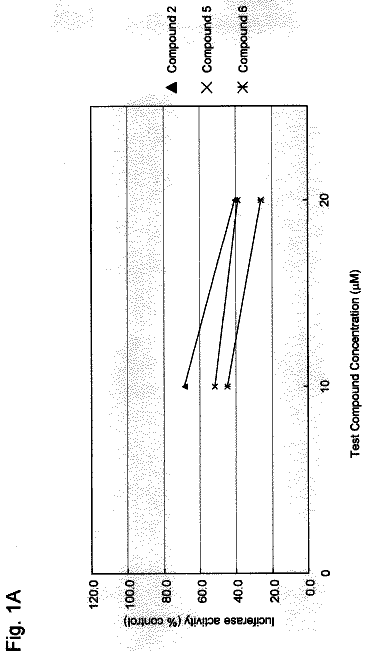
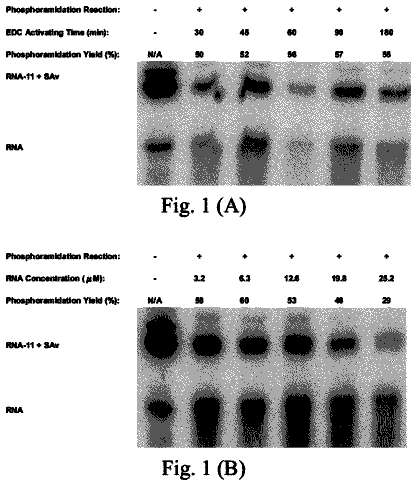
FIG. 1 shows the test results of (3R,6E)-7-[4-(4-fluorophenyl)-6-(1-methyl ethyl)-2-[methyl(methylsulfonyl)amino]-5-pyrimidyl]-3-hydroxyl-5-oxo-6-me- thyl heptenoate prepared according to an embodiment of the present invention by HPLC;
FIG. 2 shows the test results of (3R,5S,6E)-7-[4-(4-fluorophenyl)-6-(1-methyl ethyl)-2-[methyl(methyl sulfonyl)amino]-5-pyrimidyl]-3,5-dihydroxyl-6-heptenoic-3-methyl butyrate prepared according to an embodiment of the present invention by HPLC;
FIG. 3 shows the test result of Rosuvastatin calcium prepared according to an embodiment of the present invention by HPLC;
FIG. 4 shows the results of powder XRD of (3R,5S,6E)-7-[4-(4-fluorophenyl)-6-(1-methyl ethyl)-2-[methyl(methyl sulfonyl)amino]-5-pyrimidyl]-3,5-dihydroxyl-6-methyl heptenoate prepared according to an embodiment of the present invention;
FIG. 5 shows the results of powder XRD of crystal form I of (3R,5S,6E)-7-[4-(4-fluorophenyl)-6-(1-methylethyl)-2[methyl(methylsulfony- l)amino]-5-pyrimidyl]-3,5-dihydroxyl-6-heptenoic-3-methyl butyrate prepared according to an embodiment of the present invention;
FIG. 6 shows the results of powder XRD of crystal form II of (3R,5S,6E)-7-[4-(4-fluorophenyl)-6-(1-methyl ethyl)-2-[methyl(methyl sulfonyl)amino]-5-pyrimidyl]-3,5-dihydroxyl-6-heptenoic-3-methyl butyrate prepared according to an embodiment of the present invention.
1. Definition of Terms
The terms used in the present invention have common definitions to those skilled in the pharmacochemistry field. Alcohol, ether, crown ether, ester, ketone, aromatic hydrocarbon, alkane and halogen are frequently used chemicals and people skilled in the art should be able to choose said chemicals according to embodiments of the present invention. The preferred alcohol, ether, ester, ketone, aromatic hydrocarbon and alkane should contain less than 10 carbons. Furthermore, the "low alkyl group" of present invention refers to C1-10 alkyl group i.e. the alkyl group containing 1.about.10 carbons, and the C1-6 alkyl group is preferred.
2. Step
of the Present Invention
Large-scale industrial preparation of compound as shown in Formula 2 and compound as shown in Formula 3 could be realized based on EP0521471 and its related improvements, however, large-scale preparation of compound as shown in Formula 4 and compound as shown in Formula 2 is still difficult. Preparation of compound as shown in Formula 4 based on current techniques requires a relatively large amount of expensive compound as shown in Formula 3 (the price of compound as shown in Formula 3 is 5 times higher than that of compound as shown in Formula 2), the molar ratio between compound as shown in Formula 3 and compound as shown in Formula 2 is 1.5:1, the formed compound as shown in Formula 4 has to be purified via column chromatography (or the formed compound as shown in Formula 5 has to be purified via column chromatography, otherwise syrupy material that is difficult to crystallize will be obtained), and therefore the yield is relatively low (taking compound as shown in Formula 2 as an example, the yield of crude product obtained after column chromatography is 71.3%), the utilization rate of compound as shown in Formula 3 is lower than 50%, and the production cost is increased. Wherein, without the application of column chromatography, the byproduct triphenylphosphine oxide is relatively difficult to be removed, and the removal rate is generally lower than 60%.
In order to realize the large-scale industrial production of Rosuvastatin calcium, reaction of step
is optimized in the present invention, wherein the ratio of compound as shown in Formula 3 is lowered, as a result, the reaction efficiency is not affected and the utilization rate of compound as shown in Formula 3 is improved. When an excess amount of compound as shown in Formula 3 is present, compound as shown in Formula 2 is difficult to fully convert after the completion of the reaction of step (1). Due to the presence of an excess amount of compound as shown in Formula 3, the introduced impurities strongly influence the crystallization of compound as shown in Formula 2, and therefore purification means that are difficult to be used in industrialization, such as column chromatography have to be applied.
Furthermore, as the melting point of compound as shown in Formula 3 is relatively low, it is difficult to crystallize at lower purity, therefore the removal of triphenylphosphine oxide from compound as shown in Formula 4 via recrystallization is strongly influenced. When the molar ratio between compound as shown in Formula 2 and compound as shown in Formula 3 is 0.9.about.1.2:1, preferred ratio is 1:1, almost no compound as shown in Formula 3 is left after the completion of the reaction of step (1), in this way, the maximum utilization of compound as shown in Formula 3 is achieved. Even when a small amount of compound as shown in Formula 2 remains, the influence of compound as shown in Formula 2 on the crystallization of compound as shown in Formula 5 is insignificant for its melting point is relatively high and it is easy to crystallize, accordingly compound as shown in Formula 5 could be easily crystallized without the application of column chromatography. Therefore, the impurity removal rate of said step is high, wherein the removal rate of triphenylphosphine oxide is higher than 80%.
The inventors have surprisingly found that the amount of solvent influences the reaction rate and quality of said step (1): when the ratio between said solvent and compound as shown in Formula 3 is 0.1.about.5 (mL/g), the preferred ratio is 0.3.about.2.0, and the most preferred ratio is 0.5 (mL/g), the reaction rate is increased, the reaction time is shortened, and the control of impurity is more efficient; when the ratio between said solvent and compound as shown in Formula 3 is 5.about.20, the reaction rate is lower and the amount of impurity increases.
3. Step
of the Present Invention
Compound as shown in Formula 4 and compound as shown in Formula 5 need not to be purified via column chromatography, and compound as shown in Formula 5 could be directly purified via recrystallization with the solvent. Highly purified compound as shown in Formula 5 facilitates the control of follow-up reaction, the quality of Rosuvastatin calcium (impurity control) and the overall yield. Compound as shown in Formula 5 could crystallize in several solvents, and said solvent can be selected from the group consisting of alcohol, ether, ester, ketone, aromatic hydrocarbon, alkane and mixture thereof, the preferred solvent is ethyl ether or a mixture containing acetone and isopropyl ether. Wherein it could be multi-recrystallization, and the solvent used in each recrystallization is different, for instance, ethyl ether is used as solvent for the first recrystallization, and a mixture containing acetone and isopropyl ether is used for the second recrystallization to further refine.
4. Step
of the Present Invention
According to EP0521471 and its related improvements, oily Rosuvastatin methyl ester is obtained via reduction of (3R,6E)-7-[4-(4-fluorophenyl)-6-(1-methylethyl)-2-[methyl(methyl sulfonyl)amino]-5-pyrimidyl]-3-hydroxyl-5-oxo-6-methyl heptenoate, and therefore, the obtained is difficult to directly recrystallize. According to said patent, even after the purification of Rosuvastatin methyl ester by column chromatography, the quality of obtained Rosuvastatin calcium is relatively poor, the content of diastereomer is generally greater than 0.5%, and the total content of other impurities is higher than 1.5%. As for asymmetric reduction via sodium borohydride complexing with methoxydiethylborane, although the selectivity is high (generally greater than 98:2), the formation of diastereomer during reduction is still unavoidable, and the content of diastereomer is between 0.5.about.2.0%, therefore in order to obtain a relatively high diastereomeric excess (de), the obtained has to be purified via recrystallization.
The inventors have found that almost all Rosuvastatin esters can crystallize, however, the properties of these esters, especially their crystallization, are considerably different, wherein Rosuvastatin methyl ester is the most difficult one to crystallize. Generally speaking, when the purity of Rosuvastatin methyl ester is lower than 80%, it is almost impossible to crystallize, when the purity of Rosuvastatin methyl ester is lower than 95%, the crystallization is relatively slow and an inoculating seed has to be added to induce or a relatively long stirring time is necessary, if the purity is high, crystallization in several different solvents is also possible; on the contrary, the crystallization properties of Rosuvastatin ethyl ester, Rosuvastatin propyl ester, Rosuvastatin isopropyl ester, Rosuvastatin n-butyl ester, Rosuvastatin iso-butyl ester and Rosuvastatin tert-butyl ester is relatively good; especially Rosuvastatin isopentyl ester has excellent crystallization, for it is easy to crystallize and precipitate from several solvents even its purity is relatively low. Therefore, recrystallization is not necessary in step
of the present invention, and it is performed in later steps on other Rosuvastatin esters which are much easier to crystallize.
THF and methanol could be used as solvent in step
of the present invention, wherein dialkyl methoxyborane is added at low temperature (for example -78.degree. C.), subsequently, reductant such as sodium borohydride is added and Rosuvastatin methyl ester is obtained. The selectivity depends on different boron reagent. In general, the larger the alkyl group, the more crowded the space, and as a result, the higher the selectivity, therefore, the dialkyl methoxyborane is preferably selected from the group consisting of diethyl methoxyborane, dipropyl methoxyborane, dibutyl methoxyborane, diisobutyl methoxyborane, di(1,2-dimethyl propyl) methoxyborane or dicyclohexyl methoxyborane. The reaction should proceed at low temperature; and the volume ratio between THF and methanol of mixed solvent is 2:1.about.5:1, and the preferred ratio is 3:1.about.4:1; the preferred ratio between volume of the solvent and mass of the compound as shown in Formula 5 is 10.about.80 (mL/g), and the more preferred ratio is 30.about.50 (mL/g). Furthermore, in order to destroy the reductant so as to terminate step (3), glacial acetic acid is preferably added to terminate said step.
5. Step
and Step
of the Present Invention
Step
and step
of the present invention relate to the formation of soluble Rosuvastatin salt (for instance, Rosuvastatin sodium) via alkaline hydrolysis of Rosuvastatin ester. Wherein, reactions of step
and step
proceed in the presence of solvent, and said solvent can be selected from THF, alcohol or acetonitrile, and the preferred solvent is acetonitrile; the reaction temperature of said step
and step
is -10.about.80.degree. C., and the preferred temperature is 20.about.40.degree. C.; the molar ratio between NaOH and Rosuvastatin ester of said step
and step
is 1.05.about.2.0:1, and the preferred ratio is 1.1:1. Furthermore, after the completion of the reaction of step (7), in order to remove impurities, the product obtained from step
is extracted with water-immiscible solvent, and the preferred water-immiscible solvent is ethyl acetate or ethyl ether.
6. Step
of the Present Invention
Rosuvastatin acid is syrupy, and it is relatively unstable as well as is easy to convert to Rosuvastatin lactone. Therefore, as for conversion of Rosuvastatin acid from Rosuvastatin sodium, the preferred conditions are as follows: water insoluble solvent is added to aqueous solution of Rosuvastatin sodium, subsequently, inorganic acid or organic acid is added to said mixture, in this way, Rosuvastatin acid is dissociated and dissolves in said water-immiscible solvent. Wherein, the preferred solvent is selected from ester, ether, or halohydrocarbon, and the most preferred solvent is ethyl ether. Furthermore, the added inorganic acid or organic acid is selected from hydrochloric acid, sulfuric acid, formic acid or glacial acetic acid, and the preferred acid is hydrochloric acid. After the addition of inorganic acid or organic acid, the pH value of said reaction system is controlled to be at 1.about.6, and the preferred pH value is 3.about.5. The acidification temperature is normally below 40.degree. C., and it is preferred that the reaction mixture is continuously mixed so that the dissociated Rosuvastatin acid could dissolve in water insoluble solvent. Subsequently, the obtained is allowed to stand for layering, the water phase is extracted with water insoluble solvent and then combined and dried. It is preferred that a certain amount of alkali (for instance, Na.sub.2CO.sub.3, K.sub.2CO.sub.3 or other weak bases) is added during the condensation of acid so as to reduce the reaction rate of lactonization as side reaction.
7. Step
of the Present Invention
Esterification of Rosuvastatin acid should be carried out in the absence of acid. As under acidic condition, especially when the strong acid is present and the reaction temperature is relatively high, Rosuvastatin acid is very easy to convert to Rosuvastatin lactone, and allylic (5-hydroxyl) racemization is easy to take place. Preparation of Rosuvastatin ester from Rosuvastatin acid is preferred to be performed under alkaline or neutral conditions, however, under said conditions, lactonization could not be prevented, and the formed ester could still convert to lactone at relatively high reaction temperature in the presence of alkali if the reaction time is relatively long. To solve these problems, especially to ensure a relatively high yield during the multi-step reaction of present invention, it is shown in present invention that the effective utilization rate of Rosuvastatin is not significantly influenced by hydrolysis-esterification of the present invention, the utilization rate of Rosuvastatin during formation of Rosuvastatin sodium via hydrolysis reaches 97.about.99%, and the overall yield of said two steps is above 94%. Wherein, the esterification of Rosuvastatin acid and alkylation reagent takes place under the alkaline condition, and the preferred alkylation reagent is halohydrocarbon, wherein the preferred halogen atom is selected from Cl, Br, or I, the more preferred halogen is Br or I, and the most preferred halohydrocarbon R.sup.3X is 1-bromo-3-methylbutane. Other practicable alkylation reagents could be alkyl tosylate, alkyl trifluoromethanesulfonate ester and the like. The preferred alkali is selected from carbonate, bisulfate, biphosphate, dihydric phosphate, and the preferred alkali is K.sub.2CO.sub.3; said alkali could also be organic base, for example organic amine, such as triethylamine. The preferred ratio is 1.0 eq.about.5.0 eq for halohydrocarbon, and the more preferred ratio is 1.1 eq.about.3.0 eq; 1.0 eq.about.3.0 eq for alkali, and the more preferred ratio is 1.0 eq.about.1.5 eq.
The reaction of said step
can be preformed in the presence of solvent, wherein said solvent is selected from ketone, DMF, DMSO, or HMPA, and the preferred solvent is DMF or acetone. Wherein the reaction temperature range is between -40.degree. C. and 80.degree. C., the preferred temperature range is between 0.degree. C. and 60.degree. C., the more preferred temperature range is between 10.degree. C. and 50.degree. C., and the most preferred temperature range is between 20.degree. C. and 40.degree. C. If the solubility of solid alkali in the solvent is relatively low, phase transfer catalyst could be added to facilitate the reaction, and said phase transfer catalyst can be selected from quaternary ammonium salt, crown ether or polyethylene glycol. The preferred amount of phase transfer catalyst ranges from 0.2 eq to 1.5 eq. When methyl iodide is used in the preparation of Rosuvastatin methyl ester in said step (6), the preferred conditions are as follows: 3.0 eq methyl iodide, 1.2 eq K.sub.2CO.sub.3, the reaction temperature is 20.degree. C., and 1.0 eq phase transfer catalyst tetrabutyl ammonium bromide. When 1-bromo-3-methylbutane is used in the preparation of Rosuvastatin isopentyl ester, the preferred conditions are as follows: 2.5 eq 1-bromo-3-methylbutane, 1.1 eq K.sub.2CO.sub.3, and the reaction temperature is 40.degree. C.
After the reaction of step
The description continues in the full USPTO document.
About 5,779 words. The USPTO PDF has it with every drawing.
Fees are due 3.5, 7.5 and 11.5 years after grant. This patent expired on July 1, 2026, so the fee marked "not paid" was the one that went unpaid.
PREPARATION METHOD OF ROSUVASTATIN CALCIUM AND ITS INTERMEDIATES
Filed May 2009 · published May 2011Preparation method of rosuvastatin calcium and its intermediates
Filed May 2009 · granted Feb 2014PREPARATION METHOD OF ROSUVASTATIN CALCIUM AND ITS INTERMEDIATES
Filed Mar 2013 · published Aug 2013Preparation method of Rosuvastatin calcium and its intermediates
Filed Mar 2013 · granted Jul 2014Earlier publications, parents and continuations. None of them can still be enforced, or this patent would not be listed.
Prior art cited by the examiner or applicant. Useful when you check your own idea for novelty.
Everything on this page comes from the documents linked above.