Lapsed, fee not paidUS 8,741,940 B2
Biotech & Lab · US 8,741,940 B2
Microbicidal composition
Synergistic microbicidal compositions containing N-(n-butyl)-1,2-benzisothiazolin-3-one or N-methyl-1,2-benzisothiazolin-3-one.
US 8,741,942 B2 · Assignee: President and Fellows of Harvard College · Inventors: Cuny; Gregory D. et al.
Sheet 1 of 12 from the published document. All sheets in the USPTO PDF
The present invention relates to compounds and pharmaceutical preparations and their use in therapy for preventing or treating trauma, ischemia, stroke and degenerative diseases associated with cell death. Methods and compositions of the invention are particularly useful for treating neurological disorders associated with cellular necrosis.
Acute and chronic neurological diseases can be caused by a number of different factors. However, many of these diseases are characterized by cell death in specific regions of the central nervous system. Neurological diseases are a group of maladies that afflict a significant portion of the human population. The medical and socio-economic impacts of these diseases are significant. Although the etiology of each acute and chronic neurological disease is likely different, one common feature that many share is rapid or progressive irreversible cell death in specific regions of the central nervous system (Standaert, D. G.; Young, A. B. In Goodman & Gilman's The Pharmacological Basis of Therapeutics, Tenth Edition; Hardman, J. G.; Limbird, L. E., Eds.; McGraw-Hill: New York, 2001; Chapter 22, pp 549-568; Mattson, M. P. Nature Rev. Mol. Cell. Biol. 2000, 1, 120-129). Compelling evidence is emerg
1 of 12 drawing sheets so far from the published document, cropped to the drawing. Every sheet is in the USPTO PDF.
What the patent claimed, word for word. All of it is now free to use.
The invention relates to compositions and methods for preventing and treating diseases involving cell death. In particular, the invention relates to therapeutic compounds and methods for treating neurological diseases involving cell death.
Acute and chronic neurological diseases can be caused by a number of different factors. However, many of these diseases are characterized by cell death in specific regions of the central nervous system.
Neurological diseases are a group of maladies that afflict a significant portion of the human population. The medical and socio-economic impacts of these diseases are significant. Although the etiology of each acute and chronic neurological disease is likely different, one common feature that many share is rapid or progressive irreversible cell death in specific regions of the central nervous system (Standaert, D. G.; Young, A. B. In Goodman & Gilman's The Pharmacological Basis of Therapeutics, Tenth Edition; Hardman, J. G.; Limbird, L. E., Eds.; McGraw-Hill: New York, 2001; Chapter 22, pp 549-568; Mattson, M. P. Nature Rev. Mol. Cell. Biol. 2000, 1, 120-129). Compelling evidence is emerging that neuron cell death occurs in acute neurological diseases, such as stroke and trauma (Raghupathi, R.; Graham, D. I.; McIntosh, T. K. J. Neurotrauma 2000, 17(10), 927-38) and in neurodegenerative diseases, such as Parkinson's disease-PD (Vila, M.; Wu, D. C.; Przedborski, S. Trends in Neuroscience 2001, 24(11), S49-S55), Huntington's disease-HD (McMurry, C. T. Trends in Neuroscience 2001, 24(11), S32-S38), amyotrophic lateral sclerosis--ALS (Beckman, J. S.; Esteves, A. G.; Crow, J. P. Trends in Neuroscience 2001, 24(11), S15-S20), and human immunodeficiency virus associated dementia--HAD (Kaul, M.; Garden, G. W.; Lipton, S. A. Nature 2001, 410, 988-994). Studies have also suggested that cell death occurs in Alzheimer's disease--AD (Eldadah, B. A.; Faden, A. I. J. Neurotrauma 2000, 17(10), 811-829). Albeit, neurons present in AD may be chronically dysfunctional without necessarily undergoing active cell death (Selkoe, D. J. Nature 1999, 399 (Suppl), A23-A30).
Most current approaches to developing treatments for neurological diseases, such as stroke, Parkinson's disease (PD), Alzheimer's disease (AD), amyotrophic lateral sclerosis (ALS), Huntington's disease (HD), and HIV-associated dementia (HAD) target mechanisms that are hypothesized to be involved in the initiation-phase of the disease. For example, current approaches involve using compounds that attempt to inhibit the initiation of toxicity caused by aggregation of .alpha.-synuclein in PD, or aggregation of .beta.-amyloid, tau, and/or ApoE in AD, or aggregation of huntingtin protein in HD, or oxidative stress from reactive oxygen species in ALS, or excessive extracellular excitotoxins, such as glutamate, in stroke or trauma. An alternative approach is to target basic cell death machinery that may be activated as a result of a cellular insult. Current approaches are directed towards a specific death process called apoptosis involving cysteine proteases called caspases. However, a number of recent studies establish that many cell death paradigms, especially those associated with neurodegeneration, involve non-apoptotic/caspase-independent mechanisms.
Therefore, there is a need in the art for compositions and methods to prevent or treat cellular necrosis including cellular necrosis associated with neurodegeneration.
The present invention provides compounds and pharmaceutical preparations that are useful for treating disorders associated with cellular necrosis.
According to one aspect the invention, the compound has the formula:
a stereoisomeric form thereof, a pharmaceutically acceptable acid or base addition salt thereof, wherein X represents O; Y represents S; G represents O or NR.sub.7; R.sub.1, R.sub.2, and R.sub.3 represent independently H, OH, OR.sub.8, F, Cl, Br, I, N(R.sub.8).sub.2, COOH, CO.sub.2R.sub.8, NO.sub.2, NHC(O)R.sub.8, lower alkyl, substituted lower alkyl, aryl, substituted aryl, heteroaryl, or substituted heteroaryl; R.sub.4 represents independently H, OH, OR.sub.8, F, Cl, Br, I, N(R.sub.8).sub.2, COOH, CO.sub.2R.sub.8, NO.sub.2, NHC(O)R.sub.8, methyl, methoxyl, lower alkyl, substituted lower alkyl, aryl, substituted aryl, heteroaryl, or substituted heteroaryl, amine, piperizine; R.sub.5, R.sub.6, and R.sub.7 represent independently H or lower alkyl; R.sub.8 represents lower alkyl, substituted lower alkyl, aryl, substituted aryl, arylalkyl, alkenyl, alkynyl, heteroaryl, or substituted heteroaryl; R.sub.9, R.sub.10, R.sub.9', R.sub.10', represent independently H, F, Cl, Br, I, lower alkyl, substituted lower alkyl, or a three to six membered cycloalkyl or substituted cycloalkyl that includes C.sub.n and/or C.sub.n'; n and n' equals an integer from zero to five.
In another aspect the compound has the formula:
a stereoisomeric form thereof, a pharmaceutically acceptable acid or base addition salt thereof, wherein X represents O; Y represents NR.sub.8; G represents O or NR.sub.7; R.sub.1, R.sub.2, and R.sub.3 represent independently H, OH, OR.sub.8, F, Cl, Br, I, N(R.sub.8).sub.2, COOH, CO.sub.2R.sub.8, NO.sub.2, NHC(O)R.sub.8, lower alkyl, substituted lower alkyl, aryl, substituted aryl, heteroaryl, or substituted heteroaryl; R.sub.4 represents independently H, OH, OR.sub.8, F, Cl, Br, I, N(R.sub.8).sub.2, COOH, CO.sub.2R.sub.8, NO.sub.2, NHC(O)R.sub.8, methyl, methoxyl, lower alkyl, substituted lower alkyl, aryl, substituted aryl, heteroaryl, or substituted heteroaryl, amine, piperizine; R.sub.5, R.sub.6, and R.sub.7 represent independently H or lower alkyl; R.sub.8 represents lower alkyl, substituted lower alkyl, aryl, substituted aryl, arylalkyl, alkenyl, alkynyl, heteroaryl, or substituted heteroaryl; R.sub.9, R.sub.10, R.sub.9', R.sub.10', represent independently H, F, Cl, Br, I, lower alkyl, substituted lower alkyl, or a three to six membered cycloalkyl or substituted cycloalkyl that includes C.sub.n and/or C.sub.n'; n and n' equals an integer from zero to five.
In another aspect of the invention the compound has the formula:
a stereoisomeric form thereof, a pharmaceutically acceptable acid or base addition salt thereof, wherein X represents O; Y represents NH; R.sub.1, R.sub.2, and R.sub.3 represent independently H, OR.sub.8, F, Cl, Br, I, N(R.sub.8).sub.2, CO.sub.2R.sub.8, NO.sub.2, NHC(O)R.sub.8, lower alkyl, substituted lower alkyl, aryl, substituted aryl, heteroaryl, or substituted heteroaryl; R.sub.4 represents independently H, OR.sub.8, F, Cl, Br, I, N(R.sub.8).sub.2, CO.sub.2R.sub.8, NO.sub.2, NHC(O)R.sub.8, methyl, methoxyl, lower alkyl, substituted lower alkyl, aryl, substituted aryl, heteroaryl, or substituted heteroaryl, amine, piperizine; R.sub.5, R.sub.6 and R.sub.7 represent independently H or lower alkyl, except R.sub.6 can not be methyl, ethyl, propyl, isopropyl or t-butyl when R.sub.1, R.sub.2, R.sub.3, R.sub.4, R.sub.5 and R.sub.7 are H; R.sub.8 represents H, lower alkyl, substituted lower alkyl, aryl, substituted aryl, arylalkyl, alkenyl, alkynyl, heteroaryl, or substituted heteroaryl; R.sub.9, R.sub.10, R.sub.9', R.sub.10', represent independently H, F, Cl, Br, I, lower alkyl, substituted lower alkyl, or a three to six membered cycloalkyl or substituted cycloalkyl that includes C.sub.n and/or C.sub.n'; n and n' equals an integer from zero to five.
In another aspect the compound has the formula:
a stereoisomeric form thereof, a pharmaceutically acceptable acid or base addition salt thereof, wherein X represents O; Y represents NH; R.sub.1, R.sub.2, and R.sub.3 represent independently H, OH, OR.sub.8, F, Cl, Br, I, N(R.sub.8).sub.2, COOH, CO.sub.2R.sub.8, NO.sub.2, NHC(O)R.sub.8, lower alkyl, substituted lower alkyl, aryl, substituted aryl, heteroaryl, or substituted heteroaryl; R.sub.4 represents independently H, OH, OR.sub.8, F, Cl, Br, I, N(R.sub.8).sub.2, COOH, CO.sub.2R.sub.8, NO.sub.2, NHC(O)R.sub.8, methyl, methoxyl, lower alkyl, substituted lower alkyl, aryl, substituted aryl, heteroaryl, or substituted heteroaryl, amine, piperizine; R.sub.5, R.sub.6, and R.sub.7 represent independently H or lower alkyl; R.sub.8 represents lower alkyl, substituted lower alkyl, aryl, substituted aryl, arylalkyl, alkenyl, alkynyl, heteroaryl, or substituted heteroaryl; R.sub.9, R.sub.10, R.sub.9', R.sub.10', represent independently H, F, Cl, Br, I, lower alkyl, substituted lower alkyl, or a three to six membered cycloalkyl or substituted cycloalkyl that includes C.sub.n and/or C.sub.n'; n and n' equals an integer from zero to five.
In another aspect the compound has the formula:
a stereoisomeric form thereof, a pharmaceutically acceptable acid or base addition salt thereof, wherein X represents S; Y represents S; G represents O or NR.sub.7; R.sub.1, R.sub.2, and R.sub.3 represent independently H, OH, OR.sub.8, F, Cl, Br, I, N(R.sub.8).sub.2, COOH, CO.sub.2R.sub.8, NO.sub.2, NHC(O)R.sub.8, lower alkyl, substituted lower alkyl, aryl, substituted aryl, heteroaryl, or substituted heteroaryl; R.sub.4 represents independently H, OH, OR.sub.8, F, Cl, Br, I, N(R.sub.8).sub.2, COOH, CO.sub.2R.sub.8, NO.sub.2, NHC(O)R.sub.8, methyl, methoxyl, lower alkyl, substituted lower alkyl, aryl, substituted aryl, heteroaryl, or substituted heteroaryl, amine, piperizine; R.sub.5, R.sub.6, and R.sub.7 represent independently H or lower alkyl; R.sub.8 represents lower alkyl, substituted lower alkyl, aryl, substituted aryl, arylalkyl, alkenyl, alkynyl, heteroaryl, or substituted heteroaryl; R.sub.9, R.sub.10, R.sub.9', R.sub.10', represent independently H, F, Cl, Br, I, lower alkyl, substituted lower alkyl, or a three to six membered cycloalkyl or substituted cycloalkyl that includes C.sub.n and/or C.sub.n'; n and n' equals an integer from zero to five.
In another aspect of the invention the compound has the formula:
a stereoisomeric form thereof, a pharmaceutically acceptable acid or base addition salt thereof, wherein X represents S; Y represents NR.sub.8; G represents O or NR.sub.7; R.sub.1, R.sub.2, and R.sub.3 represent independently H, OH, OR.sub.8, F, Cl, Br, I, N(R.sub.8).sub.2, COOH, CO.sub.2R.sub.8, NO.sub.2, NHC(O)R.sub.8, lower alkyl, substituted lower alkyl, aryl, substituted aryl, heteroaryl, or substituted heteroaryl; R.sub.4 represents independently H, OH, OR.sub.8, F, Cl, Br, I, N(R.sub.8).sub.2, COOH, CO.sub.2R.sub.8, NO.sub.2, NHC(O)R.sub.8, methyl, methoxyl, lower alkyl, substituted lower alkyl, aryl, substituted aryl, heteroaryl, or substituted heteroaryl, amine, piperizine; R.sub.5, R.sub.6, and R.sub.7 represent independently H or lower alkyl; R.sub.8 represents lower alkyl, substituted lower alkyl, aryl, substituted aryl, arylalkyl, alkenyl, alkynyl, heteroaryl, or substituted heteroaryl; R.sub.9, R.sub.10, R.sub.9', R.sub.10', represent independently H, F, Cl, Br, I, lower alkyl, substituted lower alkyl, or a three to six membered cycloalkyl or substituted cycloalkyl that includes C.sub.n and/or C.sub.n'; n and n' equals an integer from zero to five.
In another aspect of the invention the compound has the formula:
a stereoisomeric form thereof, a pharmaceutically acceptable acid or base addition salt thereof, wherein X represents S; Y represents NH; G represents O or NR.sub.7; R.sub.1, R.sub.2, and R.sub.3 represent independently H, OR.sub.8, F, Cl, Br, I, N(R.sub.8).sub.2, CO.sub.2R.sub.8, NO.sub.2, NHC(O)R.sub.8, lower alkyl, substituted lower alkyl, aryl, substituted aryl, heteroaryl, or substituted heteroaryl; R.sub.4 represents independently H, OR.sub.8, F, Cl, Br, I, N(R.sub.8).sub.2, CO.sub.2R.sub.8, NO.sub.2, NHC(O)R.sub.8, aryl, substituted aryl, heteroaryl, or substituted heteroaryl, amine, piperizine, lower alkyl and substituted lower alkyl except for methyl and methoxyl; R.sub.5, R.sub.6 and R.sub.7 represent independently H or lower alkyl, except R.sub.6 can not be methyl when R.sub.1, R.sub.2, R.sub.3, R.sub.4, R.sub.5 and R.sub.7 are H; R.sub.8 represents H, lower alkyl, substituted lower alkyl, aryl, substituted aryl, arylalkyl, alkenyl, alkynyl, heteroaryl, or substituted heteroaryl; R.sub.9, R.sub.10, R.sub.9', R.sub.10', represent independently H, F, Cl, Br, I, lower alkyl, substituted lower alkyl, or a three to six membered cycloalkyl or substituted cycloalkyl that includes C.sub.n and/or C.sub.n'; n and n' equals an integer from zero to five.
In another aspect of the invention the compound has the formula:
a stereoisomeric form thereof, a pharmaceutically acceptable acid or base addition salt thereof, wherein X represents S or O; Y represents S, NH or NR.sub.8; G represents 0 or NR.sub.7; R.sub.1, R.sub.2, and R.sub.3 represent independently H, OR.sub.8, F, Cl, Br, I, N(R.sub.8).sub.2, CO.sub.2R.sub.8, NO.sub.2, NHC(O)R.sub.8, lower alkyl, substituted lower alkyl, aryl, substituted aryl, heteroaryl, or substituted heteroaryl; R.sub.4 represents independently H, OR.sub.8, F, Cl, Br, I, N(R.sub.8).sub.2, CO.sub.2R.sub.8, NO.sub.2, NHC(O)R.sub.8, aryl, substituted aryl, heteroaryl, or substituted heteroaryl, amine, piperizine, lower alkyl and substituted lower alkyl; R.sub.5, R.sub.6 and R.sub.7 represent independently H or lower alkyl; R.sub.8 represents H, lower alkyl, substituted lower alkyl, aryl, substituted aryl, arylalkyl, alkenyl, alkynyl, heteroaryl, or substituted heteroaryl; R.sub.9, R.sub.10, R.sub.9', R.sub.10', represent independently H, F, Cl, Br, I, lower alkyl, substituted lower alkyl, or a three to six membered cycloalkyl or substituted cycloalkyl that includes C.sub.n and/or C.sub.n'; n and n' equals an integer from zero to five.
Another aspect of the invention relates to pharmaceutical preparations comprising the above compounds and a pharmaceutically acceptable carrier. In preferred embodiments of the invention the pharmaceutically acceptable carrier is chosen from a diluent, a solid filler, and a solvent encapsulating material.
An additional aspect of the invention relates to the use of the above compounds for treating necrotic cell diseases including trauma, ischemia, stroke, cardiac infarction, infection and sepsis. In preferred embodiment the necrotic cell disease is a neurodegenerative disease such as Parkinson's disease, Alzheimer's disease, amyotrophic lateral sclerosis, Huntington's disease, and HIV-associated dementia.
An additional aspect of the invention relates to the use of a combination of two or more compounds that inhibit cellular necrosis (e.g., heterocylcic thiohydantoin, hydantoin, oxazolidinone, thioxo-oxazolidinone, pyrimidinone, oxazinanone compounds, or combinations thereof) according to a treatment method of the invention.
An additional aspect of the invention relates to the use of one or more of the aforementioned compounds in combination with one or more additional compounds or agents such as those described herein. In preferred embodiments of the invention the additional compound(s) is (are) selected from apoptosis inhibitors, PARP inhibitors, Src inhibitors, agents for treating cardiovascular disorders and anti-microbial agents.
An additional aspect of the invention relates to processes for producing one or more heterocyclic compounds comprising a thiohydantoin, hydantoin, oxazolidinone, thioxo-oxazolidinone, pyrimidinone, or oxazinanone moiety.
A further aspect of the present invention relates to the synthesis of combinatorial libraries of the heterocyclic compounds comprising a thiohydantoin, hydantoin, oxazolidinone, thioxo-oxazolidinone, pyrimidinone, or oxazinanone moiety, and the screening of those libraries for biological activity, e.g. in assays based on cell death (apoptosis, necrosis, or a combination of both) and in animal models of disease including trauma, ischemia (e.g. stroke, myocardial infraction and the like), and neurodegenerative diseases such as Parkinson's disease (PD), Alzheimer's disease (AD), amyotrophic lateral sclerosis (ALS), Huntington's disease (HD), infectious encephalopathies, dementia, HIV-associated dementia (HAD), etc.
The accompanying drawings are not intended to be drawn to scale. In the drawings, each identical or nearly identical component that is illustrated in various figures is represented by a like numeral. For purposes of clarity, not every component may be labeled in every drawing. In the drawings:
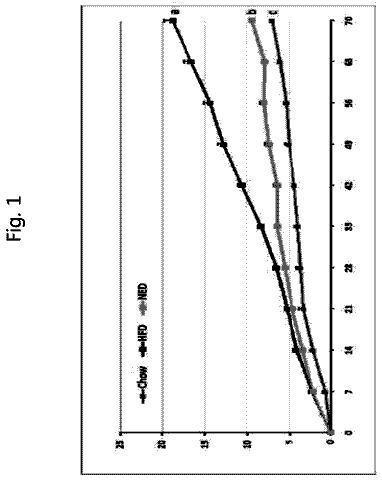
FIG. 1 is a graph bar that shows the effects of anti-necrotic compound 893-01.
FIG. 2 depicts a general scheme for synthesizing a heterocyclic compound comprising a thiohydantoin or hydantoin moiety.
FIG. 3 depicts a general scheme for synthesizing a heterocyclic compound comprising a thiohydantoin moiety.
FIG. 4 depicts a general scheme for synthesizing a heterocyclic compound comprising a hydantoin moiety.
FIG. 5 depicts a scheme for the preparation of indoles.
FIG. 6 shows a scheme for the preparation of 7-oxygenated indoles.
FIG. 7 shows a scheme for the preparation of 7-(2-methoxy-ethoxy)-1H-indole.
FIG. 8 depicts (A) a general scheme for enantioselectively synthesizing a heterocyclic compound comprising a hydantoin moiety (B) scheme for synthesizing compounds 893-31 and 893-32.
FIG. 9 depicts a general scheme for synthesizing hydantoins.
FIG. 10 depicts a general scheme for the preparation of oxazolidinones.
FIG. 11 is a graph that shows the cytotoxicity of hydantoin and thiohydantoin compounds.
The invention provides compounds that prevent cell death and are useful as therapeutic agents for treating subjects afflicted with necrotic cell disease, such as trauma, ischemic and neurological diseases, and particularly neurodegenerative diseases. Compounds of the invention are also useful for understanding the patho-physiology of these diseases.
Compounds of the invention are low molecular weight molecules of the formula:
a stereoisomeric form thereof, a pharmaceutically acceptable acid or base addition salt thereof, wherein
X represents O or S;
Y represents S, NH, or NR.sub.8;
G represents O or NR.sub.7;
R.sub.1, R.sub.2, and R.sub.3 represent independently H, OH, OR.sub.8, F, Cl, Br, I, N(R.sub.8).sub.2, COOH, CO.sub.2R.sub.8, NO.sub.2, NHC(O)R.sub.8, lower alkyl, substituted lower alkyl, aryl, substituted aryl, heteroaryl, or substituted heteroaryl;
R.sub.4 represents independently H, OH, OR.sub.8, F, Cl, Br, I, N(R.sub.8).sub.2, COOH, CO.sub.2R.sub.8, NO.sub.2, NHC(O)R.sub.8, methyl, methoxyl, lower alkyl, substituted lower alkyl, aryl, substituted aryl, heteroaryl, substituted heteroaryl, amine, or piperizine, but preferably Cl, F or methoxyl;
R.sub.5, R.sub.6, and R.sub.7 represent independently H or lower alkyl;
R.sub.8 represents lower alkyl, substituted lower alkyl, aryl, substituted aryl, arylalkyl, alkenyl, alkynyl, heteroaryl, or substituted heteroaryl;
R.sub.9, R.sub.10, R.sub.9', R.sub.10', represent independently H, F, Cl, Br, I, lower alkyl, substituted lower alkyl, or a three to six membered cycloalkyl or substituted cycloalkyl the includes C.sub.n and/or C.sub.n';
n and n' equals an integer from zero to five;
with restrictions on the following alternative embodiments:
i) when X represents O, Y represents NH and G represents NR.sub.7, R.sub.6 can not be a methyl, ethyl, propyl, isopropyl or t-butyl when R.sub.1, R.sub.2, R.sub.3, R.sub.4, R.sub.5 and R.sub.7 represent H;
ii) when X represents S, Y represents NH and G represents NR.sub.7, R.sub.6 can not be a methyl when R.sub.1, R.sub.2, R.sub.3, R.sub.4, R.sub.5 and R.sub.7 represent H;
iii) and when X represents S, Y represents NH and G represents NR.sub.7, R.sub.4 can not be a methyl or methoxyl.
In another aspect of the invention compounds of the invention are low molecular weight molecules of the formula:
a stereoisomeric form thereof, a pharmaceutically acceptable acid or base addition salt thereof, wherein
X represents O or S;
Y represents S, NH, or NR.sub.8;
G represents O or NR.sub.7;
R.sub.1, R.sub.2, and R.sub.3 represent independently H, OH, OR.sub.8, F, Cl, Br, I, N(R.sub.8).sub.2, COOH, CO.sub.2R.sub.8, NO.sub.2, NHC(O)R.sub.8, lower alkyl, substituted lower alkyl, aryl, substituted aryl, heteroaryl, or substituted heteroaryl;
R.sub.4 represents independently H, OH, OR.sub.8, F, Cl, Br, I, N(R.sub.8).sub.2, COOH, CO.sub.2R.sub.8, NO.sub.2, NHC(O)R.sub.8, methyl, methoxyl, lower alkyl, substituted lower alkyl, aryl, substituted aryl, heteroaryl, substituted heteroaryl, amine, or piperizine, but preferably Cl or F;
R.sub.5, R.sub.6, and R.sub.7 represent independently H or lower alkyl;
R.sub.8 represents lower alkyl, substituted lower alkyl, aryl, substituted aryl, arylalkyl, alkenyl, alkynyl, heteroaryl, or substituted heteroaryl;
R.sub.9, R.sub.10, R.sub.9', R.sub.10', represent independently H, F, Cl, Br, I, lower alkyl, substituted lower alkyl, or a three to six membered cycloalkyl or substituted cycloalkyl the includes C.sub.n and/or C.sub.n'; and wherein
n and n' equals an integer from zero to five.
In one aspect, compounds of the invention inhibit necrotic cell death by inhibiting caspase-independent mechanisms that are activated after a cell-death initiating event. According to the invention, the inhibition of caspase-independent cell-death mechanisms provides several advantages, including a high therapeutic efficacy and a broad utility against many diseases, including but not limited to trauma, ischemia and neurological diseases. In addition, compounds of the invention can be used in assays for novel molecular targets that are associated with caspase-independent induced cell death.
Cells die in two morphologically distinct ways (Wyllie, A. H.; Kerr, J. F. R.; Currie, A. R. Int. Rev. Cytol. 1980, 68, 251-306). One of these processes, called apoptosis, is characterized by a number of conserved and highly regulated steps including concurrent nucleus and cytoplasm condensation (although cytoplasmic organelles initially remain intact), DNA degradation, membrane blebbing and caspase-mediated cleavage of various cellular factors. Apoptosis culminates in cellular fragmentation into apoptotic bodies, which are phagocytosed by adjacent cells, including macrophages. Therefore, this process does not lead to an inflammatory response. Apoptosis is a genetically regulated process (Yuan, J.; Yankner, B. A. Nature 2000, 407, 802-809; Cryns, V.; Yuan, J. Genes & Develop. 1998, 12, 1551-1570) necessary during both development and for maintaining an organism's homeostasis. However, in certain pathological conditions this process, which would normally be suppressed, is initiated leading to cell death and dysfunction. Many key cellular targets in this cascade have been identified and some serve as potential targets for therapeutic intervention. For example, one family of enzymes discovered to play an integral role in this process is caspases, which are cysteine proteases (Talanian, R. V.; Brady, K. D.; Cryns, V. L. J. Med. Chem. 2000, 43(18), 3351-3371).
A second, morphologically distinct way that cells die, called necrosis (Syntichaki, P.; Tavernarakis, N. EMBO Rep. 2002, 3(7), 604-609), is characterized by cell membrane and organelle disruption, cell swelling, mitochondria impairment, followed by cell lyses (Martin, L. J., Al-Abdulla, N. A.; Brambrink, A. M.; Kirsch, J. R.; Sieber, F. E.; Portera-Cailliau, C. Brain Res. Bull. 1998, 46(4), 281-309). Condensation of chromatin occurs, but only with diffuse irregular shaped masses being formed. Also, cell lyses typically are accompanied by an inflammatory response. Although the underlying biochemical events in this process are not well understood, necrotic cell death is known to play a very prominent role in many pathological conditions, especially during neurodegeneration (Nicotera, P., Leist, M.; Ferrando-May E. Biochem. Soc. Symp. 1999, 66, 69-73). It is thought that inhibition of apoptosis often does not completely block cell death, but rather results in a cell switching from an apoptotic to a necrotic mechanism. Therefore, identifying and preparing low molecular weight molecules that prevent necrotic cell death can assist in the basic understanding of this process and provide useful compounds for therapeutic intervention. Compounds of the invention target important aspects of neurodegeneration not addressed by current strategies.
According to the invention, necrosis can be associated with a condition including, but not limited to, an infection, a toxin, a poison, radiation, physical trauma, inflammation, a lack of nutrient or oxygen supply, a chemical imbalance, an interruption of blood supply, other conditions leading to cell or tissue death, or a combination of two or more of the above. For example, cell or tissue necrosis can be associated with any one or more of the following conditions: an abscess, ague, anemia, ankylosis, anoxia, apnea, arthritis, asphyxiation, asthma, ataxia, atrophy, backache, bleeding, blennorhea, cachexia, caries, colic, constipation, convulsion, coughing, cyanosis, diarrhea, dizziness, dropsy, dry gangrene, dysentery, dyspepsia, dyspnea, edema, emaciation, fainting, fatigue, fever, fibrillation, gas gangrene, genetic diseases, high blood pressure, hydrops, hypertension, hypotension, icterus, indigestion, inflammation, insomnia, itching, jaundice, low blood pressure, lumbago, marasmus, moist gangrene, noma, pain, paralysis, pruritus, rash, rheum, sclerosis, seizure, shock, skin eruption, sore, spasm, sphacelation, tabes, tachycardia, tooth decay, tumor, upset stomach, vertigo, vomiting, or wasting.
Accordingly, necrosis can be localized to a group of living cells or can be spread over one or more larger tissue areas. In some embodiments, necrosis can be associated with gangrene, sphacelus, ischemic necrosis, avascular necrosis (e.g., of the bone), meningitis, and other conditions including but not limited to those described herein.
The term "necrotic cell disease" refers to acute diseases including but not limited to trauma, ischemia, stroke, cardiac infarction, anthrax lethal toxin induced septic shock, sepsis, cell death induced by LPS, and HIV induced T-cell death leading to immunodeficiency. The term "necrotic cell disease" also includes but is not limited to chronic neurodegenerative diseases, such as Parkinson's disease, Huntington's disease, amyotrophic lateral sclerosis, Alzheimer's disease, infectious encelopathies, dementia such as HIV associated dementia.
The invention is based, in part, on the discovery that a series of compounds including, but not limited to, the following:
act as inhibitors of cellular necrosis. According to the invention, these compounds, and certain derivatives thereof, are useful to treat diseases such as trauma, ischemia (e.g. stroke, myocardial infarction and the like), and neurodegenerative diseases. Useful thiohydantoin, hydantoin, oxazolidinone, thioxo-oxazolidinone, pyrimidinone, or oxazinanone compound derivatives preferably have small substituents at the 7 position of the indole ring such as halogen, methyl, and methoxyl and groups such as methyl and other lower alkyl groups at the (thio)hydantoin imide nitrogen.
The term "alkyl" refers to the radical of saturated aliphatic groups, including straight-chain alkyl groups, branched-chain alkyl groups, cycloalkyl (alicyclic) groups, alkyl substituted cycloalkyl groups, and cycloalkyl substituted alkyl groups. In preferred embodiments, a straight chain or branched chain alkyl has 12 or fewer carbon atoms in its backbone (e.g., C.sub.1-C.sub.12 for straight chain, C.sub.3-C.sub.12 for branched chain), and more preferably 6 or fewer, and even more preferably 4 or fewer. Likewise, preferred cycloalkyls have from 3-10 carbon atoms in their ring structure, and more preferably have 5, 6 or 7 carbons in the ring structure.
Unless the number of carbons is otherwise specified, "lower alkyl" as used herein means an alkyl group, as defined above, but having from one to ten carbons, more preferably from one to six carbon atoms in its backbone structure, and even more preferably from one to four carbon atoms in its backbone structure. Likewise, "lower alkenyl" and "lower alkynyl" have similar chain lengths. Preferred alkyl groups are lower alkyls. In preferred embodiments, a substituent designated herein as alkyl is a lower alkyl.
As used herein, the term "halogen" designates --F, --Cl, --Br or --I; the term "sulfhydryl" means --SH; and the term "hydroxyl" means --OH.
The term "methyl" refers to the monovalent radical --CH.sub.3, and the term "methoxyl" refers to the monovalent radical --CH.sub.2OH.
The term "aralkyl" or "arylalkyl", as used herein, refers to an alkyl group substituted with an aryl group (e.g., an aromatic or heteroaromatic group).
The terms "alkenyl" and "alkynyl" refer to unsaturated aliphatic groups analogous in length and possible substitution to the alkyls described above, but that contain at least one double or triple bond respectively.
The term "aryl" as used herein includes 5-, 6- and 7-membered single-ring aromatic groups that may include from zero to four heteroatoms, for example, benzene, pyrrole, furan, thiophene, imidazole, oxazole, thiazole, triazole, pyrazole, pyridine, pyrazine, pyridazine and pyrimidine, and the like. Those aryl groups having heteroatoms in the ring structure may also be referred to as "aryl heterocycles" or "heteroaromatics." The aromatic ring can be substituted at one or more ring positions with such substituents as described above, for example, halogen, azide, alkyl, aralkyl, alkenyl, alkynyl, cycloalkyl, hydroxyl, alkoxyl, amino, nitro, sulfhydryl, imino, amido, phosphonate, phosphinate, carbonyl, carboxyl, silyl, ether, alkylthio, sulfonyl, sulfonamido, ketone, aldehyde, ester, heterocyclyl, aromatic or heteroaromatic moieties, --CF.sub.3, --CN, or the like. The term "aryl" also includes polycyclic ring systems having two or more cyclic rings in which two or more carbons are common to two adjoining rings (the rings are "fused rings") wherein at least one of the rings is aromatic, e.g., the other cyclic rings can be cycloalkyls, cycloalkenyls, cycloalkynyls, aryls and/or heterocyclyls.
The terms ortho, meta and para apply to 1,2-, 1,3- and 1,4-disubstituted benzenes, respectively. For example, the names 1,2-dimethylbenzene and ortho-dimethylbenzene are synonymous.
The terms "heterocyclyl" or "heterocyclic group" or "heteroaryl" refer to 3- to 10-membered ring structures, more preferably 3- to 7-membered rings, whose ring structures include one to four heteroatoms. Heterocycles can also be polycycles. Heterocyclyl groups include, for example, thiophene, thianthrene, furan, pyran, isobenzofuran, chromene, xanthene, phenoxathiin, pyrrole, imidazole, pyrazole, isothiazole, isoxazole, pyridine, pyrazine, pyrimidine, pyridazine, indolizine, isoindole, indole, indazole, purine, quinolizine, isoquinoline, quinoline, phthalazine, naphthyridine, quinoxaline, quinazoline, cinnoline, pteridine, carbazole, carboline, phenanthridine, acridine, pyrimidine, phenanthroline, phenazine, phenarsazine, phenothiazine, furazan, phenoxazine, pyrrolidine, oxolane, thiolane, oxazole, piperidine, piperazine, morpholine, lactones, lactams such as azetidinones and pyrrolidinones, sultams, sultones, and the like. The heterocyclic ring can be substituted at one or more positions with such substituents as described above, as for example, halogen, alkyl, aralkyl, alkenyl, alkynyl, cycloalkyl, hydroxyl, amino, nitro, sulfhydryl, imino, amido, phosphonate, phosphinate, carbonyl, carboxyl, silyl, ether, alkylthio, sulfonyl, ketone, aldehyde, ester, heterocyclyl, aromatic or heteroaromatic moiety, --CF.sub.3, --CN, or the like.
As used herein, the definition of each expression, e.g. alkyl, m, n, etc., when it occurs more than once in any structure, is intended to be independent of its definition elsewhere in the same structure.
It will be understood that "substitution" or "substituted with" includes the implicit proviso that such substitution is in accordance with permitted valence of the substituted atom and the substituent, and that the substitution results in a stable compound, e.g., which does not spontaneously undergo transformation such as by rearrangement, cyclization, elimination, etc.
As used herein, the term "substituted" is contemplated to include all permissible substituents of organic compounds. In a broad aspect, the permissible substituents include acyclic and cyclic, branched and unbranched, carbocyclic and heterocyclic, aromatic and nonaromatic substituents of organic compounds. Illustrative substituents include, for example, those described herein above. The permissible substituents can be one or more and the same or different for appropriate organic compounds, as for example, halogen, alkyl, aralkyl, alkenyl, alkynyl, cycloalkyl, hydroxyl, amino, nitro, sulfhydryl, imino, amido, phosphonate, phosphinate, carbonyl, carboxyl, silyl, ether, alkylthio, sulfonyl, ketone, aldehyde, ester, heterocyclyl, aromatic or heteroaromatic moiety, --CF.sub.3, --CN, or the like. For purposes of this invention, the heteroatoms such as nitrogen may have hydrogen substituents and/or any permissible substituents of organic compounds described herein which satisfy the valences of the heteroatoms. This invention is not intended to be limited in any manner by the permissible substituents of organic compounds.
Certain compounds of the present invention may exist in particular geometric or stereoisomeric forms. The present invention contemplates all such compounds, including cis- and trans-isomers, R- and S-enantiomers, diastereomers, (D)-isomers, (L)-isomers, the racemic mixtures thereof, and other mixtures thereof, as falling within the scope of the invention. Additional asymmetric carbon atoms may be present in a substituent such as an alkyl group. All such isomers, as well as mixtures thereof, are intended to be included in this invention. In certain embodiments, the present invention relates to a compound represented by any of the structures outlined herein, wherein the compound is a single stereoisomer.
If, for instance, a particular enantiomer of a compound of the present invention is desired, it may be prepared by asymmetric synthesis, or by derivation with a chiral auxiliary, where the resulting diastereomeric mixture is separated and the auxiliary group cleaved to provide the pure desired enantiomers. Alternatively, where the molecule contains a basic functional group, such as amino, or an acidic functional group, such as carboxyl, diastereomeric salts are formed with an appropriate optically-active acid or base, followed by resolution of the diastereomers thus formed by fractional crystallization or chromatographic means well known in the art, and subsequent recovery of the pure enantiomers.
Contemplated equivalents of the compounds described above include compounds which otherwise correspond thereto, and which have the same general properties thereof (e.g., functioning as inhibitors of cellular necrosis), wherein one or more simple variations of substituents are made which do not adversely affect the efficacy of the compound. In general, the compounds of the present invention may be prepared by the methods illustrated in the general reaction schemes as, for example, described below, or by modifications thereof, using readily available starting materials, reagents and conventional synthesis procedures. In these reactions, it is also possible to make use of variants, which are in themselves known, but are not mentioned here.
For purposes of this invention, the chemical elements are identified in accordance with the Periodic Table of the Elements, CAS version, Handbook of Chemistry and Physics, 67th Ed., 1986-87, inside cover.
Accordingly, in certain embodiments, the invention provides a compound of the formula:
a stereoisomeric form thereof, a pharmaceutically acceptable acid or base addition salt thereof, wherein X represents O; Y represents S; G represents O or NR.sub.7; R.sub.1, R.sub.2, and R.sub.3 represent independently H, OH, OR.sub.8, F, Cl, Br, I, N(R.sub.8).sub.2, COOH, CO.sub.2R.sub.8, NO.sub.2, NHC(O)R.sub.8, lower alkyl, substituted lower alkyl, aryl, substituted aryl, heteroaryl, or substituted heteroaryl; R.sub.4 represents independently H, OH, OR.sub.8, F, Cl, Br, I, N(R.sub.8).sub.2, COOH, CO.sub.2R.sub.8, NO.sub.2, NHC(O)R.sub.8, methyl, methoxyl, lower alkyl, substituted lower alkyl, aryl, substituted aryl, heteroaryl, or substituted heteroaryl, amine, piperizine; R.sub.5, R.sub.6, and R.sub.7 represent independently H or lower alkyl; R.sub.8 represents lower alkyl, substituted lower alkyl, aryl, substituted aryl, arylalkyl, alkenyl, alkynyl, heteroaryl, or substituted heteroaryl; R.sub.9, R.sub.10, R.sub.9', R.sub.10', represent independently H, F, Cl, Br, I, lower alkyl, substituted lower alkyl, or a three to six membered cycloalkyl or substituted cycloalkyl that includes C.sub.n and/or C.sub.n'; n and n' equals an integer from zero to five.
In certain embodiments the invention provides a compound of the formula:
a stereoisomeric form thereof, a pharmaceutically acceptable acid or base addition salt thereof, wherein X represents O; Y represents NR.sub.8; G represents O or NR.sub.7; R.sub.1, R.sub.2, and R.sub.3 represent independently H, OH, OR.sub.8, F, Cl, Br, I, N(R.sub.8).sub.2, COOH, CO.sub.2R.sub.8, NO.sub.2, NHC(O)R.sub.8, lower alkyl, substituted lower alkyl, aryl, substituted aryl, heteroaryl, or substituted heteroaryl; R.sub.4 represents independently H, OH, OR.sub.8, F, Cl, Br, I, N(R.sub.8).sub.2, COOH, CO.sub.2R.sub.8, NO.sub.2, NHC(O)R.sub.8, methyl, methoxyl, lower alkyl, substituted lower alkyl, aryl, substituted aryl, heteroaryl, or substituted heteroaryl, amine, piperizine; R.sub.5, R.sub.6, and R.sub.7 represent independently H or lower alkyl; R.sub.8 represents lower alkyl, substituted lower alkyl, aryl, substituted aryl, arylalkyl, alkenyl, alkynyl, heteroaryl, or substituted heteroaryl; R.sub.9, R.sub.10, R.sub.9', R.sub.10', represent independently H, F, Cl, Br, I, lower alkyl, substituted lower alkyl, or a three to six membered cycloalkyl or substituted cycloalkyl that includes C.sub.n and/or C.sub.n'; n and n' equals an integer from zero to five.
In certain embodiments the invention provides a compound of the formula:
a stereoisomeric form thereof, a pharmaceutically acceptable acid or base addition salt thereof, wherein X represents O; Y represents NH; R.sub.1, R.sub.2, and R.sub.3 represent independently H, OR.sub.8, F, Cl, Br, I, N(R.sub.8).sub.2, CO.sub.2R.sub.8, NO.sub.2, NHC(O)R.sub.8, lower alkyl, substituted lower alkyl, aryl, substituted aryl, heteroaryl, or substituted heteroaryl; R.sub.4 represents independently H, OR.sub.8, F, Cl, Br, I, N(R.sub.8).sub.2, CO.sub.2R.sub.8, NO.sub.2, NHC(O)R.sub.8, methyl, methoxyl, lower alkyl, substituted lower alkyl, aryl, substituted aryl, heteroaryl, or substituted heteroaryl, amine, piperizine; R.sub.5, R.sub.6 and R.sub.7 represent independently H or lower alkyl, except R.sub.6 can not be methyl, ethyl, propyl, isopropyl or t-butyl when R.sub.1, R.sub.2, R.sub.3, R.sub.4, R.sub.5 and R.sub.7 are H; R.sub.8 represents H, lower alkyl, substituted lower alkyl, aryl, substituted aryl, arylalkyl, alkenyl, alkynyl, heteroaryl, or substituted heteroaryl; R.sub.9, R.sub.10, R.sub.9', R.sub.10', represent independently H, F, Cl, Br, I, lower alkyl, substituted lower alkyl, or a three to six membered cycloalkyl or substituted cycloalkyl that includes C.sub.n and/or C.sub.n'; n and n' equals an integer from zero to five.
In certain embodiments the invention provides a compound of the formula:
The description continues in the full USPTO document.
About 5,473 words. The USPTO PDF has it with every drawing.
Fees are due 3.5, 7.5 and 11.5 years after grant. This patent expired on June 3, 2026, so the fee marked "not paid" was the one that went unpaid.
Inhibitors of cellular necrosis
Filed Aug 2004 · published Jun 2005Inhibitors of cellular necrosis
Filed Aug 2004 · granted Feb 2009Inhibitors of cellular necrosis
Filed Mar 2008 · published Jun 2011Inhibitors of cellular necrosis
Filed Mar 2008 · granted Mar 2012INHIBITORS OF CELLULAR NECROSIS
Filed Feb 2012 · published Jun 2012Inhibitors of cellular necrosis
Filed Feb 2012 · granted Jun 2014Earlier publications, parents and continuations. None of them can still be enforced, or this patent would not be listed.
Prior art cited by the examiner or applicant. Useful when you check your own idea for novelty.
Everything on this page comes from the documents linked above.