Field of the invention
The present invention is related to computer software and more specifically to computer software for requesting services over the Internet.
Background of the invention
Security standards for providing services, such as files or socket connections, over the Internet have evolved to include a prohibition on cross domain access. Cross domain access to a service occurs when a program or other entity downloaded from one domain attempts to access a service on another domain. For example, using the security standards of the Internet, a program downloaded from one domain may be prevented from requesting a file from another domain. Such prohibitions can ensure that a party providing the file can control how it is used by other programs, and can help maintain the security of the system on which the program runs.
The party providing the file, socket connection, or other service may, however, wish to provide access to the service to programs from other domains. For example, the party providing the service may operate two domains, and it can be advantageous to allow one domain to supply services to the other domain when both domains are operated by the same party. Additionally, a party may wish to provide access to services to certain domains not operated by that party, but nevertheless trusted by that party. Some parties may not be concerned about controlling access to services, and may wish to allow such access to services provided on one domain to any other domain.
Some parties may wish to provide access to services provided by their domain to certain other domains or all other domains, but in a limited fashion. For example, a party may wish to allow programs provided from other domains that were provided under the HTTPS protocol to access an HTTPS file, but not allow programs provided under the HTTP protocol from those same domains to access an HTTPS file. A party may wish to provide access to files to programs downloaded from certain domains or all domains, but limit the access only to certain subdirectories of the providing party's domain. A party may wish to allow access to socket connections from programs provided by another domain or all domains, as long as the socket connection requests are limited to certain port numbers or a range of port numbers.
It may be desirable to provide maximum flexibility to the party providing the service to permit the service to be provided to a program from a different domain from the party providing the service, but not allow the party providing the service to grant access in all ways. For example, a party may wish to fulfill socket connection requests from programs downloaded from certain domains or all domains, but it may be desirable to limit certain requests for such service for security reasons, even if the party has otherwise granted that request. For example, a party that makes the decision to grant access to socket connections for ports equal to or above 1024 may not otherwise have control of the lower-numbered ports, and so it may be desirable to restrict such parties from granting access to all ports in a domain.
It may be desirable to require that the program requesting the service or services for which permission is being granted specify the location from which such permission can be granted, while allowing certain default locations for permissions to be specified for programs that do not otherwise specify how to access such permission. It may be desirable to enforce such permissions on the client computer system rather than the computer system from which the service is provided. The client computer system may be in the best position to enforce such permissions, and it eliminates compatibility issues that could occur if competing permission enforcement mechanisms were used on each computer system providing the service.
It would be possible to enforce permissions via a server under control of the entity operating the client computer systems, whereby those servers contacted the servers at the domain from which the service was requested, received a description of permitted services and then enforced the permissions at the server under control of the entity operating the client computer systems, but such a method could take additional bandwidth and slow the access to the services and would require access to such a server, to which the client may not have access.
What is needed is a system and method that can allow a party operating a domain to control whether services can be provided from the domain to programs or other items downloaded from other domains, to control the manner in which services are provided to programs or other items downloaded from other domains, optionally on a per domain basis, either using a program specified location or a default location from which the permission may be specified, while limiting availability of services in some cases even if the operator of the domain allows the provision of the services, and can enforce such control via the client computer system on which the program or other item requesting such services operates.
Summary of invention
A system and method provides cross domain services according to permissions set forth in one or more cross domain files stored on the domain from which the service is provided. A cross domain file specifies permissions for one or more domains, such as Internet domains, and programs that have been downloaded from any such domains may access files stored in the same, or a descendant subdirectory of the subdirectory containing the cross domain file. The program may use a specific cross domain file in a certain location, or elect to rely on a default cross domain file. A cross domain file that grants access to a secure file may require that the program making the request be provided to the requesting client device from the other domain using a secure protocol, or can allow the program to have been provided using either a nonsecure or secure protocol. A cross domain file allowing access to a socket connection request or other communication service initiated from a domain other than the domain that will service the request can specify certain ports to which one or more other domain or domains will be provided access. However, the cross domain file specifying the access may be required to be provided from a port below 1024 if access to a port below 1024 is to be granted. The system and method interprets the permissions on the client computer system and grants or denies access to the requested service, or grants limited access to the requested service from the client computer from which the service is requested.
Brief description of the drawings
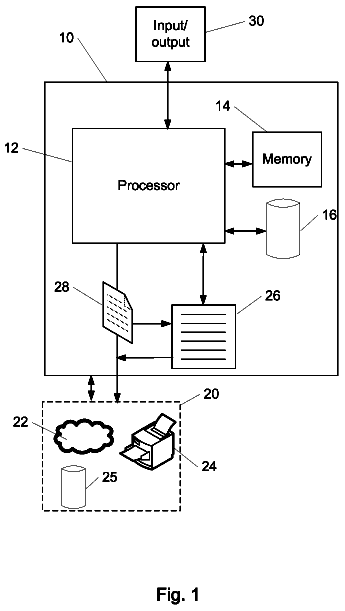
FIG. 1 is a block schematic diagram of a conventional computer system.
FIG. 2 is a block schematic diagram of a system for granting access to one or more services according to one embodiment of the present invention.
FIG. 3, consisting of FIGS. 3A and 3B, is a method for granting access to one or more services according to one embodiment of the present invention.
Detailed description of a preferred embodiment
The present invention may be implemented as computer software on a conventional computer system. Referring now to FIG. 1, a conventional computer system 150 for practicing the present invention is shown. Processor 160 retrieves and executes software instructions stored in storage 162 such as memory, which may be Random Access Memory (RAM) and may control other components to perform the present invention. Storage 162 may be used to store program instructions or data or both. Storage 164, such as a computer disk drive or other nonvolatile storage, may provide storage of data or program instructions. In one embodiment, storage 164 provides longer term storage of instructions and data, with storage 162 providing storage for data or instructions that may only be required for a shorter time than that of storage 164. Input device 166 such as a computer keyboard or mouse or both allows user input to the system 150. Output 168, such as a display or printer, allows the system to provide information such as instructions, data or other information to the user of the system 150. Storage input device 170 such as a conventional floppy disk drive or CD-ROM drive accepts via input 172 computer program products 174 such as a conventional floppy disk or CD-ROM or other nonvolatile storage media that may be used to transport computer instructions or data to the system 150. Computer program product 174 has encoded thereon computer readable program code devices 176, such as magnetic charges in the case of a floppy disk or optical encodings in the case of a CD-ROM which are encoded as program instructions, data or both to configure the computer system 150 to operate as described below.
In one embodiment, each computer system 150 is a conventional SUN MICROSYSTEMS ULTRA 10 workstation running the SOLARIS operating system commercially available from SUN MICROSYSTEMS, Inc. of Mountain View, Calif., a PENTIUM-compatible personal computer system such as are available from DELL COMPUTER CORPORATION of Round Rock, Tex. running a version of the WINDOWS operating system (such as 95, 98, Me, XP, NT or 2000) commercially available from MICROSOFT Corporation of Redmond Wash. or a Macintosh computer system running the MACOS or OPENSTEP operating system commercially available from APPLE COMPUTER CORPORATION of Cupertino, Calif. and the NETSCAPE browser commercially available from NETSCAPE COMMUNICATIONS CORPORATION of Mountain View, Calif. or INTERNET EXPLORER browser commercially available from MICROSOFT above, although other systems may be used.
In one embodiment, all communication into or out of system 200 is made via input/output 208 of communication interface 210 which is coupled to a network such as the Internet or a local area network or both. Communication interface 210 is a conventional communication interface that supports Ethernet, TCP/IP and/or other conventional communication protocols. Communications with domains described herein may be made over the Internet or another network via communication interface 210.
The system and method is described herein as controlling access to files and socket connections, however the system and method can be used to grant or deny access to any service, including any type of communication service, such as any socket service. The system and method is described herein as controlling access to services requested by a downloaded program, however, the requesting entity can be any other type of item, such as a file, for example, an HTML file.
The system and method described herein uses the domain from which the program was downloaded as an attribute to authenticate the program or other file. However, any attribute, such as any secure attribute, may be used, and such attribute may be part of the program or other file itself.
A Program is Requested.
Program retriever 220 receives a request for a program file from a user or other entity via communication interface 210. In one embodiment, the program file contains a conventional Flash movie file, in the .swf format and containing images, which may be in the form of animations, instructions or both, although the present invention applies to any conventional program file containing one or more instructions, statements or requests for services. In one embodiment, the request for the program is in the form of a URL, although any other conventional request format may be employed. When program retriever 220 receives the program request, program retriever 220 checks to see if the program is in file storage 234. File storage 234 includes disk or memory storage or both and may include a conventional database and can operate as a file cache. The information in file storage 234 is arranged such that each file is associated with the URL specifying the location from which that file was originally retrieved. As described herein, file caches may be used, although in another embodiment, any of the file caches described herein may not be used and the files described herein as potentially accessible via a cache are not so accessible and a request for them is provided over the network without checking a cache.
To check to see if the program is in file storage 234, program retriever 220 provides the requested URL to cache manager 232. When cache manager 232 receives the requested URL, cache manager 232 searches file storage 234, via the operating system, for the file corresponding to the URL provided. The search may be performed using conventional search techniques such as sorting the records (if they are not already sorted) and performing a conventional binary search.
If cache manager 232 finds a match between a URL stored in file storage 234 and the provided URL, cache manager 232 requests a handle from the operating system for the file in file storage 234 associated with the URL in file storage 234 which matches the provided URL. The operating system provides cache manager 232 with the requested handle and cache manager 232 returns the handle to the entity from which the URL was provided. In this instance, the entity from which the URL was provided is program retriever 220.
If cache manager 232 searches file storage 234 for a matching URL as described above and does not find a match, cache manager 232 returns to the entity from which the URL was received a message indicating that the provided URL is not in file storage 234. In this case, cache manager 232 would return to program retriever 220 such a message.
Program retriever 220 receives from cache manager 232 either the handle to the program file in file storage 234 associated with the URL matching the URL of the program requested, or a message indicating that the file is not in file storage 234. If program retriever 220 receives from cache manager 232 the handle to the file in file storage 234 as described above, program retriever provides the handle to program executor 224 and program executor 224 executes the program as described below.
Retrieving the Program File
If program retriever 220 receives from cache manager 232 a message indicating that the URL is not in file storage 234, program retriever 220 causes the program file to be retrieved from the source of the file as described below.
To cause the program file to be retrieved from its source, program retriever 220 provides file retriever 236 with the URL of the program requested by the user. When file retriever 236 receives the URL of the program requested from program retriever 220, file retriever 236 retrieves and stores the file as will now be described. Using communication interface 210, file retriever 236 requests the file from the source of the file by building and providing a request for the file using the URL. File retriever 236 receives the file in response to the request and stores the file in file storage 234 via the operating system in a record where the file, and the URL specifying the location from which the file was received, is associated with the file. As a result of storing the file, file retriever 236 receives a handle for the file from the operating system, and file retriever 236 returns the handle to the entity that provided the URL. In this instance, the entity that provided the URL is program retriever 220.
When program retriever 220 receives the handle to the file from file retriever 236, program retriever 220 sends the handle to program executor 224 for execution of the program as described below.
Once program executor 224 receives the handle to the requested program from program retriever 220, program executor 224 begins executing the program by reading each line of the program and executing each command using conventional methods. Program executor 224 may be the conventional Flash Player product commercially available from MACROMEDIA, INC., of San Francisco, Calif., and the program file may be an executable application such as a Flash movie in the ".swf" format described at the website of Macromedia.com.
As program executor 224 executes the program, a file or a socket connection may be requested based on the instructions in the program, and each type of request may be made as many times as desired by the program. If the program requests a file via program executor 224, program executor 224 provides a file request to file request manager 230. If the program requests a socket connection via program executor 224, program executor 224 provides a socket connection request, which may include an IP address and a port number, to socket request manager 252. The handling of the file request will now be described, and the handling of the socket request will be described in detail further below.
The Program Requests a File by Providing a URL
The file request may include the URL of the file being requested and the URL of the program requesting the file. When program executor 224 receives the request for the file from the program, it adds the URL of the program itself to the URL of the file to build the request. In one embodiment, program executor 224 receives the URL of the program from program retriever 220 when program retriever 220 provides the handle of the file to program executor 224. In another embodiment, program executor 224 requests from the operating system (not shown) the URL of the program using the handle of the program.
If file request manager 230 receives a file request from program executor 224, file request manager 230 requests cache manager 232 to check file storage 234 for the requested file by providing cache manager 232 with the URL of the requested file. Cache manager 232 searches file storage 234 for the provided URL in the same manner as described above. In this instance, the entity from which the URL was received is file request manager 230.
If file request manager 230 receives from cache manager 232 the handle of the file in file storage corresponding to the URL provided, in one embodiment file request manager 230 provides the handle to program executor 224 although in another embodiment file request manager 230 first checks with access manager 240 that the program has the permission to access the file as described below, and only provides the handle to the requested file if the program has such permission. Once it receives the handle, program executor 224 accesses the file in file storage 234 via the operating system, reads the file and follows the commands and continues executing the program as described below.
If file request manager 230 receives from cache manager 232 a message indicating that the URL is not in file storage 234, file request manager 230 then causes a determination to be made of whether the program has permission to access the file. To obtain the determination of whether the program has permission to access the requested file, file request manager 230 provides a file access request to access manager 240. In one embodiment, the file access request may include the URL of the file being requested and the URL of the program requesting the file.
Determine if the Program and Requested File have Different Domains; Providing the Requested File if the Domains are the Same.
When access manager 240 receives the file access request from file request manager 230, access manager 240 determines if the program has permission to access the file. To do so, access manager 240 has the URL of the requested file parsed to determine the protocol, domain and path of the file, determines if the requested file is from the same domain as the program requesting the file, finds the cross domain file relevant to the requested file and the program requesting the file if their source domains are not the same, and determines security permissions as will now be described.
To determine the source of the file being requested, access manager 240 sends the URL of the requested file to source identifier 222. When source identifier 222 receives the URL, source identifier 222 parses the URL into various components and builds the components into a source record. The components may include the protocol, the domain, in the form of either a domain name or an IP address, and the path and filename of the file.
When it receives a URL, source identifier 222 parses the URL provided by reading the URL from left to right using conventional parsing techniques. For example, in one embodiment, all characters beginning from the first character on the left of the URL to the three grouped characters, "://" or the colon character ":", constitutes the protocol. All characters between the three grouped characters, "://" or the colon character ":", and the first "/" to the right of the three grouped characters, "://", constitutes the domain, and all characters after the first "/" that follows the three grouped characters, "://", constitutes the path and filename of the file. Source identifier 222 builds the three components from the URL it receives into a source record and returns the source record to the entity from which the URL was received. In this case, said entity is access manager 240.
When access manager 240 receives from source identifier 222 the source record for the URL of the file being requested, in one embodiment, access manager 240 then checks to see if the domain of the requested file is the same as the domain of the program requesting the file, although in another embodiment, access manager 240 proceeds as described below for the case in which such domains are not the same, even if they are. Access manager 240 does this by comparing the domain of the requested file received from source identifier 222 in the source record with the domain of the program requesting the file. To obtain the domain of the program, access manager 240 provides the URL of the program to source identifier 222 which parses the URL and returns the source record for the program to access manager 240 as described above. Access manager 240 compares the domain of the requested file and the domain of the program requesting the file using conventional text comparison methods. If access manager 240 determines that the domains match, access manager 240 signals file request manager 230 that permission is granted to access the requested file. File request manager 230 then signals file retriever 236 to retrieve and/or provide the file and file retriever 236 retrieves the requested file in the same manner as described above for the program file, and provides the handle to the file to the entity that requested it. In this instance, the entity from which file retriever 236 received the URL was file request manager 230. When file request manager 230 receives the handle to the requested file in file storage 234, file request manager 230 provides the handle to program executor 224. Program executor 224 accesses the file, provides it to the program as requested by the program, and continues executing the program as described below. Any subsequent accesses of that file are provided by program executor 224 until the program requests the file to be closed in one embodiment, until the program terminates in another embodiment, until program executor 224 terminates in another embodiment, until file request manager 230 terminates in another embodiment, until the occurrence of another event in another embodiment, or until any one of some or all of these occur in another embodiment.
If access manager 240 determines that the domains of the requested file and the program requesting the file do not match, access manager 240 then determines if access to the requested file is permitted for the program. To do so, access manager 240 utilizes one or more cross domain files, which will now be described.
A domain may be in the form of a domain name or an IP address. As described herein, a comparison of two domain names may be made by first performing a DNS lookup to identify ah IP address from a domain name, or a reverse DNS lookup to identify a domain name from an IP address on either domain.
Overview of Cross Domain Files.
A cross domain file is a file which may be written using a format, such as XML, that is provided via, or by, the same domain as the requested file, socket response, or other service, and which specifies at least one domain that is not the same as the domain on which the cross domain file resides. For the specified domain, permission is granted to files or programs originating on that specified domain to access files located in the directory in which the cross domain file resides, or a subdirectory thereof or to make socket requests as described in more detail below. In one embodiment, specified domains are contained in the cross domain file as a value of an XML tag. Each such XML tag may appear as a beginning tag and an ending tag with at least one value denoting a permitted domain listed in between the beginning and ending tag. In one embodiment, the XML coding in the file may appear as follows:
<cross-domain-policy> <allow-access-from domain="x"/>
</cross-domain-policy>
where "x" denotes either a domain name or an IP address as described in further detail below, with wildcards being permitted. In one embodiment, there may be multiple allow-access-from domain tags in each cross domain file, each granting access to different domains, between the beginning and ending cross-domain-policy tags. In one embodiment, in order for a cross domain file to grant a program access to a file stored in a different domain from the domain in which the program originated as described above, the manner of specifying the domain (e.g. a domain name or an IP address) of the program requesting access should be consistent with the domain specified by the cross domain file for the specified domain as described in more detail below.
In one embodiment, "x" may consist of the name of the domain, "www.domain.com", or a specific IP address such as "11.111.11.111", and in order to be consistent, the form of the domain specified as the source of the program requesting access should match the form in the cross domain file exactly. In such embodiment, if the source of the program requesting the file were specified, for example, as solely "www.domain.com", but the cross domain file granted permission to the IP address corresponding to www.domain.com, no match would occur and permission to access the file would not be granted. In another embodiment, a match would occur in this case via domain name lookups based on the IP address or reverse domain name lookups based on the domain name.
In one embodiment, wild cards may be used in the specification of the domain name. For example, "x" may consist of the text, "*.domain.com" which may denote that any text prior to the "." before "domain" would be considered a match. For example, in such an embodiment, "one.domain.com", "domain.com", and "blue.domain.com" would all be considered to match "*.domain.com" and permission to access a file would be granted as described in more detail below to programs from any of those domains, however, a program from "www.domain.car.com" would not be granted permission to access any file based on such an allow-access-from value.
Obtaining the Cross Domain List.
As described in more detail below, each cross domain file specified by the program that is relevant to the requested file will be checked to determine if permission to access the requested file is granted to the program by any file specified. There may be one cross domain file specified by the program, or more than one cross domain file specified by the program. A cross domain file is "relevant" to a request for a file if the cross domain file is located in the same directory as the requested file or is located in a directory from which the directory containing the requested file descends. If no specified cross domain file is relevant, or if no specified relevant cross domain file grants permission to the program to access the file or if no cross domain file is specified, the system and method attempts to determine whether any relevant default cross domain file grants the program access to the requested file, as described in more detail below.
Although a program need not specify any cross domain file, a program may specify one or more cross domain files. There are a number of ways the program may specify one or more cross domain files. In one embodiment, the program specifies one or more cross domain files (other than default cross domain files) to be used to determine whether the program has permission to access the requested file in the same instruction used to request the file.
In another embodiment, the program may designate zero or more cross domain files using any number of instructions separate from the instruction used to request the file. In still another embodiment, the program may use both of the above two techniques.
If the program specifies one or more cross domain files with the request for the file, in one embodiment, the program provides program executor 224 with the identifiers (such as the URL) of the one or more cross domain files. Program executor 224 then provides file request manager 230 with the identifier of the one or more cross domain files when program executor 224 provides file request manager 230 with the file request as described above. When file request manager 230 receives the identifier of the one or more cross domain files from program executor 224, file request manager 230 builds the identifier of the one or more cross domain files into a cross domain file list which file request manager 230 provides to access manager 240 with the file request when causing access manager 240 to determine whether permission to access the requested file is granted.
If the program specifies one or more cross domain files using instructions separate from the file request, in one embodiment, the program specifies to program executor 224 identifiers of each one or more cross domain file through the execution of a line of instruction that provides them. When program executor 224 executes such a line of instruction, program executor 224 provides each of the identifiers of the one or more cross domain file identifiers to access manager 240. When access manager 240 receives each one or more cross domain file identifiers, access manager 240 adds them to a cross domain file list it maintains, the list containing the cross domain file identifiers received from program executor 224.
If both techniques are used, when access manager 240 receives the one or more identifiers of the cross domain files from file request manager 230 with the file request, access manager 240 adds the identifiers of the cross domain files on the cross domain file list provided by file request manager 230 to the cross domain file list that access manager 240 has already created from the identifiers of the cross domain files provided to it by program executor 224 as described above. In another embodiment, only a single cross domain file is placed into the "list", such file being the last cross domain file specified.
The cross domain file list built by either file request manager 230 or access manager 240 may be in the form of a list of URLs specifying the location of each cross domain file.
Once access manager 240 has a-cross domain file list as described above, access manager 240 causes a determination to be made of which cross domain files on the cross domain file list are relevant to the file request as described further below. The relevant cross domain files are then checked to determine whether any relevant cross domain file permits access to the requested file by programs downloaded from the domain of the program requesting the file as described further below. In one embodiment, if none of the one or more cross domain files provided by the program grant permission to programs downloaded from the domain of the program requesting the file, the identifiers of one or more default cross domain files are identified, retrieved, and built into a cross domain file which is also checked to determine if permission is granted as described further below.
A Cross Domain List was Provided.
When access manager 240 either receives a cross domain file list from file request manager 230 or builds a cross domain file list as described above, access manager 240 then provides it and the source record of the file being requested to cross domain relevance identifier 246 to determine which, if any, cross domain file on the at least one cross domain list is relevant. A cross domain file is relevant if it resides on the same domain as the requested file and in a directory at or above the directory in which the requested file resides.
To determine which, if any, cross domain file is relevant, cross domain relevance identifier 246 receives from access manager 240 a relevance request that includes A) the cross domain list containing at least one URL, and B) the source record of the file being requested.
Cross domain relevance identifier 246 determines the relevance of each cross domain file on the cross domain list by first parsing the cross domain file list using conventional parsing techniques in such a way as to separate out each cross domain file from the list. In one embodiment, each cross domain file on the cross domain list is represented with the URL specifying the location of the cross domain file as described above. Once cross domain file URL is isolated, cross domain relevance identifier 246 determines whether or not a cross domain file is relevant by checking first that the cross domain file resides on the same domain as the requested file, and furthermore, resides in a directory of the domain that is at or above the directory in which the requested file resides.
To determine if a cross domain file is located on the same domain as the requested file, cross domain relevance identifier 246 first has the identifier of the cross domain file parsed into a source record by providing the URL of the cross domain file to source identifier 222. Source identifier 222 receives the URL, parses the URL into the various components, builds a source record for the URL, and returns the source record to the entity from which the URL was received as described above. In this instance, the entity from which the URL was received is cross domain relevance identifier 246.
When cross domain relevance identifier 246 receives the source record of the relevant cross domain file from source identifier 222, cross domain relevance identifier 246 checks the domain of the cross domain file against the domain of the requested file which was previously provided by access manager 240. If the two domains do not match, cross domain relevance identifier 246 moves on to the next cross domain file separated from the at least one cross domain list and repeats the process of determining if the domain of the cross domain file and the domain of the requested file match as described above. In one embodiment, cross domain relevance identifier 246 converts the domain of the requested file to a domain name from an IP address or to an IP address from a domain name and attempts to match the domain of the cross domain file with the domain of the requested file using both IP address and name so that an IP address of a domain will match the name of that domain. Such conversion may be performed using conventional DNS or reverse DNS techniques. In another embodiment, no such conversion is performed.
In one embodiment, if cross domain relevance identifier 246 determines that the domain of the cross domain file and the domain of the requested file match, cross domain relevance identifier 246 continues checking for relevance by determining if each subsequent subdirectory of the location of the cross domain file and the location of the requested file correspond as described below and only marks as relevant a cross domain file having a directory that corresponds to the directory of the requested file. The directory of a cross domain file corresponds to the directory of the requested file if the directory of the cross domain file is at or above the directory in which the requested file resides.
To determine if such a correspondence exists, using the location components of the source record of the cross domain file and the source record of the requested file, both obtained as described above, cross domain relevance identifier 246 compares the path of the cross domain file with the path of the requested file to determine whether the requested file is in the same directory or a descendant directory of the cross domain file. Cross domain relevance identifier 246 first extracts the path of the cross domain file from the path and filename of the source record of the cross domain file. In one embodiment, cross domain relevance identifier 246 reads and stores internally the characters denoting the path of the cross domain file from left to right using conventional parsing techniques. Cross domain relevance identifier 246 then examines the path of the file requested, reading each character from left to right, and comparing each character and its position to the characters previously stored that denote the path of the cross domain file. If the characters stored internally by cross domain relevance identifier 246 denoting the path of the cross domain file exactly match the leftmost characters, up to at least one entire subdirectory in the path of the file requested, cross domain relevance identifier 246 marks the cross domain file as relevant on the cross domain file list. In this manner, if the requested file is located in a subdirectory of the directory containing the cross domain file, the cross domain file will still be determined to be relevant by cross domain relevance identifier 246 because the cross domain file permissions apply to all files at or below the directory in which the cross domain file is located.
Cross domain relevance identifier 246 then selects the next identifier of the cross domain file in the list and repeats the process described above. When cross domain relevance identifier 246 has determined the relevance for each of the cross domain files having identifiers in the list of cross domain files, cross domain relevance identifier 246 returns to access manager 240 the marked cross domain file list. If cross domain relevance identifier 246 does not find a relevant cross domain file, cross domain relevance identifier 246 so indicates to access manager 240.
Access manager 240 receives from cross domain relevance identifier 246 the relevance-marked cross domain file list and optionally, an indication whether any of the cross domain files identified in the list were relevant. If none of the cross domain files are relevant, in one embodiment, access manager 240 indicates to file request manager 230 that permission to access the file is not granted. File request manager 230 indicates to program executor 224 that permission to access the file is not granted, and program executor 224 indicates an error condition to the program, which may attempt to recover from the error. As described below, one or more default cross domain files may first be checked before providing such indication, and other embodiments may allow limited access to a file for which permission is not granted.
If at least one cross domain file is relevant, access manager 240 selects the first marked cross domain file identifier on the list, and provides it to cross domain file retriever 242. Cross domain file retriever 242 retrieves the cross domain file and stores it into file storage 234 and provides a handle to the relevant cross domain file to access manager 240.
The description continues in the full USPTO document.
 Lapsed, fee not paid4 drawings