Field of the invention
The present invention provides linkers with a single amino acid that attach to a drug and a ligand and are cleaved in vivo. The linkers are of use in forming prodrugs and conjugates of the cytotoxins of the invention as well as other diagnostic and therapeutic moieties.
Background of the invention
Many therapeutic agents, particularly those that are especially effective in cancer chemotherapy, often exhibit acute toxicity in vivo, especially bone marrow and mucosal toxicity, as well as chronic cardiac and neurological toxicity. Such high toxicity can limit their applications. Development of more and safer specific therapeutic agents, particularly antitumor agents, is desirable for greater effectiveness against tumor cells and a decrease in the number and severity of the side effects of these products (toxicity, destruction of non-tumor cells, etc.). Another difficulty with some existing therapeutic agents is their less than optimal stability in plasma. Addition of functional groups to stabilize these compounds resulted in a significant lowering of the activity. Accordingly, it is desirable to identify ways to stabilize compounds while maintaining acceptable therapeutic activity levels.
The search for more selective cytotoxic agents has been extremely active for many decades, the dose limiting toxicity (i.e. the undesirable activity of the cytotoxins on normal tissues) being one of the major causes of failures in cancer therapy. For example, CC-1065 and the duocarmycins are known to be extremely potent cytotoxins.
CC-1065 was first isolated from Streptomyces zelensis in 1981 by the Upjohn Company (Hanka et al., J. Antibiot. 31: 1211 (1978); Martin et al., J. Antibiot. 33: 902 (1980); Martin et al., J. Antibiot. 34: 1119 (1981)) and was found to have potent antitumor and antimicrobial activity both in vitro and in experimental animals (Li et al., Cancer Res. 42: 999 (1982)). CC-1065 binds to double-stranded B-DNA within the minor groove (Swenson et al., Cancer Res. 42: 2821 (1982)) with the sequence preference of 5'-d(A/GNTTA)-3' and 5'-d(AAAAA)-3' and alkylates the N3 position of the 3'-adenine by its CPI left-hand unit present in the molecule (Hurley et al., Science 226: 843 (1984)). Despite its potent and broad antitumor activity, CC-1065 cannot be used in humans because it causes delayed death in experimental animals.
Many analogues and derivatives of CC-1065 and the duocarmycins are known in the art. The research into the structure, synthesis and properties of many of the compounds has been reviewed. See, for example, Boger et al., Angew. Chem. Int. Ed. Engl. 35: 1438 (1996); and Boger et al., Chem. Rev. 97: 787 (1997).
A group at Kyowa Hakko Kogya Co., Ltd. has prepared a number of CC-1065 derivatives. See, for example, U.S. Pat. Nos. 5,101,038; 5,641,780; 5,187,186; 5,070,092; 5,703,080; 5,070,092; 5,641,780; 5,101,038; and 5,084,468; and published PCT application, WO 96/10405 and published European application 0 537 575 A1.
The Upjohn Company (Pharmacia Upjohn) has also been active in preparing derivatives of CC-1065. See, for example, U.S. Pat. Nos. 5,739,350; 4,978,757, 5,332,837 and 4,912,227.
Research has also focused on the development of new therapeutic agents which are in the form of prodrugs, compounds that are capable of being converted to drugs (active therapeutic compounds) in vivo by certain chemical or enzymatic modifications of their structure. For purposes of reducing toxicity, this conversion is preferably confined to the site of action or target tissue rather than the circulatory system or non-target tissue. However, even prodrugs are problematic as many are characterized by a low stability in blood and serum, due to the presence of enzymes that degrade or activate the prodrugs before the prodrugs reach the desired sites within the patient's body.
Bristol-Myers Squibb has described particular lysosomal enzyme-cleavable antitumor drug conjugates. See, for example, U.S. Pat. No. 6,214,345. This patent provides an aminobenzyl oxycarbonyl.
Seattle Genetics has published applications U.S. Pat. Appl. 2003/0096743 and U.S. Pat. Appl. 2003/0130189, which describe p-aminobenzylethers in drug delivery agents. The linkers described in these applications are limited to aminobenzyl ether compositions.
Other groups have also described linkers. See for example de Groot et al., J. Med. Chem. 42, 5277 (1999); de Groot et al. J. Org. Chem. 43, 3093 (2000); de Groot et al., J. Med. Chem. 66, 8815, (2001); WO 02/083180; Carl et al., J. Med. Chem. Lett. 24, 479, (1981); Dubowchik et al., Bioorg & Med. Chem. Lett. 8, 3347 (1998). These linkers include aminobenzyl ether spacer, elongated electronic cascade and cyclization spacer systems, cyclisation eliminations spacers, such as w-amino aminocarbonyls, and a p aminobenzy oxycarbonyl linker.
Stability of cytotoxin drugs, including in vivo stability, is still an important issue that needs to be addressed. In addition, the toxicity of many compounds makes them less useful, so compositions that will reduce drug toxicity, such as the formation of a cleaveable prodrug, are needed. Therefore, in spite of the advances in the art, there continues to be a need for the development of improved therapeutic agents for the treatment of mammals, and humans in particular, more specifically cytotoxins that exhibit high specificity of action, reduced toxicity, and improved stability in blood relative to known compounds of similar structure. The instant invention addresses those needs.
Summary of the invention
The present invention relates to drug-ligand conjugates where the drug and ligand are linked through a linker. These conjugates are potent cytotoxins that can be selectively delivered to a site of action of interest in an active form and then cleaved to release the active drug.
One embodiment is a compound of the formula
##str00001##
wherein
L.sup.1 is substituted or unsubstituted alkyl, substituted or unsubstituted aryl, substituted or unsubstituted heteroaryl or substituted or unsubstituted heteroalkyl group;
m is an integer 0, 1, 2, 3, 4, 5, or 6;
AA.sup.1 is an amino acid selected from the group consisting of natural amino acids and unnatural .alpha.-amino acids;
L.sup.2 is substituted alkyl, unsubstituted alkyl, substituted heteroalkyl, unsubstituted heteroalkyl, unsubstituted heterocycloalkyl, substituted heterocycloalkyl, substituted or unsubstituted aryl, or substituted or unsubstituted heteroaryl;
L.sup.3 is substituted or unsubstituted alkyl, substituted or unsubstituted heteroalkyl, substituted or unsubstituted aryl, substituted or unsubstituted heteroaryl, or substituted or unsubstituted heterocycloalkyl;
o is 0 or 1;
L.sup.4 is a linker member;
p is 0 or 1;
X.sup.4 is a member selected from the group consisting of protected reactive functional groups, unprotected reactive functional groups, detectable labels, and targeting agents; and
D comprises a structure:
##STR00002## wherein the ring system A is substituted or unsubstituted aryl, substituted or unsubstituted heteroaryl or substituted or unsubstituted heterocycloalkyl; E and G are members independently selected from H, substituted and unsubstituted alkyl, substituted and unsubstituted heteroalkyl, a heteroatom, and a single bond, or E and G are joined to form a ring system selected from substituted and unsubstituted aryl, substituted and unsubstituted heteroaryl and substituted and unsubstituted heterocycloalkyl; X is a member selected from O, S and NR.sup.23; R.sup.23 is H, substituted or unsubstituted alkyl, substituted or unsubstituted heteroalkyl, or acyl; R.sup.3 is OR.sup.11, wherein R.sup.11 is H, substituted alkyl, unsubstituted alkyl, substituted heteroalkyl, unsubstituted heteroalkyl, diphosphate, triphosphate, acyl, C(O)R.sup.12R.sup.13, C(O)OR.sup.12, C(O)NR.sup.12R.sup.13, P(O)(OR.sup.12).sub.2, C(O)CHR.sup.12R.sup.13, SR.sup.12, or SiR.sup.12R.sup.13R.sup.14, in which R.sup.12, R.sup.13, and R.sup.14 are members independently selected from H, substituted and unsubstituted alkyl, substituted and unsubstituted heteroalkyl and substituted and unsubstituted aryl, wherein R.sup.12 and R.sup.13 together with the nitrogen or carbon atom to which they are attached are optionally joined to form a substituted or unsubstituted heterocycloalkyl ring system having from 4 to 6 members, optionally containing two or more heteroatoms; R.sup.4 , R.sup.4', R.sup.5 and R.sup.5' are members independently selected from the group consisting of H, substituted alkyl, unsubstituted alkyl, substituted aryl, unsubstituted aryl, substituted heteroaryl, unsubstituted heteroaryl, substituted heterocycloalkyl, unsubstituted heterocycloalkyl, halogen, NO.sub.2, SO.sub.3, SO.sub.2R.sup.15, NR.sup.15R.sup.16, NR.sup.16C(O)R.sup.15, OC(O)NR.sup.15R.sup.16, OC(O)OR.sup.15, C(O)R.sup.15, SR.sup.15, OR.sup.15, CR.sup.15.dbd.NR.sup.16, and O(CH.sub.2).sub.nN(CH.sub.3).sub.2, or any adjacent pair of R.sup.4, R.sup.4', R.sup.5 and R.sup.5', together with the carbon atoms to which they are attached, are joined to form a substituted or unsubstituted cycloalkyl or heterocycloalkyl ring system having from 4 to 6 members; wherein n is an integer from 1 to 20; R.sup.15 and R.sup.16 are independently selected from H, substituted and unsubstituted alkyl, substituted and unsubstituted heteroalkyl, substituted and unsubstituted aryl, substituted and unsubstituted heteroaryl, substituted and unsubstituted heterocycloalkyl, and substituted and unsubstituted peptidyl, wherein R.sup.15 and R.sup.16 together with the nitrogen atom to which they are attached are optionally joined to form a substituted or unsubstituted heterocycloalkyl ring system having from 4 to 6 members, optionally containing two or more heteroatoms; R.sup.6 is a single bond which is either present or absent and when present R.sup.6 and R.sup.7 are joined to form a cyclopropyl ring; and R.sup.7 is CH.sub.2--X.sup.1 or --CH.sub.2-- joined in said cyclopropyl ring with R.sup.6, wherein X.sup.1 is a leaving group, wherein at least one of R.sup.4, R.sup.4', R.sup.5, R.sup.5', R.sup.11, R.sup.12, R.sup.13, R.sup.15 or R.sup.16 links D to the remainder of the compound;
or a pharmaceutically acceptable salt thereof.
Any of these compounds can be used as, or used to form, drug-ligand conjugates.
In yet another aspect, the invention pertains to pharmaceutical formulations. Such formulations typically comprise a conjugate compound of the invention and a pharmaceutically acceptable carrier.
In still a further aspect, the invention pertains to methods of using the conjugate compounds of the invention. For example, the invention provides a method of killing a cell, wherein a conjugate compound of the invention is administered to the cell an amount sufficient to kill the cell. In a preferred embodiment, the cell is a tumor cell. In another embodiment, the invention provides a method of retarding or stopping the growth of a tumor in a mammalian subject, wherein a conjugate compound of the invention is administered to the subject an amount sufficient to retard or stop growth of the tumor.
Other aspects, advantages and objects of the invention will be apparent from review of the detailed description below.
Brief description of the drawings
Non-limiting and non-exhaustive embodiments of the present invention are described with reference to the following drawings. In the drawings, like reference numerals refer to like parts throughout the various figures unless otherwise specified.
For a better understanding of the present invention, reference will be made to the following Detailed Description, which is to be read in association with the accompanying drawings, wherein:
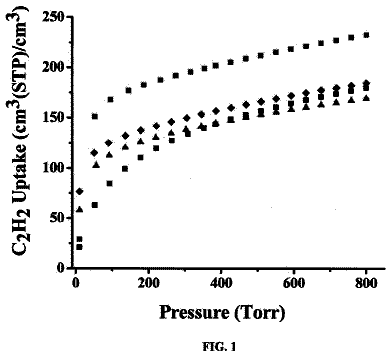
FIGS. 1-9 are graphs of mean tumor volume, median tumor volume, and median % body weight change, respectively, versus days past dosing for an in vivo study.
Detailed description of the invention
Abbreviations
"Ala," refers to alanine. "Boc," refers to t-butyloxycarbonyl. "CPI," refers to cyclopropapyrroloindole. "Cbz," refers to carbobenzoxy. "DCM" refers to dichloromethane. "DDQ" refers to 2,3-dichloro-5,6-dicyano-1,4-benzoquinone. "DIPEA" refers to diisopropylethalamine "DMDA" refers to N,N'-dimethylethylene diamine "RBF" refers to a round bottom flask "DMF" refers to N,B-dimethylformamide "HATU" refers to N-[[(dimethylamino)-1H-1,2,3-triazolo[4,5-b]pyridin-1-yl]methylene]-N-met- hylmethanaminium hexafluorophosphate N-oxide The symbol "E," represents an enzymatically cleaveable group. "EDCI" refers to 1-(3-dimethylaminopropyl)-3-ethylcarbodiimide. "FMOC" refers to 9-fluorenylmethyloxycarbonyl. "HOAt" refers to 7-aza-1-hydroxybenzotriazole. "Leu" refers to leucine. "PABA" refers to para-aminobenzoic acid. "PEG" refers to polyethylene glycol "PMB" refers to para-methoxybenzyl. "TBAF," refers to tetrabutylammonium fluoride. "TBSO," refers to t-butyldimethylsilyl ether. "TEA" refers to triethylamine. "TFA" refers to trifluororoacetic acid. "EDC" refers to (1-Ethyl-3-(3-dimethyllaminopropyl)carbodiimide hydrochloride) "TBTU" refers to (2-(1H-Benzotriazole-1-yl)-1,1,3,3-tetramethyluronium tetrafluoroborate) "HOBT" refers to N-Hydroxybenzotriazole The symbol "Q" refers to a therapeutic agent, diagnostic agent or detectable label. Definitions
Unless defined otherwise, all technical and scientific terms used herein generally have the same meaning as commonly understood by one of ordinary skill in the art to which this invention belongs. Generally, the nomenclature used herein and the laboratory procedures in cell culture, molecular genetics, organic chemistry and nucleic acid chemistry and hybridization described below are those well known and commonly employed in the art. Standard techniques are used for nucleic acid and peptide synthesis. Generally, enzymatic reactions and purification steps are performed according to the manufacturer's specifications. The techniques and procedures are generally performed according to conventional methods in the art and various general references (see generally, Sambrook et al. MOLECULAR CLONING: A LABORATORY MANUAL, 2d ed.
Cold Spring Harbor Laboratory Press, Cold Spring Harbor, N.Y., which is incorporated herein by reference), which are provided throughout this document. The nomenclature used herein and the laboratory procedures in analytical chemistry, and organic synthetic described below are those well known and commonly employed in the art. Standard techniques, or modifications thereof, are used for chemical syntheses and chemical analyses.
The term "therapeutic agent" is intended to mean a compound that, when present in a therapeutically effective amount, produces a desired therapeutic effect on a mammal. For treating carcinomas, it is desirable that the therapeutic agent also be capable of entering the target cell.
The term "cytotoxin" is intended to mean a therapeutic agent having the desired effect of being cytotoxic to cancer cells. Cytotoxic means that the agent arrests the growth of, or kills the cells. Exemplary cytotoxins include, by way of example and not limitation, combretastatins, duocarmycins, the CC-1065 anti-tumor antibiotics, anthracyclines, and related compounds. Other cytotoxins include mycotoxins, ricin and its analogues, calicheamycins, doxirubicin and maytansinoids.
The term "prodrug" and the term "drug conjugate" are used herein interchangeably. Both refer to a compound that is relatively innocuous to cells while still in the conjugated form but which is selectively degraded to a pharmacologically active form by conditions, e.g., enzymes, located within or in the proximity of target cells.
The term "marker" is intended to mean a compound useful in the characterization of tumors or other medical condition, for example, diagnosis, progression of a tumor, and assay of the factors secreted by tumor cells. Markers are considered a subset of "diagnostic agents."
The term "selective" as used in connection with enzymatic cleavage means that the rate of rate of cleavage of the linker moiety is greater than the rate of cleavage of a peptide having a random sequence of amino acids.
The terms "targeting group" and "targeting agent" are intended to mean a moiety that is
able to direct the entity to which it is attached (e.g., therapeutic agent or marker) to a target cell, for example to a specific type of tumor cell or
is preferentially activated at a target tissue, for example a tumor. The targeting group or targeting agent can be a small molecule, which is intended to include both non-peptides and peptides. The targeting group can also be a macromolecule, which includes saccharides, lectins, receptors, ligand for receptors, proteins such as BSA, antibodies, and so forth. In a preferred embodiment of the current invention, the targeting group is an antibody or an antibody fragment, more preferably a monoclonal antibody or monoclonal antibody fragment
The term "self-immolative spacer" refers to a bifunctional chemical moiety that is capable of covalently linking two chemical moieties into a normally stable tripartate molecule. The self-immolative spacer is capable of spontaneously separating from the second moiety if the bond to the first moiety is cleaved.
The term "detectable label" is intended to mean a moiety having a detectable physical or chemical property.
The term "cleaveable group" is intended to mean a moiety that is unstable in vivo. Preferably the "cleaveable group" allows for activation of the marker or therapeutic agent by cleaving the marker or agent from the rest of the conjugate. Operatively defined, the linker is preferably cleaved in vivo by the biological environment. The cleavage may come from any process without limitation, e.g., enzymatic, reductive, pH, etc. Preferably, the cleaveable group is selected so that activation occurs at the desired site of action, which can be a site in or near the target cells (e.g., carcinoma cells) or tissues such as at the site of therapeutic action or marker activity. Such cleavage may be enzymatic and exemplary enzymatically cleaveable groups include natural amino acids or peptide sequences that end with a natural amino acid, and are attached at their carboxyl terminus to the linker. While the degree of cleavage rate enhancement is not critical to the invention, preferred examples of cleaveable linkers are those in which at least about 10% of the cleaveable groups are cleaved in the blood stream within 24 hours of administration, most preferably at least about 35%.
The term "ligand" means any molecule that specifically binds or reactively associates or complexes with a receptor, substrate, antigenic determinant, or other binding site on a target cell or tissue. Examples of ligands include antibodies and fragments thereof (e.g., a monoclonal antibody or fragment thereof), enzymes (e.g., fibrinolytic enzymes), biologic response modifiers (e.g., interleukins, interferons, erythropeoitin, or colony stimulating factors), peptide hormones, and antigen-binding fragments thereof.
The term "cyclization reaction," when referring to the cyclization of a linker or any portion thereof, indicates the cyclization of that linker into a ring and initiates the separation of the drug-ligand complex. This rate can be measured ex situ, and is completed when at least 90%, 95%, or 100% of the product is formed.
The terms "polypeptide," "peptide" and "protein" are used interchangeably herein to refer to a polymer of amino acid residues. The terms apply to amino acid polymers in which one or more amino acid residue is an artificial chemical mimetic of a corresponding naturally occurring amino acid, as well as to naturally occurring amino acid polymers and non-naturally occurring amino acid polymer. These terms also encompass the term "antibody."
The term "amino acid" refers to naturally occurring and synthetic amino acids, as well as amino acid analogs and amino acid mimetics that function in a manner similar to the naturally occurring amino acids. Naturally occurring amino acids are those encoded by the genetic code, as well as those amino acids that are later modified, e.g., hydroxyproline, .gamma.-carboxyglutamate, and O-phosphoserine. Amino acid analogs refers to compounds that have the same basic chemical structure as a naturally occurring amino acid, i.e., an a carbon that is bound to a hydrogen, a carboxyl group, an amino group, and an R group, e.g., homoserine, norleucine, methionine sulfoxide, methionine methyl sulfonium. Such analogs have modified R groups (e.g., norleucine) or modified peptide backbones, but retain the same basic chemical structure as a naturally occurring amino acid. One amino acid that may be used in particular is citrulline, which is a precursor to arginine and is involved in the formation of urea in the liver. Amino acid mimetics refers to chemical compounds that have a structure that is different from the general chemical structure of an amino acid, but functions in a manner similar to a naturally occurring amino acid. The term "unnatural amino acid" is intended to represent the "D" stereochemical form of the twenty naturally occurring amino acids described above. It is further understood that the term unnatural amino acid includes homologues of the natural amino acids, and synthetically modified forms of the natural amino acids. The synthetically modified forms include, but are not limited to, amino acids having alkylene chains shortened or lengthened by up to two carbon atoms, amino acids comprising optionally substituted aryl groups, and amino acids comprised halogenated groups, preferably halogenated alkyl and aryl groups. When attached to a linker or conjugate of the invention, the amino acid is in the form of an "amino acid side chain", where the carboxylic acid group of the amino acid has been replaced with a keto (C(O)) group. Thus, for example, an alanine side chain is --C(O)--CH(NH.sub.2)--CH.sub.3, and so forth.
Amino acids and peptides may be protected by blocking groups. A blocking group is an atom or a chemical moiety that protects the N-terminus of an amino acid or a peptide from undesired reactions and can be used during the synthesis of a drug-ligand conjugate. It should remain attached to the N-terminus throughout the synthesis, and may be removed after completion of synthesis of the drug conjugate by chemical or other conditions that selectively achieve its removal. The blocking groups suitable for N-terminus protection are well known in the art of peptide chemistry. Exemplary blocking groups include, but are not limited to, hydrogen, D-amino acid, and carbobenzoxy (Cbz) chloride.
"Nucleic acid" refers to deoxyribonucleotides or ribonucleotides and polymers thereof in either single- or double-stranded form. The term encompasses nucleic acids containing known nucleotide analogs or modified backbone residues or linkages, which are synthetic, naturally occurring, and non-naturally occurring, which have similar binding properties as the reference nucleic acid, and which are metabolized in a manner similar to the reference nucleotides. Examples of such analogs include, without limitation, phosphorothioates, phosphoramidates, methyl phosphonates, chiral-methyl phosphonates, 2-O-methyl ribonucleotides, peptide-nucleic acids (PNAs).
Unless otherwise indicated, a particular nucleic acid sequence also implicitly encompasses conservatively modified variants thereof (e.g., degenerate codon substitutions) and complementary sequences, as well as the sequence explicitly indicated. Specifically, degenerate codon substitutions may be achieved by generating sequences in which the third position of one or more selected (or all) codons is substituted with mixed-base and/or deoxyinosine residues (Batzer et al., Nucleic Acid Res. 19:5081 (1991); Ohtsuka et al., J. Biol. Chem. 260: 2605-2608 (1985); Rossolini et al., Mol. Cell. Probes 8: 91-98 (1994)). The term nucleic acid is used interchangeably with gene, cDNA, mRNA, oligonucleotide, and polynucleotide.
The symbol , whether utilized as a bond or displayed perpendicular to a bond indicates the point at which the displayed moiety is attached to the remainder of the molecule, solid support, etc.
The term "alkyl," by itself or as part of another substituent, means, unless otherwise stated, a straight or branched chain, or cyclic hydrocarbon radical, or combination thereof, which may be fully saturated, mono- or polyunsaturated and can include di- and multivalent radicals, having the number of carbon atoms designated (i.e. C.sub.1-C.sub.10 means one to ten carbons). Examples of saturated hydrocarbon radicals include, but are not limited to, groups such as methyl, ethyl, n-propyl, isopropyl, n-butyl, t-butyl, isobutyl, sec-butyl, cyclohexyl, (cyclohexyl)methyl, cyclopropylmethyl, homologs and isomers of, for example, n-pentyl, n-hexyl, n-heptyl, n-octyl, and the like. An unsaturated alkyl group is one having one or more double bonds or triple bonds. Examples of unsaturated alkyl groups include, but are not limited to, vinyl, 2-propenyl, crotyl, 2-isopentenyl, 2-(butadienyl), 2,4-pentadienyl, 3-(1,4-pentadienyl), ethynyl, 1- and 3-propynyl, 3-butynyl, and the higher homologs and isomers. The term "alkyl," unless otherwise noted, is also meant to include those derivatives of alkyl defined in more detail below, such as "heteroalkyl." Alkyl groups, which are limited to hydrocarbon groups are termed "homoalkyl".
The term "alkylene" by itself or as part of another substituent means a divalent radical derived from an alkane, as exemplified, but not limited, by --CH.sub.2CH.sub.2CH.sub.2CH.sub.2--, and further includes those groups described below as "heteroalkylene." Typically, an alkyl (or alkylene) group will have from 1 to 24 carbon atoms, with those groups having 10 or fewer carbon atoms being preferred in the present invention. A "lower alkyl" or "lower alkylene" is a shorter chain alkyl or alkylene group, generally having eight or fewer carbon atoms.
The term "heteroalkyl," by itself or in combination with another term, means, unless otherwise stated, a stable straight or branched chain, or cyclic hydrocarbon radical, or combinations thereof, consisting of the stated number of carbon atoms and at least one heteroatom selected from the group consisting of O, N, Si, and S, and wherein the nitrogen, carbon and sulfur atoms may optionally be oxidized and the nitrogen heteroatom may optionally be quaternized. The heteroatom(s) O, N, S, and Si may be placed at any interior position of the heteroalkyl group or at the position at which the alkyl group is attached to the remainder of the molecule. Examples include, but are not limited to, --CH.sub.2--CH.sub.2--O--CH.sub.3, --CH.sub.2--CH.sub.2--NH--CH.sub.3, --CH.sub.2--CH.sub.2--N(CH.sub.3)--CH.sub.3, --CH.sub.2--S--CH.sub.2--CH.sub.3, --CH.sub.2--CH.sub.2, --S(O)--CH.sub.3, --CH.sub.2--CH.sub.2--S(O).sub.2--CH.sub.3, --CH.dbd.CH--O--CH.sub.3, --Si(CH.sub.3).sub.3, --CH.sub.2--CH.dbd.N--OCH.sub.3, and --CH.dbd.CH--N(CH.sub.3)--CH.sub.3. Up to two heteroatoms may be consecutive, such as, for example, --CH.sub.2--NH--OCH.sub.3 and --CH.sub.2--O--Si(CH.sub.3).sub.3. Similarly, the term "heteroalkylene" by itself or as part of another substituent means a divalent radical derived from heteroalkyl, as exemplified, but not limited by, --CH.sub.2--CH.sub.2--S--CH.sub.2--CH.sub.2-- and --CH.sub.2--S--CH.sub.2--CH.sub.2--NH--CH.sub.2--. For heteroalkylene groups, heteroatoms can also occupy either or both of the chain termini (e.g., alkyleneoxy, alkylenedioxy, alkyleneamino, alkylenediamino, and the like). The terms "heteroalkyl" and "heteroalkylene" encompass poly(ethylene glycol) and its derivatives (see, for example, Shearwater Polymers Catalog, 2001). Still further, for alkylene and heteroalkylene linking groups, no orientation of the linking group is implied by the direction in which the formula of the linking group is written. For example, the formula --C(O).sub.2R'-- represents both --C(O).sub.2R'-- and --R'C(O).sub.2--.
The term "lower" in combination with the terms "alkyl" or "heteroalkyl" refers to a moiety having from 1 to 6 carbon atoms.
The terms "alkoxy," "alkylamino," "alkylsulfonyl," and "alkylthio" (or thioalkoxy) are used in their conventional sense, and refer to those alkyl groups attached to the remainder of the molecule via an oxygen atom, an amino group, an SO.sub.2 group or a sulfur atom, respectively. The term "arylsulfonyl" refers to an aryl group attached to the remainder of the molecule via an SO.sub.2 group, and the term "sulfhydryl" refers to an SH group.
In general, an "acyl substituent" is also selected from the group set forth above. As used herein, the term "acyl substituent" refers to groups attached to, and fulfilling the valence of a carbonyl carbon that is either directly or indirectly attached to the polycyclic nucleus of the compounds of the present invention.
The terms "cycloalkyl" and "heterocycloalkyl", by themselves or in combination with other terms, represent, unless otherwise stated, cyclic versions of substituted or unsubstituted "alkyl" and substituted or unsubstituted "heteroalkyl", respectively. Additionally, for heterocycloalkyl, a heteroatom can occupy the position at which the heterocycle is attached to the remainder of the molecule. Examples of cycloalkyl include, but are not limited to, cyclopentyl, cyclohexyl, 1-cyclohexenyl, 3-cyclohexenyl, cycloheptyl, and the like. Examples of heterocycloalkyl include, but are not limited to, 1-(1,2,5,6-tetrahydropyridyl), 1-piperidinyl, 2-piperidinyl, 3-piperidinyl, 4-morpholinyl, 3-morpholinyl, tetrahydrofuran-2-yl, tetrahydrofuran-3-yl, tetrahydrothien-2-yl, tetrahydrothien-3-yl, 1-piperazinyl, 2-piperazinyl, and the like. The heteroatoms and carbon atoms of the cyclic structures are optionally oxidized.
The terms "halo" or "halogen," by themselves or as part of another substituent, mean, unless otherwise stated, a fluorine, chlorine, bromine, or iodine atom. Additionally, terms such as "haloalkyl," are meant to include monohaloalkyl and polyhaloalkyl. For example, the term "halo(C.sub.1-C.sub.4)alkyl" is mean to include, but not be limited to, trifluoromethyl, 2,2,2-trifluoroethyl, 4-chlorobutyl, 3-bromopropyl, and the like.
The term "aryl" means, unless otherwise stated, a substituted or unsubstituted polyunsaturated, aromatic, hydrocarbon substituent which can be a single ring or multiple rings (preferably from 1 to 3 rings) which are fused together or linked covalently. The term "heteroaryl" refers to aryl groups (or rings) that contain from one to four heteroatoms selected from N, O, and S, wherein the nitrogen, carbon and sulfur atoms are optionally oxidized, and the nitrogen atom(s) are optionally quaternized. A heteroaryl group can be attached to the remainder of the molecule through a heteroatom. Non-limiting examples of aryl and heteroaryl groups include phenyl, 1-naphthyl, 2-naphthyl, 4-biphenyl, 1-pyrrolyl, 2-pyrrolyl, 3-pyrrolyl, 3-pyrazolyl, 2-imidazolyl, 4-imidazolyl, pyrazinyl, 2-oxazolyl, 4-oxazolyl, 2-phenyl-4-oxazolyl, 5-oxazolyl, 3-isoxazolyl, 4-isoxazolyl, 5-isoxazolyl, 2-thiazolyl, 4-thiazolyl, 5-thiazolyl, 2-furyl, 3-furyl, 2-thienyl, 3-thienyl, 2-pyridyl, 3-pyridyl, 4-pyridyl, 2-pyrimidyl, 4-pyrimidyl, 5-benzothiazolyl, purinyl, 2-benzimidazolyl, 5-indolyl, 1-isoquinolyl, 5-isoquinolyl, 2-quinoxalinyl, 5-quinoxalinyl, 3-quinolyl, and 6-quinolyl. Substituents for each of the above noted aryl and heteroaryl ring systems are selected from the group of acceptable substituents described below. "Aryl" and "heteroaryl" also encompass ring systems in which one or more non-aromatic ring systems are fused, or otherwise bound, to an aryl or heteroaryl system.
For brevity, the term "aryl" when used in combination with other terms (e.g., aryloxy, arylthioxy, and arylalkyl) includes both aryl and heteroaryl rings as defined above. Thus, the term "arylalkyl" is meant to include those radicals in which an aryl group is attached to an alkyl group (e.g., benzyl, phenethyl, pyridylmethyl and the like) including those alkyl groups in which a carbon atom (e.g., a methylene group) has been replaced by, for example, an oxygen atom (e.g., phenoxymethyl, 2-pyridyloxymethyl, 3-(1-naphthyloxy)propyl, and the like).
Each of the above terms (e.g., "alkyl," "heteroalkyl," "aryl" and "heteroaryl") include both substituted and unsubstituted forms of the indicated radical. Preferred substituents for each type of radical are provided below.
Substituents for the alkyl, and heteroalkyl radicals (including those groups often referred to as alkylene, alkenyl, heteroalkylene, heteroalkenyl, alkynyl, cycloalkyl, heterocycloalkyl, cycloalkenyl, and heterocycloalkenyl) are generally referred to as "alkyl substituents" and "heteroalkyl substituents," respectively, and they can be one or more of a variety of groups selected from, but not limited to: --OR', .dbd.O, .dbd.NR', .dbd.N--OR', --NR'R'', --SR', -halogen, --SiR'R''R''', --OC(O)R', --C(O)R', --CO.sub.2R', --CONR'R'', --OC(O)NR'R'', --NR''C(O)R', --NR'--C(O)NR''R''', --NR''C(O).sub.2R', --NR--C(NR'R''R''').dbd.NR'''', --NR--C(NR'R'').dbd.NR''', --S(O)R', --S(O).sub.2R', --S(O).sub.2NR'R'', --NRSO.sub.2R', --CN and --NO.sub.2 in a number ranging from zero to (2m'+1), where m' is the total number of carbon atoms in such radical. R', R'', R''' and R'''' each preferably independently refer to hydrogen, substituted or unsubstituted heteroalkyl, substituted or unsubstituted aryl, e.g., aryl substituted with 1-3 halogens, substituted or unsubstituted alkyl, alkoxy or thioalkoxy groups, or arylalkyl groups. When a compound of the invention includes more than one R group, for example, each of the R groups is independently selected as are each R', R'', R''' and R'''' groups when more than one of these groups is present. When R' and R'' are attached to the same nitrogen atom, they can be combined with the nitrogen atom to form a 5-, 6-, or 7-membered ring. For example, --NR'R'' is meant to include, but not be limited to, 1-pyrrolidinyl and 4-morpholinyl. From the above discussion of substituents, one of skill in the art will understand that the term "alkyl" is meant to include groups including carbon atoms bound to groups other than hydrogen groups, such as haloalkyl (e.g., --CF.sub.3 and --CH.sub.2CF.sub.3) and acyl (e.g., --C(O)CH.sub.3, --C(O)CF.sub.3, --C(O)CH.sub.2OCH.sub.3, and the like).
Similar to the substituents described for the alkyl radical, the aryl substituents and heteroaryl substituents are generally referred to as "aryl substituents" and "heteroaryl substituents," respectively and are varied and selected from, for example: halogen, --OR', .dbd.O, .dbd.NR', .dbd.N--OR', --NR'R'', --SR', -halogen, --SiR'R''R''', --OC(O)R', --C(O)R', --CO.sub.2R', --CONR'R'', --OC(O)NR'R'', --NR''C(O)R', --NR'--C(O)NR''R''', --NR''C(O).sub.2R', --NR--C(NR'R'')'NR''', --S(O)R', --S(O).sub.2R', --S(O).sub.2NR'R'', --NRSO.sub.2R', --CN and --NO.sub.2, --R', --N.sub.3, --CH(Ph).sub.2, fluoro(C.sub.1-C.sub.4)alkoxy, and fluoro(C.sub.1-C.sub.4)alkyl, in a number ranging from zero to the total number of open valences on the aromatic ring system; and where R', R'', R''' and R'''' are preferably independently selected from hydrogen, (C.sub.1-C.sub.8)alkyl and heteroalkyl, unsubstituted aryl and heteroaryl, (unsubstituted aryl)-(C.sub.1-C.sub.4)alkyl, and (unsubstituted aryl)oxy-(C.sub.1-C.sub.4)alkyl. When a compound of the invention includes more than one R group, for example, each of the R groups is independently selected as are each R', R'', R''' and R'''' groups when more than one of these groups is present.
Two of the aryl substituents on adjacent atoms of the aryl or heteroaryl ring may optionally be replaced with a substituent of the formula -T-C(O)--(CRR').sub.q-U-, wherein T and U are independently --NR--, --O--, --CRR'-- or a single bond, and q is an integer of from 0 to 3. Alternatively, two of the substituents on adjacent atoms of the aryl or heteroaryl ring may optionally be replaced with a substituent of the formula -A-(CH.sub.2).sub.r--B--, wherein A and B are independently --CRR'--, --O--, --NR--, --S--, --S(O)--, --S(O).sub.2--, --S(O).sub.2NR'-- or a single bond, and r is an integer of from 1 to 4. One of the single bonds of the new ring so formed may optionally be replaced with a double bond. Alternatively, two of the substituents on adjacent atoms of the aryl or heteroaryl ring may optionally be replaced with a substituent of the formula --(CRR').sub.s--X--(CR''R''').sub.d--, where s and d are independently integers of from 0 to 3, and X is --O--, --NR'--, --S--, --S(O)--, --S(O).sub.2--, or --S(O).sub.2NR'--. The substituents R, R', R'' and R''' are preferably independently selected from hydrogen or substituted or unsubstituted (C.sub.1-C.sub.6)alkyl.
As used herein, the term "diphosphate" includes but is not limited to an ester of phosphoric acid containing two phosphate groups. The term "triphosphate" includes but is not limited to an ester of phosphoric acid containing three phosphate groups. For example, particular drugs having a diphosphate or a triphosphate include:
##str00003##
As used herein, the term "heteroatom" includes oxygen (O), nitrogen (N), sulfur (S) and silicon (Si).
The symbol "R" is a general abbreviation that represents a substituent group that is selected from substituted or unsubstituted alkyl, substituted or unsubstituted heteroalkyl, substituted or unsubstituted aryl, substituted or unsubstituted heteroaryl, and substituted or unsubstituted heterocyclyl groups.
The term "pharmaceutically acceptable carrier", as used herein means a pharmaceutically-acceptable material, composition or vehicle, such as a liquid or solid filler, diluent, excipient, solvent or encapsulating material, involved in carrying or transporting a chemical agent. Pharmaceutically acceptable carriers include pharmaceutically acceptable salts, where the term "pharmaceutically acceptable salts" includes salts of the active compounds which are prepared with relatively nontoxic acids or bases, depending on the particular substituents found on the compounds described herein. When compounds of the present invention contain relatively acidic functionalities, base addition salts can be obtained by contacting the neutral form of such compounds with a sufficient amount of the desired base, either neat or in a suitable inert solvent. Examples of pharmaceutically acceptable base addition salts include sodium, potassium, calcium, ammonium, organic amino, or magnesium salt, or a similar salt. When compounds of the present invention contain relatively basic functionalities, acid addition salts can be obtained by contacting the neutral form of such compounds with a sufficient amount of the desired acid, either neat or in a suitable inert solvent. Examples of pharmaceutically acceptable acid addition salts include those derived from inorganic acids like hydrochloric, hydrobromic, nitric, carbonic, monohydrogencarbonic, phosphoric, monohydrogenphosphoric, dihydrogenphosphoric, sulfuric, monohydrogensulfuric, hydriodic, or phosphorous acids and the like, as well as the salts derived from relatively nontoxic organic acids like acetic, propionic, isobutyric, maleic, malonic, benzoic, succinic, suberic, fumaric, lactic, mandelic, phthalic, benzenesulfonic, p-tolylsulfonic, citric, tartaric, methanesulfonic, and the like. Also included are salts of amino acids such as arginate and the like, and salts of organic acids like glucuronic or galactunoric acids and the like (see, for example, Berge et al., "Pharmaceutical Salts", Journal of Pharmaceutical Science, 1977, 66, 1-19). Certain specific compounds of the present invention contain both basic and acidic functionalities that allow the compounds to be converted into either base or acid addition salts.
The description continues in the full USPTO document.
 Lapsed, fee not paid2 drawings