 Lapsed, fee not paid21 drawings
Biotech & Lab · US 8,541,376 B2
Composition comprising and method of using angiopoietin-like protein 3 ANGPTL3
The present invention is directed to methods and means for making and using Angptl3 polypeptides.
US 8,541,387 B2 · Assignee: Isis Pharmaceuticals, Inc. · Inventors: Pandey; Sanjay K. et al.
Claude can sketch it from the patent text.
Disclosed herein are compounds and methods for decreasing SMRT and treating metabolic and/or cardiovascular diseases in an individual in need thereof. Examples of disease conditions that can be ameliorated with the administration of antisense compounds targeted to SMRT include obesity, diabetes, dyslipidemia, and hypothyroidism.
Metabolic diseases are a group of conditions characterized by an alteration or disturbance in metabolic function. Metabolic diseases include, but are not limited to, obesity, hyperglycemia, prediabetes, diabetes (Type 1 and Type 2), insulin resistance, and metabolic syndrome. Obesity is defined as the accumulation of excess adipose tissue resulting from various metabolic disorders. Obesity and the related metabolic syndrome have become a worldwide epidemic . Metabolic syndrome refers to a clustering of established and emerging cardiovascular disease (CVD) risk factors within a single individual. The established risk factors are obesity, diabetes, dyslipidemia, and hypertension. The symptoms of this syndrome include high blood pressure, high triglycerides, and decreased HDL. Insulin resistance is also an important factor in this syndrome's etiology. Type 2 diabetes mellitus (T2DM) is a di
Ask Claude for concept sketches based only on the patent's text. They are not part of the patent.
What the patent claimed, word for word. All of it is now free to use.
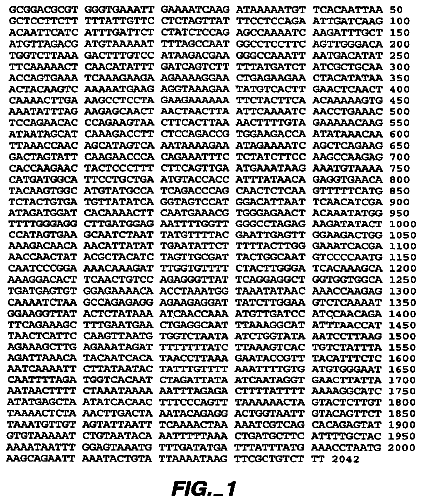
The present application is being filed along with a Sequence Listing in electronic format. The Sequence Listing is provided as a file entitled BIOL0102WOSEQ.txt, created on May 21, 2009, which is 772 Kb in size. The information in the electronic format of the sequence listing is incorporated herein by reference in its entirety.
The present invention provides compounds and methods for decreasing SMRT expression and treating metabolic and/or cardiovascular diseases in an individual in need thereof. Such methods and compositions are useful to treat disease conditions such as obesity, diabetes, dyslipidemia, and hypothyroidism.
Metabolic diseases are a group of conditions characterized by an alteration or disturbance in metabolic function. Metabolic diseases include, but are not limited to, obesity, hyperglycemia, prediabetes, diabetes (Type 1 and Type 2), insulin resistance, and metabolic syndrome.
Obesity is defined as the accumulation of excess adipose tissue resulting from various metabolic disorders. Obesity and the related metabolic syndrome have become a worldwide epidemic . Metabolic syndrome refers to a clustering of established and emerging cardiovascular disease (CVD) risk factors within a single individual. The established risk factors are obesity, diabetes, dyslipidemia, and hypertension. The symptoms of this syndrome include high blood pressure, high triglycerides, and decreased HDL. Insulin resistance is also an important factor in this syndrome's etiology.
Type 2 diabetes mellitus (T2DM) is a disease that is exacerbated by over nutrition. The onset and progression of T2DM is associated with excess fat accumulation in the abdomen, muscles, and liver. Resistance to the biological effects of insulin, a peptide hormone, represents one of the hallmarks of the development of type 2 diabetes. There is a direct effect of impaired insulin action on the dysregulation of glucose and lipid homeostasis, and insulin resistance predisposes to obesity, atherosclerosis, and cardiovascular diseases. Diabetes and obesity are therefore closely interlinked and are often referred collectively as diabesity.
Nuclear receptors (NRs) comprise a superfamily of ligand-regulated, DNA-binding transcription factors, which can both activate and repress gene expression. Nuclear receptors play an important role in metabolism. The peroxisome proliferator-activated receptors (PPARs) are the master regulators of adipogenesis and insulin action. The thyroid hormone receptors (TRs) mediate cholesterol and triglyceride metabolism. The liver X receptors (LXRs) are critical for whole body cholesterol homeostasis and are counteracted by the farnesoid X receptors (FXRs) in terms of controlling cholesterol and triglyceride metabolism and clearance. All these nuclear receptors use overlapping coregulators to modulate gene transcription.
SMRT is a major corepressor of nuclear receptors and can regulate a broad range of their functions. SMRT mediates transcriptional activity of a wide variety of transcriptional factors including regulators involved in thyroid hormone and retinoic acid signaling. Corepressors, including SMRT, are generally considered undruggable. Small molecules previously designed to target SMRT lack specificity resulting in undesirable side affects.
Provided herein are methods, agents, and compositions for modulating SMRT. The agents and compositions include SMRT-specific modulators. SMRT-specific modulators include nucleic acids, peptides, antibodies, and/or histone deacetylases. Any of the listed SMRT-specific modulators can be SMRT-specific inhibitors.
Also provided are methods of treating diseases and disorders. Included are methods of treating cardiovascular and metabolic diseases and disorders. The diseases and disorders include, but are not limited to, those associated with lipid dysregulation, fat dysregulation, adipocyte dysregulation, and glucose dysregulation.
Also provided are methods of treating multiple disease or disorders. The multiple diseases or disorders can include any of the diseases and disorders provided herein. The multiple diseases and disorders can have one or more risk factors, causes, or outcomes in common.
The present invention is also directed to methods of reducing risk factors associated with disease and causes of disease. Such diseases include cardiovascular and metabolic diseases such as, but not limited to, diabetes, metabolic syndrome, and atherosclerosis. Risk factors include, but are not limited to, lipid level, adiposity, glucose level, and insulin responsiveness.
In certain embodiments, methods of treatment include administering to a subject a SMRT-specific modulator. In certain embodiments, a SMRT-specific inhibitor is administered.
Methods of modulating SMRT include methods of modulating levels of SMRT. The levels can include but are not limited to SMRT mRNA levels and SMRT protein levels. Modulation can occur in a cell or tissue. In certain embodiments, the cell or tissue is in an animal. In certain embodiments, the animal is a human. In certain embodiments, SMRT levels are reduced. Such reduction can occur in a time-dependent manner or in a dose-dependent manner or both.
It is to be understood that both the foregoing general description and the following detailed description are exemplary and explanatory only and are not restrictive of the invention, as claimed. Herein, the use of the singular includes the plural unless specifically stated otherwise. As used herein, the use of "or" means "and/or" unless stated otherwise. Furthermore, the use of the term "including" as well as other forms, such as "includes" and "included", is not limiting. Also, terms such as "element" or "component" encompass both elements and components comprising one unit and elements and components that comprise more than one subunit, unless specifically stated otherwise.
The section headings used herein are for organizational purposes only and are not to be construed as limiting the subject matter described. All documents, or portions of documents, cited in this application, including, but not limited to, patents, patent applications, articles, books, and treatises, are hereby expressly incorporated by reference in their entirety for any purpose.
Definitions
Unless specific definitions are provided, the nomenclature utilized in connection with, and the procedures and techniques of, analytical chemistry, synthetic organic chemistry, and medicinal and pharmaceutical chemistry described herein are those well known and commonly used in the art. Standard techniques may be used for chemical synthesis, and chemical analysis. Where permitted, all patents, applications, published applications and other publications, GENBANK Accession Numbers and associated sequence information obtainable through databases such as National Center for Biotechnology Information (NCBI) and other data referred to throughout in the disclosure herein are incorporated by reference in their entirety.
Unless otherwise indicated, the following terms have the following meanings:
"2'-O-methoxyethyl" (also 2'-MOE and 2'-O(CH.sub.2).sub.2--OCH.sub.3) refers to an O-methoxy-ethyl modification of the 2' position of a furosyl ring. A 2'-O-methoxyethyl modified sugar is a modified sugar.
"2'-O-methoxyethyl nucleotide" means a nucleotide comprising a 2'-O-methoxyethyl modified sugar moiety.
"5-methylcytosine" means a cytosine modified with a methyl group attached to the 5' position. A 5-methylcytosine is a modified nucleobase.
"Acceptable safety profile" means a pattern of side effects that is within clinically acceptable limits.
"Active pharmaceutical ingredient" means the substance or substances in a pharmaceutical composition that provides a desired effect.
"Active target region" means a target region to which one or more active antisense compounds is targeted. "Active antisense compounds" means antisense compounds that reduce target nucleic acid levels.
"Adipogenesis" means the development of fat cells from preadipocytes. "Lipogenesis" means the production or formation of fat, either fatty degeneration or fatty infiltration.
"Adiposity" or "Obesity" refers to the state of being obese or an excessively high amount of body fat or adipose tissue in relation to lean body mass. The amount of body fat includes concern for both the distribution of fat throughout the body and the size of the adipose tissue deposits. Body fat distribution can be estimated by skin-fold measures, waist-to-hip circumference ratios, or techniques such as ultrasound, computed tomography, or magnetic resonance imaging. According to the Center for Disease Control and Prevention, individuals with a body mass index (BMI) of 30 or more are considered obese. The term "Obesity" as used herein includes conditions where there is an increase in body fat beyond the physical requirement as a result of excess accumulation of adipose tissue in the body. The term "obesity" includes, but is not limited to, the following conditions: adult-onset obesity; alimentary obesity; endogenous or metabolic obesity; endocrine obesity; familial obesity; hyperinsulinar obesity; hyperplastic-hypertrophic obesity; hypogonadal obesity; hypothyroid obesity; lifelong obesity; morbid obesity and exogenous obesity.
"Administered concomitantly" refers to the co-administration of two agents in any manner in which the pharmacological effects of both are manifest in the patient within the same time or during the same time period. Concomitant administration does not require that both agents be administered in a single pharmaceutical composition, in the same dosage form, or by the same route of administration.
"Administering" means providing a pharmaceutical agent to an individual, and includes, but is not limited to administering by a medical professional and self-administering.
"Amelioration" refers to a lessening of at least one indicator, sign, or symptom of an associated condition or disease. The severity of indicators may be determined by subjective or objective measures, which are known to those skilled in the art.
"Animal" refers to a human or non-human animal, including, but not limited to, mice, rats, rabbits, dogs, cats, pigs, and non-human primates, including, but not limited to, monkeys and chimpanzees.
"Antibody" refers to a molecule characterized by reacting specifically with an antigen in some way, where the antibody and the antigen are each defined in terms of the other. Antibody may refer to a complete antibody molecule or any fragment or region thereof, such as the heavy chain, the light chain, Fab region, and Fc region.
"Antisense compound" means an oligomeric compound that is is capable of undergoing hybridization to a target nucleic acid through hydrogen bonding.
"Antisense inhibition" means reduction of a target nucleic acid levels in the presence of an antisense compound complementary to a target nucleic acid compared to target nucleic acid levels in the absence of the antisense compound.
"Antisense oligonucleotide" means a single-stranded oligonucleotide having a nucleobase sequence that permits hybridization to a corresponding region or segment of a target nucleic acid.
"ApoB-containing lipoprotein" means any lipoprotein that has apolipoprotein B as its protein component, and is understood to include LDL, VLDL, IDL, and lipoprotein(a) and can be generally targeted by lipid lowering agent and therapies.
"Atherosclerosis" means a hardening of the arteries affecting large and medium-sized arteries and is characterized by the presence of fatty deposits. The fatty deposits are called "atheromas" or "plaques," which consist mainly of cholesterol and other fats, calcium, and scar tissue, which damages the lining of arteries.
"Bicyclic sugar" means a furosyl ring modified by the bridging of two non-geminal ring atoms. A bicyclic sugar is a modified sugar.
"Body fat content" refers to the total amount of an animal's adipose tissue mass or weight.
"Body weight" refers to an animal's whole body weight, inclusive of all tissues including adipose tissue.
"Cap structure" or "terminal cap moiety" means chemical modifications, which have been incorporated at either terminus of an antisense compound.
"Cardiovascular disease" refers to a group of disorders/abnormalities associated to the heart, blood vessels, or the circulation. Examples of cardiovascular diseases include, but are not limited to, aneurysm, angina, arrhythmia, atherosclerosis, cerebrovascular disease (stroke), coronary heart disease, dyslipidemia, hyperlipidemia, hypercholesterolemia and hypertension.
"Chimeric antisense compound" means an antisense compound that has at least 2 chemically distinct regions, each position having a plurality of subunits.
"Cholesterol" is a sterol molecule found in the cell membranes of all animal tissues. Cholesterol must be transported in an animal's blood plasma by lipoproteins including very low density lipoprotein (VLDL), intermediate density lipoprotein (IDL), low density lipoprotein (LDL), and high density lipoprotein (HDL). "Plasma cholesterol" refers to the sum of all lipoproteins (VDL, IDL, LDL, HDL) esterified and/or non-estrified cholesterol present in the plasma or serum.
"Co-administration" means administration of two or more pharmaceutical agents to an individual. The two or more pharmaceutical agents may be in a single pharmaceutical composition, or may be in separate pharmaceutical compositions. Each of the two or more pharmaceutical agents may be administered through the same or different routes of administration. Co-administration encompasses administration in parallel or sequentially.
"Complementarity" means the capacity for pairing between nucleobases of a first nucleic acid and a second nucleic acid.
"Comply" means the adherence with a recommended therapy by an individual.
"Comprise," "comprises" and "comprising" will be understood to imply the inclusion of a stated step or element or group of steps or elements but not the exclusion of any other step or element or group of steps or elements.
"Contiguous nucleobases" means nucleobases immediately adjacent to each other.
"Deoxyribonucleotide" means a nucleotide having a hydrogen at the 2' position of the sugar portion of the nucleotide. Deoxyribonucleotides may be modified with any of a variety of substituents.
"Diabetes mellitus" or "diabetes" is a syndrome characterized by disordered metabolism and abnormally high blood sugar (hyperglycemia) resulting from insufficient levels of insulin or reduced insulin sensitivity. The characteristic symptoms are excessive glucose in the urine (glycosuria), excessive urine production (polyuria) due to high blood glucose levels, excessive thirst and increased fluid intake (polydipsia) attempting to compensate for increased urination, blurred vision due to high blood glucose effects on the eye's optics, unexplained weight loss, and lethargy. "Type 2 diabetes," (also known as "type 2 diabetes mellitus" or "diabetes mellitus, type 2", and formerly called "diabetes mellitus type II" , "non-insulin-dependent diabetes (NIDDM)", "obesity related diabetes", or "adult-onset diabetes") is a metabolic disorder that is primarily characterized by insulin resistance, relative insulin deficiency, and hyperglycemia.
"Diabetic dyslipidemia" or "Type 2 diabetes with dyslipidemia" means a condition characterized by Type 2 diabetes, reduced HDL, elevated serum triglycerides, and elevated small, dense LDL particles.
"Diluent" means an ingredient in a composition that lacks pharmacological activity, but is pharmaceutically necessary or desirable. For example, in agents that are injected the diluent may be a liquid, e.g. saline solution.
"Dose" means a specified quantity of a pharmaceutical agent provided in a single administration, or in a specified time period. In certain embodiments, a dose may be administered in one, two, or more boluses, tablets, or injections. For example, in certain embodiments, where subcutaneous administration is desired, the desired dose requires a volume not easily accommodated by a single injection. In certain embodiments, two or more injections may be used to achieve the desired dose. In certain embodiments, a dose may be administered in one, two, or more injections to minimize injection site reaction in an individual. In certain embodiments, the pharmaceutical agent is administered by infusion over an extended period of time or continuously. Doses may be stated as the amount of pharmaceutical agent per hour, day, week or month.
"Dyslipidemia" refers to a disorder of lipid and/or lipoprotein metabolism, including lipid and/or lipoprotein overproduction or deficiency. Dyslipidemia may be manifested by elevation of lipids such as cholesterol and triglycerides as well as lipoproteins such as low-density lipoprotein (LDL) cholesterol.
"Effective amount" in the context of modulating an activity or of treating or preventing a condition means the administration of that amount of active ingredient to a subject in need of such modulation, treatment or prophylaxis, either in a single dose or as part of a series, that is effective for modulation of that effect, or for treatment or prophylaxis or improvement of that condition. The effective amount will vary depending upon the health and physical condition of the subject to be treated, the taxonomic group of subjects to be treated, the formulation of the composition, the assessment of the medical situation, and other relevant factors.
"Elevated apoB-levels" means a subject who has been identified as having apoB levels near or above the level at which therapeutic intervention is recommended, according to guidelines recognized by medical professionals. Such a subject may also be considered "in need of treatment" to decrease apoB levels.
"Fully complementary" means each nucleobase of a first nucleic acid has a complementary nucleobase in a second nucleic acid. In certain embodiments, a first nucleic acid is an antisense compound and a target nucleic acid is a second nucleic acid. In certain embodiments, an antisense oligonucleotide is a first nucleic acid and a target nucleic acid is a second nucleic acid.
"Gapmer" means an antisense compound in which an internal position having a plurality of nucleotides that supports RNaseH cleavage is positioned between external regions having one or more nucleotides that are chemically distinct from the nucleosides of the internal region. A "gap segment" means the plurality of nucleotides that make up the internal region of a gapmer. A "wing segment" means the external region of a gapmer.
"Gap-widened" means an antisense compound has a gap segment of 12 or more contiguous 2'-deoxyribonucleotides positioned between and immediately adjacent to 5' and 3' wing segments having from one to six nucleotides having modified sugar moieties.
"Glucose" is a monosaccharide used by cells as a source of energy and metabolic intermediate. "Plasma glucose" refers to glucose present in the plasma or serum.
"Histone deacetylase inhibitor" refers to any compound capable of inhibiting the enzyme histone deacetylease from removing acetyl groups from a lysine amino acid on a histone.
"Hybridization" means the annealing of complementary nucleic acid molecules. In certain embodiments, complementary nucleic acid molecules include, but are not limited to, an antisense compound and a nucleic acid target. In certain embodiments, complementary nucleic acid molecules include, but are not limited to, an antisense oligonucleotide and a nucleic acid target.
"Hypercholesterolemia" means a condition characterized by elevated serum cholesterol levels and/or circulating (plasma) cholesterol levels.
"Hyperglycemia" means a condition characterized by elevated serum glucose levels and/or circulating (plasma) glucose levels.
"Hyperlipidemia" means a condition characterized by elevated serum lipid levels and/or circulating (plasma) lipid levels.
"Hypertension" or "high blood pressure" refers to a progressive disease resulting from persistent functional and structural changes in blood pressure control mechanisms and in the heart and vasculature. Resting blood pressure is frequently 140/90 mm Hg and much higher with physiologic or psychologic stressors.
"Hypertriglyceridemia" means a condition characterized by elevated serum triglyceride levels and/or circulating (plasma) triglyceride levels.
"Hypothyroidism" refers to a condition characterized by diminished production of thyroid hormone, leading to clinical manifestations of thyroid insufficiency, including low metabolic rate and tendency to weight gain.
"Immediately adjacent" means there are no intervening nucleotides between the immediately adjacent elements.
"Identifying" or "selecting an animal having a metabolic or cardiovascular disease" means identifying or selecting an animal having been diagnosed with a metabolic disease, a cardiovascular disease, or a metabolic syndrome; and/or, identifying or selecting an animal having any symptom of a metabolic disease, cardiovascular disease, or metabolic syndrome including, but not limited to, hypercholesterolemia, hyperglycemia, hyperlipidemia, hypertriglyceridemia, hypertension increased insulin resistance, decreased insulin sensitivity, above normal body weight, and/or above normal body fat content or any combination thereof. Such identification may be accomplished by any method, including but not limited to, standard clinical tests or assessments, such as measuring serum or circulating (plasma) cholesterol, measuring serum or circulating (plasma) blood-glucose, measuring serum or circulating (plasma) triglycerides, measuring blood-pressure, calculating BMI, measuring body fat content, measuring body weight, determining body fat distribution, and/or measuring waist circumference and the like.
"Identifying" or "selecting" an animal having hypothyroidism" means identifying or selecting an animal having been diagnosed with hypothyroidism and/or identifying or selecting an animal having any symptom of hypothyroidism such as, but not limited to, decreased production of thyroid hormone, decreased metabolic rate, and/or tendency to weight gain. Such identification may be accomplished by any method, including but not limited to, standard clinical tests or assessments, such as measuring thyroid hormone, measuring T3, measuring T4, measuring body fat content, calculating BMI, measuring body fat content, measuring body weight, determining body fat distribution, and/or measuring waist circumference and the like.
"Identifying" or "selecting" a diabetic animal" means identifying or selecting an animal having been identified as diabetic or identifying or selecting an animal having any symptom of diabetes (type 1 or type 2) such as, but not limited to, having a fasting glucose of at least 110 mg/dL, glycosuria, polyuria, polydipsia, increased insulin resistance, and/or decreased insulin sensitivity. Such identification may be accomplished by any method, including but not limited to, standard clinical tests or assessments, such as measuring fasting serum or circulating (plasma) blood-glucose, and the like.
"Identifying" or "selecting an obese animal" means identifying or selecting an animal having been diagnosed as obese or identifying or selecting an animal with a BMI over 30 and/or a waist circumference of greater than 102 cm in men or greater than 88 cm in women. Such identification may be accomplished by any method, including but not limited to, standard clinical tests or assessments, such as calculating BMI, measuring body fat content, measuring body weight, determining body fat distribution, and/or measuring waist circumference and the like.
"Individual" or "subject" or "animal" means a human or non-human animal selected for treatment or therapy.
"Insulin resistance" means the condition in which normal amounts of insulin are in adequate to produce a normal insulin response from fat, muscle, and liver cells. Insulin resistance in fat cells results in hydrolysis of stored triglycerides, which elevates free fatty acids in the blood plasma. Insulin resistance in muscle reduced glucose update whereas insulin resistance in liver reduced glucose storage, with both effects serving to elevate blood glucose. High plasma levels of insulin and glucose due to insulin resistance often leads to metabolic syndrome and type 2 diabetes.
"Insulin sensitivity" is a measure of how effectively an individual processes glucose. An individual having high insulin sensitivity effectively processes glucose whereas an individual with low insulin sensitivity does not effectively process glucose.
"Internucleoside linkage" refers to the chemical bond between nucleosides.
"Linked nucleosides" means adjacent nucleosides which are bonded together.
"Lipid-lowering agent" means an agent; for example, a SMRT inhibitor provided to a subject to achieve a lowering of lipids in the subject. For example, in certain embodiments, a lipid-lowering agent is provided to a subject to reduce one or more of ApoB, LDL-C, total cholesterol, and triglycerides.
"Lipid-lowering therapy" means a therapeutic regimen provided to a subject to reduce one or more lipids in a subject. In certain embodiments, a lipid-lowering therapy is provided to reduce one or more of ApoB, total cholesterol, LDL-C, VLDL-C, IDL-C, non-HDL-C, triglycerides, small dense LDL particles, and Lp(a) in a subject.
"Metabolic disease" or "metabolic disorder" refers to a condition characterized by an alteration or disturbance in metabolic function. "Metabolic" and "metabolism" are terms well known in the art and generally include the whole range of biochemical processes that occur within a living organism. Metabolic disorders include, but are not limited to, hyperglycemia, prediabetes, diabetes (Type 1 and Type 2), obesity, insulin resistance, metabolic syndrome, and dyslipidemia due to type 2 diabetes.
"Metabolic syndrome" means a condition characterized by a clustering of lipid and non-lipid cardiovascular risk factors of metabolic origin. In certain embodiments, metabolic syndrome is identified by the presence of any 3 of the following factors: waist circumference of greater than 102 cm in men or greater than 88 cm in women; serum triglyceride of at least 150 mg/dL; HDL less than 40 mg/dL in men or less than 50 mg/dL in women; blood pressure of at least 130/85 mmHg; and fasting glucose of at least 110 mg/dL. These determinants can be readily measured in clinical practice (JAMA, 2001, 285: 2486-2497).
"Mismatch" or "non-complementary nucleobase" means a nucleobase of first nucleic acid that is not capable of pairing with the corresponding nucleobase of a second or target nucleic acid.
"Mixed dyslipidemia" means a condition characterized by elevated serum cholesterol and elevated serum triglycerides.
"Modified internucleoside linkage" refers to a substitution and/or any change from a naturally occurring internucleoside bond (i.e. a phosphodiester internucleoside bond).
"Modified nucleobase" means any nucleobase other than adenine, cytosine, guanine, thymidine, or uracil. An "unmodified nucleobase" means the purine bases adenine (A) and guanine (G), and the pyrimidine bases thymine (T), cytosine (C) and uracil (U).
"Modified nucleoside" means a nucleoside having, independently, a modified sugar moiety, modified internucleoside linkage, or modified nucleobase. A "modified nucleoside" means a nucleotide having, independently, a modified sugar moiety or modified nucleobase.
"Modified oligonucleotide" means an oligonucleotide comprising a modification such as a modified internucleoside linkage, a modified sugar, and/or a modified nucleobase.
"Modified sugar" refers to a substitution and/or any change from a natural sugar.
"Motif" means the pattern of unmodified and modified nucleosides in an antisense compound.
"Naturally occurring internucleoside linkage" means a 3' to 5' phosphodiester linkage.
"Natural sugar" means a sugar found in DNA (2'-H) or RNA (2'-OH).
"Nucleic acid" refers to molecules composed of monomeric nucleotides. A nucleic acid includes, but is not limited to, ribonucleic acids (RNA), deoxyribonucleic acids (DNA), single-stranded nucleic acids, double-stranded nucleic acids, small interfering ribonucleic acids (siRNA), and microRNAs (miRNA).
"Nucleobase" means a heterocyclic moiety capable of pairing with a base of another nucleic acid.
"Nucleobase sequence" means the order of contiguous nucleobases independent of any sugar, linkage, and/or nucleobase modification.
"Nucleoside" means a nucleobase linked to a sugar.
"Nucleotide" means a nucleoside having a phosphate group covalently linked to the sugar portion of the nucleoside.
As used herein the term "nucleoside mimetic" is intended to include those structures used to replace the sugar or the sugar and the base and not necessarily the linkage at one or more positions of an oligomeric compound such as for example nucleoside mimetics having morpholino, cyclohexenyl, cyclohexyl, tetrahydropyranyl, bicyclo or tricyclo sugar mimetics e.g. non furanose sugar units.
The term "nucleotide mimetic" is intended to include those structures used to replace the nucleoside and the linkage at one or more positions of an oligomeric compound such as for example peptide nucleic acids or morpholinos (morpholinos linked by --N(H)--C(.dbd.O)--O-- or other non-phosphodiester linkage).
"Obesity" means an excessively high amount of body fat or adipose tissue in relation to lean body mass. The amount of body fat (or adiposity) includes concern for both the distribution of fat throughout the body and the size or mass of the adipose tissue deposits. Body fat distribution can be estimated by skin-fold measures, waist-to-hip circumference ratios, or techniques such as ultrasound, computed tomography, or magnetic resonance imaging. According to the Center for Disease Control and Prevention, individuals with a body mass index (BMI) of 30 or more are considered obese.
"Oligomeric compound" means a polymer of linked monomeric subunits which is capable of hybridizing to at least a region of a nucleic acid molecule.
"Oligonucleoside" means an oligonucleotide in which the internucleoside linkages do not contain a phosphorus atom.
"Oligonucleotide" means a polymer of linked nucleosides each of which can be modified or unmodified, independent one from another.
"Parenteral administration," means administration through injection or infusion. Parenteral administration includes, but is not limited to, subcutaneous administration, intravenous administration, or intramuscular administration.
"Peptide" means a molecule formed by linking at least two amino acids by amide bonds. Without limitation, as used herein, "peptide" refers to polypeptides and proteins.
"Pharmaceutical agent" means a substance that provides a therapeutic benefit when administered to an individual. For example, in certain embodiments, an antisense oligonucleotide targeted to SMRT is pharmaceutical agent.
"Pharmaceutical composition" means a mixture of substances suitable for administering to an individual. For example, a pharmaceutical composition may comprise one or more antisense oligonucleotides and a sterile aqueous solution.
"Pharmaceutically acceptable carrier" means a medium or diluent that does not interfere with the structure of the oligonucleotide. Certain, of such carries enable pharmaceutical compositions to be formulated as, for example, tablets, pills, dragees, capsules, liquids, gels, syrups, slurries, suspension and lozenges for the oral ingestion by a subject.
"Pharmaceutically acceptable salts" means physiologically and pharmaceutically acceptable salts of antisense compounds, i.e., salts that retain the desired biological activity of the parent oligonucleotide and do not impart undesired toxicological effects thereto.
"Phosphorothioate internucleoside linkage" or "phosphothioate linkage" means a linkage between nucleosides where the phosphodiester bond is modified by replacing one of the non-bridging oxygen atoms with a sulfur atom. A phosphorothioate linkage is a modified internucleoside linkage.
"Portion" means a defined number of contiguous (i.e. linked) nucleobases of a nucleic acid. In certain embodiments, a portion is a defined number of contiguous nucleobases of a target nucleic acid. In certain embodiments, a portion is a defined number of contiguous nucleobases of an antisense compound.
"Prodrug" means a therapeutic agent that is prepared in an inactive or less active form that is converted to an active or more active form (i.e., drug) within the body or cells thereof by the action of endogenous enzymes or other chemicals and/or conditions. In certain embodiments, a shortened oligonucleotide or oligonucleotide metabolite may be more active than it's parent (e.g. 20 mer) oligonucleotide.
"Side effects" means physiological responses attributable to a treatment other than desired effects. In certain embodiments, side effects include, without limitation, injection site reactions, liver function test abnormalities, renal function abnormalities, liver toxicity, renal toxicity, central nervous system abnormalities, and myopathies. For example, increased aminotransferase levels in serum may indicate liver toxicity or liver function abnormality. For example, increased bilirubin may indicate liver toxicity or liver function abnormality.
"Single-stranded oligonucleotide" means an oligonucleotide which is not hybridized to a complementary strand.
"SMRT-specific inhibitor" or "SMRT inhibitor" means any compound capable of decreasing SMRT mRNA or protein expression. Examples of such compounds include a nucleic acid, a peptide, an antibody, or a histone deacetylase inhibitor.
"SMRT-specific modulator" means any compound capable of increasing or decreasing SMRT mRNA or protein expression.
"Subcutaneous administration" means administration just below the skin. "Intravenous administration" means administration into a vein.
The term "sugar surrogate" overlaps with the slightly broader term "nucleoside mimetic" but is intended to indicate replacement of the sugar unit (furanose ring) only. The tetrahydropyranyl rings provided herein are illustrative of an example of a sugar surrogate wherein the furanose sugar group has been replaced with a tetrahydropyranyl ring system.
"Targeted" or "targeted to" means having a nucleobase sequence that will allow hybridization of an antisense compound to a target molecule to induce a desired effect. In certain embodiments, a desired effect is reduction of a target nucleic acid. In certain embodiments, a desired effect is reduction of SMRT mRNA or protein expression.
"Targeting" means the process of design and selection of an antisense compound that will specifically hybridize to a target nucleic acid and induce a desired effect.
"Target nucleic acid," "target RNA," "target RNA transcript" and "nucleic acid target" all mean a nucleic acid capable of being targeted by antisense compounds.
"Target region" means a portion of a target nucleic acid to which one or more antisense compounds is targeted.
"Target segment" refers to a smaller portion or sub-portion of a region within a target nucleic acid. A target segment can be the sequence of nucleotides of a target nucleic acid to which an antisense compound is targeted.
"Therapeutically effective amount" means an amount of a pharmaceutical agent that provides a therapeutic benefit to an individual.
"Triglycerides" means lipids that are the triesters of glycerol.
"Unmodified nucleotide" means a nucleotide composed of naturally occuring nucleobases, sugar moieties and internucleoside linkages. In certain embodiments, an unmodified nucleotide is an RNA nucleotide (i.e., .beta.-D-ribonucleosides) or a DNA nucleotide (i.e., .beta.-D-deoxyribonucleoside).
Nuclear Receptors
Nuclear receptors (NRs) comprise a superfamily of ligand-regulated, DNA-binding transcription factors, which can both activate and repress gene expression. They include receptors for oestrogens (ER-.alpha. and ER-.beta.), androgens (ARs), glucocorticoids (GRs), progesterone (PR), thyroid hormones (TRs), vitamin D (VDR), and retinoids/rexinoids (RARs/RXRs). The nuclear receptor family regulates diverse functions including homeostasis, reproduction and development, and metabolism.
Typically, nuclear receptors act in three ways: repression, derepression, and transcriptional activation. Repression occurs via corepressors associated with histone deacetylase (HDAC) activity. Derepression occurs after ligand binding, when the corepressor is disassociated and the first coactivator with histone acetylase transferase (HAT) activity is recruited, followed by chromatin decondensation. Finally, the HAT complex disassociates and the second coactivators bind to the target gene sequence, assemble the basal transcription machinery, and initiate the transcription of the gene.
Coregulators
Coregulators (coactivators and corepressors) are at the crux of critical regulatory aspects of gene expression. Aberrant expression of coregulators have been involved in many human disease states. Among the corepressors are nuclear receptor corepressor (NCoR) and the silencing mediator of retinoid and thyroid hormone receptors (SMRT), which are the major corepressors of NRs and can regulate a broad range of their functions.
Silencing Mediator of Retinoid and Thyroid Hormone Receptor (SMRT)
SMRT is a major corepressor of nuclear receptors and can regulate a broad range of their functions. SMRT mediates transcriptional activity of a wide variety of transcriptional factors including regulators involved in thyroid hormone and retinoic acid signaling. Corepressors, including SMRT, are generally considered undruggable. Small molecules previously designed to target SMRT lack specificity resulting in undesirable side affects.
The present invention addresses these problems encountered in the prior art. The SMRT inhibitors of the present invention are largely distributed to liver and adipose tissue where numerous metabolic pathways function to control glucose and lipid homeostasis. Conversely, the SMRT inhibitors of the present invention are poorly distributed to other tissues, such as cardiac tissue. This is in contrast to small molecule inhibitors which may be distributed to cardiac tissue and cause negative side effects. This type of tissue specificity provides a solution to problems encountered in the prior art.
The present invention relates generally to treatment of diseases associated with lipid dysregulation insulin sensitivity and/or and fat accumulation. Significantly, as presented herein, treatment with a SMRT inhibitor reduces lipids including cholesterol and triglycerides in vivo. This finding is bolstered by a concomitant reduction in lipogenic genes, fatty acid synthesis, sterol synthesis, and increased fatty acid oxidation. Additionally, body weight and body fat content was reduced by treatment with a SMRT inhibitor. SMRT inhibitors are also shown herein to lower glucose and increase insulin sensitivity. This finding is bolstered by concomitant reduction in gluconeogenic genes.
It is therefore an objective herein to treat dyslipidemia and/or obesity with a SMRT inhibitor. As described herein, lipid dysregulation and obesity are significant factors associated with metabolic and/or cardiovascular diseases. As such, it is an objective herein to treat metabolic and cardiovascular diseases, having as a component lipid dysregulation and/or obesity, by administering a SMRT inhibitor. Additionally, hyperlipidemia and increased fat accumulation often accompanies congenital or acquired thyroid deficiency. As such, it is an objective herein to treat hypothyroid states by administering a SMRT inhibitor, especially those individuals with high cardiovascular risk. Treatment may also be combined with other lipid or thyroid modulating agents such as thyroxine.
The description continues in the full USPTO document.
About 5,682 words. The USPTO PDF has it with every drawing.
Fees are due 3.5, 7.5 and 11.5 years after grant. This patent expired on September 24, 2025, so the fee marked "not paid" was the one that went unpaid.
MODULATION OF SMRT EXPRESSION
Filed May 2009 · published Jun 2011Modulation of SMRT expression
Filed May 2009 · granted Sep 2013Earlier publications, parents and continuations. None of them can still be enforced, or this patent would not be listed.
Prior art cited by the examiner or applicant. Useful when you check your own idea for novelty.
Everything on this page comes from the documents linked above.
