Cross reference to related applications
This application claims the benefit of the earlier filing date of U.S. provisional application No. 60/772,682, filed Feb. 13, 2006, which is incorporated herein by reference.
Field
Disclosed are microorganisms that have been engineered to degrade cellulosic material to make products and embodiments of a method for making products therefrom.
Sequence listing
The instant application contains a Sequence Listing which has been submitted in ASCII format via EFS-Web and is hereby incorporated by reference in its entirety. Said ASCII copy, created on Jun. 14, 2013, is named LS00001PCT-US_SL.txt and is 5,620 bytes in size.
Background of the invention
For centuries, humans have been domesticating and breeding organisms to solve human problems and to improve their quality of life. Since the advent of molecular biology, genetic engineering has become the preferred route to improve microbial traits. In contrast to breeding, genetic engineering has focused largely on isolated pathways or regulatory circuits without considering the organism as a whole. Not surprisingly, the genetic redirection often falls short in meeting its full potential when the manipulated pathway is considered in vacuuo.
Many microorganisms have unique abilities to utilize renewable energy sources, such as cellulose, one of the most abundant renewable resources available. Other microorganisms are able to synthesize useful products, such as various hydrocarbons using simple sugar sources, such as those resulting from cellulose digestion. Unfortunately, the genetics and biochemistry of such microorganisms are not as well-known as compared to other genetically tractable model microbes, such as E. coli or Bacillus subtilis. In addition, the cultivation conditions for such microorganisms are frequently difficult or uneconomical to provide, thus hindering the use of these potentially useful microorganisms.
Thus there is a need to engineer microorganisms that make useful products from inexpensive renewable carbon sources. This requires the combination of traits from different organisms into one organism that can be industrially exploited.
Summary
One aspect of the invention provides a method for modifying a microorganism to produce hydrocarbons from a renewable energy source, such as cellulosic material, comprising:
obtaining, from a first heterologous organism, first genes encoding proteins, such as proteins that encode synthetic cellulosomes, that transform the renewable energy source, such as cellulosic material, to a carbon source;
obtaining, from (a) second heterologous organism(s), second gene(s) for biosynthesis of products, such as hydrocarbons from the carbon source;
introducing the first genes and the second gene(s) into the microorganism, such that the first genes and the second gene(s) are functionally expressed to confer to the microorganism the ability to transform the renewable energy source to provide the carbon source for production of the hydrocarbon; wherein steps
and
are performed in any order before step (3).
In one embodiment, the method further comprises:
eliminating undesirable side reactions that tend to consume substrate and/or energy without producing the hydrocarbons, in order to improve production yields of the hydrocarbons.
In one embodiment, the microorganism is genetically tractable and/or cultivable.
In one embodiment, the hydrocarbons comprise any hydrocarbon suitable for biofuel, such as, saturated hydrocarbons or alkanes, or unsaturated hydrocarbons selected from: alkenes, alkynes, or dienes, or a combination thereof.
In one embodiment, the first genes comprise one or more of: cellulase, cellobiohydrolase, xylanase, amylase, lignin peroxidase (LiP); manganese peroxidase (MnP); laccase (Lac); glyoxal oxidase (GLOX); flavin adenine dinucleotide enzymes such as pyranose 2-oxidase, aryl alcohol oxidase, cellobiose dehydrogenase (CDH); auxiliary enzymes such as methanol oxidase, 1,4-benzoquinone reductase, methyltransferases, cytochrome P450, L-phenylalanine ammonialyase, 1,2,4-trihydroxybenzene 1,2-dioxygenase, glutathione transferases, superoxide dismutase, catalase or combinations thereof.
In one embodiment, the first genes encoding cellulosome proteins are obtained by sequence homology searching in the genome of the first heterologous organisms, using a query sequence from a known cellulosome gene.
In one embodiment, the first genes encoding cellulosome proteins are obtained by functional screening of the first heterologous organism, using DNA from the first heterologous organism.
In one embodiment, at least one of the first genes and/or the second genes are at least partially under the control of an inducible promoter or a constitutive promoter.
In one embodiment, at least one of the first genes and/or the second genes are integrated into the genome of the microorganism or are in an extrachromosomal genetic element.
In one embodiment, the first genes and/or the second genes are introduced into the microorganism by a viral vector, a phage, a plasmid, a phagemid, a cosmid, a phosmid, a bacterial artificial chromosome (BAC), a bacteriophage P1, a P1-based artificial chromosome (PAC), a yeast artificial chromosome (YAC), or a yeast plasmid.
Also, described herein are isolated microorganisms that contain one or more exogenous nucleic acid sequences. These nucleic acid sequences encode at least one product-forming peptide which enables the microorganism to produce products that are useful as biofuels, nutritional supplements, and as replacements for products that are derived from petroleum. The exogenous nucleic acid sequences also encode synthetic cellulosomes which function to allow the microorganism to utilize cellulosic material as a source of carbon.
In some examples the synthetic cellulosome contains a structural peptide sequence. Any structural peptide sequence known in the art can be used. In some instances the structural peptide has an amino acid sequence having at least, 65%, 70%, 75%, 80%, 85%, 90%, or 95% sequence identity to a carbohydrate binding module (CBM, Accessions: ZP.sub.--00510056), SLH module (Accessions: ZP.sub.--005100961), Scaffoldin (Accesssions: AY221113) or combinations thereof.
In other examples the synthetic cellulosome contains a dockerin domain sequence. Any dockerin domain sequence known in the art can be used. In some instances a dockerin domain sequence having at least 65%, 70%, 75%, 80%, 85%, 90%, 95% sequence identity to SEQ ID NOS: 1-2 or combinations thereof, is used.
In other examples the synthetic cellulosome contains a cohesin domain sequence. Any cohesin domain sequence known in the art can be used. In some instances a cohesin domain sequence having at least 65%, 70%, 75%, 80%, 85%, 90%, 95% sequence identity to SEQ ID NOS: 3-4 or combinations thereof, is used.
One of ordinary skill in the art will appreciate that any product that has been made using engineered microorganisms can be made utilizing the production hosts (microorganisms described herein expressing synthetic cellulosomes and product-forming enzymes/peptides). One of ordinary skill in the art will also appreciate that the choice of product-forming peptide expressed will depend upon what the desired product is. Exemplary, product-forming peptides (in most instances having enzymatic activity) include, without limitation geranyl pyrophosphate synthase (EC 2.5.1.1), geranylgeranyl pyrophosphate synthase (Accessions: XM.sub.--001275554, EC 2.5.1.-), phytoene synthase (Accessions: EF203260, EC 2.5.1.-), phytoene desaturase (Accessions: DQ369754, EC 1.3.99.-), lycopene beta cyclase (Accessions: EF183522, EC 1.14.-.-), lycopene epsilon cyclase (Accessions: AB205046, EC 1.14.-.-), zeaxanthin glycosyl transferase, beta-carotene hydroxylase (Accessions: EF120636, EC 1.14.13.-), beta-carotene C-4 ketolase (Accessions: X86782, EC 1.13.-.-, 1.14.99.-), multifunctional geranylgeranyl pyrophosphate synthase (Accessions: AY168649), squalene synthase (Accessions: D29016, EC 2.5.1.21), botyrococcene synthase, fatty alcohol forming acyl-CoA reductase (Accessions: AAK80244, EC 1.1.1.*), wax synthase (Accessions: DQ056715, EC 2.3.1.75), alcohol acyltransferase (Accessions: DQ767969, EC 2.3.1.84), .beta.-ketothiolase (acetoacetyl-CoA thiolase; EC 2.3.1.9), acetoacetyl-CoA reductase (EC 1.1.1.36), polyhydroxyalkanoate (PHA) synthase (EC 2.3.1.-, Accessions: AUU28325), phosphotransacetylase (EC 2.3.1.8), poly-beta-hydroxybutyrate (PHB) synthase (Accessions: AB014757, EC 2.3.1.-) and combinations thereof.
In some examples it is additionally useful to increase fatty acid production in the microorganism. Increases in fatty acid production may be accomplished by over expressing a variety of genes. For example the over expression of thioesterase II (EC 3.1.2.14), acetyl-CoA carboxylase (Accessions: XM.sub.--001348802, EC 6.4.1.2), acyl-CoA synthase (Accessions: DVU3065, EC 2.3.1.86), PDH (Accessions: BAB34380, AAC73227, AAC73226, EC 1.2.4.1), PanK (also referred to as coaA, Accessions: AAC76952, EC 2.7.1.33), aceEF (Accessions: AAC73227, AAC73226, EC 1.2.4.1, 2.3.1.61), fabH (Accessions: AAC74175, EC 2.3.1.180), fabD (Accessions: AAC74176, EC 2.3.1.39, 2.3.1.85), fabG (Accessions: AAC74177, EC 1.1.1.100), acpP (Accessions: AAC74178, EC 1.6.5.3, 1.6.99.3), fabF (Accessions: AAC74179, EC 2.3.1.179), sfa (Accessions: AAN79592), .beta.-ketothiolase (also referred to as acetoacetyl-CoA thiolase; Accessions: CAI09076, EC 2.3.1.9), acetoacetyl-CoA reductase (Accessions: CAI08797, EC 1.1.1.36), PHA synthase (E.C. 2.3.1.-, Accessions: AUU28325), phosphotransacetylase (Accessions: AAP77906, EC 2.3.1.8), poly-beta-hydroxybutyrate (PHB) synthase (Accessions: AB014757), phaG gene 4086622 from Psuedomonas entophilia L48, a 3'-hydroxyl acyl ACP Coenzyme A translacylase, or combinations thereof, can be used to increase fatty acid production.
In yet other examples it is additionally useful to increase fatty acid production by knocking out, disabling, or decreasing the expression of a variety of genes. For example, the microorganism can have one or more of the following genes either knocked out, or the expression levels can be decreased (for example, using promoter manipulation the gene expresses less peptide than it would have under the endogenous promoter), C18 specific thioesterase (Accessions: NP.sub.--721775, EC 3.1.2.14), C16 specific thioesterase (Accessions: Q9SQI3, EC 3.1.2.22), C14 specific thiosesterase (Accessions: Q39473, EC 3.1.2.14, 3.1.2.19), C12 specific thioesterase (Accessions: AAA34215), FadE (Accessions: AAC73325, EC 1.3.99.3, 1.3.99.-), GspA (Accessions: AAC76632, EC 1.1.1.94), LdhA (Accessions: AAC74462, EC 1.1.1.27, 1.1.1.28), pflb (Accessions: AAC73989, EC 2.3.1.54), adhE (Accessions: AAC74323), PTA (Accessions: AAC75357), poxB (Accessions: AAC73958, EC 1.2.2.2), ackA (Accessions: AAC75356, EC 2.7.2.1), ackB (Accessions: BAB81430, EC 2.7.2.1).
Products that can be made include hydrocarbon products, such as fatty acids, isoprenoids, fatty alcohols (including for example, mono-, di-, and tri-alcohols), fatty acid esters, and combinations thereof, as well as polyhydroxyalkanoates, organic acids, and the like.
The synthetic cellulosome can utilize any cellulosic material degrading enzyme known in the art. For example, the cellulosic material catabolizing peptide sequence can be chosen from xylanases (EC 3.2.1.136, 3.2.1.156, 3.2.1.8, Accessions: BAA33543, CAA31109) and silases (EC 3.2.2.-, 2.7.7.7, Accessions: CQ800975), various endoglucanases (EC 3.2.1.4, Accessions: BAA92430, AAG45162, P04955, AAD39739), cellobiohydrolases (Accessions: AAC06139, AAR87745, EC 3.2.1.91, 3.2.1.150), cellulases (EC 3.2.1.58, 3.2.1.4, Accessions: BAA12070, BAB64431), chitinases (EC 3.2.1.14, 3.2.1.17, 3.2.1.-, 3.2.1.91, 3.2.1.8, Accessions: CAA93150, CAD12659), exoglucanases (EC 3.2.1.91, Accessions: AAA23226), mannanases (EC 3.2.1.4, 3.2.1.-, Accessions: CAB52403), lichenases (EC 3.2.1.73, Accessions: P29716), and pectate lyases (EC 4.2.2.2, Accessions: AAG59609), ligninases (Accessions: AAA56852, EC 1.11.1.14) and combinations thereof.
In yet other examples, the production host is a bacteria and the synthetic cellulosome has a scaffoldin domain, a carbohydrate binding module (CBM), a cohesin domain, and a cellulosic material degrading peptide sequence, and a product-forming peptide such as fatty alcohol forming acyl-CoA reductase (Accessions: AAK80244, EC 1.1.1.*), wax synthase (Accessions: DQ056715, EC 2.3.1.75), and/or alcohol acyltransferase (Accessions: DQ767969, EC 2.3.1.84).
In yet other examples, the production host is a bacteria and the synthetic cellulosome has a scaffoldin domain, a CBM, a cohesin domain, and a cellulosic material degrading peptide sequence, and a product-forming peptide such as a geranylphosphate synthase (EC 2.5.1.1), geranylgeranyl pyrophosphate synthase (Accessions: XM.sub.--00127554, EC 2.5.1.-), phytoene synthase (Accessions: EF203260, EC 2.5.1.-), phytoene desaturase (Accessions: DQ369754, EC 1.3.99.-), lycopene beta cyclase (Accessions: EF183522, EC 1.14.-.-), lycopene epsilon cyclase (Accessions: AB205046, EC 1.14.-.-), zeaxanthin glycosyl transferase, beta carotene hydroxylase (Accessions: EF120636, EC 1.14.13.-), beta-carotene C-4 ketolase (Accessions: X86782, EC 1.13.-.-), squalene synthase (Accessions: D29016, EC 2.5.1.21), botyrococcene synthase, and/or multifunctional geranylgeranyl pyrophosphate synthase.
In yet other examples, the production host is a bacteria and the synthetic cellulosome has a scaffoldin domain, a CBM, a cohesin domain, and a cellulosic material degrading peptide sequence, and a product-forming peptide such as .beta.-ketothiolase (acetoacetyl-CoA thiolase; EC 2.3.1.9), acetoacetyl-CoA reductase (EC 1.1.1.36), PHA synthase (E.C. 2.3.1.-, Accessions: AUU28325), phosphotransacetylase (EC 2.3.1.8), and/or poly-beta-hydroxybutyrate (PHB) synthase (Accessions: AB014757).
Methods of producing the products described herein are also provided. These methods include culturing the isolated microorganisms described herein in a fermentation broth including a cellulosic material and collecting the product. In some instances at least 50%, 60%, 70%, 80%, 90%, or 95% of the carbon in the fermentation broth is in the form of cellulosic material. In some embodiments, these methods further include chemical modifications of the product, for example oxidizing, reducing, introducing functional groups, polymerizing, or depolymerizing the product.
Also provided herein are methods of producing squalene, wherein the production host includes exongenous nucleic acid sequences encoding at least one squalene synthase (E.C. 2.5.1.21) as well as exongenous nucleic acid sequences encoding a synthetic cellulosome. The squalene producing microorganism is cultured in a fermentation broth having cellulosic material. The fermentation broth can have for example at least 100 .mu.g/L, 500 .mu.g/L, 1 mg/L, 5 mg/L, 200 mg/L, 700 mg/L, or at least 1 g/L squalene.
Similarly, methods of producing fatty alcohols are provided. These methods include culturing a microorganism expressing a thioesterase gene and a synthetic cellulosome from exongenous nucleic acid sequences, and collecting the fatty alcohol. The fermentation broth can have for example at least 100 .mu.g/L, 500 .mu.g/L, 1 mg/L, 5 mg/L, 200 mg/L, 700 mg/L, or at least 1 g/L fatty alcohol. The carbon chain length can be varied by modulating the activity of endogenous thioesterases, as well as, or in combination with introducing exogenous nucleic acid sequences encoding thioesterases. Therefore, in some embodiments at least 20%, 30%, 40%, 50%, or 60% of the fatty alcohol produced will have carbon chains of from about C2 to about C30. In other embodiments at least 20%, 30%, 40%, 50%, or 60% of the fatty alcohol produced will have carbon chains of from about C8 to about C20.
In some embodiments, these methods further include chemical modifications of the product, for example oxidizing, reducing, introducing functional groups, polymerizing, or depolymerizing the product.
Also provided herein are methods of producing squalene, wherein the production host includes exongenous nucleic acid sequences encoding at least one squalene synthase (E.C. 2.5.1.21) as well as exongenous nucleic acid sequences encoding a synthetic cellulosome. The squalene producing microorganism is cultured in a fermentation broth having cellulosic material. The fermentation broth can have for example at least 100 .mu.g/L, 500 .mu.g/L, 1 mg/L, 5 mg/L, 200 mg/L, 700 mg/L, or at least 1 g/L squalene.
Similarly, methods of producing fatty alcohols are provided. These methods include culturing a microorganism expressing a thioesterase gene and a synthetic cellulosome from exongenous nucleic acid sequences, and collecting the fatty alcohol. The fermentation broth can have for example at least 100 .mu.g/L, 500 .mu.g/L, 1 mg/L, 5 mg/L, 200 mg/L, 700 mg/L, or at least 1 g/L fatty alcohol. The carbon chain length can be varied by modulating the activity of endogenous thioesterases, as well as, or in combination with, introducing exogenous nucleic acid sequences encoding thioesterases. Therefore, in some embodiments at least 20%, 30%, 40%, 50%, or 60% of the fatty alcohol produced will have carbon chains of from about C2 to about C30. In other embodiments at least 20%, 30%, 40%, 50%, or 60% of the fatty alcohol produced will have carbon chains of from about C8 to about C20.
These and other aspects of the disclosure are described in more detail in the accompanying detailed description and examples.
Figures
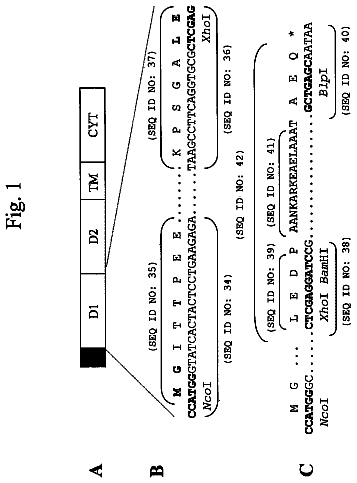
FIG. 1 is a schematic of a complex cellulosome.
Sequence listing
SEQ ID NOS: 1-2 show dockerin domain sequences.
SEQ ID NOS: 3-4 show cohesin domain sequences.
Detailed description of the invention
I. Overview
Recent advancements in technology have enabled the sequencing of whole genomes. The invention thus provides methods and systems that take advantage of the ability to obtain genetic blueprints (e.g., whole genome sequence information) of certain organisms, such as certain microorganisms that have been extensively studied in the past, to re-write or engineer/modify these genetic blueprints. This in turn provides new organisms that have new or improved capabilities, which could not have been achieved via single-gene or single-pathway engineering alone.
The description provides a microorganism that produces hydrocarbons from a renewable resource, such as cellulosic material. "Cellulosic material" as described herein is any material containing cellulose. Cellulosic material also contains additional compounds, including for example, xylan, xylose, hemicellulose, lignin, and other materials commonly found in biomass.
An engineered microorganism that can metabolize cellulosic material expresses peptides that can bind to each other and/or bind to the extracellular surface of the host microorganism and/or bind to the cellulosic material. The engineered microorganism also expresses peptides that convert the cellulosic material into fermentable carbon sources such as, but not limited to, glucose, xylose, arabinose, and other hexoses and pentoses. These fermentable carbon sources are then converted into products via the product-forming peptides expressed in the microorganism. One of ordinary skill in the art will appreciate that the choice of product-forming peptides included in the microorganism will vary depending on which product is being produced. For example, different peptides will be needed to make fatty acids and their derivatives, hydrocarbons, PHAs, isoprenoids, and organic acids. Finally, additional modifications can be made to the microorganism to increase the production of products. Such modifications can include altering the feedback sensitivity of certain enzymes in the product production biosynthetic pathway, decreasing the activity of various by-product pathways and increasing product accumulation outside of the cell.
The synthetic cellulosome encoding genes and the product-forming genes may be from the same heterologous organism with respect to the microbial host. Alternatively, the synthetic cellulosome genes and the product producing genes may be from two or more different heterologous organisms with respect to the microbial host.
A subject composition comprises a subject genetically modified host cell; and, in some embodiments, further comprises one or more further components selected in part, based on the intended use of the genetically modified host cell. Suitable components include, but are not limited to, salts; buffers; stabilizers; protease-inhibiting agents; cell membrane- and/or cell wall-preserving compounds, e.g., glycerol, dimethylsulfoxide, etc.; nutritional media appropriate to the cell, and the like.
II. Definitions
As used herein, the term "microorganism" includes prokaryotic and eukaryotic microbial species from the Domains Archaea, Bacteria and Eucarya, the latter including yeast and filamentous fungi, protozoa, algae, or higher Protista. The terms "microbial cells" and "microbes" are used interchangeably with the term microorganism.
As used herein, the term "nucleic acid" refers to polynucleotides such as deoxyribonucleic acid (DNA), and, where appropriate, ribonucleic acid (RNA). The term should also be understood to include, analogs of either RNA or DNA made from nucleotide analogs, and, as applicable to the embodiment being described, single (sense or antisense) and double-stranded polynucleotides.
The term "carbon source" generally refers to a substrate or compound suitable to be used as a source of carbon for bacterial or simple eukaryotic cell growth. Carbon sources may be in various forms, including, but not limited to polymers, carbohydrates such as cellulosic material including cellulooligosaccharides and lignocellulose, acids, alcohols, aldehydes, ketones, amino acids, peptides, etc. These include, for example, various monosaccharides such as glucose, oligosaccharides, polysaccharides, saturated or unsaturated fatty acids, succinate, lactate, acetate, ethanol, etc., or mixtures thereof.
As used herein, the terms "gene" and "recombinant gene" refer to an exogenous nucleic acid sequence which is transcribed and (optionally) translated. Thus, a recombinant gene can comprise an open reading frame encoding a polypeptide. In such instances, the sequence encoding the polypeptide may also be referred to as an "open reading frame". In other embodiments, a gene can simply provide, upon transcription, an antisense transcript, a ribozyme, or other RNA molecule which affects the phenotype of the host cell.
"Transcriptional regulatory sequence" is a generic term used throughout the specification to refer to DNA sequences, such as initiation signals, enhancers, and promoters, which induce or control transcription of a gene or genes with which they are operably linked.
"Operably linked" means that a gene and transcriptional regulatory sequence(s) are connected in such a way as to permit expression of the gene in a manner dependent upon factors interacting with the regulatory sequence(s).
"Exogenous" means a nucleic acid sequence or a peptide sequence that has been inserted into a host cell. An exogenous sequence can result from the cloning of an native gene from a host cell and the reinsertion of that sequence back into the host cell. In most instances, exogenous sequences are sequences that are derived synthetically, or from cells that are distinct from the host cell.
The terms "host cells" and "recombinant host cells" are used interchangeably herein. It is understood that such terms refer not only to the particular subject cell but to the progeny or potential progeny of such a cell. Because certain modifications may occur in succeeding generations due to either mutation or environmental influences, such progeny may not, in fact, be identical to the parent cell, but are still included within the scope of the term as used herein.
As used herein, a "reporter gene" is a gene whose expression may be assayed; reporter genes may encode any protein that provides a phenotypic marker, for example: a protein that is necessary for cell growth or a toxic protein leading to cell death, e.g., a protein which confers antibiotic resistance or complements an auxotrophic phenotype; a protein detectable by a colorimetric/fluorometric assay leading to the presence or absence of color/fluorescence; or a protein providing a surface antigen for which specific antibodies/ligands are available.
The term "biosynthetic pathway", also referred to as "metabolic pathway", refers to a set of anabolic or catabolic biochemical reactions for converting (transmuting) one chemical species into another. For instance, an antibiotic biosynthetic pathway refers to the set of biochemical reactions which convert primary metabolites to antibiotic intermediates and then to antibiotics. A hydrocarbon biosynthetic pathway refers to the set of biochemical reactions which convert primary metabolites to hydrocarbon intermediates and then to hydrocarbons.
A "hydrocarbon" generally refers to a chemical compound that consists of the elements carbon (C) and hydrogen (H). They all consist of a carbon backbone and atoms of hydrogen attached to that backbone. Sometimes, the term is used as a shortened form of the term "aliphatic hydrocarbon." There are essentially three types of hydrocarbons:
aromatic hydrocarbons, which have at least one aromatic ring;
saturated hydrocarbons, also known as alkanes, which do not have double, triple or aromatic compounds;
unsaturated hydrocarbons, which have one or more double or triple bonds between carbon atoms, and which are divided into: alkenes, alkynes, isoprenoids and dienes.
"Hydrocarbon product" generally refers to a chemical compound that is primarily a hydrocarbon i.e. consists primarily of the elements of carbon and hydrogen, but may also contain one or more atoms other than carbon and hydrogen, including heteroatoms, such as oxygen, nitrogen, or sulfur. These include, but are not limited to fatty alcohols, thiols, esters, waxes, thioesters, ethers, epoxides, acids, and aldehydes, containing two or more carbon atoms, typically from about 2 to about 60 carbon atoms, from about 10 to about 50 carbon atoms, or from about 15 to about 40 atoms, including all stereoisomers.
Biofuel is any fuel that derives from biomass--organisms, such as plants, fermentation waste, or metabolic byproducts, such as manure from cows. It is a renewable energy source, unlike other natural resources such as petroleum, coal and nuclear fuels. Agricultural products specifically grown for use as biofuels and waste from industry, agriculture, forestry, and households--including straw, lumber, manure, sewage, garbage and food leftovers--can be used for the production of bioenergy.
Cellulose (C.sub.6H.sub.10O.sub.5)n is a polymer polysaccharide carbohydrate, of beta-glucose. It forms the primary structural component of plants and is not digestible by humans. Cellulose is a common material in plant cell walls and was first noted as such in 1838. Cellulose is the most abundant form of living terrestrial biomass (Crawford, R. L. 1981. Lignin biodegradation and transformation, John Wiley and Sons, New York.). Cellulose is also the major constituent of paper. Cellulose monomers (beta-glucose) are linked together through 1,4 glycosidic bonds.
As used herein, the term "metabolic pathway" includes catabolic pathways and anabolic pathways both natural and engineered i.e. synthetic. Anabolic pathways involve constructing a larger molecule from smaller molecules, a process requiring energy. Catabolic pathways involve breaking down of larger molecules, often releasing energy. An anabolic pathway is referred to herein as "a biosynthetic pathway."
A polynucleotide, polypeptide, or peptides may have a certain percent "sequence identity" to another polynucleotide or polypeptide, meaning that, when aligned, that percentage of bases or amino acids are the same when comparing the two sequences. Sequence similarity can be determined in a number of different manners. To determine sequence identity, sequences can be aligned using the methods and computer programs, including BLAST, available over the world wide web at ncbi.nlm.nih.gov/BLAST. See, e.g., Altschul et al. (1990), Mol. Biol. 215:403-10.
Additionally, the nucleotide sequence of the nucleic acids can be modified for optimal expression to reflect the codon bias of the host cell and a desired secondary structure of the transcript product mRNA. One of ordinary skill in the art will appreciate the likelihood of successful expression if codon usage is biased towards those codons favored by the host and the 5'-terminal of transcript mRNA is readily accessible to the translational machinery of the cell. Determination of preferred codons can be based on a survey of genes derived from the host cell where sequence information is available and mRNA secondary structure can be determined computationally by a variety of known computer programs, such as but not limited to the Vienna package.
Before the present invention is further described, it is to be understood that this invention is not limited to particular embodiments described, as such may, of course, vary. It is also to be understood that the terminology used herein is for the purpose of describing particular embodiments only, and is not intended to be limiting.
Where a range of values is provided, it is understood that each intervening value between the upper and lower limit of that range and any other stated or intervening value in that stated range, is encompassed within the invention. The upper and lower limits of these smaller ranges may independently be included in the smaller ranges, and are also encompassed within the invention, subject to any specifically excluded limit in the stated range. Where the stated range includes one or both of the limits, ranges excluding either or both of those included limits are also included in the invention.
Unless defined otherwise, all technical and scientific terms used herein have the same meaning as commonly understood by one of ordinary skill in the art to which this invention pertains. Although any methods and materials similar or equivalent to those described herein can also be used in the practice or testing of the present invention, the preferred methods and materials are now described.
It must be noted that as used herein and in the appended claims, the singular forms "a," "and," and "the" include plural referents unless the context clearly dictates otherwise. Thus, for example, reference to "a biosynthetic intermediate" includes a plurality of such intermediates, reference to "a nucleic acid" includes a plurality of such nucleic acids, and reference to "the genetically modified host cell" includes reference to one or more genetically--modified host cells and equivalents thereof known to those skilled in the art, and so forth.
The publications discussed herein are provided solely for their disclosure prior to the filing date of the present application. Nothing herein is to be construed as an admission that the present invention is not entitled to antedate such publication by virtue of prior invention. Further, the dates of publication provided may be different from the actual publication dates which may need to be independently confirmed.
Other terms and definitions are defined throughout the text as necessary for providing a detailed description.
III. Identification of Heterologous Genes
There are several different ways to obtain heterologous genes responsible for a desired biological activity from a source organism.
A. Sequence Homology
In one approach, if certain enzymes are known to perform certain biological functions, such as carrying out a step of hydrocarbon biosynthesis, or a step of cellulose degradation/digestion, sequence homology search in the target/source microorganism may be performed using these known enzyme sequences as query sequences. This method enables efficient identification of relevant enzymes or biochemical pathways in a target organism, which is known to produce hydrocarbon at high yield (or to efficiently digest a renewable resource such as cellulose), but whose genes responsible for these desirable phenotypes are previously unknown. Sequence homology search is routine in modern biology, while genome sequences of the target organism can now be routinely obtained through whole genome sequencing.
If the genes involved in certain biological process (such as cellulose degradation or hydrocarbon production) are unknown, traditional genetics and biochemical approaches may be used to identify the genes involved. For example, identification of genes involved in biosynthetic pathways is typically carried out by identifying mutant genes that adversely affect the pathway, and isolating the mutant gene.
B. Functional Approach to Obtain Biosynthesis Pathway Genes
Exemplary functional approaches to identify genes/pathways involved in biosynthesis of hydrocarbons are known. These are for illustration, and are by no means limiting. Other functional screening approaches may also be applicable for the same purpose for use in the instant invention.
WO 05/033287 A2 describes a general approach for identifying gene products having activity in a biosynthetic pathway, the teachings of which are incorporated herein by reference.
In general, the methods described therein comprises producing test cells by introducing exogenous nucleic acid encoding candidate gene products into genetically modified host cell, and determining its effect on host cell growth. Specifically, isolated host cells are genetically modified with a nucleotide sequence encoding a biosynthetic pathway enzyme (such as a hydrocarbon biosynthetic pathway enzyme). Synthesis of the enzyme in the host cell (such as by induced expression when the enzyme is under the control of an inducible promoter) results in conversion of a substrate for the enzyme into a biosynthetic pathway intermediate, which intermediate is toxic to the host cell (e.g., growth inhibiting and/or death inducing). When the intermediate is produced in an amount effective to inhibit growth of the genetically modified host cell, any heterologous gene products that can inhibit the accumulation of the toxic intermediate may be potential enzymes involved in the same biosynthetic pathway, by virtue of its ability to use the intermediate.
Whether a genetically modified host cell accumulates a biosynthetic pathway intermediate intracellularly in an amount that is growth inhibiting is readily determined by monitoring the optical density of a liquid culture of the genetically modified host cell, or is readily determined by monitoring the viability of the cells, e.g., by plating the cells on agar containing appropriate growth media at various times during culture of the cells, and counting the number of colonies formed (e.g., colony forming units, cfu).
U.S. Pat. No. 6,261,842 (incorporated herein by reference) provides an alternative approach to identify biosynthetic pathway genes. Specifically, the invention provides methods and compositions for accessing, in a generally unbiased manner, a diverse genetic pool for genes involved in biosynthetic pathways. The method described therein takes a functional approach to screening the genomic libraries, requiring that the expression of the cloned genomic DNA recapitulates a biosynthetic pathway from the source organism, or combines with the gene products of the host organism to form a new chimeric pathway. This can provide a rapid and efficient means for cloning new genes of significant interest and identifying new biosynthetic products produced therefrom.
Botryococcus braunii is a photosynthetic microorganism that produces both non isoprenoid based hydrocarbons (alkanes derived from fatty aldehydes) and isoprenoid-based (multiples of C5 isoprene units) hydrocarbons that accumulate intracellularly and are exported to an extracellular matrix. The biosynthetic pathway in this organism, such as those for the production of squalene, botryococcene, and alkanes will be useful for making hydrocarbon products. These hydrocarbons, which would be useful for the production of biofuels and other petroleum derived chemicals, can constitute more than 50% of the cell's mass. Unfortunately, this microorganism is an obligate phototroph that is not easily manipulated by genetic engineering. Thus, cloning the genes involved in this biosynthetic pathway and expressing those genes in a microorganism that can grow in a fermentor and is genetically amenable to the tools of molecular biology will improve the economics of biohydrocarbon production.
Thus in another embodiment, the hydrocarbon-producing genes are obtained from Botryococcus braunii.
IV. Expressing in Host Cells
Once the desired genes are identified and cloned from the source organism (e.g., the genes responsible for production of alkanes in V. furnissii and the iosprenoid-based hydrocarbons in B. braunii, and the genes encoding proteins in the cellulosome), a suitable heterologous host, such as one that is genetically tractable and easily cultivatable, must be chosen for the desired purpose. The heterologous genes can then be introduced into the host microorganism using art-established methods (e.g., bacteria transformation, etc., infra). The genetically modified host cell (such as a prokaryotic cell, like E. coli; or a eukaryotic cell, like yeast--Saccharomyces cerevisiae, etc.) may be genetically modified with a nucleic acid comprising a nucleotide sequence encoding a biosynthetic pathway enzyme, wherein synthesis of the enzyme in the genetically modified host cell results in conversion of a substrate for the enzyme into the biosynthetic pathway intermediate.
A. Host Cells
The subject host cells (isolated microorganisms or production hosts) are in many embodiments unicellular organisms, or are grown in culture as single cells. In some embodiments, the host cell may be a eukaryotic cell.
Suitable eukaryotic host cells include, but are not limited to, yeast cells, insect cells, plant cells, fungal cells, and algal cells. Suitable eukaryotic host cells include, but are not limited to, Pichia pastoris, Pichia f nlandica, Pichia trehalophila, Pichia koclamae, Pichia membranaefaciens, Pichia opuntiae, Pichia thermotolerans, Pichia salictaria, Pichia guercuum, Pichia pijperi, Pichia stiptis, Pichia methanolica, Pichia sp., Saccharomyces cerevisiae, Saccharomyces sp., Hansenula polymorphs, Kluyreromyces sp., Kluyreromyces lactis, Candida albicans, Aspergillus nidulans, Aspergillus niger, lspergillus oryzue, Trichoderma reesei, Chrysosporium lucknowense, Fusarium sp., Fusarium gramineum, Fusarium venenatum, Neurospora crassa, Chlamydomonas reinhardtii, or oleaginous yeast, and the like.
In other embodiments, the host cell is a prokaryotic cell. Suitable prokaryotic cells include, but are not limited to, any of a variety of laboratory strains of E. coli, Lactobacillus sp., Salmonella sp., Shigella sp., Bacillus subtilis, Rhodococcus opacus, Coryneabacterium, Acinetobacter acetoaceticus, and the like. See, e.g., Carrier et al.
J: Immunol. 148:1176-1181; U.S. Pat. No. 6,447,184; and Sizemore et al.
Science 270:299-302. Examples of Salmonella strains which can be employed in the present invention include, but are not limited to, Salmonella typhi and S. enterica.
Suitable Shigella strains include, but are not limited to, Shigella flexneri, Shigella sonnet, and Shigella disenteriae. Typically, the laboratory strain is one that is non-pathogenic. Non limiting examples of other suitable bacteria include, but are not limited to, Pseudomonas pudita, Pseudomonas aeruginosa, Pseudomonas mevalonii, Rhodobacter sphaeroides, Rhodobacter capsulatus, Rhodospirillum rubrum, Rhodococcus sp., and the like.
The description continues in the full USPTO document.
 Lapsed, fee not paid3 drawings