Background
Sellers participating in a marketplace facilitated by an electronic commerce site can employ a fulfillment network associated with the electronic commerce site to fulfill orders by users in the marketplace. To this end, sellers may send shipments containing one or more parcels with products to one or more fulfillment centers in a fulfillment network. Accordingly, products associated with an inventory of a seller may become damaged in the fulfillment network. Additionally, products may also be lost in the fulfillment network as well as during transit to the fulfillment network. Sellers can be compensated for such a loss if it is determined that the loss is the fault of the fulfillment network.
Brief description of the drawings
Many aspects of the present disclosure can be better understood with reference to the following drawings. The components in the drawings are not necessarily to scale, emphasis instead being placed upon clearly illustrating the principles of the disclosure. Moreover, in the drawings, like reference numerals designate corresponding parts throughout the several views.
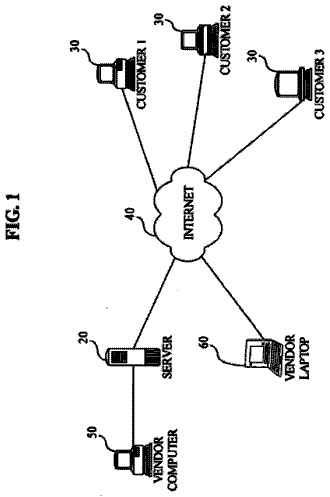
FIG. 1 is a drawing of a networked environment according to various embodiments of the present disclosure.
FIGS. 2-4 are flowcharts illustrating examples of functionality implemented as portions of the inventory management application executed in a computing device in the networked environment of FIG. 1 according to various embodiments of the present disclosure.
FIGS. 5A-5B are example user interfaces rendered on a client in the networked environment of FIG. 1 according to various embodiments of the present disclosure.
FIG. 6 is a schematic block diagram that provides one example illustration of a computing device employed in the networked environment of FIG. 1 according to various embodiments of the present disclosure.
Detailed description
Embodiments of the disclosure are directed to systems and methods that detect damage and/or loss of inventory housed within and/or in transit to a fulfillment network. Sellers participating in an electronic marketplace may employ services of a fulfillment network comprised of one or more fulfillment centers to fulfill orders placed by customers in the marketplace. Accordingly, sellers may ship inventory to the fulfillment network to be warehoused in anticipation of orders. Items in a fulfillment center can be damaged and/or lost by personnel during transit, receiving, handling, or shipment to customers during fulfillment of orders. In other words, inventory defects may occur during the course of the lifetime of an item in connection with the fulfillment network. Therefore, embodiments of the disclosure can detect these inventory defects as well as determine whether the fulfillment network is at fault and then generate a resolution for the inventory defect (e.g., compensation for the seller). In the following discussion, a general description of the system and its components is provided, followed by a discussion of the operation of the same.
With reference to FIG. 1, shown is a networked environment 100 according to various embodiments. The networked environment 100 includes one or more computing devices 103 in data communication with one or more clients 105 as well as one or more computing devices 106a, 106b . . . 106N by way of a network 109. Each computing device 106a, 106b . . . 106N can correspond to a respective fulfillment center 112a, 112b . . . 112N within a fulfillment network 115. The networked environment can also include a carrier system 107 in communication with one or more of the above systems via the network 109. The network 109 can include, for example, the Internet, intranets, extranets, wide area networks (WANs), local area networks (LANs), wired networks, wireless networks, or other suitable networks, etc., or any combination of two or more such networks.
Various applications and/or other functionality may be executed in the computing device 103 according to various embodiments. Also, various data is stored in a data store 120 that is accessible to the computing device 103. The data store 120 may be representative of a plurality of data stores as can be appreciated. The data stored in the data store 120, for example, is associated with the operation of the various applications and/or functional entities described below.
The components executed on the computing device 103, for example, include an inventory management application 121, carrier connector 125, and other applications, services, processes, systems, engines, or functionality not discussed in detail herein. In some embodiments, the computing device 103 can execute an electronic commerce application that facilitates an electronic commerce site associated with one or more sellers through which customers can purchase, rent, and/or download products. To this end, the computing device 103 can process orders on behalf of customers and transmit network pages or other user interface elements that can be rendered on a client 105. The specific functionality and various implementations of an electronic commerce site that can be facilitated by the computing device 103 should be appreciated by a person of ordinary skill in the art, and is not discuss in detail herein. Additionally, the carrier system 107 can also be implemented in one or more computing devices.
The inventory management application 121 is executed in order to facilitate interactions with sellers who may offer products in a marketplace for which fulfillment is facilitated by the fulfillment network 115. In one embodiment, the inventory management application 121 can interact with sellers via a user interface rendered on a client 105 in which a seller can manage a seller account, inventory, payments, and perform other functions related to the process of offering products to users of an electronic marketplace in which products can be fulfilled to customers via the fulfillment network 115. In some embodiments, the inventory management application 121 can receive information from a seller about shipments to the fulfillment network 115, where the shipments contain products that can be fulfilled by a fulfillment center 112 to customers on behalf of the seller.
The inventory management application 121 is also configured to manage inventories of items held at the fulfillment centers 112. Accordingly, the inventory management application 121 can obtain data about inbound shipments received by a fulfillment center 112 in the fulfillment network 115 and update inventory data in the data store 120. Additionally, the inventory management application 121 can direct shipment of products to purchasers on behalf of a seller. The inventory management application 121 can also determine whether items in the fulfillment network 115 associated with an inventory of a seller are lost and/or damaged as well as determine a resolution for claims made by sellers that are related to lost and/or damaged items. The various ways in which the inventory management application 121 can operate are described in further detail below.
The carrier connector 125 can facilitate communication with an application programming interface 127 provided by the carrier system 107. The carrier connector 125 can facilitate retrieval or tracking data associated with parcels that are in turn associated with inbound shipments to the fulfillment network 115. In some embodiments, the carrier system 107 can push tracking data associated with parcels handled by a carrier to the carrier connector 125, which can provide the tracking data to subscribing systems and/or applications within an electronic commerce site. In one embodiment, tracking data associated with parcels can be generated whenever a product is scanned by a carrier device, and can be associated with a time, location, and other variables as can be appreciated.
Also, the computing device 103 can include at least one data store 120, which may comprise data and applications operable to provide access to the data stored therein. The data stored in the data store 120 includes, for example, product data 129, seller accounts 131, seller shipments 135, shipment data 136, seller claims 137, holding account 139, inventory events 140 and potentially other data. The product data 129 may include information related to one or more products available for fulfillment through the fulfillment network 115. Products can include any good, service, software download, multimedia download, social networking profile, or any combination, bundle, or package thereof, that may be offered for sale, purchase, rental, lease, download, and/or any other form of consumption as may be appreciated. The various data stored in the product data 129 may include, for example, titles, descriptions, quantities, conditions, images, options, weights, customer reviews, customer ratings, keywords, shipping restrictions, prices, tax classifications, unique identifiers, and any other data related to products.
Seller accounts 131 can include information about sellers who employ the services of a fulfillment network 115 to house inventory and/or fulfill products to customers placing orders from the seller in an electronic marketplace. Each seller employing the services of the fulfillment network 115 can be associated with a seller account 131, which may include, for example, a seller inventory 133 relating to products that are in the inventory of a seller. Entries for products can include a quantity, condition, and other information about items in a seller inventory 133. A seller account 131 can also include an account balance or other financial accounting data with which a seller can conduct business with customers in a marketplace, and/or an operator of the fulfillment network 115 and computing device 103.
A seller account can also be associated with seller shipments 135, which can specify information about shipments potentially containing inventory that are made by a seller to the fulfillment network 115. Seller shipments 135 can define information about parcels in a shipment, such as the products contained in a shipment, their quantities, and other information. In one embodiment, the seller can define various data that is accessible on a shipping label, packing list, manifest, or other documents regarding a shipment and/or parcels that are accessible in the fulfillment network 115. For example, the seller can specify a shipment tracking number associated with a particular parcel of a shipment as well as the products and quantities contained within the parcel.
The data store 120 can also contain shipment data 136 that is related to shipments and parcels included in shipments that are received and/or processed in the fulfillment network 115. Shipment data 136 can include information identified by a fulfillment center 112 such as shipment tracking information, the condition of parcels received in the fulfillment center 112, parcel weights, items contained within shipments, and other information that is identified when a shipment is received in a fulfillment center 112. As is described below, the shipment data 136 identified by the fulfillment network 115 about shipments received in a fulfillment center 112 can be used to determine whether there are inconsistencies between seller shipment 135 provided by a seller and the actual data about a shipment that is captured when a shipment is received in the fulfillment network 115. Inventory events 140 can include data regarding events received from one or more computing devices 106 associated with fulfillment centers 112. Inventory events 140 are events that are related to occurrences within a fulfillment network 115 such as the receipt of inventory associated with a seller, damaged items, missing items, inventory counts, and other occurrences. The inventory management application 121 can analyze inventory events to identify whether a seller should be compensated for missing and/or damaged items in a fulfillment network 115.
The data store 120 can also include information about seller claims 137. In various embodiments of the disclosure, a seller can submit a claim via a user interface provided by the inventory management application 121 regarding items in a seller inventory 133 that the seller believes are lost or damaged. Accordingly, as is described below, the inventory management application 121 can determine the validity of a claim and generate a resolution for the claims on behalf of an operator of the fulfillment network 115. The data store 120 can also include data regarding a holding account 139. A holding account 139 can be an account that is associated with an operator of the fulfillment network 115 to which items that are related to loss claims filed by a seller can be assigned. As will be described below in further detail below, items associated with a seller inventory 133 may be lost in fulfillment network 115. Therefore, a seller account can be compensated for this loss. However, if such an item is later found, the ownership of the item can be assigned to a holding account 139, as the seller has already been compensated for its loss. Other examples and variations of the potential applications of the holding account 139 are described in further detail below.
The carrier system 107 can include one or more computing devices from which shipment data about parcels can be received in the computing device 103. The carrier system 107 can include shipping data 141 that is related to parcels that can be associated with orders in an electronic commerce site. Shipping data 141 can include tracking data 143 related to various parcels that is maintained by a carrier. Tracking data 143 can include a tracking number as well as scan data that tracks each time a parcel is scanned by a carrier in transit to or from a customer as can be appreciated. The carrier system 107 can also provide an API 127 through which tracking data 143 can be retrieved by the carrier connector 125. In some embodiments, the carrier system 107 can push tracking data to the computing device 103 via an API provided therein. It should be appreciated that the carrier system 107 can be representative of multiple carrier systems 105 that may also be associated with various carriers, who may provide varying APIs 127 or other ways to retrieve tracking data 143 related to parcels that are associated with customer orders. In other embodiments, a carrier system 107 and the carrier connector 125 can communicate via electronic data interchange messages or other methods to communicate tracking data 143 as can be appreciated.
The client 105 is representative of a plurality of client devices that may be coupled to the network 109. The client 105 may comprise, for example, a processor-based system such as a computer system and/or mobile device. Such computer system may be embodied in the form of a desktop computer, a laptop computer, a personal digital assistant, a cellular telephone, set-top box, music players, web pads, tablet computer systems, game consoles, or other devices with like capability. The client 105 may be configured to execute various applications such as a browser 173 and/or other applications. The browser 173 may be executed in a client 105, for example, to access and render network pages, such as web pages, or other network content served up by the inventory management application 121 to facilitate management of inventory, submission of claims, etc. A client 105 can also be configured to execute a special purpose application, such as a mobile application, which may include client side code that renders a user interface that includes data provided by another system.
Next, a general description of the operation of the various components of the networked environment 100 is provided. To begin, the inventory management application 121 can detect and generate resolutions for various scenarios related to loss and/or damage of items in connection with a fulfillment network 115. One example of such a scenario includes damage to an item that can be attributed to the fault of the fulfillment network 115.
For example, if employees or other personnel associated with the fulfillment network 115 cause an event that damages an item (e.g., the item is dropped by personnel), the inventory management application 121 can generate a resolution that compensates a seller associated with the damaged item for the damage. Damage to an item can occur during receiving of a shipment to the fulfillment network 115, transfer of the item to an inventory storage location, transfer of the item to a shipping area during order fulfillment, or any other event that can cause damage to the item. In one embodiment, personnel associated with the fulfillment center 112 can cause a damaged inventory event associated with a damaged item to be generated, which can be transmitted to the inventory management application 121. In one example, a computing device 106 such as a handheld data entry device can allow personnel to enter information about a damaged inventory event, which can include a seller identifier, product identifier, information about the type of damage to the item, a cause of the damage, images of the damaged item, and other information. To this end, the handheld data entry device may include a barcode scanner, camera or other input devices with which data can be captured about the damaged item. Upon receiving a damaged inventory event from the computing device 106, the inventory management application 121 can generate an inventory defect that is associated with a seller account 131.
The damaged item can also be rated or scored by personnel in the fulfillment center 112 so that a value of the damaged item can be determined by the inventory management application 121. In one example, the item can be rated on a numerical scale that reflects condition of the item. In another example, the damaged item can be rated according to various categories that allow the inventory management application 121 to assess compensation for the seller. For example, categories that can include "cosmetic damage," "damage to packaging only," "destroyed," and other categories reflecting a condition of a damaged item can be established and provided in a user interface on the computing device 106. Accordingly, personnel in the fulfillment network 115 can select the applicable categories in the user interface, and the selected categories can be transmitted to the inventory management application 121 as a part of the damaged inventory event associated with the damaged item. Accordingly, the inventory management application 121 can store the damaged inventory event in the data store 120. In some embodiments, the computing device 106 associated with a fulfillment center can communicate directly with the data store 120 via the network 109 to store the damaged inventory event.
In response to a damaged inventory event retrieved from the data store 120 and/or received from a computing device 106 associated with the fulfillment network 115, the inventory management application 121 can determine a resolution. In one embodiment, if the damaged inventory event reflects that the item was damaged in the fulfillment network 115 for reasons that are the fault of the fulfillment network 115, the inventory management application 121 can initiate reimbursement to the seller of a replacement value determined by the inventory management application 121.
The replacement value of the damaged item can be determined by analyzing various factors associated with the item. In one embodiment, the inventory management application 121 can extract a listing price of a sales listing for the item that associated with the seller from the product data 129, and initiate reimbursement of the seller account 131 by this amount. In another embodiment, the inventory management application 121 can determine an average listing price over a specified time period that is associated with the item across one or more other sellers associated with a sales listing for the item in a marketplace. In other embodiment, the inventory management application 121 can determine the lowest listing price over a specified time period that is associated with the item that is associated with any other seller in a marketplace. In yet some embodiments, the data store 120 may include data regarding default replacement values for various products. Accordingly, the inventory management application 121 can determine if the damaged item is associated with a product identifier for which a default replacement value exists in the data store 120. Upon determining a replacement value associated with the damaged item, the inventory management application 121 can initiate reimbursement of the seller account 131 for the damaged item. In other embodiments, a seller may refuse reimbursement of replacement value calculated by the inventory management application 121 and demand return of the damaged item. Accordingly, the inventory management application 121 can direct the fulfillment network 115 to ship the damaged item to the seller. In other embodiments, the inventory management application 121 can purchase the item from another seller housing a like item in the fulfillment network 115 and transfer ownership of the item to the seller.
Upon generating a resolution (e.g. reimbursement) for a seller in connection with a damaged item, ownership of the damaged item can be transferred to the holding account 139. As referenced above, a holding account 139 can be an account that is associated with an operator of the fulfillment network 115 to which items that are related to loss claims filed by a seller can be assigned. Because the seller has been compensated for the loss of the item, ownership of the item can be transferred. Accordingly, an operator of the fulfillment network 115 can resell, liquidate or otherwise dispose of the item.
In some embodiments, inventory in the fulfillment network 115 associated with various sellers can be commingled. In other words, because certain items are fungible, they may be commingled in the inventory without regard to a specific seller to which a specific item belongs. Accordingly, a damaged inventory event generated by fulfillment network 115 personnel via a computing device 106 may not be associated with a particular seller in the case of a damaged item that is in a commingled inventory. Therefore, the inventory management application 121 can implement an algorithm to identify a seller from among multiple sellers having a quantity of the item in a seller inventory 133 to which compensation in the form of reimbursement of replacement value should be initiated. In one example, the inventory management application 121 can randomly select a seller from among sellers having a quantity of the item in a corresponding seller inventory 133. Other algorithms for assigning ownership of the damaged item from a commingled inventory to a seller can also be employed.
The inventory management application 121 can also generate a resolution in the case of items that are lost in the fulfillment network 115. As can be appreciated, items associated with a seller inventory 133 can be lost for a host of reasons. In some embodiments, a periodic actual inventory count for various items warehoused in a fulfillment network 115 can be captured by fulfillment network 115 personnel and transmitted to the inventory management application 121 via the computing device 106. In one embodiment, fulfillment center 112 personnel can perform inventory counts on a periodic basis at various inventory locations in a fulfillment center 112 that are associated with sellers and/or items, and the inventory count data can be transmitted to the inventory management application 121. In some embodiments, the inventory counts reflecting actual inventory in the fulfillment network 115 can be performed on an automated basis.
Accordingly, the inventory management application 121 can generate an inventory snapshot reflecting an actual quantity of various items in the fulfillment network 115 corresponding to various seller accounts 131. The inventory snapshot can be stored in the data store 120 in the seller inventory 133 and updated as additional inventory counts are received from the fulfillment network 115. The inventory management application 121 can compare the inventory snapshot associated with a seller account 131 against an expected seller inventory 133 to determine whether there are missing and/or surplus items in the fulfillment network 115. Such an inventory snapshot can be generated periodically based upon the most recent inventory counts received from the fulfillment network 115. In one embodiment, the inventory snapshot can be generated periodically, such as, for example, hourly, daily, weekly, monthly, etc. In some embodiments, a fulfillment center 112 computing device 103 can generate missing item events, which can be received by the inventory management application 121 from the computing device 106 via the network 109. A missing item event can include a seller identifier, a product identifier, and other information related to a missing item associated with a seller. Similarly, the inventory management application 121 can receive found item events that correspond to items that are found in the fulfillment network 115. Upon receiving such an event, the inventory management application 121 can update an actual inventory in the seller inventory 133 in the data store 120.
In order to identify whether an item can be classified as missing, the inventory management application 121 can employ a waiting period after a deficit of an item in a seller inventory 133 is detected. Because items lost in a fulfillment network 115 can later be found, the inventory management application 121 can employ such a waiting period before designating a deficit as a loss and triggering a resolution. In one embodiment, the inventory management application 121 can employ a thirty day waiting period upon detection of a deficit of an item in a seller inventory 133. Other waiting periods can be employed as can be appreciated. Upon the passing of the waiting period, if a deficit associated with an item persists and a subsequent inventory count does not reflect that the item has been found, the inventory management application 121 can designate the item as missing and generate a resolution. Upon classifying an item as missing, the inventory management application 121 can generate an inventory defect and associate it with the seller account 131. Accordingly, the inventory management application 121 can initiate a resolution in the form of compensation to a seller for the missing item. In one embodiment, the inventory management application 121 can initiate reimbursement of replacement value to the seller account 131 as described above in reference to compensation for a damaged item. Upon compensating a seller account 131, the inventory management application 121 can reduce the seller inventory 133 by a quantity corresponding to the number of missing items for which the seller was compensated.
As also referenced above, inventory in the fulfillment network 115 associated with various sellers can be commingled. Accordingly, an inventory count associated with a commingled item may be received on an aggregate basis. That is to say, a total inventory count associated with the commingled item may be received, and the inventory management application 121 can determined whether an item is missing by comparing the aggregate count against a total quantity of the item in the seller inventory 133 of all sellers having a quantity of the item in their inventories in the data store 120. Therefore, the inventory management application 121 can implement an algorithm to identify a seller from among multiple sellers having a quantity of the item in a seller inventory 133 to which compensation in the form of reimbursement of replacement value should be initiated. In one example, the inventory management application 121 can randomly select a seller from among sellers having a quantity of the item in a corresponding seller inventory 133. Other algorithms for assigning ownership of the damaged item from a commingled inventory to a seller can also be employed.
In some embodiments, a missing item may be found in the fulfillment network 115 after the waiting period has passed and a seller has been compensated for the missing item. Accordingly, the inventory management application 121 can handle such a scenario in various ways. As one example, if an inventory snapshot based upon inventory counts and/or found item events reflect a surplus for a particular seller account 131, the inventory management application 121 can transfer ownership of the surplus items to the holding account 139. Thereafter, if a subsequent deficit associated with a seller account 131 is detected by the inventory management application 121, it can transfer ownership of this surplus item from the holding account 139 to the seller account 131 reflecting a deficit without having to initiate reimbursement of replacement value corresponding to the item.
The inventory management application 121 can also facilitate loss claims initiated by a seller that are related to inbound shipments to the fulfillment network 115. In one embodiment, a seller can define data regarding inbound shipments to the fulfillment network via a client 105. An inbound shipment can include one or more parcels containing items to be housed in the fulfillment center 112 and associated with the seller inventory 133. Accordingly, seller shipments 135 can define the expected product identifiers and quantities associated with an inbound shipment, shipment identifiers, tracking data, purchase order data, bill of lading data, or any other data associated with a shipment.
When one or more parcels associated with an inbound shipment arrives to a fulfillment center 112 in the fulfillment network 115, a shipment identifier, tracking identifier, purchaser order identifier, or any other identifier with which the inventory management application 121 can associate the inbound shipment with a seller shipment 135 in the data store 120 can be extracted and transmitted to the inventory management application 121. The inventory management application 121 can store any data regarding an inbound shipment received in a fulfillment center 112 as shipment data 136 in the data store. Additionally, the one or more parcels can also be weighed as a part of the receiving process and the weight of the one or more parcels of the inbound shipment can also be provided to the inventory management application 121 and stored as shipment data 136.
Products contained within the inbound shipment can be scanned or otherwise counted, and inventory addition events associated with the seller account 131 that correspond to a quantity of the products contained within the inbound shipment can be generated by a fulfillment center 112 computing device 106. Inventory addition events associated with an inbound shipment can be stored as shipment data 136 in the data store 120. In one embodiment, such a computing device 106 can include a handheld device with a barcode scanner that can scan product identifiers, shipment labels, or other data included with an inbound shipment. These inventory addition events can be transmitted to the inventory management application 121 via a fulfillment center 112 computing device 106, and the inventory management application 121 can update the seller inventory 133 associated with the seller account 131. In one embodiment, inventory addition events can be stored as shipment data 136, and the inventory management application 121 can process the events to update a seller inventory 133.
Accordingly, sellers may submit loss claims to the inventory management application 121 via a user interface on a client 105. Loss claims can be related to items a seller believes should be reflected in a seller inventory 133 associated with a seller account 131 and that the seller believes were lost from an inbound shipment processed by the fulfillment network 115. A loss claim can be associated with a particular inbound shipment that can be identified by shipment tracking data, shipment identifier, purchase order identifier, or any other information with which an inbound shipment of items to the fulfillment network 115 can be identified. The inventory management application 121 can employ various methods to validate a claim submitted by a seller to determine whether the claim should be approved or denied. In other words, the inventory management application 121 can determine whether a seller should be compensated because the fulfillment network 115 has lost items from an inbound shipment sent by the seller to the fulfillment network 115.
In one embodiment, the inventory management application 121 can compare a weight of the one or more parcels associated with an inbound shipment against an expected weight of the shipment. An expected weight of parcels of a shipment can be determined based at least upon an expected quantity of a particular item associated with a parcel. The inventory management application 121 can determine the expected weight of a parcel based upon a weight associated with one or more products in a parcel, which can be retrieved from the product data 129 and the expected quantity of the products in a parcel. If the expected weight is within a weight threshold percentage of the actual weight of the parcel, the inventory management application 121 can determine that the expected quantity was likely contained within the parcel. The actual weight of the parcel can be determined by a weight measurement taken with a weighing apparatus in a fulfillment center 112 upon receipt of the inbound shipment. In some embodiments, the actual weight can be determined by extracting the weight of a parcel via the carrier connector 125 from a carrier system 107 that provides tracking information and other data regarding shipments.
If the actual weight of a parcel associated with an inbound shipment is less than a calculated expected weight, the inventory management application 121 can deny the claim submitted by the seller. If the actual weight of the parcel is within a weight threshold of the expected weight, the inventory management application 121 can flag the claim for additional investigation and/or approve the claim, triggering compensation for the seller.
In some embodiments, a fulfillment network 115 may reject one or more parcels associated with an inbound shipment if they violate one or more shipping policies. A shipping policy can include a policy regarding hazardous materials shipment, packaging requirements, governmental regulations, seizure by a governmental authority, or any other policy that can cause the fulfillment network 115 to reject a parcel. Accordingly, if the fulfillment network 115 rejects a parcel associated with an inbound shipment, the inventory management application 121 can store information about the rejection, such as information about the shipping policy that was violated, as shipment data 136 in the data store 120. Therefore, if a loss claim submitted by a seller is associated with an inbound shipment that violates a shipping policy, the claim can be rejected by the inventory management application 121.
In another embodiment, the inventory management application 121 can determine whether a parcel associated with a claim submitted by a seller has not been received in a fulfillment center 112. The inventory management application 121 can retrieve tracking data 143 associated with a parcel from the carrier system 107 via the carrier connector 125 and determine whether the carrier status information associated with the parcel reflects that the shipment has not been received by the fulfillment network 115. If the parcel associated with the loss claim has not been received from the fulfillment network 115, the inventory management application 121 can deny the claim.
In another embodiment, the inventory management application 121 can determine whether a parcel associated with a claim submitted by a seller has been damaged by the carrier with which the seller shipped the inbound shipment to the fulfillment network 115. The inventory management application 121 can retrieve tracking data 143 associated with a parcel from the carrier system 107 via the carrier connector 125 and determine whether the carrier status information associated with the parcel reflects that the shipment was damaged by the carrier. If the carrier employed by the seller is on an approved carrier list, the inventory management application 121 can approve the claim and compensate the seller for the damaged items associated with the inbound shipment. In some embodiments, the inventory management application 121 can flag the claim for additional investigation so that inventory management application 121 personnel can determine the extent of the damage caused by the carrier. If the carrier employed by the seller is not on an approved carrier list, the inventory management application 121 can deny the claim.
The inventory management application 121 can also determine validity of a claim submitted by a seller by identifying potential errors in seller shipments 135 defined by a seller. As one example, a seller may transpose quantities of various products in an inbound shipment when specifying information an inbound shipment. For example, the seller may specify that an inbound shipment contains a quantity of five of product X and a quantity of six of product Y. However, the inventory addition events may specify that the shipment processed by the fulfillment network 115 contained a quantity of six of product X and a quantity of five of product Y. Accordingly, the inventory management application 121 can deny a loss claim from a seller related to a shortage of product Y if there is a corresponding surplus of another item in the inbound shipment compared to the information defined by the seller in seller shipments 135.
In some embodiments, fulfillment network 115 personnel may associate an inbound shipment with the wrong seller. Accordingly, the seller inventory 133 associated with the wrong seller may reflect a surplus of one or more products. If a loss claim is received by a seller for products for which a surplus is reflected in the seller inventory 133 of the wrong seller, the inventory management application 121 can transfer ownership of the items from the wrong seller to the seller submitting a claim. If the items for which a surplus is reflected in the seller inventory 133 of the wrong seller are sold, lost and/or damaged, the inventory management application 121 can approve the claim and trigger compensation for the seller.
Referring next to FIGS. 2-4, shown are flowcharts that provide examples of the operation of a portion of the inventory management application 121 according to various embodiments. It is understood that the flowcharts of FIGS. 2-4 provides merely examples of the many different types of functional arrangements that may be employed to implement the operation of the portion of the inventory management application 121 as described herein. As an alternative, the flowcharts of FIGS. 2-4 may be viewed as depicting examples of steps of a method implemented in the computing device 103 (FIG. 1) according to one or more embodiments.
The description continues in the full USPTO document.
 Lapsed, fee not paid8 drawings