Lapsed, fee not paid3 drawings
Materials & Chemistry · US 11,345,115 B2
Multilayered tape with removable carrier layer
A multilayer tape is provided.
US 11,345,602 B2 · Assignee: KING FAHD UNIVERSITY OF PETROLEUM AND MINERALS · Inventors: Aziz; Md. Abdul et al.
Sheet 1 of 17 from the published document. All sheets in the USPTO PDF
Jute stick/stalk can be used to prepared and carboxylated to yield useful activated carbons, e.g., for removing Pb.sup.2+ from drinking water. Such activated carbons can act as an inexpensive adsorbents using agricultural waste or by-products. Carboxylation of jute stick activated carbon (JSAC) can improve its efficiency for Pb.sup.2+ removal, e.g., from aqueous solutions, even if its BET surface area is reduced. Carboxylated JSAC (JSAC-COO.sup.−) can have surface areas around 615.3±0.5, 1, 2.5, 5, 10, 15, 20, or 25 m.sup.2/g. JSAC-COO.sup.− can treat varied Pb.sup.2+ concentrations, 10, 25 mg/L, etc., pHs, e.g., 4.0, 7.0, etc., temperatures, e.g., 15° C., 27° C., etc., and contact periods, e.g., 1, 5, 10, 15, 30, 60 minutes, etc., achieving up to 99.8% Pb.sup.2+ removal within 15 minutes of contact JSAC-COO.sup.− adsorption capacity can be >25.0 mg Pb.sup.2+/g, as well as other metal ions, with potential for water and/or gas treatment.
1 of 17 drawing sheets so far from the published document, cropped to the drawing. Every sheet is in the USPTO PDF.
What the patent claimed, word for word. All of it is now free to use.
The inventors gratefully acknowledge the support provided by the Deanship of Scientific Research (DSR) at King Fahd University of Petroleum & Minerals (KFUPM), Dammam, Saudi Arabia to fund this research (Grants No. RG 1409-1 & 2).
Aspects of the present disclosure were published online on Jun. 5, 2019 in “Highly Porous Carboxylated Activated Carbon from Jute Stick for Removal of Pb.sup.2+ from Aqueous Solution,” Environmental Science and Pollution Research (2019); https://doi.org/10.1007/s11356-019-05556-6—incorporated herein by reference in its entirety. BACKGROUND OF THE INVENTION Field of the Invention
The present disclosure relates to activated carbons and functionalized activated carbons, particularly from jute and/or jute stick, as well as syntheses of such (functionalized) activated carbons and their uses in, e.g., water treatment, water reconditioning, and/or waste management, esp. for removal of metals, such as contaminant, valuable, and/or toxic heavy metals, such as Pb. Description of the Related Art
Metals with densities of 5 g/cm.sup.3 or higher are characterized as heavy metals. Water pollution with heavy metals is a significant environmental issue as heavy metals are toxic to human and ecological health. Lead (Pb) has an atomic weight of 207.2 g and density of 11.4 g/cm.sup.3. Lead forms a wide range of oxides, e.g., Pb.sub.2O to PbO.sub.2, and forms a protective film on an exposed surface of bulk metal. Lead is one of the toxic heavy metals that pose a risk to humans and aquatic life, even at a low concentration, over long periods of exposure.
Children and young populations are the most vulnerable groups for exposure to lead in water. The International Agency for Research on Cancer (IARC, 2018) has classified lead as Group 2B (possible human carcinogen) and inorganic compounds of lead as Group 2A (probable human carcinogen), while the United States Environmental Protection Agency (USEPA, 2004) has classified lead as Group B2 (probable human carcinogen). The World Health Organization (WHO, 2011) and European Community Directive have set the guideline value to no more than 10 μg/L in drinking water. Health Canada
has set the maximum acceptable concentration to 10 μg/L in drinking water, and the US EPA
has the action level of 15 μg/L in drinking water.
Lead is a naturally occurring element, mainly buried in the earth's crust in insoluble and biologically inoffensive forms. Lead is generally found as PbS or as complex ores of lead and zinc sulfides with small fractions of silver or silver sulfides. Industrialization and biogenic activities have released large quantities of Pb and its by-products into the air, soil, and water. Lead is primarily used as a raw material in manufacturing industries, matches, explosives, pigments, storage batteries, paints, and fuels, that produce lead-contaminated wastewater and air, e.g., smelting and grinding industries, which are major sources of water pollution for drinking water supplies. As an example, lead concentrations in wastewater from battery manufacturing, acid mine drainage, tailing pond and steel production plants in 1985 were reported to be in the range of 0.5 to 25 mg/L.
Chronic exposure to lead in drinking water can induce multiple health effects. Lead has bioaccumulation and magnification properties, which can increase its concentrations to toxic levels. Chronic lead exposure can affect almost every organ and system in the body, and children below six years are the most vulnerable group to the effects of lead. Low concentrations of lead in blood can cause health problems including, hearing, learning, and behavior difficulties, slowed growth, lower intelligence quotient, and hyperactivity. Lead can cross the placental barrier during pregnancy, possibly resulting in serious effects to the mother and developing fetus, such as reduced fetal growth and premature birth. Adults exposed to lead can suffer from cardiovascular effects, increased blood pressure, hypertension, decreased kidney function, and reproductive problems. Consumption of elevated levels of lead increases the reactive oxygen species (ROS) in tissues, which can affect the male reproduction system, metabolism process, and cellular damage.
The removal of lead ions (Pb.sup.2+) from drinking water at low-cost is an ongoing challenge. To remove Pb.sup.2+ from aqueous solutions, methods including coagulation, adsorption, membrane filtration, ion-exchange, chemical precipitation, and reverse osmosis have been employed. Among these methods, adsorption has been preferred due mainly to its low-cost, high efficiency, and ease of use. Activated carbon-based adsorbents have been widely used for Pb.sup.2+ removal. Many studies have developed activated carbon from different sources, including rice husks, rice straw, discarded automotive tires, rubber, wood sawdust, apricot stones, peanut shells, pecan shells, crab shells, fly ash, peat, and oil palm fibers, which have been applied to remove Pb.sup.2+ from aqueous solution.
Non-toxic agricultural by-products are often preferred options for preparing adsorbents. However, finding the inexpensive and non-toxic raw materials for making activated carbon is a challenge. Selecting non-toxic, inexpensive, and widely available raw materials to produce activated carbon, e.g., for Pb.sup.2+ removal from drinking water, would benefit these efforts. Jute stick, a component of jute, is an agricultural by-product that is cheap and abundant in Bangladesh, India, Thailand, Myanmar, and China. Jute fiber has been reported to be biodegradable and environmentally friendly. Jute stick and jute fiber have similar chemical constituents, indicating that jute stick is likely to be biodegradable and environmentally friendly. Jute is commonly used as a cooking raw material in rural areas.
Biomass-based activated carbon should have large specific surface area, potentially using functional groups, to increase the accessibility of heavy metals to the intra-pore spaces. Carboxylate-functionalized carbon nanotubes (CNT-COO.sup.−) surfaces have been reported to have effectively adsorbed 150 to 230% more metal ions than non-functionalized CNT surface. Higher efficiency of COO—functionalized CNT in comparison to hydroxyl- and amide-functionalized CNTs has been reported for Cd.sup.2+ removal, possibly due to the high negative charge of CNT-COO.sup.− leading, to higher affinity to heavy metals with pH-sensitive performance.
However, carboxylating CNTs and activated carbon, e.g., date palm derived carbon, has been shown to reduce the specific surface area significantly. Accordingly, a need remains for carboxylate functionalized carbon materials with high surface area for heavy metal removal. Treating biomass with different activation agents, such as H.sub.3PO.sub.4, NaOH, ZnCl.sub.2, K.sub.2CO.sub.3, KHCO.sub.3, and KOH may alter the surface area, pore size, and/or shape of the carbon materials prior to pyrolysis.
Although activated carbon prepared from jute stick has been investigated for removal of heavy metals from industrial wastewater, the effect of carboxylate functionalized jute stick activated carbon on heavy metal adsorption was conventionally unknown Efforts have been made in the field of activated carbons and functionalized activated carbons, such as the following. VN 10010697 B by Do et al. (Do) discloses a method for manufacturing magnetic activated carbon (MAC) with magnetic agents having high strength M.sub.xFe.sub.3-x, O.sub.4 (M:Mn, Cu, Ni; 0<x<3) for treating water containing As and contaminated organic compounds. Do discloses: impregnating carbon active agents and a mixture of magnetic precursors into the inner structure of activated carbon; burning in a N.sub.2-containing medium to provide MAC. Do's MAC can absorb As and oxidize contaminated organic compounds, removing nearly 100% of methyl orange after 30 minutes of reaction with NiFe.sub.2O.sub.4-containing MAC, and can be recovered by magnetic separation, Do's carbon active agents are impregnated with acid(s) such as HNO.sub.3, H.sub.2SO.sub.4, HCl, acidic salts soluble in water and magnetic precursor solutions such as NH.sub.4Cl, NH.sub.4NO.sub.3, and Fe ions with Mn ions, or Ni ions, or Cu ions, excluding phosphorus-containing compounds, then Do's impregnated AC is combusted in a silica tube furnace at ˜600° C. for 60 minutes with N.sub.2 gas flowing at 100 mL/min to provide MAC, Do does not produce carboxylated activated carbon using NaHCO.sub.3 as the activating agent, nor Pb.sup.2+ removal from water using carboxylated AC.
CN 102633259 A by Liu et al. (Liu) discloses a jute-based active carbon (AC) made by: soaking jute fibers or crushed jute stem materials in a beaker filled with 3 to 5 M H.sub.3PO.sub.4 (aq); boiling to impregnate the fibers with an, activating agent; sintering in a vacuum tubular furnace at 400 to 500° C. under N.sub.2 for 1 to 3 hours, or microwaving in a columnar quartz tube at 100 to 700 W for 5 to 30 minutes under N.sub.2; cooling, acid-washing, and water-washing to pH is 6 to 7; then drying to obtain the jute-based AC. Liu's jute-based AC can absorb methylene blue adsorption. While Liu may describe sodium or potassium hydroxide as optional activating agents. Liu does not disclose a carboxylated AC, nor carboxylated AC activated with NaHCO.sub.3, nor Pb.sup.2+removal from water with carboxylated AC.
CN 103553037 A by Sun (Sun) discloses a jute stalk modified AC is prepared by from a raw material mixture including jute stalk, various clay-like minerals, polyacrylic acid, humic acid, and water. Sun's jute stalk is modified AC has a porous structure, high specific surface area, an iodine value of 1556 mg/g, and methylene blue adsorption value of 26.7 mL/0.1 g. Sun appears to calcine an acidic formulation to form its AC and does not disclose carboxylation of its AC, nor removing lead from water with its AC.
CN 103318887 A by Huang et al. (Huang) discloses preparing AC from ambary ( Hibiscus cannabinus , an East Indian fiber plant) straws, involving treating cut ambary straws a H.sub.2SO.sub.4/K.sub.2SO.sub.4 solution for 40 to 50 hours before carbonizing at 800 to 1100° C. for 4 to 8 hours, cooling, and pickling with 20 to 25 wt. % HCl for 4 to 8 hours. Huang mentions the use of alkali metal hydroxides (mainly lithium, sodium, potassium) as activators to produce a granular AC. Huang does not describe carboxylated AC, nor removing Pb ions from water.
Carbon 2006, 44(12), 2569-2577 by Phan et al. (Phan) discloses fibrous ACs made from jute and coconut fibers by physical activation, i.e., heating raw fibers at 950° C. in an inert atmosphere then activating with CO.sub.2 at the same temperature, and chemical activation. i.e., impregnating raw fibers with H.sub.3PO.sub.4 and heating at 900° C. in an inert atmosphere. Phan mentions using these fibrous ACs for industrial wastewater treatment and tested for adsorption with phenol, Acid Red 27, and Cu.sup.2+ ions. Phan describes activation post carbonization with CO.sub.2 or with H.sub.3PO.sub.4, HNO.sub.3, or KOH, but teaches H.sub.3PO.sub.4 activation to be the most suitable process to produce fibrous AC from cellulose fiber, leading to porous materials with S.sub.BET up to 1500 m.sup.2/g adsorption capacity up to 181 mg/g (for phenol). Phan's AC has acidic surface groups involved in the adsorption of dyes and metal ions, but contains phosphate, phosphonate, lactone, and carbonyl groups on the AC surface. Phan's fibrous ACs have S.sub.BET in a range of from 912 to 1303 m.sup.2/g.
J. Indus. Eng. Chem. 2014, 20(3), 887-896 by Asadullah et al. (Asadullah) discloses As removal from water using AC. Asadullah describes chemically activated carbon (CAC) using H.sub.3PO.sub.4 from jute stick to obtain a microporous structure with surface functional groups, and physically activated carbon (PAC) with mainly meso- and macropores. Asadullah's CAC and PAC reduced As concentration to 45 and 55 μg/L, respectively, from 100 μg/L while iron-loaded CAC reduced As concentration to 3 μg/L. Asadullah reports the CAC micropore structure and complexation affinity of iron species towards As species to enhance As separation.
Cellulose 2018, 25(3), 1961-1973 by Sharma et al. (Sharma) discloses extracting carboxycellulose nanofibers from untreated jute using nitro-oxidation with HNO.sub.3—NaNO.sub.2. Sharma's nitro-oxidized carboxycellulose nanofibers (NOCNF) had a crystallinity of 35%, a carboxylate content of 1.15 mmol/g, and surface charge of −70 mV. Sharma states that such NOCNF are excellent substrates for Pb(II) ion removal from water, e.g., a 0.23 wt. % NOCNF suspension could remove Pb(II) ions ranging from 50 to 5000 ppm in less than 5 minutes at room temperature and pH˜7. Sharma's NOCNF had an adsorption efficiency of 2270 mg/g based on the Langmuir isotherm analysis. Sharma's removal efficiency was due to adsorption, dominating at Pb(II) concentrations up to 1000 ppm, and mineralization of lead hydroxide, Pb(OH).sub.2, crystallization dominating at Pb(II) concentrations greater than 1000 ppm. Sharma reports nanoscale Pb(OH).sub.2 crystallization, induced by a Pb(II)-NOCNF aggregated scaffold. However, Sharma does not describe carboxylated AC, nor materials that are stable in stable in water.
Bioinorg. Chem. Applic. 2010, 603978, 1-9 by Atieh et al. (Atieh) discloses removing lead from water with surface-carboxylated carbon nanotubes. Atieh reports that pH, dosage, contact time, and agitation speed can affect the lead adsorption capacity from water. Atieh's carbon nanotubes had diameters from 20 to 40 nm with an average diameter of 24 nm and average length of 10 μm. Atieh reports 100% lead removal with COOH-MCNTs at pH 7, 150 rpm, and 2 hours. CNTs like Atieh are known to have S.sub.BETs between 6 and 275 m.sup.2/g. Atieh does not describe carboxylated ACs of non-tubular morphology.
J. Nantong Univ. Nat. Sci. Ed. 2012-3, entitled “Preparation and Characterization of Jute Stick-Based Activated Carbon,” by Liu et al. (Liu NPL) discloses jute stick-based activated carbon prepared using an H.sub.3PO.sub.4 activating agent. The Liu NPL reports the optimum conditions to be H.sub.3PO.sub.4 concentration of 2 mol/L, activation temperature of 400° C., and activation time of 1 h. The Liu NPL's AC has an iodine adsorption value of 1059.26 mg/g, a methylene blue adsorption value of 353.10 mg/g, a specific surface area of 1779.4 m.sup.2/g, a total pore volume is 0.960 cm.sup.3/g, and an average pore size of 2.16 nm, showing highly mesoporous structures. The Liu NPL does not, employ NaHCO.sub.3 activation and nor describe Pb removal from water.
J. Nat. Fibers 2018, 15(4), 505-516 by Hassan et al. (Hassan) discloses using jute fibers as an adsorbent substrate for Pb.sup.2+ and Hg.sup.2+ ions from aqueous solutions after graft copolymerization with polyacrylic acid under the effect of gamma irradiation. Hassan reports its material to have a second order adsorption kinetics and follow a Langmuir adsorption isotherm model, having higher adsorption capacities at pH 5 for Pb.sup.2+ and pH 6 for Hg.sup.2+. Hassan does not describe carboxylated AC, nor using jute sticks/stalks.
The master's thesis entitled “Physico-Mechanical Properties of Chemically Treated Jute Fibre Reinforced Plastic Composites,” from the Dept. of Chemistry of the Bangladesh University of Eng. & Tech. published August, 2014, by Shahnaz Parvin (Parvin) discloses different types jute reinforced polypropylene (PP) composites prepared by single screw extrusion followed by injection molding. Parvin uses unbleached raw jute fibers oxidized with sodium periodate in oxidized jute reinforced PP composites. Parvin discloses para-nitroso-coupled oxidized jute-PP composites using N′,N-dimethyl phenyl amine. Parvin does not describe producing the porous and/or carboxylated AC from jute, nor Pb removal from water with such materials.
In light of the above, a need remains for activated carbon (AC) materials, particularly for functionalized ACs, such as carboxylated and/or porous ACs, and methods of making such materials, especially from cheaper raw materials than CNF and/or jute fibers, as well as for using such AC materials in removal of metals, particularly toxic metals and/or metalloids (ions or otherwise), such as Pb, from waste water, drinking water, exhausts, and the like.
Aspects of the invention provide carboxylated jute stick activated carbons, comprising: graphitized carbon comprising micropores, mesopores and macropores with pore diameters in range of from 1.5 to 200 nm; carboxylate groups covalently bonded to the graphitized carbon; wherein the carboxylated jute stick activated carbon has a BET surface area in a range of from 500 to 750 m.sup.2/g. Such activated carbons may be modified in any manner and/or with any permutation of the features described herein, particularly any permutation of the following.
Inventive activated carbons may have an IR spectrum comprising a first peak in a range of from 3500 to 3400 cm.sup.− and a second peak in a range of from 2400 to 2300 cm.sup.−1, wherein the first peak has a height which is at least 75% of a height of the second peak. An integral of the first peak may be at least 1.25-fold an integral of the second peak.
A BJH average pore width of inventive activated carbons may be in a range of from 5 to 12.5 nm.
Inventive activated carbons may have a powder morphology and/or may comprise nanosheets.
Aspects of the invention comprise methods of making carboxylated jute stick activated carbon. Such methods may comprise; heating a mixture comprising (i) comminuted jute stick and (ii) bicarbonate and/or carbonate under an inert atmosphere, to obtain a jute stick activated carbon; and carboxylating the jute stick activated carbon to obtain carboxylated jute stick activated carbon.
Inventive methods may be ones in which the carboxylating comprises: mixing the jute stick activated carbon with H.sub.2SO.sub.4 and HNO.sub.3, to obtain a mixture; sonicating the mixture, to obtain a sonicated mixture; and/or recovering the carboxylated jute stick activated carbon from the sonicated mixture. The H.sub.2SO.sub.4 and HNO.sub.3 may be concentrated H.sub.2SO.sub.4 and/or concentrated HNO.sub.3, and/or the H.sub.2SO.sub.4 and HNO.sub.3 may be present in the mixing at a ratio in a range of from 1:2 to 6:1. The sonicating may take place for a period of from 4 to 6 hours. The recovering may comprise: diluting the sonicated mixture with water, to obtain a diluted mixture; separating the diluted mixture into an upper layer and a lower layer; and/or recovering the carboxylated jute stick activated carbon from the lower layer.
In the heating according to inventive methods, a mass ratio of a dry mass of (i) the comminuted jute stick to (ii) the bicarbonate and/or carbonate may be in a range of from 1:1.5 to 1:8.
The heating according to inventive methods may be at a temperature in a range of from 700 to 1000° C., and/or the heating may take place for a time range of from 3 to 8 hours.
Inventive methods may comprise, in the heating, bringing the comminuted jute stick and bicarbonate to a temperature in a range of from 800 to 900° C. at a heating rate of from 3 to 7° C./minute; and/or heating at the temperature for a period in a range of from 4 to 6 hours, to obtain the jute stick activated carbon; and optionally thereafter cooling the jute stick activated carbon to no more than 55° C. at a rate of from 7.5 to 12.5° C./minute.
Inventive methods may further comprise, after the heating: cooling the jute stick activated carbon to no more than 50° C., to obtain a cooled jute stick activated carbon; washing the cooled jute stick activated carbon with an acid, to obtain an acid-washed jute stick activated carbon; and/or deacidifying the acid-washed jute stick activated carbon to a pH in a range of from 6.5 to 7.5.
In inventive methods, the bicarbonate and/or carbonate may comprise at least 75 wt. % of an alkali metal and/or alkaline earth metal bicarbonate.
Aspects of the invention include methods comprising contacting a first gas or liquid with a carboxylated jute stick activated carbon made by any permutation of the inventive activated carbon(s) described herein and/or any permutation of the inventive method(s) described herein, thereby reducing an amount of one or more metal ions in the first gas, or liquid to obtain a second gas or liquid comprising fewer of the one or more metal ions than the first gas or liquid. The one or more metal ions (removable by the inventive methods and/or activated carbons) may include Pb.sup.2+.
A more complete appreciation of the invention and many of the attendant advantages thereof will be readily obtained as the same becomes better understood by reference to the following detailed description when considered in connection with the accompanying drawings, wherein:
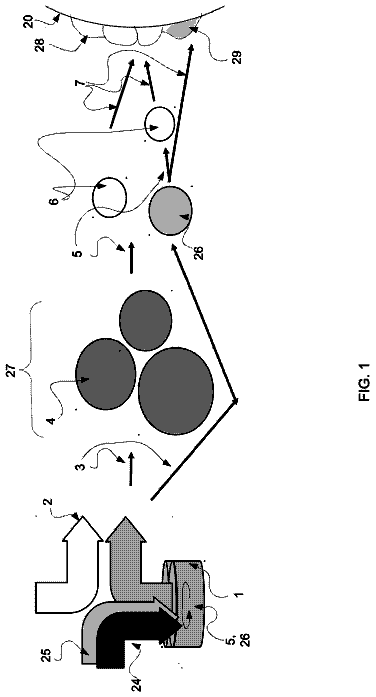
FIG. 1 shows an exemplary preparation of porous activated carbon from jute stick within the scope of the invention;
FIG. 2 shows a representation of the carboxylation of porous activated carbon as may be used within the scope of the invention;
FIG. 3 shows a flow chart with an exemplary summarized batch experiment, employing conditions which may be used in aspects of the invention;
FIG. 4A shows a field emission scanning electron microscope (FE-SEM) Image of a JSAC-COO.sup.− sample prepared as described herein on 500 nm scale;
FIG. 4B shows an FE-SEM image of a JSAC-COO.sup.− sample prepared as described herein on 50 μm scale;
FIG. 4C shows an energy dispersive x-ray spectra (EDS) specter of the white marked area of FIG. 4A ;
FIG. 4D shows an EDS spectrum of the JSAC (not carboxylated);
FIG. 4E shows an FE-SEM image of JSAC (not carboxylated) on 500 nm scale;
FIG. 5A shows an x-ray diffraction (XRD) spectrum of a JSAC-COO.sup.− sample, prepared as described herein;
FIG. 5B shows a Raman spectrum of a JSAC-COO.sup.− sample, prepared as described herein;
FIG. 6A shows an x-ray photoelectron spectroscope (XPS) survey spectrum of an exemplary JSAC-COO.sup.− sample within the scope of the invention having three major peaks of carbon, oxygen, and tin;
FIG. 6B shows a high resolution XPS spectrum of C1s zone of an exemplary JSAC-COO.sup.− sample within the scope of the invention;
FIG. 6C shows a high resolution XPS spectrum of C1s zone of a JSAC sample (not carboxylated);
FIG. 6D shows Fourier Transform Infrared (FT-IR) spectra of exemplary JSAC-COO.sup.− (above), prepared as described herein, versus JSAC (below);
FIG. 7A shows a Brunauer-Emmett-Teller (BET) nitrogen (N.sub.2) adsorption-desorption isotherm of an exemplary sample of JSAC-COO.sup.−, prepared as described herein;
FIG. 7B shows corresponding. Barrett-Joyner-Halenda (BJH) pore-size distributions of the JSAC-COO.sup.− in FIG. 7A ;
FIG. 8A shows a plot of the effect of contact time on Pb.sup.2+ adsorption by an exemplary JSAC-COO.sup.− sample at an initial Pb.sup.2+ concentration of 10 mg/L and a temperature: 27° C.;
FIG. 8B shows a plot of the effect of contact time on Pb.sup.2+ adsorption by an exemplary JSAC-COO.sup.− sample at an initial Pb.sup.2+ concentration of 25 mg/L and a temperature: 27° C.;
FIG. 8C shows a plot of the effect of contact time on Pb.sup.2+ adsorption by an exemplary JSAC-COO.sup.− sample at an initial Pb.sup.2+ concentration of 25 mg/L and a pH of 6.93;
FIG. 8D shows a plot of the effect of contact time on Pb.sup.2+ adsorption by an exemplary JSAC-COO.sup.− sample at an initial Pb.sup.2+ concentration of 25 mg/L and a pH of 4.15; and
FIG. 9 shows plots portraying the effect of pH and temperature on lead removal efficiency of exemplary JSAC-COO.sup.− samples over contact/exposure time.
Aspects of the invention provide carboxylated jute stick activated carbons. Inventive activated carbons can be made from raw materials comprising at least 50, 60, 70, 75, 80, 85, 90, 91, 92, 92.5, 93, 94, 95, 96, 97, 97.5, 98, 99, 99.1, 99.5, or 99.9 wt. % of jute sticks, which may be the stalks of jute or typically the less fibrous material left behind after removal (or substantial removal) of the jute fibers, ribbons, and the like, generally post retting.
The graphitized carbon in the inventive activated carbons may comprise mesopores and micropores with pore diameters in range of from 1.5 to 200 nm, e.g., monomodal, bimodal, trimodal, or further multimodal distributions together or separately having diameters of any of these endpoints and/or at least 1.6, 1.7, 1.75, 2, 2.5, 3, 5, 7.5, 10, 15, 20, 25, 33, 50, 75, or 100 nm and/or up to 175, 165, 150, 145, 140, 135, 130, 125, 120, 115, 110, 100, 95, 90, 85, 80, 75, 65, or 50 nm. Carboxylate groups may be covalently bonded to the graphitized carbon, though inventive activated carbons typically have no more than 10, 7.5, 5, 4, 3, 2.5, 2, 1, 0.5, 0.1, 0.01, 0.001, 0.0001, 0.00001, 0.000001, or 0.0000001 mol. % of phosphate functionalization, phosphonate functionalization, phosphoryl functionalization, and/or phosphoric acid residual groups, relative to total functional groups bonded to the graphitized carbon. Inventive activated carbons are generally made without phosphoric acid, and may use no more than 25, 20, 15, 10, 5, 4, 3, 2, 1, 0.5, 0.1, 0.001, or 0.0001 wt. % H.sub.3PO.sub.4, relative to total activating agent weight. Inventive activated carbons may comprise no UV and/or fluorescence-detectable amounts of phosphate residues. Inventive carboxylated jute stick activated carbon may have BET surface areas in a range of from 500 to 750 m.sup.2/g, e.g., any of these endpoints and/or at least 505, 510, 515, 525, 535, 550, 560, 570, 575, 580, 590, 595, 600, 605, 610, 615, 620, or 625 m.sup.2/g and/or up to 725, 715, 700, 695, 690, 680, 675, 670, 665, 660, 655, 650, 645, 640, 635, 630, 625, 620, or 615 m.sup.2/g.
The carbon in inventive activated carbons may make up at least 72, 72.5, 73, 73.5, 74, 74.5, 75, 76, 77, or 78 wt. % of the activated carbon by elemental combustion analysis, based on C, H, N, O present.
Inventive activated carbons may have an IR spectrum comprising a first peak in a range of from 3500 to 3400 cm.sup.−1 and a second peak in a range of from 2400 to 2300 cm.sup.−1, wherein the first peak has a height which is at least 75, 80, 85, 90, 95, 100, 105, 110, 115, or 120% of a height of the second peak, but generally no more than 200, 175, 150, 145, 140, 135, 130, 125, 120, 115, 110, 105, or 100%. An integral of the first peak may be at least 1.25-fold an integral of the second peak, e.g., at least 1.33, 1.4, 1.5, 1.6, 1.7, 1.8, 1.9, 2, or 2.5-fold and/or up to 5, 4.5.4, 3.5, 3., 2.5, 2, 1.9, 1.8, 1.75, 1.67, or 1.5-fold.
A BJH average pore width of inventive activated carbons may be in a range of from 5 to 12.5 nm, e.g., any of these endpoints and/or at least 5.5, 6, 6.5, 7, 7.5, 8. 8.25, 8.5, 8.75, or 9 nm and/or up to 12, 11.5, 11, 10.5, 10, 9.75, 9.5, 9.25, 9, or 8.75 nm.
Inventive activated carbons may have a powder morphology and/or may comprise nanosheets, rather than tube, fiber, and/or rod structures. Inventive activated carbons have predominant nanosheet morphology. The longest dimension of inventive activate carbon microstructures is in the range of from 2 to 60 μm, e.g., any of these endpoints and/or at least 2.5, 3, 4, 5, 7.5, 10, 12.5, or 15 μm and/or up to 55, 50, 45, 40, 35, 30, or 25 μm. Inventive aspect ratios are generally no more than 8:1, 6:1, 5:1, 4:1, or the like in one plane, i.e., inventive particles are generally not rod-shaped.
Aspects of the invention comprise methods of making carboxylated jute stick activated carbon. Such methods may comprise: heating a mixture comprising (i) comminuted jute stick and (ii) bicarbonate and/or carbonate under an inert atmosphere, to obtain a jute stick activated carbon; and carboxylating the jute stick activated carbon to obtain carboxylated jute stick activated carbon. The term “comminuted” is meant to cover chopping, cutting, milling, grinding, pulverizing, shredding, and/or chipping, i.e., reducing a solid bulk piece into several smaller pieces, e.g., 15, 10, 7.5, 5, 4, 3, 2, 1, 0.5, 0.1, 0.01, 0.001, 0.0001% or even less the size/volume of the original solid bulk piece. The (precursor) mixture generally contains blended, mixed powders, slurries, or the like of the comminuted jute stick and base, e.g., Na.sup.+, K.sup.+, Li.sup.+, Mg.sup.2+, .sup.+N(CH.sub.3).sub.4, .sup.+N(CH.sub.2CH.sub.3).sub.4, Ba.sup.2+, Cs.sup.+, Sr.sup.2+, Ag.sup.+ cations combined with HCO.sub.3.sup.− and/or CO.sub.3.sup.2+, preferably sodium and/or potassium and/or preferably bicarbonate.
Inventive methods may be ones in which the carboxylating comprises: mixing the jute stick activated carbon with H.sub.2SO.sub.4 and HNO.sub.3, to obtain a mixture; sonicating the mixture, to obtain a sonicated mixture; and/or recovering the carboxylated jute stick activated carbon from the sonicated mixture. The H.sub.2SO.sub.4 may be concentrated H.sub.2SO.sub.4, e.g., at least 65, 67, 70, 75, 80, or 86 wt. % and/or up to 98, 97, 96, 95, or 94 wt. % SO.sub.3 in water, and/or the HNO.sub.3 may be concentrated HNO.sub.3, e.g., at least 90, 91, 92, 93, 94, 95, or 96 wt. % and/or up to 90, 86, 80, 75, 70, or 68 wt. % NO.sub.2 in water. The H.sub.2SO.sub.4 and HNO.sub.3 may be present in the mixing at a ratio in a range of from 1:2 to 6:1, e.g., any of these endpoints and/or at least 1:1.5, 1:1, 1.5:1, 1.75:1, 2:1, 2.25:1, 2.5:1, 2.75:1, or 3:1 and/or up to 5.5:1, 5:1, 4.5:1, 4:1, 3.75:1, 3.5:1, 3.25:1, or 3:1. The sonicating may take place fora period of from 3, 3.5, 4, 4.5, 5, or 5.5 to 8, 7.5, 7, 6.5, 6, 5.5, or 5 hours. The recovering may comprise: diluting the sonicated mixture with water, to obtain a diluted mixture; separating the diluted mixture into an upper layer and a lower layer; and/or recovering the carboxylated jute stick activated carbon from the lower layer. Separation or recovery may involve centrifugation or other known methods.
In the heating according to inventive methods, a mass ratio of a dry mass of (i) the comminuted jute stick to (ii) the bicarbonate and/or carbonate may be in a range of from 1:1.5 to 1:8, e.g., any of these endpoints and/or at least 1:2, 1:2.5, 1:3, 1:3.5, or 1:4 and/or 1:7.5, 1:7, 1:6.5, 1:6, 1:5.5, 1:5, 1:4.5, or 1:4.
The heating according to inventive methods may be at a temperature in a range of from 700 to 1000° C., e.g., any of these endpoints and/or at least 725, 750, 775, 800, 825, or 850° C. and/or up to 975, 950, 925, 900, 875, or 850° C., and/or the heating may take place for a period in a range of from 3 to 8 hours, e.g., any of these endpoints and/or at least 3.5, 4, 4.25, 4.5, 4.75, or 5 hours and/or 7.5, 7, 6.5, 6.25, 6, 5.75, 5.5, 5.25, or 5 hours.
Inventive methods may comprise, in the heating, bringing the comminuted jute stick and bicarbonate (or carbonate) to a temperature in a range of from 800 to 900° C. or any temperature described as acceptable above, at a heating rate of from 3, 3.5, 4, 4.5, or 5° C./minute to 7, 6.5, 6, 5.5, or 5° C./minute; and/or heating at the temperature for a period in a range of from 4 to 6 hours or any time period described as acceptable above, particularly 5 hours, to obtain the jute stick activated carbon; and optionally thereafter cooling the jute stick activated carbon to no more than 55, 50, 45, 40, 37.5, 35, 32.5, 30, 27.5, 25, 22.5, 20, 17.5, 15, or 12.5° C. (generally room temperature and/or ambient temperature) at a rate of from 7.5, 8, 8.5, 9, 9.5, or 10° C./minute to 12.5, 12, 11.5, 11, 10.5, or 10° C./minute.
Inventive methods may further comprise, after the heating: cooling the jute stick activated carbon to no more than 50, 45, 40, 37.5, 35, 32.5, 30, 27.5, 25, 22.5, 20, 17.5, 15, or 12.5° C. (generally room temperature and/or ambient temperature), to obtain a cooled jute stick activated carbon; washing the cooled jute stick activated carbon with an acid, such as Hl, HBr, HCl, sulfuric acid, perchloric acid, acetic acid, and/or citric acid, to obtain an acid-washed jute stick activated carbon; and/or deacidifying, generally by washing with water, (optionally dilute) ammonia, and/or (optionally dilute) bicarbonate, the acid-washed jute stick activated carbon to a pH in a range of from 6.5 to 7.5, e.g., any of these endpoints and/or at least 6.6, 6.7, 6.8, 6.85, 6.9, 6.95, or 7 and/or up to 7.4, 7.3, 7.2, 7.15, 7.1, 7.05, or 7.
In inventive methods, the bicarbonate and/or carbonate may comprise at least 75, 80, 85, 90, 91, 92, 92.5, 93, 94, 95, 96, 97, 97.5, 98, 99, 99.1, 99.5, or 99.9 wt. % of a total weight of the total base weight, of an alkali metal and/or alkaline earth metal bicarbonate, particularly including a sodium and/or potassium cation and/or particularly a bicarbonate.
Aspects of the invention include methods comprising contacting a first gas or liquid with a carboxylated jute stick activated carbon made by any permutation of the inventive activated carbon(s) described herein and/or any permutation of the inventive method(s) described herein, thereby reducing an amount of one or more metal ions in the first gas or liquid to obtain a second gas or liquid comprising fewer of the one or more metal ions than the first gas or liquid. The first liquid may be a drinking water precursor or even waste water. The first gas may be a refinery exhaust, a coal-fired plant exhaust, a nuclear heat stack, or a cracker exhaust. The one or more metal ions (removable by the inventive methods and/or activated carbons) may include Pb.sup.2+, but may be one or more of Pb, Cr, Co, Ni, V, Nb, Ge, Ga, Hg, Cd, Sn, Sb, Bi, and/or As, particularly in ionic form. Aspects of the invention provide a filter comprising inventive activated carbon(s) as described herein.
Inventive adsorbents, particularly inventive activated carbons and compositions thereof, need not be (ferro)magnetic and will function efficiently, e.g., attain at least 75, 80, 85, 90, 91, 92, 92.5, 93, 94, 95, 96, 97, 97.5, 98, 99, 99.1, 99.5, or 99%, metal ion (esp. Pb.sup.2+) within 10, 8, 6, 4, 3, 2, 1 minutes or fewer of contact time, without relying magnetism.
Inventive activated carbon materials need not contain more than 5, 4, 3, 2.5, 2, 1, 0.5, 0.1, 0.01, 0.001, 0.0001, 0.00001, or 0.000001 wt. %, relative to total adsorbent weight, of Mn, Cu, and/or Ni, either individually or in combinations. Inventive adsorbents, in unused form, i.e., before abstracting and/or adsorbing metals, contain no more than 1, 0.5, 0.1, 0.01, 0.001, 0.0001, 0.00001, or 0.000001 wt. %, relative to the total adsorbent weight, of metals, particularly Mn, Cu, and/or Ni, on the surface of the adsorbent and/or impregnated within the adsorbent. Inventive adsorbents, in unused form, i.e., before abstracting and/or adsorbing metals, contain no more than 1, 0.5, 0.1, 0.01, 0.001, 0.0001, 0.00001, or 0.000001 wt. %, relative to the total adsorbent weight, of Si and/or Al, individually or in combination.
Inventive activated carbon materials need not contain more than 10, 7.5, 5, 4, 3, 2.5, 2, 1, 0.5, 0.1, 0.01, or 0.001 mol. % (or wt. %), relative to the total amount of functional groups on the activated carbon, of phosphate, phosphoryl, and/or phosphoric acid residual, surface functionalization. Inventive activated carbon materials need not contain more than 10, 7.5, 5, 4, 3, 2.5, 2, 1, 0.5, 0.1, 0.01, or 0.001 mol. % (or wt. %), relative to the total amount of functional groups on the activated carbon, of nitrate, nitroso, and/or phosphoric acid residual, surface functionalization. Inventive activated carbon materials and/or formulations may include less than 25, 15, 10, 5, 2.5, 1, 0.1, or 0.01 wt. %, based on total adsorbent weight, of a zeolite, silica gel, palygorskite, bentonite, synthetic polymer (such as PE, PP, PET, polyacrylic acid, etc., or combinations of these), rectorite, and/or diatomite. Inventive formulations may exclude humic acid, or contain no more than 5, 4, 3, 2.5, 2, 1, 0.1, or 0.01 wt. % of humic acid, based on total adsorbent weight. Inventive activated carbon materials generally avoid grafting (modification) with synthetic and/or natural polymers, such as poly (meth)acrylic esters, poly (meth)acrylic acids, poly vinyl alcohols, PEG, PPG, ROMP-polyesters and/or polyamides, (optionally biological) polypeptides, etc. Inventive activated carbons are useful without reinforcement from and polymer, such as a polyolefin (e.g., PE, PP, PIB, PB, rubber, and the like, including mixtures and/or combinations), polyacrylate, polyester, polyamide, polyalcohol, polyether, polysulfone, polyurethane, and/or polycarbonate.
Inventive activated carbons will generally have only one IR peak in the range of 2400 to 2300 cm.sup.−1 and/or the most prominent peak in strength and width in the range of 3500 to 3300 cm.sup.−1. The highest integral IR peak may be in the range of 3500 to 3300 cm.sup.−1.
Aspects of the invention provide carboxylated jute stick activated carbon (JSAC-COO.sup.−) suitable to remove more than 90%, e.g., up to 91, 92, 92.5, 93, 94, 95, 96, 97, 97.5, 98, 99, 99.1, 99.5, or 99.9%, of aqueous phase Pb.sup.2+ ions within one
minute of contact time. In 15 minutes of contact time, up to 99.8% Pb.sup.2+ ion removal can be achieved in certain batch systems, e.g., at least 95, 96, 97, 97.5, 98, 99, 99.1, 99.5, or 99.9% and/or up to 99.995, 99.99, 99.95, 99.9, 99.5, 99.1, 99, 98.75, 98.5, 98.25, or 98%. Aspects of the invention comprise applying JSAC-COO.sup.− generally having excellent efficiency within the operational ranges of pH and temperature in water supply and/or water waste systems, which can reduce treatment costs. Inventive adsorbents can be applied for wide ranges of initial metal contaminant (esp. Pb.sup.2+) concentrations, pH, and temperature. Inventive adsorbents can be used on both domestic and industrial scales. Aspects of the invention include decreasing treatment toxicity and/or the toxicity of JSAC-COO.sup.−, particularly in regard to the amount of acid needed in the process of carboxylation.
Aspects of the invention provide adsorbent(s) comprising jute stick activated carbon (JSAC) and/or carboxylated jute stick activated carbon (JSAC-COO.sup.−) produced from jute stick (and/or other components of jute), an inexpensive agricultural byproduct abundant in the South and Southeast Asian countries. Aspects of the invention include preparation(s) of activated carbon from at least 75, 80, 85, 90, 92.5, 95, 97.5, 98, 99, 99.1, 99.5, or 99.9 wt. % jute stick, based on total carbonaceous starting materials, and/or functionalization an activated carbon, preferably containing at least 50, 60, 70, 75, 80, 85, 90, 95, 97.5, or 99 wt. % JSAC, to produce JSAC-COO.sup.−. Aspects of the invention comprise mass scale production and/or carboxylation of JSAC and/or JSAC-COO.sup.− for, e.g., domestic and industrial applications. Aspects of the invention provide using JSAC and/or JSAC-COO.sup.− for domestic and industrial wastewater treatment, and/or co-removal of multiple heavy metals, such as Ph, Mo, Bi, Hg, Cd, Ga, Tl, Mn, Cr, Os, and/or W (as well as Be, As, V, Ga, Sr, Rb, Sc, and/or Cs), from drinking water and/or wastewater.
The description continues in the full USPTO document.
About 6,241 words. The USPTO PDF has it with every drawing.
Fees are due 3.5, 7.5 and 11.5 years after grant. This patent expired on May 31, 2026, so the fee marked "not paid" was the one that went unpaid.
POROUS CARBOXYLATED JUTE STICK ACTIVATED CARBON
Filed Jul 2019 · published Feb 2021Porous carboxylated jute stick activated carbon
Filed Jul 2019 · granted May 2022Earlier publications, parents and continuations. None of them can still be enforced, or this patent would not be listed.
Prior art cited by the examiner or applicant. Useful when you check your own idea for novelty.
Everything on this page comes from the documents linked above.