Sequence listing
This application contains a Sequence Listing which has been submitted electronically in ASCII format and is hereby incorporated by reference in its entirety. Said ASCII copy, created on Mar. 1, 2019 is named Sequence_Listing.txt and is 789 bytes in size.
The present invention is directed to compositions and methods for treating hepatitis B virus infection. In particular, the present invention is directed to a combination therapy comprising administration of a TLR7 agonist and an HBV capsid assembly inhibitor for use in the treatment of chronic hepatitis B patient.
Field of the invention
Chronic infection of Hepatitis B virus (HBV) is a serious public health problem worldwide, with more than 240 million people chronically infected worldwide. HBV belongs to the Hepadnaviridae family of viruses. Following entry into hepatocyte, its viral genome is delivered into nucleus where a covalently closed circular DNA (cccDNA) is formed through DNA repair of partially double-stranded viral genomecccDNA serves as the template for transcription of viral RNAs. Viral pre-genomic RNA interacts with other two viral components, capsid protein and polymerase to form capsid particles where viral DNA replication occurs. HBV has an icoshedral core comprising of 240 copies of the capsid (or core) protein. The predominant biological function of capsid protein is to act as a structural protein to encapsidate pre-genomic RNA and form immature capsid particles in the cytoplasm. This step is prerequisite for viral DNA replication. When a near full-length relaxed circular DNA is formed through reverse-transcription of viral pregenomic RNA, an immature capsid becomes a mature capsid. Most copies of the encapsidated genome efficiently associate with cellular lipids and viral envelope proteins (S, M, and L) for virion assembly and secretion. However, non-infectious particles are also produced that greatly outnumber the infectious virions. These empty, enveloped particles are referred to as subviral particles (SVPs). The S, M, and L envelope proteins are expressed from a single ORF (open reading frame) that contains three different start codons. All three proteins share a 226aa sequence, the S-domain, at their C-termini. S-domain contains the HBsAg epitope (Lambert, C. & R. Prange. Virol J, 2007, 4, 45).
Many observations showed that several HBV viral proteins could counteract the initial host cellular response by interfering with the viral recognition signaling system and subsequently the interferon (IFN) antiviral activity. Among these, the excessive secretion of HBV empty subviral particles may participate to the maintenance of the immunological tolerant state observed in chronically infected patients (CHB). The persistent exposure to HBsAg and other viral antigens can lead to HBV-specific T-cell deletion or to progressive functional impairment (Kondo et al. Journal of Immunology 1993, 150, 4659-4671; Kondo et al. Journal of Medical Virology 2004, 74, 425-433; Fisicaro et al. Gastroenterology, 2010, 138, 682-93;). Moreover HBsAg has been reported to suppress the function of immune cells such as monocytes, dendritic cells (DCs) and natural killer (NK) cells by direct interaction (Op den Brouw et al. Immunology, 2009b, 126, 280-9; Woltman et al. PLoS One, 2011, 6, e15324; Shi et al. J Viral Hepat. 2012, 19, e26-33; Kondo et al. ISRN Gasteroenterology, 2013, Article ID 935295).
HBsAg quantification is a biomarker for prognosis and treatment response in chronic hepatitis B. HBsAg loss and seroconversion is the goal for clinical cure, but is rarely observed in chronically infected patients. Current therapy such as Nucleos(t)ide analogues that inhibit HBV DNA synthesis does not directly affect HBsAg level. Nucleos(t)ide analogs, even with prolonged therapy, have demonstrated very low rates of HBsAg clearance comparable to those observed naturally (Janssen et al. Lancet, 2005, 365, 123-9; Marcellin et al. N. Engl. J. Med., 2004, 351, 1206-17; Buster et al. Hepatology, 2007, 46, 388-94).
Toll-like receptors (TLRs) detect a wide range of conserved pathogen-associated molecular patterns (PAMPs). They play an important role of sensing invading pathogens and subsequent initiation of innate immune responses. There are 10 known members of the TLR family in human, which are type I transmembrane proteins featuring an extracellular leucine-rich domain and a cytoplasmic tail that contains a conserved Toll/interleukin (IL)-1 receptor (TIR) domain. Within this family, TLR3, TLR7, TLR8, and TLR9 are located within endosomes. TLR7 can be activated by binding to a specific small molecule ligand (i.e., TLR7 agonist) or its native ligand (i.e., single-stranded RNA, ssRNA). Following binding of ssRNA to TLR7, the receptor in its dimerized form is believed to undergo a structural change leading to the subsequent recruitment of adapter proteins at its cytoplasmic domain, including the myeloid differentiation primary response gene 88 (MyD88). Following the initiation of the receptor signalling cascade via the MyD88 pathway, cytoplasmic transcription factors such as interferon regulatory factor 7 (IRF-7) and nuclear factor kappa B (NF-κB) are activated. These transcription factors then translocate to the nucleus and initiate the transcription of various genes, e.g., IFN-α and other antiviral cytokine genes. TLR7 is predominately expressed on plasmacytoid cells, and also on B-cells. Altered responsiveness of immune cells might contribute to the reduced innate immune responses during chronic viral infections. Agonist-induced activation of TLR7 might therefore represent a novel approach for the treatment of chronic viral infections. (D. J Connolly and L. A J O'Neill, Current Opinion in Pharmacology 2012, 12:510-518, P. A. Roethle et al, J. Med. Chem. 2013, 56, 7324-7333).
Treatment with an oral TLR7 agonist represents a promising solution to provide greater efficacy with better tolerability. Pegylated IFN-α (PEG-IFN-α) is currently used to treat chronic HBV and is an alternative to potentially life-long treatment with antiviral nucleos(t)ide analogues. In a subset of chronic HBV patients, PEG-IFN-α therapy can induce sustained immunologic control of the virus following a finite duration of therapy. However, the percentage of HBV patients that achieve seroconversion with interferon therapy is low (up to 27% for HBeAg-positive patients) and the treatment is typically poorly tolerated. Furthermore, functional cure (defined as HBsAg loss and seroconversion) is also very infrequent with both PEG-IFN-α and nucleos(t)ide treatment. Given these limitations, there is an urgent need for improved therapeutic options to treat and induce a functional cure for chronic HBV. Treatment with an oral, small-molecule TLR7 agonist is a promising approach that has the potential to provide greater efficacy and tolerability (T. Asselah et al, Clin Liver Dis 2007, 11, 839-849).
HBV Capsid Protein Plays Essential Roles in HBV Replication.
Heteroaryldihydropyrimidines or HAP, including compounds named Bay 41-4109, Bay 38-7690 and Bay 39-5493, were discovered in a tissue culture-based screening (Deres K. et al. Science 2003, 893). These HAP analogs act as synthetic allosteric activators and are able to induce aberrant capsid formation that leads to degradation of the core protein. HAP analogs also reorganized core protein from preassembled capsids into noncapsid polymers, presumably by interaction of HAP with dimers freed during capsid ‘breathing’, the transitory breaking of individual intersubunit bonds. Bay 41-4109 was administered to HBV infected transgenic mouse or humanized mouse models and demonstrated in vivo efficacy with HBV DNA reduction (Deres K. et al. Science 2003, 893; Brezillon N. et al. PLoS ONE 2011, e25096). It was also shown that bis-ANS, a small molecule that acts as a molecular ‘wedge’ and interferes with normal capsid-protein geometry and capsid formation (Zlotnick A. et al. J. Virol. 2002, 4848-4854).
Now, the standard of clinic cure of HBV infection is the loss and/or seroconversion of HBsAg. Even though PEG-IFN-α and nucleos(t)ide are available to HBV patients, the majority (around or more than 90%) of treated patients fail to achieve this goal, which is mainly due to fact that the current therapies cannot elicit the appearance of neutralizing antibodies against HBsAg (anti-HBs), a sign of resolution of HBV infection, in most chronically infected patients. Hence, there is certainly a medical need for treatments with improved success rate of inducing HBsAg loss and/or seroconversion and promoting the production of anti-HBs.
Summary of the invention
The present invention relates to a pharmaceutical composition comprising a TLR7 agonist and an HBV capsid assembly inhibitor, in a pharmaceutically acceptable carrier. The “TLR7 agonist” herein is a compound of formula (I) or (II), particularly the “TLR7 agonist” herein is 6-amino-9-[(4-chlorophenyl)methyl]-2-[S(S)-ethylsulfonimidoyl]-N-methyl-8-oxo-N-propyl-purine-7-carboxamide; 6-amino-9-[(4-chlorophenyl)methyl]-2-[S(R)-ethylsulfonimidoyl]-N-methyl-8-oxo-N-propyl-purine-7-carboxamide; 6-amino-9-[(4-chlorophenyl)methyl]-N-ethyl-2[S(S)-ethylsulfonimidoyl]-N-methyl-8-oxo-purine-7-carboxamide; 6-amino-2-[S(R)-ethylsulfonimidoyl]-N-methyl-8-oxo-N-propyl-9-(p-tolylmethyl)purine-7-carboxamide; 6-amino-9-[(4-chlorophenyl) methyl]-2-(S(S)-ethylsulfonimidoyl)-7H-purin-8-one; 6-amino-9-[(4-chlorophenyl)methyl]-2-(S(R)-ethylsulfonimidoyl)-7H-purin-8-one; or 6-amino-2-(S(R)-ethylsulfonimidoyl)-9-(p-tolylmethyl)-7H-purin-8-one; or pharmaceutically acceptable salt, enantiomer or diastereomer thereof. The HBV capsid assembly inhibitor herein is a compound of formula (III) or any one of the compounds disclosed in patent WO2014/037480, WO 2014/184328 and WO2015/132276, particularly the HBV capsid assembly inhibitor herein is 3-[(8aS)-7-[[(4S)-5-ethoxycarbonyl-4-(3-fluoro-2-methyl-phenyl)-2-thiazol-2-yl-1,4-dihydropyrimidin-6-yl]methyl]-3-oxo-5,6,8,8a-tetrahydro-1H-imidazo[1,5-a]pyrazin-2-yl]-2,2-dimethyl-propanoic acid; 3-[(8aS)-7-[[(4R)-4-(2-chloro-3-fluoro-phenyl)-5-ethoxycarbonyl-2-thiazol-2-yl-1,4-dihydropyrimidin-6-yl]methyl]-3-oxo-5,6,8,8a-tetrahydro-1H-imidazo[1,5-a]pyrazin-2-yl]-2,2-dimethyl-propanoic acid; or pharmaceutically acceptable salt, enantiomer or diastereomer thereof.
Brief description of the figures
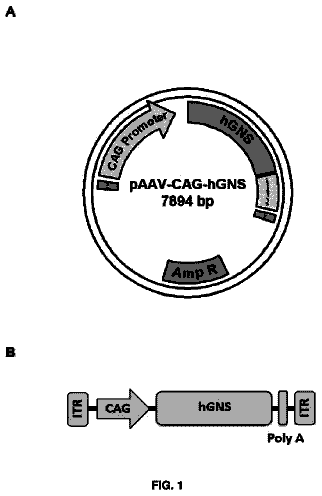
FIG. 1 Single crystal X-ray diffraction of Compound 1.
FIG. 2 Single crystal X-ray diffraction of Compound 3.
FIG. 3 Single crystal X-ray diffraction of Compound 4-a.
FIG. 4 shows the HBV DNA ( FIG. 4A ), HBsAg ( FIG. 4B ), and anti-HBs antibody level ( FIG. 4C ) of the AAV-HBV infected mice treated with Vehicle, 10 mg/kg of Compound 4 once weekly, 20 mg/kg of Compound 5 once daily, and combination therapy for 42 days followed by a 42-day off-treatment period. The results are presented as mean±SEM. LLOQ: lower limit of quantification.
FIG. 4 -D shows the spleens harvested on day 84 in Example 5 to identify anti-HBs antibody-producing B cells by ELISPOT. The spots in the Combo group represented the presence of B cells that actively produced anti-HBs antibodies.
FIG. 5 shows the HBV DNA ( FIG. 5A ), HBsAg ( FIG. 5B ), and anti-HBs antibody level ( FIG. 5C ) of the AAV-HBV infected mice treated with Vehicle, 1 mg/kg of Compound 3 once every other week, 20 mg/kg of Compound 5 once daily, and combination therapy for 42 days followed by a 45-day off-treatment period. The results are presented as mean±SEM. LLOQ: lower limit of quantification.
Detailed description of the invention
Unless defined otherwise, all technical and scientific terms used herein have the same meaning as commonly understood by one of ordinary skill in the art to which this invention pertains.
As used herein, the term “C.sub.1-6alkyl” refers to a monovalent linear or branched saturated hydrocarbon group of 1 to 6 carbon atoms. In particular embodiments, C.sub.1-6alkyl has 1 to 6 carbon atoms, and in more particular embodiments 1 to 4 carbon atoms. Examples of C.sub.1-6alkyl include methyl, ethyl, propyl, isopropyl, n-butyl, iso-butyl, sec-butyl or tert-butyl.
As used herein, the term “C.sub.1-6alkoxy” refers to a group of C.sub.1-6alkyl-O—, wherein the “C.sub.1-6alkyl” is as defined above; for example methoxy, ethoxy, propoxy, iso-propoxy, n-butoxy, iso-butoxy, 2-butoxy, tert-butoxy and the like. Particular “C.sub.1-6alkoxy” groups are methoxy and ethoxy.
As used herein, the term “halo” or “halogen” are used interchangeably herein and refer to fluoro, chloro, bromo, or iodo.
The term “haloC.sub.1-6alkyl” refers to an alkyl group wherein at least one of the hydrogen atoms of the alkyl group has been replaced by same or different halogen atoms, particularly fluoro atoms. Examples of haloC.sub.1-6alkyl include monofluoro-, difluoro- or trifluoro-methyl, -ethyl or -propyl, for example 3,3,3-trifluoropropyl, 2-fluoroethyl, 2,2,2-trifluoroethyl, fluoromethyl, difluoroethyl or trifluoromethyl.
The term “carbonyl” alone or in combination refers to the group —C(O)—.
The term “C.sub.1-6alkylcarbonyl” refers to a group C.sub.1-6alkyl-C(O)—, wherein the “C.sub.1-6alkyl” is as defined above. Particular “C.sub.1-6alkylcarbonyl” group is acetyl.
The term “C.sub.1-6alkoxycarbonyl” refers to a group C.sub.1-6alkoxy-C(O)—, wherein the “C.sub.1-6alkoxy” is as defined above.
The term “C.sub.3-7cycloalkyl”, alone or in combination, refers to a saturated carbon ring containing from 3 to 7 carbon atoms, particularly from 3 to 6 carbon atoms, for example, cyclopropyl, cyclobutyl, cyclopentyl, cyclohexyl, cycloheptyl and the like. Particular “C.sub.3-7cycloalkyl” groups are cyclopropyl, cyclopentyl and cyclohexyl.
The term “—C.sub.mH.sub.2m—” alone or in combination signifies a saturated, linear or branched chain alkyl group containing m (m≠0) carbon atoms or a bond (m=0). In particular, “—C.sub.mH.sub.2m—” alone or in combination signifies a saturated, linear or branched chain alkyl group containing 1 to 4 carbon atoms.
The term “carboxy-C.sub.mH.sub.2m—” refers to a group “—C.sub.mH.sub.2m—COOH”, wherein the “—C.sub.mH.sub.2m—” is as defined above.
The term “C.sub.3-7cycloalkyl-C.sub.mH.sub.2m—” refers to a “C.sub.3-7cycloalkyl” group as defined above wherein one of the hydrogen atoms of the “C.sub.3-7cycloalkyl” group is replaced by a “—C.sub.mH.sub.2m—” group.
The term “heterocyclyl” denotes a monovalent saturated or partly unsaturated mono or bicyclic ring system of 3 to 10 ring atoms, comprising 1 to 5 ring heteroatoms selected from N, O and S, the remaining ring atoms being carbon. In particular embodiments, heterocyclyl is a monovalent saturated monocyclic ring system of 4 to 7 ring atoms, comprising 1, 2, or 3 ring heteroatoms selected from N, O and S, the remaining ring atoms being carbon. Examples for monocyclic saturated heterocyclyl are aziridinyl, oxiranyl, azetidinyl, oxetanyl, pyrrolidinyl, dimethylpyrrolidinyl, ethoxycarbonylpyrrolidinyl, tetrahydrofuranyl, tetrahydro-thienyl, pyrazolidinyl, imidazolidinyl, oxazolidinyl, isoxazolidinyl, thiazolidinyl, piperidinyl, tetrahydropyranyl, tetrahydrothiopyranyl, piperazinyl, morpholinyl, thiomorpholinyl, dioxothiomorpholinyl, azepanyl, diazepanyl, homopiperazinyl, or oxazepanyl. Monocyclic saturated heterocyclyl can be further substituted by one to three substituents independently selected from halogen, C.sub.1-6alkyl and C.sub.1-6alkoxycarbonyl. Examples for substituted monocyclic saturated heterocyclyl are 4-methylpiperazinyl, dimethylpyrrolidinyl, ethoxycarbonylpyrrolidinyl, difluoropyrrolidinyl, fluoro(methyl)pyrrolidinyl. Examples for bicyclic saturated heterocyclyl are azabicyclo[3.2.1]octyl, quinuclidinyl, oxaazabicyclo[3.2.1]octyl, azabicyclo[3.3.1]nonyl, oxaazabicyclo[3.3.1]nonyl, thiaazabicyclo[3.3.1]nonyl, azaspiro[3.3]heptanyl and oxaazaspiro[3.3]heptanyl. Examples for partly unsaturated heterocyclyl are dihydrofuryl, imidazolinyl, dihydrooxazolyl, tetrahydropyridinyl and dihydropyranyl.
As used herein, the term “diastereomer” refers to a stereoisomer with two or more centers of chirality and whose molecules are not mirror images of one another. Diastereomers have different physical properties, e.g. melting points, boiling points, spectral properties, activities and reactivities.
As used herein, the term “enantiomers” refers to two stereoisomers of a compound which are non-superimposable mirror images of one another.
As used herein, the term “pharmaceutically acceptable salts” refers to salts which are not biologically or otherwise undesirable. Pharmaceutically acceptable salts include both acid and base addition salts.
As used herein, the term “prodrug” refers to a form or derivative of a compound which is metabolized in vivo, e.g., by biological fluids or enzymes by a subject after administration, into a pharmacologically active form of the compound in order to produce the desired pharmacological effect. Prodrugs are described e.g. in the Organic Chemistry of Drug Design and Drug Action by Richard B. Silverman, Academic Press, San Diego, 2004, Chapter 8 Prodrugs and Drug Delivery Systems, pp. 497-558.
The term “pharmaceutically acceptable acid addition salt” refers to those pharmaceutically acceptable salts formed with inorganic acids such as hydrochloric acid, hydrobromic acid, sulfuric acid, nitric acid, carbonic acid, phosphoric acid, and organic acids selected from aliphatic, cycloaliphatic, aromatic, araliphatic, heterocyclic, carboxylic, and sulfonic classes of organic acids such as formic acid, acetic acid, propionic acid, glycolic acid, gluconic acid, lactic acid, pyruvic acid, oxalic acid, malic acid, maleic acid, maloneic acid, succinic acid, fumaric acid, tartaric acid, citric acid, aspartic acid, ascorbic acid, glutamic acid, anthranilic acid, benzoic acid, cinnamic acid, mandelic acid, embonic acid, phenylacetic acid, methanesulfonic acid, ethanesulfonic acid, p-toluenesulfonic acid, and salicyclic acid.
The term “pharmaceutically acceptable base addition salt” refers to those pharmaceutically acceptable salts formed with an organic or inorganic base. Examples of acceptable inorganic bases include sodium, potassium, ammonium, calcium, magnesium, iron, zinc, copper, manganese, and aluminum salts. Salts derived from pharmaceutically acceptable organic nontoxic bases includes salts of primary, secondary, and tertiary amines, substituted amines including naturally occurring substituted amines, cyclic amines and basic ion exchange resins, such as isopropylamine, trimethylamine, diethylamine, triethylamine, tripropylamine, ethanolamine, 2-diethylaminoethanol, trimethamine, dicyclohexylamine, lysine, arginine, histidine, caffeine, procaine, hydrabamine, choline, betaine, ethylenediamine, glucosamine, methylglucamine, theobromine, purines, piperizine, piperidine, N-ethylpiperidine, and polyamine resins.
Compounds of the general formula (I) which contain one or several chiral centers can either be present as racemates, diastereomeric mixtures, or optically active single isomers.
As used herein, “combo” refers to combination.
As used herein, “RT-PCR” refers to Reverse transcription polymerase chain reaction.
As used herein, “CLIA” refers to chemiluminescence immunoassay.
As used herein, “AAV” refers to adeno-associated virus.
As used herein, “AAV-HBV” refers to a recombinant virus that carries 1.3 copies of the HBV genome packaged in AAV capsids. A chronicle HBV infection mouse model can be established by injecting mice with AAV-HBV through tail vein injection. In this mouse model, active HBV replication results in persist HBV viral markers (e.g., HBV DNA, HBsAg, HBeAg, etc.).
As used herein, “HBsAg” refers to hepatitis B surface antigen.
As used herein, “HBeAg” refers to hepatitis B e antigen.
As used herein, “anti-HBs” refers to antibodies against HBsAg.
As used herein, “HBV specific primers” refers to a pair of single-stranded nucleic acid that serves as starting and ending points for specific amplification of HBV DNA regions.
As used herein, “TLR7” refers to the Toll-like receptor 7 of any species of origin (e.g., human, murine, woodchuck etc.).
As used herein, “TLR7 agonist” refers to a compound that acts as an agonist of TLR7. Unless otherwise indicated, a TLR7 agonist can include the compound in any pharmaceutically acceptable form, including any isomer (e.g., diastereomer or enantiomer), salt, solvate, polymorph, and the like. The TLR agonism for a particular compound may be determined in any suitable manner. For example, assays for detecting TLR agonism of test compounds are described, for example, in U.S. Provisional Patent Application Ser. No. 60/432,650, filed Dec. 11, 2002, and recombinant cell lines suitable for use in such assays are described, for example, in U.S. Provisional Patent Application Ser. No. 60/432,651, filed Dec. 11, 2002.
The present invention relates to a pharmaceutical composition comprising a TLR7 agonist and an HBV capsid assembly inhibitor, in a pharmaceutically acceptable carrier.
In one embodiment of present invention, a “TLR7 agonist” is a compound of formula (I):
##str00001##
wherein R.sup.1 is C.sub.1-6alkyl; R.sup.2 is benzyl, said benzyl being unsubstituted or substituted by one, two or three substituents independently selected from halogen and C.sub.1-6alkyl; R.sup.3 is —NR.sup.4R.sup.5, wherein R.sup.4 is C.sub.1-6alkyl or C.sub.1-6alkoxyC.sub.1-6alkyl; R.sup.5 is (C.sub.1-6alkyl).sub.2NCOOC.sub.1-6alkyl, C.sub.1-6alkoxyC.sub.1-6alkyl, C.sub.1-6alkoxycarbonyl(C.sub.1-6alkyl)aminoC.sub.1-6alkyl, C.sub.1-6alkoxycarbonyl(phenyl)C.sub.1-6alkyl, C.sub.1-6alkoxycarbonylC.sub.1-6alkyl, C.sub.1-6alkoxycarbonyloxyC.sub.1-6alkyl, C.sub.1-6alkyl, C.sub.1-6alkylcarbonyl(C.sub.1-6alkyl)aminoC.sub.1-6alkyl or pyrrolidinylcarbamoyloxyC.sub.1-6alkyl; or R.sup.4 and R.sup.5 together with the nitrogen they are attached to form a heterocyclyl; or pharmaceutically acceptable salt, enantiomer or diastereomer thereof.
In another embodiment of present invention, a “TLR7 agonist” is a compound of formula (II):
##str00002##
wherein R.sup.4 is C.sub.1-6alkyl, haloC.sub.1-6alkyl, C.sub.3-7cylcoalkylC.sub.1-6alkyl, C.sub.1-6alkoxyC.sub.1-6alkyl or pyrrolidinylC.sub.1-6alkyl; R.sup.5 is C.sub.1-6alkyl, phenylC.sub.1-6alkyl, pyridinylC.sub.1-6alkyl or pyrimidinylC.sub.1-6alkyl, said phenylC.sub.1-6alkyl, pyridinylC.sub.1-6alkyl and pyrimidinylC.sub.1-6alkyl are unsubstituted or substituted by one, two or three substituents independently selected from halogen, C.sub.1-6alkyl, C.sub.1-6alkoxy, cyano, carboxy, carbamoyl, haloC.sub.1-6alkyl, C.sub.1-6alkylsulfonyl, C.sub.1-6alkoxycarbonyl, C.sub.1-6alkoxyC.sub.1-6alkylaminocarbonyl, pyrrolidinylcarbonyl and piperidinylcarbonyl; R.sup.6 is H;
or pharmaceutically acceptable salt, enantiomer or diastereomer thereof.
More particularly, the TLR7 agonist according to present invention relates to 6-amino-9-[(4-chlorophenyl)methyl]-2-[S(S)-ethylsulfonimidoyl]-N-methyl-8-oxo-N-propyl-purine-7-carboxamide; 6-amino-9-[(4-chlorophenyl)methyl]-2-[S(R)-ethylsulfonimidoyl]-N-methyl-8-oxo-N-propyl-purine-7-carboxamide; 6-amino-9-[(4-chlorophenyl)methyl]-N-ethyl-2[S(S)-ethylsulfonimidoyl]-N-methyl-8-oxo-purine-7-carboxamide; 6-amino-2-[S(R)-ethylsulfonimidoyl]-N-methyl-8-oxo-N-propyl-9-(p-tolylmethyl)purine-7-carboxamide; or pharmaceutically acceptable salt, enantiomer or diastereomer thereof. After administration, compounds of formula (I) are metabolized into their active forms which are useful TLR7 agonists.
As used herein, “hepatitis B virus” or “HBV” refers to a member of the Hepadnaviridae family having a small double-stranded DNA genome of approximately 3,200 base pairs and a tropism for liver cells. “HBV” includes hepatitis B virus that infects any of a variety of mammalian (e.g., human, non-human primate, etc.) and avian (duck, etc.) hosts. “HBV” includes any known HBV genotype, e.g., serotype A, B, C, D, E, F, and G; any HBV serotype or HBV subtype; any HBV isolate; HBV variants, e.g., HBeAg-negative variants, drug-resistant HBV variants (e.g., lamivudine-resistant variants; adefovir-resistant mutants; tenofovir-resistant mutants; entecavir-resistant mutants; etc.); and the like.
As used herein, “HBV capsid assembly inhibitor” refers to a compound that inhibits and/or disrupt and/or accelerates and/or hinders and/or delays and or reduces and/or modifies normal HBV capsid assembly (e.g., during maturation) and/or normal capsid disassembly (e.g., during infectivity) and/or perturbs capsid stability, thereby inducing aberrant capsid morphology and function.
In one embodiment of present invention, the HBV capsid assembly inhibitor is a compound of formula (III):
##str00003##
wherein R.sup.7 is hydrogen, halogen or C.sub.1-6alkyl; R.sup.8 is hydrogen or halogen; R.sup.9 is hydrogen or halogen; R.sup.10 is C.sub.1-6alkyl; R.sup.11 is hydrogen, hydroxyC.sub.1-6alkyl, aminocarbonyl, C.sub.1-6alkoxycarbonyl or carboxy; R.sup.12 is hydrogen, C.sub.1-6alkoxycarbonyl or carboxy-C.sub.mH.sub.2m—; X is carbonyl or sulfonyl; Y is —CH.sub.2—, —O— or —N(R.sup.13)—, wherein R.sup.13 is hydrogen, C.sub.1-6alkyl, haloC.sub.1-6alkyl, C.sub.3-7cycloalkyl-C.sub.mH.sub.2m—, C.sub.1-6alkoxycarbonyl-C.sub.mH.sub.2m—, —C.sub.tH.sub.2t—COOH, -haloC.sub.1-6alkyl-COOH, —(C.sub.1-6alkoxy)C.sub.1-6alkyl-COOH, —C.sub.1-6alkyl-O—C.sub.1-6alkyl-COOH, —C.sub.3-7cycloalkyl-C.sub.mH.sub.2m—COOH, —C.sub.mH.sub.2m—C.sub.3-7cycloalkyl-COOH, hydroxy-C.sub.tH.sub.2t—, carboxyspiro[3.3]heptyl or carboxyphenyl-C.sub.mH.sub.2m—, carboxypyridinyl-C.sub.mH.sub.2m—; W is —CH.sub.2—, —C(C.sub.1-6alkyl).sub.2-, —O— or carbonyl; n is 0 or 1; m is 0-7; t is 1-7; or pharmaceutically acceptable salts, or enantiomers or diastereomers thereof.
More particularly the HBV capsid assembly inhibitor according to present invention relates to 3-[(8aS)-7-[[(4S)-5-ethoxycarbonyl-4-(3-fluoro-2-methyl-phenyl)-2-thiazol-2-yl-1,4-dihydropyrimidin-6-yl]methyl]-3-oxo-5,6,8,8a-tetrahydro-1H-imidazo[1,5-a]pyrazin-2-yl]-2,2-dimethyl-propanoic acid; 3-[(8aS)-7-[[(4R)-4-(2-chloro-3-fluoro-phenyl)-5-ethoxycarbonyl-2-thiazol-2-yl-1,4-dihydropyrimidin-6-yl]methyl]-3-oxo-5,6,8,8a-tetrahydro-1H-imidazo[1,5-a]pyrazin-2-yl]-2,2-dimethyl-propanoic acid; or pharmaceutically acceptable salt, enantiomer or diastereomer thereof. In another embodiment, an “HBV capsid assembly inhibitor” is anyone of the compounds disclosed in patent WO2015/132276, WO 2014/184328 and WO2014/037480.
In one embodiment of present invention, the pharmaceutical composition comprises a TLR7 agonist and an HBV capsid assembly inhibitor, wherein TLR7 agonist and HBV capsid assembly inhibitor are independently selected from Table 1. (Compound 5 and 6 were disclosed in patent WO2015/132276).
TABLE-US-00001 TABLE 1 List of TLR7 agonist and HBV capsid Entry Class Compound Name Structure Compound 1 TLR7 agonist 6-Amino-9-[(4- chlorophenyl)methyl]-2-[S(S)- ethylsulfonimidoyl]-N-methyl-8- oxo-N-propyl-purine-7- carboxamide Compound 2 TLR7 agonist 6-Amino-9-[(4- chlorophenyl)methyl]-2-[S(R)- ethylsulfonimidoyl]-N-methyl-8- oxo-N-propyl-purine-7- carboxamide Compound 3 TLR7 agonist 6-Amino-9-[(4- chlorophenyl)methyl]-N-ethyl- 2[S(S)-ethylsulfonimidoyl]-N- methyl-8-oxo-purine-7- carboxamide Compound 4 TLR7 agonist 6-Amino-2-[S(R)- ethylsulfonimidoyl]-N-methyl-8- oxo-N-propyl-9-(p- tolylmethyl)purine-7- carboxamide Compound 5 HBV capsid inhibitor 3-[(8aS)-7-[[(4S)-5- ethoxycarbonyl-4-(3-fluoro-2- methyl-phenyl)-2-thiazol-2-yl- 1,4-dihydropyrimidin-6- yl]methyl]-3-oxo-5,6,8,8a- tetrahydro-1H-imidazo[1,5- a]pyrazin-2-yl]-2,2-dimethyl- propanoic acid Compound 6 HBV capsid inhibitor 3-[(8aS)-7-[[(4R)-4-(2-chloro-3- fluoro-phenyl)-5- ethoxycarbonyl-2-thiazol-2-yl- 1,4-dihydropyrimidin-6- yl]methyl]-3-oxo-5,6,8,8a- tetrahydro-1H-imidazo[1,5- a]pyrazin-2-yl]-2,2-dimethyl- propanoic acid Compound 1e-A TLR7 agonist 6-Amino-9-[(4- chlorophenyl)methyl]-2-(S(S)- ethylsulfonimidoyl)-7H-purin-8- one 0 Compound 1e-B TLR7 agonist 6-Amino-9-[(4- chlorophenyl)methyl]-2-(S(R)- ethylsulfonimidoyl)-7H-purin-8- one Compound 4f-A TLR7 agonist 6-Amino-2-(S(R)- ethylsulfonimidoyl)-9-(p- tolylmethyl)-7H-purin-8-one
More particularly, the present invention relates to a pharmaceutical composition comprising a TLR7 agonist and an HBV capsid assembly inhibitor which is selected from any one of the following combinations:
Compound 1 and Compound 5; Compound 1 and Compound 6;
Compound 2 and Compound 5; Compound 2 and Compound 6;
Compound 3 and Compound 5; Compound 3 and Compound 6;
Compound 4 and Compound 5; Compound 4 and Compound 6;
Compound 1e-A and Compound 5; Compound 1e-A and Compound 6;
Compound 1e-B and Compound 5; Compound 1e-B and Compound 6;
Compound 4f-A and Compound 5; and Compound 4f-A and Compound 6.
The Compound 1 to 6, 1e-A, 1e-B and 4f-A of the above said combination can be replaced by its corresponding pharmaceutically acceptable salt, enantiomer or diastereomer, which is another aspect of this invention.
In one embodiment of present invention, the pharmaceutical composition consists of a TLR7 agonist and an HBV capsid assembly inhibitor, in a pharmaceutically acceptable carrier. More particularly, the composition consists of: 6-Amino-9-[(4-chlorophenyl)methyl]-2-[S(S)-ethylsulfonimidoyl]-N-methyl-8-oxo-N-propyl-purine-7-carboxamide and 3-[(8aS)-7-[[(4S)-5-ethoxy carbonyl-4-(3-fluoro-2-methyl-phenyl)-2-thiazol-2-yl-1,4-dihydropyrimidin-6-yl]methyl]-3-oxo-5,6,8,8a-tetrahydro-1H-imidazo[1,5-a]pyrazin-2-yl]-2,2-dimethyl-propanoic acid; 6-Amino-9-[(4-chlorophenyl)methyl]-2-[S(S)-ethylsulfonimidoyl]-N-methyl-8-oxo-N-propyl-purine-7-carboxamide and 3-[(8aS)-7-[[(4R)-4-(2-chloro-3-fluoro-phenyl)-5-ethoxycarbonyl-2-thiazol-2-yl-1,4-dihydropyrimidin-6-yl]methyl]-3-oxo-5,6,8,8a-tetrahydro-1H-imidazo[1,5-a]pyrazin-2-yl]-2,2-dimethyl-propanoic acid; 6-Amino-9-[(4-chlorophenyl)methyl]-2-[S(R)-ethylsulfonimidoyl]-N-methyl-8-oxo-N-propyl-purine-7-carboxamide and 3-[(8aS)-7-[[(4S)-5-ethoxycarbonyl-4-(3-fluoro-2-methyl-phenyl)-2-thiazol-2-yl-1,4-dihydropyrimidin-6-yl]methyl]-3-oxo-5,6,8,8a-tetrahydro-1H-imidazo[1,5-a]pyrazin-2-yl]-2,2-dimethyl-propanoic acid; 6-Amino-9-[(4-chlorophenyl)methyl]-2-[S(R)-ethylsulfonimidoyl]-N-methyl-8-oxo-N-propyl-purine-7-carboxamide and 3-[(8aS)-7-[[(4R)-4-(2-chloro-3-fluoro-phenyl)-5-ethoxycarbonyl-2-thiazol-2-yl-1,4-dihydropyrimidin-6-yl]methyl]-3-oxo-5,6,8,8a-tetrahydro-1H-imidazo[1,5-a]pyrazin-2-yl]-2,2-dimethyl-propanoic acid; 6-Amino-9-[(4-chlorophenyl)methyl]-N-ethyl-2[S(S)-ethylsulfonimidoyl]-N-methyl-8-oxo-purine-7-carboxamide and 3-[(8aS)-7-[[(4S)-5-ethoxycarbonyl-4-(3-fluoro-2-methyl-phenyl)-2-thiazol-2-yl-1,4-dihydropyrimidin-6-yl]methyl]-3-oxo-5,6,8,8a-tetrahydro-1H-imidazo[1,5-a]pyrazin-2-yl]-2,2-dimethyl-propanoic acid; 6-Amino-9-[(4-chlorophenyl)methyl]-N-ethyl-2[S(S)-ethylsulfonimidoyl]-N-methyl-8-oxo-purine-7-carboxamide and 3-[(8aS)-7-[[(4R)-4-(2-chloro-3-fluoro-phenyl)-5-ethoxycarbonyl-2-thiazol-2-yl-1,4-dihydropyrimidin-6-yl]methyl]-3-oxo-5,6,8,8a-tetrahydro-1H-imidazo[1,5-a]pyrazin-2-yl]-2,2-dimethyl-propanoic acid; 6-Amino-2-[S(R)-ethylsulfonimidoyl]-N-methyl-8-oxo-N-propyl-9-(p-tolylmethyl)purine-7-carboxamide and 3-[(8aS)-7-[[(4S)-5-ethoxycarbonyl-4-(3-fluoro-2-methyl-phenyl)-2-thiazol-2-yl-1,4-dihydropyrimidin-6-yl]methyl]-3-oxo-5,6,8,8a-tetrahydro-1H-imidazo[1,5-a]pyrazin-2-yl]-2,2-dimethyl-propanoic acid; 6-Amino-2-[S(R)-ethylsulfonimidoyl]-N-methyl-8-oxo-N-propyl-9-(p-tolylmethyl)purine-7-carboxamide and 3-[(8aS)-7-[[(4R)-4-(2-chloro-3-fluoro-phenyl)-5-ethoxycarbonyl-2-thiazol-2-yl-1,4-dihydropyrimidin-6-yl]methyl]-3-oxo-5,6,8,8a-tetrahydro-1H-imidazo[1,5-a]pyrazin-2-yl]-2,2-dimethyl-propanoic acid; 6-Amino-9-[(4-chlorophenyl)methyl]-2-(S(S)-ethylsulfonimidoyl)-7H-purin-8-one and 3-[(8aS)-7-[[(4S)-5-ethoxycarbonyl-4-(3-fluoro-2-methyl-phenyl)-2-thiazol-2-yl-1,4-dihydropyrimidin-6-yl]methyl]-3-oxo-5,6,8,8a-tetrahydro-1H-imidazo[1,5-a]pyrazin-2-yl]-2,2-dimethyl-propanoic acid; 6-Amino-9-[(4-chlorophenyl)methyl]-2-(S(S)-ethylsulfonimidoyl)-7H-purin-8-one and 3-[(8aS)-7-[[(4R)-4-(2-chloro-3-fluoro-phenyl)-5-ethoxycarbonyl-2-thiazol-2-yl-1,4-dihydropyrimidin-6-yl]methyl]-3-oxo-5,6,8,8a-tetrahydro-1H-imidazo[1,5-a]pyrazin-2-yl]-2,2-dimethyl-propanoic acid; 6-Amino-9-[(4-chlorophenyl)methyl]-2-(S(R)-ethylsulfonimidoyl)-7H-purin-8-one and 3-[(8aS)-7-[[(4S)-5-ethoxycarbonyl-4-(3-fluoro-2-methyl-phenyl)-2-thiazol-2-yl-1,4-dihydropyrimidin-6-yl]methyl]-3-oxo-5,6,8,8a-tetrahydro-1H-imidazo[1,5-a]pyrazin-2-yl]-2,2-dimethyl-propanoic acid; 6-Amino-9-[(4-chlorophenyl)methyl]-2-(S(R)-ethylsulfonimidoyl)-7H-purin-8-one and 3-[(8aS)-7-[[(4R)-4-(2-chloro-3-fluoro-phenyl)-5-ethoxycarbonyl-2-thiazol-2-yl-1,4-dihydropyrimidin-6-yl]methyl]-3-oxo-5,6,8,8a-tetrahydro-1H-imidazo[1,5-a]pyrazin-2-yl]-2,2-dimethyl-propanoic acid; 6-Amino-2-(S(R)-ethylsulfonimidoyl)-9-(p-tolylmethyl)-7H-purin-8-one and 3-[(8aS)-7-[[(4S)-5-ethoxycarbonyl-4-(3-fluoro-2-methyl-phenyl)-2-thiazol-2-yl-1,4-dihydropyrimidin-6-yl]methyl]-3-oxo-5,6,8,8a-tetrahydro-1H-imidazo[1,5-a]pyrazin-2-yl]-2,2-dimethyl-propanoic acid; or 6-Amino-2-(S(R)-ethylsulfonimidoyl)-9-(p-tolylmethyl)-7H-purin-8-one and 3-[(8aS)-7-[[(4R)-4-(2-chloro-3-fluoro-phenyl)-5-ethoxy carbonyl-2-thiazol-2-yl-1,4-dihydropyrimidin-6-yl]methyl]-3-oxo-5,6,8,8a-tetrahydro-1H-imidazo[1,5-a]pyrazin-2-yl]-2,2-dimethyl-propanoic acid;
in a pharmaceutically acceptable carrier.
Another embodiment of the present invention relates to a pharmaceutical composition consists of 6-Amino-9-[(4-chlorophenyl)methyl]-N-ethyl-2[S(S)-ethylsulfonimidoyl]-N-methyl-8-oxo-purine-7-carboxamide and 3-[(8aS)-7-[[(4S)-5-ethoxycarbonyl-4-(3-fluoro-2-methyl-phenyl)-2-thiazol-2-yl-1,4-dihydropyrimidin-6-yl]methyl]-3-oxo-5,6,8,8a-tetrahydro-1H-imidazo[1,5-a]pyrazin-2-yl]-2,2-dimethyl-propanoic acid; or 6-Amino-2-[S(R)-ethylsulfonimidoyl]-N-methyl-8-oxo-N-propyl-9-(p-tolylmethyl)purine-7-carboxamide and 3-[(8aS)-7-[[(4S)-5-ethoxycarbonyl-4-(3-fluoro-2-methyl-phenyl)-2-thiazol-2-yl-1,4-dihydropyrimidin-6-yl]methyl]-3-oxo-5,6,8,8a-tetrahydro-1H-imidazo[1,5-a]pyrazin-2-yl]-2,2-dimethyl-propanoic acid; in a pharmaceutically acceptable carrier.
In another embodiment of present invention, the pharmaceutical composition can additionally comprise one or more other antiviral agents, which include, but not limited to, lamivudine, adefovir, tenofovir, telbivudine and entecavir.
Typical dosages of a TLR7 agonist and/or an HBV capsid assembly inhibitor can be in the ranges recommended by the manufacturer, and where indicated by in vitro responses in an animal models, can be reduced by up to about one order of magnitude concentration or amount. Thus, the actual dosage will depend upon the judgment of the physician, the condition of the patient, and the effectiveness of the therapeutic method based on the in vitro responsiveness of the appropriate animal models.
Another embodiment of present invention relates to a method for manufacturing a medicament for treatment or prophylaxis of hepatitis B virus infection, characterized in that a TLR7 agonist and an HBV capsid assembly inhibitor are used in the medicament.
A further embodiment of present invention relates to the method for manufacturing a medicament for treatment or prophylaxis of hepatitis B virus infection, characterized in that the TLR7 agonist and the HBV capsid assembly inhibitor are co-administered in the same formulation or different formulation.
For purposes of the present invention, “co-administer” refers to any administration of the TLR7 agonist and the HBV capsid assembly inhibitor as the two active agents, either separately or together, where the two active agents are administered as part of an appropriate dose regimen designed to obtain the benefit of the combination therapy. Thus, the two active agents can be administered either as part of the same pharmaceutical composition or in separate pharmaceutical compositions. Also, the two active agents can be administered either at the same time, or sequentially.
The TLR7 agonist and the HBV capsid assembly inhibitor can be administered with various pharmaceutically acceptable inert carriers in the form of tablets, capsules, lozengens, troches, hard candies, powders, sprays, creams, salves, suppositories, jellies, gels, pastes, lotions, ointments, elixirs, syrups, and the like. Administration of such dosage forms can be carried out in single or multiple doses. Carries include solid diluents of fillers, sterile aqueous media and various non-toxic organic solvents. Administration of such dosage forms can be carried out through, but not limited to, oral administration, parenteral administration, veterinary administration.
A further embodiment of present invention relates to the method for manufacturing a medicament for treatment or prophylaxis of hepatitis B virus infection, characterized in that the TLR7 agonist and the HBV capsid assembly inhibitor are intended for administration to a subject by the same route or different routes.
A further embodiment of present invention relates to the method for manufacturing a medicament for treatment or prophylaxis of hepatitis B virus infection, characterized in that the TLR7 agonist and the HBV capsid assembly inhibitor are intended for administration to a subject by parenteral or oral administration.
A further embodiment of present invention relates to the method for manufacturing a medicament for treatment or prophylaxis of hepatitis B virus infection, characterized in that the administration of TLR7 agonist and the HBV capsid assembly inhibitor to a subject is simultaneous or sequential. In any of the methods of the present invention, the administration of agents simultaneously can be performed by separately or sequentially administering agents at the same time, or together as a fixed combination. Also, in any of the methods of the present invention, the administration of agents separately or sequentially can be in any order.
Another embodiment of present invention relates to the method for manufacturing a medicament for treatment or prophylaxis of hepatitis B virus infection, characterized in that TLR7 agonist thereof is a compound of formula (I) or formula (II), or pharmaceutically acceptable salt, enantiomer or diastereomer thereof. Particularly, the TLR7 agonist is 6-amino-9-[(4-chlorophenyl)methyl]-2-[S(S)-ethylsulfonimidoyl]-N-methyl-8-oxo-N-propyl-purine-7-carboxamide; 6-amino-9-[(4-chlorophenyl)methyl]-2-[S(R)-ethylsulfonimidoyl]-N-methyl-8-oxo-N-propyl-purine-7-carboxamide; 6-amino-9-[(4-chlorophenyl)methyl]-N-ethyl-2[S(S)-ethylsulfonimidoyl]-N-methyl-8-oxo-purine-7-carboxamide; 6-amino-2-[S(R)-ethylsulfonimidoyl]-N-methyl-8-oxo-N-propyl-9-(p-tolylmethyl)purine-7-carboxamide; 6-amino-9-[(4-chlorophenyl)methyl]-2-(S(S)-ethylsulfonimidoyl)-7H-purin-8-one; 6-amino-9-[(4-chlorophenyl)methyl]-2-(S(R)-ethylsulfonimidoyl)-7H-purin-8-one; or 6-amino-2-(S(R)-ethylsulfonimidoyl)-9-(p-tolylmethyl)-7H-purin-8-one; or pharmaceutically acceptable salt, enantiomer or diastereomer thereof.
Another embodiment of present invention relates to the method for manufacturing a medicament for treatment or prophylaxis of hepatitis B virus infection, characterized in that the HBV capsid assembly inhibitor thereof is a compound of formula (III), or pharmaceutically acceptable salt, enantiomer or diastereomer thereof. Particularly, the HBV capsid assembly inhibitor is 3-[(8aS)-7-[[(4S)-5-ethoxycarbonyl-4-(3-fluoro-2-methyl-phenyl)-2-thiazol-2-yl-1,4-dihydropyrimidin-6-yl]methyl]-3-oxo-5,6,8,8a-tetrahydro-1H-imidazo[1,5-a]pyrazin-2-yl]-2,2-dimethyl-propanoic acid; 3-[(8aS)-7-[[(4R)-4-(2-chloro-3-fluoro-phenyl)-5-ethoxycarbonyl-2-thiazol-2-yl-1,4-dihydropyrimidin-6-yl]methyl]-3-oxo-5,6,8,8a-tetrahydro-1H-imidazo[1,5-a]pyrazin-2-yl]-2,2-dimethyl-propanoic acid; or pharmaceutically acceptable salt, enantiomer or diastereomer thereof.
The description continues in the full USPTO document.
 Lapsed, fee not paid6 drawings